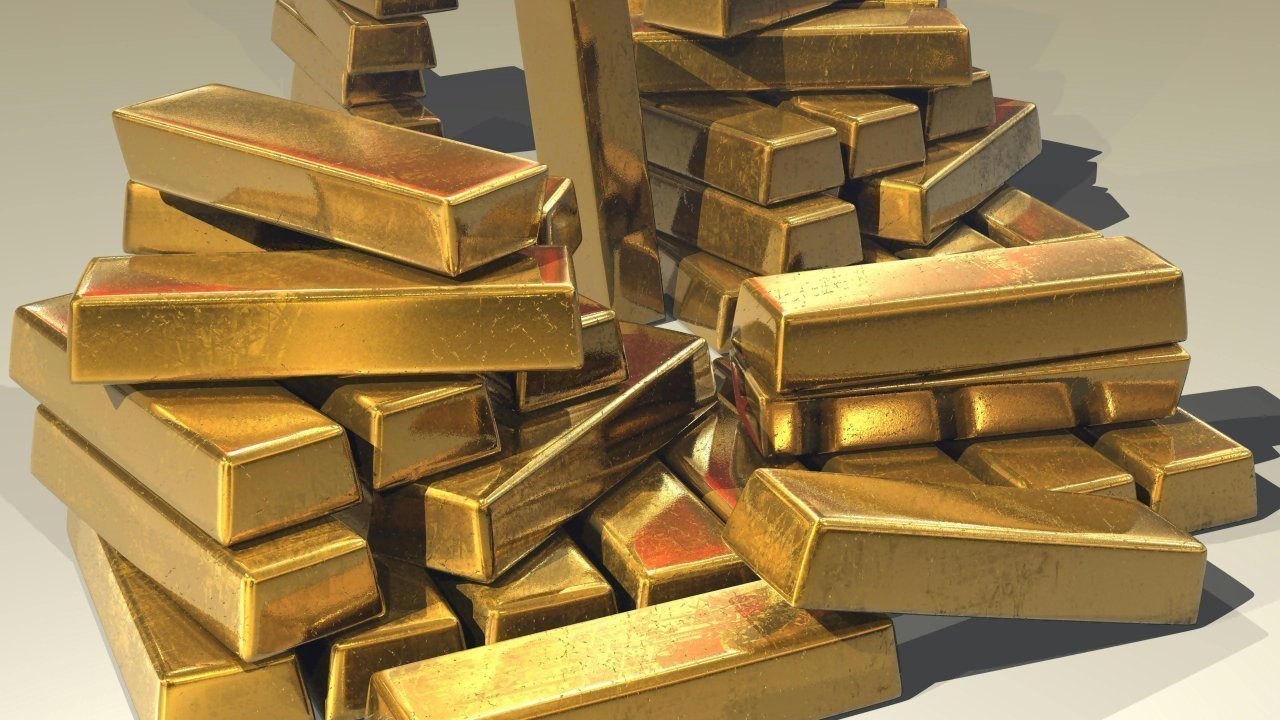
Is it the Right Time to Buy Gold in India? Market Analysis
By Admin · February 13, 2026
Is it the Right Time to Buy Gold in India? A Comprehensive Market Analysis
- Gold's Enduring Value: Gold holds deep cultural and financial significance in India, serving as both an ornament and a crucial investment asset.
- Market Volatility & Factors: The 'Gold Price India' is influenced by a complex interplay of global economic conditions, geopolitical events, central bank policies, and domestic demand during festivals.
- Consider Your Goals: The "right time" to buy gold largely depends on an individual's investment horizon, risk appetite, and financial objectives, rather than a universal market signal.
- Diversification is Key: Gold serves as an excellent portfolio diversifier and a hedge against inflation, but should be part of a balanced investment strategy.
Gold has always held a special place in the hearts and portfolios of Indians. More than just a precious metal, it's a symbol of wealth, security, and cultural heritage. From auspicious occasions to a traditional hedge against economic uncertainties, gold's allure remains timeless. However, in today's dynamic global and domestic economic landscape, a crucial question arises for many: "Is it the right time to buy gold in India?" Navigating the complexities of the 'Gold Price India' requires a deep understanding of the market, historical trends, and various influencing factors. This comprehensive analysis aims to shed light on whether now is an opportune moment for your next gold investment.
Understanding the Indian Gold Market Landscape
India is one of the world's largest consumers of gold, driven by both ornamental demand and its role as a store of value. The 'Today Gold Rate' is not just a number; it reflects a confluence of international prices, currency exchange rates, import duties, and local market dynamics.
Current Global & Domestic Factors Influencing Gold Prices
The price of gold is a barometer of global economic health and geopolitical stability. Several key factors are currently at play:
- Global Economic Uncertainty: Persistent inflation, fears of recession in major economies, and geopolitical tensions (like conflicts in Eastern Europe and the Middle East) often push investors towards safe-haven assets like gold. When the global outlook is uncertain, gold tends to perform well.
- Interest Rate Policies: Central banks worldwide, including the US Federal Reserve and the Reserve Bank of India (RBI), have been adjusting interest rates to combat inflation. Higher interest rates typically make non-yielding assets like gold less attractive, as bonds and savings accounts offer better returns. Conversely, a pause or cut in interest rates can make gold more appealing.
- Strength of the US Dollar: Gold is primarily priced in US dollars. A stronger dollar makes gold more expensive for buyers using other currencies, potentially dampening demand. A weaker dollar, however, makes gold cheaper and can boost demand.
- Indian Rupee-Dollar Exchange Rate: For Indian consumers, the 'Gold Price India' is directly impacted by the Rupee's value against the dollar. If the Rupee depreciates, imported gold becomes more expensive, even if international dollar prices remain stable.
- Domestic Demand & Festivals: India's festival and wedding seasons (Dhanteras, Diwali, Akshaya Tritiya) traditionally witness a surge in gold demand, which can influence local prices. Rural demand, often linked to agricultural prosperity and monsoon performance, also plays a significant role.
- Government Policies: Import duties on gold, taxation policies, and schemes like Sovereign Gold Bonds (SGBs) can significantly impact the 'Gold Price India' and investment patterns.
Historical Performance and Gold's Role as an Investment
Historically, gold has proven to be a reliable store of value, especially during times of crisis. It has consistently delivered positive returns over the long term, albeit with short-term volatility. Many investors view gold as an essential component for portfolio diversification, as its price often moves inversely to other asset classes like equities.
Over the past few decades, gold has showcased its ability to act as a hedge against inflation. When the purchasing power of fiat currencies erodes, gold tends to retain or even increase its value. This characteristic makes it particularly appealing during periods of high inflation, a scenario many economies have faced recently.
While the 'Today Gold Rate' might seem high or low at any given moment, it's the long-term trend that underscores gold's utility as an 'Investment'. Short-term fluctuations are common, driven by speculative trading and immediate market reactions, but gold's intrinsic value and scarcity provide a strong foundation for its enduring appeal.
Pros and Cons of Buying Gold Now
Pros of Gold Investment
- Inflation Hedge: In an environment of rising prices, gold can protect your purchasing power.
- Portfolio Diversification: Gold often acts as a safe haven, performing well when other assets underperform, thereby reducing overall portfolio risk.
- Liquidity: Gold is a highly liquid asset, meaning it can be easily converted into cash when needed.
- Cultural and Sentimental Value: For many Indians, gold is more than an investment; it's a family heirloom and an integral part of cultural traditions.
- Global Demand: Continuous demand from central banks, jewellery manufacturers, and investors worldwide provides a strong floor for gold prices.
Cons of Gold Investment
- No Regular Income: Unlike stocks (dividends) or real estate (rent), physical gold does not generate regular income.
- Storage and Security: Physical gold requires secure storage, which can incur costs or risks.
- Price Volatility: While a long-term safe haven, gold can experience significant short-term price swings.
- Making Charges & Wastage (for Jewellery): When buying gold jewellery, '22K Gold Price' is only part of the cost; making charges and potential wastage can significantly increase the final price and reduce resale value.
- Impact of Import Duties: High import duties in India can make gold more expensive for domestic buyers.
Different Avenues for Gold Investment in India
Beyond traditional jewellery, there are several modern and efficient ways to invest in gold:
- Physical Gold (Jewellery, Coins, Bars): The most traditional form. When buying jewellery, always check the purity (e.g., '22K Gold Price') and be mindful of making charges. Coins and bars offer higher purity and lower making charges, making them a better investment choice than jewellery.
- Gold Exchange Traded Funds (ETFs): These are units representing physical gold, traded on stock exchanges. They offer liquidity, purity assurance, and eliminate storage concerns.
- Sovereign Gold Bonds (SGBs): Issued by the RBI on behalf of the government, SGBs are an excellent option. They offer an annual interest rate (currently 2.50% per annum) and are linked to gold prices. They mature in 8 years, with an exit option after 5 years, and offer tax benefits on maturity.
- Digital Gold: Allows you to buy and sell gold online in small denominations. While convenient, it's essential to buy from reputable platforms.
- Gold Mutual Funds: These funds invest in gold mining companies or gold ETFs, offering indirect exposure to gold prices.
What to Consider Before Making Your Gold Purchase
Before you decide to buy, consider these crucial aspects:
- Investment Horizon: Are you looking for short-term gains or long-term wealth preservation? Gold typically performs best as a long-term 'Investment'.
- Risk Appetite: While gold is a safe haven, its price can fluctuate. Understand your comfort level with potential short-term volatility.
- Diversification Strategy: Gold should ideally be a part of a diversified portfolio, not your sole investment.
- Market Outlook: Stay informed about global economic indicators, central bank policies, and geopolitical developments. Regularly check the 'Today Gold Rate' from reliable sources.
- Purity and Authenticity: Always ensure the gold you buy, especially physical gold, is hallmarked and from a trusted vendor. Verify the '22K Gold Price' and other purities.
Conclusion: Is Now the Right Time?
There is no universally "right" time to buy gold, as market conditions are constantly evolving. However, a strong case can be made for considering gold as part of an investment strategy, especially given the current global economic uncertainties and inflationary pressures. Gold continues to be a robust hedge against inflation and a reliable safe haven asset, offering stability when other markets are volatile. For Indian investors, its cultural significance further solidifies its position.
Whether you're tracking the 'Gold Price India' daily or looking at long-term trends, the decision to invest should align with your personal financial goals, risk tolerance, and investment horizon. Diversifying your portfolio with gold, perhaps through SGBs or Gold ETFs for efficiency, can provide a layer of security and potentially enhance returns over the long term. Always conduct thorough research, consult with a financial advisor, and make informed decisions based on your unique circumstances.
Frequently Asked Questions (FAQ)
What factors are currently driving the Gold Price India?
The 'Gold Price India' is currently influenced by a combination of global inflation concerns, interest rate policies of major central banks, geopolitical tensions, the strength of the US Dollar, and domestic factors such as the Rupee-Dollar exchange rate, festival demand, and government import duties. Global economic uncertainty often pushes investors towards safe-haven assets like gold.
What is the difference between 22K Gold Price and 24K Gold Price?
24K gold is considered 99.9% pure gold, while 22K gold contains 22 parts gold and 2 parts other metals (like silver, copper, or zinc) to make it more durable for jewellery. Therefore, the '22K Gold Price' will always be lower per gram than the 24K 'Today Gold Rate' due to its lower purity. For investment purposes in physical form, 24K gold bars or coins are generally preferred, while 22K is common for jewellery.
Is gold a good investment for the long term in India?
Historically, gold has proven to be an excellent long-term 'Investment' in India, acting as a hedge against inflation and a store of value during economic downturns. While short-term volatility is possible, gold's intrinsic value, global demand, and cultural significance in India make it a strong candidate for long-term wealth preservation and portfolio diversification.