

Kolkata, the "City of Joy," holds a deep-rooted cultural and economic affinity for gold. From traditional ceremonies to modern investments, gold plays an indispensable role in the lives of its residents. Navigating the world of gold in Kolkata requires understanding local nuances, market dynamics, and regulatory frameworks. This comprehensive guide aims to equip you with all the essential information, whether you're a seasoned investor, a first-time buyer, or simply curious about gold in this vibrant city.
Why is gold price different in Kolkata?
While the underlying global gold price is uniform, the final retail price you pay for gold in Kolkata can vary slightly compared to other Indian cities. This difference is primarily due to several factors. Firstly, local demand and supply dynamics play a role; high demand during festive seasons or weddings can sometimes create minor upward pressure. Secondly, transportation and logistics costs from major import hubs to Kolkata are factored in by jewellers. Although India has a uniform Goods and Services Tax (GST) of 3% on gold value and 5% on making charges, which standardizes a significant portion of the cost, operational costs for jewellers, local taxes (if any, beyond GST, though rare for gold itself), and their individual profit margins contribute to the slight variations. Ultimately, while the base price is set by international markets and the USD-INR exchange rate, the final consumer price in Kolkata reflects these localized overheads and market conditions.
Which area or shop is famous for low making charges in Kolkata?
For those seeking gold jewellery with lower making charges in Kolkata, the traditional gold hub of Bowbazar is often the first recommendation. This historic area, particularly around Bowbazar Street and its alleys, is home to numerous independent jewellers and workshops. Due to intense competition and often a direct link between artisans and sellers, these establishments tend to offer more competitive making charges compared to larger, branded showrooms. While the designs might be more traditional, the value proposition is strong. Additionally, exploring smaller, family-run jewellers in localities outside the prime shopping districts can also yield better deals on making charges. It's always advisable to compare prices and making charges across a few shops before making a purchase, and don't hesitate to negotiate, especially for substantial buys.
Why do gold prices change daily?
Gold prices are highly dynamic and fluctuate daily, sometimes even hourly, due to a complex interplay of global and domestic factors. The primary drivers include:
- Global Supply and Demand: Changes in mining output, recycling rates, and consumer/industrial demand worldwide directly impact prices.
- International Gold Price: The benchmark price is set on international exchanges like the London Bullion Market Association (LBMA).
- USD-INR Exchange Rate: Since gold is largely imported into India and priced in US dollars, a weaker Indian Rupee against the dollar makes gold more expensive in INR terms.
- Interest Rates and Monetary Policy: Higher interest rates make other investments (like bonds) more attractive, potentially reducing gold's appeal, and vice-versa.
- Geopolitical Events and Economic Uncertainty: Gold is considered a "safe haven" asset. During times of political instability, wars, or economic crises, investors flock to gold, driving its price up.
- Inflation Expectations: Gold is often
Silver’s Growing Appeal: A Strategic Alternative for Kolkata’s Investors
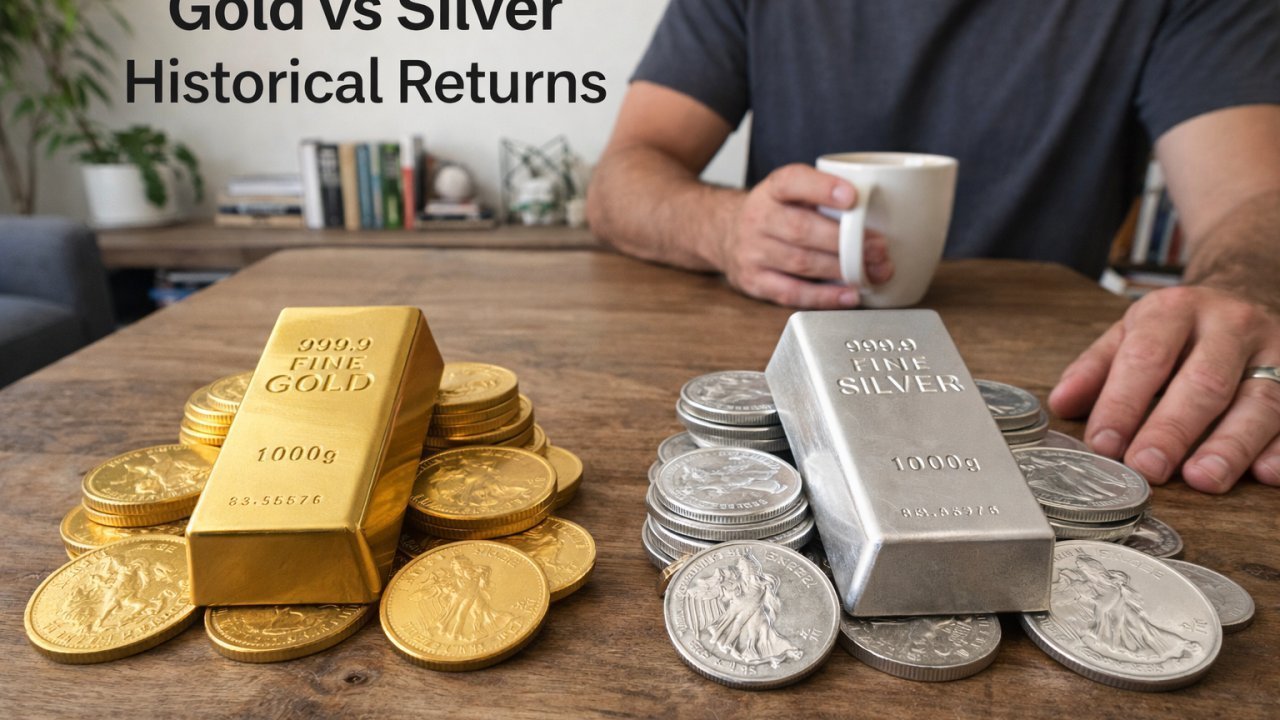
In the historic bullion hubs of Bowbazar and Burrabazar, a subtle but significant shift is occurring in the investment landscape. While gold remains the undisputed sovereign of Kolkata’s festive and wedding seasons, savvy local investors are increasingly diversifying their portfolios with silver. Often dismissed as 'poor man’s gold,' silver has recently shed this modest reputation, emerging as a high-performance industrial asset. With Kolkata’s rising interest in sophisticated financial instruments, silver’s dual role—as both a store of value and a critical component in global green technology—is driving a new wave of physical and digital silver accumulation across the city. Unlike gold, which reacts primarily to central bank policies and geopolitical tensions, silver’s price trajectory in the Kolkata market is heavily influenced by global industrial demand. Local traders note that during periods of gold price consolidation, silver often exhibits higher 'beta' or volatility, offering tactical entry points for those seeking sharper returns. For the retail buyer in West Bengal, the significantly lower entry barrier for 999-fineness silver bars and coins makes it an accessible hedge against inflation, allowing for a more flexible 'SIP-style' physical investment compared to the increasingly expensive ten-gram gold sovereign. As the global push for solar energy and electric vehicles intensifies, the industrial scarcity of silver is expected to provide a structural floor for prices. For Kolkata-based investors, this means silver is no longer just a secondary choice for gift-giving, but a strategic asset class. When gold prices reach record highs, the 'gold-silver ratio' often points toward silver being undervalued, making it an opportune moment for local households to rebalance their metal holdings and capitalize on the next industrial upcycle.Key Takeaway: While gold provides the foundation for long-term stability, silver offers Kolkata investors a high-growth alternative driven by industrial demand. Allocating a portion of your precious metal budget to silver can enhance portfolio performance during periods of industrial expansion.
Expert Tip: Finding the ‘Golden Hour’ for Your Purchase in Kolkata
In the historic jewelry hubs of Bowbazar and the modern showrooms of Camac Street, timing your purchase is just as critical as checking the purity of the metal. While gold rates are updated daily, the most strategic window for buyers in Kolkata typically falls between 2:00 PM and 4:00 PM. This period serves as a "sweet spot" because the India Bullion and Jewellers Association (IBJA) rates have usually stabilized by mid-afternoon, and the opening of the London market has begun to influence the global spot price. Buying right at 11:00 AM when shops open can be risky, as retailers often build in a "volatility buffer" into their morning quotes to protect against early-day price swings. Furthermore, Kolkata’s market possesses a unique cultural rhythm. Unlike the standardized pricing seen in many Western markets, the local "Kolkata Rate" can fluctuate based on the heavy demand during the Bengali wedding season or regional festivals like Durga Puja. Expert buyers often monitor the MCX (Multi Commodity Exchange) live feed on their phones while inside the store. If the MCX shows a downward trend during the afternoon session, you have better leverage to negotiate the "making charges"—a component where Kolkata’s legendary artisans offer more flexibility than the fixed-price national chains.Key Takeaway: Aim to finalize your transaction between 2:00 PM and 4:00 PM to avoid morning volatility, and always cross-reference the jeweler's quote with the live MCX trend to ensure you aren't paying an unnecessary local premium.
Expert Tip: Decoding Making Charges in Kolkata’s Gold Hubs
In the historic lanes of Bowbazar and the bustling showrooms of Gariahat, the daily gold rate is only one part of your final invoice. Kolkata is the heart of India’s handcrafted jewelry industry, renowned for its intricate 'Karigari'—a labor-intensive process that often justifies higher making charges compared to machine-cut ornaments. While the base gold price is standardized by local trade bodies like the Swarna Silpa Bachao Committee, making charges can fluctuate significantly, typically ranging from 8% to 25% depending on the complexity of the design. Understanding this variance is the key to securing a fair deal in the city’s competitive market. Negotiation in Kolkata is an expected ritual, particularly during the high-demand wedding seasons of Baisakh and Agrahayan. While national chains may offer fixed pricing, many of Kolkata’s heritage family jewellers allow for a 10% to 20% reduction on the making charge component if you are making a bulk purchase or buying a heavy bridal set. To negotiate effectively, always ask for the 'making charge per gram' rather than a lump sum. Furthermore, keep an eye on the 'Shubho Muhurat' offers; during major festivals like Durga Puja and Dhanteras, even the most prestigious showrooms in the city frequently slash making charges by 50% or more to attract festive shoppers.Key Takeaway: Always request a transparent breakdown of the making charges per gram and compare these rates across at least three different showrooms in the Bowbazar-Gariahat circuit to leverage local competition for a better price.
GST on Gold: Navigating the Final Bill in Kolkata’s Jewelry Hubs
For generations, gold buyers in Kolkata—from the historic lanes of Bowbazar to the glitzy showrooms of Gariahat—have focused primarily on the "per gram" rate. However, in the current tax regime, understanding the Goods and Services Tax (GST) is crucial for calculating the actual out-of-pocket expense. When you purchase gold jewelry in West Bengal, a flat 3% GST is applied to the value of the gold itself. But the calculation doesn't stop there. Kolkata is world-renowned for its intricate "karigari" or craftsmanship, and it is important to note that a 5% GST is also levied specifically on the making charges. As making charges in Kolkata can vary significantly depending on the complexity of the design, this tax component can noticeably influence your final invoice.
Recent market shifts have made transparency more important than ever. With the mandatory HUID (Hallmark Unique Identification) now in full effect, Kolkata’s savvy investors are increasingly insisting on formal tax invoices. While some smaller outlets might offer "informal" deals to bypass GST, experts warn that this negates the legal protection of the HUID and makes it difficult to resell or exchange the gold at national chains later. Furthermore, if you are trading in old gold for new jewelry, GST is generally not applicable on the value of the gold you provide, provided the transaction meets specific criteria. Always ensure your jeweler provides a clear breakup showing the gold price, making charges, and the respective GST components to ensure you are paying the fair market price.
Key Takeaway: Your final bill in Kolkata is the sum of the [Gold Price + Making Charges] plus 3% GST on the metal and 5% GST on the labor. Always demand a GST-compliant invoice to guarantee the purity and legal standing of your investment.
Kolkata Gold Market Update: Wedding Season Trends & Outlook
As Kolkata approaches its auspicious wedding season, typically kicking off post-Durga Puja and extending into the winter months, gold once again takes center stage. For generations, gold has been an indispensable part of Bengali weddings, symbolizing prosperity, security, and tradition. This year, with global economic factors influencing bullion prices, local buyers are keenly watching the market to make their crucial wedding purchases, balancing timeless elegance with smart investment.
The City of Joy's bridal gold market is a fascinating blend of heritage and contemporary tastes. While intricate traditional designs like the 'Sitahar', 'Chur', 'Ratanchur', and 'Kaan Bala' remain perennial favorites, a noticeable shift towards lighter, more versatile pieces is emerging amongst younger couples. Many are opting for classic designs with a modern twist or investing in pieces that can be worn beyond the wedding day. Reputable jewellers along Bowbazar and Gariahat report steady inquiries, with many families planning their purchases well in advance to potentially mitigate price fluctuations and ensure custom craftsmanship.
Experts suggest that while international gold prices dictate the broader trend, local demand during the peak wedding season can add a premium. Buyers in Kolkata are advised to not only focus on the per-gram price but also to compare making charges and wastage across different jewellers. Considering options like gold savings schemes or booking a portion of their required gold in advance could prove beneficial in navigating the season's demand-driven market, ensuring both value and the perfect bridal glow.
Key Takeaway: For Kolkata's upcoming wedding season, smart gold buying involves balancing traditional aesthetics with modern versatility, comparing making charges, and considering phased purchases to navigate potential demand-driven price movements effectively.
Silver: The Shining Alternative for Kolkata Investors
While gold often takes center stage in Kolkata's precious metals discussions, silver has quietly emerged as a compelling alternative investment, particularly for those looking to diversify their portfolios. Recent trends suggest a growing interest in the white metal, driven by a confluence of global and local factors that position it as more than just a cheaper cousin to gold.
In Kolkata, silver's appeal extends beyond its traditional role in jewellery and silverware. Its increasing industrial demand globally, especially in green technologies like solar panels and electric vehicles, provides a strong fundamental underpinning. Locally, its lower price point per gram makes it accessible to a wider spectrum of investors, from seasoned buyers to those just starting their precious metal journey. This accessibility, coupled with its historical performance during inflationary periods, positions silver as a smart hedge against economic uncertainties.
The city's vibrant festive calendar often sees a surge in silver purchases, not just for adornment but also as a tangible form of wealth. Investors in Kolkata are increasingly recognizing silver's potential for higher volatility compared to gold, which, while carrying more risk, also offers the potential for more significant gains. This makes it an attractive option for those with a slightly higher risk appetite seeking amplified returns in the precious metals segment, making it a valuable addition to a diversified investment strategy.
Key Takeaway: For Kolkata investors eyeing diversification and growth, silver presents a dynamic alternative to gold, driven by robust industrial demand and accessible pricing, offering a unique blend of stability and higher growth potential.
Expert Tip: Navigating the 'Old Gold' Exchange Maze in Kolkata
In the bustling jewelry hubs of Bowbazar and Gariahat, the value of your gold isn't just determined by the daily spot price, but by its "pedigree." With the mandatory implementation of the HUID (Hallmark Unique Identification) system, Kolkata’s legacy jewellers have significantly tightened their exchange policies. If you are trading in "New Gold"—jewelry purchased recently with a clear HUID laser mark—most reputable showrooms in the city now offer nearly 100% value against the prevailing market rate when upgrading to a new piece. This transparency has eliminated the traditional 5-10% "melting loss" that previously frustrated consumers.
However, the scenario changes for "Old Gold," particularly heirlooms or non-hallmarked pieces purchased decades ago. Many Kolkata jewellers still apply a purity deduction ranging from 12% to 20% on non-hallmarked items to account for impurities in the soldering (Kada) used in traditional Bengali craftsmanship. To maximize your value, it is highly recommended to visit the original jeweler where the piece was first purchased; legacy brands like PC Chandra or Senco often offer "Loyalty Exchange" programs that provide a better valuation for their own vintage hallmarked products compared to gold sourced from elsewhere.
Before heading to the counter, always insist on a computerized Karatmeter test, which is now standard in most high-end Kolkata showrooms. This ensures you aren't settling for a manual "touchstone" appraisal, which often undervalues the metal. If you're exchanging a significant amount of old gold, consider getting it certified at a government-recognized Assaying and Hallmarking Centre (AHC) in the city first; having a formal purity report can serve as a powerful bargaining chip during price negotiations.
Key Takeaway: While new HUID-compliant gold fetches near-market value, old non-hallmarked jewelry is subject to higher deductions. Always exchange old gold at the original place of purchase in Kolkata to leverage historical purity guarantees and minimize valuation losses.
Safeguarding Your Assets: Gold Insurance in Kolkata
For residents of Kolkata, where gold jewellery is not merely an accessory but a cherished familial legacy—often passed down through generations—the traditional home locker is no longer sufficient. With the rising volatility in gold prices and the increasing incidence of residential thefts in bustling neighborhoods like Salt Lake, Alipore, and Gariahat, securing your precious metals through a dedicated insurance policy has become a financial imperative. While many homeowners’ insurance policies provide some coverage for jewellery, they often come with sub-limits that fail to account for the current market valuation of 22k or 24k gold.
Experts recommend opting for a "floater" policy or a specific jewellery insurance cover that protects against burglary, fire, and even accidental damage or loss while in transit—a crucial feature for those frequenting local jewellery hubs for cleaning or resetting. When insuring your collection in Kolkata, ensure you have a recent valuation certificate from a reputable local jeweller or an independent appraiser. Given the humid climate of the city, which can occasionally affect the luster of high-karat gold, specialized insurance can also provide peace of mind regarding professional restoration services, ensuring that your heirloom pieces remain pristine for years to come.
Key Takeaway: Do not rely solely on standard home insurance; opt for a specialized jewellery policy that covers market-linked values and transit, and always keep an updated photographic inventory and valuation certificate stored in a digital vault to expedite potential claims.
Strategic Timing: When to Purchase Gold in the City of Joy
For gold buyers in Kolkata, timing is as much about market mechanics as it is about local tradition. While the global spot price of gold fluctuates continuously throughout the trading day, the local bullion market in areas like Bowbazar and Burrabazar typically stabilizes after the opening of the Indian commodity exchanges. For those looking to secure the best deal, tracking the price movements during the late morning—specifically between 11:30 AM and 1:00 PM—is often recommended. During this window, the initial volatility of the market opening has settled, and jewelers have established their daily rates based on the morning’s international trends. However, savvy Kolkata investors know that "best" is a relative term. If you are purchasing physical jewelry, the late afternoon period, before the evening rush, often allows for a more relaxed consultation with your jeweler. This is particularly crucial during peak festive seasons like Durga Puja or Dhanteras, where high footfall can lead to dynamic pricing adjustments. Avoiding the frantic closing hours ensures you have the time to negotiate making charges effectively, which is where the real value of your purchase is often determined. Beyond the clock, always keep an eye on the rupee-to-dollar exchange rate. Since gold is globally priced in USD, a strengthening rupee against the dollar can lead to a slight dip in local prices by the afternoon session. By monitoring these macro-indicators alongside the local market rhythm, you can optimize your entry point and ensure you are getting the most weight for your investment.Key Takeaway: Aim to finalize your gold purchase between 11:30 AM and 1:00 PM to benefit from settled market rates, and always prioritize negotiating the "making charges" during off-peak hours to maximize your overall value.
GST on Gold: What Every Buyer in Kolkata Needs to Know
For gold enthusiasts in the City of Joy, navigating the nuances of the Goods and Services Tax (GST) is essential for making informed purchase decisions. In India, gold jewellery attracts a 3% GST on the value of the metal, but it is critical to remember that this tax is also applied to the "making charges." Since Kolkata is a hub for exquisite, handcrafted gold jewellery—from the traditional Sitahar to contemporary lightweight designs—these making charges can vary significantly depending on the intricacy of the craftsmanship. Savvy buyers should always ensure that their invoice clearly delineates the cost of gold and the making charges, as the 3% GST is levied on the cumulative amount.
Furthermore, when exchanging old gold for new pieces at popular local jewellers along Gariahat or Bowbazar, the GST implications can sometimes lead to confusion. While you do not pay GST on the value of the old gold you are trading in, the tax is applicable on the total value of the new ornament being purchased. As market volatility impacts daily gold rates in Kolkata, checking the latest price per gram before finalizing your purchase is vital. By staying vigilant about these tax components, you can avoid unexpected costs and ensure that your investment in gold remains as transparent as it is valuable.
Key Takeaway: Always verify that the 3% GST is calculated on both the gold price and the making charges; requesting a detailed, computer-generated invoice is the best way to ensure tax compliance and protect your investment.
Market Insight: Global Volatility and the Kolkata Gold Corridor
The gold market in Kolkata is currently experiencing a ripple effect triggered by heightened geopolitical tensions and shifting monetary policies in the United States. As global investors pivot toward safe-haven assets, international spot prices have seen significant swings, directly impacting the bullion premiums at Burrabazar and the broader West Bengal jewellery sector. For Kolkata’s local market, these global shifts are compounded by the persistent strength of the US dollar against the Indian Rupee, which effectively raises the landed cost of gold imports for local refineries. Local jewellers in the city are observing a cautious sentiment among buyers. While traditional demand remains robust—particularly with the anticipation of upcoming regional festivals—the price volatility is causing many to adopt a "wait-and-watch" approach. Interestingly, the Kolkata market often exhibits a unique resilience; despite the upward pressure on prices, the emotional and cultural significance of gold as an inflation hedge keeps retail demand steady. Industry experts suggest that the current price fluctuations are serving as a catalyst for a shift toward digital gold and sovereign gold bonds, as investors look for ways to mitigate the risks associated with holding physical inventory during periods of sharp correction. For those tracking the market from the City of Joy, it is essential to monitor the interplay between the Rupee’s performance and the London Bullion Market Association (LBMA) fix. As we move deeper into the current quarter, any stabilization in global interest rates could provide the much-needed relief for local buyers, potentially narrowing the spread between international and domestic rates.Key Takeaway: While global economic uncertainty is driving current price volatility, Kolkata's retail market continues to prioritize gold as a long-term hedge; investors should focus on Rupee-to-Dollar trends as the primary indicator for short-term price adjustments in the local market.
Expert Tip: Verifying Gold Purity in Kolkata’s Bustling Markets
For gold buyers navigating the historic jewellery lanes of Bowbazar or the upscale showrooms of Gariahat, ensuring the authenticity of your purchase is paramount. While traditional hallmarks remain the gold standard, the Bureau of Indian Standards (BIS) has empowered consumers with the BIS Care App, a vital tool for verifying the purity of your ornaments instantly. Before completing your purchase, ensure your jewellery features the 6-digit alphanumeric HUID (Hallmark Unique Identification) code, which acts as a digital fingerprint for your specific piece.
To verify your purchase, simply download the BIS Care App, navigate to the 'Verify HUID' section, and enter the code laser-inscribed on your jewellery. The app will immediately retrieve the hallmarking details, including the purity grade (such as 22K916), the assaying centre's location, and the jeweller's registration status. Given the high demand for gold during Kolkata’s festive season, from Durga Puja to Dhanteras, this digital verification adds a layer of security that traditional visual inspections cannot match. It effectively eliminates the risk of counterfeit hallmarking and provides peace of mind when investing in precious assets.
Key Takeaway: Always insist on a valid HUID-stamped invoice and cross-verify the unique code via the BIS Care App before leaving the showroom; if the app shows a mismatch or no record, reconsider your purchase to protect your investment.
Beyond the Locker: Why Kolkata Investors are Pivoting to Sovereign Gold Bonds
For generations, the households of Kolkata—from the bustling lanes of Bowbazar to the refined residences of Alipore—have viewed physical gold as the ultimate store of value. However, as the logistical and security challenges of storing physical bullion grow, a strategic shift is underway. Sovereign Gold Bonds (SGBs) are increasingly becoming the preferred instrument for savvy Kolkata residents looking to capitalize on gold’s price appreciation without the headaches of bank lockers or hidden making charges. Unlike physical ornaments or bars, which often involve a 10% to 20% loss in value due to crafting fees and purity concerns, SGBs are issued by the Reserve Bank of India and represent paper gold backed by the sovereign guarantee. For the Kolkata investor, the primary advantage is twofold: the security of a government-backed asset and the additional 2.5% annual interest paid on the initial investment. Furthermore, since SGBs are held in demat form, there is no risk of theft or the need for expensive insurance premiums, making them a cleaner, more efficient way to build wealth. While the emotional allure of traditional gold jewelry for weddings and festivals remains undisputed, SGBs offer a sophisticated alternative for the investment portion of your portfolio. By opting for bonds, you effectively bypass the "making charges" trap and eliminate the storage anxiety that often plagues homeowners during the festive season. As gold prices continue to fluctuate in the local markets, transitioning a portion of your holdings into SGBs ensures that your capital works harder for you, providing both steady interest income and tax-efficient capital gains.Key Takeaway: Sovereign Gold Bonds offer Kolkata investors a superior, tax-efficient alternative to physical gold by eliminating storage risks and making charges, while providing a guaranteed 2.5% annual interest payout on top of market-linked appreciation.
Ensuring Authenticity: Verifying Gold Purity in Kolkata’s Bustling Markets
As gold remains an integral part of cultural traditions and investment portfolios across Kolkata—from the historic jewelry hubs of Bowbazar to the contemporary showrooms in Gariahat—ensuring the authenticity of your purchase is paramount. With the Bureau of Indian Standards (BIS) making hallmarking mandatory for various categories of gold jewelry, consumers in the City of Joy now have a powerful digital tool at their fingertips to verify the quality of their acquisitions: the BIS Care App.
To verify your gold, look for the HUID (Hallmark Unique Identification) number—a six-digit alphanumeric code laser-engraved on your jewelry. By downloading the official BIS Care App, you can select the ‘Verify HUID’ feature to instantly access details regarding the jeweler’s registration, the purity of the gold (such as 22K916 for 22-carat gold), and the date of hallmarking. This digital verification adds a robust layer of transparency, protecting buyers from the risk of purchasing substandard alloys, which is particularly important during peak wedding seasons and festive periods like Durga Puja and Dhanteras when market activity surges.
Whether you are buying a traditional 'Sitahar' or a contemporary gold coin, adopting this habit of verification ensures that your investment retains its value. If the app shows a mismatch or if the HUID is not recognized, it is advisable to cross-check with your retailer immediately or report the discrepancy through the app’s integrated grievance portal. Empowering yourself with this technology not only secures your wealth but also encourages ethical trade practices within Kolkata’s thriving gold market.
Key Takeaway: Always insist on a valid HUID-stamped invoice and use the BIS Care App to verify the unique identification number before leaving the store to ensure your gold investment is genuine and hallmarked to government standards.
Ensuring Authenticity: Verifying Gold Purity in Kolkata’s Bustling Markets
As gold remains an integral part of cultural traditions and investment portfolios across Kolkata—from the historic jewelry hubs of Bowbazar to the contemporary showrooms in Gariahat—ensuring the authenticity of your purchase is paramount. With the Bureau of Indian Standards (BIS) making hallmarking mandatory for gold jewelry and artifacts, consumers now have a powerful digital tool at their fingertips to verify the quality of their gold before finalizing a transaction.
The BIS Care App has become an essential companion for Kolkata’s gold buyers. To verify your jewelry, simply look for the HUID (Hallmark Unique Identification) number—a six-digit alphanumeric code laser-engraved on your item. By opening the BIS Care App and selecting the ‘Verify HUID’ feature, you can instantly access details such as the jeweler’s registration number, the purity of the gold (e.g., 22K916), and the date of hallmarking. This transparency empowers buyers to shop with confidence, effectively mitigating the risks of purchasing substandard or under-carat gold in a competitive market.
For those navigating the vibrant, crowded lanes of Kolkata’s traditional gold markets, relying on manual assessment alone is no longer sufficient. Integrating the BIS Care App into your shopping routine not only secures your investment but also ensures you are paying the correct market rate for the exact purity of gold you are receiving. It is a simple, modern step toward safeguarding your family’s legacy in a city that truly treasures its gold.
Key Takeaway: Always insist on a valid invoice mentioning the HUID number and use the BIS Care App to verify the hallmarking details immediately after your purchase to ensure your gold investment is genuine and accurately valued.
Market Update: How Global Winds Shape Kolkata's Gold Price
The glittering allure of gold in the 'City of Joy' is currently navigating a complex web of international market dynamics. Recent weeks have seen significant global market fluctuations, largely driven by persistent geopolitical tensions in Eastern Europe and the Middle East, coupled with evolving expectations around the US Federal Reserve's interest rate trajectory. These factors have bolstered gold's traditional role as a safe-haven asset, pushing international prices higher as investors seek refuge from volatility in equities and other riskier assets.
For Kolkata's discerning buyers, this global upward trend is further amplified by the performance of the Indian Rupee against the US Dollar. A weaker Rupee effectively makes imported gold more expensive in local currency terms, adding another layer to the price equation. While global cues set the base, local demand remains a significant influence. With wedding seasons approaching and the inherent cultural significance of gold in Bengali traditions, local consumption often provides a resilient floor, sometimes even commanding a slight premium, irrespective of short-term international shifts.
Therefore, while international headlines about inflation data and central bank policies might seem distant, their ripple effects are directly felt in the bustling jewellery shops of Gariahat and Bowbazar. Buyers in Kolkata should keep a keen eye not just on global spot prices, but also on the USD-INR exchange rate, as these two elements are currently the primary architects of your local gold price.
Key Takeaway: Kolkata's gold prices are experiencing upward pressure from global safe-haven demand and a weaker Rupee, making it crucial for local buyers to monitor both international trends and currency movements.
GST on Gold: What Every Buyer in Kolkata Needs to Know
For gold enthusiasts in Kolkata, navigating the nuances of the Goods and Services Tax (GST) is essential for making informed purchasing decisions at the city’s historic jewelry hubs, from the bustling lanes of Bowbazar to the premium showrooms of Gariahat. Currently, a 3% GST is levied on the purchase of gold bullion and jewelry. It is crucial for buyers to understand that this tax is calculated on the total value of the transaction, which includes the price of the gold itself as well as the making charges (labour costs).
When you walk into a Kolkata jeweler, the final invoice will clearly reflect this 3% GST. Savvy investors often overlook that the tax also applies to the making charges, which can vary significantly depending on the intricacy of the design—a factor particularly relevant if you are purchasing traditional Bengali 'sitahar' or handcrafted filigree work. Always ensure that your invoice is itemized, clearly separating the gold rate, the making charges, and the GST component. In an era where transparency is paramount, demanding a computer-generated GST-compliant bill is not just a regulatory formality; it is your primary protection against overcharging and ensures the authenticity of the purity being sold.
Key Takeaway: Always factor in the 3% GST on both the gold price and making charges when budgeting for your purchase. To ensure you are getting the best value, ask your jeweler for a transparent breakdown of costs and insist on a GST-compliant invoice that guarantees the purity and weight of your gold.
Beyond the Vault: Why Kolkata Investors are Pivoting to SGBs
For generations, families in Kolkata have viewed physical gold as the ultimate store of value, often navigating the bustling lanes of Bowbazar to procure jewelry for weddings and festive occasions. However, as the digital transformation of India’s investment landscape accelerates, a growing number of savvy residents are shifting their strategy toward Sovereign Gold Bonds (SGBs). Unlike physical gold, which brings the perennial concerns of safety, high making charges (often ranging from 10% to 25%), and purity verification, SGBs offer a seamless, government-backed alternative that eliminates these friction points entirely. The primary advantage for the Kolkata investor lies in the dual-benefit structure. Beyond tracking the market price of gold, SGBs provide an additional annual interest payout of 2.5%, credited directly to your bank account. In a city where traditional gold holdings often sit idle in lockers—incurring annual rental fees—SGBs turn your investment into an income-generating asset. Furthermore, since SGBs are held in demat form, they are immune to theft and degradation, making them an ideal choice for long-term wealth preservation without the logistics of secure storage. By choosing bonds over bullion, investors effectively bypass the "making charge" trap while enjoying the sovereign guarantee of the Reserve Bank of India, ensuring that their capital appreciates in line with global gold trends without the overheads of physical ownership.Key Takeaway: Transitioning from physical jewelry to Sovereign Gold Bonds allows Kolkata investors to earn a 2.5% annual return on top of capital appreciation, while completely eliminating storage costs, theft risks, and the hidden expense of high making charges.