Comprehensive Gold Guide for Mumbai (2026)
Mumbai, the financial capital of India, is also the heart of the country's gold trade. From the bustling lanes of Zaveri Bazaar to the high-end boutiques of Bandra, gold is not just a metal here; it's a currency, a tradition, and a status symbol.
1. Why is Gold Price Different in Mumbai?
Gold prices in Mumbai often differ from other cities like Delhi, Chennai, or Kolkata due to several localized factors:
- Logistics and Import Costs: Being a port city, Mumbai is a primary entry point for imported gold. This often results in slightly lower logistics costs compared to inland cities, potentially keeping the base rate competitive.
- Local Taxes (Octroi/LBT): While GST has standardized taxes significantly, local municipal bodies may have specific levies or older cost structures that influence the final retail price.
- Bullion Association Fixings: The Mumbai Jewellers Association and the India Bullion and Jewellers Association (IBJA) play a pivotal role in setting the daily opening and closing rates, which are often used as benchmarks across the country.
- Volume of Trade: High competition in hubs like Zaveri Bazaar forces retailers to keep margins thin, affecting the "street price" vs. the "showroom price."
2. Famous Areas for Buying Gold at Low Making Charges in Mumbai
If you represent the savvy Mumbaikar looking to save on the hefty 10-25% making charges, these are the go-to spots:
- Zaveri Bazaar: The undeniable gold hub of India. Here, you deal directly with wholesalers and manufacturers. Making charges can be as low as 3-8% depending on the design. It's crowded, chaotic, but undoubtedly the cheapest place for standard jewellery.
- Dadar (West): The lane near the station is lined with traditional Maharashtrian jewellers (Pednekar, Waman Hari Pethe) who offer competitive rates, especially during festivals like Gudi Padwa and Dussehra.
- Borivali (West): A growing hub for the Gujarati community, offering a mix of modern designs and competitive pricing due to intense local competition.
3. Why Do Gold Prices Change Daily?
The rate you see on your phone screen fluctuates every morning due to:
- Global Spot Prices: Gold is traded internationally (XAU/USD). If the dollar strengthens, gold usually dips, and vice versa.
- Currency Volatility: Since India imports almost all its gold, the USD-INR exchange rate is critical. A weaker Rupee makes gold more expensive.
- Import Duties: Changes in customs duty by the Central Government directly impact the landed cost.
- MCX Trading: The Multi Commodity Exchange (MCX) in India reflects the futures market sentiment, influencing spot rates.
4. Gold Rates in Mumbai (22 Karat): How Do Prices Change?
22 Karat gold is the standard for jewellery. Its price typically follows the 24K pure gold rate but is calculated at 91.6% purity. However, when you buy:
Final Price = (22K Rate x Weight) + Making Charges + GST (3%)
In Mumbai, during the wedding season (November to May), high demand can create a "premium" on the spot rate, pushing 22K prices slightly higher than the mathematical 91.6% derivation.
5. Gold and Hallmarking Centres in Mumbai
Bureau of Indian Standards (BIS) Hallmarking is now mandatory for major districts including Mumbai. Hallmarking ensures you get the purity you pay for (e.g., 22K916).
Mumbai has one of the highest densities of Assaying and Hallmarking Centres (AHCs) in India, located primarily in Kalbadevi, Zaveri Bazaar, and Andheri SEEPZ. Always check for the 6-digit HUID code on your jewellery before purchasing.
6. Top Jewellers in Mumbai
Legacy meets luxury in Mumbai's jewellery scene. Some trusted names include:
- Tribhovandas Bhimji Zaveri (TBZ): known for trust and heritage.
- Waman Hari Pethe Sons: A staple for Maharashtrian traditional designs.
- P.N. Gadgil Jewellers (PNG): Highly trusted for purity.
- Tanishq & Malabar Gold: For pan-India standardisation and transparency.
7. Supply Pressures: What Pushes Prices Higher?
In a city like Mumbai, "supply pressure" creates spikes when:
- Festivals: Buying peaks during Dhanteras and Diwali.
- Wedding Season: Bulk buying for marriages creates a physical shortage of bars/coins.
- Ban on Imports: Any government restriction on imports creates a "scarcity premium" in the local grey market, driving up street rates.
8. Where and How to Store Your Gold in Mumbai?
Security is a prime concern in a metro. Options include:
- Bank Lockers: The traditional choice, though availability in Mumbai branches is often scarce and comes with annual fees.
- Digital Gold / Gold Vaults: Apps allow you to buy gold stored in insured vaults (like Brink's).
- Home Safes: Investing in a heavy-duty, fire-proof Godrej safe bolted to the floor is a one-time cost for peace of mind.
9. Is it Better to Invest in Gold or Immovable Property in Mumbai?
Real Estate in Mumbai is notoriously expensive and illiquid. You need crores to enter the market. In contrast, Gold offers:
- Liquidity: Sell it anytime, anywhere.
- Low Entry Barrier: Buy as little as 1 gram.
- Stability: It's a hedge against inflation vs. property which can stagnate.
Verdict: For small to medium portfolios, Gold wins. For unmatched long-term wealth compounding (if you have the capital), Mumbai Real Estate is king.
10. What is a Sovereign Gold Bond (SGB)?
Issued by the RBI, SGBs are the smartest way to hold gold in Mumbai if you don't need to wear it. Use cases:
- Interest Income: You earn 2.5% per annum extra.
- Tax Free: Capital gains are tax-exempt if held till maturity (8 years).
- No Making Charges: You pay only for the gold value.
11. Taxation of Gold and Gold ETFs in Mumbai
Physical Gold: Sold before 3 years? Added to income (Short Term). Sold after 3 years? 20% Tax with indexation (Long Term).
Digital Gold / ETFs / Mutual Funds: As of recent finance acts, these are often taxed at your slab rate regardless of holding period (check latest Finance Bill amendments).
Summary: Whether you are visiting Zaveri Bazaar for a wedding trousseau or buying SGBs from your Nariman Point office, Mumbai offers the most liquid and vibrant gold ecosystem in India. Stay updated with TodayPrice.gold for the sharpest rates.
Timing Your Purchase: When is the Best Hour to Buy Gold in Mumbai?
While gold prices are influenced by global cues, the Mumbai market—centered around the historic hubs of Zaveri Bazar and the bustling showrooms of Borivali—operates on a specific intraday rhythm. For the most predictable pricing, the "Golden Window" in Mumbai typically falls between 11:30 AM and 1:30 PM. This is because Indian bullion rates usually stabilize only after the Multi Commodity Exchange (MCX) has been open for a few hours, allowing the morning’s opening volatility to settle. By mid-day, local jewelers have updated their daily rate boards based on the initial domestic trading trends and the previous night’s closing in New York.
Conversely, savvy buyers often avoid making purchases late in the evening. As the New York (COMEX) market opens around 6:30 PM IST, gold prices in Mumbai can experience sudden spikes or "price buffers" added by retailers to hedge against overnight international fluctuations. Furthermore, visiting a reputable jeweler during the early afternoon ensures a more personalized experience. In a city where hallmarking verification and intricate weight checks are paramount, avoiding the post-work rush at major outlets in Dadar or Andheri allows you the time to scrutinize the BIS 916 stamps without the pressure of a crowded showroom.
Key Takeaway: Aim to finalize your gold purchase between 11:30 AM and 1:30 PM on weekdays to benefit from stabilized MCX rates and avoid the speculative pricing often seen during the evening's global market overlap.
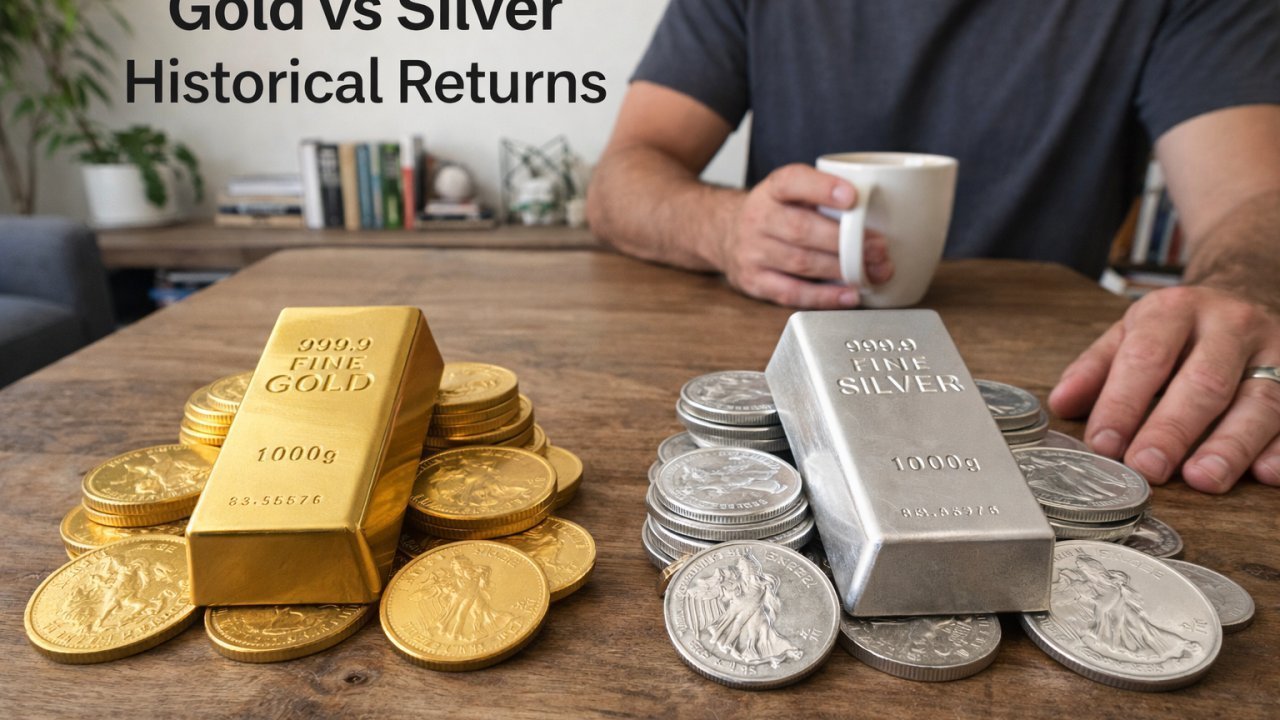
Market Insight: Is Silver the New Gold for Mumbai’s Smart Investors?
While gold remains the undisputed king of the Mumbai bullion market, silver is rapidly carving out its own niche as a high-growth alternative. In the bustling lanes of Zaveri Bazaar, traders are noting a significant shift: savvy local investors are increasingly drawn to silver’s dual identity. Unlike gold, which serves primarily as a store of value, silver is a critical industrial component for the solar energy and electric vehicle sectors—industries currently booming under India’s green energy initiatives. This industrial backbone provides a unique price floor and a growth catalyst that traditional gold investments occasionally lack.
For the Mumbai-based investor, the "Gold-Silver Ratio" has become a vital metric to track. Historically, when gold prices reach record highs—as seen recently at retail outlets across the city—silver often follows with a tactical lag, frequently offering a more accessible entry point for those looking to hedge against rupee depreciation. Furthermore, the inherent volatility of silver, while higher than gold, presents aggressive opportunities for short-to-medium-term gains. This has led to a surge in demand for silver ETFs and physical 999-fineness bars among the city's financial professionals who seek to diversify away from a purely gold-heavy portfolio.
However, liquidity and purity remain the cornerstones of a wise investment. Whether you are purchasing from a legacy jeweler in South Mumbai or a modern digital platform, ensuring BIS-hallmarking is as crucial for silver as it is for 24K gold. As global supply constraints meet rising domestic demand for silverware and industrial applications, silver’s trajectory in the Mumbai market suggests it is no longer just "the poor man’s gold," but a sophisticated asset class capable of delivering outsized returns during industrial upswings.
Key Takeaway: With industrial demand surging and gold prices hitting new resistance levels, silver offers a high-beta alternative for Mumbai investors looking to benefit from both global economic uncertainty and India's domestic industrial growth.
Expert Tip: Why SGBs are Gaining Shine Over Physical Gold in Mumbai
While physical gold has an undeniable allure for Mumbai residents, deeply rooted in tradition and cultural significance, the modern investor is increasingly facing practical challenges. From the making charges that erode investment value to the perennial concern of secure storage in a city known for its high real estate costs, owning physical gold comes with its own set of considerations. But what if there was a way to invest in gold's appreciation without these headaches?
This is where Sovereign Gold Bonds (SGBs) shine as a smart alternative. Issued by the Reserve Bank of India on behalf of the government, SGBs offer all the benefits of gold price appreciation without the physical hassle. Investors receive an annual interest of 2.50% (taxable) on their initial investment, a significant advantage over dormant physical gold. Crucially, there are no making charges, no purity concerns, and absolutely zero storage costs or risks, making it a truly 'digital gold' experience.
For the savvy Mumbaikar, navigating the city's fast-paced life, the convenience of SGBs is unparalleled. Imagine investing in gold from the comfort of your home, with the assurance of government backing and an exit option after five years. Furthermore, capital gains on redemption after eight years are exempt from tax, making SGBs a financially prudent choice for long-term wealth creation, especially when compared to the capital gains tax implications of selling physical gold. It's about smart investing that aligns with modern urban living.
Key Takeaway: For Mumbai investors seeking gold's appreciation without the physical drawbacks, Sovereign Gold Bonds offer a secure, interest-bearing, and tax-efficient digital alternative.
GST on Gold: What Every Buyer in Mumbai Needs to Know
For any Mumbaikar eyeing gold, understanding the Goods and Services Tax (GST) is crucial to deciphering the final price tag. Since its implementation, gold in India attracts a 3% GST on its value. This means that whether you're buying a simple gold bar or a sovereign coin from a reputable dealer in Zaveri Bazaar or a local jeweler, 3% of the metal's intrinsic worth is added as tax. It's a direct component that impacts the base price you pay, making transparency in billing more important than ever.
Beyond the 3% on the gold's value, there's another significant GST component to consider, especially when purchasing jewelry: the 5% GST levied on making charges. This applies to the craftsmanship and design involved in transforming raw gold into wearable art. For intricate pieces, where making charges can be substantial, this 5% can add a noticeable amount to your total outlay. Buyers should be aware that the more complex the design, the higher the making charge, and consequently, the higher the GST on that charge.
What does this mean for you, the Mumbai gold buyer? Firstly, always insist on a detailed bill that clearly segregates the gold's value, making charges, and the respective GST components. This transparency empowers you to compare prices accurately across different jewelers. Secondly, when budgeting for gold jewelry, factor in both GST rates to avoid any surprises. Understanding these elements ensures you're making an informed purchase, whether it's for investment or adornment, right here in the city of dreams.
Key Takeaway: Always demand a clear, itemized bill for gold purchases in Mumbai. Understand the 3% GST on gold value and 5% GST on making charges to ensure you're paying the correct, transparent price.
Mumbai’s Gold Exchange Dynamics: Navigating Old vs. New Metal
In the historic lanes of Zaveri Bazaar and the high-street showrooms of Bandra, the math behind exchanging "old gold" for "new gold" has undergone a significant shift. With the mandatory implementation of HUID (Hallmark Unique Identification), Mumbai’s organized retail sector has moved toward a more transparent valuation model. However, customers should note that "old gold"—typically jewelry purchased over a decade ago or from non-hallmarked local smiths—often faces a purity deduction of 5% to 12% during the fire-assay or melting process. In contrast, "new gold" or HUID-compliant pieces are now being treated as near-liquid assets, with many Mumbai retailers offering 100% of the prevailing market rate when exchanged for new ornaments within the same brand ecosystem.
The distinction becomes even more critical during Mumbai’s peak wedding seasons. While local family jewellers may offer sentimental value, larger retailers are increasingly using digital Karatmeters to provide instant, non-destructive purity reports. For Mumbaikars looking to upgrade, it is vital to understand that "exchange value" is strictly calculated on the net weight of gold after removing stones, wax, or enamel. Furthermore, while you may get the full market price for the gold content, the "making charges" paid on your old jewelry are considered sunk costs; you will incur a fresh set of making charges—ranging from 8% to 25%—on the contemporary designs you acquire in exchange.
Key Takeaway: To get the highest value in Mumbai’s competitive market, always insist on a Karatmeter test in your presence and prioritize exchanging HUID-certified gold at the original place of purchase to bypass the "melting loss" deductions common with older, non-certified metal.
Beyond the Locker: Why Mumbai Investors are Pivoting to SGBs
For the discerning Mumbai investor, the traditional allure of Zaveri Bazaar’s gold jewelry remains deeply rooted in culture. However, as the financial capital navigates a complex economic landscape, an increasing number of residents are shifting their preference toward Sovereign Gold Bonds (SGBs). Unlike physical gold, which necessitates the recurring annual costs of bank locker rentals in high-demand areas like Nariman Point or Bandra, SGBs offer a seamless, digital alternative that eliminates storage risks and theft concerns entirely.
The financial advantages of SGBs extend well beyond mere convenience. While physical gold often incurs making charges—frequently ranging from 10% to 25%—that are lost upon resale, SGBs are issued at the prevailing market price with no hidden premiums. Furthermore, the Government of India provides an additional annual interest of 2.5%, credited directly to the investor’s bank account. When coupled with the fact that capital gains are tax-exempt if held until maturity, SGBs effectively transform gold from a passive, static asset into a yield-generating investment tool. For the Mumbai investor, this represents a sophisticated way to hedge against inflation while ensuring that the purity of the investment is backed by the sovereign guarantee of the RBI.
Key Takeaway: By opting for SGBs over physical gold, Mumbai investors not only bypass the "making charges" and security overheads of traditional bullion but also secure a 2.5% annual interest income, making it a superior choice for long-term wealth preservation.
Securing Your Assets: The Essential Guide to Gold Insurance in Mumbai
For Mumbaikars, gold is far more than an ornament; it is a vital financial hedge and a cultural cornerstone. However, as gold prices continue to fluctuate in the local bullion markets, the risk of theft or burglary—particularly in a bustling, high-density metropolis like Mumbai—remains a persistent concern. Relying solely on home security or bank lockers is often insufficient, as bank locker liability is limited and home safes are vulnerable to sophisticated breaches. Consequently, specialized insurance for gold jewellery has transitioned from a luxury to a financial necessity for the city’s prudent investors.
Most major insurers in India now offer 'Home Insurance' policies that include specific add-on covers for jewellery, often referred to as 'All-Risk' policies. Unlike standard theft coverage, an All-Risk policy typically protects your gold against accidental loss, damage, and even disappearance while you are wearing it outside your residence. Given Mumbai’s unique lifestyle—where residents frequently commute through crowded local trains or attend large-scale weddings—this portability is crucial. Premiums are generally calculated based on the current market value of your gold, necessitating periodic appraisals to ensure you are not underinsured during periods of price volatility.
When selecting a policy, prioritize those that offer 'Market Value' or 'Replacement Value' clauses, ensuring that if you make a claim, the settlement reflects the prevailing rates at Zaveri Bazaar rather than the historical purchase price. Furthermore, always maintain a digital inventory, including high-resolution photographs and original purchase invoices, as these are mandatory for expediting the claims process with Mumbai-based surveyors. Protecting your gold is not just about safeguarding metal; it is about preserving your family's long-term wealth against the unpredictability of urban life.
Key Takeaway: Do not rely on standard home insurance alone; opt for an 'All-Risk' jewellery cover that accounts for the current market rate of gold and offers protection against loss even when you are wearing your jewellery outside the home.
Digital Gold: Is it a Secure Bet for Mumbai’s Savvy Investors?
As the financial capital of India, Mumbai is witnessing a rapid shift in how its residents approach gold accumulation. While the traditional allure of Zaveri Bazaar’s physical jewelry remains deeply rooted in local culture, an increasing number of Mumbaikars are turning to digital gold as a pragmatic alternative. For the busy professional navigating the city’s fast-paced lifestyle, digital gold offers the distinct advantage of liquidity and security. By purchasing gold in fractional units via regulated platforms, investors bypass the logistical burdens of physical storage—effectively eliminating the need for expensive bank lockers or the perennial security concerns associated with keeping bullion at home.
However, safety remains the primary question for those venturing into this virtual asset class. The digital gold ecosystem is primarily backed by physical reserves held in high-security vaults by reputable entities, often audited by independent trustees. For Mumbai residents, the key to safety lies in selecting platforms that provide transparent, real-time tracking and clear exit strategies. Unlike physical gold, which often carries significant "making charges" and price volatility upon resale, digital gold allows for seamless buying and selling based on live market rates, making it an excellent tool for systematic investment plans (SIPs). Just ensure that your chosen platform allows for the eventual conversion into physical coins or bars if you intend to hold the asset long-term.
Key Takeaway: Digital gold is a highly secure and efficient option for Mumbai investors seeking to avoid storage risks and high premiums, provided you stick to established, regulated platforms that offer transparent auditing and the option to redeem your holdings for physical bullion.
Market Insight: Wedding Season Demand Shifts in Mumbai
As Mumbai approaches the peak of the wedding season, the city’s gold markets—from the bustling corridors of Zaveri Bazaar to the high-end showrooms of Bandra—are bracing for a distinct shift in consumer behavior. While traditional sentiment remains deeply rooted, current market data suggests that Mumbaikars are increasingly balancing their purchases between heirloom-quality 22-karat gold and modern, lightweight designs. With the auspicious dates approaching, jewelers are reporting a preference for modular bridal sets that offer versatility, allowing pieces to be worn both at grand wedding ceremonies and smaller social gatherings.
Global macroeconomic factors, including fluctuating central bank interest rates and geopolitical tensions, continue to keep local gold prices volatile. However, for the Mumbai buyer, the "wedding premium" is currently being tested by price sensitivity. Rather than scaling back on gold, many families are strategically timing their entries based on daily price dips, keeping a close eye on the rupee’s performance against the dollar. Retailers are also noting a surge in "digital gold" investments as a precursor to physical purchases, indicating a more sophisticated approach to wealth management among younger couples planning their nuptials.
As we head deeper into the quarter, inventory levels are being bolstered to meet the high demand for intricate bridal necklaces and traditional bangles. While the overall volume of imports remains steady, the focus has shifted toward high-purity craftsmanship that justifies the premium. For those looking to invest or purchase for upcoming ceremonies, the current market climate suggests that staggered buying—rather than waiting for a single large purchase—may be the most prudent strategy to navigate the seasonal price fluctuations typical of the Mumbai market.
Key Takeaway: With wedding demand peaking in Mumbai, prioritize purchasing during mid-week price dips and consider opting for modular, lightweight designs that offer greater utility and value amidst current market volatility.
Digital Gold: Is it a Secure Avenue for Mumbai Investors?
As gold prices in Mumbai continue to fluctuate, driven by global macroeconomic shifts and local festive demand, many city dwellers are pivoting from traditional physical bullion to digital gold. For the modern Mumbaikar, balancing a busy professional life with the security risks of storing physical assets at home has made digital gold an increasingly attractive alternative. Platforms integrated with major UPI apps allow investors to purchase gold in increments as small as ₹1, effectively democratizing the precious metal market that was once restricted to Zaveri Bazaar’s wholesale counters.
However, safety remains the primary concern for any digital investment. In the Indian context, digital gold is largely unregulated by SEBI, unlike Gold ETFs or Sovereign Gold Bonds (SGBs). While reputable platforms in Mumbai partner with insured vaults—often operated by major refineries like MMTC-PAMP or SafeGold—the security rests on the transparency of the custodian. Before investing, Mumbai residents should verify that their chosen platform offers 100% physical backing and provides the option for doorstep delivery of physical coins or bars, ensuring the digital balance is indeed a claim on tangible assets stored in high-security, insured vaults.
Key Takeaway: While digital gold offers unmatched liquidity and convenience for the fast-paced Mumbai lifestyle, treat it as a short-to-medium-term accumulation tool. For long-term wealth preservation, prioritize Sovereign Gold Bonds (SGBs) to benefit from government-backed security and an additional 2.5% annual interest, which digital gold platforms do not provide.
Expert Insight: Navigating Gold Exchange Policies in Mumbai
For Mumbaikars looking to liquidate or upgrade their jewelry, understanding the nuances of exchange policies is critical to securing the best value. In the bustling markets of Zaveri Bazaar and the high-end boutiques of Bandra, jewellers generally categorize transactions into two buckets: ‘exchange’ and ‘buy-back.’ When you trade old gold for new designs, most reputable retailers offer a higher value—often close to the prevailing market rate—provided you have the original invoice. However, expect a mandatory deduction for wastage (often termed as 'melting loss' or 'refining charge'), which typically ranges between 3% and 5% of the total gold weight to account for impurities extracted during the melting process.
The landscape shifts significantly if you are exchanging gold purchased from a different jeweller. In such cases, the burden of proof lies with the customer. Mumbai retailers are increasingly stringent about Hallmarking; if your old jewelry lacks the BIS hallmark, jewellers will conduct an on-the-spot XRF (X-Ray Fluorescence) purity test. Be prepared for a lower valuation in these instances, as retailers factor in the risk of lower karatage and the lack of verifiable documentation. To maximize your returns, always carry your original purchase receipts and opt for exchanges during festive periods like Akshaya Tritiya or Dhanteras, when many Mumbai showrooms waive or reduce making charges on exchange-based purchases.
Key Takeaway: Always prioritize exchanging gold at the original store of purchase to avoid heavy purity-test deductions, and ensure your jewelry is BIS hallmarked to guarantee a transparent valuation based on the day's spot price.
Mumbai Gold & The Wedding Season: What to Expect
As Mumbai gears up for its vibrant wedding season, gold, an indispensable part of Indian celebrations, is once again taking center stage. With auspicious dates approaching, demand for bridal jewellery, ceremonial gifts, and investment pieces is set to surge, traditionally influencing local gold prices. This year, the market dynamic is particularly intriguing, with global cues meeting strong domestic sentiment right here in the financial capital.
Mumbai's discerning buyers are currently navigating a fascinating landscape. While international factors and the Rupee's performance continue to play a role, local sentiment is paramount. Jewellers across Zaveri Bazaar and other prominent areas report a steady flow of inquiries, with many families opting for a blend of traditional heavy bridal sets and more contemporary, lightweight designs for pre-wedding functions. There's a noticeable trend of staggered purchases, where consumers buy smaller quantities over time, aiming to average out their acquisition costs rather than making a single bulk purchase, especially given recent price fluctuations. The emphasis on 22K hallmarked gold remains unwavering, reflecting a strong focus on purity and long-term value.
For those planning their wedding gold purchases in Mumbai, monitoring daily price movements is crucial. Experts suggest that while there might be minor corrections, sustained domestic demand during the peak season is likely to keep prices firm. Exploring options like reputable gold savings schemes offered by local jewellers could also provide a strategic advantage, allowing buyers to accumulate gold systematically and mitigate short-term volatility. Engaging with trusted local jewellers for insights on upcoming trends and potential price windows is always a wise step.
Key Takeaway: With strong seasonal demand anticipated, Mumbai's gold market is poised for increased activity; staggered buying and focusing on certified purity are prudent strategies for wedding season purchases.
Navigating the Mumbai Exchange: Old Gold vs. New Purchases
For many Mumbai households, the decision to exchange ancestral gold for modern designs is a strategic financial move, yet the process remains fraught with variables. As the city’s bullion markets—from the bustling lanes of Zaveri Bazaar to established retail chains in Bandra—see increased footfall, understanding the nuances of "old-for-new" exchanges is essential. Most reputable Mumbai jewellers now utilize X-ray fluorescence (XRF) spectrometers to determine the precise purity of your ornaments. This technology has largely replaced the traditional, destructive "acid test," ensuring that you receive an accurate valuation based on the current 24-karat spot price, minus a standard deduction for impurities and melting loss.
However, consumers must be vigilant regarding the "making charges" trap. While some jewellers offer a zero-deduction exchange policy for their own previously sold hallmarked jewellery, they often inflate the making charges (wastage) on the new piece to offset the cost. In a competitive market like Mumbai, it is prudent to treat the exchange as two distinct transactions: negotiate the buy-back price of your old gold first, and then negotiate the making charges of the new item separately. Furthermore, always insist on an invoice that clearly itemizes the weight of the old gold credited, the purity, and the final net weight of the new purchase. By separating these two components, you ensure that market fluctuations in gold prices don't inadvertently erode the value of your legacy assets.
Key Takeaway: Treat your gold exchange as two independent deals: secure a transparent buy-back valuation for your old jewellery before negotiating the making charges on your new purchase to avoid hidden costs.
Navigating Mumbai’s Festive Gold Rush: Expert Strategies
As Mumbai gears up for the peak festive season—from the auspicious days of Navratri through to the glitter of Dhanteras—the city’s gold markets are bracing for a surge in demand. While the allure of buying gold during these high-sentiment periods is deeply rooted in local tradition, savvy Mumbaikars are increasingly balancing emotional value with financial prudence. With gold prices currently navigating global volatility, the timing of your purchase in markets like Zaveri Bazaar or suburban hubs in Dadar and Borivali can significantly impact your portfolio’s health.
To secure the best value this season, consider prioritizing "making charges" transparency over heavy discounts, which can sometimes be a marketing facade. Leading Mumbai jewelers are increasingly offering BIS-hallmarked 22k and 24k gold with transparent, itemized billing. If you are buying for investment, opt for gold coins or bars from reputed refineries rather than intricate jewelry, as the latter carries high labor costs that are not recoverable upon resale. Furthermore, keep a close watch on the daily Mumbai spot price fluctuations; even a slight dip in the morning hours can offer a better entry point before the evening rush pushes premiums higher.
Finally, consider the shift toward digital gold or Sovereign Gold Bonds (SGBs) if you are looking to hedge against inflation without the logistical burden of storage and security. While physical ornaments remain the heart of Mumbai’s festive celebrations, diversifying your holdings ensures that your festive joy is matched by long-term financial security.
Key Takeaway: Prioritize hallmarked jewelry to ensure purity and focus on minimizing making charges; if your objective is purely financial, opt for gold coins or digital alternatives to avoid the steep labor premiums associated with festive-season craftsmanship.
Timing Your Purchase: The Mumbai Gold Market Advantage
For investors and jewelry enthusiasts in Mumbai, timing is far more than just watching global spot prices—it is about understanding the pulse of the local bullion markets, particularly the Zaveri Bazaar. While gold prices in India are largely pegged to international benchmarks and currency fluctuations, the "best" time to visit a local jeweler often hinges on liquidity and market sentiment. Seasoned traders often suggest visiting jewelry hubs during the late morning hours, specifically between 11:30 AM and 1:00 PM. By this time, the morning volatility of the commodities market has usually settled, and local dealers have established their daily base rates, allowing for more transparent negotiations.
Conversely, those looking to avoid the frenetic energy of Mumbai’s peak retail hours should consider mid-week afternoons. Avoiding the weekend rush and the frantic crowds during auspicious days like Akshaya Tritiya or Dhanteras allows for a more personalized experience. This window provides shoppers with the quiet necessary to inspect hallmarked jewelry quality and discuss making charges—the hidden variable in Mumbai’s gold pricing—without the pressure of a packed showroom. Furthermore, if you are tracking global trends, keep an eye on the London market opening at 1:00 PM IST; significant shifts in international sentiment can sometimes prompt late-afternoon adjustments in Mumbai’s retail premiums.
Key Takeaway: To secure the best value, aim for mid-week, late-morning visits to your preferred jeweler; this allows you to leverage established daily rates while ensuring you have the time to negotiate making charges without the distraction of weekend crowds.
Market Insight: Navigating Global Volatility in Mumbai’s Gold Hub
The bullion markets in Zaveri Bazaar have recently mirrored the heightened volatility seen across global exchanges. As geopolitical tensions and shifting interest rate expectations from the U.S. Federal Reserve continue to influence the dollar index, Mumbai’s gold pricing remains sensitive to these external shocks. When global spot prices climb, local retailers in Mumbai often see a swift recalibration, though the final price at the counter is frequently cushioned or amplified by the fluctuating Indian Rupee (INR) against the USD.
For Mumbai investors, the current landscape is a classic study in currency-hedged gold valuation. Because India imports the vast majority of its gold, any depreciation in the rupee against the dollar effectively pushes up the landed cost of bullion, even if global prices remain stagnant. Local jewellers are currently reporting a cautious sentiment; while high prices have historically deterred retail buying, the persistent global economic uncertainty is driving many Mumbaikars to view gold not just as an ornament, but as a critical defensive asset in their portfolios.
As we look ahead, domestic demand—particularly surrounding seasonal wedding cycles and festival preparations—will likely act as a floor for local prices, preventing sharp corrections even if international markets witness profit-taking. Investors should monitor the interplay between the rupee's strength and global central bank policies closely, as these will be the primary drivers of price action in the coming weeks.
Key Takeaway: Mumbai’s gold price is currently caught in a tug-of-war between global spot volatility and domestic currency depreciation; investors should track the USD-INR exchange rate as closely as the international gold spot price to time their entry points effectively.