Welcome to our comprehensive guide on gold in Ahmedabad, a city where gold holds immense cultural, traditional, and investment significance. From understanding daily price fluctuations to navigating hallmarking standards and exploring smart investment options like Sovereign Gold Bonds, this guide aims to equip you with all the essential information. Whether you're a seasoned investor or a first-time buyer, delve into the nuances of the Ahmedabad gold market.
Why is gold price different in Ahmedabad?
The price of gold in Ahmedabad, like in other Indian cities, can vary due to a combination of global and local factors. While the international gold price (determined by the London Bullion Market Association - LBMA) forms the base, several elements contribute to the final retail price you see at an Ahmedabad jeweller. Firstly, local taxes such as the Goods and Services Tax (GST) are applied. Currently, a 3% GST is levied on the value of gold and 5% on making charges. Secondly, transportation and logistics costs incurred to bring gold from major import hubs to Ahmedabad play a role. Thirdly, local demand and supply dynamics can influence prices; higher demand during festive seasons or weddings in Ahmedabad can sometimes lead to slight price premiums. Finally, the specific pricing policies of the Ahmedabad Bullion Association and individual jewellers, including their operational costs and profit margins, also contribute to these variations.
Which area or shop is famous for low making charges in Ahmedabad?
Finding gold with low making charges is a common quest for buyers in Ahmedabad, as these charges significantly add to the overall cost. Historically, Manekchowk, the bustling old city market, has been renowned for its traditional jewellers who often offer more competitive making charges compared to large chain stores. These smaller, family-run establishments thrive on repeat customers and local reputation, sometimes allowing for negotiation. While larger showrooms on C.G. Road or Sindhu Bhavan Road offer a premium experience and designer collections, their making charges tend to be higher. To secure the best deal, it's advisable to visit a few different shops, compare the making charges (which are usually a percentage of the gold value or a fixed rate per gram), and even attempt to negotiate, especially for substantial purchases. Always inquire about the making charge percentage upfront.
Why do gold prices change daily?
Gold prices are dynamic and fluctuate daily, sometimes even multiple times within a day, driven by a complex interplay of global economic indicators and geopolitical events. The primary driver is the international spot gold price, which is traded 24/7 on global exchanges. This price is heavily influenced by factors such as: currency fluctuations, particularly the strength of the US Dollar against the Indian Rupee (USD-INR exchange rate), as gold is globally priced in USD. A weaker Rupee makes imported gold more expensive in India. Interest rates set by central banks also play a role; higher interest rates make non-yielding assets like gold less attractive. Geopolitical tensions, global economic data (e.g., inflation, GDP growth), and central bank gold reserves changes all contribute to gold's status as a safe-haven asset, causing its price to rise during uncertainty and fall during stability. This constant interplay ensures that gold rates in Ahmedabad are never static.
Gold rates in Ahmedabad (22 karat): How do prices change?
In Ahmedabad, 22 karat gold (91.6% purity) is the most sought-after for jewellery due to its durability and malleability. The daily 22 karat gold price in Ahmedabad is derived from the international spot price, adjusted for the USD-INR exchange rate, and then refined by local bullion associations. When you buy 22K gold, the final price includes several components: the basic gold rate per 10 grams, plus making charges (for crafting the jewellery), and the applicable 3% Goods and Services Tax (GST) on the total value of gold and 5% GST on making charges. The price changes are primarily dictated by the global market and currency movements. Reputable jewellers and financial websites provide live 22 karat gold rates in Ahmedabad, allowing consumers to track prices before making a purchase. Always verify the current day's rate before visiting a store.
Gold and hallmarking centres in Ahmedabad.
Hallmarking is crucial for ensuring the purity of gold jewellery. In India, the Bureau of Indian Standards (BIS) is the sole agency authorized to hallmark gold articles. A BIS hallmark guarantees the fineness of gold, meaning you are getting the exact karatage you pay for. Ahmedabad has numerous BIS-recognized jewellers and Assay & Hallmarking Centres. When purchasing gold in Ahmedabad, always look for the BIS hallmark, which typically includes: the BIS logo, the purity in karat and fineness (e.g., 22K916 for 22 karat gold), the logo of the assaying centre, and the jeweller's identification mark. This ensures transparency and protects consumers from fraudulent practices. Major jewellers in Ahmedabad strictly adhere to hallmarking standards, providing peace of mind to buyers about their investment in genuine gold.
Top Jewellers in Ahmedabad.
Ahmedabad boasts a vibrant jewellery market with a mix of traditional family-run stores and modern national chains. Some of the top jewellers in Ahmedabad renowned for their quality, designs, and customer service include:
- Tanishq: A trusted name from the Tata Group, known for its contemporary designs, transparent pricing, and extensive range. They have multiple outlets across Ahmedabad.
- Kalyan Jewellers: A popular South Indian brand that has made a significant mark in Ahmedabad, offering a wide variety of traditional and modern jewellery.
- Malabar Gold & Diamonds: Another prominent national player, known for its diverse collections and commitment to ethical sourcing.
- Joyalukkas: An international jewellery retail chain with a strong presence, offering a vast array of gold, diamond, and precious stone jewellery.
- C. G. Road and Sindhu Bhavan Road: These areas host numerous independent and multi-brand jewellers, providing a wide selection for discerning buyers.
- Manekchowk: While offering competitive prices, this historic market is home to several generations-old jewellers known for bespoke designs and traditional craftsmanship.
When choosing a jeweller, consider their reputation, transparency in pricing, hallmarking practices, and after-sales service.
Supply pressures pushing prices up.
Several supply-side factors exert upward pressure on gold prices globally and, consequently, in Ahmedabad. Firstly, mining output can be inconsistent. Discovering new gold reserves is challenging, and existing mines face operational hurdles, leading to fluctuations in the fresh supply of gold. Secondly, central bank purchases significantly impact supply. When central banks, especially those in developing economies, increase their gold reserves, it removes a substantial amount of gold from the open market, reducing available supply and driving prices up. Thirdly, investment demand for physical gold, Gold ETFs, and Sovereign Gold Bonds also competes with jewellery demand for the existing supply. Finally, festival and wedding demand in India, including Ahmedabad, is enormous. During peak seasons like Diwali, Akshaya Tritiya, and the wedding season, the surge in consumer demand for gold jewellery can create local supply tightness, contributing to price increases.
How to store gold in Ahmedabad?
Secure storage of gold is paramount, given its value. In Ahmedabad, several options are available:
- Bank Lockers: This is generally considered the safest option. Most nationalized and private banks in Ahmedabad offer safe deposit locker facilities. While convenient and secure, they come with annual rental fees and limited access hours. Ensure your locker agreement covers insurance aspects, if any, or consider separate insurance.
- Home Safes: For smaller quantities or frequently used jewellery, a well-secured home safe can be an option. However, it's less secure than a bank locker and carries higher risks of theft. Ensure the safe is anchored and discreetly placed.
- Digital Gold: Investing in gold in its digital form, such as through Sovereign Gold Bonds (SGBs) or Gold Exchange Traded Funds (ETFs), eliminates the need for physical storage altogether. This is a highly secure and cost-effective method for investment gold.
- Insurance: Regardless of the storage method, consider insuring your physical gold against theft or damage. Many general insurance companies in Ahmedabad offer policies for valuable assets.
Always prioritize security and convenience when deciding on the best gold storage solution for your needs.
Gold vs Real Estate in Ahmedabad.
Choosing between gold and real estate as an investment in Ahmedabad involves weighing their distinct characteristics.
- Liquidity: Gold is highly liquid; it can be quickly converted into cash. Real estate, while a valuable asset, is illiquid, with sales often taking months.
- Appreciation Potential: Ahmedabad's real estate market has seen significant growth in recent decades, offering substantial capital appreciation, especially in developing corridors. Gold's appreciation is more tied to global economic sentiments and inflation hedges.
- Maintenance & Costs: Real estate involves ongoing maintenance costs, property taxes, and brokerage fees. Physical gold incurs storage costs (e.g., bank locker fees) and making charges upon purchase, but no maintenance.
- Income Generation: Real estate can generate rental income, while physical gold does not. However, Sovereign Gold Bonds offer an annual interest payment.
- Taxation: Both are subject to capital gains tax, but their holding periods for long-term classification differ.
For diversification, many Ahmedabad investors opt for a balanced portfolio, including both gold and real estate, leveraging the benefits of each asset class.
What is a Sovereign Gold Bond?
The Sovereign Gold Bond (SGB) scheme is an initiative by the Government of India, issued by the Reserve Bank of India (RBI), designed to reduce the demand for physical gold and shift domestic savings into financial instruments. SGBs are denominated in grams of gold and are a safe and secure way to invest in gold without the risks and costs associated with physical storage. Key features include:
- Purity Guarantee: The bonds are linked to the price of 999 purity gold.
- Interest Income: Investors receive a fixed interest rate (currently 2.50% per annum) on their initial investment, paid semi-annually.
- No Storage Costs: As they are held in dematerialized form, there are no concerns about storage or security.
- Capital Gains Tax Exemption: Capital gains arising from redemption after 8 years are exempt from tax, making them highly attractive.
- Tradability: SGBs can be traded on stock exchanges, offering liquidity before maturity.
SGBs are an excellent investment option for those in Ahmedabad looking for a secure, convenient, and tax-efficient way to invest in gold.
Taxation of gold in Ahmedabad.
Understanding the taxation of gold is crucial for buyers and sellers in Ahmedabad.
- Goods and Services Tax (GST): When purchasing gold jewellery or coins, a 3% GST is levied on the value of the gold. Additionally, a 5% GST is applied to the making charges of the jewellery. This is paid at the time of purchase.
- Capital Gains Tax (CGT):
- Short-Term Capital Gains (STCG): If physical gold is sold within three years of purchase, any profit is added to your total income and taxed as per your applicable income tax slab rates.
- Long-Term Capital Gains (LTCG): If physical gold is sold after holding it for more than three years, the profit is treated as LTCG. It is taxed at 20% with the benefit of indexation (adjusting the purchase cost for inflation), plus a 4% cess.
- Sovereign Gold Bonds (SGBs) Taxation:
- Interest earned on SGBs is taxable as per your income tax slab.
- Capital gains on redemption after 8 years are fully exempt from tax.
- If SGBs are sold on the exchange before maturity, capital gains tax rules (STCG/LTCG) apply as per the holding period.
It's always advisable to consult a tax professional for personalized advice regarding gold investments and their taxation.
Expert Tip: Unlocking Value Through Gold Recycling in Ahmedabad
As gold prices continue their dynamic trajectory, Ahmedabad, a city with a deep-rooted affinity for the yellow metal, is witnessing a growing trend: intelligent gold recycling. Beyond just buying new ornaments, many are now looking at their existing gold not merely as heirlooms, but as a valuable asset that can be strategically managed. This shift isn't just about selling old jewellery; it's about leveraging professional refining services to unlock maximum value, especially pertinent in today's fluctuating market.
Ahmedabad's vibrant jewellery market, from the historic lanes of Manek Chowk to upscale boutiques, offers a spectrum of options for those considering recycling. The key lies in choosing reputable refiners or jewellers who employ transparent purity testing methods (like XRF machines) and offer competitive rates based on real-time market prices. Many local establishments are now equipped to buy back old gold, process it, and even offer credit against new purchases, making the process seamless and beneficial for consumers.
Opting for professional gold recycling in Ahmedabad not only provides immediate liquidity but also contributes to a more sustainable economy by reducing the demand for newly mined gold. Whether you're upgrading your collection, consolidating assets, or simply need to free up capital, understanding the nuances of local recycling services can significantly impact your returns. Always compare offers and ensure you're dealing with trusted names known for their integrity and fair practices.
Key Takeaway: In Ahmedabad's dynamic gold market, professional gold recycling offers a smart, transparent way to unlock the true value of your existing gold, providing liquidity and contributing to sustainability.
The 'Making' Difference: Cracking the Code of Pricing in Ahmedabad’s Markets
Ever wondered why the daily gold rate you see on the news never quite matches the final bill at your local jeweller? In Ahmedabad, the "Gold Rate" is just the baseline. Whether you are navigating the historic, narrow lanes of Manek Chowk or browsing the high-end showrooms on CG Road, the real price dance happens around 'making charges' and 'wastage.' Making charges can swing wildly—anywhere from 8% to over 25%—depending on how intricate that Polki necklace or antique Kada is. Are you paying for the craftsmanship or the brand's premium location? It is a question every savvy Amdavadi should ask before pulling out their wallet.
Then there is 'wastage,' often referred to locally as *ghat*. Historically, this was the gold lost during the melting and soldering process. While modern machinery has made actual loss almost negligible, the charge remains a standard part of the pricing structure in our city. Some local jewellers might tempt you with a lower-than-market gold rate only to recoup their margins through higher wastage percentages. Always insist on a transparent breakdown of the 'gross weight' versus the 'net weight' of the gold. Don't be afraid to haggle on the labor costs; in a city that prides itself on business acumen, a bit of healthy negotiation is expected, especially when you're buying in bulk for the wedding season.
Key Takeaway: Always negotiate the making charges and clarify the 'wastage' percentage upfront to ensure you are paying for the metal's purity rather than just the retailer's overheads.
Navigating Gold Loan Opportunities in Ahmedabad’s Financial Landscape
For the residents of Ahmedabad, gold is far more than a traditional store of value; it is a primary liquidity asset. As gold prices fluctuate in the C.G. Road and Manek Chowk markets, many investors are increasingly turning to gold-backed loans to meet short-term capital needs without liquidating their holdings. In a city known for its entrepreneurial spirit, gold loans have become a preferred instrument for SMEs and individual traders looking for rapid credit disbursement against the security of their ornaments.
Currently, the Ahmedabad credit market offers a competitive blend of traditional public sector banks, private financiers, and specialized Non-Banking Financial Companies (NBFCs). While nationalized banks often provide the lowest interest rates, NBFCs operating out of hubs like Ashram Road and Satellite offer significantly faster turnaround times and more flexible repayment structures, often approving loans within an hour. However, borrowers must be diligent; with the current volatility in global gold prices, lenders are adjusting their Loan-to-Value (LTV) ratios frequently. It is essential to verify if your lender is applying a static valuation based on the day of the loan or a dynamic model that accounts for the latest spot price updates.
Key Takeaway: When securing a gold loan in Ahmedabad, prioritize lenders who offer transparent appraisal processes and flexible interest servicing. Given the current market trends, compare the LTV ratios across at least three reputable institutions before pledging your assets to ensure you maximize your liquidity while minimizing your long-term interest burden.
Navigating the Ahmedabad Gold Premium: Why Local Rates Differ
For savvy investors and jewelry buyers in Gujarat, understanding why gold prices in Ahmedabad occasionally deviate from national benchmarks like Mumbai or Delhi is crucial. While gold is a global commodity, the final retail price in Ahmedabad is influenced by a unique interplay of local supply chain logistics and the robust appetite of the state’s massive jewelry manufacturing hub. Unlike metropolitan centers that function primarily as consumption markets, Ahmedabad serves as a critical processing nexus, which often allows local bullion dealers to maintain a more competitive edge in pricing during periods of high demand.
The price variance you observe is primarily driven by "making charges" and local octroi-related logistics, but the most significant factor is the city's proximity to major import hubs. Because Ahmedabad hosts one of the most active gold trading markets in Western India, the "premium" added to the spot price is often lower here than in smaller tier-two cities. However, buyers should remain mindful that seasonal spikes—particularly during the wedding season or auspicious festivals like Akshaya Tritiya—can temporarily tighten local supply, leading to a slight widening of the price gap compared to other major cities.
When tracking rates, always distinguish between the "bank rate" and the local "market rate." While national headlines might report a standard price, Ahmedabad’s retail market often reflects the immediate liquidity of the local bullion exchange. By monitoring the spread between Ahmedabad and the national average, you can identify the optimal timing for your next significant purchase, ensuring you leverage the city’s inherent logistical advantages.
Key Takeaway: Due to its status as a major gold processing and distribution center, Ahmedabad typically offers more competitive pricing than smaller cities, though buyers should monitor local demand surges during festival seasons to avoid paying higher premiums.
Digital Gold: A Modern Hedge for Ahmedabad’s Savvy Investors
For generations, Ahmedabad has been a stronghold of traditional gold accumulation, with families frequenting the bustling lanes of Manek Chowk and C.G. Road to secure physical bullion. However, as the city’s investment landscape evolves, many residents are pivoting toward digital gold. Whether you are a young professional in Satellite or a seasoned trader in Satellite, the question remains: is digital gold a secure alternative to the physical coins and bars kept in home lockers?
The short answer is yes, provided you choose regulated platforms. Digital gold operates on a simple premise: you purchase 24-karat gold online, which is then stored in insured, government-approved vaults. Unlike physical ornaments that carry high making charges and security risks, digital gold allows you to invest in fractions—even as low as ₹100. For Ahmedabadi investors, this removes the logistical hurdles of storage and the anxiety of potential theft. Furthermore, the transparency of real-time pricing ensures that you are always aligned with the global market rates, free from the localized price discrepancies often found in neighborhood jewelry stores.
When selecting a provider, prioritize platforms that offer a direct link to reputable vaulting partners and provide the option to redeem your digital holdings for physical gold delivered to your doorstep. By diversifying your portfolio with digital assets, you retain the liquidity and purity of gold while embracing the convenience of a digital-first economy. It is the perfect bridge between the time-honored cultural tradition of gold ownership and the efficiency of modern fintech.
Key Takeaway: Digital gold offers a secure, liquid, and cost-effective way to invest in bullion without the logistical burden of storage, making it an ideal choice for the modern Ahmedabadi investor looking to hedge against inflation.
Navigating Gold Loan Markets in Ahmedabad: A Strategic Financial Tool
For residents of Ahmedabad, gold is far more than a cultural staple; it is a highly liquid financial asset. As gold prices fluctuate in the local bullion markets—from the bustling corridors of Manek Chowk to the modern financial hubs of Satellite and Bodakdev—many investors are increasingly leveraging their holdings through gold loans. In the current economic climate, opting for a gold loan has become a preferred alternative to personal loans, primarily due to the significantly lower interest rates and the minimal documentation required by major non-banking financial companies (NBFCs) and banks operating across the city.
When evaluating your options in Ahmedabad, it is essential to look beyond the advertised interest rate. Local lenders are currently offering highly competitive Loan-to-Value (LTV) ratios, often reaching up to 75-80% of the gold’s market value. However, borrowers should be mindful of the valuation methods used. Reputable lenders in areas like C.G. Road and Ashram Road typically use sophisticated karat-testing technology to ensure transparency. Before committing, compare the processing fees, foreclosure charges, and the flexibility of repayment schedules, as these variables can significantly impact the total cost of borrowing during a volatile price cycle.
Key Takeaway: Before pledging your gold, cross-reference the current market price in Ahmedabad with the lender’s valuation to ensure you are maximizing your loan amount while opting for a scheme with flexible interest repayment to protect your assets during market shifts.
Ahmedabad Gold Prices: How Do They Stack Up Against India's Major Cities?
For gold enthusiasts and investors in Ahmedabad, a common query revolves around how local prices compare to other major Indian metros like Mumbai, Delhi, Chennai, or Bangalore. While the overarching global and national factors – such as international spot prices, the USD-INR exchange rate, central bank policies, and global geopolitical events – largely dictate gold's trajectory across India, subtle local dynamics can introduce minor variations. Ahmedabad, a significant consumer market with a deep-rooted cultural affinity for gold, often reflects these broader trends with remarkable accuracy.
Typically, the price difference for 24K gold per 10 grams between Ahmedabad and cities like Mumbai or Delhi is marginal, often just a few tens to a couple of hundred rupees. This slight variance can be attributed to factors like transportation costs from major import points, local demand surges during Gujarat's prominent wedding seasons and festivals (such as Akshaya Tritiya or Diwali), and the operational overheads of local bullion dealers. Mumbai, being the primary port for gold imports and a major financial center, often acts as a benchmark, with other cities' prices usually aligning very closely.
What's crucial for Ahmedabad residents is not the minute inter-city difference, but rather the consistent reflection of national and international market movements. While cities like Chennai or Bangalore might occasionally see slightly different premiums due to unique regional demand for specific jewelry types or local supply chain efficiencies, Ahmedabad's market remains highly competitive and transparent. Consumers here can be confident that the prices they see are a true reflection of the day's market, heavily influenced by the same forces impacting gold across the country.
Key Takeaway: Ahmedabad's gold prices closely mirror national trends and those of other major cities, with any minor differences primarily stemming from local logistics and strong cultural demand, ensuring a highly consistent market.
The Rise of Gold Recycling: Unlocking Value in Ahmedabad’s Bullion Hub
As gold prices continue to fluctuate in response to global economic shifts, a growing number of households and investors in Ahmedabad are turning toward professional gold recycling and refining services. With the city serving as a historic nexus for the jewelry trade—particularly around the bustling markets of Manek Chowk and C.G. Road—the infrastructure for liquidating old, broken, or inherited jewelry has become increasingly sophisticated. Modern refiners in the region are now utilizing advanced XRF (X-ray fluorescence) technology, allowing sellers to receive instant, transparent purity assessments rather than relying on the traditional, often subjective, fire-assay methods.
For those looking to recycle gold, the current market environment offers a unique opportunity to capitalize on historical price highs. However, the key to securing the best value lies in choosing an ISO-certified refiner that offers transparent pricing based on the daily MCX (Multi Commodity Exchange) spot rates. Ahmedabad’s refined gold market is highly competitive, and sellers should prioritize establishments that provide clear documentation and zero-deduction policies for "melting loss," ensuring that the final payout reflects the true market weight and karatage of the asset. Whether you are clearing out an old locker or rebalancing an investment portfolio, moving toward professional refining ensures you capture the maximum liquidity available in today's gold market.
Key Takeaway: To maximize returns when recycling gold in Ahmedabad, bypass local pawn shops and opt for certified, high-tech refining centers that utilize XRF testing and provide real-time, transparent price quotes based on current MCX benchmarks.
Silver as a Strategic Hedge: The Ahmedabad Investment Landscape
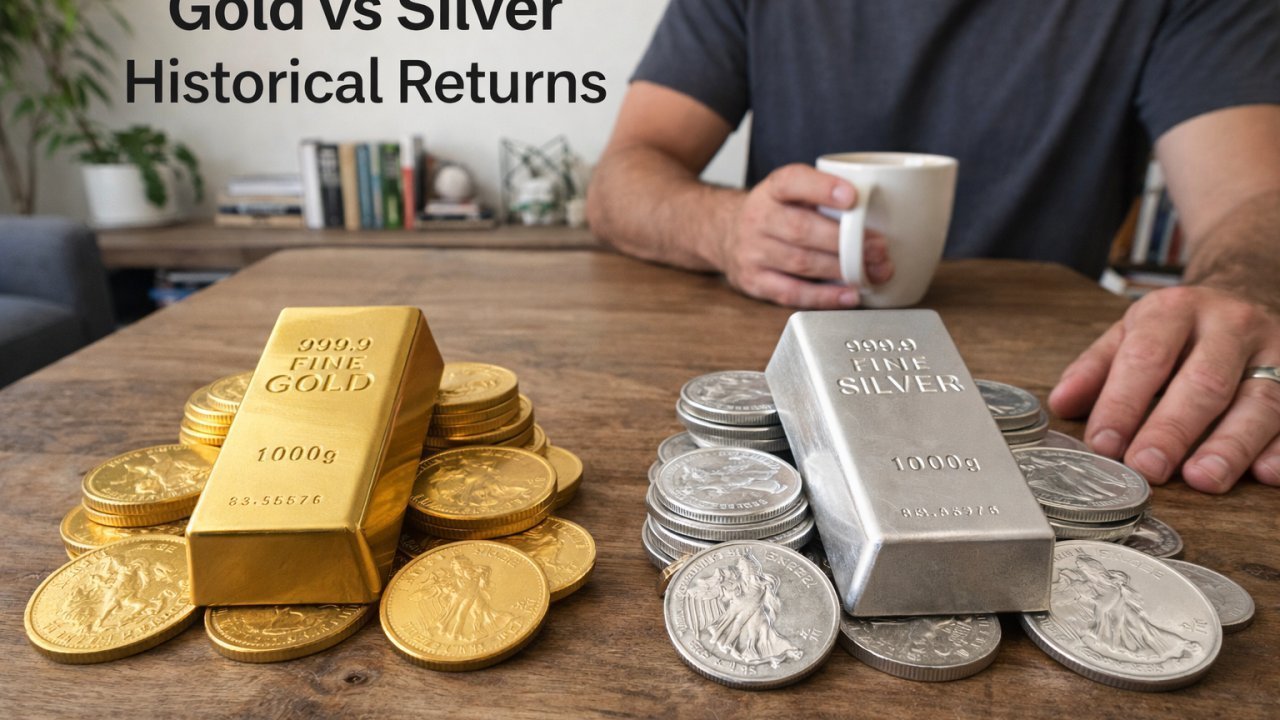
While gold remains the traditional cornerstone of portfolios in Ahmedabad, local market experts are increasingly observing a strategic shift toward silver as a high-potential alternative. As the industrial hub of Gujarat continues to expand, the dual-natured demand for silver—bridging the gap between a precious metal and an essential industrial commodity—has caught the attention of seasoned investors in the C.G. Road and Manek Chowk bullion circles. Unlike gold, which is primarily driven by store-of-value sentiment, silver’s price volatility is often tied to the pulse of the manufacturing sector, making it an attractive prospect for those looking to diversify beyond stable assets.
In the current economic climate, Ahmedabad’s retail investors are finding that silver offers a lower entry barrier, allowing for more frequent accumulation compared to the higher-ticket gold investments. Market analysts suggest that as global green energy initiatives ramp up demand for electrical components and solar technology—sectors with a significant footprint in Gujarat—silver is poised to benefit from long-term industrial tailwinds. For the pragmatic investor in Ahmedabad, allocating a portion of their portfolio to silver is no longer just about festive jewelry; it is a calculated move to capture growth from the city's burgeoning industrial trajectory while maintaining a hedge against currency fluctuations.
Key Takeaway: Silver is evolving from a traditional festive purchase into a savvy industrial hedge; consider allocating a portion of your portfolio to silver to capitalize on both its precious metal status and its growing demand in Gujarat’s manufacturing sector.
Ahmedabad Wedding Season: Navigating the Gold Market Surge
As Ahmedabad approaches the peak wedding season, local bullion markets in areas like Manek Chowk and C.G. Road are bracing for a significant uptick in demand. In Gujarati culture, gold remains the quintessential asset for wedding trousseaus, and we are currently witnessing a shift in buying behavior among families. While traditional 22-karat bridal sets remain the gold standard, there is a marked increase in demand for lightweight, contemporary designs that offer both aesthetic appeal and better liquidity for the modern urban couple.
Market analysts suggest that while global macroeconomic factors continue to influence spot prices, local demand in Gujarat often creates a price floor during the wedding months. Jewelers are reporting that savvy buyers are increasingly opting for "staggered purchasing"—buying small amounts of gold during price dips throughout the pre-wedding months rather than making a bulk purchase at the last minute. This strategy helps families hedge against the volatility often associated with the festive and wedding rush when premiums on finished jewelry tend to tighten.
For those planning their purchases, the consensus is to keep a close watch on international bullion trends while monitoring local supply constraints. As wedding dates align with auspicious lunar calendars, expect a tightening of inventory for high-purity gold. Engaging with established local jewelers who offer transparent pricing and hallmark certification is more critical now than ever to ensure value for your investment during this high-demand cycle.
Key Takeaway: To navigate the wedding season effectively, consider spreading your gold acquisitions over the coming weeks to mitigate the impact of short-term price spikes, and always prioritize BIS-hallmarked jewelry to ensure both quality and resale value.
Silver: The Strategic Alternative for Ahmedabad Investors
While gold remains the cornerstone of wealth preservation in Ahmedabad, local market participants are increasingly diversifying their portfolios with silver. Historically viewed as the 'poor man’s gold,' silver has shed this stigma in recent quarters, emerging as a high-beta asset that tracks gold’s bullish sentiment while offering significantly higher industrial utility. From the bustling bullion hubs of Manek Chowk to the investment circles of Satellite and Bodakdev, savvy traders are pivoting toward silver as a tactical hedge against the recent volatility in gold prices.
The shift is driven by a dual-narrative: strong physical demand for silver jewelry and silverware during the Gujarati wedding season, coupled with a surge in industrial consumption from India’s growing electronics and solar manufacturing sectors. Unlike gold, which is primarily held as a store of value, silver’s price action is highly sensitive to global industrial cycles. For the Ahmedabad investor, this means silver offers a unique opportunity to capitalize on economic expansion. However, given its higher volatility compared to gold, market experts suggest that silver should be treated as a tactical component of a broader precious metals strategy rather than a static long-term hedge.
Key Takeaway: As gold prices consolidate at record levels, consider allocating a portion of your portfolio to silver to benefit from its industrial demand-driven upside, provided you are prepared for the higher price fluctuations inherent in the metal.
Strategic Timing: When to Buy Gold in Ahmedabad
For gold buyers in Ahmedabad—a city where gold is deeply woven into the cultural and financial fabric—timing is often as critical as the price per gram. While international spot rates fluctuate throughout the day, the local bullion market in Ahmedabad, centered around the bustling Manek Chowk and C.G. Road jewelry hubs, typically experiences price stabilization in the early afternoon. Most local jewelers align their daily retail rates with the MCX (Multi Commodity Exchange) opening trends, which usually become clear by 12:00 PM.
Seasoned investors and savvy shoppers in Gujarat often suggest that the "sweet spot" for purchasing gold is between 2:00 PM and 4:00 PM. During this window, the initial morning volatility of the global markets has settled, allowing local retailers to provide more competitive, final quotes for the day. Visiting during these hours also offers a practical advantage: you avoid the frantic morning rush of wholesale trade and the evening surge of office-goers, allowing for a more focused consultation with your jeweler regarding making charges and purity certifications.
Furthermore, if you are planning a significant purchase, keep an eye on the closing trends of the London Bullion Market Association (LBMA) at 3:00 PM IST. Since Ahmedabad’s retail prices are highly sensitive to these global benchmarks, monitoring this period can help you gauge whether the price is likely to trend upward or soften as the local market prepares to close. By aligning your visit with these market rhythms, you maximize your bargaining power and ensure you are securing the best possible value for your investment.
Key Takeaway: For the most stable pricing and personalized service in Ahmedabad, aim to visit your trusted jeweler between 2:00 PM and 4:00 PM, after the initial morning market volatility has subsided.
Silver as a Strategic Hedge: The Ahmedabad Perspective
While gold remains the bedrock of traditional wealth preservation in Ahmedabad, local investors are increasingly turning to silver as a high-beta alternative. In the bustling bullion markets of Manek Chowk and C.G. Road, silver is being viewed not merely as an industrial commodity, but as a strategic portfolio diversifier. As gold prices hover near record highs, the lower entry point for silver allows retail investors in Gujarat to accumulate physical assets more frequently, effectively dollar-cost averaging their precious metal holdings during periods of volatility.
The growing demand for silver in Ahmedabad is further bolstered by its dual nature. Unlike gold, which is almost exclusively a store of value, silver benefits from a surge in industrial consumption—particularly from the electronics and solar energy sectors thriving in the state. Local jewelers are observing a marked shift in consumption patterns, with silver coins, bars, and premium silverware becoming the preferred gift for weddings and festivals, moving beyond traditional gold-only gifting. For the astute investor, this industrial utility provides a unique price floor that differentiates silver’s market cycle from that of its yellow counterpart.
However, investors should remain cognizant of silver’s inherent volatility compared to gold. While it offers the potential for significant capital appreciation during bullish cycles, it is also prone to sharper corrections. For those looking to integrate silver into their long-term wealth strategy, maintaining a balanced ratio between gold and silver remains the most prudent approach to navigating the Ahmedabad bullion market.
Key Takeaway: Silver is gaining traction as a dynamic investment in Ahmedabad; its lower price point makes it an accessible entry for retail investors, while its industrial demand provides a unique growth catalyst distinct from gold’s safe-haven status.