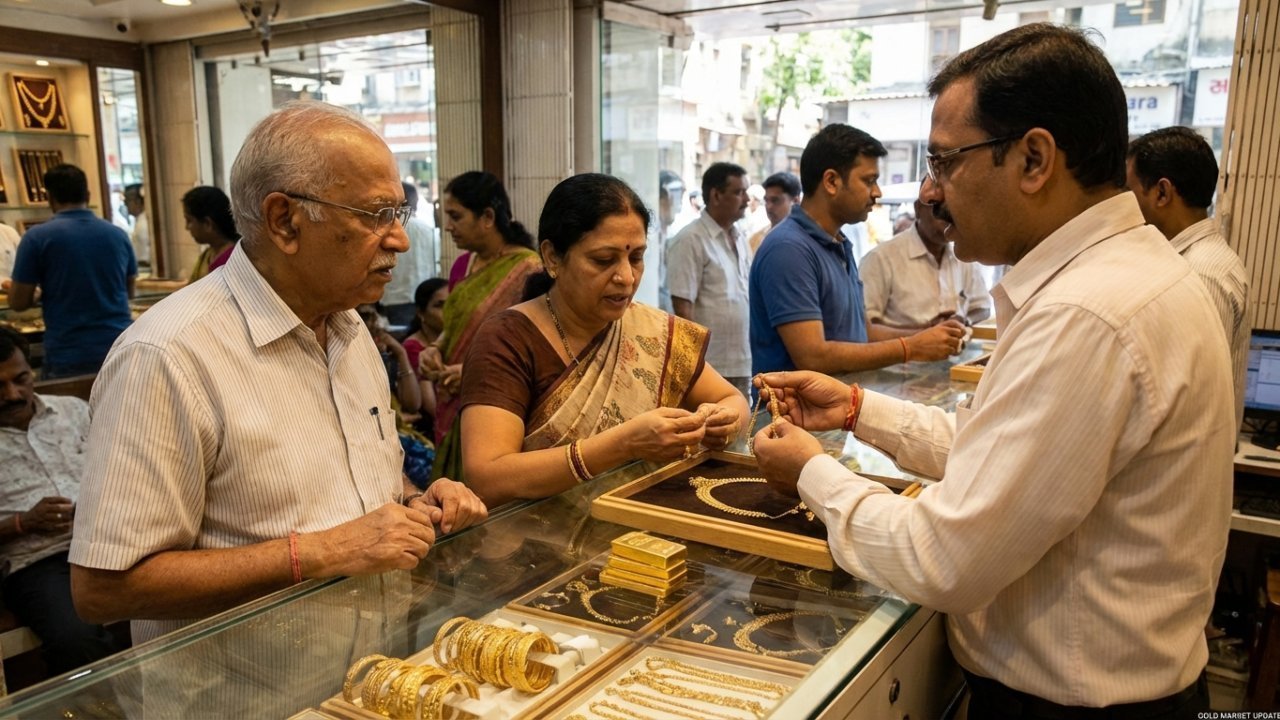
Welcome to your comprehensive guide to buying, investing, and understanding gold in the vibrant city of Lucknow. Gold holds immense cultural, traditional, and investment value in India, and Lucknow is no exception. This guide will walk you through the intricacies of the gold market, helping you make informed decisions whether you're a seasoned investor or a first-time buyer.
Why is gold price different in Lucknow?
The price of gold in Lucknow, much like other cities in India, is influenced by a complex interplay of international and local factors. While the global benchmark for gold is set by the London Bullion Market Association (LBMA), several elements contribute to its final retail price in the City of Nawabs. Firstly, the international price is converted into Indian Rupees, making the USD-INR exchange rate a significant determinant. Secondly, the Indian government levies a customs duty on imported gold, which is then passed on to the consumer. Following this, the Goods and Services Tax (GST) is applied – 3% on the value of the gold and 5% on the making charges. Finally, local factors such as transportation costs, the specific jeweller's margin, and local demand and supply dynamics within Lucknow itself can lead to slight variations compared to other cities. Therefore, while the core price is global, the layered taxes and local market conditions create a unique daily gold rate for Lucknow residents.
Which area or shop is famous for low making charges in Lucknow?
Finding gold with low making charges is a priority for many buyers in Lucknow, as these charges can significantly add to the overall cost. Making charges are essentially the labour costs involved in crafting the jewellery. While branded showrooms in prominent areas like Hazratganj and Gomti Nagar offer exquisite designs and certified quality, their making charges tend to be higher due to overheads and brand value. For those seeking more competitive making charges, exploring the traditional markets can be beneficial. Areas like Aminabad and Chowk are historically known for their numerous independent jewellers. These smaller shops often have more flexibility in negotiating making charges, especially for simpler designs or if you're buying a substantial quantity. It's always advisable to visit multiple shops, compare their making charge percentages (which can range from 8% to 25% or even higher for intricate designs), and inquire about any ongoing offers before making a purchase in Lucknow.
Why do gold prices change daily?
The daily fluctuation in gold prices is a global phenomenon driven by a multitude of economic, political, and social factors. Gold is widely considered a safe-haven asset, meaning its demand typically rises during times of uncertainty. Key factors influencing daily gold prices include:
- Global Economic Stability: During periods of economic slowdown or recession, investors flock to gold, driving up its price.
- Interest Rates: Higher interest rates in major economies (like the US) can make other investments (like bonds) more attractive, potentially reducing gold demand.
- Currency Fluctuations: Since gold is priced in US dollars globally, a weaker dollar makes gold cheaper for holders of other currencies, increasing demand and vice-versa.
- Geopolitical Events: Wars, political instability, or major global crises often lead to a surge in gold prices as investors seek security.
- Inflation: Gold is a traditional hedge against inflation. When inflation rises, gold prices tend to increase.
- Supply and Demand: Mining output, recycling rates, and consumer/industrial demand (especially from India and China) also play a role.
- Central Bank Policies: Central banks buying or selling gold reserves can significantly impact market prices.
These dynamic forces ensure that the gold rate in Lucknow, reflecting global trends, is subject to daily adjustments.
Gold rates in Lucknow (22 karat): How do prices change?
In Lucknow, as in most parts of India, 22 karat gold is the most popular choice for jewellery due to its balance of purity and durability. The 22K gold rate in Lucknow changes daily, primarily mirroring the global spot price of gold. The calculation typically follows this pattern: the international price per troy ounce is converted to grams and then to Indian Rupees using the prevailing exchange rate. To this base price, the Indian government's customs duty is added. Following this, the Goods and Services Tax (GST) of 3% is applied to the value of the gold. Jewellers then add their operational costs and profit margins. It's crucial for consumers to understand that the "gold rate today Lucknow" published by various sources (like the Indian Bullion and Jewellers Association - IBJA) is usually for 24 karat gold. The 22 karat price is derived from this by calculating 22/24ths of the 24K rate. Always verify the live gold rate from reputable sources before making a purchase, as prices can even fluctuate intraday.
Gold and hallmarking centres in Lucknow.
Bureau of Indian Standards (BIS) hallmarking is a crucial assurance of the purity of gold jewellery. When you buy hallmarked gold in Lucknow, you are guaranteed that the gold meets the specified purity standards. The hallmark consists of several marks: the BIS logo, the purity grade (e.g., 916 for 22K, 750 for 18K), the assaying and hallmarking centre's mark, and the jeweller's identification mark. Lucknow has several BIS-recognized hallmarking centres and numerous jewellers who exclusively sell hallmarked gold. It is mandatory for jewellers to sell only hallmarked gold jewellery in specified districts, including Lucknow. Always insist on buying hallmarked gold to protect your investment. Reputable jewellers in Lucknow will prominently display their BIS license and the hallmarking details of their products. This ensures transparency and builds trust, making your gold purchase secure and authentic.
Top Jewellers in Lucknow.
Lucknow boasts a vibrant jewellery market, offering a mix of traditional craftsmanship and contemporary designs. When looking for the best jewellers in Lucknow, you'll find both established national chains and trusted local names known for their quality, designs, and customer service. Some of the top jewellers you can consider visiting include:
- Tanishq: A renowned national brand from the Tata Group, known for its extensive range of certified gold and diamond jewellery, transparent pricing, and excellent customer service.
- Malabar Gold & Diamonds: Another leading international jeweller with a strong presence in Lucknow, offering a wide selection of designs and a focus on ethical sourcing.
- Kalyan Jewellers: A popular choice for its diverse collection, frequent offers, and a reputation for quality and trust built over decades.
- Joyalukkas: Known for its exquisite designs and a global footprint, Joyalukkas offers a premium shopping experience in Lucknow.
- Lala Jugal Kishore Jewellers: A well-established local name in Lucknow, known for its traditional designs and long-standing trust among the local populace.
- PC Jeweller: A prominent national chain offering a blend of traditional and modern jewellery, often with competitive pricing and schemes.
- Senco Gold & Diamonds: Hailing from Eastern India, Senco has made a significant mark in Lucknow with its unique designs and regional specialities.
When choosing, consider factors like design variety, pricing transparency, hallmarking guarantee, and after-sales service.
Supply pressures pushing prices up.
Several factors on the supply side contribute to upward pressure on gold prices globally, which in turn impacts the gold rate in Lucknow. The primary source of new gold is mining, and mine production has inherent limitations. Discovering new, economically viable gold deposits is becoming increasingly challenging, and extraction costs are rising. Furthermore, the time it takes to develop a new mine from discovery to production can be over a decade, meaning supply cannot quickly respond to sudden surges in demand. Recycling of old gold also contributes to supply, but this too has its limits and depends on prevailing prices. Beyond these, central banks around the world have increasingly become net buyers of gold, bolstering their reserves, which reduces the amount of gold available in the open market. This consistent demand from sovereign entities, combined with the finite nature of gold and the complexities of extraction, creates a fundamental supply-side pressure that often pushes gold prices higher over the long term, impacting investors and consumers in Lucknow alike.
How to store gold in Lucknow?
Proper storage of gold is essential to protect your valuable asset. For residents of Lucknow, there are several secure options:
- Bank Lockers: This is arguably the most popular and secure method. Most nationalized and private banks in Lucknow offer safe deposit locker facilities. While there's an annual fee, bank lockers provide a high level of security against theft and fire.
- Home Safe: For smaller quantities or frequently accessed jewellery, a sturdy, fire-resistant home safe can be an option. However, it's crucial to ensure the safe is properly installed and concealed, and that your home insurance policy covers gold stored at home.
- Insured Storage: Some specialized private vaults or high-end jewellers might offer insured storage solutions, though these are less common for individual retail customers.
- Digital Gold: For those who want to invest in gold without the hassle of physical storage, options like Digital Gold (offered by platforms like Paytm, Google Pay, MMTC-PAMP) allow you to buy and sell gold online, with the physical gold stored in insured vaults by the provider.
- Sovereign Gold Bonds (SGBs): This is a government-backed scheme where you invest in gold in paper form. There's no physical gold to store, eliminating all storage and security concerns while earning interest.
Choosing the right storage method depends on the quantity of gold, your access needs, and your comfort level with security.
Gold vs Real Estate in Lucknow.
When considering investments in Lucknow, both gold and real estate offer unique advantages and disadvantages.
Gold:
- Liquidity: Highly liquid, can be easily sold and converted to cash.
- Hedge Against Inflation: Traditionally performs well during inflationary periods.
- No Maintenance: Requires no upkeep, repairs, or tenant management.
- Divisibility: Can be bought and sold in small units.
- Portability: Easy to move and transfer.
Real Estate in Lucknow:
- Capital Appreciation: Lucknow's real estate market has shown significant growth potential in developing areas, offering substantial returns.
- Rental Income: Can generate a steady passive income.
- Tangible Asset: Provides a sense of ownership and utility (e.g., residential property).
- Leverage: Can be bought with loans, amplifying returns.
Disadvantages:
- Gold: Does not generate income (unless invested in SGBs), can be subject to theft if not stored properly.
- Real Estate: Illiquid (takes time to sell), high transaction costs (stamp duty, registration), maintenance expenses, market volatility, and potential for legal disputes.
For investors in Lucknow, diversification is often key. A portfolio that includes both gold (for stability and liquidity) and carefully chosen real estate (for growth and income) can offer a balanced approach to wealth creation.
What is a Sovereign Gold Bond?
A Sovereign Gold Bond (SGB) is a unique investment instrument that allows individuals to invest in gold in a dematerialized form. Issued by the Reserve Bank of India (RBI) on behalf of the Government of India, SGBs are essentially government securities denominated in grams of gold.
Key features of SGBs include:
- No Physical Gold: You purchase a bond equivalent to a certain weight of gold, eliminating the need for physical storage and its associated costs and risks.
- Interest Income: Unlike physical gold, SGBs pay a fixed interest rate (currently 2.50% per annum) on the initial investment amount, paid semi-annually.
- Capital Gains Exemption: The capital gains arising from redemption of SGBs by an individual are exempt from tax, provided they are held till maturity (8 years).
- Market Price: The redemption price is linked to the average closing price of gold of 999 purity of the previous three working days.
- Tenure: The bonds have a maturity period of eight years, with an exit option available from the fifth year onwards.
- Safety: Being a government-backed security, SGBs carry no credit risk.
SGBs are an excellent option for long-term investors in Lucknow looking to gain exposure to gold price movements without the complexities of buying, storing, and selling physical gold, while also earning a small interest.
Taxation of gold in Lucknow.
Understanding the taxation of gold is crucial for buyers and investors in Lucknow. Gold is subject to various taxes at different stages:
- Goods and Services Tax (GST) on Purchase: When you buy gold jewellery or coins in Lucknow, a 3% GST is levied on the value of the gold. Additionally, a 5% GST is applicable on the making charges of jewellery. This is added to your total bill at the time of purchase.
- Capital Gains Tax on Sale: When you sell gold, the profits are subject to capital gains tax:
- Short-Term Capital Gain (STCG): If you sell gold within 3 years of purchase, the profit is treated as STCG. This gain is added to your total income and taxed according to your applicable income tax slab rate.
- Long-Term Capital Gain (LTCG): If you sell gold after holding it for more than 3 years, the profit is treated as LTCG. This is taxed at a rate of 20% with the benefit of indexation. Indexation adjusts the purchase price for inflation, thereby reducing your taxable gain.
- Taxation of Sovereign Gold Bonds (SGBs):
- The interest earned on SGBs is taxable as "Income from Other Sources" and is added to your total income, taxed at your slab rate.
- However, capital gains arising from the redemption of SGBs at maturity (after 8 years) by an individual are fully exempt from tax. If sold on the exchange before maturity, capital gains tax rules (STCG/LTCG) for physical gold apply.
- No Wealth Tax: The wealth tax on gold (and other assets) was abolished in India from April 1, 2015.
It's advisable to keep proper records of your gold purchases, including bills and dates, to accurately calculate tax liabilities.
Disclaimer: This guide provides general information about gold in Lucknow. Gold prices, tax regulations, and market conditions are subject to change. Always consult with a financial advisor or tax professional for personalized advice and verify current rates and rules from official sources before making any investment decisions.
Market Update: Lucknow’s Wedding Season Sparkle and Strategic Buying
As the "Lagna" season approaches, the historic jewelry hubs of Lucknow—from the bustling lanes of Chowk and Aminabad to the high-end showrooms in Hazratganj—are witnessing a significant shift in consumer behavior. Local artisans and retailers report a surge in demand for "Heritage Fusion" jewelry. Brides in the City of Nawabs are increasingly moving away from standard bullion-heavy pieces in favor of intricate 22-karat gold designs that complement the city’s famous Zardozi and Chikankari bridal wear. Polki-inspired gold sets and antique-finish temple jewelry are currently dominating the pre-wedding catalogs, reflecting a blend of cultural pride and modern sophistication.
Market analysts in Uttar Pradesh are also noting a tactical change in how families are purchasing gold amidst global price volatility. Rather than bulk-buying during the peak wedding weeks, many Lucknowite households are opting for "Modular Jewelry"—versatile pieces that can be detached and worn as smaller ornaments for post-wedding functions. Furthermore, with the recent fluctuations in international rates, there is a visible trend of "Price-Locking" at local jewelers, where buyers pay a percentage upfront to hedge against potential price hikes during the high-demand winter months. This strategic approach ensures that the ceremonial importance of gold remains intact without overextending household budgets.
Key Takeaway: For the best value this wedding season, focus on "Modular" 22K gold designs and consider leveraging local price-lock schemes to protect your investment from the inevitable seasonal price surges in the Lucknow market.
GST on Gold: What Every Buyer in Lucknow Needs to Know
For residents of Lucknow, where gold is as much a cultural cornerstone as it is a financial hedge, navigating the nuances of the Goods and Services Tax (GST) is essential for every purchase. Since the implementation of the unified tax structure, gold bullion and jewelry attract a 3% GST. While this is a standard rate across India, the impact on your wallet in the bustling markets of Aminabad or Chowk depends heavily on how your jeweler structures the final invoice. It is vital to remember that this 3% tax is levied not just on the gold value, but also on the making charges, which can significantly alter the total cost of your heirloom pieces.
When visiting your trusted local jeweler, transparency is your best defense against overpayment. Because the GST is a value-added tax, it is applied at every stage of the supply chain. However, savvy buyers in Lucknow should ensure that the 3% GST is explicitly mentioned as a separate line item on the bill. If a jeweler offers a "no-tax" deal, be wary; this often indicates an unorganized billing practice that could void your warranty or complicate future resale value. Always request a GST-compliant invoice that clearly segregates the price of the gold, the making charges, and the applicable tax. This documentation is crucial not only for tax compliance but also as proof of purity and provenance when you eventually look to exchange or sell your gold.
Key Takeaway: Always verify that the 3% GST is calculated on the combined total of the gold price and making charges, and insist on a formal GST-compliant invoice to ensure your investment remains legally protected and retains its resale integrity.
Lucknow’s Wedding Season: Navigating the Gold Market Surge
As the wedding season approaches in Lucknow, the bustling lanes of Aminabad and Chowk are witnessing a predictable yet significant uptick in gold demand. With the wedding calendar filling up, local jewelers are reporting an increased preference for traditional 22-karat gold sets, often characterized by the intricate craftsmanship that defines the Awadhi aesthetic. However, this seasonal spike coincides with a volatile global market, prompting savvy Lucknowite buyers to look beyond mere aesthetics and consider the timing of their purchases carefully.
Market experts suggest that while the cultural compulsion to buy gold for nuptials remains constant, the current price fluctuations are encouraging a shift toward "smart buying." Rather than waiting for the final week before the wedding, many families are choosing to lock in their investments during minor price dips. Furthermore, there is a growing trend of opting for lightweight, contemporary gold designs that offer a modern appeal without compromising on the weightage required for investment purposes. For those planning their purchases, the consensus remains clear: monitoring the daily spot price in Lucknow is essential, as local demand-supply dynamics often cause the city’s premiums to fluctuate independently of national trends.
Key Takeaway: With the wedding rush intensifying, avoid last-minute panic buying; instead, track Lucknow’s daily gold rates closely and prioritize hallmarked jewelry to ensure both investment security and the authenticity of your ceremonial pieces.
Digital Gold: Is it Safe for Lucknow Residents?
Lucknow, a city steeped in tradition and known for its appreciation of fine craftsmanship, has always held physical gold in high regard. From elaborate wedding jewellery bought from Chowk to investment pieces from Hazratganj, gold is a tangible asset. However, a new contender has emerged: Digital Gold. This modern way of owning gold, purchased and stored electronically, is rapidly gaining traction across India. But for the discerning residents of Lucknow, who value both security and convenience, the crucial question remains: Is digital gold a safe and reliable option for their hard-earned investments?
The short answer is largely yes, provided you choose wisely. Digital gold platforms in India typically partner with established entities like MMTC-PAMP and SafeGold, ensuring that every digital unit purchased is backed by an equivalent amount of 24K physical gold stored in secure, insured vaults. For Lucknowites, this means bypassing the concerns of physical storage, theft, or the hassle of visiting a jeweller for small purchases. It offers unprecedented convenience, allowing fractional investments (as little as ₹1) and easy liquidity, appealing especially to the city's growing digitally-savvy population who value efficiency and transparency.
While the concept offers significant advantages, including transparent pricing linked to live market rates, buyers must exercise due diligence. Always opt for platforms regulated by SEBI or those partnered with reputable gold refiners and storage providers. Be mindful of potential charges like locker fees (though often minimal or waived for smaller holdings) and delivery charges if you eventually decide to convert your digital gold into physical form. For residents balancing tradition with modern convenience, digital gold presents a compelling, secure avenue to participate in the gold market without the traditional logistical challenges.
Key Takeaway: Digital gold offers a secure, convenient, and flexible way for Lucknow residents to invest in gold, provided they choose reputable platforms backed by verified physical assets.
GST on Gold: What Every Buyer in Lucknow Needs to Know
For residents of Lucknow, where gold is not just an investment but a cherished cultural tradition, understanding the tax implications of every purchase is essential. In India, gold jewelry attracts a Goods and Services Tax (GST) of 3% on the value of the gold, plus an additional 5% GST on the making charges (labor costs). Whether you are exploring the heritage jewelry markets of Chowk or visiting premium showrooms in Hazratganj, it is crucial to remember that this tax is mandatory and should be clearly reflected in your final invoice.
When purchasing gold, buyers often overlook the fact that the 3% levy applies to the final price, which includes the gold rate and the making charges. To ensure transparency, always insist on a computerized bill that segregates the cost of the gold, the making charges, and the applicable GST. Be wary of any local jeweler offering 'tax-free' discounts or off-the-books transactions; such deals often compromise the purity of the gold (hallmarking) and deny you the legal protection afforded by a formal receipt. In a market as vibrant and competitive as Lucknow’s, a transparent bill is your only guarantee of authenticity and resale value.
Furthermore, if you are exchanging old gold for new pieces, the GST is typically applicable only on the value of the new purchase. By staying informed about these tax structures, you can better budget for your festive or wedding jewelry shopping, ensuring your investment remains as secure as it is beautiful.
Key Takeaway: Always ensure your jewelry invoice explicitly breaks down the 3% GST on gold and the 5% GST on making charges; a transparent, GST-compliant bill is essential to verify the hallmarking and resale value of your purchase.
Navigating Making Charges: A Lucknow Buyer’s Guide to Smarter Haggling
In Lucknow’s bustling jewellery hubs—from the heritage lanes of Aminabad to the polished showrooms of Gomti Nagar—the "making charge" (or ghadayi) is often the most negotiable element of your gold purchase. Unlike the gold rate, which is pegged to international market fluctuations, making charges are subjective. Jewellers typically add a percentage-based fee to cover craftsmanship, but this is rarely a fixed cost. Whether you are eyeing traditional Chikankari-inspired gold motifs or contemporary minimalist designs, understanding that this fee is a variable, not a tax, is your greatest advantage as a buyer.
To secure the best deal in the City of Nawabs, avoid walking into a store during peak festival rushes like Dhanteras or Akshaya Tritiya, when bargaining leverage is at its lowest. Instead, visit during the mid-week lull. When negotiating, always ask for the "making charge per gram" rather than accepting a flat percentage on the total bill. If you are a long-term patron of a specific family jeweller, don’t hesitate to mention your history; loyalty discounts are a cornerstone of Lucknow’s retail culture. If the quoted making charge feels inflated, politely compare it with the prevailing market rates in the city—jewellers are often willing to shave off 10% to 20% to retain a serious customer who is ready to close the deal on the spot.
Key Takeaway: Never accept the first quote for making charges. Treat the fee as a flexible service cost, compare it across at least two reputable local jewellers, and always aim to negotiate the absolute amount per gram rather than a vague percentage of the total gold value.
Navigating Gold Exchange Policies in Lucknow’s Jewellery Markets
For residents of Lucknow, whether frequenting the bustling lanes of Aminabad or the high-end showrooms in Gomti Nagar, exchanging old gold for new ornaments is a long-standing tradition. However, the process has become significantly more transparent and standardized in recent years. Most reputable jewellers across the city now utilize Karatmeters to verify the purity of your old gold before offering an exchange value. This shift away from manual estimation has reduced the ambiguity that once plagued trade-ins, ensuring that customers receive a fair valuation based on the current market rate for 22K or 24K gold.
When planning an exchange, it is vital to understand that most Lucknow-based jewellers will deduct a 'wastage' or 'melting loss' percentage—typically ranging from 3% to 5%—from the gross weight of your old jewellery. Furthermore, if the original purchase was not hallmarked, the valuation may be discounted further to account for potential impurities. To secure the best deal, compare the 'buy-back' policies across at least two established retailers. Always insist on a detailed invoice that clearly separates the credit value of your old gold from the making charges of the new pieces, as this transparency is your best defense against unfair pricing practices in a fluctuating market.
Key Takeaway: Always opt for BIS-hallmarked jewellery when buying new, as it guarantees a higher resale value and a smoother, more transparent exchange process at Lucknow jewellers in the future.
Expert Tip: Making Charges Explained – How to Negotiate at Lucknow Jewellers
Beyond the daily gold rate you see, there's a crucial component that significantly impacts the final price of your jewellery: making charges. These charges cover the intricate labour, design expertise, and sometimes even a small allowance for wastage involved in transforming raw gold into a beautiful piece. Often expressed as a percentage of the gold value or a fixed rate per gram, making charges can vary widely, making them a key area for smart shoppers to understand and negotiate.
In Lucknow, from the bustling lanes of Chowk with its traditional artisans to the modern showrooms of Hazratganj, making charges are a dynamic factor. Traditional designs might have lower charges due to established processes, while intricate contemporary pieces demand higher skill and thus higher charges. When shopping, don't hesitate to ask for a clear breakdown of these charges. Many jewellers in Lucknow, both independent family-run shops and larger brands, are transparent about this. It's not just about the gold price; comparing making charges across different establishments can lead to substantial savings.
Here's where your negotiation skills come into play. Firstly, inquire if making charges are fixed or negotiable, and if any discounts are currently running, especially during festive seasons or larger purchases. Some jewellers might offer a flat discount on making charges, while others might be open to a slight reduction, particularly for loyal customers or cash payments. Always clarify if the charges are a percentage of the gold's value or a fixed amount per gram, as this can greatly influence the final cost. Building a relationship with a trusted local jeweller can also open doors to better deals and more personalised service over time.
Key Takeaway: Always inquire about, understand, and be prepared to negotiate making charges. It's a significant component of your gold jewellery purchase in Lucknow, offering a smart avenue for savings beyond the daily gold rate.
Expert Tip: Securing Your Shine – Gold Jewellery Insurance in Lucknow
In Lucknow, the allure of gold goes far beyond its monetary value; it's deeply interwoven with culture, tradition, and significant life events. Whether it's heirloom jewellery passed down through generations or new acquisitions for weddings and festivals, protecting these precious assets is paramount. While physical security measures like bank lockers are essential, smart investors and families in the City of Nawabs are increasingly looking towards insurance options to safeguard against unforeseen circumstances, offering a crucial layer of financial protection.
When considering insurance for your gold jewellery, residents of Lucknow have a couple of primary avenues. Many existing home insurance policies offer content coverage that can include jewellery, often up to a specified limit. For higher-value pieces or extensive collections, a standalone specialised jewellery insurance policy might be more appropriate. These policies typically cover risks like theft, accidental loss, and damage, providing peace of mind. It's vital to meticulously document your jewellery with photographs, purchase receipts, and up-to-date valuation certificates, especially given the fluctuating gold prices.
To ensure adequate coverage, we recommend consulting with local insurance providers or agents in Lucknow. Companies like Bajaj Allianz, HDFC Ergo, ICICI Lombard, and even specific offerings from institutions like LIC, have branches and agents across the city who can provide tailored advice. They can help you understand policy nuances, assess the correct sum insured, and guide you through the valuation process, ensuring your policy truly reflects the current market value of your gold. Don't wait for an unfortunate event; proactive protection is key.
Key Takeaway: Proactively insure your gold jewellery in Lucknow – either through enhanced home contents coverage or a specialised policy – to protect its cultural and financial value against theft, loss, or damage.
Navigating Lucknow’s Gold Market: A Guide for the Festive Season
As the festive fervor grips the City of Nawabs, gold remains the centerpiece of both tradition and investment. From the bustling lanes of Aminabad to the premium showrooms in Hazratganj, demand in Lucknow typically surges during this period. However, with gold prices exhibiting significant volatility in global markets, savvy shoppers should look beyond the glitter. Before heading out to purchase your coins or bridal sets, it is imperative to check the daily gold rate specifically for Lucknow, as local levies and transportation costs can cause minor price deviations compared to national averages.
For those looking to make substantial purchases, focus on the hallmark certification. In a market as traditional as ours, ensuring that your jewelry carries the BIS Hallmark—specifically the HUID (Hallmarking Unique ID)—is non-negotiable for transparency. Furthermore, consider the "making charges" or *ghadayi*. Many Lucknow-based jewelers offer festive discounts on these labor costs; negotiating these fees can be just as impactful on your total bill as the fluctuating gold price itself. If you are buying for long-term investment rather than ornamentation, prioritize 24-karat gold coins or bars over intricate jewelry to minimize the loss of value tied to craftsmanship fees.
Key Takeaway: Prioritize BIS Hallmarked gold with HUID, and always negotiate the making charges, which often fluctuate more than the gold price itself during the peak festive rush in Lucknow.
GST on Gold: What Every Lucknow Buyer Needs to Know
For gold buyers in Lucknow, understanding the Goods and Services Tax (GST) is crucial for making informed purchase decisions. Since its implementation, gold, like most commodities, falls under a specific GST structure. Currently, a 3% GST is levied on the value of gold itself. This means whether you're buying a simple gold coin or an elaborate necklace from your favourite jeweler in Hazratganj or Aminabad, 3% of the gold's base price will be added as tax.
However, the tax implications don't stop there. Beyond the value of the precious metal, there are often 'making charges' for crafting jewelry. These charges are subject to a separate GST rate of 5%. This distinction is vital for buyers in Lucknow, as making charges can vary significantly depending on the design's complexity and the jeweler. An intricate piece will incur higher making charges, and consequently, a higher 5% GST on that component, impacting your final bill considerably.
When you step into a jewelry store in Lucknow, always request a transparent breakdown of your purchase. Ensure the bill clearly segregates the gold's value, the making charges, and the respective GST applied to each. This transparency allows you to accurately compare prices across different jewelers and ensures you're paying the correct amount, making your gold buying experience in the City of Nawabs as smooth and clear as possible.
Key Takeaway: Always understand that your gold purchase in Lucknow includes 3% GST on the gold's value and 5% GST on the making charges. Ask for a clear, itemized bill.