Why is gold price different in Agartala?
The price of gold in Agartala, much like in other cities across India, is subject to several localized factors that can cause it to differ from national averages or rates in other states. While the international benchmark price of gold (typically quoted in USD per troy ounce) forms the foundation, local variables significantly influence the final retail price consumers pay. One primary factor is transportation costs. Gold, being a high-value commodity, requires secure and insured transport from major import hubs to Agartala, the capital of Tripura, adding to its overall cost. Furthermore, local taxes and levies, beyond the Goods and Services Tax (GST) which is uniform across India, might have subtle impacts, though these are less pronounced now than in the pre-GST era. Local demand and supply dynamics also play a role; if there's a surge in demand in Agartala, local jewellers might add a slight premium. Lastly, the operational costs of jewellers in Agartala, including rent, labor, and security, contribute to the making charges and overall pricing structure, leading to variations.
Which area or shop is famous for low making charges in Agartala?
Finding the absolute lowest making charges in Agartala requires a bit of research and comparison, as these charges can vary significantly even within the same locality. Generally, smaller, independent jewellers or family-run shops in traditional market areas might offer more competitive making charges compared to large national chains. These smaller establishments often have lower overheads and can afford to be more flexible. While it's challenging to name a single "famous" area without specific local up-to-date market data, exploring the older, established market districts in Agartala could be a good starting point. Areas with a concentration of independent jewellery shops often foster competition, which can drive down making charges. It's always advisable to visit a few different shops, compare their making charge rates (which are usually a percentage of the gold value or a fixed rate per gram), and negotiate before making a purchase. Remember that while low making charges are attractive, ensuring the gold is BIS-hallmarked for purity is paramount.
Why do gold prices change daily?
Gold prices exhibit daily fluctuations due to a complex interplay of global and domestic factors, making it one of the most dynamic commodities. At the core of these changes is the global demand and supply balance. Economic stability, geopolitical events, and central bank policies significantly influence this balance. For instance, during times of economic uncertainty or political turmoil, gold is often seen as a "safe haven" asset, leading to increased investment demand and pushing prices up. Conversely, a strong global economy and rising interest rates can make other investments more attractive, reducing gold's appeal. The strength of the US dollar against other major currencies also plays a crucial role; a stronger dollar typically makes gold more expensive for holders of other currencies, potentially dampening demand. In India, the USD-INR exchange rate is a major determinant. Since India imports almost all its gold, a weaker rupee makes imported gold more expensive in local currency terms, even if the international price remains stable. Central banks' gold reserves management and speculative trading in commodity markets further contribute to the daily volatility.
Gold rates in Agartala (22 karat): How do prices change?
The gold rates in Agartala for 22 karat gold, which is most popular for jewellery in India, are derived from the international spot price but adjusted for local conditions. Here's a breakdown of how these prices typically change:
- International Price Basis: The starting point is the international price of gold, usually quoted in US dollars per troy ounce. This price is influenced by global economic indicators, geopolitical events, and currency movements.
- Currency Conversion: This international price is then converted into Indian Rupees using the prevailing USD-INR exchange rate. A depreciation of the Indian Rupee against the US Dollar will make gold more expensive in Agartala, even if the international price remains constant.
- Import Duties: The Indian government levies import duties on gold, which directly add to the cost. Changes in these duties can impact domestic prices.
- GST: A Goods and Services Tax (GST) of 3% is applied to the value of gold at the time of purchase across India, including Agartala.
- Local Premiums/Discounts: Local jewellers and bullion dealers in Agartala might add a small premium based on local demand-supply dynamics, inventory costs, and operational expenses. Conversely, a discount might be offered if there's an excess supply.
- IBJA Rates: The Indian Bullion and Jewellers Association (IBJA) publishes benchmark rates daily, which many jewellers across India, including those in Agartala, use as a reference point.
Therefore, the 22 karat gold price you see in Agartala is a cumulative reflection of global trends, national policies, and local market factors, updated daily based on these variables.
Gold and hallmarking centres in Agartala.
Hallmarking is crucial for ensuring the purity and authenticity of gold jewellery, and it is mandatory for gold jewellery sales in India. The Bureau of Indian Standards (BIS) is the national body responsible for hallmarking. When you purchase gold in Agartala, always look for the BIS hallmark, which consists of several marks:
- BIS Logo: A triangular mark.
- Purity in Carat and Fineness: For example, 22K916 (91.6% purity for 22 karat gold).
- Assaying and Hallmarking Centre's Mark: A unique logo of the centre where the gold was hallmarked.
- Jeweller's Identification Mark: The logo or mark of the jeweller.
- Year of Hallmarking: A code letter indicating the year.
Agartala has BIS-recognized Assaying and Hallmarking Centres where jewellers can get their gold articles tested and hallmarked. These centres are accredited by BIS to perform precise purity checks. Consumers in Agartala should insist on buying only BIS-hallmarked gold from reputable jewellers to guarantee the purity they are paying for. This practice protects against fraud and ensures you receive gold of the declared fineness, whether you are buying for investment or personal adornment.
Top Jewellers in Agartala.
Agartala boasts a mix of established national jewellery chains and respected local jewellers, offering a wide range of designs and services. When looking for gold jewellery, these are some of the prominent names you might consider:
- Tanishq: A renowned national brand from the Tata Group, Tanishq is known for its exquisite designs, transparent pricing, and commitment to purity with BIS-hallmarked jewellery. They offer a premium buying experience.
- Malabar Gold & Diamonds: Another leading Indian jewellery group with a strong presence nationwide. Malabar Gold & Diamonds is known for its diverse collections, customer-friendly policies, and emphasis on purity and fair pricing.
- Joyalukkas: An international jewellery retail chain that has also made its mark in Agartala. Joyalukkas offers a vast selection of gold, diamond, and precious stone jewellery, appealing to a wide customer base.
- Senco Gold & Diamonds: A popular East Indian brand, Senco Gold & Diamonds has a significant presence and is known for its traditional and contemporary designs, often with competitive making charges.
- Local Jewellers: Beyond these national giants, Agartala has several well-established local jewellers who have built trust over generations. These shops often offer unique designs that cater to local tastes and may provide more personalized service. It's always worth exploring these options for distinctive pieces and potentially more flexible pricing on making charges.
When choosing a jeweller, consider factors like reputation, transparency in pricing (gold rate, making charges, and taxes), availability of BIS hallmarking, and after-sales service.
Supply pressures pushing prices up.
Several global supply pressures consistently contribute to upward movements in gold prices, impacting rates even in markets like Agartala. Understanding these factors is crucial for anyone monitoring the gold market:
- Declining Mine Production: Gold is a finite resource. Over time, discovering new, easily accessible, and high-yield gold deposits becomes challenging. Existing mines deplete, and the cost of extracting gold from deeper or lower-grade ores increases, which translates to higher production costs and eventually higher market prices.
- Increased Demand from Major Consumers: Countries like India and China are historically the largest consumers of physical gold, driven by cultural significance, festivals, and investment demand. A surge in demand from these large markets, especially during peak seasons like weddings or festivals, can strain global supply and push prices higher.
- Central Bank Buying: Central banks worldwide hold gold as part of their foreign exchange reserves. In recent years, many central banks have been net buyers of gold, diversifying their reserves away from fiat currencies and increasing overall demand in the bullion market.
- Investment Demand during Uncertainty: Gold's role as a "safe haven" asset means that during periods of economic instability, high inflation, currency depreciation, or geopolitical tensions, investors flock to gold. This surge in investment demand, often from ETFs and institutional investors, can quickly outstrip available supply.
- Logistical Challenges: Disruptions in the global supply chain, such as those caused by pandemics or international conflicts, can impede the movement of gold from mines to refineries and then to consumer markets, creating temporary supply shortages and price spikes.
These combined pressures highlight gold's intrinsic value and its sensitivity to global economic and political landscapes.
How to store gold in Agartala?
Securely storing your gold in Agartala is paramount, whether it's in the form of physical jewellery, coins, or bars. Here are the most common and recommended options:
- Bank Lockers: This is widely considered the safest option for storing physical gold. Most nationalized and private banks in Agartala offer locker facilities. These lockers are highly secure, protected by multiple layers of security, and often insured by the bank against theft or damage. While there's an annual fee, the peace of mind it offers is invaluable.
- Home Safes: For smaller quantities or frequently used jewellery, a high-quality, fire-resistant home safe can be an option. Ensure the safe is securely bolted to the floor or wall and is discreetly placed. It's also advisable to get a home insurance policy that covers valuables, including gold, against theft or fire. However, this option carries higher risks compared to bank lockers.
- Digital Gold: This is a modern alternative for investment purposes, eliminating the need for physical storage. You can buy digital gold through various platforms (e.g., Paytm, Google Pay, specific jeweller apps). The gold you buy is stored in insured vaults by the service provider, and you own the equivalent amount in grams. This offers liquidity, no storage costs, and the option to convert to physical gold later.
- Sovereign Gold Bonds (SGBs): While not a direct storage solution for physical gold, SGBs are an excellent way to invest in gold without the need for physical possession. Issued by the RBI on behalf of the government, SGBs are paper gold, eliminating storage, making charges, and purity concerns. You get interest and market-linked returns.
Choose the storage method that best suits your gold quantity, frequency of use, and risk tolerance.
Gold vs Real Estate in Agartala.
When considering investments in Agartala, both gold and real estate offer distinct advantages and disadvantages. The choice often depends on an individual's financial goals, risk appetite, and investment horizon.
- Liquidity: Gold is highly liquid. You can sell physical gold (jewellery, coins, bars) or digital gold relatively quickly and easily in Agartala, converting it to cash. Real estate, on the other hand, is illiquid. Selling a property in Agartala can take months, sometimes even years, depending on market conditions.
- Appreciation Potential: Both assets have shown appreciation over the long term. Real estate in Agartala can offer substantial capital appreciation, especially in developing areas or prime locations. Gold's appreciation is more tied to global economic trends and inflation.
- Income Generation: Real estate can generate rental income, providing a steady cash flow. Gold, in its physical form, does not generate income, though Sovereign Gold Bonds do offer a fixed interest.
- Maintenance & Costs: Real estate involves significant maintenance costs (property taxes, repairs, insurance, broker fees during buying/selling). Physical gold has minimal storage costs (bank locker fees) or none for digital gold/SGBs.
- Tangibility & Diversification: Both are tangible assets, offering a sense of security. Investing in both provides diversification, hedging against the risks associated with a single asset class. Real estate can be a hedge against local inflation, while gold is often a hedge against global economic instability.
- Accessibility: Gold can be bought in small denominations, making it accessible to all investors. Real estate requires a substantial upfront investment.
For long-term wealth creation and potential income, real estate in Agartala can be attractive. For liquidity, hedging against economic uncertainty, and ease of investment, gold remains a strong contender.
What is a Sovereign Gold Bond?
A Sovereign Gold Bond (SGB) is a unique and increasingly popular way to invest in gold in India, including for residents of Agartala. Introduced by the Government of India in 2015, SGBs are government securities denominated in grams of gold. They are issued by the Reserve Bank of India (RBI) on behalf of the government and are designed to reduce the demand for physical gold, thereby curbing gold imports and promoting financial savings.
Key features of Sovereign Gold Bonds:
- Paper Gold: You don't get physical gold. Instead, you receive a certificate of holding. This eliminates the risks and costs associated with storing physical gold, such as theft, purity concerns, and locker charges.
- Interest Payment: SGBs offer a fixed interest rate (currently 2.50% per annum) on the initial investment amount, paid semi-annually. This is a significant advantage over physical gold, which does not yield any interest.
- Market-Linked Returns: The redemption price of the SGB is linked to the market price of gold at the time of maturity, ensuring you benefit from any appreciation in gold prices.
- Tenure: The bonds have a maturity period of eight years, with an exit option available from the fifth year onwards on interest payment dates.
- Tax Benefits: The interest earned on SGBs is taxable. However, the capital gains arising from redemption after eight years are exempt from tax, making them highly tax-efficient for long-term investors.
- Collateral: SGBs can be used as collateral for loans.
- Denomination: The bonds are denominated in multiples of gram(s) of gold with a basic unit of 1 gram. The minimum investment is 1 gram, and the maximum is 4 kg for individuals.
SGBs are an excellent option for investors in Agartala looking for a safe, secure, and cost-effective way to invest in gold without the hassles of physical possession.
Taxation of gold in Agartala.
The taxation of gold in Agartala, like the rest of India, falls under various categories, impacting both the purchase and sale of this precious metal.
- Goods and Services Tax (GST):
- On Gold Value: A 3% GST is levied on the value of gold (bullion, coins, jewellery) at the time of purchase. This is uniform across India.
- On Making Charges: A 5% GST is applied to the making charges of gold jewellery. This is separate from the GST on the gold's value.
- Capital Gains Tax on Sale of Gold: When you sell gold, the profit you make is subject to Capital Gains Tax.
- Short-Term Capital Gains (STCG): If you sell gold within 36 months (3 years) of purchase, the profit is considered STCG. This gain is added to your total income and taxed according to your applicable income tax slab rates.
- Long-Term Capital Gains (LTCG): If you sell gold after holding it for more than 36 months, the profit is considered LTCG. This is taxed at a flat rate of 20% after indexation benefit. Indexation adjusts the purchase price for inflation, thereby reducing the taxable gain.
- Taxation of Sovereign Gold Bonds (SGBs):
- Interest Income: The 2.5% annual interest received on SGBs is taxable and is added to your income, taxed as per your slab rate.
- Capital Gains on Redemption: Capital gains arising from the redemption of SGBs at maturity (after 8 years) are fully exempt from tax. This makes SGBs a highly tax-efficient investment for long-term investors.
- Capital Gains on Transfer: If SGBs are sold on a stock exchange before maturity, capital gains tax applies similar to physical gold (STCG or LTCG with indexation).
- Wealth Tax (Abolished): It's worth noting that Wealth Tax on gold and other assets was abolished in India in 2015. So, you do not pay annual tax on the value of gold you hold.
Understanding these tax implications is vital for residents of Agartala when buying, selling, or investing in gold to ensure compliance and optimize returns.
Beyond Gold: The Growing Appeal of Silver in Agartala’s Investment Landscape
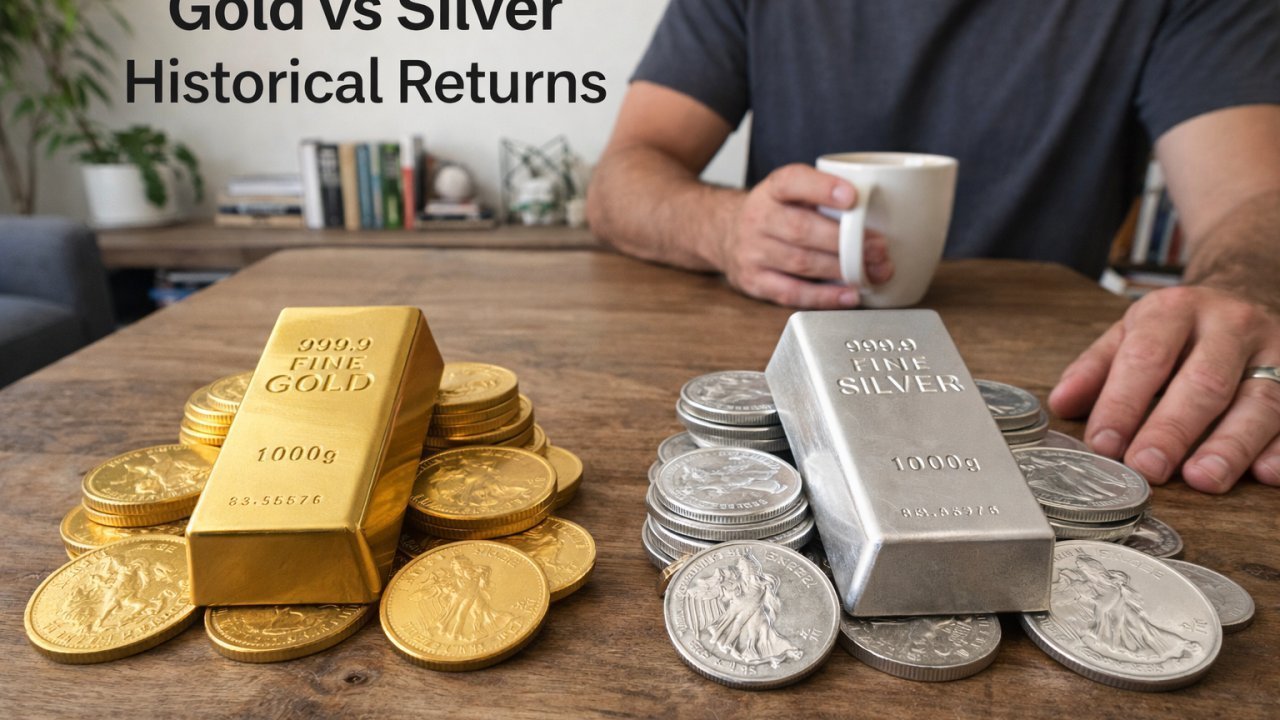
While gold remains a cultural cornerstone for households across Tripura, savvy investors in Agartala are increasingly diversifying their portfolios with silver. As global industrial demand for the white metal surges—driven by its critical role in solar energy production and automotive electronics—local interest has shifted from purely ornamental usage to strategic wealth preservation. In the bustling markets of Akhaura Road and Battala, we are observing a marked uptick in retail demand for silver coins and bars, reflecting a broader trend of residents hedging against market volatility with a more accessible entry point than bullion gold.
The beauty of silver in the Agartala context lies in its dual nature: it acts as a hedge during inflationary periods while remaining highly liquid for middle-income families. Unlike gold, which is often held for long-term family legacies, silver is increasingly being treated as a tactical asset. Local jewelers note that investors are leveraging the price corrections in silver to accumulate holdings, anticipating that the metal’s industrial scarcity will eventually drive long-term price appreciation. For those looking to balance their portfolios, silver offers a lower barrier to entry, allowing for consistent, incremental wealth building that complements existing gold holdings.
Key Takeaway: As industrial demand for silver intensifies, Agartala’s investors are moving beyond traditional jewelry, treating silver as a high-potential, liquid asset that provides a strategic counterbalance to gold in a diversified investment portfolio.
Festival Gold Buying Guide: Navigating Agartala’s Festive Markets
As the festive season approaches, the bustling lanes of Akhaura Road and Battala Bazaar in Agartala are witnessing a surge in footfall, with gold emerging as the centerpiece of seasonal acquisitions. For residents of Tripura, gold is not merely an investment but a cultural imperative during Durga Puja and Dhanteras. However, with gold prices remaining volatile in the international bullion market, local buyers must balance traditional fervor with fiscal prudence to ensure they get the best value for their savings.
When visiting local jewelers in Agartala, prioritize BIS Hallmarked gold to guarantee purity, especially as the festival rush often attracts unscrupulous elements selling lower-karat ornaments. Experienced buyers in the city are increasingly shifting toward "making charges" negotiation; many local shops are willing to offer discounts on labor costs if you are purchasing heavier pieces or multiple items. Furthermore, keep a close watch on the daily spot price fluctuations in the Kolkata bullion market, which largely dictates the pricing trends for Agartala’s retailers.
If you are planning a significant purchase, consider staggered buying rather than a single bulk transaction. This strategy mitigates the risk of buying at a temporary price peak. Additionally, ensure you understand the buy-back policy of your chosen jeweler before completing the transaction, as liquidity is a vital factor in gold investment. By staying informed on the daily price index, you can turn seasonal sentiment into a strategically sound financial decision.
Key Takeaway: During the festive rush in Agartala, prioritize BIS Hallmarked jewelry and negotiate labor charges (making charges) specifically, as these can vary significantly between local retailers during peak demand cycles.
GST on Gold: What Every Buyer in Agartala Needs to Know
For gold enthusiasts across Agartala—from the bustling jewelry hubs near Battala to the refined showrooms in Kunjaban—understanding the tax architecture behind your purchase is as vital as checking the daily purity rates. In India, the Goods and Services Tax (GST) framework for gold is structured into a streamlined three-tier system. Currently, a 3% GST is levied on the actual cost of the gold, while a 5% GST is applicable to the "making charges" or labor costs associated with crafting your jewelry. This distinction is crucial; because making charges are taxed at a higher rate, requesting an itemized bill is not just a formality—it is a financial necessity to ensure transparency in your transaction.
As market dynamics in Tripura fluctuate, savvy investors and festive shoppers must account for these levies when calculating their final acquisition cost. When you walk into an Agartala-based jeweler, remember that the advertised price of a gold ornament is often exclusive of these taxes. To avoid last-minute surprises at the billing counter, always calculate your total payout by adding the 3% gold tax and the 5% service tax on the making charges to the base price. Furthermore, ensure that your receipt clearly bifurcates these costs, as this documentation is essential for future resale or insurance purposes within the state.
Key Takeaway: Always verify that your jewelry invoice separates the gold value from the making charges; this simple step ensures you are paying the correct 3% tax on the metal and 5% on the craftsmanship, protecting you from potential overcharging.
Beyond Gold: The Growing Appeal of Silver in Agartala
While gold remains the bedrock of traditional investment in Agartala, local savvy investors are increasingly diversifying their portfolios with silver. Driven by both its industrial utility and its role as a more affordable hedge against inflation, silver has seen a notable uptick in interest across the city’s bustling jewelry hubs, from the lanes near Battala to the established showrooms of Akhaura Road. For many families in Tripura, silver offers a lower entry barrier, allowing for consistent accumulation that complements their gold holdings without requiring the same level of capital outlay.
The market dynamics in Agartala suggest a strategic shift; as global price volatility impacts precious metals, silver’s dual nature as a precious and industrial metal provides a unique defensive layer. Retail investors are increasingly opting for hallmarked silver coins and bars, viewing them as a liquid asset that is easier to liquidate for immediate cash needs compared to intricate gold ornaments. Furthermore, the rising demand for silver-based gifting during local festivities and wedding seasons in Agartala has solidified its position as a staple in the urban household economy.
For those looking to balance their portfolios, silver serves as an excellent companion to gold. While it may experience higher price fluctuations, the long-term growth potential—fueled by its critical role in the green energy sector and electronics manufacturing—makes it a compelling asset. Investors in Agartala are advised to monitor the gold-to-silver ratio, a key metric that often signals whether silver is currently undervalued relative to gold, providing a tactical window for entry.
Key Takeaway: Investors in Agartala should view silver not just as a cultural commodity, but as a strategic, low-entry-cost asset that offers a hedge against inflation and a dynamic alternative to gold during periods of market uncertainty.
Protecting Your Assets: Navigating Gold Insurance in Agartala
For residents of Agartala, gold is far more than a decorative accessory; it is a vital store of wealth passed down through generations. However, as gold prices continue to fluctuate in local markets like Akhaura Road and Battala, the risk of theft or damage becomes a significant concern. Relying solely on home security is no longer sufficient. Many leading general insurance providers now offer standalone 'Jewellery Insurance' policies that cover your precious ornaments against burglary, fire, and even accidental loss while traveling outside of Tripura.
When selecting a policy in Agartala, it is essential to prioritize an 'agreed value' cover rather than 'market value' to ensure you are adequately compensated based on the current gold rates. Before finalizing your policy, ensure that you have your jewellery professionally appraised by a certified local jeweler. Maintaining detailed receipts and high-resolution photographs of your pieces is a prerequisite for a smooth claim process. While premium costs are generally modest, they provide invaluable peace of mind, especially during festive seasons like Durga Puja, when the movement of jewellery increases significantly across the city.
Key Takeaway: Don't wait for a crisis; insure your gold based on its current appraised value rather than the original purchase price, and ensure your policy covers theft both inside and outside your residence to protect your wealth effectively.
Leveraging Gold Assets: A Strategic Financial Tool in Agartala
As gold prices continue to fluctuate in the Agartala market, many residents are moving beyond traditional investment mindsets to view their gold holdings as a dynamic source of liquidity. For families across Tripura, gold is more than an heirloom; it is a reliable financial cushion. In Agartala’s evolving credit landscape, gold loans have emerged as a preferred alternative to personal loans, primarily due to their lower interest rates and the minimal documentation required by major financial institutions and NBFCs operating near places like Battala and Akhaura Road.
When opting for a gold loan in Agartala, it is essential to look beyond the immediate cash-in-hand. Local lenders often adjust their Loan-to-Value (LTV) ratios based on the daily market spot price of 22-karat gold. Before committing your jewelry as collateral, compare the processing fees and the flexibility of repayment schedules offered by regional branches versus national players. Given the city's unique economic pulse, many local credit cooperatives also offer competitive schemes tailored for small business owners and students, which may provide more personalized service than larger corporate banks. Always ensure your gold is appraised in your presence and that the storage facility—typically a high-security vault—is insured against theft or damage.
Key Takeaway: Before pledging your gold, track the daily price trends in Agartala to ensure your loan amount reflects the current market valuation; prioritize lenders who offer transparent appraisal processes and flexible interest-servicing options to protect your long-term wealth.
Protecting Your Assets: Gold Insurance in Agartala
For residents of Agartala, gold is far more than just a decorative accessory; it is a vital store of family wealth and a cornerstone of financial security. However, as gold prices climb, the risk associated with storing significant quantities of jewellery at home—or even while traveling through the city’s bustling markets like Battala or Akhaura Road—becomes a pressing concern. Relying solely on a home locker is often insufficient, making specialized gold insurance an essential, yet frequently overlooked, financial instrument.
In Tripura, most standard home insurance policies do not automatically cover high-value jewellery unless it is specifically declared and appraised. When insuring your gold, it is critical to ensure the policy covers "all-risk" scenarios, including burglary, fire, and even accidental loss while outside the home. Given Agartala’s unique topography and the increasing frequency of weather-related incidents in the Northeast, homeowners should prioritize policies that offer comprehensive protection against natural calamities. Always keep a digital repository of your jewellery, including high-resolution photographs and original purchase invoices from your trusted local jewellers, to expedite any potential claims process.
Before finalizing a policy, compare offerings from major national insurers that operate within the state, ensuring that the "sum insured" is periodically adjusted to match the prevailing market rates in Agartala. While the premium may seem like an additional expense, it provides invaluable peace of mind, transforming your gold from a vulnerable physical asset into a truly protected investment.
Key Takeaway: Do not assume your home insurance covers your gold; opt for a specialized "all-risk" jewellery cover and maintain an updated digital inventory of your pieces to ensure a seamless claims process in the event of theft or damage.
Digital Gold: Is it a Secure Avenue for Agartala Residents?
For residents of Agartala, where the tradition of purchasing physical gold during festivals like Durga Puja or Dhanteras remains deeply ingrained, the shift toward digital gold is gaining significant traction. As the city’s economy modernizes, many investors are questioning whether digital gold—purchased through platforms like Google Pay, Paytm, or dedicated bullion apps—is a secure alternative to the traditional locker-bound bars and coins. The primary advantage for Agartala investors is accessibility; you can now acquire 24-karat gold for as little as ₹100, bypassing the logistical challenges and safety concerns associated with transporting physical assets from jewelry hubs like Akhaura Road or Melarmath.
However, security in the digital space hinges on the credibility of the platform and the backing of the underlying asset. Digital gold is generally safe provided the platform partners with reputable vaulting providers like MMTC-PAMP or SafeGold, which store physical bullion in insured, SEBI-regulated vaults. While it eliminates the risk of theft or the high making charges associated with physical ornaments, investors should be mindful of the lack of a formal regulatory body specifically governing digital gold compared to Sovereign Gold Bonds (SGBs). For those in Agartala looking for a long-term, tax-efficient hedge against inflation, digital gold offers unparalleled liquidity, allowing you to sell or convert your holdings into physical coins delivered to your doorstep with just a few clicks.
Key Takeaway: Digital gold is a highly secure and convenient option for small-ticket, frequent investments; however, for long-term wealth preservation, consider diversifying into Sovereign Gold Bonds (SGBs) for their added benefit of annual interest and tax exemption on capital gains.
Wedding Season Outlook: Navigating Gold Demand in Agartala
As the wedding season approaches, Agartala’s bullion market is bracing for a significant uptick in activity. Cultural traditions across Tripura emphasize gold as a cornerstone of matrimonial ceremonies, and local jewelers in areas like Akhaura Road and Battala are already observing a steady rise in footfall. With the auspicious dates nearing, families are balancing the emotional necessity of gold acquisitions with the current fluctuations in the global spot price. Market sentiment suggests that while volatility remains a concern, the long-standing tradition of gifting gold ornaments—ranging from intricately crafted necklaces to traditional bangles—remains resilient against price pressures.
Local market analysts note that savvy shoppers in Agartala are increasingly adopting a "staggered buying" approach to mitigate the impact of price spikes. Instead of waiting for the final week before a wedding, many families are monitoring daily rate fluctuations to complete their purchases during minor market dips. Furthermore, there is a growing trend toward lightweight, contemporary designs that offer both aesthetic appeal and cost-efficiency. As supply chains from major hubs like Kolkata stabilize, retailers are stocking up on diverse inventories to meet the anticipated surge in demand, ensuring that the local market remains vibrant despite the broader economic headwinds.
Key Takeaway: To optimize your wedding budget, monitor the daily gold rates in Agartala closely and consider purchasing during mid-week market lulls, rather than waiting for the peak wedding dates when demand-driven premiums may tighten.
Smart Investing: Why Agartala Investors are Shifting from Physical Gold to SGBs
For residents of Agartala, gold has long been synonymous with security—often physically stored in lockers or within family vaults. However, as local investment trends evolve, Sovereign Gold Bonds (SGBs) are emerging as the smarter, more efficient alternative to purchasing physical bullion or jewelry at local jewelers near the Akhaura Road or Melarmath areas. Unlike physical gold, where you face making charges, wastage costs, and the persistent anxiety of theft, SGBs offer a clean, digital avenue for wealth preservation.
The primary advantage for Agartala investors lies in the dual-benefit structure of SGBs. Not only do you participate in the capital appreciation of gold, but you also receive an annual interest payout of 2.5%, credited directly to your bank account. This provides a steady secondary income stream—a rare feature for a traditional commodity asset. Furthermore, SGBs are exempt from capital gains tax if held until maturity, ensuring that your returns are not eroded by the tax liabilities often associated with selling physical gold assets.
From a practical standpoint, the transition to digital gold eliminates the need for expensive high-security storage solutions. By opting for SGBs, Agartala’s retail investors can bypass the volatility of local market premiums and benefit from the transparency of Reserve Bank of India pricing. As the city continues to grow, integrating SGBs into your portfolio offers a sophisticated way to hedge against inflation while ensuring your gold investment works as hard as you do.
Key Takeaway: Sovereign Gold Bonds offer Agartala residents a tax-efficient way to earn a 2.5% annual interest on their investment, completely eliminating the storage risks and high making charges associated with physical gold jewelry.