Why is gold price different in Calicut?
The price of gold in Calicut, much like in other Indian cities, exhibits daily variations that stem from a combination of global and local factors. While the international gold price set by benchmarks like the London Bullion Market Association (LBMA) forms the foundation, several elements contribute to its specific rate in Calicut. These include local demand and supply dynamics, state-specific taxes (such as GST, which is 3% on gold value and 5% on making charges, applied uniformly across India, but local levies if any could add minor variations), transportation costs incurred to bring gold from refining centres to Calicut, and the pricing policies of local jewellers' associations. Furthermore, the USD-INR exchange rate plays a crucial role; a weaker rupee makes imported gold more expensive. Even the competitive landscape among jewellers in Calicut can influence the final retail price, particularly concerning making charges and wastage.
Which area or shop is famous for low making charges in Calicut?
Finding shops with consistently low making charges in Calicut requires a bit of research and comparison, as these charges can vary significantly between jewellers. Generally, larger, branded showrooms often have higher making charges due to their overheads, brand value, and sophisticated designs. Conversely, smaller, independent jewellers or those in traditional market areas might offer more competitive rates. In Calicut, areas known for a high concentration of jewellery shops, such as S.M. Street (Mittai Theruvu) or sections of Mavoor Road, are good places to explore. While it's challenging to name a single "most famous" shop for low making charges without direct endorsements, the best approach is to visit several jewellers, compare their making charge percentages or fixed rates per gram, and negotiate where possible. Always ask for a detailed breakdown of the gold price, including the gold rate, making charges, and GST, before making a purchase.
Why do gold prices change daily?
Gold prices are highly dynamic and fluctuate on a daily, sometimes hourly, basis due to a complex interplay of global economic, financial, and geopolitical factors. The primary drivers include changes in the international gold price (often quoted in USD per troy ounce), which is influenced by investor sentiment regarding global economic stability, inflation expectations, and interest rate movements (especially by the US Federal Reserve). A weaker US dollar typically makes gold cheaper for international buyers, increasing demand and pushing prices up. Geopolitical tensions, such as conflicts or political instability, often lead investors to seek safe-haven assets like gold, driving up its demand and price. Additionally, crude oil prices, central bank gold reserves, and overall market liquidity also contribute to these daily price shifts. Local demand during festivals or wedding seasons can also have a minor impact on retail prices in Calicut.
Gold rates in Calicut (22 karat): How do prices change?
The gold rate in Calicut, particularly for the widely preferred 22 karat gold used in jewellery, is determined by a structured process. It begins with the international spot price of gold, converted into Indian Rupees using the prevailing USD-INR exchange rate. To this, import duties (customs duty) and other central government taxes are added. Finally, the Goods and Services Tax (GST) of 3% on the gold value and 5% on making charges is applied. Local jewellers in Calicut then factor in their operational costs, a small profit margin, and the local demand-supply situation to arrive at the daily retail price. This rate is usually updated twice a day by local jewellers' associations, reflecting the latest market movements. Consumers in Calicut should always check the day's prevailing rate from reliable sources or multiple jewellers before making a purchase, keeping in mind that the final price will also include making charges and wastage.
Gold and hallmarking centres in Calicut.
Hallmarking is crucial for ensuring the purity and authenticity of gold jewellery. In India, the Bureau of Indian Standards (BIS) is the national body responsible for hallmarking gold and silver articles. When you buy hallmarked gold in Calicut, you are assured of its purity, typically 916 fineness for 22 karat gold (meaning 91.6% pure gold). A BIS hallmark consists of several marks: the BIS logo, the purity grade (e.g., 916 for 22K), the assaying and hallmarking centre's mark, and the jeweller's identification mark. To ensure consumer trust, it is paramount to purchase only BIS-hallmarked gold. Calicut has several BIS-recognized Assaying and Hallmarking Centres where jewellers can get their articles tested and certified. You can find a list of these centres by visiting the official BIS website, which provides an updated directory of all certified AHCs across the country, including those serving the Calicut region. Always insist on a hallmark when buying gold jewellery.
Top Jewellers in Calicut.
Calicut is a significant hub for the gold and jewellery industry in Kerala, boasting a wide array of jewellers ranging from long-standing local establishments to large national and international chains. Among the most prominent names that have a strong presence and reputation in Calicut are Malabar Gold & Diamonds, which has its headquarters in the city and is a global leader; Joyalukkas, another major international player; Kalyan Jewellers, known for its extensive network and diverse collections; and Bhima Jewellers, a trusted name with a rich heritage. Other reputable jewellers include GRT Jewellers and several local establishments that have built trust over decades. These jewellers are known for their wide range of designs, quality assurance (especially hallmarked gold), and customer service. When choosing a jeweller, consider factors like design variety, making charges, exchange policies, and the reputation for transparency and purity.
Supply pressures pushing prices up.
Global gold prices are significantly influenced by supply pressures, which often contribute to upward price movements. The supply of gold primarily comes from mining output, recycling, and central bank sales. However, global gold mining production has largely stagnated or even declined in recent years due making new discoveries scarce and extraction costs higher. This limited new supply, coupled with persistently strong demand, creates an imbalance. Increased demand from major consuming nations like India and China, particularly during festival seasons, places additional strain on available supply. Furthermore, central banks globally have been net buyers of gold for diversification and reserve management, further tightening the market. Any disruption in mining operations, geopolitical events affecting major gold-producing regions, or increased investment demand during economic uncertainties can exacerbate these supply-side pressures, leading to higher gold prices.
How to store gold in Calicut?
Storing gold safely in Calicut, especially physical gold, requires careful consideration. The most secure option for physical gold, such as jewellery or coins, is a bank locker. Banks offer lockers of various sizes for an annual fee, providing robust security against theft and fire. Ensure you have adequate insurance for the contents, as bank locker insurance policies can vary. For smaller quantities or everyday wear, a well-secured home safe can be an option, but it offers less protection than a bank locker and requires a comprehensive home insurance policy that covers valuables. Alternatively, investors can opt for digital forms of gold, which eliminate the need for physical storage entirely. These include Sovereign Gold Bonds (SGBs) and Gold Exchange Traded Funds (ETFs), both of which are held in dematerialized form and are highly secure as they exist only as digital entries.
Gold vs Real Estate in Calicut.
When considering investment options in Calicut, both gold and real estate offer distinct advantages and disadvantages. Gold is highly liquid, acts as a traditional hedge against inflation and economic uncertainty, and is easy to buy and sell without significant transaction costs (beyond making charges and GST). It requires no maintenance and can be easily stored in digital forms. However, gold does not generate income (unless sold for profit) and its price can be volatile. Real estate in Calicut, on the other hand, offers the potential for significant long-term capital appreciation, especially in a developing city. It can also generate rental income. However, real estate is illiquid, involves high transaction costs (stamp duty, registration fees), requires ongoing maintenance, and is subject to property taxes. The market can also experience prolonged cycles. For many investors in Calicut, a diversified portfolio including both gold and real estate is often recommended to balance risk and reward.
What is a Sovereign Gold Bond?
The Sovereign Gold Bond (SGB) scheme is an initiative by the Government of India, issued by the Reserve Bank of India (RBI), designed to reduce the demand for physical gold and to mobilize domestic savings. SGBs are denominated in grams of gold and are substitutes for holding physical gold. Investors pay the issue price in cash and the bonds are redeemed in cash on maturity, based on the prevailing market price of gold. Key benefits include: no storage costs or risks associated with physical gold; an annual interest payment (currently 2.50% per annum, paid semi-annually); and a significant tax advantage as the capital gains arising on redemption to an individual are exempted from tax. SGBs have a maturity period of eight years, with an option to exit after the fifth year. They can be purchased through scheduled commercial banks, designated post offices, and stock exchanges (NSE and BSE).
Taxation of gold in Calicut.
Understanding the taxation of gold in Calicut, or anywhere in India, is essential for buyers and investors. Currently, the Goods and Services Tax (GST) applies to gold transactions. A 3% GST is levied on the value of gold, and a 5% GST is applicable on the making charges of jewellery. When selling gold, capital gains tax comes into play. If gold is sold within 36 months of purchase (short-term capital gain), the profit is added to your total income and taxed according to your applicable income tax slab rate. If gold is held for more than 36 months before selling (long-term capital gain), a 20% tax is levied with indexation benefit (which adjusts the purchase price for inflation) or 10% without indexation (rarely chosen). There is no Tax Deducted at Source (TDS) on the sale of gold. For Sovereign Gold Bonds, the capital gains arising on redemption to an individual are exempt from tax, making them a very tax-efficient investment option.
Expert Tip: Why Calicut Investors are Diversifying into Silver
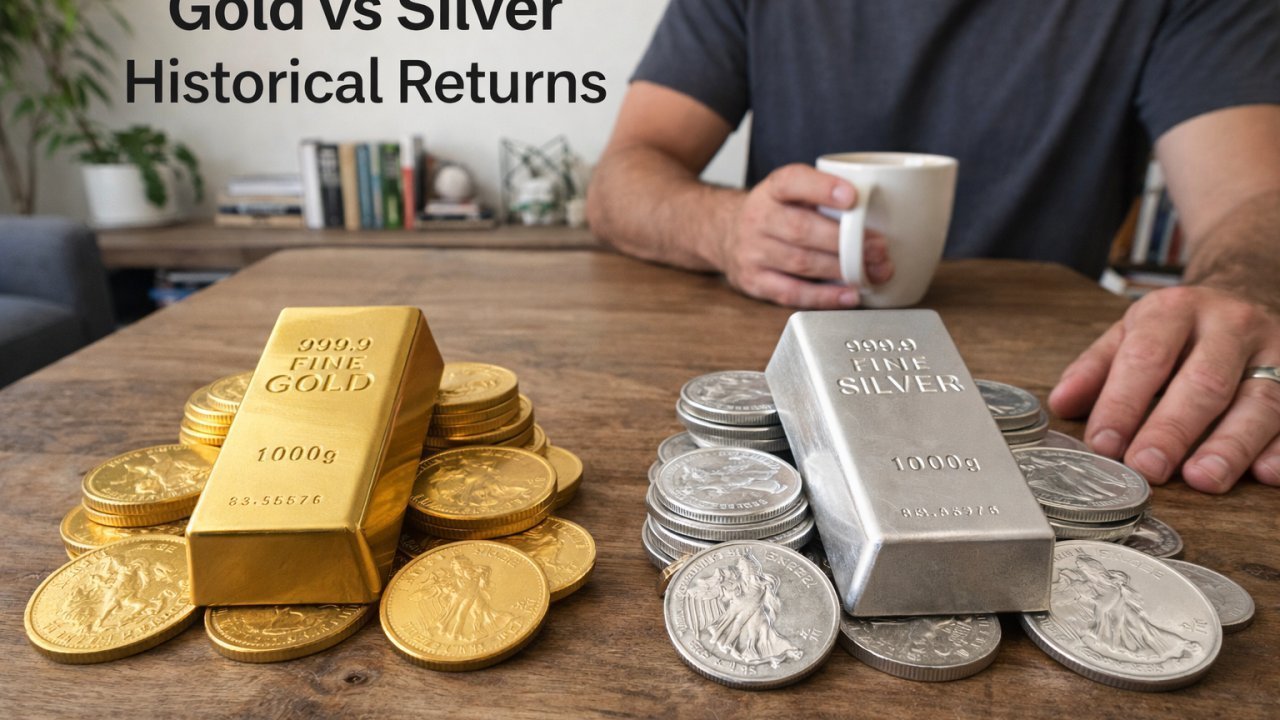
While gold remains the undisputed king of the Malabar coast, savvy investors in Calicut are increasingly eyeing silver as a high-growth alternative. In the bustling jewelry hubs of SM Street and across the Kozhikode district, the demand for "white gold" is no longer limited to traditional silverware or ornate anklets. Recent market shifts indicate that local portfolios are diversifying into silver bullion and coins, driven by its dual role as both a precious metal and a critical industrial component for emerging global technologies.
Unlike gold, which reacts primarily to currency fluctuations and geopolitical tensions, silver’s price in the local Calicut market is also heavily influenced by global industrial output. With the rapid expansion of solar energy projects and electric vehicle manufacturing, silver offers a unique "industrial hedge." For the local retail investor, silver provides a significantly lower entry point compared to the soaring prices of 22K and 24K gold, allowing for a more aggressive systematic accumulation during price dips. However, it is important to note that silver historically exhibits higher volatility; it often outperforms gold during bullish cycles but can experience sharper short-term corrections.
To maximize returns, local experts suggest monitoring the "Gold-Silver Ratio." When this ratio is high, silver is historically undervalued compared to gold, presenting a strategic buying opportunity for long-term wealth creation. Whether you are purchasing from legacy jewelers in the city or exploring digital silver, always ensure you are tracking the 999 fineness standards and checking for Hallmarked purity to secure your investment’s future resale value in the Kerala market.
Key Takeaway: Silver is emerging as a potent diversification tool in Calicut, offering a more affordable entry point and significant upside potential driven by global industrial demand, provided investors can navigate its inherent price volatility.
Calicut’s Evolving Gold Ecosystem: The Rise of Professional Refining Services
In the bustling bullion hubs of Kozhikode—from the historic Big Bazaar to the modern showrooms on Mavoor Road—a significant shift is occurring in how residents manage their precious metal assets. While Calicut has long been a center for gold consumption, the recent surge in global prices has catalyzed a sophisticated gold recycling market. Local investors are increasingly moving away from traditional "exchange-only" models, opting instead for professional refining services that utilize advanced XRF (X-ray fluorescence) technology. This shift ensures that sellers receive the maximum valuation for their "locker gold," bypassing the traditional deductions often associated with unorganized melting processes.
The city's refining landscape is also being reshaped by a growing emphasis on sustainability and the Bureau of Indian Standards (BIS) hallmarking mandates. Leading jewelers in Calicut are now integrating state-of-the-art refining units that process old ornaments into 999.0 purity bars with minimal environmental impact. This "Urban Mining" trend is particularly relevant in Kerala’s high-liquidity market, where recycling often accounts for nearly 40% of the daily gold supply during peak wedding seasons. For the savvy Calicut consumer, the focus has pivoted from merely tracking daily rates to identifying refiners who offer transparent, melt-loss-protected appraisals.
Key Takeaway: To maximize returns in a high-price environment, Calicut residents should prioritize refineries that offer digital purity certification and transparent melting loss policies, rather than settling for flat-rate buybacks from unorganized dealers.
Expert Tip: Securing Your Investment with Specialized Gold Insurance
As gold prices in Calicut continue to hover near historic highs, the physical security of your ornaments has become as critical as the purchase price itself. While the city’s residents have traditionally relied on bank lockers—particularly in high-traffic banking hubs like Mavoor Road and Palayam—the increasing value of household gold is driving a shift toward specialized "All Risk" insurance policies. Unlike standard home insurance, these modern plans are designed to protect your assets not just within a safe, but also while they are being worn during Calicut’s vibrant wedding seasons or major festivals like Onam and Vishu.
Local industry experts suggest that buyers frequenting the renowned showrooms on SM Street (Mithai Theruvu) should inquire about point-of-sale insurance tie-ups. Many premier retailers in Kozhikode now offer bundled protection that covers theft, accidental loss, and even damage. A crucial detail for Calicut investors is to opt for "Agreed Value" or "Replacement Value" coverage; this ensures that in the event of a claim, the payout reflects the current market rate in Kerala rather than the historical purchase price, effectively shielding you from the volatility of the bullion market.
Key Takeaway: With gold reaching record valuations, a bank locker is no longer a complete security solution. Look for specialized jewellery insurance that offers 'All Risk' coverage, ensuring your investment is protected both at home and when worn in public.
Beyond the Jewellery Box: Why Calicut Investors are Shifting to SGBs
For generations, the gold markets of S.M. Street and the bustling bullion trade in Calicut have centered on physical acquisition. However, a growing segment of savvy investors in Kozhikode is increasingly pivoting toward Sovereign Gold Bonds (SGBs) as a more efficient alternative to traditional ornaments and coins. While the emotional appeal of physical gold remains deeply rooted in our culture, SGBs offer a strategic financial advantage that traditional hoarding simply cannot match: a guaranteed 2.5% annual interest payout, credited semi-annually directly to your bank account.
Beyond the steady income, SGBs eliminate the "hidden costs" that often erode the value of physical gold in Kerala. When you buy jewellery, you are typically hit with significant making charges—often ranging from 8% to 15%—and the inevitable loss of value during resale due to purity concerns. With SGBs, you bypass making charges and storage risks entirely. There is no need for bank lockers or concerns about theft, which is a significant relief for residents managing assets in the city. Furthermore, if held until maturity, the capital gains are entirely tax-exempt, offering a clean, paperless investment that perfectly complements a modern, diversified portfolio.
By choosing SGBs, you aren’t just tracking the gold price in Calicut; you are actively earning from it while keeping your capital secure under the sovereign guarantee of the Government of India. It is a sophisticated way to maintain your family’s traditional affinity for gold while embracing the financial rigor required in today’s volatile market.
Key Takeaway: Sovereign Gold Bonds offer a triple-win for Calicut investors: you earn a 2.5% annual interest, avoid the hefty making charges associated with physical jewellery, and enjoy full tax exemption on capital gains at maturity.
Timing Your Gold Purchase in Calicut: The Strategic Advantage
For gold buyers in Calicut, timing is more than just a matter of convenience; it is a tactical decision that can influence the final cost of your investment. While global spot prices fluctuate throughout the day based on international market movements, the local bullion rates in Kerala often see their most significant adjustments during the morning hours. Retail jewelers across major hubs like SM Street and Mavoor Road typically update their pricing boards between 10:30 AM and 11:30 AM, once the regional trade benchmarks are firmly established.
If you are planning a significant purchase, aiming for the mid-afternoon window—specifically between 2:00 PM and 4:00 PM—often proves to be the most advantageous. By this time, the initial volatility of the morning market has usually settled, allowing for a clearer picture of the day's price trend. Furthermore, visiting during these off-peak hours allows for a more personalized experience with your jeweler, ensuring you have the necessary time to inspect hallmark certifications and discuss making charges without the rush of the evening crowds that typically flock to Calicut’s bustling jewelry showrooms.
Key Takeaway: To secure the best deal, monitor the live rate updates in the morning and plan your visit for the mid-afternoon; this allows you to capitalize on stabilized pricing while avoiding the high-traffic evening hours, ensuring a more focused and informed buying experience.
Ensuring Authenticity: Verifying Gold Purity in Calicut with the BIS Care App
As gold remains the bedrock of investment and cultural tradition in Calicut—from the bustling jewelry hubs of SM Street to the premium showrooms in Mavoor—ensuring the purity of your purchase is paramount. While the hallmarking system is the gold standard for quality, consumers should move beyond mere visual trust. The Bureau of Indian Standards (BIS) has empowered shoppers with the BIS Care App, a digital tool that allows anyone to verify the authenticity of hallmarked jewelry instantly.
To verify your purchase, locate the HUID (Hallmark Unique Identification) number—a six-digit alphanumeric code laser-engraved on your gold item. Open the BIS Care App, select the 'Verify HUID' option, and input the code. The app will provide comprehensive details, including the jeweler's registration number, the date of hallmarking, and the exact purity of the gold. In a market like Calicut, where gold prices fluctuate daily, this extra layer of verification ensures that you are receiving the precise caratage you are paying for, protecting your investment from potential malpractice.
Whether you are buying gold for a wedding or as a long-term hedge against inflation, making the BIS Care App part of your shopping process is a smart, modern habit. It not only provides peace of mind but also promotes a culture of transparency among local jewelers. Always remember to request a computer-generated invoice that explicitly mentions the HUID, as this documentation is essential for future resale or exchange value at any reputable store in Kerala.
Key Takeaway: Before leaving the jewelry store, always cross-reference the HUID engraved on your gold item with the BIS Care App to verify its hallmarking authenticity and purity, ensuring your investment is secure and genuine.
Strategic Timing: When to Visit Calicut’s Gold Souks
For seasoned investors and families preparing for weddings in Kozhikode, timing a gold purchase is as critical as monitoring global bullion trends. While gold prices in Calicut are pegged to international spot rates, the retail market experiences subtle fluctuations throughout the business day. Most local jewelers—particularly those clustered around the bustling SM Street and Mavoor Road—align their internal pricing with the morning fixing of the India Bullion and Jewellers Association (IBJA). Consequently, visiting showrooms during the mid-morning hours, typically between 11:30 AM and 1:00 PM, often allows you to secure rates after the initial market volatility of the opening bell has settled.
However, savvy buyers should also keep an eye on the currency exchange. Since the Indian Rupee’s performance against the US Dollar directly impacts import costs, mid-afternoon updates—when domestic currency markets stabilize—can sometimes reveal more favorable margins. Avoiding the late-evening rush not only ensures you get the most accurate, updated price but also grants you the luxury of time to negotiate making charges, which can vary significantly depending on the craftsmanship and the store’s daily inventory turnover. In a city where gold is deeply woven into the cultural fabric, patience remains your most valuable asset.
Key Takeaway: To secure the most accurate pricing, aim to finalize your purchase in Calicut between 11:30 AM and 1:00 PM, allowing the market to stabilize after the morning opening while ensuring your transaction reflects the most recent bullion updates.
Navigating Gold Loan Opportunities in Calicut
For the residents of Calicut, gold is more than just an ornament; it is a vital financial buffer. As gold prices continue to fluctuate in the local markets of SM Street and Mavoor Road, many investors are increasingly turning to gold loans as a strategic liquidity tool. Unlike traditional personal loans, gold loans in Calicut offer a faster turnaround time, often processing funds within hours—a critical advantage for local business owners and families navigating urgent financial requirements without liquidating their precious assets.
The landscape for gold-backed financing in the city has become highly competitive. Major non-banking financial companies (NBFCs) with deep roots in Kerala, alongside nationalized banks, are currently vying for market share by offering flexible repayment tenures and attractive loan-to-value (LTV) ratios. However, borrowers should remain vigilant. Before committing, it is essential to compare the effective interest rates and processing fees across different institutions. Given the volatility in global gold prices, some lenders in Calicut are also introducing "bullet repayment" schemes, which allow borrowers to pay interest periodically and the principal at the end of the term, easing the immediate burden on monthly cash flows.
Key Takeaway: When opting for a gold loan in Calicut, prioritize lenders who offer transparent appraisal processes and flexible repayment structures, and always ensure your pledged gold is stored in a secure, insured vault facility to mitigate risk.
Digital Gold: Is it a Secure Choice for Calicut Residents?
For generations, the residents of Calicut have held a deep-seated cultural affinity for physical gold, viewing it as both a store of value and a symbol of prosperity. However, as the city’s financial landscape evolves alongside its bustling trade hubs like Big Bazaar and SM Street, a new trend is emerging: Digital Gold. For the modern Calicut investor, the question remains—is it safe to trade the tactile security of physical ornaments for a purely digital ledger?
The short answer is yes, provided you operate through regulated platforms. Digital gold allows investors to bypass the high making charges (panni) and storage risks associated with physical bullion. When you purchase digital gold, your investment is typically backed by 24-karat physical gold stored in insured, high-security vaults by the service provider. For those in Calicut who are looking to diversify their portfolios without the headache of bank lockers or home security, digital gold offers unparalleled liquidity; you can sell your holdings at real-time market rates with just a few taps on your smartphone. The key is to stick to reputable platforms that offer transparency regarding the physical backing of your assets and provide clear certification of purity.
While the emotional satisfaction of holding gold during festive seasons like Vishu or Onam remains unmatched, digital gold serves as a strategic financial instrument. It removes the barriers to entry, allowing you to invest in quantities as small as one rupee. By integrating digital gold with traditional purchases, Calicut’s savvy investors can enjoy the best of both worlds: the timeless stability of the yellow metal and the seamless efficiency of the digital age.
Key Takeaway: Digital gold is a secure, highly liquid alternative to physical bullion, perfect for systematic wealth accumulation; always ensure your provider guarantees physical vaulting and transparent purity certification before investing.
Digital Gold: Is it a Secure Choice for Calicut Residents?
For generations, the residents of Calicut have viewed gold as more than just an investment; it is a cultural cornerstone, traditionally purchased from the bustling jewelry hubs of S.M. Street or Mavoor Road. However, as the digital transformation sweeps across Kerala, many investors are asking if Digital Gold—a virtual way to accumulate 24K gold without the burden of physical storage—is a secure alternative to the traditional locker-reliant model.
The short answer is yes, provided you prioritize platform credibility. Digital Gold works by allowing you to purchase fractional units of gold that are backed by physical bullion stored in insured, high-security vaults. For a Calicut investor, this eliminates the risks of theft or the high "making charges" typically associated with physical ornaments. When choosing a platform, ensure it is backed by reputable entities like MMTC-PAMP or recognized stock exchanges. Since the gold is backed by physical assets, you retain the option to either sell it back instantly at market rates or, in many cases, request physical delivery of coins or bars to your doorstep in Kozhikode.
While digital gold offers unparalleled liquidity and the ability to start investing with as little as ₹100, it should be viewed as a complementary tool rather than a complete replacement for traditional jewelry. It is an excellent strategy for those looking to build a long-term corpus without worrying about the safety of physical assets in their homes. By diversifying, you can enjoy the aesthetic joy of traditional gold while leveraging the technological security of the digital era.
Key Takeaway: Digital gold is a safe, highly liquid investment for Calicut residents, provided you transact through SEBI-regulated platforms or established bullion providers that guarantee physical backing and transparent, real-time pricing.
Beyond Gold: The Emerging Appeal of Silver in Calicut’s Investment Landscape
While gold remains the traditional cornerstone of wealth preservation in Malabar, a growing number of savvy investors in Calicut are diversifying their portfolios by turning toward silver. As gold prices reach record highs, the lower entry barrier for silver—often referred to as the "poor man’s gold"—is attracting significant interest among the city’s middle-class households and younger investors. In the bustling jewelry hubs of SM Street and Mavoor Road, we are observing a notable uptick in the demand for silver bullion bars and coins, driven by the metal's unique dual role as both a precious asset and a critical industrial commodity.
The recent volatility in global markets has highlighted silver’s potential for higher short-term volatility compared to gold, which many local traders view as a tactical opportunity for capital appreciation. Unlike gold, which is primarily held for its store-of-value properties, silver’s increasing integration into green technologies—such as solar panels and electric vehicle components—provides a fundamental demand floor that is catching the attention of Calicut’s retail investor base. For those looking to hedge against inflation without committing to the heavy capital outlay required for high-karat gold, accumulating high-purity silver has become a strategic, manageable alternative.
However, investors should be mindful of the liquidity differences between the two metals. While selling gold is seamless across all local jewelers, silver investment requires a focus on purity certifications and buy-back policies. As the market in Calicut matures, consulting with local bullion experts remains essential to ensure that your silver acquisitions are backed by recognized hallmarking standards.
Key Takeaway: Silver is gaining traction in Calicut as a high-growth alternative to gold; prioritize hallmarked bullion and coins to ensure maximum liquidity and value when balancing your precious metals portfolio.
GST on Gold: What Every Buyer in Calicut Needs to Know
For gold enthusiasts in Calicut, navigating the fine print of jewelry procurement is just as important as monitoring live market rates. Under the current Goods and Services Tax (GST) regime, a flat 3% tax is levied on the purchase of gold bullion and jewelry across India. However, for residents shopping in the bustling corridors of SM Street or the established showrooms of Mavoor Road, it is vital to understand that this 3% is calculated on the total transaction value—which includes the gold price, the making charges (wastage), and any additional hallmarking fees.
When you walk into a Calicut jeweler, the final invoice can often surprise those who focus solely on the spot price. Since making charges—which typically range from 8% to 15% depending on the intricacy of the design—are considered a service component, the 3% GST is applied to the sum of the metal value and these service costs. Savvy buyers in the city should always ensure their bill clearly segregates the gold weight, the making charges, and the GST component. This transparency is not just a legal requirement but a safeguard against hidden costs that can inflate your investment budget unexpectedly.
Furthermore, if you are exchanging old gold for new jewelry, remember that the 3% GST remains applicable on the value of the new item being purchased. While the exchange process is a common practice in Malabar’s gold-buying culture, the tax is non-negotiable. Always prioritize hallmarked jewelry (BIS 916), as the small cost of hallmarking is often offset by the assurance of purity, which holds its value better during future resale or exchange in the local market.
Key Takeaway: Always verify that your jewelry invoice explicitly breaks down the 3% GST on the total value (gold price plus making charges) to ensure you are paying the correct government-mandated rate without hidden markups.
Protecting Your Investment: Gold Insurance Trends in Calicut
As gold prices continue to fluctuate, residents of Calicut—a city with a deep-rooted cultural affinity for heirloom jewellery—are increasingly looking beyond traditional bank lockers to secure their assets. While many families in the Kozhikode district rely on home safes, these offer little protection against theft or natural disasters. Consequently, there is a growing trend among savvy investors to opt for standalone jewellery insurance or comprehensive home insurance policies that specifically include high-value gold coverage.
When choosing a policy in the local market, it is essential to look for coverage that accounts for the "making charges" and the current market rate rather than just the weight of the metal. Many insurers operating in Kerala now offer "all-risk" covers that protect your jewellery even when you are wearing it outside, provided you have a valid valuation certificate from a certified jeweller. Given the high humidity and coastal environment of Calicut, ensure your policy also covers accidental damage, which can be critical for intricate, handcrafted gold pieces that are prone to wear and tear.
Before finalizing a plan, compare the premiums against the actual gold weight and purity (22K vs 24K). Some insurers require an updated appraisal every two to three years; keeping your purchase receipts and photographs of your collection organized is a vital step in ensuring a smooth claims process. By treating your gold as a financial asset rather than just an accessory, you can enjoy the aesthetic value of your collection with the peace of mind that it is fully protected.
Key Takeaway: Don't rely solely on bank lockers; consider an "all-risk" jewellery insurance policy that covers your gold both at home and while in transit, ensuring the valuation reflects current market rates and includes making charges.
Navigating Making Charges: Insider Tips for Calicut Jewellers
In the bustling gold markets of Calicut—from the historic lanes of Big Bazaar to the modern showrooms of Mavoor Road—the "making charge" (or pani kuli) is often the most misunderstood component of your final invoice. While the gold rate is globally pegged, making charges are highly subjective, calculated as a percentage of the gold's weight or a flat fee per gram. Because craftsmanship in Kerala often involves intricate traditional designs like the Palakka Mala or Mulla Mottu, these charges can fluctuate significantly based on the complexity of the piece and the brand’s overheads.
To negotiate effectively in Calicut, never accept the initial quote as final. Start by checking the daily gold rate provided by the Malabar Association of Jewellers to ensure you have a firm baseline. When shopping, ask for the "net making charge" after any promotional discounts—many local jewellers are willing to shave off 10% to 20% if you are a returning customer or if you are buying during off-peak wedding seasons. If the design is machine-made, push for lower rates, as manual labor costs are lower. Always insist on a transparent breakdown of the invoice, separating the gold value, making charges, and GST, so you can clearly see where your money is going.
Key Takeaway: Making charges are negotiable; always compare quotes across at least three reputable showrooms in Calicut and leverage the "wastage percentage" argument to secure a better deal on machine-made jewellery.