Why is gold price different in Chandigarh?
While the international benchmark for gold prices remains consistent across the globe, the final price you pay for gold in Chandigarh can vary due to several local factors. The base price is dictated by global supply and demand, currency fluctuations (USD to INR exchange rate), and geopolitical events. However, when gold arrives in Chandigarh, additional costs are incurred. These include import duties, central government taxes (like the Goods and Services Tax - GST), transportation and logistics costs, local operational overheads for jewellers, and their profit margins. Furthermore, the purity of gold (22 karat vs. 24 karat), design complexity impacting making charges, and specific promotions offered by individual jewellers can also lead to price discrepancies. Therefore, while the core value is global, the retail price in Chandigarh reflects a blend of international dynamics and local economic realities.
Which area or shop is famous for low making charges in Chandigarh?
Finding gold with genuinely low making charges in Chandigarh requires a bit of research and comparison, as these charges can significantly impact the final cost of your jewellery. Generally, traditional and established jewellers in older markets might offer more competitive making charges compared to large branded showrooms, which often factor in brand value and extensive overheads. Areas like Sector 17, Sector 22, and Sector 35 are prominent for jewellery shopping in Chandigarh, hosting a mix of national chains and local family-run businesses. While specific shops' policies can change, it's advisable to visit multiple jewellers, especially those known for their craftsmanship and transparent pricing, and explicitly inquire about making charges per gram or as a percentage of the gold value. Simple designs typically incur lower making charges than intricate, handcrafted pieces. Always compare the total price, including making charges and GST, before making a purchase.
Why do gold prices change daily?
Gold prices are highly dynamic and fluctuate on a daily, sometimes even hourly, basis, driven by a complex interplay of global and domestic factors. The primary driver is the international spot price of gold, traded on major exchanges like COMEX. This price is influenced by the strength of the US dollar, crude oil prices, global interest rates (especially by central banks like the US Federal Reserve), and the overall economic sentiment. Gold is often seen as a safe-haven asset; during times of economic uncertainty, inflation, or geopolitical instability, investors flock to gold, pushing its price up. Conversely, a strong economy and rising interest rates can make other investments more attractive, leading to a dip in gold prices. Domestically, the INR-USD exchange rate also plays a crucial role, as India imports a significant portion of its gold. Any depreciation of the Rupee against the Dollar makes imported gold more expensive in local currency terms.
Gold rates in Chandigarh (22 karat): How do prices change?
The 22 karat gold rate in Chandigarh is derived from the benchmark 24 karat gold price, which is the purest form. The 24 karat price is first set based on international market rates, adjusted for import duties, and then converted to Indian Rupees. To calculate the 22 karat price, which is commonly used for jewellery due to its durability, the 24 karat price is multiplied by 22/24 (approximately 0.9167). On top of this base rate, jewellers in Chandigarh add their specific making charges and the applicable Goods and Services Tax (GST) of 3% on the gold value and 5% on making charges. These rates are updated daily by jewellery associations and individual jewellers to reflect the latest market dynamics. Factors like local demand during festive seasons or wedding periods can also subtly influence the premiums charged by jewellers, leading to minor variations in the daily published rates across different shops in the city.
Gold and hallmarking centres in Chandigarh.
Ensuring the purity of gold is paramount, and this is where hallmarking plays a critical role. In India, the Bureau of Indian Standards (BIS) is the authority responsible for hallmarking gold jewellery, certifying its purity. A BIS hallmark on your gold jewellery guarantees its fineness as declared by the jeweller. It consists of the BIS logo, the purity in karats (e.g., 22K916 for 22 karat gold), the assaying and hallmarking centre's mark, and the jeweller's identification mark. Chandigarh hosts several BIS-recognized assaying and hallmarking centres, where jewellers get their gold items tested and certified. When purchasing gold in Chandigarh, it is strongly advised to always insist on buying BIS-hallmarked jewellery. This not only assures you of the gold's purity but also provides a standardized measure for resale value, protecting consumers from potential deceit and ensuring fair trade practices.
Top Jewellers in Chandigarh.
Chandigarh boasts a vibrant jewellery market, offering a wide array of choices from national chains to established local jewellers, catering to diverse tastes and budgets. Among the most reputable national brands with a strong presence in Chandigarh are Tanishq, known for its extensive designs and trusted hallmarking; Malabar Gold & Diamonds, offering a wide range of traditional and contemporary pieces; and Joyalukkas, recognized for its global presence and diverse collections. Locally, long-standing jewellers like Sunder Jewellers, Talwar Jewellers, and Jagat Singh & Sons Jewellers have built a strong reputation for their craftsmanship, reliability, and customer service over decades. When choosing a jeweller, consider their reputation, transparency in pricing, variety of designs, after-sales service, and most importantly, their commitment to selling only BIS-hallmarked gold. Visiting a few different shops and comparing their offerings is always a wise approach.
Supply pressures pushing prices up.
The global supply of gold is inherently limited, as it is a finite resource primarily obtained through mining. Several factors related to supply can exert upward pressure on gold prices. Firstly, declining gold mining output due to depletion of accessible reserves, stricter environmental regulations, or higher operational costs can reduce the overall supply. Secondly, central banks around the world often purchase significant quantities of gold to diversify their reserves, thereby increasing demand and tightening available supply in the open market. Thirdly, increased investment demand, whether through physical gold, Gold Exchange Traded Funds (ETFs), or other derivatives, can absorb a large portion of the available supply. Lastly, geopolitical instability or economic crises can prompt a flight to safety, leading investors to hoard gold, further restricting its availability for regular market transactions and consequently driving prices higher. These combined pressures contribute to gold's intrinsic value and its tendency to appreciate over time.
How to store gold in Chandigarh?
Securely storing your gold in Chandigarh is crucial to protect your valuable asset. Several options are available, each with its own advantages and considerations. The most traditional and secure method is utilizing a bank locker, offered by most public and private banks in Chandigarh. This provides high security against theft and natural disasters, though it incurs annual charges and access is limited to banking hours. For smaller quantities or everyday wear, a robust home safe can be an option, but it requires careful selection and installation, and still carries inherent risks. Alternatively, for those seeking modern solutions, digital gold platforms (like those offered by MMTC-PAMP or leading fintech companies) allow you to buy and store gold in dematerialized form without the physical storage hassle. Similarly, investing in Gold ETFs or Sovereign Gold Bonds (SGBs) eliminates the need for physical storage altogether, offering a secure and convenient way to gain exposure to gold prices without the associated risks of physical possession.
Gold vs Real Estate in Chandigarh.
When considering long-term investments in Chandigarh, both gold and real estate offer distinct advantages and disadvantages. Real estate in Chandigarh, particularly in prime sectors or the surrounding areas, has historically shown significant appreciation, offering potential for substantial capital gains and often generating rental income. However, it demands high initial investment, has low liquidity, involves significant maintenance costs, and is subject to property market fluctuations, legal complexities, and government regulations. Gold, on the other hand, is highly liquid, universally accepted, and serves as an excellent hedge against inflation and economic uncertainty. It requires no maintenance costs (unless stored in a bank locker) and can be easily converted to cash. While gold typically offers steady, moderate appreciation, it doesn't generate income like rent. For diversification, many financial advisors recommend a balanced portfolio that includes both assets, leveraging real estate for long-term wealth creation and gold for liquidity, stability, and protection against economic downturns.
What is a Sovereign Gold Bond?
A Sovereign Gold Bond (SGB) is an innovative investment instrument issued by the Reserve Bank of India (RBI) on behalf of the Government of India. It offers a smart alternative to holding physical gold. SGBs are denominated in grams of gold and are essentially government securities, making them extremely safe. Investors pay the issue price in cash and the bonds are redeemed in cash upon maturity, based on the then-prevailing gold price. A key advantage of SGBs is the payment of a fixed annual interest rate (currently 2.50% per annum on the initial investment amount), paid semi-annually. They eliminate the risks and costs associated with physical gold storage, such as making charges and purity concerns. SGBs have a maturity period of eight years, with an exit option after the fifth year. Furthermore, the capital gains arising from the redemption of SGBs by an individual are exempt from tax, making them a tax-efficient investment choice.
Taxation of gold in Chandigarh.
Understanding the taxation of gold in Chandigarh, as across India, is crucial for both buyers and sellers. When you purchase gold jewellery or articles, a Goods and Services Tax (GST) of 3% is levied on the value of the gold. Additionally, a GST of 5% is charged on the making charges (or wastage charges) of the jewellery. For investors, the tax implications arise primarily at the time of sale. If you sell physical gold or Gold ETFs within three years of purchase, it's considered a Short-Term Capital Gain (STCG) and is added to your income, taxed as per your applicable income tax slab. If held for more than three years, it's a Long-Term Capital Gain (LTCG), taxed at 20% with the benefit of indexation. Sovereign Gold Bonds (SGBs) offer a significant tax advantage: capital gains on redemption at maturity are entirely exempt from tax for individuals. However, if SGBs are sold before maturity on an exchange, capital gains tax (STCG or LTCG) will apply. There are also specific rules for gifting gold, which may be subject to gift tax if the value exceeds certain thresholds.
Expert Tip: Verify Your Gold's Purity in Chandigarh with the BIS Care App
For residents of Chandigarh, investing in gold is not just a tradition; it's a significant financial decision. Whether you're purchasing for a wedding, an investment, or a festive occasion like Diwali or Baisakhi, ensuring the purity of your gold is paramount. With the rising availability of BIS-hallmarked jewellery, the Bureau of Indian Standards (BIS) has introduced a powerful tool to empower consumers: the BIS Care App. This app provides an unprecedented level of transparency, directly addressing the age-old concern of gold purity.
Gone are the days of relying solely on a jeweller's word. The BIS Care App, easily downloadable on your smartphone, allows you to verify the authenticity and purity of BIS-hallmarked gold jewellery in real-time. Every piece of hallmarked gold now carries a unique six-digit Alphanumeric HUID (Hallmarking Unique Identification) number. Simply open the app, navigate to the 'Verify HUID' section, and input this number. The app will instantly display crucial details about the item, including the jeweller's registration details, the type of jewellery, and its declared purity, ensuring you get exactly what you pay for.
This digital safeguard is particularly valuable in Chandigarh's dynamic gold market, from the renowned showrooms in Sector 22 to local artisan shops. By making it a habit to check the HUID number with the BIS Care App before finalising your purchase, you're not just buying gold; you're buying assurance and peace of mind. It's a simple, quick step that protects your investment and champions ethical practices among jewellers across the Tricity region.
Key Takeaway: Always use the BIS Care App to scan the HUID on hallmarked gold jewellery in Chandigarh, guaranteeing its purity and protecting your valuable investment.
Smart Gold Investment for Chandigarh: Why SGBs Outshine Physical Gold
Chandigarh, a city known for its meticulous planning and modern outlook, holds a deep-rooted appreciation for gold, both as a cultural emblem and a significant investment. While the allure of physical gold remains strong, discerning investors in the City Beautiful are increasingly exploring sophisticated avenues. This is where Sovereign Gold Bonds (SGBs) emerge as a compelling alternative, offering a host of advantages over traditional jewellery or bullion, particularly for urban residents seeking convenience and security.
The benefits of SGBs are particularly pertinent for Chandigarh's lifestyle. Imagine owning gold without the worry of storage in bank lockers, the hassle of purity checks, or the burden of making charges that erode value from day one. SGBs, issued by the Reserve Bank of India on behalf of the government, eliminate these concerns entirely. You receive a guaranteed 2.50% annual interest on your investment, paid semi-annually, a feature completely absent with physical gold. Furthermore, capital gains upon maturity (after 8 years) are exempt from tax, making them an incredibly tax-efficient investment vehicle.
For Chandigarh residents, who value both security and smart financial planning, SGBs offer peace of mind. Your investment is held in demat form, safe from theft or damage, and its purity (999 hallmarked gold equivalent) is unquestionable. This eliminates the need to visit multiple jewellers or worry about resale value deductions. By choosing SGBs, you're not just investing in gold; you're investing in a government-backed, interest-bearing, and tax-efficient asset that aligns perfectly with a modern, hassle-free investment philosophy. It's a truly golden opportunity to diversify your portfolio intelligently.
Key Takeaway: For Chandigarh investors, Sovereign Gold Bonds offer a superior, secure, and financially smarter way to invest in gold, combining guaranteed returns, tax benefits, and absolute convenience over physical gold.
Expert Tip: The Golden Hour for Buyers in Chandigarh
Navigating the gold markets in the "City Beautiful"—from the upscale showrooms of Sector 17 to the legacy jewelry hubs of Sector 22—requires more than just a glance at the daily rate. For the most stable pricing, seasoned local buyers and bullion experts recommend timing your purchase between 1:00 PM and 3:00 PM. While most Chandigarh jewelers open their doors by 11:00 AM, the morning rates are often a carry-over from the previous day’s international close. By early afternoon, the Indian Multi Commodity Exchange (MCX) has established a clear intraday trend, and the local Chandigarh Sarafa Association typically synchronizes these figures, offering you a price that reflects the current market reality rather than speculative opening bids.
Furthermore, savvy investors should aim to conclude their transactions before the "evening volatility" kicks in after 5:30 PM IST. This is the crucial window when the United States markets open, frequently triggering sharp fluctuations in global bullion prices that can lead to sudden retail markups. In Chandigarh’s specific landscape, visiting during the mid-week lull—specifically a Tuesday or Wednesday—is highly advantageous. With lower footfall compared to the frantic weekend rush in the crowded lanes of Sector 22-D, you are far more likely to secure the jeweler’s undivided attention, providing a better opportunity to negotiate on 'making charges' which can significantly lower your final acquisition cost.
Key Takeaway: Aim for a mid-afternoon purchase (1 PM – 3 PM) on a Tuesday or Wednesday to avoid global market swings and leverage the quiet hours in Chandigarh’s major sectors for better negotiation power.
Beyond the Locker: Why Chandigarh Investors are Pivoting to Sovereign Gold Bonds
For residents of Chandigarh, where the tradition of gifting gold during weddings in sectors like 35 or 26 is deeply ingrained, the recent shift toward financialized gold is noteworthy. While physical gold remains a cultural staple, savvy investors across the City Beautiful are increasingly opting for Sovereign Gold Bonds (SGBs) as a smarter alternative to traditional bullion and jewelry. Unlike physical gold, which carries the hidden costs of making charges—often ranging from 10% to 20%—and the persistent anxiety of secure storage, SGBs offer a clean, digital path to wealth creation.
The primary advantage lies in the government-backed annual interest rate of 2.5%, paid semi-annually. This effectively transforms gold from a "dead" asset into an income-generating instrument. Furthermore, for Chandigarh’s tax-conscious investors, the capital gains tax exemption on redemption after the eight-year tenure provides a significant edge over physical gold, which attracts capital gains tax upon sale. By eliminating the risk of purity concerns—a common worry in local markets—and removing the need for expensive bank lockers, SGBs offer a streamlined, tax-efficient way to hedge against inflation without the maintenance burden of physical holdings.
As the gold market continues to show volatility, moving a portion of your portfolio into SGBs allows you to capture the upside of rising gold prices while enjoying a steady, guaranteed yield. It is a modern solution for a city that balances its rich heritage with a progressive, forward-thinking approach to personal finance.
Key Takeaway: Sovereign Gold Bonds are the superior choice for long-term investors in Chandigarh, offering a 2.5% annual yield and tax-free maturity gains, all while eliminating the making charges, storage costs, and purity risks associated with physical gold.
Maximizing Value: The Rise of Professional Gold Refining in Chandigarh
As gold prices continue to fluctuate in the Chandigarh bullion market, many local residents are looking beyond traditional pawn shops to unlock the hidden value in their jewelry boxes. Whether you are holding onto ancestral pieces or outdated trinkets, the city’s growing ecosystem of professional gold refining services offers a more transparent and lucrative alternative to conventional selling methods. Unlike neighborhood jewelers who may apply significant "melting charges" or heavy deductions for impurities, modern refineries in sectors like 17 and 35 are increasingly utilizing XRF (X-Ray Fluorescence) technology to provide instant, non-destructive purity testing.
For those looking to liquidate assets, the shift toward organized refining is a game-changer. By bypassing middlemen and dealing directly with firms that possess in-house melting and assaying capabilities, sellers in the Tricity area are now securing returns much closer to the daily spot price. This trend is particularly beneficial for those dealing with scrap gold, as professional refiners are equipped to extract maximum value from the alloyed metals present in 18k or 22k jewelry. Before heading to a refiner, it is essential to ensure the establishment is GST-registered and transparent about their melting loss policies, which typically range between 2% to 5% depending on the purity of the gold.
Navigating this market requires a discerning eye. Always compare the daily Chandigarh gold rate against the offer provided by the refinery, and insist on a transparent weighing process conducted on government-approved digital scales. In a city where gold is deeply woven into the cultural fabric, treating your old jewelry as a financial asset rather than just a sentimental item can provide a substantial boost to your liquidity when the market is peaking.
Key Takeaway: To secure the best price for your old gold in Chandigarh, prioritize refineries that use certified XRF technology and offer transparent, on-the-spot melting processes, ensuring you receive near-market value by minimizing unnecessary intermediary deductions.
Chandigarh’s Gold Market: Why Local Pricing Differs from Metros
For investors and jewelry enthusiasts in the City Beautiful, navigating gold prices requires understanding the nuances of regional pricing. While gold is a globally traded commodity, the retail price in Chandigarh often deviates slightly from major financial hubs like Mumbai or Chennai. This variance is primarily driven by local logistics costs, varying state-level octroi, and the specific dynamics of the North Indian bullion market. Because Chandigarh serves as a central distribution hub for the surrounding regions of Punjab, Haryana, and Himachal Pradesh, the steady demand from these prosperous neighboring belts ensures that local jewelers maintain competitive pricing to capture regional market share.
Unlike the high-volume trading floors of Mumbai, which often dictate the base spot price, Chandigarh’s market is heavily influenced by the seasonal demand cycle of the agrarian economy. During harvest seasons or the wedding-heavy months of winter, local demand spikes, which can occasionally lead to a slight premium on physical gold compared to the national average. However, the presence of a robust, organized retail sector in sectors like 17 and 22 ensures that price transparency remains high. Investors should note that while Chandigarh’s rates might see minor fluctuations compared to Delhi, the city often offers a more stable pricing environment, buffered by its role as a key commercial link in the North.
Key Takeaway: While Chandigarh’s gold prices are closely aligned with national spot rates, local demand cycles and regional logistics mean that buyers should compare daily city-specific rates rather than relying solely on national indices to ensure they are securing the best value for their investment.
GST on Gold: What Every Buyer in Chandigarh Needs to Know
For residents of Chandigarh, navigating the gold market involves more than just keeping an eye on daily spot prices; it requires a clear understanding of the tax structure that impacts your final bill. Since the implementation of the Goods and Services Tax (GST), gold transactions in India are subject to a uniform 3% GST levy. Whether you are purchasing bullion from the busy hubs of Sector 22 or picking out intricate jewelry in the showrooms of Sector 17, this 3% tax is mandatory and must be reflected transparently on your invoice.
It is a common misconception that GST only applies to the raw metal. In reality, the tax is calculated on the total value of the transaction, which includes both the price of the gold and the making charges (or labor costs) associated with the jewelry. Furthermore, a 5% GST rate is applicable specifically to the making charges, which are often billed separately by Chandigarh’s renowned jewelers. To protect your investment, always insist on a GST-compliant bill that clearly itemizes the gold purity, the weight, the making charges, and the tax components. This documentation is not just a formality; it is essential for future resale or exchange, ensuring you receive the correct market value without unnecessary deductions.
Key Takeaway: Always verify that your jeweler itemizes the 3% GST on gold and the 5% GST on making charges separately on your invoice; a transparent bill is your best insurance against hidden costs and ensures your purchase is fully documented for future resale in the Chandigarh market.
Beyond Gold: The Growing Appeal of Silver in Chandigarh’s Investment Landscape
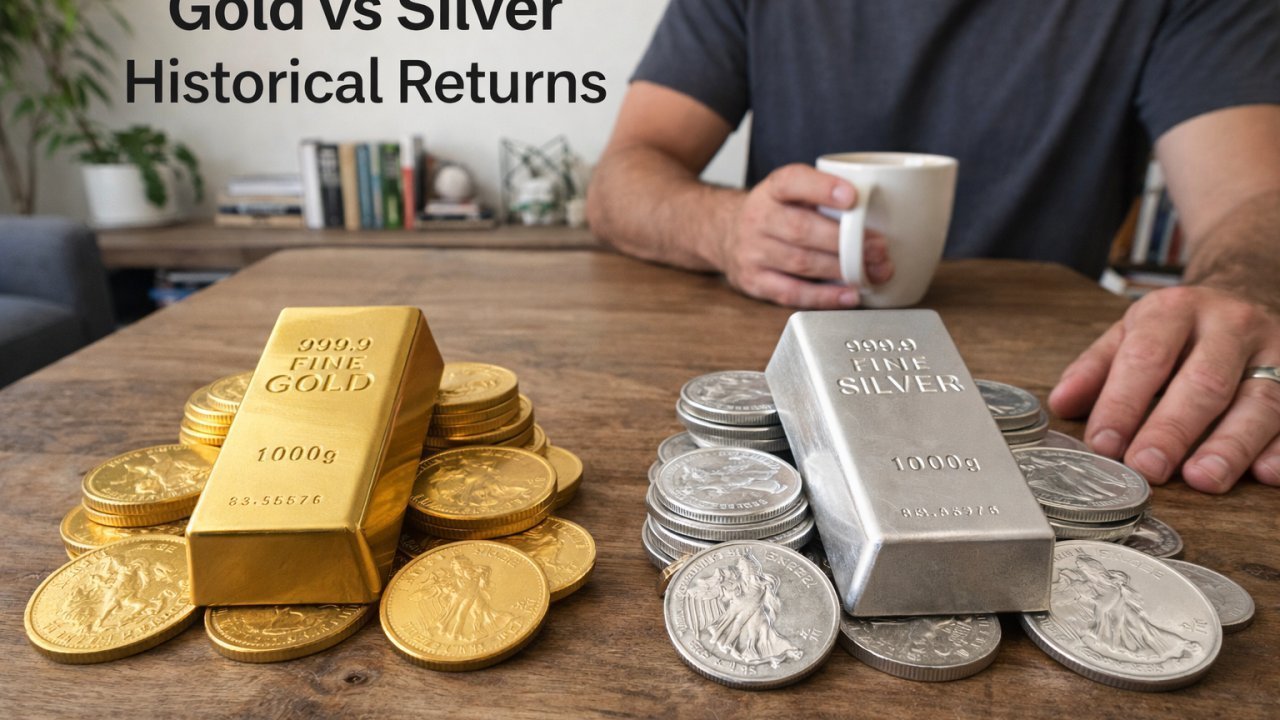
While gold remains the cornerstone of wealth preservation for households in Chandigarh, savvy investors across the City Beautiful are increasingly turning their attention to silver as a high-potential alternative. As industrial demand—particularly from the burgeoning green energy and electronics sectors—continues to outpace supply, silver is shedding its reputation as merely a "poor man’s gold" and evolving into a strategic asset for portfolio diversification.
Local market dynamics in Chandigarh reflect this shift. Retail investors visiting the bustling bullion markets in Sector 22 and Sector 19 are showing a marked preference for high-purity silver bars and coins as a hedge against market volatility. Unlike gold, which often tracks macroeconomic stability, silver’s dual identity as both a precious metal and a vital industrial commodity offers a unique risk-reward profile. For Chandigarh’s investors, the lower entry price point of silver provides an accessible entry into the precious metals market, allowing for greater liquidity and the ability to accumulate assets incrementally without the significant capital outlay required for gold bullion.
However, investors should remain mindful of the higher volatility inherent in silver prices compared to gold. While the potential for capital appreciation is significant, price swings are often sharper. To optimize returns, experts suggest balancing a core holding of gold for long-term stability with a tactical allocation of silver to capitalize on industrial-led price surges. Whether you are a first-time investor or a seasoned trader in the Tricity area, tracking the gold-to-silver ratio remains a critical tool for timing your entries into the market effectively.
Key Takeaway: Silver is emerging as a powerful industrial-linked hedge; Chandigarh investors should view it not as a replacement for gold, but as a strategic tool to enhance portfolio growth and liquidity in a fluctuating economic climate.
Expert Tip: Timing Your Gold Purchase in Chandigarh
Navigating the fluctuating world of gold prices can be an art, especially when looking to make a smart purchase in a vibrant city like Chandigarh. While global factors like international market movements (London, New York) dictate the underlying price trends, local dynamics play a crucial role in when you might find the most advantageous time to buy.
Typically, most jewelers across Chandigarh, from the bustling showrooms of Sector 17 to the modern boutiques in Elante Mall, update their daily gold rates early in the morning, often between 10:00 AM and 11:30 AM. This rate usually reflects the previous night's international close and any significant early morning Asian market movements. Therefore, checking the updated price on this page or with your preferred local jeweler during this window gives you the official rate for the day. While some days might see a mid-day revision due to extreme volatility, the morning rate often holds for a significant part of the trading day.
From a practical standpoint, considering your shopping experience is also key. Visiting jewelers in Chandigarh during the late morning or early afternoon can offer a more relaxed environment compared to the bustling evening hours. You'll have more time for discussions and selections, without feeling rushed. Always verify the day's specific rates before you plan your visit to ensure you're making an informed decision.
Key Takeaway: For the most current daily rates and a convenient buying experience in Chandigarh, aim to check prices and visit jewelers in the late morning (10:30 AM - 1:00 PM).
Expert Tip: Navigating Old Gold Exchange in Chandigarh
For residents of Chandigarh, exchanging old gold for new jewellery is a common practice, especially during festive seasons or when upgrading existing pieces. Whether you're visiting the bustling showrooms of Sector 17 or exploring the newer establishments in Zirakpur, understanding these exchange policies is crucial to ensure you get the best value. It's not always a straightforward swap, and a little insight can save you from unexpected deductions.
The primary challenge lies in the assessment of your old gold. Jewellers typically evaluate purity using methods like karatmeters or acid tests, leading to deductions for impurities or solder from its gross weight. While new gold purchases include 'making charges' and sometimes 'wastage,' old gold's value is purely determined by its net metal content at the day's prevailing gold rate. Some Chandigarh jewellers might also apply a small melting or wastage charge on the old gold, further impacting the final exchange value. Be prepared for standard KYC requirements for larger transactions, a nationwide norm also observed in our local market.
To maximize your exchange value in Chandigarh, we recommend a few strategies. Firstly, always get quotes from at least 2-3 reputable jewellers; policies can vary significantly. Secondly, ask for a clear breakdown of how your old gold's value is calculated – its assessed purity, net weight after deductions, and the per-gram rate applied. Finally, consider if selling your old gold for cash might yield a better return than exchanging it directly, depending on the jeweller's specific policy and your immediate need for new jewellery. Transparency is key.
Key Takeaway: When exchanging old gold in Chandigarh, always compare multiple jewellers' quotes, thoroughly understand purity deductions and charges, and ensure complete transparency in the valuation process to secure the best deal.
Ensuring Authenticity: Verifying Gold Purity in Chandigarh via the BIS Care App
As the gold market in Chandigarh continues to see high demand across sectors like Sector 17 and Manimajra, ensuring the authenticity of your purchase has never been more critical. While Hallmark-certified gold provides a layer of security, savvy investors and jewelry buyers in the City Beautiful are increasingly turning to the official BIS Care App to verify the genuineness of their assets. With the proliferation of hallmarked jewelry, it is essential to confirm that the HUID (Hallmark Unique Identification) number engraved on your piece corresponds to the Bureau of Indian Standards (BIS) database, protecting you against potential counterfeits.
Using the app is a straightforward process that offers peace of mind before finalizing a transaction. Once you locate the 6-digit alphanumeric HUID code on your jewelry, simply open the BIS Care App and select the 'Verify HUID' feature. By entering the code, the app provides immediate details regarding the jeweler’s registration, the purity of the gold—such as 22K916 or 18K750—and the date of hallmarking. For Chandigarh residents, this digital verification serves as a vital safeguard, ensuring that the premium paid for high-purity gold matches the actual quality of the product, regardless of whether you are shopping at a boutique store or a major retail chain in the city.
Key Takeaway: Always insist on the HUID number at the time of purchase and verify it instantly using the BIS Care App; if the code does not return a valid result, do not proceed with the transaction, as it may indicate an unauthorized or non-hallmarked item.
Chandigarh’s Wedding Season: Navigating the Gold Market Surge
As the wedding bells begin to ring across the City Beautiful, Chandigarh’s gold market is witnessing a distinct shift in buying patterns. With the auspicious wedding season approaching, local jewelers in Sectors 17 and 22 are reporting a surge in demand for high-karat bridal sets and traditional Punjabi ornaments. Unlike casual investors, families preparing for nuptials are closely monitoring the daily price fluctuations, balancing the desire for heavy traditional pieces with the reality of current market volatility.
Market experts suggest that the trend this season leans heavily toward "investment-grade" jewelry. Chandigarh’s discerning buyers are increasingly opting for hallmarked 22-karat gold that combines aesthetic craftsmanship with long-term value retention. Furthermore, with the festive calendar overlapping with major wedding dates, local supply chains are experiencing tightening inventory. If you are planning to purchase gold for upcoming ceremonies, industry veterans recommend avoiding last-minute rushes, as premium making charges can escalate during peak periods when workshop capacity is strained.
For those looking to optimize their budget, keeping an eye on the inverse relationship between the strengthening dollar and local bullion rates is essential. While the emotional significance of wedding gold remains paramount, timing your purchase during minor price dips—even in a bullish market—can lead to significant savings on heavy bridal ensembles. Staying informed on daily updates is no longer just for traders; it is a vital step for every Chandigarh household preparing for the season of celebrations.
Key Takeaway: To navigate the wedding rush, prioritize purchasing hallmarked jewelry during short-term price corrections and factor in premium making charges early to avoid the seasonal spike in labor costs.
Expert Tip: Decoding Making Charges at Chandigarh’s Premier Jewellers
When purchasing gold in Chandigarh, the final price on your invoice is rarely just the current market rate; it is heavily influenced by 'making charges'—the fee for the craftsmanship involved in turning raw bullion into intricate jewellery. Whether you are browsing the high-end showrooms of Sector 17 or the bustling, traditional lanes of Manimajra, understanding these charges is the secret to securing a fair deal. Making charges are typically calculated as a percentage of the gold's weight, ranging anywhere from 3% for simple, machine-made chains to 25% or more for elaborate, handcrafted bridal sets or antique-finish pieces.
Negotiating these charges is common practice in Chandigarh, but it requires a strategic approach. Before entering a store, research the current market price of 22-karat gold and have a clear idea of the specific design complexity you are looking for. Avoid asking for a 'flat discount' on the total price; instead, focus your negotiation directly on the making charges. If you are a repeat customer or planning a significant purchase for a wedding, mention it early. Many reputed local jewellers are willing to trim these service fees by 10% to 20% to retain loyal clientele. Always ask for a transparent breakdown on your bill, ensuring that the gold purity and the making charges are listed as separate line items.
Key Takeaway: Never accept the initial making charge quoted; treat it as a variable service fee. Always compare the percentage across two or three reputable jewellers in Chandigarh, and remember that simple designs should always command lower craftsmanship fees than heavy, stone-studded jewellery.