Dharmapuri, a city steeped in historical significance and known for its vibrant agricultural economy, holds a deep-rooted cultural affinity for gold. For the residents of this region, gold is not merely an ornament; it is a symbol of prosperity, a reliable investment vehicle, and an integral part of every milestone, from births to weddings. Whether you are a first-time buyer or a seasoned investor, navigating the gold market in Dharmapuri requires a nuanced understanding of local trends, global influences, and regulatory standards. This comprehensive guide provides everything you need to know about purchasing and managing gold in the heart of Dharmapuri.
1. Why is gold price different in Dharmapuri?
Many buyers often wonder why the gold rate displayed in Dharmapuri might differ slightly from the rates in major metros like Chennai or Mumbai. Several factors contribute to this local price variance. Firstly, transportation and logistics play a role. While the difference is marginal, the cost of moving physical gold from major distribution hubs to smaller cities can impact the final retail price.
Secondly, the local Jewellers' Association in Dharmapuri plays a significant role. These associations often set a "daily rate" based on the state-level bullion market trends but adjusted for local operational costs and demand. Furthermore, local taxes and octroi (though largely replaced by GST, small local levies or cess can sometimes apply to business operations) can influence the overheads of local showrooms. Lastly, the level of competition in the local market affects the margins that jewellers add to the base price, leading to slight variations between different districts in Tamil Nadu.
2. Which area or shop is famous for low making charges in Dharmapuri?
In Dharmapuri, the cost of gold jewellery is calculated as: (Gold Rate x Weight) + Making Charges + GST. Making charges, or 'wastage' (V.A.), can range from 3% to 25% depending on the complexity of the design. To find the lowest making charges, residents typically head to the Bazaar Street and the areas surrounding the Dharmapuri Bus Stand.
Traditional, family-run shops in these older commercial hubs often offer more competitive making charges compared to high-end, air-conditioned corporate showrooms. These local jewellers often employ their own artisans, which allows them to cut out the middleman and pass the savings on to the customer. Many buyers also prefer these shops because they are more open to negotiation, especially during the off-wedding season. However, it is essential to ensure that while seeking lower making charges, you do not compromise on the purity of the metal.
3. Why do gold prices change daily?
Gold is a global commodity, and its price is influenced by a complex web of international and domestic factors. The primary driver is the International Bullion Market, specifically the prices set by the London Bullion Market Association (LBMA). When global demand increases or geopolitical tensions rise (such as wars or economic sanctions), investors flock to gold as a "safe haven," driving prices up.
Another critical factor is the USD to INR exchange rate. Since India imports the majority of its gold, the price is paid in US Dollars. If the Indian Rupee weakens against the Dollar, the cost of importing gold increases, leading to higher prices in Dharmapuri. Additionally, policies set by the Reserve Bank of India (RBI) regarding import duties and interest rates also play a pivotal role. When the RBI increases import duties, the domestic price of gold rises immediately. Lastly, central banks around the world, including the RBI, buy gold for their reserves, which significantly impacts global supply and demand dynamics.
4. Gold rates in Dharmapuri (22 karat): How do prices change?
In Dharmapuri, 22-karat gold is the most popular choice for jewellery. Also known as "916 gold," it contains 91.6% pure gold mixed with 8.4% other metals like copper or silver to provide durability. The price for 22k gold is always lower than the 24k (99.9% pure) rate.
Prices for 22k gold change daily, usually announced by 10:30 AM every morning. These fluctuations are influenced by seasonal demand. For instance, during the Tamil wedding season (Muhurtham dates) and festivals like Akshaya Tritiya, Diwali, and Pongal, the local demand in Dharmapuri skyrockets. This surge in demand often leads to a slight premium in local retail prices. Conversely, during the "Aadi" month, which is traditionally considered inauspicious for weddings in Tamil Nadu, demand may dip, and jewellers might offer discounts on making charges to entice buyers.
5. Gold and hallmarking centres in Dharmapuri.
Purity is the most crucial aspect of buying gold. The Government of India has made BIS Hallmarking mandatory for gold jewellery. A hallmark consists of three marks: the BIS logo, the purity (e.g., 22K916), and a 6-digit alphanumeric HUID (Hallmark Unique Identification) code. This HUID allows consumers to trace the piece of jewellery back to the hallmarking centre and the jeweller through the 'BIS Care' mobile app.
Dharmapuri has seen a significant improvement in its hallmarking infrastructure. There are several BIS-recognized Assaying and Hallmarking Centres in and around the district that serve local jewellers. When purchasing gold in Dharmapuri, always insist on seeing the HUID mark under a magnifying glass. Reputable showrooms in the city will never hesitate to demonstrate the authenticity of their pieces. Buying hallmarked gold ensures that when you decide to sell or exchange your gold in the future, you receive the full value based on the current market rate without deductions for suspected impurity.
6. Top Jewellers in Dharmapuri.
Dharmapuri hosts a mix of legendary local names and well-known regional chains. Some of the most trusted names include:
- Sri Vasavi Jewellery: A long-standing name in the local market, known for traditional designs and a loyal customer base.
- GRT Jewellers: While often located in nearby larger cities, their presence or influence is felt through residents traveling to their nearest branches for their extensive collections.
- Tanishq: For those looking for contemporary designs and a corporate guarantee of purity, Tanishq has become a popular choice for the modern Dharmapuri consumer.
- Local Heritage Shops: Shops located in the heart of the main bazaar that have served families for generations, often specializing in traditional "Temple Jewellery" and heavy bridal sets.
Before choosing a jeweller, it is advisable to compare the "Board Rate" (the daily price displayed) and the "Wastage Percentage" across at least three different shops.
7. Supply pressures pushing prices up.
The supply of gold in Dharmapuri is largely dependent on the national supply chain. Several pressures can tighten this supply, leading to higher local prices. Mining constraints at a global level mean that the total amount of new gold entering the market is relatively stable, while demand continues to grow.
Domestically, government regulations on gold imports are a major factor. To manage the Current Account Deficit (CAD), the Indian government sometimes restricts gold imports or increases the customs duty. When supply is restricted at the borders, the local availability in districts like Dharmapuri decreases, causing a spike in premiums. Furthermore, during high-demand seasons, the "recycled gold" market (people selling old gold) may not be enough to meet the demand for new jewellery, forcing jewellers to source gold at higher costs, which is eventually passed on to the consumer.
8. How to store gold in Dharmapuri?
Securing your gold is as important as buying it. In Dharmapuri, residents typically use three methods for storage:
- Bank Lockers: This is the most secure method. Major banks like SBI, Indian Bank, and Canara Bank in Dharmapuri offer locker facilities. While there is an annual fee, the security provided by a bank is unparalleled.
- Home Safes: Many households use high-quality, fireproof electronic safes. If you choose this method, ensure the safe is bolted to the floor or a wall in a discreet location.
- Gold Insurance: A growing trend is insuring jewellery under a "Home Insurance" or "All-Risk Jewelry Insurance" policy. This protects against theft and damage, providing peace of mind for those who wear their jewellery frequently.
It is also recommended to keep digital copies of all purchase invoices and photographs of the jewellery, as these are essential for insurance claims or when selling the gold later.
9. Gold vs Real Estate in Dharmapuri.
In Dharmapuri, gold and real estate are the two most popular investment avenues. Each has its pros and cons. Gold offers high liquidity; you can walk into any jeweller or gold loan provider in Dharmapuri and get cash within an hour. It is also portable and requires no maintenance.
Real Estate, on the other hand, can offer higher long-term appreciation, especially with the expansion of Dharmapuri's urban limits and infrastructure projects. However, real estate requires a much larger initial capital, involves complex legal paperwork, and can take months to liquidate. For most middle-class families in Dharmapuri, gold serves as an "emergency fund," while real estate is viewed as a "legacy asset." A balanced portfolio often includes both, with gold acting as a hedge against inflation and economic downturns.
10. What is a Sovereign Gold Bond?
For those in Dharmapuri who want to invest in gold without the risks of physical storage or the cost of making charges, Sovereign Gold Bonds (SGBs) are an excellent alternative. Issued by the RBI on behalf of the Government of India, SGBs are denominated in grams of gold.
Key benefits include:
- Fixed Interest: You earn an annual interest (typically around 2.5%) on the initial investment amount, paid semi-annually.
- Capital Gains Tax Exemption: If held until maturity (8 years), the capital gains are tax-free.
- No Storage Costs: Since the gold is held in digital or paper form, there is no risk of theft or need for a bank locker.
- Purity Guarantee: You receive the market value of 99.9% pure gold at the time of redemption.
Residents can apply for SGBs through local post offices, nationalized banks, or online trading accounts.
11. Taxation of gold in Dharmapuri.
Understanding the tax implications is vital for any gold buyer. When you buy gold, a flat 3% GST is applied to the value of the gold and the making charges. If you are exchanging old gold for new, GST is usually charged on the difference in value, though rules can vary based on the jeweller's billing process.
When you sell gold, Capital Gains Tax applies. If you sell the gold within three years of purchase, it is considered a Short-Term Capital Gain (STCG), and the profit is added to your total income and taxed according to your income tax slab. If you sell after three years, it is a Long-Term Capital Gain (LTCG), which is typically taxed at 20% with indexation benefits (adjusting for inflation). For SGBs, as mentioned earlier, the capital gains are exempt if held to maturity, making them one of the most tax-efficient ways to own gold in India.
Conclusion: Buying gold in Dharmapuri is a blend of tradition and financial strategy. By staying informed about daily price movements, insisting on BIS hallmarking, and understanding the various investment formats like SGBs, you can ensure that your gold purchase remains a source of security and pride for years to come.
Mastering Making Charges: A Local Guide to Dharmapuri’s Gold Market
In the bustling jewelry hubs of Dharmapuri, from the traditional storefronts near the Town Bus Stand to the modern showrooms lining the main thoroughfares, the final price you pay is heavily dictated by 'Wastage' or Value Addition (VA). While the base gold rate remains consistent with the daily market trend, making charges in Dharmapuri can range anywhere from 8% to 25% depending on the intricacy of the design. Local buyers should note that traditional temple jewelry and 'Antique' finishes—highly favored in Western Tamil Nadu—typically command higher VA due to the intensive manual labor and craftsmanship involved.
To secure the best deal, negotiation is an essential skill, especially when dealing with long-standing family jewelers in the Dharmapuri Bazaar. Unlike fixed-price retail chains, local independent artisans often have the flexibility to reduce making charges, particularly if you are purchasing in bulk for the wedding season or exchanging old gold. A professional tip is to ask for a breakdown of the "wastage" versus the "making charge" and compare the final "on-road" price across at least three different shops. During peak seasons like Aadi or the Tamil New Year, many local jewelers offer competitive VA discounts to keep pace with the aggressive marketing of larger state-wide brands.
Key Takeaway: Always request the 'final price per gram' including all taxes and wastage. In Dharmapuri’s competitive market, a well-informed buyer can often negotiate a 2-5% reduction in Value Addition charges by comparing quotes from local bazaar shops before finalizing a purchase.
Expert Tip: Verify Gold Purity with the BIS Care App in Dharmapuri
In Dharmapuri, where gold is not merely an adornment but a significant investment and a cherished symbol of tradition, ensuring its purity is paramount. With fluctuating market prices and a myriad of designs, the one constant concern for buyers has always been the authenticity of their purchase. Thankfully, a powerful and accessible tool is now readily available to empower consumers: the BIS Care App.
The Bureau of Indian Standards (BIS) hallmark is the gold standard for purity in India, and the BIS Care App brings this assurance directly to your fingertips. When purchasing gold from any reputable jeweler in Dharmapuri – be it a well-established store on Salem Main Road or a newer boutique near the Bus Stand – always look for the BIS hallmark. Each piece of hallmarked gold now carries a unique six-digit alphanumeric HUID (Hallmarking Unique Identification) number. Simply download the official BIS Care App from your app store, navigate to the 'Verify HUID' section, and input this number. The app will instantly display comprehensive details about the jewelry, including the jeweler's name, purity, and hallmarking center information.
This innovative app acts as your personal purity guardian, offering unparalleled transparency and peace of mind. By cross-referencing the details shown on the app with your purchase invoice, you can confidently verify that you are indeed receiving the promised purity for your hard-earned money. It's a simple, effective step to safeguard your investment and make truly informed decisions in Dharmapuri's dynamic gold market.
Key Takeaway: Always use the BIS Care App to verify the HUID number on your hallmarked gold jewelry in Dharmapuri, ensuring transparency and genuine purity for your investment.
Digital Gold: A Secure Alternative for Dharmapuri’s Modern Investors?
In the heart of Tamil Nadu’s agricultural belt, gold has traditionally been a physical asset—bought as jewelry and stored in lockers for weddings or as a rainy-day fund. However, as Dharmapuri transitions into a more digitally-connected hub, "Digital Gold" is emerging as a credible alternative. For local residents, the primary concern has always been safety and purity. Digital gold addresses these by offering 24K, 99.9% pure bullion stored in insured, high-security vaults. This effectively eliminates the traditional risks of theft or the recurring burden of bank locker fees, which are often a concern for households in the more rural parts of the district.
What makes this particularly relevant for Dharmapuri’s investors today is the exceptionally low entry barrier. While physical gold requires a significant upfront investment, digital platforms allow residents to start saving with as little as ₹10. This "micro-saving" approach is ideal for those looking to hedge against inflation without the high "making charges" typically associated with local jewelry showrooms. Furthermore, the transparency of live market rates ensures that buyers in Dharmapuri aren't subject to localized price markups. While the sector continues to evolve, the physical backing of every digital gram by certified refineries like MMTC-PAMP or SafeGold provides a layer of institutional security that matches the trust residents have historically placed in traditional gold smiths.
Key Takeaway: For Dharmapuri residents, digital gold is a safe, high-purity investment that removes storage risks and high making charges, offering a flexible way to build wealth alongside traditional physical holdings.
Mastering the Art of Negotiation: Understanding Making Charges in Dharmapuri
For gold buyers in Dharmapuri, the final price tag on a piece of jewelry is often a puzzle. While the daily gold rate is transparent, the "making charge"—or *panni*—is where the real negotiation happens. In local markets ranging from the bustling shops near the Dharmapuri Main Bazaar to established showrooms along the Salem-Bangalore highway, making charges typically range from 6% to 18% depending on the intricacy of the design. Understanding that this fee covers the craftsmanship, wastage, and labor is the first step toward securing a fair deal.
When you walk into a jeweler’s shop, remember that making charges are not set in stone. Local artisans and retailers often have room to maneuver, especially if you are a repeat customer or purchasing multiple items. To negotiate effectively, start by asking for the "wastage" percentage separately from the fixed labor cost. If you are opting for machine-made jewelry, which requires less manual labor than traditional handcrafted temple jewelry, don't hesitate to ask for a reduction. It is also wise to cross-check the making charges with multiple local vendors to gauge the current market standard for the specific style you desire.
Always finalize the total cost—including the GST and the exact making charge—before the weigh-in. In a competitive market like ours, transparency is your best tool. If a jeweler is unwilling to negotiate on the making charge, inquire about a discount on the overall invoice or additional benefits like complimentary cleaning services. Being well-informed transforms you from a passive buyer into a savvy investor.
Key Takeaway: Never accept the initial making charge quote as final; always separate the wastage percentage from the labor cost, and leverage local market competition to bring the total premium down by 2-5%.
Navigating Gold Exchange Policies in Dharmapuri: A Consumer’s Guide
For many families in Dharmapuri, gold is more than just an ornament; it is a liquid financial asset. Whether you are visiting the bustling jewellery hubs near the Four Road junction or the established showrooms along Netaji Bypass, understanding the nuances of exchanging old gold for new designs is essential to protecting your investment. In the current market, most reputable local jewellers have shifted toward standardized valuation processes, primarily driven by the mandatory Hallmarking (HUID) regulations. When you bring in old jewellery, retailers now typically utilize high-precision XRF (X-Ray Fluorescence) machines to determine the exact purity of your gold before offering a buy-back quote.
A critical point of friction during exchanges often involves "wastage" and "making charges." While some Dharmapuri jewellers offer promotional "zero-deduction" exchange schemes during festive seasons like Aadi Perukku or Diwali, it is vital to read the fine print. Often, a scheme that promises full value for your old gold may compensate by inflating the making charges on the new piece. Savvy consumers should request a transparent breakdown of the net weight—deducting stones or enamel work—and compare the final "out-of-pocket" cost rather than focusing solely on the exchange price offered for their old ornaments. Always ensure your old gold is weighed in your presence and that the current market purity is verified against the prevailing 22K or 24K buy-back rates.
Key Takeaway: To maximize your value, always carry your original purchase invoices when exchanging gold in Dharmapuri. If your old jewellery is hallmarked, you are significantly more likely to receive a fair market valuation with minimal deductions, as it eliminates the uncertainty regarding the metal's purity.
Strategic Timing: When to Purchase Gold in Dharmapuri
For gold buyers in Dharmapuri, timing is often as critical as the price per gram itself. While global spot prices set the baseline, local market dynamics—specifically the trading windows of the Dharmapuri jewelry hubs—play a significant role in your final transaction. Market experts suggest that the most opportune window to visit local showrooms is typically between 11:00 AM and 1:00 PM. During these hours, the local bullion rates have usually stabilized following the morning opening fluctuations, and jewelers are better positioned to finalize competitive pricing based on the updated MCX (Multi Commodity Exchange) trends.
Furthermore, avoiding the late-evening rush is a strategic move for serious investors. As the business day winds down in Dharmapuri, showroom footfall increases, often limiting the time you have for detailed negotiations regarding making charges or purity certifications. By arriving during the mid-morning lull, you gain the undivided attention of the jeweler, allowing for a more transparent discussion on the breakdown of costs, including GST and the specific craftsmanship fees prevalent in the Tamil Nadu market.
Additionally, keep a close watch on local festival calendars. During peak cultural seasons like Aadi or Deepavali, premiums can tighten, making off-peak weekdays the ideal time to secure the best value. By aligning your visit with these quieter market intervals, you ensure that your purchase is backed by both current market data and the necessary personal deliberation required for such a high-value asset.
Key Takeaway: To secure the best deal in Dharmapuri, visit your preferred jeweler between 11:00 AM and 1:00 PM on a weekday; this window offers the best balance of price stability and personalized service, away from the volatility of market opening and the congestion of evening hours.
Digital Gold: A Modern Alternative for Dharmapuri Investors
As the gold market in Dharmapuri continues to evolve, many residents are moving beyond traditional physical jewelry and coin purchases to explore Digital Gold. For a city deeply rooted in the cultural significance of precious metals—where gold remains a cornerstone of financial security and family legacy—the transition to digital assets offers a compelling blend of convenience and safety. Digital Gold allows investors to purchase 24-karat gold in fractions as small as one rupee, eliminating the common concerns associated with physical storage, such as theft, locker fees, or the high making charges prevalent in local markets.
For Dharmapuri residents, the primary question remains: is it safe? The answer lies in the underlying structure of reputable digital platforms. Leading providers now back every digital purchase with physical gold stored in insured, third-party vaults. When choosing a platform, it is crucial to verify that the gold is vaulted by independent entities and that the provider offers clear redemption options, allowing you to convert your digital balance into physical coins or bars delivered directly to your home. By opting for regulated platforms linked to major Indian bullion banks, investors can enjoy the liquidity of the stock market while maintaining the intrinsic value of gold, all without leaving the comfort of their homes.
Key Takeaway: Digital Gold is a secure, highly liquid alternative for Dharmapuri investors, provided you choose platforms that offer transparent vaulting, insurance, and the flexibility to redeem your holdings for physical gold whenever desired.
Dharmapuri Wedding Season: Navigating the Gold Market Surge
As the wedding season approaches in Dharmapuri, local jewelers are bracing for a significant uptick in demand. In a region where gold is not merely an accessory but a traditional cornerstone of matrimonial unions, families are closely monitoring price fluctuations at the Dharmapuri bullion market. With the auspicious dates for weddings drawing near, we are already observing a shift in buying patterns; families are increasingly opting for "pre-booking" schemes to hedge against potential price volatility, ensuring they secure their requirements despite global market uncertainty.
For residents in Dharmapuri, the local market dynamics suggest a focus on high-karat gold jewelry, particularly traditional designs that hold cultural significance. Retailers in the city center report that while price sensitivity remains a factor, the emotional and investment-driven nature of wedding gold continues to drive consistent footfall. Industry experts advise that if you are planning major purchases for the coming months, it is prudent to track the daily price movements rather than waiting for the peak wedding rush, where premiums and labor charges (making charges) often tighten due to high demand.
Strategic buyers in Dharmapuri are also paying closer attention to the purity certifications, such as BIS Hallmark, which has become a non-negotiable standard for local consumers. As the season gains momentum, staying informed about the interplay between international gold rates and local taxes is essential for making a sound financial decision. By balancing traditional preferences with a proactive approach to market timing, families can navigate the upcoming season with both confidence and fiscal prudence.
Key Takeaway: To mitigate the impact of seasonal price hikes in Dharmapuri, consider staggered purchases or gold-saving schemes well in advance of your specific wedding dates, and always prioritize BIS Hallmarked jewelry to ensure long-term value.
Digital Gold: A Modern Investment Avenue for Dharmapuri
As the gold market in Dharmapuri continues to evolve, many local investors are shifting their focus from traditional physical jewelry to the convenience of digital gold. For residents of Dharmapuri—where gold is deeply embedded in cultural traditions—the transition to digital platforms offers a secure, hassle-free way to participate in the market without the immediate risks of physical storage or theft. Whether you are browsing the latest rates in the local market or planning a long-term investment, digital gold allows you to accumulate wealth in increments as small as one rupee, providing high liquidity for those who prefer not to visit a physical vault.
Safety remains the primary concern for many, but reputable digital gold providers in India are backed by physical gold reserves stored in secure, insured vaults. For Dharmapuri residents, the primary advantage is transparency; you can track real-time global market fluctuations directly from your smartphone, ensuring your investment is priced against the current market rate rather than fluctuating local retail markups. When choosing a platform, ensure it is regulated and offers the option to convert your digital holdings into physical coins or bars should you decide to take delivery for weddings or auspicious occasions. By diversifying your portfolio with digital assets, you gain the benefits of gold’s hedging power against inflation with the added security of a verified, paperless transaction history.
Key Takeaway: Digital gold is a highly secure and flexible alternative for Dharmapuri investors, provided you choose platforms that guarantee 24-karat purity and transparent, insured vaulting services. It is an ideal tool for systematic investment, allowing you to bypass storage concerns while staying aligned with real-time market prices.
Ensuring Authenticity: Verifying Gold Purity in Dharmapuri with BIS Care
As the demand for gold remains a cornerstone of financial security for families across Dharmapuri, from the bustling markets near the Four Road junction to the residential hubs of Adhiyaman Bypass, the importance of ensuring purity cannot be overstated. While traditional methods of testing gold have long been practiced by local jewelers, the Bureau of Indian Standards (BIS) has introduced a digital safeguard that every buyer should utilize: the BIS Care App. This official mobile application allows residents to verify the authenticity of Hallmarked gold jewelry instantly, providing peace of mind before finalizing a purchase.
To use the app, simply locate the HUID (Hallmark Unique Identification) number—a six-digit alphanumeric code—laser-engraved on your gold jewelry. By entering this code into the 'Verify HUID' section of the BIS Care App, you can immediately access the jeweler’s details, the purity of the gold, and the date of hallmarking. In a market where trust is paramount, leveraging this digital tool empowers Dharmapuri’s consumers to bypass uncertainty and ensure they are paying for the exact karatage promised. Whether you are purchasing gold for a wedding or as a long-term investment, verifying your items digitally is the smartest way to protect your hard-earned savings.
Key Takeaway: Never finalize a gold purchase in Dharmapuri without checking the six-digit HUID number on the BIS Care App; it is the most reliable way to confirm that the hallmark is genuine and the gold meets the certified purity standards.
Navigating Gold Exchange Policies in Dharmapuri: A Consumer’s Guide
For many residents of Dharmapuri, gold is more than an investment; it is a family legacy. However, when it comes time to exchange ancestral jewelry for modern designs at local showrooms, the valuation process can often feel opaque. In the current market, major jewellers across Dharmapuri are shifting toward standardized, transparent exchange policies. Most reputable outlets now utilize high-precision XRF (X-Ray Fluorescence) machines to determine the exact purity of your old gold instantly, moving away from the traditional, subjective acid-test methods that often undervalued customer assets.
When preparing to trade in old jewelry for new, it is essential to understand the distinction between "selling" and "exchanging." Many local retailers offer a zero-deduction exchange policy if you are purchasing new ornaments of a higher karat value. However, be mindful of the "wastage" or "making charges" applied to the new pieces. In a competitive market like Dharmapuri, savvy consumers should compare the net weight offered by different showrooms after accounting for the purity loss of old gold. Always ask for a detailed invoice that clearly separates the credit given for your old gold from the cost of the new purchase to ensure you aren't losing value on hidden processing fees.
Key Takeaway: To maximize your value, always verify your old gold’s purity via XRF testing at a trusted Dharmapuri jeweller before finalizing an exchange, and prioritize shops that offer transparent, itemized invoices to avoid excessive deductions on making charges.
Smart Investing: Why Dharmapuri Residents are Pivoting to Sovereign Gold Bonds
For generations, families across Dharmapuri—from the bustling markets near the Four Roads to the agricultural hubs surrounding the district—have viewed physical gold as the ultimate store of value. While the emotional significance of holding gold jewelry remains undeniable, savvy investors in our region are increasingly diversifying their portfolios with Sovereign Gold Bonds (SGBs). As gold prices fluctuate in response to global economic shifts, SGBs offer a sophisticated alternative that eliminates the traditional "headaches" of physical ownership, such as high making charges, purity concerns, and the significant costs associated with secure locker storage.
Beyond the convenience of digital holding, the primary advantage of SGBs lies in their superior yield. Unlike physical gold, which sits idle in a vault, SGBs pay a guaranteed annual interest of 2.5%, credited directly to your bank account. For residents of Dharmapuri looking to balance their long-term financial goals with the stability of gold, this dual-benefit structure is a game-changer. Furthermore, since these bonds are issued by the Reserve Bank of India and held in demat form, they are immune to theft and carry no risk of adulteration. When the eight-year maturity period arrives, the capital gains are tax-exempt if held until redemption, providing a tax-efficient way to grow wealth that physical gold simply cannot match.
Key Takeaway: By transitioning a portion of your gold investment into Sovereign Gold Bonds, you protect your capital from market volatility while earning a steady 2.5% annual return—effectively turning your "dead" gold into a productive, tax-efficient asset for your family’s future.
Silver: The Strategic Alternative for Dharmapuri Investors
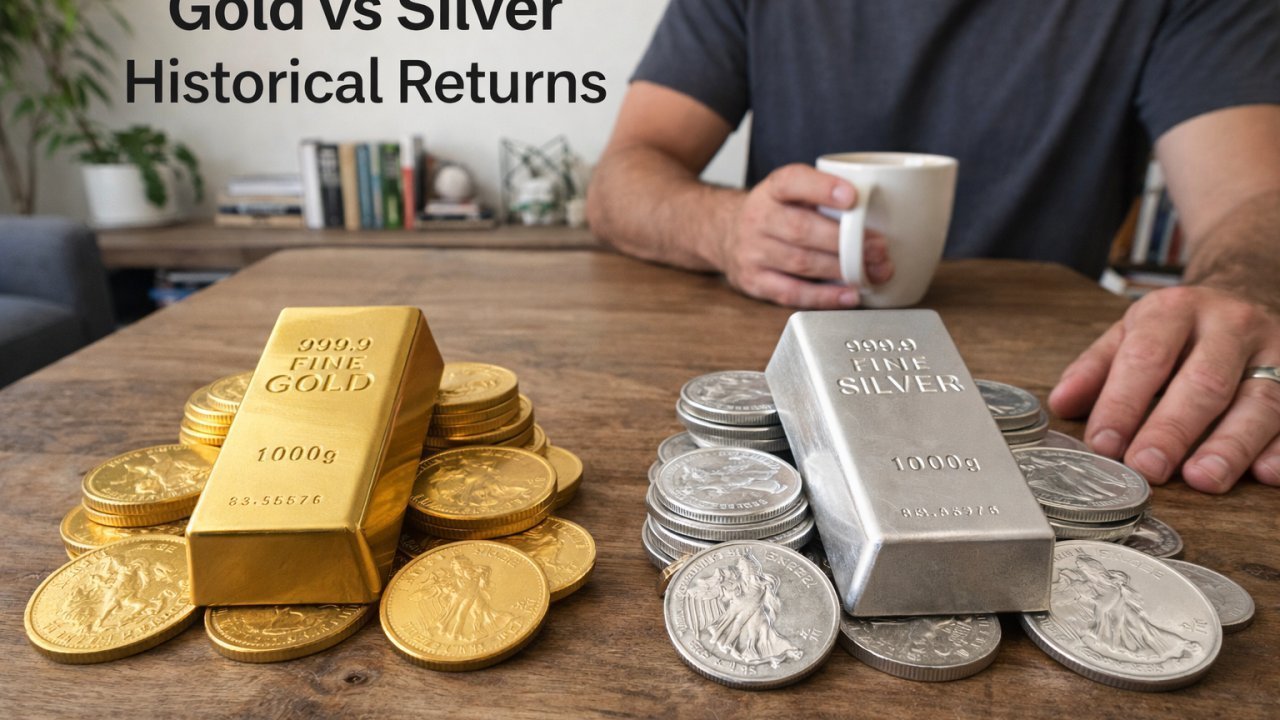
While gold remains the bedrock of investment portfolios in Dharmapuri, local market observers are noting a distinct shift in investor behavior. As gold prices hover near all-time highs, many savvy residents in the Dharmapuri district are increasingly turning to silver as a high-potential, lower-entry-cost alternative. Known for its dual utility as both a precious metal and an essential industrial commodity, silver is currently benefiting from a surge in demand within the electronics and solar energy sectors, providing a unique price floor that differs significantly from the purely sentiment-driven fluctuations of gold.
For the retail investor in Dharmapuri, silver offers a lower barrier to entry, allowing for more frequent, smaller-scale acquisitions compared to the heavy capital required for gold bullion or jewelry. Local jewelers across the district—from the bustling markets near the Dharmapuri bus stand to the surrounding taluks—are reporting an uptick in inquiries regarding silver bars and coins as a hedge against inflation. While silver is historically more volatile than gold, its current industrial growth trajectory suggests that it is no longer just a "poor man’s gold," but a tactical asset for those looking to diversify their metal holdings beyond traditional yellow metal ornaments.
Investors should approach silver with a long-term horizon, recognizing that its price movements are often tied to global manufacturing cycles rather than just domestic wedding season demand. By balancing a portfolio with both gold and silver, Dharmapuri residents can effectively hedge against market volatility while capitalizing on the metal's expanding industrial footprint.
Key Takeaway: With gold prices at elevated levels, silver serves as a versatile, accessible entry point for Dharmapuri investors looking to diversify their assets, provided they account for the metal's inherent sensitivity to industrial market cycles.