Guwahati, the bustling gateway to Northeast India, has always maintained a profound relationship with gold. Beyond being a mere commodity, gold in Guwahati is a symbol of heritage, a staple of Assamese weddings, and a trusted financial safety net for families across the Brahmaputra valley. Whether you are looking to invest in 24-karat bullion or purchase exquisite traditional Assamese jewelry, understanding the local market dynamics is essential for making an informed decision. This comprehensive guide explores everything you need to know about the gold market in Guwahati, from pricing factors to the best places to shop.
1. Why is gold price different in Guwahati?
If you compare the gold rates in Guwahati with cities like Mumbai, Chennai, or Delhi, you will often notice a slight variation. Several factors contribute to this price disparity. Firstly, logistics and transportation play a significant role. Since gold is primarily imported into India through major ports and then distributed, the cost of transporting the metal to the Northeast adds to the final price. Guwahati serves as the primary distribution hub for the entire region, and the inland transit costs are factored into the local retail price.
Secondly, local taxes and octroi vary from state to state. While GST is uniform across India, certain state-level levies or administrative costs can influence the daily rate set by the local jeweler associations. Lastly, the local demand-supply equation in Assam is unique. During major festivals like Rongali Bihu or Durga Puja, the surge in local demand can lead to a slight premium in prices compared to national benchmarks. The Assam Jewellers Association typically coordinates to set a standard daily rate for the city to ensure transparency for consumers.
2. Which area or shop is famous for low making charges in Guwahati?
When it comes to buying gold jewelry, the "making charges" can significantly impact your total bill. In Guwahati, Fancy Bazar and Pan Bazar are the traditional hubs for gold shopping. Fancy Bazar, often referred to as the "Chandni Chowk of the Northeast," is home to numerous legacy jewelers and smaller boutique shops that offer highly competitive making charges. Because of the high volume of trade in this area, many shops are willing to negotiate on the labor costs, especially for bulk purchases like wedding sets.
For those looking for traditional Assamese jewelry—such as the Junbir, Dholbir, or Golpata—local artisans in the Silpukhuri and Ganeshguri areas are well-known. These local craftsmen often charge less than the high-end national showrooms because they lack the massive overhead costs of large retail chains. If you are looking for the lowest making charges, it is often recommended to visit the smaller, family-run establishments in Fancy Bazar that have been in business for generations, as they prioritize long-term customer relationships over high margins.
3. Why do gold prices change daily?
The daily fluctuation of gold prices in Guwahati is a reflection of the global financial ecosystem. The primary driver is the International Market Trend, specifically the prices set by the London Bullion Market Association (LBMA). Since India imports the majority of its gold, any shift in global prices immediately reflects in local markets. Another critical factor is the USD to INR exchange rate. Gold is traded internationally in US Dollars; if the Indian Rupee weakens against the Dollar, the cost of importing gold rises, making it more expensive in Guwahati.
Furthermore, Central Bank reserves and interest rate policies set by the US Federal Reserve influence prices. When interest rates are low, investors flock to gold as a safe haven, driving prices up. Locally, import duties imposed by the Central Government also play a role. Whenever the government adjusts the basic customs duty on gold, the impact is felt the very next day in the shops across Guwahati. Finally, market speculation and geopolitical tensions (like wars or trade disputes) often cause sudden spikes in gold prices due to its reputation as a "recession-proof" asset.
4. Gold rates in Guwahati (22 karat): How do prices change?
In Guwahati, 22-karat gold, also known as '916 Purity' gold, is the most sought-after variety because it is the standard for jewelry making. The price of 22-karat gold is generally about 91.6% of the 24-karat price, plus the costs associated with alloying metals like copper or silver to give the jewelry strength. Prices for 22k gold in Guwahati change every morning around 10:30 AM based on the rates released by the Assam Jewellers Association.
Seasonal trends heavily influence these changes. For instance, during the wedding season (Agrahayana to Phagun), you might see the price stabilize at a higher point due to consistent demand. Conversely, during periods considered inauspicious for new beginnings, demand may dip, leading jewelers to offer promotional discounts on making charges, even if the base gold rate remains high. Monitoring the "916" rate is crucial for Assamese buyers, as traditional jewelry requires the flexibility and durability that only 22k gold provides.
5. Gold and hallmarking centres in Guwahati.
To protect consumers from fraud and ensure purity, the Bureau of Indian Standards (BIS) has made hallmarking mandatory. Guwahati has seen a significant rise in BIS-recognized Hallmarking Centres. These centers use X-ray Fluorescence (XRF) technology to test the purity of gold and laser-engrave the BIS logo, the purity grade (e.g., 22K916), and a unique HUID (Hallmark Unique Identification) number.
Major hallmarking clusters are located in Pan Bazar and Beltola. When buying gold in the city, always insist on seeing the HUID mark. The presence of these centers has standardized the market in Guwahati, ensuring that a consumer buying gold in a small shop in Maligaon gets the same quality as one buying from a luxury mall in Christian Basti. You can also use the 'BIS Care' mobile app to verify the authenticity of the hallmark on your jewelry by entering the HUID code.
6. Top Jewellers in Guwahati.
Guwahati offers a mix of legendary local brands and prestigious national retail chains. Some of the top names include:
- Manik Chand & Sons: One of the oldest and most trusted names in the city, known for their exquisite bridal collections and deep roots in Assamese culture.
- PC Chandra Jewellers: Located in areas like Christian Basti, they are famous for their intricate craftsmanship and transparent pricing.
- Senco Gold & Diamonds: A popular choice for modern designs and affordable lightweight jewelry, widely accessible across the city.
- Tanishq: A Tata product, Tanishq has multiple showrooms in Guwahati (GS Road) and is preferred for its purity guarantees and contemporary designs.
- Malabar Gold & Diamonds: Known for their vast collections and "One India One Gold Rate" policy, which often benefits buyers in Guwahati.
- L. Gopal Jewellers: A household name in Pan Bazar, renowned for traditional Assamese gold designs.
These jewelers provide a range of services from gold exchange schemes to customized jewelry fabrication.
7. Supply pressures pushing prices up.
Supply chain dynamics often create upward pressure on gold prices in Guwahati. Being a landlocked region, the "Gateway to the North East" often faces logistical bottlenecks. Any disruption in the rail or road connectivity through the Siliguri Corridor (Chicken's Neck) can lead to a temporary shortage of fresh bullion supply in the city, causing local premiums to rise.
Additionally, India’s dependence on imported gold means that global mining output affects local availability. If major mines in South Africa or Australia report lower production, the global supply tightens. In Guwahati, specifically, the demand for physical gold often outweighs the supply of recycled gold (old gold sold back to shops), forcing jewelers to procure new gold at higher costs, which is then passed on to the consumer. The cultural mandate of gifting gold during Bihu and weddings ensures that the supply is always under pressure in the Assam market.
8. How to store gold in Guwahati?
Security is a primary concern for gold owners. In Guwahati, the most common method is using Bank Lockers. Leading banks like State Bank of India (SBI), HDFC, and ICICI offer locker facilities across branches in Zoo Road, GS Road, and Jalukbari. However, due to high demand, there is often a waiting list for these lockers.
For those who prefer keeping gold at home, investing in a high-quality fireproof electronic safe is recommended. Given the humid climate of Assam, it is also vital to store jewelry in moisture-free velvet-lined boxes to prevent the tarnishing of the copper alloys in 22k gold. Another modern alternative gaining popularity in Guwahati is Digital Gold. Platforms like MMTC-PAMP allow you to buy and store gold in insured, professional vaults digitally, eliminating the risk of physical theft or the cost of a bank locker.
9. Gold vs Real Estate in Guwahati.
When comparing investment avenues in Guwahati, gold and real estate are the top contenders. Real Estate in areas like North Guwahati and along the VIP Road has seen massive appreciation, but it requires a large capital outlay and involves complex legal documentation. It is also a "lumpy" asset, meaning you cannot sell a small portion of it if you need immediate cash.
Gold, on the other hand, offers high liquidity. You can walk into any jeweler in Fancy Bazar and convert your gold into cash within an hour. Gold also acts as a hedge against inflation, which is crucial as the cost of living in Guwahati rises. While real estate might offer higher long-term capital gains in a developing city, gold remains the preferred choice for middle-class families due to its ease of purchase, portability, and the ability to use it as collateral for "Gold Loans" during financial emergencies.
10. What is a Sovereign Gold Bond (SGB)?
For residents of Guwahati looking at gold purely as an investment rather than for jewelry, Sovereign Gold Bonds (SGBs) are an excellent option. Issued by the Reserve Bank of India (RBI) on behalf of the Government, SGBs are substitutes for physical gold. You pay the market price to buy the bond, and at maturity, you receive the prevailing market price of gold.
The benefits of SGBs for Guwahati investors include a 2.5% annual interest paid semi-annually, which physical gold does not provide. There are no storage costs, no risks of theft, and no making charges or GST. Most importantly, if held until maturity (8 years), the Capital Gains Tax is exempted. SGBs can be purchased through local banks in Guwahati or via online demat accounts, making them a technologically savvy way to "own" gold without the hassles of physical custody.
11. Taxation of gold in Guwahati.
Understanding the tax implications is vital for any gold buyer in Assam. When you buy physical gold, a 3% GST is levied on the value of the gold and the making charges. If you are getting jewelry made from your own gold, a 5% GST is applicable on the making charges (labor) alone.
From an investment perspective, if you sell physical gold within three years, the profit is treated as Short-Term Capital Gains (STCG) and added to your annual income tax slab. If sold after three years, it attracts Long-Term Capital Gains (LTCG) tax at 20% with indexation benefits. Additionally, for cash purchases exceeding ₹2 lakh, quoting your PAN card is mandatory, and there may be a 1% TDS (Tax Deducted at Source) applicable under certain conditions. Staying compliant with these regulations ensures that your "yellow metal" remains a source of prosperity rather than legal stress.
In conclusion, buying gold in Guwahati is a blend of tradition and financial strategy. By keeping an eye on the daily rates, choosing hallmarked products, and selecting the right investment vehicle like SGBs or physical jewelry from reputed areas like Fancy Bazar, you can ensure that your investment is both safe and profitable. Guwahati’s gold market continues to thrive, bridging the gap between ancient Assamese heritage and modern economic resilience.
Guwahati Gold Exchange: Unpacking Old vs. New Policies
For many in Guwahati, exchanging old gold jewellery for new designs is a common practice, driven by evolving tastes or the need to upgrade. However, navigating the exchange policies at local jewellers can be surprisingly complex. While the per-gram gold rate is typically consistent across the city, the valuation of your old gold, and consequently, the final exchange value, can vary significantly between establishments, from the bustling Fancy Bazaar to the newer showrooms in GS Road.
When you bring in old gold, jewellers primarily assess its purity and weight. Expect deductions for impurities, non-gold elements like stones (which are often removed and returned or valued separately at a much lower rate), and a "melting loss" or "wastage" charge. Some jewellers might offer a slightly higher per-gram rate for your old gold if you're purchasing new jewellery from them, effectively subsidizing the exchange to secure a new sale. Conversely, if you're simply selling old gold without an immediate purchase, the offer might be less attractive. It's crucial to understand that "old gold" is rarely valued at the exact same rate as "new gold" being sold, due to these inherent processing costs and profit margins.
To ensure you get the best deal in Guwahati, it’s highly advisable to shop around. Don't hesitate to get valuation quotes from 2-3 different jewellers. Ask for a transparent breakdown of how they calculate the value of your old gold – including purity assessment, deductions for stones, and any melting or processing charges. Always ensure your old gold is hallmarked, as this can significantly simplify the purity assessment and often lead to a better valuation. Understanding these nuances can save you a substantial amount, ensuring your exchange is truly beneficial.
Key Takeaway: When exchanging old gold in Guwahati, always compare multiple jewellers' detailed valuation policies, focusing on net value rather than just the per-gram rate, to secure the most advantageous deal.
Digital Gold: A Modern Shift in Guwahati’s Age-Old Investment Tradition
In a city where the gleam of physical gold is deeply woven into the cultural fabric—from the traditional Dug-dugi and Keru jewelry worn during Rongali Bihu to the heavy investments made during the wedding season—the rise of "Digital Gold" is sparking a new conversation. For residents of Guwahati, the transition from visiting the bustling jewelry hubs of Pan Bazar or Fancy Bazar to buying gold via a smartphone app offers a blend of convenience and security that was previously unimaginable. Digital gold allows investors to purchase 24K gold for as little as ₹1, backed by physical bullion stored in insured, high-security vaults, bypassing the immediate need for a bank locker.
Safety remains the primary concern for the local investor. Unlike physical gold, which carries the risk of theft or requires the recurring cost of locker rentals in the city, digital gold is held by regulated entities and certified for 99.9% purity. For the Guwahati resident, this means the gold is 100% insured and eliminates the "making charges" typically associated with ornaments, making it a more efficient vehicle for pure wealth accumulation. As the city evolves into the tech gateway of the Northeast, this paperless asset provides a liquid and transparent alternative, allowing users to sell back their holdings at live market rates or even request physical delivery to their doorstep when needed.
Key Takeaway: Digital gold is a highly secure and flexible option for Guwahati’s investors, offering 24K purity and insured storage without the security risks or high entry costs of physical bullion.
Market Insight: Global Volatility and the Guwahati Gold Landscape
The gold market in Guwahati is currently navigating a complex period of transition, driven largely by intense fluctuations in global bullion prices. As geopolitical tensions and shifting interest rate projections in the US influence international spot prices, the ripple effect is being felt directly by local jewelers across the Brahmaputra Valley. In Guwahati’s bustling markets—from the traditional hubs of Fancy Bazaar to the contemporary showrooms of GS Road—traders are observing a cautious approach from retail investors who are closely monitoring these global cues before committing to significant purchases.
While Guwahati often follows the national price trend set by major trading centers like Mumbai, regional demand patterns remain a unique variable. Recent volatility has led to a tighter spread in local premiums, as dealers attempt to balance the rising cost of imports with the seasonal appetite for gold in Assam. For those looking to invest, the current price swings reflect a broader "wait-and-watch" sentiment. Savvy buyers are increasingly leveraging digital tracking tools to time their entry, recognizing that while global factors dictate the base rate, local liquidity and festive demand in the Northeast often temper the intensity of these sharp price corrections.
Key Takeaway: With global market uncertainty driving daily price volatility, Guwahati investors should prioritize staggered, incremental buying rather than attempting to time the market peak, ensuring they stay resilient against short-term international fluctuations.
Market Insight: Global Volatility and the Guwahati Gold Outlook
The gold market in Guwahati is currently navigating the ripple effects of heightened global economic uncertainty. As international bullion prices fluctuate in response to shifting central bank policies and geopolitical tensions, local jewelers across the city—from the bustling corridors of Fancy Bazaar to the established showrooms in GS Road—are witnessing a direct impact on pricing. When global markets experience a "flight to safety," the resulting surge in gold demand often leads to immediate price adjustments in the Northeast, reflecting the interconnected nature of India's import-heavy gold supply chain.
For Guwahati’s retail investors and festive shoppers, this volatility underscores the importance of monitoring the rupee-dollar exchange rate alongside international spot prices. Because gold is imported, a weakening rupee often compounds the impact of rising global prices, leading to steeper costs for consumers in Assam. However, local market experts observe that despite these price swings, the cultural affinity for gold in the region remains a stabilizing force. Demand remains resilient, particularly as families plan for upcoming wedding seasons and traditional festivals, where gold serves as both a primary adornment and a time-tested hedge against inflation.
Navigating these fluctuations requires a patient approach. Rather than reacting to daily price spikes, savvy buyers in Guwahati are increasingly opting for systematic purchasing strategies, such as gold schemes offered by local jewelers, to average out costs over time. By staying informed on global trends while focusing on long-term value, residents can make more confident decisions in a market that remains as dynamic as it is essential.
Key Takeaway: While global economic shifts dictate the base price of gold in Guwahati, local demand remains strong; investors and shoppers should focus on long-term price averaging and monitor currency fluctuations to time their purchases effectively.
Sovereign Gold Bonds: A Smarter Alternative for Guwahati Investors
As gold prices in Guwahati continue to reflect global volatility, savvy investors across the city—from the bustling markets of Fancy Bazaar to the growing residential hubs of Dispur—are increasingly pivoting from physical bullion to Sovereign Gold Bonds (SGBs). While the traditional allure of holding physical gold remains deeply rooted in Assamese culture, particularly for weddings and festive occasions, SGBs offer a modern, tax-efficient edge that physical assets simply cannot match. By choosing SGBs, investors effectively bypass the common pitfalls of physical ownership, such as the recurring costs of bank locker rentals in Guwahati’s high-demand areas and the inevitable loss of value due to making charges and purity concerns.
Beyond the elimination of storage risks and the "making charge" premium, SGBs provide a dual-benefit structure that is particularly attractive in the current economic climate. Investors receive a fixed annual interest rate of 2.5% on their initial investment, paid semi-annually, which acts as a passive income stream in addition to any potential capital appreciation. Furthermore, for those who hold these bonds until maturity, the capital gains are entirely tax-exempt—a significant advantage for Guwahati’s tax-conscious professional class. By transitioning a portion of your portfolio to SGBs, you retain your exposure to the yellow metal’s price trajectory while enjoying the security of a government-backed sovereign guarantee.
Key Takeaway: For Guwahati residents, SGBs eliminate the hassle of physical storage and making charges while offering an additional 2.5% annual interest, making them a superior long-term wealth-building tool compared to traditional physical gold bars or coins.
GST on Gold: What Every Buyer in Guwahati Needs to Know
For gold buyers across Guwahati—from the bustling jewelry hubs of Pan Bazaar to the established showrooms in GS Road—understanding the nuances of the Goods and Services Tax (GST) is essential for transparent transactions. In India, gold purchases are subject to a 3% GST, which is levied on the final value of the jewelry. However, it is vital to distinguish between the base gold price and the additional costs that contribute to your final bill. The 3% tax is applicable not just to the gold content itself, but also to the making charges, which are often overlooked by casual buyers.
When shopping in the city, always ensure your invoice clearly segregates the price of the gold, the making charges, and the GST component. Reputable jewelers in Guwahati are mandated by law to provide a GST-compliant bill, which serves as your primary proof of purchase and authenticity. If a vendor offers a "tax-free" discount or suggests avoiding a bill to save on GST, it is a significant red flag that may compromise the purity of your investment. By insisting on a formal tax invoice, you not only ensure legal compliance but also secure the resale value of your ornaments, as certified documentation is a prerequisite for future buy-back or exchange schemes offered by major regional and national retailers.
Key Takeaway: Always verify that the 3% GST is calculated on the total invoice value (gold price plus making charges) and insist on a computer-generated GST invoice to protect your investment and ensure the hallmarked purity of your gold.
Navigating Exchange Policies: Trading Old Gold for New in Guwahati’s Markets
For many households across Assam, gold is more than an accessory; it is a liquid financial asset. As gold prices fluctuate, residents in Guwahati often look to upgrade their jewelry by exchanging older pieces for contemporary designs. However, the exchange landscape at local jewellers—from the bustling storefronts of Pan Bazar to the established showrooms in GS Road—is governed by specific valuation protocols that every consumer should understand before walking through the door.
When you trade in old gold, jewellers perform a meticulous assessment. Most reputable establishments now utilize Karatmeters to determine the exact purity of your ornaments. It is important to note that while the current market rate for 22K or 24K gold is the benchmark, a "melting loss" (often ranging from 3% to 5%) is typically deducted to account for impurities like solder and dust. Furthermore, many Guwahati jewellers offer higher exchange values if you are purchasing new jewelry from the same store, often waiving or reducing the making charges on the new items as a loyalty incentive. Always ensure you carry your original purchase invoices, as some retailers may offer better buy-back terms if the hallmark or initial purchase records are verified.
Before committing to an exchange, compare the net weight after deduction across at least two or three established retailers in the city. Transparency in the smelting process is your right; don't hesitate to ask for a clear breakdown of the valuation, including the current gold rate, the purity deduction, and the adjusted value applied toward your new purchase.
Key Takeaway: To maximize your value, avoid impulse exchanges. Always check the daily gold price, verify your jewelry’s hallmark, and inquire about "exchange bonuses" or waived making charges, which are frequently used by Guwahati’s leading jewellers to attract repeat customers.
Navigating the Guwahati Gold Market: A Regional Perspective
Investors in Guwahati often wonder how local gold rates stack up against major hubs like Mumbai or Chennai. While gold is a globally traded commodity, the retail price in Guwahati is influenced by a unique set of regional factors. Unlike financial centers that act as primary bullion import points, Guwahati relies on a supply chain that involves transportation and logistical overheads from the major port cities. This often results in a marginal price variance, typically reflecting the cost of logistics and the specific competitive dynamics of the local jewelry trade in the Northeast.
Furthermore, the Guwahati market is deeply influenced by localized demand cycles, particularly during the festive seasons of Bihu and the wedding months. Because Guwahati serves as the commercial gateway to the Seven Sisters, local jewelers often maintain a distinct pricing strategy to remain competitive while navigating the region's unique geographical constraints. While international spot prices dictate the baseline, buyers in Guwahati should note that retail premiums—the "making charges" and tax components—can fluctuate based on the inventory turnover and the specific purity standards preferred by local craftsmanship traditions.
For the savvy investor, the key is to monitor the daily spot price alongside local retail trends. While you may see a slight premium compared to the national bullion benchmark, the value in Guwahati lies in the proximity to trusted, long-standing local jewelers who provide personalized service and hallmark-certified quality that is essential for long-term asset security.
Key Takeaway: While Guwahati’s gold prices may carry a slight premium due to logistical factors compared to major import hubs, the market remains highly stable; focus on buying hallmark-certified gold during dip cycles to offset the impact of regional distribution costs.
Navigating the Guwahati Gold Market: A Regional Perspective
For investors and jewelry enthusiasts in Assam, understanding how Guwahati’s gold pricing stacks up against major hubs like Mumbai, Chennai, or Delhi is essential. While the global spot price of gold remains a universal benchmark, the final retail rate in Guwahati often reflects a unique premium. This variance is primarily driven by logistics and transportation costs, as the precious metal must be transported to the Northeast, often incurring higher transit insurance and handling fees compared to cities closer to major bullion refineries and ports.
Furthermore, Guwahati serves as the primary gateway for the entire North-Eastern region. The local market dynamics—characterized by high demand during festivals like Rongali Bihu and the wedding season—create a localized supply-demand cycle that can occasionally decouple Guwahati’s retail premiums from the national average. While the base rate stays tethered to the Multi Commodity Exchange (MCX), local jewelers often adjust their making charges and value-added taxes (VAT) based on regional stock availability. Savvy buyers in the city should note that while prices may appear slightly higher than in Western India, the competitive landscape in areas like Pan Bazaar and Fancy Bazaar often allows for negotiation on craftsmanship costs, which can offset the difference in the base gold rate.
Key Takeaway: While Guwahati’s gold rates are influenced by national MCX trends, expect a marginal regional premium due to logistics; focus on negotiating making charges at reputable local jewelers to secure the best overall value for your purchase.
Market Insight: Global Volatility and the Guwahati Gold Outlook
The gold market in Guwahati is currently navigating a complex landscape shaped by intense global geopolitical tensions and shifting monetary policies from the U.S. Federal Reserve. As international bullion prices react to fluctuations in the U.S. Dollar index and treasury yields, the ripple effect is being felt directly by local jewelers across the markets of Pan Bazar and Fancy Bazar. While global uncertainty typically drives a flight to safety, the local price trajectory in Assam is also being influenced by the interplay between international spot rates and the fluctuating Rupee-Dollar exchange rate, which directly impacts import costs for Indian retailers.
For investors and households in Guwahati, this period of volatility underscores the importance of monitoring macro-economic indicators rather than just daily price tickers. While global headwinds have created a premium on gold as a hedge against inflation, local demand remains resilient, particularly as the wedding season approaches in the Northeast. Buyers are advised to look beyond the immediate noise; the current market dip, if sustained, could offer a strategic entry point for long-term physical gold accumulation. However, given the rapid intraday price shifts, it is prudent to track the price trends during the evening trading sessions, as these often reflect the final sentiment of global markets before the local bullion market opens the following morning.
Key Takeaway: While global instability continues to create upward pressure on gold prices, Guwahati buyers should leverage periods of temporary market correction to make purchases, keeping a close watch on currency fluctuations that often dictate the final retail price at local jewelry outlets.
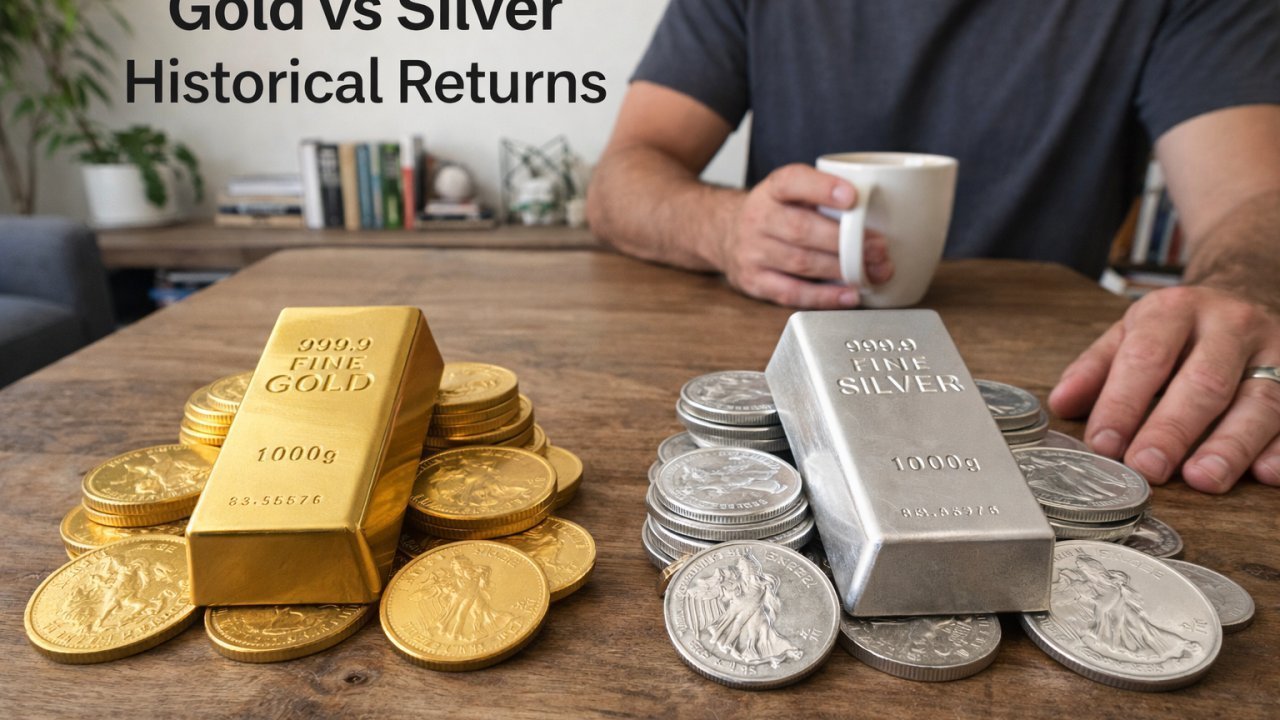
Beyond Gold: The Growing Appeal of Silver in Guwahati’s Investment Landscape
While gold remains a cultural cornerstone for families across Guwahati—particularly during the vibrant festivities of Bohag Bihu and Durga Puja—savvy investors in the city are increasingly turning their attention to silver as a strategic alternative. As global industrial demand for silver surges, driven by the green energy transition and electronics manufacturing, the white metal is shedding its reputation as merely a secondary asset. For residents in hubs ranging from Fancy Bazaar to GS Road, silver offers a lower entry barrier, allowing retail investors to accumulate physical holdings like coins or bars without the steep capital commitment required for gold.
Local bullion experts note that the historical price volatility of silver, often perceived as a risk, is increasingly being viewed as an opportunity for tactical profit-taking. Unlike gold, which is primarily held as a long-term hedge against inflation, silver’s dual nature as both a precious metal and a critical industrial commodity provides a unique growth trajectory. In Guwahati’s evolving financial climate, diversifying a portfolio with silver is becoming a favored method to balance the safety of gold with the high-growth potential of industrial metals. As the city’s middle-class wealth expands, the shift toward silver as a sophisticated portfolio component is likely to gain further momentum.
Key Takeaway: Silver is evolving from a traditional gift item into a high-potential investment asset in Guwahati, offering a cost-effective way to diversify portfolios against the relative stability of gold, especially as industrial demand continues to climb.
Navigating Making Charges: A Smart Shopper’s Guide to Guwahati Jewellers
In Guwahati’s bustling jewellery hubs—from the heritage stores of Pan Bazaar to the modern showrooms along GS Road—the "making charge" (or ghadrai) is often the most negotiable part of your purchase. Unlike the gold rate, which is largely pegged to international markets, making charges are subjective and vary significantly based on the intricacy of the design, the brand’s overheads, and the store’s current promotional campaigns. For handcrafted Assamese traditional jewellery, such as the iconic Japi or Jonbiri designs, these charges can range anywhere from 8% to 20% of the gold value depending on the artisan's skill level.
To secure the best deal, never accept the initial quote as final. Start by researching the daily gold rate and asking for a transparent breakdown of the total cost before you commit. In Guwahati, jewellers are often more willing to offer a discount on making charges if you are a repeat customer or if you are purchasing during festive periods like Rongali Bihu or Akshaya Tritiya. Do not hesitate to compare quotes across two or three established retailers; often, showing that you have done your homework encourages the sales executive to offer a more competitive rate to close the sale. Always remember to request a detailed invoice that separates the gold price from the making charges and applicable GST, ensuring complete price transparency.
Key Takeaway: Treat making charges as a flexible service fee rather than a fixed cost. By comparing designs across multiple Guwahati retailers and leveraging your status as a serious buyer, you can typically negotiate a reduction of 2-5% on the making charges, especially for heavy or custom-ordered pieces.
Navigating Making Charges: A Guwahati Buyer’s Guide
In the bustling jewellery hubs of Guwahati—from the traditional lanes of Pan Bazaar to the modern showrooms in GS Road—the "making charge" (or ghadayi) is often the most misunderstood component of your gold purchase. Unlike the price of gold, which is pegged to international market rates, making charges are subjective fees levied by jewellers to cover the craftsmanship, design complexity, and labour involved in creating your jewellery. Because these charges are not standardized, they offer significant room for negotiation, especially when buying intricate 22-karat gold sets or traditional Assamese designs like the Jonbiri or Dholbiri.
To secure the best deal in Guwahati, avoid walking into a showroom without a baseline understanding of current market trends. Always inquire if the making charge is a fixed percentage of the gold price or a flat rate per gram. Experienced local buyers often suggest visiting multiple reputable jewellers in the city to compare quotes for similar designs. If you are a repeat customer or making a high-value purchase, don’t hesitate to ask for a "loyalty discount" on the making charges. Jewellers in Guwahati are often willing to trim these margins—sometimes by 2% to 5%—to secure a sale, particularly during pre-wedding seasons or ahead of festivals like Rongali Bihu.
Key Takeaway: Never accept the initial making charge quote as final. Always ask for a transparent breakdown of the costs and use the competitive nature of Guwahati's jewellery market to your advantage by comparing quotes from at least three different retailers before finalizing your purchase.