1. Why is gold price different in Hosur?
The price of gold in any city across India, including Hosur, is influenced by a multitude of factors, leading to slight variations from one location to another. While the global gold price forms the base, several local and national elements contribute to these differences. In Hosur, a rapidly developing industrial hub in Tamil Nadu, the gold price is determined by the international market rates, adjusted for the Indian Rupee's exchange rate against the US Dollar. Furthermore, central government policies like import duties on gold significantly impact the cost. State-specific taxes, though now largely streamlined under GST, can still have minor implications on the final retail price due to varying logistics and operational costs for jewellers. Local demand and supply dynamics, transportation costs from major gold hubs like Chennai, and the individual jeweller's margin also play a role in setting the daily gold rate in Hosur. Therefore, while the underlying factors are national, the cumulative effect of these localized elements results in a unique daily price point for gold in Hosur.
2. Which area or shop is famous for low making charges in Hosur?
Finding jewellers with low making charges in Hosur is a common pursuit for gold buyers, as these charges can significantly add to the overall cost of a gold ornament. Making charges, essentially the labour cost for crafting the jewellery, can vary widely from 8% to 25% or even more, depending on the intricacy of the design and the jeweller. In Hosur, while no single area is exclusively "famous" for consistently low making charges, buyers often find more competitive rates by exploring a few options:
- Independent Jewellers: Smaller, traditional, or independent jewellery shops in bustling market areas might offer more flexibility and negotiation room on making charges compared to large corporate chains. It's always advisable to visit a few such shops.
- Negotiation: Regardless of the shop size, negotiation is often possible, especially for larger purchases. Don't hesitate to ask for a reduction in making charges.
- Plain Gold vs. Intricate Designs: Opting for simpler, machine-made designs usually entails lower making charges than heavily handcrafted or studded jewellery.
- Festive Offers: During major festivals like Diwali, Akshaya Tritiya, or Pongal, many jewellers in Hosur offer discounts on making charges to attract customers.
It's recommended to compare the total price (gold value + making charges + GST) from at least 2-3 reputed jewellers in Hosur before making a purchase to ensure you get the best deal.
3. Why do gold prices change daily?
The dynamic nature of gold prices, with daily fluctuations, is a reflection of its status as a global commodity and a safe-haven asset. Several interconnected factors contribute to these constant changes:
- Global Economic Indicators: Economic data such as inflation rates, interest rate decisions by central banks (like the US Federal Reserve), and GDP growth figures significantly impact investor sentiment towards gold.
- US Dollar Strength: Gold is primarily traded in US Dollars internationally. A stronger dollar typically makes gold more expensive for holders of other currencies, potentially dampening demand and vice-versa.
- Geopolitical Events: Political instability, wars, trade disputes, and other geopolitical tensions often lead investors to seek the safety of gold, driving up its price.
- Supply and Demand: Changes in global gold mining output, recycling rates, and consumer demand (especially from major markets like India and China) influence prices.
- Central Bank Policies: Central banks globally are significant buyers and sellers of gold. Their policies and reserves management can affect market prices.
- Investment Demand: Investor interest in gold ETFs (Exchange Traded Funds) and other gold-backed instruments can create demand surges or drops.
Given that these factors are in constant flux, the gold rate in Hosur, mirroring global trends, is updated daily, sometimes even multiple times a day.
4. Gold rates in Hosur (22 karat): How do prices change?
For most jewellery purchases in India, including Hosur, 22 karat gold (91.6% purity) is the preferred choice due to its balance of purity and durability. The daily 22 karat gold rate in Hosur is determined by a systematic process. It starts with the international benchmark price of gold, usually in US Dollars per troy ounce. This is then converted into Indian Rupees per 10 grams using the prevailing USD-INR exchange rate. Following this, the Indian government's import duties on gold are added. Finally, the Goods and Services Tax (GST) of 3% on the gold value is applied. Local jewellers then factor in their operational costs, a small margin, and local demand-supply conditions to arrive at the final retail price per gram or per 10 grams. These prices are meticulously updated every morning by jewellers and industry associations, reflecting the previous day's closing international rates and the current day's opening market conditions. Therefore, checking the current gold rate in Hosur daily is crucial for buyers and investors.
5. Gold and hallmarking centres in Hosur.
Hallmarking is a crucial aspect of gold purity assurance in India, mandated by the Bureau of Indian Standards (BIS). It certifies the purity of gold jewellery, providing consumers with confidence in their purchase. All gold jewellery sold in India must bear a BIS hallmark. In Hosur, reputable jewellers comply with this standard, ensuring that the gold ornaments they sell are hallmarked.
A BIS hallmark on gold jewellery typically consists of four components:
- BIS Logo: A triangular mark indicating certification by the BIS.
- Purity in Carat and Fineness: For example, 22K916 for 22 Karat gold (91.6% purity).
- Assaying and Hallmarking Centre's Mark: A unique identification mark of the centre where the gold was assayed and hallmarked.
- Jeweller's Identification Mark: The unique mark of the jeweller selling the piece.
While specific BIS-recognized Assaying and Hallmarking Centres might be located in major cities like Chennai or Coimbatore, jewellers in Hosur send their gold articles to these authorized centres for certification. Always insist on buying only BIS hallmarked gold in Hosur to guarantee the purity and value of your investment.
6. Top Jewellers in Hosur.
Hosur's growing economy and population have attracted several prominent national and regional jewellery brands, alongside well-established local players. When looking to buy gold in Hosur, you'll find a range of options offering diverse designs, purity assurances, and pricing structures. Some of the top jewellers in Hosur include:
- Tanishq: A renowned national brand from the Tata Group, known for its extensive range of contemporary and traditional designs, transparent pricing, and BIS hallmarked gold.
- Joyalukkas: An international jewellery retail chain with a significant presence in India, offering a wide selection of gold, diamond, and precious stone jewellery.
- Malabar Gold & Diamonds: Another leading global jewellery retailer known for its diverse collections, fair pricing, and customer-centric services.
- GRT Jewellers: A well-established South Indian brand with a strong legacy, offering a blend of traditional craftsmanship and modern designs.
- Kalyan Jewellers: A popular chain known for its wide variety and strong marketing presence.
- Local Jewellers: Beyond these national chains, Hosur also has several trusted local jewellery shops that have served the community for years, often offering competitive making charges and personalized service. Examples might include smaller, family-run businesses in the main market areas.
When choosing a jeweller, consider factors like reputation, transparency in pricing (gold rate, making charges, GST), availability of BIS hallmarked gold, and after-sales service.
7. Supply pressures pushing prices up.
The global supply of gold is a critical factor influencing its price. When supply struggles to meet demand, it naturally creates upward pressure on prices, impacting the gold rate in Hosur indirectly. Several elements contribute to these supply pressures:
- Declining Mine Production: Gold mining is a capital-intensive and challenging industry. Discoveries of new, high-yield gold deposits are becoming rarer, and existing mines face increasing operational costs and environmental regulations, leading to stagnant or even declining global mine output.
- Recycling Limitations: While recycled gold contributes to supply, its volume is often insufficient to offset shortfalls from mining, and it also depends on high gold prices to incentivize selling old jewellery.
- Central Bank Hoarding: Many central banks globally view gold as a strategic reserve asset. Increased purchases by central banks can reduce the available supply in the open market, pushing prices higher.
- Geopolitical Instability: In times of global uncertainty, investors and institutions tend to hoard gold as a safe haven, further tightening the available supply for general consumption and investment.
- Environmental and Social Governance (ESG) Concerns: Growing awareness and regulations regarding responsible sourcing and ethical mining practices can also impact the ease and cost of gold production, indirectly affecting supply.
These supply-side constraints, combined with robust demand, are fundamental drivers behind the long-term appreciation of gold prices.
8. How to store gold in Hosur?
Securing your gold investments is paramount. In Hosur, as elsewhere, there are several options for storing gold, each with its own advantages and considerations:
- Bank Lockers: This is generally considered the safest option for physical gold. Most nationalized and private banks in Hosur offer locker facilities for a nominal annual fee. Bank lockers provide robust security, protection against theft, and often insurance coverage (though policies vary). However, access is limited to banking hours.
- Home Safes: For smaller quantities of gold, a well-secured home safe can be an option. Ensure the safe is fire-resistant and anchored to the structure. This offers immediate access but carries inherent risks of theft if security is compromised. Consider getting specific home insurance that covers valuables.
- Digital Gold: This allows you to buy and store gold digitally without taking physical delivery. Companies like Augmont Gold, MMTC-PAMP, and various fintech platforms offer digital gold. Your gold is stored in insured vaults by the provider. This eliminates physical storage concerns.
- Gold ETFs (Exchange Traded Funds): Investing in Gold ETFs means you own units that represent physical gold. These are held in dematerialized form in your demat account. This is a secure and liquid way to invest in gold without the hassle of physical storage.
- Sovereign Gold Bonds (SGBs): Issued by the RBI, SGBs are government securities denominated in grams of gold. You don't hold physical gold, eliminating storage issues entirely, and they come with additional benefits like interest income and tax exemptions on maturity.
The best storage method for your gold in Hosur depends on the quantity, your comfort level with risk, and your investment goals.
9. Gold vs Real Estate in Hosur.
Choosing between gold and real estate in Hosur for investment depends heavily on individual financial goals, risk appetite, and investment horizon. Both have distinct characteristics:
- Gold:
- Liquidity: Gold is highly liquid; it can be bought or sold quickly and easily at market rates.
- Hedge Against Inflation: Historically, gold has acted as a hedge against inflation and economic uncertainty.
- No Maintenance: Physical gold requires secure storage, but no ongoing maintenance costs like property.
- Diversification: A good portfolio diversifier, often moving independently of other asset classes.
- Volatility: Gold prices can be volatile in the short term due to global market factors.
- Real Estate in Hosur:
- Tangible Asset: Provides a sense of ownership and can be used for residential or commercial purposes.
- High Appreciation Potential: Hosur, being an industrial and IT hub, has seen significant real estate appreciation potential over the long term, especially for land and well-located properties.
- Rental Income: Residential or commercial properties can generate a steady rental income.
- Illiquidity: Real estate transactions are often slow, involving significant paperwork and high transaction costs (stamp duty, registration, broker fees).
- High Capital Outlay & Maintenance: Requires substantial initial investment and ongoing costs like property taxes, maintenance, and potential repairs.
- Local Market Sensitivity: Highly dependent on local economic growth, infrastructure development, and demand-supply in Hosur's property market.
Many financial advisors suggest a diversified portfolio that includes both assets, leveraging gold for its liquidity and hedge properties, and real estate for its long-term wealth creation potential, especially in a growing city like Hosur.
10. What is a Sovereign Gold Bond?
A Sovereign Gold Bond (SGB) is an innovative and secure way to invest in gold in India, introduced by the Government of India in 2015. These bonds are issued by the Reserve Bank of India (RBI) on behalf of the government and are denominated in grams of gold. Key features of SGBs include:
- No Physical Gold: Investors don't hold physical gold, eliminating concerns about storage, purity, and making charges.
- Interest Income: SGBs offer a fixed interest rate of 2.50% per annum (paid semi-annually) on the initial investment amount, which is a unique advantage over physical gold.
- Capital Appreciation: The redemption price of SGBs is linked to the market price of gold at the time of maturity, allowing investors to benefit from any appreciation in gold prices.
- Tax Benefits: The interest earned on SGBs is taxable as per income tax provisions. However, the capital gains arising on redemption of SGBs by an individual are exempt from tax.
- Safety: Being government securities, SGBs carry sovereign guarantee, making them extremely safe.
- Tenure: The bonds have a maturity period of eight years, with an exit option available after the fifth year.
- Tradability: SGBs are tradable on stock exchanges, though liquidity can sometimes be an issue.
SGBs are an excellent alternative for investors in Hosur looking to invest in gold without the risks and inconveniences associated with holding physical gold, while also earning an additional return.
11. Taxation of gold in Hosur.
Understanding the taxation of gold in Hosur is crucial for both buyers and sellers, as various taxes apply throughout the gold lifecycle. The primary taxes are:
- Goods and Services Tax (GST):
- On Gold Value: A 3% GST is levied on the value of the gold purchased (e.g., the value of 22 karat gold per gram).
- On Making Charges: A 5% GST is applied to the making charges of gold jewellery. This means the total GST on an ornament is calculated as 3% on gold value + 5% on making charges.
- Capital Gains Tax (CGT) on Sale of Gold:
- Short-Term Capital Gains (STCG): If gold is sold within 36 months (3 years) of purchase, the profit is treated as short-term capital gain and is added to your total income, taxed as per your applicable income tax slab.
- Long-Term Capital Gains (LTCG): If gold is sold after holding it for more than 36 months, the profit is treated as long-term capital gain. This is taxed at a rate of 20% with the benefit of indexation. Indexation allows you to adjust the purchase price for inflation, thereby reducing your taxable gain.
- Taxation of Sovereign Gold Bonds (SGBs):
- Interest Income: The 2.50% interest received annually on SGBs is taxable as per your income tax slab.
- Capital Gains on Maturity: Capital gains arising from the redemption of SGBs at maturity (after 8 years) are exempt from income tax for individual investors.
- Capital Gains on Sale before Maturity: If SGBs are sold on the stock exchange before maturity, STCG or LTCG rules apply similar to physical gold, depending on the holding period.
- Wealth Tax: It's important to note that Wealth Tax on gold and other assets was abolished in India from April 1, 2015.
Maintaining proper records of your gold purchases and sales is essential for accurate tax filing. Consulting a tax advisor for specific situations is always recommended.
Maximizing Value: The Rise of Gold Refining in Hosur
As gold prices continue to fluctuate in the Indian market, many households and business owners in Hosur are increasingly looking toward professional gold recycling as a strategic financial move. Rather than letting unused jewelry or industrial scraps sit idle, local residents are tapping into the city’s growing ecosystem of refining services. Hosur, being a vital industrial hub, has seen a surge in specialized centers that utilize advanced X-ray fluorescence (XRF) technology to provide precise purity assessments, ensuring that sellers receive market-linked valuations rather than arbitrary estimates.
The shift toward organized recycling is particularly relevant for those looking to liquidate assets during periods of peak market volatility. By choosing reputable refiners over traditional pawn shops, sellers can bypass the heavy "melting loss" deductions often associated with unverified transactions. Whether you are clearing out heirloom pieces or managing industrial gold wastage, the key is to ensure the refiner provides a transparent, transparent breakdown of the gold's purity and current spot price. Engaging with certified services in the Hosur region not only guarantees immediate liquidity but also ensures that the intrinsic value of your assets is fully realized in today’s high-price environment.
Key Takeaway: Before selling your gold in Hosur, always request an XRF purity test to ensure you are paid based on the actual gold content rather than estimated weight, and compare offers across at least two established local refiners to secure the most competitive rate.
Hosur Market Insight: Preparing for the Wedding Season Surge
As the wedding season approaches, Hosur’s bustling jewelry hubs—particularly those along the Hosur-Krishnagiri highway and the vibrant retail pockets near the Old Bus Stand—are witnessing a distinct shift in consumer behavior. With auspicious dates drawing near, local jewelers report a surge in demand for traditional 22-karat gold sets, driven by families looking to secure their purchases before the anticipated peak-season price volatility. Unlike the broader national market, Hosur’s retail landscape is heavily influenced by the diverse shopping preferences of both local residents and the significant workforce from the neighboring industrial sectors, creating a unique micro-market that balances traditional craftsmanship with contemporary investment demand.
Market experts suggest that the current price fluctuations are prompting savvy Hosur shoppers to adopt a "buy-early" strategy. Rather than waiting for the final countdown to wedding dates, many families are actively tracking daily price movements to capitalize on dips. Furthermore, there is a growing trend toward "investment-grade" bridal jewelry, where customers are prioritizing high-purity gold coins and heavy-weight ancestral-style necklaces that serve the dual purpose of ceremonial adornment and a long-term financial hedge. As supply chains tighten in anticipation of the festive rush, local retailers are advising buyers to finalize their designs early to avoid the premium costs associated with last-minute custom orders.
Key Takeaway: With wedding season demand set to tighten supply, Hosur buyers should consider locking in their gold purchases during minor price corrections rather than waiting for the peak wedding dates to ensure better value and wider design availability.
Securing Your Assets: Insurance Essentials for Gold Jewellery in Hosur
As Hosur continues to evolve into a bustling industrial and residential hub, the rise in household gold holdings has brought the issue of security to the forefront. While many residents rely on traditional home lockers or bank safety deposit boxes, these measures do not always account for the total value of heirloom jewellery in the event of burglary or natural calamities. Securing a dedicated insurance policy—often available as an add-on to standard home insurance—is becoming an increasingly prudent step for families across Hosur, from the busy markets of Denkanikottai Road to the growing residential layouts near Sipcot.
When opting for a gold insurance plan, it is crucial to understand the distinction between "market value" and "agreed value" policies. Given the current volatility in gold prices, experts suggest choosing policies that offer coverage based on the daily updated market rate rather than a fixed sum insured. Furthermore, residents should ensure that their jewellery is documented with professional appraisals or recent purchase invoices from reputable local jewellers. This documentation is vital for a smooth claims process, as insurance providers often require verified proof of ownership and purity for high-value items kept outside of a bank vault.
Key Takeaway: Do not rely solely on bank locker security; supplement your gold holdings with a comprehensive home insurance add-on that covers jewellery at current market rates, ensuring your assets are protected against both theft and unforeseen structural risks at your Hosur residence.
Navigating Gold Exchange Policies in Hosur: A Smart Investor’s Guide
As gold prices fluctuate in the Hosur market, many residents are looking to optimize their assets by exchanging old jewelry for new designs. However, navigating the exchange policies at local jewellers requires a keen eye for detail. Most reputable establishments in the Hosur industrial hub now employ advanced X-ray fluorescence (XRF) purity testing machines to assess the karatage of your old gold instantly. This shift toward technological transparency has largely eliminated the ambiguity that once plagued manual assessment methods, ensuring that customers receive a fair valuation based on the current market rate for 22k or 24k gold.
When walking into a showroom near the Hosur bus stand or in the bustling market areas, it is vital to distinguish between "exchange" and "sell-back" policies. Many jewellers offer a zero-deduction exchange policy if you are trading in gold previously purchased from their store, provided you have the original invoice. Conversely, if you are bringing in gold from a different source, expect a standard melting loss deduction—typically ranging from 2% to 5%—to account for impurities and refining costs. Always ask your jeweller to clarify their wastage (making charges) calculation on the new item, as savvy shoppers in Hosur know that the best value is found when the exchange credit is applied against the final bill before taxes, rather than just the base gold price.
Key Takeaway: To maximize your value, always carry your original purchase receipts and request an XRF purity test in your presence. Prioritize jewellers who offer transparent "net-weight" exchange calculations to ensure you aren't overpaying on hidden making charges during the swap.
Navigating Gold Exchange Policies in Hosur: A Smart Investor’s Guide
For residents of Hosur, transitioning from old gold to new jewellery has become a streamlined process, yet it remains one that requires a sharp eye on local market practices. As the city’s jewellery landscape evolves, major retail outlets and local family-run shops in areas like Bagalur Road and the Hosur Main Bazaar have refined their exchange policies. Most reputable jewellers now utilize high-precision Karatmeters to determine the exact purity of your old gold, moving away from subjective visual assessments. This shift ensures that customers receive fair market value based on the current 22K or 24K spot price, rather than arbitrary deductions.
However, when trading in your gold, it is essential to distinguish between "exchange" and "sell-back" policies. Many jewellers in Hosur offer a zero-deduction scheme if you are upgrading to new jewellery of a higher value, effectively waiving the standard 3% to 5% melting loss charge. Conversely, if you are looking to liquidate your assets for cash, be prepared for a nominal deduction to cover refining costs and the prevailing wastage charges of the new piece. Before finalizing your transaction, always verify the daily gold rates displayed at the store against the live market data, and ensure the jeweller provides a transparent breakdown of the net weight after subtracting stones or impurities.
Key Takeaway: To maximize your value, opt for a direct exchange against new jewellery rather than a cash sale, and always insist on a purity test via a Karatmeter to avoid unnecessary 'melting loss' deductions that can inflate a jeweller's margin.
Navigating Making Charges: A Smart Shopper’s Guide to Hosur Jewellers
For gold buyers in Hosur, the final price on the tag is rarely the final price you should pay. While the gold rate fluctuates daily based on international benchmarks, the "making charge" (or wastage/VA) is where local market dynamics come into play. In a bustling industrial hub like Hosur, competition among jewellers along the Hosur-Bangalore highway and the main bazaar area is fierce. This presents a unique opportunity for informed customers to negotiate effectively.
To secure the best deal, start by comparing the percentage-based making charges across multiple showrooms. Remember that intricate, handcrafted designs—often favored for wedding jewellery—naturally command higher wastage fees than machine-made chains or bangles. When negotiating, focus on the total cost rather than just the discount percentage. If a jeweller is rigid on the making charge, ask for a reduction in the total weight-based wastage or inquire about seasonal promotional offers that often run during festival periods like Diwali or Akshaya Tritiya. Bringing a quote from a competitor can also serve as a powerful lever, as local jewellers are often willing to match prices to retain loyal customers from the Hosur and Krishnagiri region.
Key Takeaway: Never accept the initial making charge as non-negotiable; always compare quotes from at least three reputable local jewellers and prioritize negotiating the total wastage percentage rather than the sticker price alone.
GST on Gold: What Every Buyer in Hosur Needs to Know
For residents of Hosur, where the gold market thrives on a blend of traditional investment and festive demand, understanding the Goods and Services Tax (GST) structure is essential for smart purchasing. Since the implementation of the GST regime, gold jewellery purchases in India attract a flat 3% tax rate. However, it is a common point of confusion among local buyers to mistake this as the total cost increase. In reality, the 3% GST is applied not only to the price of the gold bullion itself but also to the 'making charges'—the labor cost involved in crafting the ornament—which typically ranges from 8% to 15% depending on the intricacy of the design.
Given Hosur’s proximity to major jewellery hubs and its vibrant retail landscape along the Bangalore-Chennai highway, shoppers often compare prices across borders. It is vital to remember that the 3% GST is uniform across all states, including Tamil Nadu. When browsing showrooms in areas like Denkanikottai Road or near the Hosur bus stand, ensure that your invoice explicitly separates the gold value, the making charges, and the GST. Hidden costs or bundled pricing can often obscure the true impact of the tax, potentially leading you to overpay for your investment. Always verify that the tax is calculated on the final invoice value after any store-specific discounts have been applied.
Key Takeaway: To protect your investment, always insist on a transparent, computer-generated bill that clearly itemizes the 3% GST on both the gold content and the making charges. Never settle for 'all-inclusive' pricing, as it prevents you from accurately tracking the true cost of your purchase against fluctuating daily market rates.
Beyond Gold: The Growing Allure of Silver in Hosur’s Investment Landscape
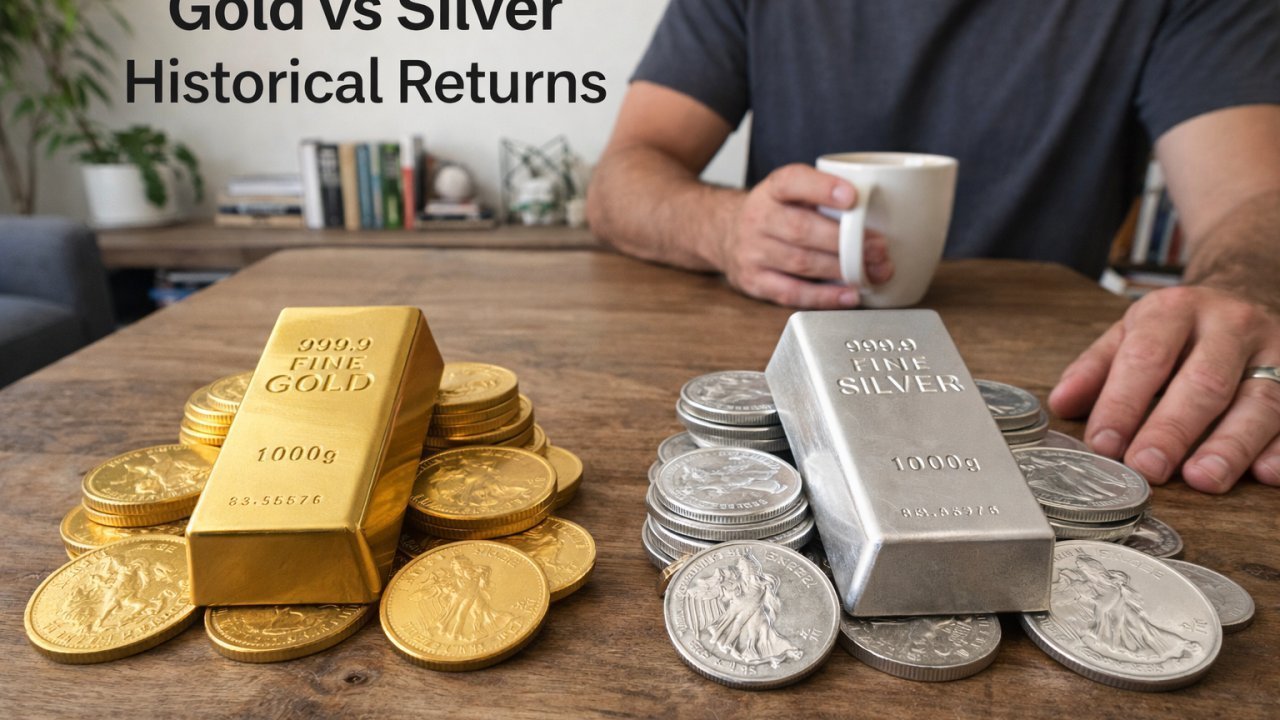
While gold remains the traditional cornerstone of wealth preservation in Hosur, savvy investors in the region are increasingly diversifying their portfolios with silver. As Hosur continues to evolve into a bustling industrial and manufacturing hub, the dual nature of silver—functioning as both a precious metal and an essential industrial commodity—has caught the attention of local retail investors. Unlike the purely aesthetic or store-of-value role gold plays, silver’s price trajectory is often influenced by the manufacturing demands of the nearby automotive and electronics sectors in the SIPCOT industrial areas.
For those looking to enter the precious metals market on a smaller budget, silver offers a lower barrier to entry, allowing for more frequent accumulation. Many Hosur-based investors are now viewing silver bars and coins not just as cultural gifts, but as a strategic hedge against equity market volatility. While gold provides a safety net during inflationary periods, silver often exhibits higher beta, meaning it can provide significant upside potential when industrial demand surges. However, investors should be mindful of the higher storage costs and GST implications associated with physical silver compared to gold.
As the local market matures, tracking the correlation between global industrial output and silver spot prices is becoming an essential skill for Hosur’s investment community. Whether you are holding for long-term wealth or looking to capitalize on cyclical industrial demand, integrating silver into your precious metal strategy offers a sophisticated way to balance risk and reward in today’s economic climate.
Key Takeaway: Silver’s unique position as an industrial input makes it a high-growth alternative to gold; consider balancing your Hosur-based portfolio by leveraging silver’s price sensitivity to local manufacturing cycles and global demand.
Beyond the Jewelry Store: Why Hosur Investors are Pivoting to Sovereign Gold Bonds
For residents of Hosur, gold has long been synonymous with the bustling jewelry showrooms along the Bangalore-Chennai highway. While physical ornaments remain a cultural cornerstone for weddings and festivals, a growing number of savvy local investors are diversifying their portfolios through Sovereign Gold Bonds (SGBs). Unlike physical gold, which requires expenditure on making charges, hallmarking fees, and secure locker storage, SGBs offer a streamlined, digital alternative that eliminates these overheads entirely.
The primary advantage for Hosur’s retail investors lies in the government-backed assurance and the additional yield. While your gold necklace sits idle in a safe, SGBs pay a fixed interest rate of 2.5% per annum, credited semi-annually directly to your bank account. Furthermore, by opting for the digital route, you bypass the risk of theft and the quality-related uncertainties that often accompany physical purchases. Given Hosur's proximity to major financial hubs, residents are increasingly leveraging these bonds to track the 24-karat gold price movements without the traditional "wastage" or "making charges" that typically erode the value of physical jewelry.
When held until maturity, the capital gains tax on SGBs is entirely exempt for individual investors—a significant fiscal benefit compared to the long-term capital gains tax applicable when selling physical gold. As the Reserve Bank of India continues to issue these tranches, shifting a portion of your gold allocation from physical assets to SGBs provides a sophisticated, tax-efficient way to preserve wealth while earning a steady passive income.
Key Takeaway: Sovereign Gold Bonds offer Hosur residents a superior investment mechanism by providing a 2.5% annual interest yield, zero storage costs, and complete capital gains tax exemption upon maturity, making them a more profitable alternative to traditional physical gold holdings.
Beyond Gold: The Growing Strategic Appeal of Silver in Hosur
While gold remains the bedrock of traditional savings in Hosur’s bustling markets, a quiet shift is occurring among the city's savvy investors. As gold prices hover near historic highs, many residents are increasingly diversifying their portfolios by turning to silver. This trend is particularly visible among the younger workforce employed in Hosur’s thriving industrial hubs and the SIPCOT industrial estates, who are finding that silver offers a more accessible entry point for consistent, periodic wealth accumulation.
Market analysts observe that silver’s dual identity as both a precious metal and a critical industrial commodity provides a unique hedge against inflation. In Hosur, where local demand for silver jewelry and utility items like silverware remains culturally significant during festive seasons, the metal is increasingly being viewed through an investment lens. Unlike gold, which is often held for long-term security, silver is gaining traction as a tactical asset—offering higher price volatility that, when managed correctly, can yield significant short-to-medium-term gains. Local bullion dealers note a marked rise in inquiries regarding silver bars and coins, signaling a departure from purely decorative purchases toward structured asset allocation.
Key Takeaway: For Hosur investors, silver serves as a high-potential complement to gold; its dual-utility nature and lower price point make it an ideal vehicle for building a diversified portfolio that balances traditional cultural hedging with modern industrial growth trends.