Imphal, the capital city of Manipur, holds a deep-rooted cultural and economic affinity for gold. From the intricate traditional designs worn during Meitei weddings to the modern investment portfolios of the city's growing middle class, gold is more than just a metal; it is a symbol of security and heritage. For anyone looking to buy, sell, or invest in the yellow metal in the "Jewel of India," understanding the local market dynamics is essential. This comprehensive guide explores everything from daily price fluctuations to the best places for purchasing gold in Imphal.
1. Why is gold price different in Imphal?
If you compare the gold rates in Imphal with cities like Delhi or Mumbai, you will often notice a slight variation. This discrepancy is primarily driven by logistics and transportation costs. Being located in the northeastern part of India, Imphal relies heavily on supply chains that traverse hilly terrains and long distances. The cost of insuring and transporting physical gold from major bullion hubs to the state of Manipur adds a premium to the base price.
Furthermore, the Manipur Gold Dealers' Association plays a significant role in determining the local daily rate. While they follow the national trend set by the Indian Bullion and Jewellers Association (IBJA), local demand-supply gaps and state-level taxes can cause the price to deviate by a few rupees per gram. During major local festivals like Ningol Chakouba, the surge in demand often leads to a slight localized hike in premiums compared to other states.
2. Which area or shop is famous for low making charges in Imphal?
Making charges can significantly impact the final price of gold jewelry, often ranging from 8% to 25% of the gold value. In Imphal, the Paona Bazaar and Thangal Bazaar areas are the epicenters of gold trading. These historic markets house numerous traditional goldsmiths and family-run showrooms that offer competitive making charges.
Specifically, the small-scale artisanal workshops located in the lanes of Khwairamband Bazaar (Ima Keithel area) are renowned for their craftsmanship at lower costs. Because these local artisans often sell directly to consumers or operate with lower overheads than large national retail chains, they are willing to negotiate on making charges. If you are looking for traditional Manipuri designs like the Sana Khabi or Kiyang-Likphang, these local shops offer the best value for money. Always remember to compare the "per gram" making charge across at least three different vendors in the Paona Bazaar stretch to ensure you are getting the most competitive deal.
3. Why do gold prices change daily?
The daily fluctuation of gold prices in Imphal is a reflection of a complex web of global and national factors. Firstly, International Market Trends are the biggest driver. Gold is traded globally in US Dollars, and any change in the London Bullion Market Association (LBMA) rates reflects immediately in India. Secondly, the USD to INR exchange rate is crucial. Since India imports the majority of its gold, a weakening Rupee makes gold more expensive locally, even if global prices remain steady.
Other factors include Central Bank Reserves; when the Reserve Bank of India (RBI) increases its gold reserves, it can influence market sentiment. Additionally, Import Duties and government policies announced in the Union Budget can cause sudden shifts in daily rates. In Imphal, these global factors are filtered through local demand. During the wedding season or harvest festivals, local jewellers might adjust their margins daily based on the volume of customers entering their shops.
4. Gold rates in Imphal (22 karat): How do prices change?
In Imphal, 22-karat gold—also known as '916 purity'—is the standard for jewelry. The price for 22K gold is always lower than 24K (pure gold) because it contains 91.6% gold mixed with alloys like copper or zinc to provide durability. The calculation for 22K gold is typically derived by taking 91.6% of the 24K rate and adding a small processing margin.
The prices change based on the seasonal cycle of Manipur. For instance, during the Sajibu Nongma Panba (Meitei New Year), there is a traditional rush to buy gold, which can lead to a tightening of the 22K supply and a firming of prices. Investors and buyers in Imphal should track the "Gold Rate Today" specifically for 22K, as this is the rate that will apply to most ornamental purchases. It is also important to note that when you sell back 22K gold, the jeweler will deduct the alloy weight and a small melting charge, which is why the "buy-back" rate is always lower than the "selling" rate.
5. Gold and hallmarking centres in Imphal.
To protect consumers from fraud, the Government of India has made BIS Hallmarking mandatory. A hallmark is a guarantee of purity, and in Imphal, the awareness regarding hallmarked gold has grown significantly. A hallmarked piece of jewelry will carry the BIS logo, the purity grade (e.g., 22K916), and a unique HUID (Hallmark Unique Identification) number.
Imphal has seen the establishment of authorized Assaying and Hallmarking Centres recognized by the Bureau of Indian Standards. These centers serve local jewellers by testing the purity of their ornaments using X-ray Fluorescence (XRF) machines. When buying gold in Imphal, always insist on seeing the HUID through the 'BIS Care' mobile app. Purchasing from a jeweler who uses these local hallmarking centers ensures that if you ever decide to sell your gold in another city, you will receive the full market value based on its certified purity.
6. Top Jewellers in Imphal.
Imphal boasts a mix of legendary local establishments and emerging modern showrooms. Some of the most trusted names include:
- Thangjam Jewellery: Known for their exquisite traditional Meitei designs and long-standing reputation for purity.
- S.M. Jewellery: A popular choice in the heart of the city for those looking for contemporary designs and bridal collections.
- Kangla Jewellery: Highly respected for their craftsmanship and transparent pricing models.
- PC Chandra Jewellers: While a regional giant, their presence or franchise outlets in the region provide a more "corporate" buying experience with fixed rates.
Most of these top jewellers are concentrated around Paona Bazaar. When visiting these showrooms, customers can expect a professional environment, computerized billing, and detailed breakdowns of gold weight, stones, and making charges.
7. Supply pressures pushing prices up.
Supply chain stability is a unique factor for Imphal. Because Manipur is a landlocked state, any disruption on the National Highways (NH-2 and NH-37) can lead to a temporary shortage of physical gold bars in the city. Economic blockades or landslides during the monsoon season often hinder the transport of precious metals, forcing local dealers to rely on existing inventory, which can lead to a "local premium" being added to the gold price.
Additionally, the proximity to the international border at Moreh creates a unique market dynamic. While official gold enters through standard banking channels, any changes in cross-border trade regulations or surveillance can influence the availability of gold in the local "grey market," which indirectly affects the prices in the formal retail sector. When supply is squeezed due to these geographical and political reasons, prices in Imphal tend to stay higher than the national average.
8. How to store gold in Imphal?
Security is a primary concern for gold owners. In Imphal, the traditional method of storing gold at home in Godrej safes remains common, but many are now shifting to more secure options. Bank Lockers are the most recommended method. Major banks like the State Bank of India (SBI), Punjab National Bank (PNB), and the Manipur State Co-operative Bank offer locker facilities in their main branches in Imphal.
For those who do not wish to deal with physical storage, Digital Gold is an emerging trend. Through various UPI apps and specialized platforms, residents of Imphal can buy gold for as little as Re. 1 and store it in insured digital vaults. Another safe way to "store" gold value is through Gold ETFs or Mutual Funds, which eliminate the risk of theft and the cost of locker rentals entirely.
9. Gold vs. Real Estate in Imphal.
In the context of Imphal's economy, both gold and real estate are popular investments, but they serve different purposes. Gold offers high liquidity; you can walk into any shop in Thangal Bazaar and convert your gold into cash within an hour. It is also an excellent hedge against inflation. For many families in Manipur, gold is a "portable asset" that can be easily moved or hidden in times of uncertainty.
Real Estate in Imphal, particularly in developing areas like Mantripukhri or near the Airport, has shown massive appreciation. However, real estate requires a large capital outlay and involves complex legal documentation and land titles, which can sometimes be disputed in the region. Gold remains the preferred investment for small-to-medium savers due to its ease of purchase and the absence of maintenance costs, whereas real estate is favored by those looking for multi-generational wealth building.
10. What is a Sovereign Gold Bond?
For residents of Imphal looking for the safest way to invest in gold without the worries of theft or making charges, Sovereign Gold Bonds (SGBs) are an excellent option. Issued by the Reserve Bank of India on behalf of the Government, these bonds are denominated in grams of gold. You pay the market price to buy the bond, and at the end of the 8-year tenure, you receive the then-prevailing market price of gold.
The key benefits for Imphal investors include an annual interest of 2.5% (paid semi-annually) and a total exemption from Capital Gains Tax if held until maturity. SGBs can be purchased through local banks, designated post offices in Manipur, or through online trading accounts. They are a superior alternative to physical gold for pure investment purposes as they offer both price appreciation and a fixed income.
11. Taxation of gold in Imphal.
Understanding the tax implications is vital for any gold buyer in Imphal. Currently, a GST of 3% is levied on the total value of the gold and the making charges. For example, if you buy jewelry worth Rs. 1,00,000, you will pay Rs. 3,000 as GST. This is a uniform tax across India.
When selling gold, Capital Gains Tax may apply. If you sell your gold within three years of purchase, the profit is added to your income and taxed at your applicable slab rate (Short Term Capital Gains). If sold after three years, it is taxed at 20% with indexation benefits (Long Term Capital Gains). Additionally, if you purchase gold worth more than Rs. 2 lakh in cash, you must provide your PAN card details, and a 1% TDS (Tax Deducted at Source) may be applicable in certain high-value transactions. Always ensure you receive a proper GST invoice from your Imphal jeweler to maintain a legal record of your investment.
GST on Gold: Navigating the Tax Landscape in Imphal’s Jewelry Markets
For buyers navigating the bustling jewelry hubs of Thangal Bazar and Paona Bazar, understanding the tax component is just as vital as tracking the daily 22K and 24K fluctuations. In Imphal, the final price of gold is governed by a dual-layered GST structure: a flat 3% tax on the value of the gold itself and a 5% tax on the making charges. This distinction is particularly significant in Manipur, where the demand for intricate, handcrafted traditional designs—such as the Sana Kunda or Likhom—often results in higher making charges. Consequently, the GST on labor can add a noticeable premium to the final "on-road" price compared to simpler machine-cut ornaments.
Transparency remains the biggest asset for a buyer in the local market. While informal quotes might seem tempting during high-demand periods like the wedding season or Ningol Chakouba, savvy investors prioritize GST-compliant invoices. A formal bill not only ensures that the 3% tax is documented but also links your purchase to the mandatory HUID (Hallmark Unique Identification) standards. This is essential for the resale value of your gold within Manipur and across India, providing a legal guarantee of purity that informal receipts simply cannot offer. As global bullion prices remain volatile, these tax-inclusive calculations help you compare "all-in" costs accurately between different prominent showrooms in the city.
Key Takeaway: Always ask for a price breakdown including the 3% GST on metal and 5% on making charges; a formal GST invoice is your only protection for purity and future resale value in Imphal.
Market Update: Navigating the Wedding Season Gold Rush in Imphal
As the wedding season approaches in Manipur, Imphal’s bustling jewelry hubs in Paona Bazar and Thangal Bazar are witnessing a distinct shift in consumer behavior. Local artisans and retailers report a significant surge in demand for traditional Meitei bridal sets, with a particular focus on intricate 'Heibi Mapal' and 'Likhom' designs. While global gold prices remain sensitive to international geopolitical shifts, the local market in Imphal is currently driven by a cultural preference for high-purity 22-carat gold. Interestingly, there is a growing trend toward "modular" jewelry—pieces that can be dismantled and repurposed—allowing families to honor tradition while remaining mindful of the current price volatility.
Market experts suggest that the "pre-booking" strategy is gaining unprecedented momentum this year. To hedge against the typical price spikes seen during peak marriage dates, many households in Imphal are opting for gold accumulation schemes offered by heritage jewelers. Furthermore, while the heavy bridal look remains a staple, younger brides are increasingly leaning toward a fusion of contemporary lightweight aesthetics and traditional motifs. This shift is encouraging local craftsmen to innovate, blending the weight of heritage with the comfort of modern wearability. If you are planning a purchase, it is advisable to monitor the daily Imphal bullion rates closely, as regional premiums can fluctuate based on local demand and the availability of hallmarked stocks.
Key Takeaway: To navigate the upcoming wedding season, consider utilizing price lock-in schemes at reputable Imphal jewelers to avoid last-minute surges, and always prioritize BIS-hallmarked 22K gold to ensure long-term resale value and authenticity.
Expert Tip: Maximizing Value Through Imphal’s Growing Gold Recycling Hubs
As gold prices in Manipur reach historic resistance levels, a significant shift is occurring in Imphal’s local market. Traditionally, gold was viewed solely as a long-term heirloom, but current price volatility has sparked a surge in gold recycling and professional refining services. In commercial nerve centers like Thangal Bazaar and Paona Bazaar, savvy consumers are increasingly exchanging older, non-hallmarked jewelry for contemporary, BIS-certified pieces. This trend is not just about aesthetics; it is a strategic move to ensure liquidity. By refining old gold now, residents are locking in the high market value of their assets while upgrading to 916 hallmarked purity standards, which are far easier to trade or pledge during financial emergencies.
For those looking to utilize refining services in Imphal, the transition from traditional "touchstone" testing to modern XRF (X-ray fluorescence) technology is a game-changer. Local refineries are now offering transparent, digital purity reports that eliminate the guesswork often associated with ancestral jewelry. This is particularly relevant given the unique "Manipur Gold" craftsmanship, which often features intricate designs that can hide impurities. By opting for professional refining before a sale or exchange, you ensure that you are compensated for the exact gold content, rather than accepting a "standard deduction" often applied by smaller neighborhood goldsmiths.
Key Takeaway: With gold trading at a premium, recycling is the most cost-effective way to refresh your portfolio. Always seek out refineries in Imphal that provide digital purity certification to ensure you receive the full market value of your 22K and 24K assets.
Maximizing Value: The Growing Trend of Gold Recycling in Imphal
As gold prices in Imphal continue to fluctuate in response to global economic shifts, a growing number of residents are turning to professional gold refining services to unlock the dormant value in their jewelry collections. Unlike traditional pawn shops, specialized refining centers in the city now offer transparent, technology-driven appraisals. By utilizing XRF (X-ray fluorescence) analyzers, these facilities can determine the exact purity of your gold without the need for destructive acid testing, ensuring you receive a fair market price based on the current daily bullion rate.
For those looking to liquidate or upgrade their holdings, the local market in Imphal is becoming increasingly sophisticated. Rather than settling for the first offer from neighborhood jewelers—who often deduct significant melting charges and "wastage" fees—savvy consumers are opting for dedicated refiners who provide real-time pricing transparency. Whether you are holding onto ancestral ornaments that no longer suit your style or simply looking to capitalize on high market valuations, choosing a service that emphasizes ethical extraction and precise weight verification is crucial to ensuring you retain the maximum possible value from your asset.
Key Takeaway: Before selling, always compare the daily gold rate in Imphal against the net offer provided by a refiner; prioritize centers that use non-destructive XRF testing to guarantee your gold is accurately valued without unnecessary deductions.
Maximizing Value: The Evolving Gold Recycling Landscape in Imphal
As gold prices in Imphal continue to reflect global market volatility, many residents are looking toward their existing jewelry collections not just as heirlooms, but as liquid financial assets. Unlike the traditional practice of simply pawning gold, a sophisticated secondary market for gold recycling and refining has begun to take root across the city. Whether you are visiting the bustling shops of Thangal Bazaar or engaging with specialized local refiners, understanding the nuances of the recycling process is essential to ensure you receive the true market value for your assets.
The most critical factor for Imphal residents is the transition from manual appraisal to scientific purity testing. Professional refiners now utilize X-ray fluorescence (XRF) technology to determine the exact karatage of an item without damaging it. Before selling, it is vital to account for the current "melt value" rather than the retail price, as refining involves removing impurities and alloys. By choosing reputable local refiners who provide transparent, live-market-linked quotes, you can avoid the significant "spread" often encountered at neighborhood pawn shops, ensuring that your gold recycling decision aligns with the current economic climate in Manipur.
Key Takeaway: To secure the best return on your gold in Imphal, always demand an XRF-based purity assessment and compare the offer against the day’s live gold spot price, ensuring you aren't settling for a valuation based on outdated appraisal methods.
Navigating Gold Price Variations: Why Imphal Stands Apart
For investors and jewelry buyers in Manipur, understanding the nuances of local gold pricing is essential. While gold is a globally traded commodity, the retail price in Imphal often reflects a premium compared to metropolitan hubs like Mumbai or Chennai. This variance is primarily driven by logistical costs and the unique supply chain dynamics of the Northeast. Because the majority of gold bullion is imported via major national transit points before reaching the Imphal valley, the added expenses of secure transportation, regional taxes, and lower economies of scale are inevitably factored into the final price per gram.
Furthermore, Imphal’s market is characterized by a high demand for 22-karat gold, particularly for traditional Meitei bridal jewelry and investment-grade coins. Local jewelers often maintain smaller inventory buffers compared to large-scale retail chains in Tier-1 cities, which can lead to price volatility during periods of high festive demand, such as Ningol Chakouba. When comparing prices, it is crucial to look beyond the base rate and consider the making charges (wastage), which can fluctuate significantly between local artisans and branded showrooms. Savvy buyers in Imphal are increasingly utilizing digital tracking tools to monitor the spread between local rates and national benchmarks, ensuring they secure the most competitive valuation before finalizing a purchase.
Key Takeaway: Due to logistical overheads and regional supply chain factors, Imphal gold prices typically trade at a slight premium to national averages; always verify current local rates against the daily market trend and negotiate making charges separately to ensure you are getting the best value for your investment.
Navigating Gold Loan Options in Imphal
As gold prices in Imphal continue to fluctuate in response to global market trends, many residents are increasingly leveraging their yellow metal holdings as a strategic financial tool. In a city where gold is deeply ingrained in cultural traditions, the rise of organized gold loan services has provided a vital liquidity bridge for local entrepreneurs and families alike. From the bustling hubs of Paona Bazaar to the more accessible outskirts, financial institutions and non-banking financial companies (NBFCs) are now offering highly competitive loan-to-value (LTV) ratios, allowing borrowers to unlock the value of their ornaments without parting with them permanently.
For those considering a gold loan in Manipur, the landscape has evolved significantly. Leading lenders are now emphasizing transparency in valuation processes and offering flexible repayment tenures that cater to the local economic cycle. Before committing to a loan, it is prudent to compare the interest rate structures between nationalized banks and specialized gold loan NBFCs, as the latter often provide faster processing times—a crucial factor for those needing urgent capital. Additionally, ensure that your gold is appraised by certified professionals who account for the specific purity of your jewelry, as this directly influences the loan amount you can secure.
Staying informed about daily price movements remains essential, as your borrowing capacity is pegged to current market rates. By monitoring the real-time gold price in Imphal, you can strategically time your loan application to maximize the credit limit against your pledged assets. Always prioritize institutions that offer secure, high-tech vault storage and comprehensive insurance for your collateral, ensuring that your family’s legacy remains safe while you navigate your financial requirements.
Key Takeaway: When securing a gold loan in Imphal, prioritize lenders that combine competitive interest rates with transparent, certified appraisal methods; always ensure your collateral is stored in a secure, insured facility to protect your long-term assets.
Understanding Gold Price Variations: Why Imphal Differs from Metro Hubs
Investors in Imphal often notice a distinct premium on gold prices compared to major metropolitan centers like Mumbai, Delhi, or Chennai. While the global spot price of gold remains a universal benchmark, the final retail price in Manipur is heavily influenced by logistics and regional supply chain dynamics. Because the precious metal must be transported to the Northeast, the added costs of secure transit, insurance, and local taxation structures create a slight "geographical premium" that is not typically seen in cities with direct bullion exchange access.
Furthermore, the local jewelry market in Imphal is characterized by a strong preference for high-purity gold and traditional craftsmanship, which often influences the making charges applied by local jewelers. While large metros benefit from massive bullion liquidity and intense competition among corporate retail chains, the Imphal market relies on a specialized network of trusted local retailers. This means that while you might see a slightly higher price per gram compared to national averages, local buyers benefit from lower overheads in terms of personal service and the preservation of regional artisan traditions that are less common in high-volume, mass-market stores.
When tracking prices, it is essential to distinguish between the international spot price and the actual landing cost at your local jeweler. Always factor in the specific purity (22k vs 24k) and the localized making charges, which can vary significantly between Imphal’s Thangal Bazaar and the rest of the country. Staying informed about these nuances ensures you are paying a fair market rate for your investment.
Key Takeaway: Gold prices in Imphal typically carry a slight premium due to logistical costs and regional supply chain factors; always compare prices against the local landing rate rather than national bullion averages to ensure an accurate valuation of your purchase.
Ensuring Gold Purity: A Guide for Imphal Jewelers and Buyers
As the gold market in Imphal continues to see steady demand, particularly during the vibrant local festival seasons and wedding months, ensuring the authenticity of your purchase is more critical than ever. Whether you are browsing the bustling showrooms of Thangal Bazar or visiting trusted family jewelers in Paona Bazar, the hallmark is your primary guarantee of quality. However, verifying the authenticity of these hallmarks has become significantly easier thanks to the Bureau of Indian Standards (BIS) and their dedicated mobile platform.
To verify the purity of your gold jewelry in Imphal, download the official BIS Care App from the Google Play Store or Apple App Store. Once installed, use the 'Verify HUID' feature. Every piece of hallmarked gold now carries a unique six-digit alphanumeric code known as the Hallmark Unique Identification (HUID). By simply entering this code into the app, you can instantly access the jeweler's registration details, the purity of the gold (e.g., 22K916), and the date of hallmarking. This digital verification adds a robust layer of security, protecting you from potential fraud and ensuring you receive exactly what you are paying for in a market where trust is the most valuable currency.
Key Takeaway: Never finalize a high-value gold purchase in Imphal without checking the HUID number via the BIS Care App; if a piece lacks a hallmark or the app shows a discrepancy, exercise caution and request a verification certificate directly from the retailer before completing the transaction.
Beyond Buying: Unlocking Value Through Gold Recycling in Imphal
In a region like Manipur, where gold holds immense cultural and traditional significance, its value extends far beyond mere adornment. With gold prices currently navigating dynamic global trends, many residents of Imphal are looking beyond new purchases and increasingly recognizing the latent value in their existing gold assets. This growing awareness is fueling a quiet but significant trend: gold recycling and refining, offering a smart financial avenue to leverage the precious metal already within households.
Whether it's outdated designs, broken pieces, or inherited jewellery that no longer suits one's style, gold recycling services in Imphal provide a practical solution. Instead of letting these items sit unused, local jewellers and specialized refiners offer transparent processes to assess purity, provide competitive rates, and convert unwanted gold into immediate cash or credit for new purchases. This not only declutters but also empowers individuals to monetize their assets efficiently, especially when market prices are favourable.
Choosing a reputable local service is paramount. Look for establishments known for their fair valuation, advanced testing methods, and clear communication regarding purity assessment and payout rates. Engaging with trusted Imphal-based refiners ensures ethical practices and transforms dormant wealth into active capital, aligning perfectly with modern financial prudence and contributing to a more sustainable local gold economy.
Key Takeaway: For Imphal residents, exploring gold recycling offers a prudent and financially savvy way to convert unused or unwanted gold into liquid assets, leveraging current market conditions for personal benefit and contributing to a circular economy.
Ensuring Authenticity: Verifying Gold Purity in Imphal
For gold buyers in Imphal, from the bustling showrooms of Paona Bazaar to local neighborhood jewelers, verifying the hallmark of your purchase is no longer a matter of guesswork. With the Bureau of Indian Standards (BIS) making Hallmarking mandatory, consumers have a powerful digital tool at their fingertips. The BIS Care App has become an essential utility for residents across Manipur to ensure that the gold they invest in meets national quality standards, protecting them against the risks of under-karatage or counterfeit jewelry.
Using the app is straightforward and provides immediate peace of mind. Once you have your hallmarked jewelry, locate the HUID (Hallmark Unique Identification) number—a six-digit alphanumeric code laser-engraved on the piece. By opening the BIS Care App and selecting the "Verify HUID" feature, you can instantly pull up the jeweler's registration details, the purity level (such as 22K916), and the hallmark center's information. This transparency is particularly crucial during festive seasons and wedding cycles in Imphal, where the demand for gold spikes and the market sees a high volume of transactions.
Beyond verification, the app allows users to file complaints directly if a discrepancy is found, empowering the local consumer base to hold retailers accountable. Whether you are purchasing gold as a long-term investment or for traditional attire, taking sixty seconds to verify your HUID ensures that your hard-earned money is backed by certified quality. By embracing this digital verification, Imphal’s gold buyers are contributing to a more transparent and trustworthy local marketplace.
Key Takeaway: Always insist on a six-digit HUID number on your gold jewelry and verify it using the official BIS Care App before leaving the store to ensure you are receiving the exact purity you paid for.
Navigating Making Charges: A Smart Shopper’s Guide for Imphal Jewellers
In Imphal’s bustling gold markets—ranging from the traditional hubs near Paona Bazaar to modern showrooms—the "making charge" (or ghadai) is often the most misunderstood component of the final price. Unlike the spot price of gold, which is standardized, making charges are flexible and reflect the intricacy of the design, the labor involved, and the jeweler’s overheads. For delicate Meitei-style traditional jewelry or contemporary 22k gold ornaments, these charges can range anywhere from 6% to 20% of the gold value. Understanding this margin is your primary lever for negotiation.
To secure the best deal in the local market, avoid asking for a flat discount on the gold rate, as this is rarely negotiable. Instead, focus your bargaining efforts entirely on the making charge. Before finalizing a purchase, visit at least two or three reputable jewelers to compare the craftsmanship fees for similar designs. If you are a repeat customer or making a significant purchase for a wedding season, don't hesitate to politely ask for a "loyalty reduction." Jewelers in Imphal value long-term relationships, and they are often willing to trim the making charge by 1–3% to close a sale, especially if you show genuine intent to purchase immediately.
Key Takeaway: Never accept the initial making charge as non-negotiable; always compare quotes across multiple Imphal showrooms and focus your bargaining power on the labor fee rather than the gold price itself to maximize your investment value.
Beyond Gold: The Rising Appeal of Silver in Imphal’s Investment Landscape
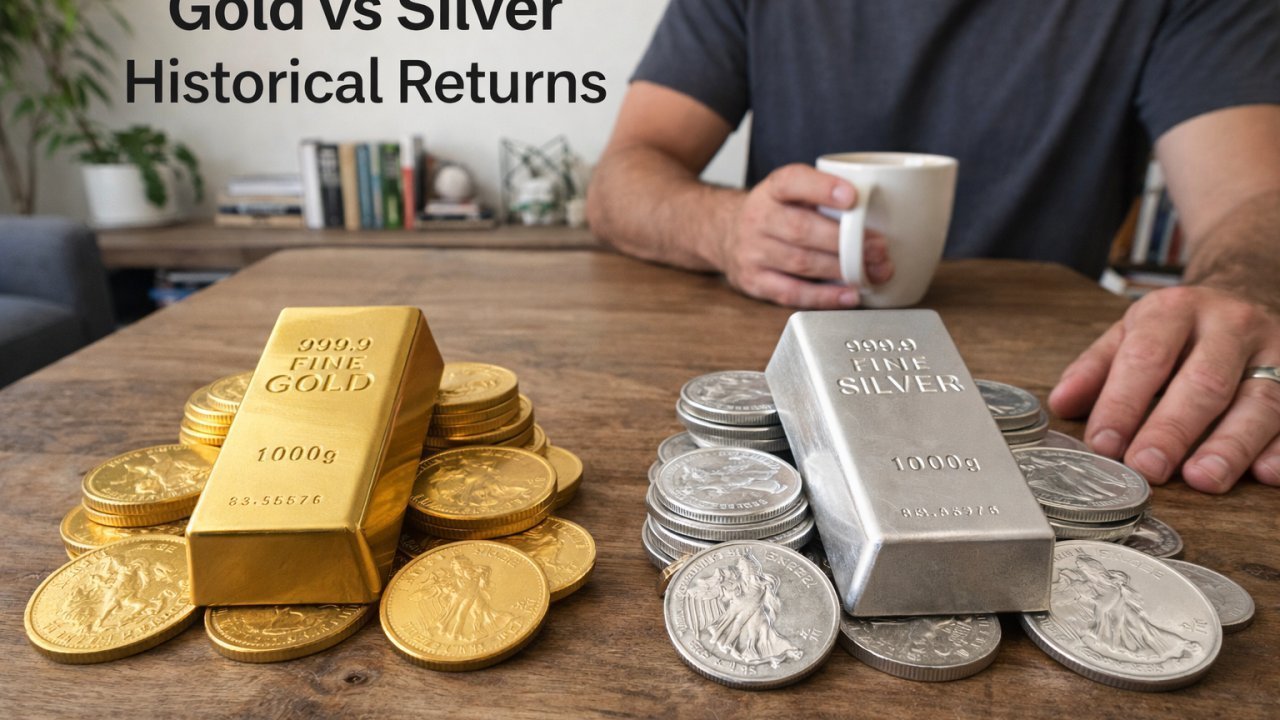
While gold remains a deeply rooted cultural staple in Manipur, savvy investors across Imphal are increasingly diversifying their portfolios with silver. As global industrial demand for the white metal surges—driven by the green energy transition and electronics manufacturing—local interest has shifted from purely ornamental use to a strategic investment asset. In markets like Paona Bazar and Thangal Bazar, we are observing a notable uptick in demand for silver bars and coins, as residents recognize the metal’s unique ability to offer a lower entry barrier compared to the high-priced yellow metal.
The volatility of gold, while often seen as a hedge, can be prohibitive for smaller retail investors. Silver, by contrast, offers a higher "beta," meaning it often experiences sharper percentage gains during economic recoveries. For Imphal’s growing demographic of young professionals, silver serves as a dual-purpose asset: it provides the traditional security of a precious metal while acting as a speculative play on industrial growth. Furthermore, the increasing availability of digital silver platforms has made it easier for local residents to bypass the logistical hurdles of physical storage, making it a more liquid option than ever before.
However, investors should remain mindful of the higher volatility inherent in silver markets. While it acts as an excellent wealth-preservation tool, it is best approached with a long-term horizon, particularly when navigating the specific import and tax dynamics that influence pricing in the Northeast. Integrating silver alongside gold provides a balanced hedge, insulating your portfolio against the localized price swings often felt in the Imphal valley.
Key Takeaway: Silver is evolving from a traditional cultural accessory into a vital industrial-linked investment in Imphal; consider allocating a portion of your precious metal portfolio to silver to capitalize on its dual role as a store of value and a high-growth industrial asset.
Beyond Gold: The Emerging Appeal of Silver in Imphal’s Investment Landscape
While gold remains deeply embedded in the cultural fabric of Manipur—often favored for traditional jewelry and as a primary hedge against inflation—local investors in Imphal are increasingly turning their attention toward silver. As global industrial demand for silver surges and price volatility in the gold market prompts cautious diversification, silver is shedding its reputation as a mere secondary asset. For residents navigating the city’s bustling Thangal and Paona Bazaar markets, silver is now being viewed as a high-potential tactical investment, offering a lower entry barrier for those looking to build a balanced precious metals portfolio.
The local shift is driven by a dual-purpose appeal: silver’s dual role as both a monetary hedge and a critical industrial metal. Unlike gold, which is largely held for wealth preservation, silver’s price sensitivity to technological sectors—such as solar energy and electronics—provides a distinct growth trajectory that often outperforms gold during economic recoveries. For Imphal-based investors, this makes silver an attractive, affordable alternative, particularly for those looking to accumulate larger quantities of physical metal without the significant capital outlay required for gold bullion.
However, investors should remain mindful of the liquidity differences between the two metals. While selling gold coins or jewelry is seamless across Imphal’s established bullion dealers, silver requires a more strategic approach regarding storage and purity certification. As market interest grows, sourcing hallmarked silver bars or coins from reputable local jewelers is essential to ensure future resale value. By integrating silver alongside gold, investors can effectively hedge their portfolios, balancing the stability of the yellow metal with the dynamic growth potential of silver.
Key Takeaway: Silver offers an affordable, high-growth alternative to gold for Imphal investors; however, prioritize purchasing hallmarked bullion from reputable local jewelers to ensure long-term liquidity and investment security.