Jalandhar, one of the oldest and most vibrant cities in Punjab, holds a deep-rooted cultural and economic affinity for gold. Known globally as a sports manufacturing hub, Jalandhar is equally famous for its thriving jewelry markets and the significant role gold plays in its social fabric, particularly during the legendary Punjabi weddings and festivals like Lohri and Diwali. For residents and the massive NRI population that calls this city home, understanding the nuances of the gold market is essential for making informed investment decisions. This comprehensive guide explores everything from daily price fluctuations to the best places for purchasing ornaments in Jalandhar.
1. Why is gold price different in Jalandhar?
If you have ever compared gold rates between Jalandhar and cities like Mumbai or Chennai, you might have noticed a slight variation. This discrepancy is not accidental; it is driven by several localized factors. Firstly, transportation costs play a role. Since India imports the bulk of its gold, the cost of moving the physical metal from major ports or the national capital, Delhi, to Jalandhar adds a small premium to the base price.
Secondly, the Jalandhar Sarafa Association plays a pivotal role in determining the local daily rate. While they follow international and national trends, local demand-supply dynamics and regional taxes (including state-level levies or octroi-related logistics) influence the final quote. Furthermore, the volume of trade in the city—heavily influenced by the seasonal return of NRIs—can create a local demand surge that keeps prices slightly higher or more resilient than in other non-metropolitan cities.
2. Which area or shop is famous for low making charges in Jalandhar?
When buying gold jewelry, the "making charges" can significantly inflate the total bill. In Jalandhar, the Guru Bazar (also known as Sarafa Bazar) is the historic heart of the gold trade and is widely regarded as the best place for competitive pricing. Because this area hosts a high density of traditional goldsmiths and wholesalers, the intense competition often leads to lower making charges compared to high-end boutiques in modern localities.
For those looking for contemporary designs with transparent pricing, Model Town is the alternative hub. While Model Town houses premium showrooms, many retailers here offer seasonal discounts on making charges, especially during the wedding season or the "Akshaya Tritiya" festival. If you are looking for the absolute lowest rates, the smaller, family-run shops in the narrow lanes of the old city (Mai Hiran Gate area) are known for their craftsmanship and willingness to negotiate on labor costs, provided you are a savvy bargainer.
3. Why do gold prices change daily?
Gold is a global commodity, and its price in Jalandhar is a reflection of international market sentiments. The primary driver is the London Over-the-Counter (OTC) market and the COMEX in New York. If global tensions rise or the US Federal Reserve changes interest rates, gold prices react instantly. Since gold is traded in US Dollars, the USD-INR exchange rate is another critical factor. If the Indian Rupee weakens against the Dollar, gold becomes more expensive to import, causing prices in Jalandhar to rise.
Additionally, the Reserve Bank of India (RBI) gold reserves and the import duty policies set by the Central Government directly impact daily rates. Locally, the daily price is updated every morning (except Sundays or holidays) based on the previous night's international closing and the opening sentiments of the Indian bullion market. This is why you will see jewelry shops in Jalandhar updating their digital rate boards around 10:30 AM to 11:00 AM daily.
4. Gold rates in Jalandhar (22 karat): How do prices change?
In Jalandhar, 22-karat gold—often referred to as '916 Purity'—is the standard for jewelry. The price of 22k gold is always lower than 24k (pure gold) because it contains 91.6% gold mixed with alloys like copper or zinc to provide durability. The rates for 22k gold in Jalandhar fluctuate based on seasonal demand. For instance, during the "Shradh" period (considered inauspicious for buying), prices might stabilize or dip due to low local demand.
Conversely, during the NRI season (December to February), Jalandhar sees a massive influx of buyers, which can lead to a localized hardening of prices. The 22k rate is also sensitive to the "spread" or the margin kept by local jewelers. While the base rate is standard, different showrooms might offer slightly different "board rates" depending on their membership with various trade bodies. Always ensure you are checking the "Jalandhar Sarafa" rate before finalizing a purchase.
5. Gold and hallmarking centres in Jalandhar.
Purity is the biggest concern for any gold buyer. To protect consumers, the Bureau of Indian Standards (BIS) has made hallmarking mandatory. A hallmark consists of the BIS logo, the purity grade (e.g., 22K916), and a unique 6-digit alphanumeric code known as the HUID (Hallmark Unique Identification). This HUID allows you to track the piece of jewelry back to the jeweler and the hallmarking center.
Jalandhar is well-equipped with several BIS-recognized Assaying and Hallmarking Centers located primarily around the Central Town and Guru Bazar areas. These centers use X-ray Fluorescence (XRF) machines and fire assay tests to verify the gold content. When buying gold in Jalandhar, always insist on a laser-etched HUID mark. Most reputable jewelers in the city will have their stock pre-hallmarked, and you can verify the authenticity of the hallmark using the "BIS Care" mobile app.
6. Top Jewellers in Jalandhar.
Jalandhar boasts a mix of legendary local heritage brands and national retail giants. Here are some of the top destinations for gold shopping:
- Lovely Jewels: A household name in Jalandhar, known for their massive collection and trust built over decades.
- Tanishq (Titan): Located in Model Town and other prime spots, they are preferred for their transparent billing and purity guarantees.
- Kalyan Jewellers: A national giant that offers a wide variety of designs, including temple jewelry and antique finishes.
- Joyalukkas: Popular for their intricate designs and competitive pricing on bridal sets.
- Talwar Jewellers: A prestigious local name known for high-end, bespoke diamond and gold jewelry.
- Gujranwala Jewellers: Famous for traditional Punjabi designs and a loyal customer base in the old city.
7. Supply pressures pushing prices up.
The price of gold in Jalandhar isn't just about demand; it’s also about how difficult it is to get the metal into the city. India has very limited domestic gold mining, meaning almost all gold in Jalandhar’s shops is imported. Global supply chain disruptions, such as geopolitical conflicts in Eastern Europe or the Middle East, can lead to a shortage of physical gold, pushing premiums higher.
Furthermore, logistical bottlenecks and changes in customs clearance procedures at major international airports can delay the arrival of fresh bullion to North India. In Jalandhar, during peak wedding seasons, if the local supply cannot keep up with the sudden surge in demand, jewelers might charge a "premium" over the standard market rate to secure stock, effectively pushing the retail price up for the end consumer.
8. How to store gold in Jalandhar?
Once you have purchased gold, securing it is a priority. In Jalandhar, the most common method is using Bank Lockers. Major banks like State Bank of India (SBI), Punjab National Bank (PNB), and HDFC Bank offer locker facilities across branches in Civil Lines, Model Town, and Adarsh Nagar. However, due to high demand, there is often a waiting list for these lockers.
For those who prefer keeping gold at home, investing in a high-quality fireproof safe is recommended. Many residents also opt for jewelry insurance, which is an emerging trend in Punjab. Companies offer specialized policies that cover theft, loss during transit (like wearing it to a wedding), and accidental damage. Given the high value of gold in Punjabi households, insuring your collection is a wise modern-day precaution.
9. Gold vs Real Estate in Jalandhar.
In Jalandhar, the investment debate often boils down to Gold vs. Real Estate. Real estate in areas like 66 Feet Road or near the Jalandhar Heights has seen significant appreciation. However, gold offers superior liquidity. You can sell gold or get a gold loan within an hour in Jalandhar, whereas selling a property can take months.
Gold also requires much lower ticket sizes; you can buy a 1-gram coin, but you cannot buy a square inch of land easily. On the flip side, real estate can provide rental income, which gold does not. Most financial experts in the city suggest a balanced portfolio: use real estate for long-term wealth building and keep 10-15% of your assets in gold to act as a hedge against inflation and a source of emergency funds.
10. What is a Sovereign Gold Bond?
For Jalandhar residents who want to invest in gold without the worries of storage or making charges, Sovereign Gold Bonds (SGBs) are an excellent alternative. Issued by the RBI on behalf of the Government of India, these are "paper gold" or digital gold investments. You pay the market price to buy the bond, and it matures after 8 years.
The biggest advantages of SGBs for Jalandhar investors are:
- Interest Income: You earn a fixed interest (usually around 2.5% per annum) on the initial investment.
- Tax Benefits: There is no Capital Gains Tax if the bond is held until maturity.
- Safety: No risk of theft or purity issues.
You can apply for SGBs through your local bank branches in Jalandhar or via online demat accounts.
11. Taxation of gold in Jalandhar.
Understanding the tax implications is crucial for any buyer. When you buy gold jewelry in Jalandhar, you must pay a 3% Goods and Services Tax (GST) on the value of the gold plus the making charges. If you are exchanging old gold for new jewelry, GST is usually applied only on the additional value added, but this depends on the jeweler's billing policy.
From an investment perspective, if you sell physical gold after holding it for more than 36 months, you are liable for Long-Term Capital Gains (LTCG) tax at 20% with indexation benefits. If sold before 3 years, the gains are added to your income and taxed according to your slab (Short-Term Capital Gains). It is always advisable to keep your original invoices (Pukka Bills) safe, as they are mandatory for proving the source of funds and calculating tax liabilities during a sale.
Market Insight: Is Silver the New Strategic Asset for Jalandhar Investors?
While gold remains the undisputed king of Jalandhar’s bustling jewelry hubs like Guru Bazar and the upscale boutiques of Model Town, a significant shift is occurring in the city’s investment landscape. Savvy local investors are increasingly diversifying into silver, treating it not just as a traditional metal for wedding finery, but as a high-growth industrial asset. With gold prices frequently testing the upper limits of affordability, silver offers a more accessible entry point for Jalandhar’s younger demographic and middle-class households looking to hedge against inflation without the heavy capital commitment required for gold bullion.
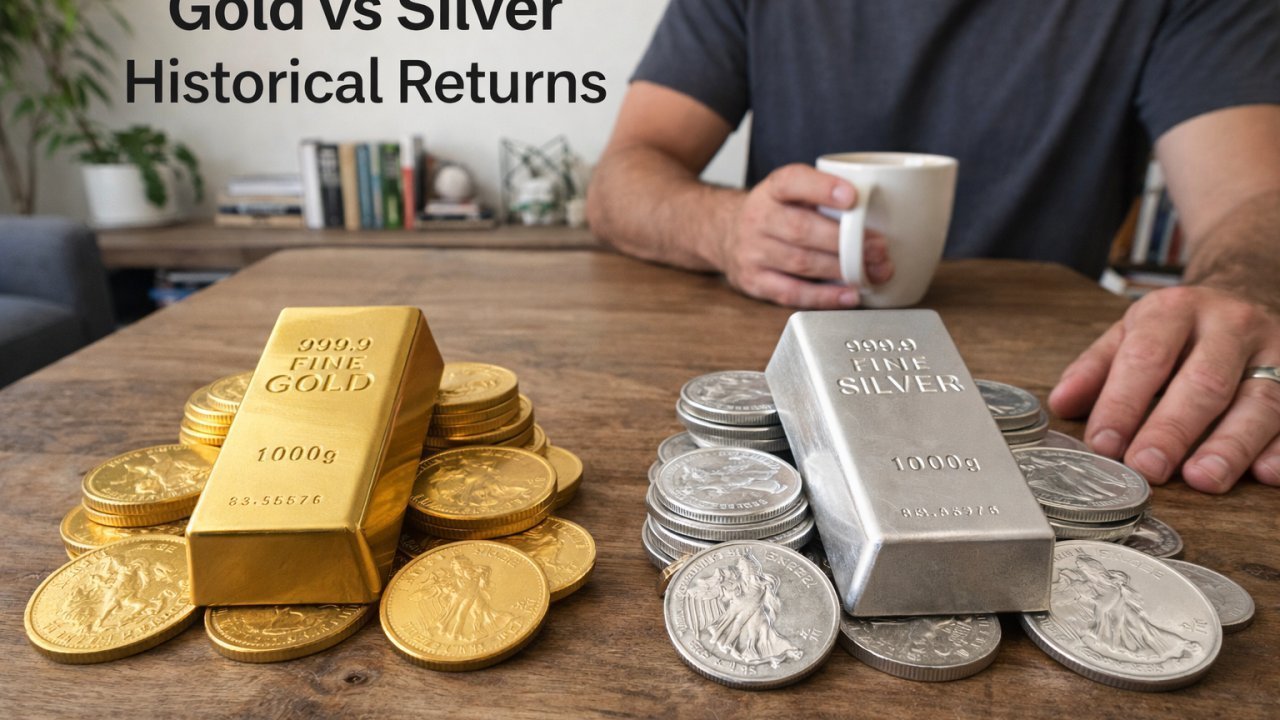
Market trends in Jalandhar indicate that silver often outperforms gold in terms of percentage returns during strong bullish cycles. This is largely driven by its dual identity; it is both a precious metal and an essential component in global electronics and green energy sectors. For the local NRI community and business owners in the Doaba region, silver bars and 999-purity coins are becoming a preferred choice for long-term wealth preservation. When international prices fluctuate, the local Jalandhar bullion market responds with high liquidity, offering tactical "buy-on-dip" opportunities for those who monitor the daily MCX trends alongside local spot rates.
Key Takeaway: For investors in Jalandhar looking to maximize portfolio growth, silver currently serves as a high-beta alternative to gold, offering significant upside potential as industrial demand scales and the entry-level price point remains attractive for retail buyers.
Expert Tip: Why Jalandhar’s Savvy Investors are Moving Beyond Physical Gold
While the glittering showrooms of Model Town and the traditional markets of Guru Bazar remain central to Jalandhar’s cultural fabric, a strategic shift is occurring among the city's seasoned investors. While physical gold has long been the preferred hedge in the Doaba region, Sovereign Gold Bonds (SGBs) are emerging as a significantly more lucrative alternative. Unlike physical jewelry, which carries heavy making charges and an immediate 3% GST hit, SGBs allow you to own gold in a digital format at the prevailing market rate—often with an additional discount for online applications. This ensures that 100% of your capital is working for you, rather than being eroded by administrative costs and taxes.
The real "edge" for Jalandhar residents lies in the unique dual-earning potential of SGBs. While physical gold typically sits idle in a bank locker—incurring annual storage fees and security concerns—SGBs pay a fixed interest of 2.5% per annum on the initial investment amount, credited semi-annually. Furthermore, for those looking at long-term wealth creation, SGBs offer a massive tax advantage: the capital gains tax is entirely waived if the bonds are held until maturity. In a city where gold is frequently viewed as a multi-generational asset, switching to SGBs for the investment portion of your portfolio ensures your wealth grows through both market appreciation and consistent interest payouts, all without the risks of theft or impurity.
Key Takeaway: For Jalandhar investors, Sovereign Gold Bonds offer a superior financial profile by eliminating making charges and locker fees while adding a 2.5% annual interest "bonus" that physical gold simply cannot match.
Expert Tip: Navigating Gold Making Charges in Jalandhar
While the daily gold price in Jalandhar is largely uniform across jewellers, a significant variable that can impact your final purchase cost is the 'making charge' (or 'wastage charge'). These charges cover the labour, craftsmanship, and design intricacy involved in transforming raw gold into stunning jewellery. In a bustling market like Jalandhar, known for its exquisite gold collections and competitive pricing, understanding and negotiating these charges is key to smart shopping.
Making charges can vary widely, from a flat rate per gram to a percentage of the gold's value, or even a fixed amount per piece, especially for intricate designs. Don't hesitate to ask your Jalandhar jeweller for a clear breakdown. Reputable establishments, whether you're browsing the traditional shops near Phagwara Gate or the more contemporary showrooms in Model Town, should be transparent. It's often possible to negotiate, especially on higher value or simpler pieces. Comparing charges across a couple of trusted stores can also give you leverage and ensure you're getting a fair deal for the craftsmanship.
Remember, the making charge is where you have the most room to save. While the base price of 24K or 22K gold is non-negotiable, the skill and effort put into creating your chosen piece are subject to discussion. Being an informed buyer who asks the right questions can lead to significant savings, ensuring your gold purchase in Jalandhar is both beautiful and value-for-money.
Key Takeaway: Always inquire about and negotiate the making charges; it's the primary way to optimize your gold jewellery purchase in Jalandhar.
Leveraging Gold Assets: Navigating Gold Loan Options in Jalandhar
For residents of Jalandhar, gold has long transitioned from a traditional store of value to a powerful financial tool. As gold prices remain volatile in the current economic climate, many households across the Doaba region are increasingly turning to gold loans as a strategic alternative to high-interest personal loans. Whether you are a business owner in the bustling markets of Phagwara Gate or a professional looking to manage short-term liquidity, Jalandhar’s financial landscape offers a robust array of options, ranging from nationalized banks to specialized gold-focused non-banking financial companies (NBFCs).
When considering a gold loan in Jalandhar, the key lies in understanding the Loan-to-Value (LTV) ratio and the specific valuation methods employed by local branches. Because Jalandhar serves as a major commercial hub, competition among lenders is fierce, often resulting in more flexible repayment structures and quicker processing times compared to other Tier-2 cities. However, borrowers should remain vigilant about hidden processing fees and the impact of daily price fluctuations on their collateral value. It is advisable to compare the interest rates offered by major players like Muthoot Finance or Manappuram, which have a strong footprint in the city, against the competitive schemes often floated by local branches of HDFC or ICICI Bank.
Before pledging your family gold, verify the security standards of the facility where your assets will be held. In a city where sentimental value often outweighs market price, ensuring that the lender provides comprehensive insurance coverage for your ornaments is non-negotiable. By treating your gold as a liquid asset rather than a dormant investment, you can effectively bridge temporary financial gaps while keeping your long-term wealth intact.
Key Takeaway: Prioritize lenders that offer transparent appraisal processes and flexible repayment tenures; always compare the current LTV ratio against local market gold rates to ensure you are maximizing the borrowing potential of your assets without incurring unnecessary interest burdens.
Expert Tip: Mastering the Timing of Your Gold Purchase in Jalandhar
For investors and jewelry enthusiasts in Jalandhar, timing a purchase is as much about local market dynamics as it is about global price fluctuations. While gold rates in India are primarily driven by international benchmarks and currency exchange, the retail experience in hubs like Rainak Bazaar or Phagwara Gate can vary significantly depending on when you choose to visit. To secure the best deal, industry experts often recommend visiting your trusted local jeweler during the mid-afternoon hours, typically between 2:00 PM and 4:00 PM.
During these hours, the initial morning rush of retail shoppers has subsided, allowing jewelers to provide more personalized attention and transparent price breakdowns. Furthermore, by mid-afternoon, the daily gold rates—which are updated by the bullion market in the morning—have fully stabilized. Buying during this window allows you to make an informed decision based on the day’s finalized rate, avoiding the early-morning volatility that can sometimes occur as the market reacts to overnight geopolitical news or currency shifts. Additionally, avoiding the frantic evening hours ensures a more relaxed negotiation environment, which is particularly beneficial when discussing making charges on intricate 22-karat gold jewelry or investment-grade coins.
Key Takeaway: To maximize your value, aim to complete your gold transactions in Jalandhar during the mid-afternoon lull; this allows you to leverage stabilized daily rates and ensures you receive the dedicated service necessary to negotiate the best possible making charges.
Maximizing Value: The Evolving Landscape of Gold Recycling in Jalandhar
As gold prices in Jalandhar continue to fluctuate in response to global economic shifts, many residents are looking beyond traditional purchasing to unlock the hidden value within their existing assets. The city’s gold recycling sector has undergone a significant transformation, moving away from informal, opaque transactions toward high-tech, transparent refining services. Whether you are holding onto ancestral jewelry that no longer suits your aesthetic or looking to liquidate scrap gold, the current market climate makes it an opportune time to evaluate these assets.
When engaging with local refiners in hubs like Phagwara Gate or nearby commercial centers, transparency is paramount. Modern establishments in Jalandhar now utilize XRF (X-ray Fluorescence) technology, which allows for non-destructive, instantaneous purity testing. Before finalizing a sale, ensure your jeweler or refiner provides a detailed breakdown of the gold’s purity—assessed in karats—and subtracts only the standard melting loss and refining charges. Avoid centers that rely solely on antiquated touchstone methods, as these often fail to account for the precise alloy composition of older ornaments, potentially undervaluing your holdings.
Furthermore, consider the timing of your transaction. While the spot price of gold is a primary indicator, liquidity in the Jalandhar market often peaks during festive seasons and wedding preparations. By timing your recycling efforts to coincide with periods of high demand, you can often negotiate better terms for your melted gold. Always cross-reference the daily market rate displayed on our live tracker with the quote provided by your refiner to ensure you are receiving a fair market value.
Key Takeaway: To secure the best return on your gold, prioritize refiners who utilize XRF technology for purity testing and always compare their offer against the current live market rate for 24K gold, ensuring you account for minimal deduction fees.
Leveraging Gold Assets: Navigating Gold Loans in Jalandhar
For many residents of Jalandhar, gold is more than just a cultural staple—it is a strategic financial asset. As gold prices fluctuate, the city’s thriving credit market offers a sophisticated way to unlock liquidity without parting with your jewelry. Whether you are a small business owner in the bustling markets of Model Town or an individual looking for short-term capital, gold loans have become a preferred alternative to traditional personal loans due to their rapid processing times and minimal documentation requirements.
In Jalandhar, major banks and specialized non-banking financial companies (NBFCs) are aggressively competing for customers by offering flexible repayment tenures and attractive loan-to-value (LTV) ratios. However, it is vital to approach these agreements with precision. Before pledging your assets, compare the interest rates offered by local branches against online-first lenders, and carefully audit the processing fees and valuation methods used. Given the current market volatility, opt for lenders that provide transparent, real-time tracking of your gold’s valuation and offer secure, climate-controlled vault storage for your valuables.
When choosing a lender, prioritize institutions with a strong physical presence in Jalandhar’s key commercial hubs, as proximity ensures easier access for periodic interest payments and the eventual redemption of your gold. Always verify the lender's appraisal process to ensure your jewelry is weighed accurately and valued based on the latest 22k or 24k market rates, ensuring you receive the maximum credit limit your collateral deserves.
Key Takeaway: Before opting for a gold loan, always assess your repayment capacity and compare the LTV ratios across at least three local lenders in Jalandhar to ensure you secure the most competitive interest rate while maintaining the safety of your precious assets.
Navigating Making Charges: Insider Tips for Jalandhar’s Gold Market
For gold buyers in Jalandhar, the final price tag is rarely just about the current market rate; it is the "making charge" (or *ghadayi*) where the real negotiation happens. Across prominent local hubs, from the bustling lanes of Phagwara Gate to the refined showrooms in Model Town, making charges typically range from 6% to 20% of the gold's value, depending heavily on the intricacy of the design. Machine-made jewellery often commands lower fees, while traditional, hand-crafted Punjabi *kundan* or antique-style sets justify a premium due to the labor-intensive artistry involved.
When stepping into a Jalandhar jewellery house, the most effective way to secure a better deal is to separate the gold price from the labour cost during your discussion. Rather than asking for a total discount, focus your negotiation on the percentage applied to the making charge. Dealers are often more flexible here than on the gold rate itself, especially if you are a repeat customer or purchasing multiple items. Furthermore, always inquire about "wastage" or *tunch*, and ensure the final invoice explicitly breaks down the making charge as a flat fee rather than an ambiguous percentage of the total weight.
Before finalizing your purchase, compare quotes from at least two local reputed jewellers. Jalandhar’s market is highly competitive, and transparency has become a key differentiator for top-tier stores. If you are buying for an upcoming wedding season, try to negotiate during the off-peak months to leverage lower demand, which often grants you more bargaining power over the labour component of your gold purchase.
Key Takeaway: Never accept the initial making charge as non-negotiable; always ask for a breakdown, focus your bargaining efforts on the labour percentage, and ensure the final bill separates gold value from making charges for complete transparency.
Expert Tip: Strategic Timing for Gold Purchases in Jalandhar
For gold buyers in Jalandhar, timing is often just as critical as the prevailing market rate. While global bullion trends dictate the base price, local market dynamics in hubs like Phagwara Gate or the bustling Sarafa Bazaar offer subtle windows of opportunity. Seasoned local jewelers often suggest that the best time to finalize a purchase is during the late afternoon, specifically between 3:00 PM and 5:00 PM. During this window, the Indian bullion market has fully reacted to the opening of international exchanges, allowing for a more stable and transparent pricing structure that reflects the day’s definitive trend.
Beyond the daily clock, savvy investors in Jalandhar pay close attention to the local demand cycle. Shopping during the mid-week period—Tuesday through Thursday—often proves more advantageous than weekends or festival peaks like Dhanteras or Akshaya Tritiya. During these quieter days, jewelers are frequently more receptive to negotiating making charges (wastage fees), which can significantly lower the total cost of ownership. By avoiding the rush of weekend wedding shoppers and festival crowds, you gain the luxury of time to compare quality certifications and negotiate a better deal on craftsmanship.
Ultimately, while tracking the price per gram on your screen is essential, the "Jalandhar advantage" lies in the human element. Visiting your trusted local jeweler when the shop is less congested allows for a more personalized service, ensuring you get the best advice on purity standards and hallmarking before committing to your purchase.
Key Takeaway: Aim to visit your preferred jeweler in Jalandhar on a weekday afternoon; this timing balances price stability with the best opportunity to negotiate lower making charges while avoiding the premium-heavy weekend rush.
GST on Gold: What Every Buyer in Jalandhar Needs to Know
For gold buyers in Jalandhar, navigating the intersection of traditional festive purchasing and modern tax compliance is essential. Under current Indian tax regulations, a flat 3% Goods and Services Tax (GST) is levied on the purchase of gold bullion and jewelry. While this rate is uniform across the country, savvy investors in Punjab’s industrial hub must remember that this 3% is calculated on the final transaction value, which includes the gold price plus the "making charges" (wastage). Whether you are sourcing jewelry from the bustling markets of Rainak Bazaar or investing in bars for long-term wealth preservation, ensuring your invoice clearly segregates these costs is a hallmark of a smart transaction.
Beyond the primary GST rate, local buyers should remain vigilant regarding the tax implications of "old gold" exchanges. When you trade in your ancestral jewelry for new designs, the 3% GST applies only to the value addition—the difference between the price of the new ornament and the value of the exchanged old gold. Many reputable jewelers in Jalandhar have streamlined this process, but it is incumbent upon the consumer to demand a transparent breakdown. Always insist on a GST-compliant bill; it serves not only as proof of purity and purchase but also as a vital document for future resale or insurance claims, protecting your investment from unnecessary depreciation or regulatory hurdles.
Key Takeaway: Always ensure your jeweler provides a detailed GST invoice that separates the gold price, making charges, and the 3% tax; this transparency protects your investment and ensures compliance when trading in old gold at Jalandhar’s established bullion houses.
Timing Your Purchase: The Best Hour to Buy Gold in Jalandhar
For gold buyers in Jalandhar, timing is about more than just tracking the daily spot price; it is about understanding the local market rhythm. While the international gold price fluctuates continuously based on global economic indicators, the retail price in Jalandhar's bustling jewelry hubs—such as those around Phagwara Gate and Model Town—is typically finalized during the morning hours. As local bullion traders align their rates with the opening of the Mumbai commodity exchanges, the most competitive pricing often emerges between 11:30 AM and 1:00 PM.
Engaging with jewelers during these midday hours allows you to benefit from the day's updated domestic valuation while avoiding the late-afternoon volatility that can sometimes occur when global markets react to European or US economic data. Furthermore, visiting during these hours provides a quieter environment for negotiation, allowing you to discuss making charges and purity certifications without the rush of the evening peak. By monitoring the morning price trends before heading out, you ensure that you are entering the shop with a clear benchmark, putting you in a stronger position to secure a favorable deal.
Key Takeaway: To secure the most accurate and competitive pricing in Jalandhar, aim to complete your gold purchase between 11:30 AM and 1:00 PM, after local bullion markets have stabilized but before the late-day global market volatility sets in.
Jalandhar Wedding Season: Strategic Gold Buying Insights
As the wedding season approaches in Punjab, Jalandhar’s bustling jewelry hubs—from the heritage lanes of Sarafa Bazaar to the modern showrooms along Nakodar Road—are witnessing a palpable shift in consumer behavior. With the auspicious dates for weddings approaching, local jewelers are reporting a surge in demand for bridal sets and investment-grade gold coins. Unlike the speculative buying seen during festive peaks, the current trend in Jalandhar is driven by necessity, with families prioritizing high-purity 22-karat gold for traditional craftsmanship, alongside a growing interest in lightweight, contemporary designs for pre-wedding functions.
Market analysts suggest that while global geopolitical tensions continue to exert upward pressure on bullion prices, local buyers in Jalandhar are increasingly adopting a "staggered purchasing" strategy. Rather than waiting for a single price dip, savvy shoppers are leveraging small, periodic acquisitions to hedge against volatility. Furthermore, with the rising popularity of gold exchange schemes in the city, many residents are opting to trade in their older, heirloom jewelry to offset the cost of new designs. If you are planning significant purchases for the upcoming season, keeping a close watch on the daily price trends in the Jalandhar market is essential to maximizing your budget before the peak rush hits.
Key Takeaway: Avoid last-minute panic buying by tracking local price movements now; consider staggered purchases and leverage exchange offers at reputable Jalandhar jewelers to navigate the anticipated wedding season price surge effectively.
Beyond Gold: Why Silver is Gaining Traction in Jalandhar’s Investment Circles
While gold has traditionally reigned supreme in Jalandhar’s household savings, a noticeable shift is underway as local investors increasingly turn to silver as a strategic portfolio diversifier. Known as the 'poor man's gold,' silver is shedding its purely industrial or ornamental reputation in Punjab’s bustling trade hub. As gold prices reach historic highs, Jalandhar-based retail investors are finding that silver offers a lower entry point, allowing for greater volume accumulation without the steep capital requirements of yellow metal bullion.
Market analysts in the region point to the dual nature of silver—functioning both as a precious metal and a critical industrial commodity—as a primary driver for this newfound interest. With Jalandhar’s thriving sports goods and hand-tool manufacturing sectors, local investors are more attuned to global industrial demand cycles, which often provide silver with a unique price volatility that savvy traders can capitalize on. Furthermore, the rising popularity of silver ETFs and digital silver platforms is making it easier than ever for residents in areas like Model Town or Guru Nanak Pura to hedge against inflation without the traditional concerns regarding physical storage and security.
As the festive season approaches, local jewelers are reporting a steady uptick in demand for silver bars and coins as gifts and long-term assets. While gold remains the emotional bedrock of investment in Jalandhar, silver is rapidly emerging as the pragmatic choice for those looking to balance their portfolios against market uncertainty.
Key Takeaway: Investors in Jalandhar should view silver not just as an affordable alternative to gold, but as a strategic asset that benefits from both precious metal hedging and increasing industrial demand, making it an essential component of a balanced investment strategy.
Market Insight: How Global Shifts Influence Gold Rates in Jalandhar
The gold market in Jalandhar is currently navigating a period of heightened sensitivity, driven primarily by volatile global geopolitical tensions and shifting interest rate policies from the U.S. Federal Reserve. As a major commercial hub in Punjab, Jalandhar’s bullion market remains deeply interconnected with international spot prices. When global uncertainty spikes, investors often pivot toward gold as a "safe-haven" asset, causing upward pressure on prices even before local retail demand fully reacts.
For local jewelers and retail investors in areas like Phagwara Gate and Model Town, these global fluctuations translate into daily price adjustments that can be difficult to predict. While the weakening of the Indian Rupee against the U.S. Dollar further inflates the cost of gold imports, local demand in Jalandhar remains resilient, supported by seasonal wedding trends and traditional festival buying. However, the current high-price environment is prompting a shift in consumer behavior, with many buyers increasingly opting for smaller, high-purity denominations or digital gold alternatives to hedge against market volatility.
Staying informed is essential for those looking to buy or sell in the current climate. We recommend monitoring the daily "London Fix" or international market opening trends, as these often set the tone for the domestic bullion rates seen in Jalandhar by midday. By tracking these broader economic indicators, you can better time your purchases and navigate the current price swings with greater confidence.
Key Takeaway: Global economic instability is keeping gold prices elevated; Jalandhar buyers should prioritize tracking daily currency exchange rates and international market benchmarks to identify optimal entry points for their investments.