Why is gold price different in Kannur?
The price of gold in Kannur, much like in other cities across India, is influenced by a complex interplay of global, national, and local factors. While the underlying international gold rate forms the base, several layers of costs and market dynamics contribute to the final price you see at a local jeweller. Globally, factors such as the strength of the US dollar, crude oil prices, and overall international demand for gold as a safe-haven asset significantly impact the commodity's value. Nationally, the Indian government's import duties on gold, the fluctuating value of the Indian Rupee against the dollar, and the Reserve Bank of India's monetary policies play a crucial role.
Specifically for Kannur and Kerala, state-level taxes, transportation costs from major importing hubs, and regional demand-supply dynamics also contribute. Gold has deep cultural significance in Kerala, especially during festivals and weddings, leading to consistently high demand. Finally, at the local level in Kannur, each jeweller's operational overheads, their specific making charges, and the competitive landscape among shops can lead to slight variations in the daily gold price. Understanding these multifaceted influences helps consumers grasp why the "gold rate in Kannur" is a dynamic figure.
Which area or shop is famous for low making charges in Kannur?
Finding gold jewellery with low making charges in Kannur requires a bit of research and comparison, as these charges can significantly impact the final cost of your purchase. Making charges are essentially the labour and design costs involved in crafting the jewellery. While no single area is exclusively "famous" for the absolute lowest making charges across all designs, certain practices can help you find better deals.
Major national and regional jewellery chains like Malabar Gold & Diamonds, Joyalukkas, Kalyan Jewellers, and Bhima Jewellers, which have a strong presence in Kannur, often offer standardized and sometimes competitive making charges due to their large-scale operations and volume-based pricing. They might also run promotional offers during festive seasons that include reduced making charges. For traditional designs or custom work, smaller, independent jewellers might be open to negotiation on making charges, especially for loyal customers or larger purchases. Areas like Fort Road and the commercial hubs of Kannur generally house a concentration of jewellers, fostering a competitive environment where comparing rates is easier. Always inquire about the making charge percentage or per gram rate upfront and don't hesitate to compare it across a few reputable shops before making a decision.
Why do gold prices change daily?
The daily fluctuation in gold prices is a result of its status as a globally traded commodity and a sensitive economic indicator. Several key factors contribute to these constant changes. Firstly, international market dynamics play a pivotal role; the price of gold is primarily determined by global demand and supply, often influenced by major trading hubs like the London Bullion Market Association (LBMA). Economic data releases from leading economies, central bank policies regarding interest rates, and the strength of the US dollar directly impact gold's appeal as an investment. When the dollar weakens, gold typically becomes more attractive and vice versa.
Secondly, geopolitical events and global economic stability significantly affect gold prices. During times of political uncertainty, economic downturns, or high inflation, investors often flock to gold as a "safe-haven" asset, driving its price up. Conversely, periods of stability and strong economic growth may see investors moving towards higher-yield assets, causing gold prices to dip. Lastly, the currency exchange rate between the Indian Rupee and the US Dollar also influences domestic gold prices. Since India imports most of its gold, a weaker Rupee makes imports more expensive, thereby increasing the local gold rate in Kannur and other Indian cities, even if the international dollar price remains constant. These intertwined factors ensure that gold rates are rarely static for long.
Gold rates in Kannur (22 karat): How do prices change?
For most consumers in Kannur, particularly those purchasing jewellery, the 22 karat gold rate is the most relevant figure. This purity, also known as 916 gold, contains 91.6% pure gold, with the remaining percentage being alloys to enhance durability. The daily 22 karat gold rate in Kannur is derived from the international spot price, adjusted for various domestic factors.
The process begins with the base international price, which is then converted into Indian Rupees using the prevailing USD-INR exchange rate. To this, the Indian government's import duties are added. Following this, the Goods and Services Tax (GST) is applied – currently 3% on the value of gold and 5% on making charges. Jewellers then incorporate their operational costs and a profit margin. It's important to note that while the base gold rate for 22 karat is generally uniform across a city like Kannur on a given day, the final price of a piece of jewellery will also include making charges, which vary based on design complexity and the jeweller. Prices are typically updated multiple times throughout the day by jewellers, reflecting real-time market movements. Consumers are advised to check reliable financial news portals or direct jeweller websites for the most current "Kannur gold rate 22 karat" before making a purchase.
Gold and hallmarking centres in Kannur.
In India, the Bureau of Indian Standards (BIS) hallmarking system is crucial for ensuring the purity and authenticity of gold jewellery, providing transparency and consumer trust. Since June 2021, BIS hallmarking has been mandatory for gold jewellery and artefacts sold in specified districts, including Kannur. This means any gold jewellery you purchase from a reputable jeweller in Kannur should bear the BIS hallmark.
A BIS hallmark on gold jewellery consists of several components: the BIS logo, indicating the authenticity of the hallmark; the purity of gold (e.g., 916 for 22 karat, 750 for 18 karat), expressed in fineness; the assessing and hallmarking centre's mark, indicating where the jewellery was tested; and the jeweller's identification mark or logo. While Kannur may have BIS-recognized assaying and hallmarking centres, consumers typically interact with jewellers who send their gold for hallmarking. Major jewellers in Kannur like Malabar Gold & Diamonds, Joyalukkas, and Kalyan Jewellers all sell BIS-hallmarked gold, adhering to these stringent purity standards. Always insist on BIS-hallmarked jewellery to guarantee the purity of your gold purchase in Kannur.
Top Jewellers in Kannur.
Kannur boasts a vibrant gold market, home to both renowned national chains and trusted local establishments, catering to diverse tastes and budgets. When looking for quality and reliability, several jewellers stand out.
Among the most prominent are the national giants:
- Malabar Gold & Diamonds: Headquartered in Kerala, this brand has a strong presence in Kannur, known for its extensive range of traditional and contemporary designs, transparent pricing, and robust customer service.
- Joyalukkas: Another leading international jewellery group with deep roots in Kerala, Joyalukkas offers a wide selection of gold, diamond, and precious stone jewellery, recognized for its quality and innovative designs.
- Kalyan Jewellers: A household name across India, Kalyan Jewellers in Kannur is popular for its vast collection, competitive schemes, and strong emphasis on trust and purity.
- Bhima Jewellers: With a legacy spanning decades, Bhima Jewellers remains a trusted choice for many in Kannur, offering classic and traditional designs that resonate with local preferences.
These jewellers are known for their BIS-hallmarked gold, diverse collections, and often provide attractive exchange and buy-back policies, making them reliable choices for gold purchases in Kannur. Local shops also thrive, often offering specialized craftsmanship and personalized service, appealing to those seeking unique designs.
Supply pressures pushing prices up.
The global supply and demand dynamics for gold are fundamental drivers of its price, and several factors on the supply side consistently exert upward pressure. Firstly, finite reserves mean that gold is a non-renewable resource. As easily accessible deposits are depleted, mining companies must delve deeper or explore more challenging geological areas, increasing extraction costs. These higher operational expenses, coupled with stricter environmental regulations and rising labour costs, translate into a higher base price for newly mined gold.
Secondly, mining output can be unpredictable. Geopolitical instability in major gold-producing regions, labour disputes, or natural disasters can disrupt mining operations, leading to temporary or prolonged reductions in supply. This scarcity, even if localized, can have a ripple effect on global prices.
Thirdly, central bank purchases play a significant role. Many central banks globally view gold as a strategic reserve asset to diversify their portfolios and hedge against currency fluctuations. When central banks increase their gold holdings, it reduces the amount of gold available in the open market, thereby tightening supply and contributing to price appreciation. The combination of dwindling easy-to-access reserves, potential disruptions in mining, and consistent institutional demand collectively creates persistent supply pressures that contribute to the long-term upward trend in gold prices.
How to store gold in Kannur?
Storing gold safely in Kannur, whether it's jewellery or bullion, is a primary concern for owners. There are several secure options, each with its own advantages and considerations.
- Bank Lockers: This is arguably the most secure method for storing physical gold. Banks in Kannur offer safe deposit lockers for an annual fee. Your gold is protected against theft and natural disasters, and the bank maintains robust security protocols. However, access is limited to banking hours, and the contents are not insured by the bank itself, requiring separate insurance if desired.
- Home Safes: For smaller quantities or frequently used jewellery, a high-quality, fire-resistant home safe can be an option. It offers immediate access but comes with inherent risks, as even the most robust home safe can be vulnerable to determined burglars. Ensure the safe is securely bolted to the floor or wall.
- Insuring Your Gold: Regardless of where you store it, consider getting your gold insured. Many general insurance companies in India offer specific policies for valuables, which can cover loss due to theft, fire, or other perils, providing financial protection.
- Digital Gold & Sovereign Gold Bonds (SGBs): While not physical storage, these options allow you to invest in gold without the hassle of physical safekeeping. SGBs are government-backed and offer interest, while digital gold platforms provide easy buying and selling. These eliminate storage concerns entirely.
Choosing the right storage method depends on the quantity of gold, frequency of access needed, and your comfort level with risk.
Gold vs Real Estate in Kannur.
When considering long-term investments in Kannur, both gold and real estate are traditional choices, each with distinct characteristics. Understanding these differences is crucial for making informed financial decisions.
Gold:
- Liquidity: Gold is highly liquid, meaning it can be easily converted into cash at prevailing market rates. Selling gold jewellery or bullion in Kannur is a straightforward process.
- Hedge Against Inflation: Gold is often seen as a safe-haven asset, maintaining its value during economic downturns and inflationary periods, protecting purchasing power.
- No Maintenance: Once purchased, physical gold requires secure storage but incurs no ongoing maintenance costs, unlike property.
- Portability: Gold is easily transferable, making it a globally recognized asset.
Real Estate in Kannur:
- Capital Appreciation: Property values in prime areas of Kannur can see significant capital appreciation over the long term, driven by urban development and infrastructure growth.
- Rental Income: Investment properties can generate a steady stream of rental income.
- Tangible Asset: Owning land or a home provides a sense of security and utility.
- Illiquidity: Real estate is a highly illiquid asset. Selling a property in Kannur can be a lengthy and complex process, involving significant transaction costs (brokerage, registration, stamp duty).
- Maintenance Costs: Properties incur ongoing expenses like property taxes, maintenance, and potential repair costs.
- High Entry Barrier: Investing in real estate requires substantial capital, making it less accessible for smaller investors.
For investors in Kannur, a diversified portfolio often includes both. Gold offers liquidity and acts as a hedge, while real estate provides potential for substantial long-term growth and income.
What is a Sovereign Gold Bond?
The Sovereign Gold Bond (SGB) scheme, launched by the Government of India in 2015, offers investors an alternative to holding physical gold. These are government securities denominated in grams of gold, issued by the Reserve Bank of India (RBI) on behalf of the government. SGBs are an excellent way to invest in gold without the risks and costs associated with physical storage.
Key features and benefits of SGBs include:
- Interest Income: Investors receive a fixed interest rate (currently 2.50% per annum) on their initial investment, paid semi-annually. This is a unique advantage over physical gold, which yields no interest.
- No Storage Issues: Since SGBs are held in dematerialized form or as paper certificates, investors avoid the costs and security concerns of storing physical gold.
- Purity Guarantee: The purity of gold is guaranteed by the government.
- Tax Benefits: The interest earned on SGBs is taxable, but capital gains arising from redemption at maturity (after 8 years) are exempt from tax. This is a significant tax advantage.
- Safety: Being government-backed, SGBs carry sovereign guarantee, making them one of the safest investment avenues.
- Liquidity: While the tenor is 8 years, early exit options are available after the fifth year on interest payment dates. SGBs are also tradable on stock exchanges.
SGBs can be purchased through scheduled commercial banks, designated post offices, Stock Holding Corporation of India Ltd (SHCIL), and recognized stock exchanges like NSE and BSE. They represent a smart, secure, and cost-effective way for Kannur residents to invest in gold.
Taxation of gold in Kannur.
Understanding the taxation aspects of gold in Kannur, as across India, is crucial for both buyers and sellers. Gold transactions are subject to Goods and Services Tax (GST) and capital gains tax.
- Goods and Services Tax (GST):
- On Gold Value: A 3% GST is levied on the purchase value of gold jewellery or bullion. This is applied to the pure gold content.
- On Making Charges: An additional 5% GST is applicable on the making charges (labour charges) of gold jewellery. These charges vary based on the design and craftsmanship.
- Capital Gains Tax on Sale of Gold:
- Short-Term Capital Gains (STCG): If you sell gold within three years of purchase, any profit earned is considered a short-term capital gain. This gain is added to your total income and taxed according to your applicable income tax slab rates.
- Long-Term Capital Gains (LTCG): If you sell gold after holding it for more than three years, the profit is treated as a long-term capital gain. This is taxed at a flat rate of 20% after factoring in the benefit of indexation. Indexation adjusts the purchase price for inflation, thereby reducing the taxable gain.
- Wealth Tax: It's important to note that Wealth Tax on assets like gold was abolished in India from April 1, 2015.
- Gift Tax: If gold is received as a gift, it can be taxable in the hands of the recipient. Gifts from specified relatives (e.g., spouse, parents, siblings) are exempt. However, gifts from non-relatives exceeding ₹50,000 in value in a financial year are taxable as "Income from other sources" for the recipient.
- TDS (Tax Deducted at Source): There is no TDS on the purchase of gold. However, if you sell old gold to a jeweller for cash, and the amount exceeds ₹2 lakh, the jeweller may require your PAN details, especially for cash transactions.
Always keep proper purchase invoices and records to accurately calculate taxes when selling gold in Kannur.
Market Insight: Global Volatility and the Kannur Gold Trade
The gold market in Kannur, much like the broader Kerala landscape, is currently navigating a period of heightened sensitivity as global macroeconomic shifts ripple through local bullion prices. Recent fluctuations in the U.S. Federal Reserve’s interest rate stance and geopolitical tensions have triggered a flight to safety, significantly impacting international spot prices. For local jewelers in Kannur—from the bustling shops near the Thavakkara junction to the traditional gold hubs in Payyambalam—these global trends are transmitted almost instantly into domestic retail rates, often leading to rapid intraday price adjustments.
While global indices dictate the base price, the demand in Kannur remains uniquely tied to regional cultural cycles and the influx of remittances. Despite the volatility, local investors are adopting a more cautious "wait-and-watch" approach. Many savvy buyers in the region are currently leveraging price dips to accumulate physical gold, viewing the metal as a critical hedge against inflation rather than a short-term trading asset. As we approach the upcoming festive and wedding seasons, the local market is expected to remain firm, with Kannur’s consumers showing remarkable resilience against global price shocks.
Key Takeaway: While global market volatility is driving short-term price swings, Kannur’s gold market remains anchored by strong regional demand. Investors are advised to monitor the daily base price closely and consider staggered, small-volume purchases rather than timing the market for a single "perfect" dip.
Strategic Timing: When to Visit Kannur’s Jewellers
For residents of Kannur, purchasing gold is often as much about tradition as it is about investment. While the daily spot price is dictated by global markets and currency fluctuations, the "best" time to visit your preferred jeweller in areas like Fort Road or Caltex Junction often depends on local market liquidity and operational cycles. Industry experts suggest that the sweet spot for a seamless transaction is typically during the mid-morning hours, between 11:00 AM and 1:00 PM. During this window, the daily gold rates in Kerala have usually been updated and stabilized by the bullion associations, allowing for transparent pricing without the volatility sometimes seen in the early morning opening hours.
Furthermore, visiting during these off-peak weekday hours provides a significant advantage: personalized service. Kannur’s gold market thrives on detailed craftsmanship and intricate designs, particularly for wedding jewellery. By avoiding the frantic rush of weekend evenings or auspicious festival days like Akshaya Tritiya, buyers can engage in more thorough negotiations regarding making charges and purity certifications. Engaging with your local jeweller when the showroom is less crowded allows you to inspect the hallmark quality marks and discuss the finer points of 22-carat versus 24-carat investments without the pressure of a busy sales floor.
Key Takeaway: To secure the most transparent pricing and personalized consultation, aim to visit Kannur’s leading jewellery showrooms on a weekday between 11:00 AM and 1:00 PM, once the day's local market rates have been officially settled.
Securing Your Assets: Gold Insurance Insights for Kannur Residents
For the residents of Kannur, gold is far more than an ornament—it is a cultural staple and a vital financial safety net. Whether you are safeguarding ancestral heirlooms passed down through generations or recent acquisitions from the bustling jewellery hubs of Caltex or SN Park Road, the rising market value of gold makes adequate insurance coverage an urgent necessity. Home insurance policies in Kerala often provide limited protection for valuables, meaning your gold may remain significantly underinsured in the event of theft, fire, or accidental loss.
While Kannur’s community-driven banking and local cooperatives offer various gold loan schemes, these institutions rarely cover the risk of loss outside their vaults. To bridge this gap, savvy investors are increasingly opting for "All Risk" insurance covers. Unlike standard home insurance, these policies are specifically tailored to high-value assets and cover your jewellery against loss or damage not just at home, but anywhere in the world. Before finalizing a policy, ensure your insurer accounts for the current market fluctuations in gold prices, as a static coverage amount could leave you exposed if the valuation of your collection appreciates significantly over the next year.
When selecting a policy, prioritize those that offer "reinstatement value" rather than "indemnity value," ensuring you can replace your jewellery at today’s retail price rather than its depreciated cost. Given the region’s specific climatic challenges and the frequent travel associated with social events like weddings, having a comprehensive digital inventory—including high-resolution photographs and original purchase receipts from your local Kannur jewellers—is essential for a seamless claims process.
Key Takeaway: Don't rely on standard home insurance; secure an "All Risk" policy that reflects current gold price trends in Kannur and maintain a digitized, appraised inventory of your collection to ensure full financial protection.
Navigating Gold Loan Opportunities in Kannur
For residents of Kannur, gold remains more than just an ornament; it is a vital financial instrument. As global gold prices fluctuate, the demand for gold-backed credit in the Malabar region has surged, prompting a competitive landscape between traditional banks and specialized non-banking financial companies (NBFCs). Whether you are looking to manage short-term liquidity needs or fund a business expansion in Kannur’s thriving trade sector, leveraging your gold assets is often the most cost-effective borrowing route compared to unsecured personal loans.
In the local market, institutions like Muthoot Finance, Manappuram, and major public sector banks—including SBI and Federal Bank—have established a strong footprint across Kannur town, Thalassery, and Payyannur. The key to securing the best deal lies in understanding the Loan-to-Value (LTV) ratio, which currently allows borrowers to access up to 75% of the gold's appraised value. However, savvy investors in Kannur should look beyond just the interest rates. Consider the processing fees, the flexibility of bullet repayment schemes, and the safety protocols for vault storage. Given the high demand for gold in the district, many lenders now offer doorstep appraisal services, allowing you to unlock capital without the logistical hassle of transporting valuables through the city’s busy thoroughfares.
Key Takeaway: Before committing to a gold loan, compare the 'effective' interest rate across at least three local lenders in Kannur, ensuring you prioritize institutions that offer transparent appraisal processes and flexible repayment tenures tailored to your specific financial goals.
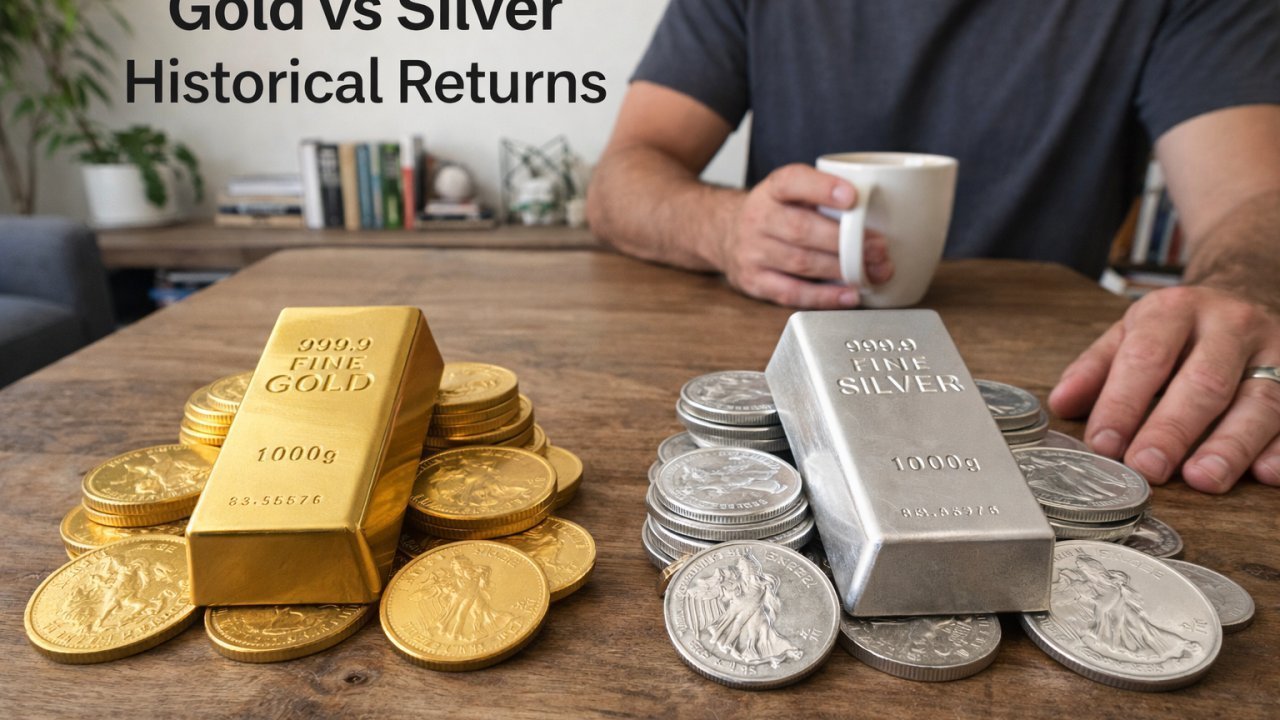
Beyond Gold: The Growing Appeal of Silver in Kannur’s Investment Landscape
While gold remains a deeply rooted cultural staple in Kannur, driven by the region's enduring love for traditional craftsmanship and festive gifting, a quiet shift is occurring among local investors. Many are increasingly viewing silver not merely as an ornamental metal, but as a strategic portfolio diversifier. As price volatility in the gold market persists, savvy investors across the Malabar coast are leveraging silver’s lower entry barrier to accumulate physical assets, particularly during periods of market correction.
The dual nature of silver—functioning as both a precious metal and a critical industrial commodity—provides it with a unique growth trajectory that gold sometimes lacks. In Kannur, local jewellers are reporting a surge in demand for silver bars and coins, reflecting a broader trend of retail investors seeking to hedge against inflation with more liquid capital. Unlike gold, which is often held for generational wealth, silver is being treated as a high-potential asset that offers significant upside during industrial demand cycles, particularly as global green energy transitions increase the reliance on silver-heavy technologies.
For those looking to balance their portfolios, the current market climate suggests that silver serves as a prudent "satellite" investment. By allocating a portion of their budget—traditionally reserved for gold—into silver, Kannur’s investors are finding a way to maintain their exposure to precious metals while managing the risk associated with higher gold premiums. Whether it is through structured monthly accumulation or tactical buys during dips, silver is proving to be an essential tool for the modern Kannur investor.
Key Takeaway: Silver is evolving from a secondary metal into a strategic asset for Kannur investors, offering a lower-cost entry point and unique industrial-growth potential that complements a traditional gold-heavy portfolio.
GST on Gold: What every buyer in Kannur needs to know
For gold buyers in Kannur, understanding the Goods and Services Tax (GST) is crucial when calculating the final price of your precious purchase. Since its implementation, a standard 3% GST is levied on the value of gold jewellery across India, including our vibrant market in Kannur. This replaced previous indirect taxes, aiming for a more streamlined tax structure. It’s important to remember that the daily gold rate you see published is the base price per gram; the 3% GST is added on top of this value, directly impacting your total outlay.
Beyond the gold value itself, GST also applies to making charges – the labour cost involved in crafting your jewellery. A higher 18% GST is applicable on these making charges. When you visit your trusted jeweller in Kannur, whether for an investment piece or a celebratory gift, always ask for a clear breakdown of the final price. A transparent bill should itemize the gold weight, the per-gram rate, the total gold value, the making charges, and then the respective GST components (3% on gold value, 18% on making charges).
This clarity is vital for budgeting and ensuring you're paying the correct amount. While the 3% GST on gold itself might seem small, it adds up significantly on larger purchases. For instance, on a 10-gram purchase at ₹65,000 per 10 grams, that's an additional ₹1,950 just for the gold GST, plus the GST on making charges. Being informed allows Kannur buyers to make savvy decisions and ensures there are no hidden surprises when you collect your gleaming new ornament.
Key Takeaway: Always factor in 3% GST on the gold value and 18% GST on making charges to accurately calculate the total cost of your gold purchase in Kannur.
Navigating Making Charges: A Local Guide for Kannur Gold Buyers
In the bustling jewellery corridors of Kannur—from the busy streets near the Thavakkara bus stand to the traditional storefronts in the city centre—understanding "making charges" (or *panni kooli*) is the secret to getting the best value for your investment. Unlike the transparent daily gold rate, making charges are highly subjective and often serve as the primary lever for negotiation. Because Kannur’s market is highly competitive, jewellers often quote a standard percentage, but this is rarely the final price for a savvy buyer.
When purchasing intricate traditional designs, such as the popular Kerala-style *Palakka* necklaces or heavy *Kasumala* chains, making charges can range anywhere from 6% to 15% depending on the craftsmanship. To negotiate effectively, always ask for the "wastage" (or *thangu*) and the labour charge as separate line items. If you are a repeat customer or are purchasing multiple items, don't hesitate to request a flat-rate discount on the total making charge. Local jewellers in Kannur value long-term relationships, and a polite inquiry about "best pricing for regular patrons" often yields a significant reduction in the final bill.
Before finalizing your purchase, compare the total cost—the sum of the gold price, the making charge, and the 3% GST—across 2-3 reputed shops in the district. Remember that while a lower making charge is attractive, ensure it doesn't come at the cost of purity (BIS Hallmark) or the quality of stone settings.
Key Takeaway: Never accept the initial making charge as non-negotiable. By separating labour costs from the gold price and leveraging your loyalty to local Kannur jewellers, you can typically reduce the overall making charges by 1-3%, significantly impacting the total cost of your gold investment.
Festival Gold Buying Guide: Smart Strategies for Kannur Jewelers
As the festival season approaches, Kannur’s gold markets—from the bustling streets near the Thavakkara bus stand to the established showrooms along Caltex—are witnessing a surge in footfall. For residents planning their festive acquisitions, the current market volatility necessitates a more calculated approach. While traditional sentiment often drives spontaneous purchases during auspicious days like Dhanteras or local temple festivals, savvy buyers are increasingly opting for "staggered buying." Instead of committing to a large purchase on a single peak day when premiums may be higher due to demand, consider splitting your budget into smaller installments over the preceding weeks to average out the price fluctuations.
Furthermore, when visiting local jewelers, it is essential to look beyond the spot price. In the Kannur market, the "making charges" or *panni* can vary significantly between traditional family-run boutiques and larger national chains. Always negotiate the making charges, especially for plain gold coins or traditional Kerala-style *Palakka* necklaces, which often carry higher margins. Additionally, ensure your invoice explicitly mentions the BIS Hallmark and the current purity (22K/916). With global geopolitical tensions influencing import duties and local demand peaking, prioritize transparency in the billing process to protect your investment value against future resale.
Key Takeaway: To maximize value during the festive rush in Kannur, prioritize hallmarked 916 gold and negotiate making charges upfront; consider buying in smaller quantities early to avoid the premium price spikes typically seen on peak auspicious dates.
GST on Gold: What Every Buyer in Kannur Needs to Know
For gold buyers in Kannur—a city where gold is deeply woven into the fabric of weddings, festivals, and long-term investment—understanding the nuances of Goods and Services Tax (GST) is essential for making informed financial decisions. Since the implementation of the unified tax structure, the purchase of physical gold jewellery in Kerala attracts a 3% GST on the total value of the ornament. This is further compounded by a 5% GST levied specifically on the making charges, a detail that often catches many local shoppers by surprise when reviewing their final bill at the counter.
Whether you are visiting the bustling jewellery hubs of Caltex or the established showrooms near the Kannur Railway Station, it is crucial to insist on a GST-compliant invoice. In a market as traditional and sentiment-driven as Kannur’s, some smaller neighborhood stores might offer "off-the-books" pricing, but these transactions lack the transparency required for future resale or exchange. Always verify that your invoice clearly bifurcates the gold price, the making charges, and the respective tax components. This not only ensures your purchase is legally documented but also simplifies the process when you eventually look to exchange or sell your gold in the future, protecting you against arbitrary deductions.
Key Takeaway: Always remember that your total gold purchase cost is the sum of the current market rate, the making charges, and the cumulative GST. To avoid hidden costs, ask your jeweler for a transparent price breakdown that explicitly separates the 3% tax on the gold value from the 5% tax applied to the craftsmanship fees.
Digital Gold: Is it a Secure Choice for Kannur Investors?
For generations, the gold-buying culture in Kannur has been defined by the tactile experience of visiting trusted local jewellers in areas like Fort Road or Caltex. However, as the digital transformation sweeps through Kerala, many residents are increasingly exploring 'Digital Gold'—a modern avenue that allows you to buy 24-karat gold in fractional amounts starting from as little as ₹1. For Kannur’s tech-savvy younger generation and busy professionals, this offers a convenient, storage-free alternative to physical bullion, eliminating the traditional worries of locker rentals or home security.
But is it safe? When purchasing digital gold through reputable platforms, your investment is typically backed by physical gold stored in insured, third-party vaults. For Kannur investors, the primary risk is not the gold itself, but the credibility of the platform. It is essential to ensure that the provider offers a transparent "sell" option and provides the flexibility to convert your digital holdings into physical coins or bars if you eventually decide to take delivery. While digital gold is an excellent tool for systematic wealth accumulation, it should complement, rather than replace, your traditional relationship with your local Kannur jeweller, especially when it comes to the cultural importance of bridal jewellery and heirloom acquisitions.
Key Takeaway: Digital gold is a highly secure and liquid investment vehicle for building a portfolio in Kannur, provided you use SEBI-regulated platforms or trusted banking apps that guarantee 100% physical backing and offer a clear path to physical redemption.