Welcome to your comprehensive guide to understanding gold in Karur, a vibrant city in Tamil Nadu known for its rich textile industry and growing commercial importance. Gold has always held a special place in Indian culture, symbolizing prosperity, security, and tradition. For the residents of Karur, whether you're buying for auspicious occasions, personal adornment, or as a strategic investment, navigating the gold market requires informed decisions. This guide aims to demystify various aspects of gold, from daily price fluctuations to investment options and taxation, tailored specifically for the Karur context.
1. Why is gold price different in Karur?
While the global gold price serves as a baseline, several local factors contribute to the slight variations you observe in Karur compared to other cities or the international market. Firstly, local taxes, primarily the Goods and Services Tax (GST) at 3% on the value of gold and 5% on making charges, are uniformly applied across India but impact the final retail price. Secondly, transportation and logistics costs associated with bringing gold from major import hubs to Karur can add a marginal premium. Thirdly, local demand and supply dynamics play a role; during peak seasons like festivals (Pongal, Diwali) or wedding seasons, increased local demand might influence pricing slightly. Finally, each jeweler in Karur factors in their own operational costs and profit margins, as well as varying making charges, leading to differences even within the city.
2. Which area or shop is famous for low making charges in Karur?
Finding jewelry with low making charges in Karur often involves exploring a mix of options. Traditionally, smaller, independent jewelers or family-run shops in areas like Bazaar Street (Kadai Veedhi) or the older commercial parts of Karur might offer more competitive making charges compared to large national chains. These establishments often have lower overheads and might be more open to negotiation. While large showrooms like Malabar Gold & Diamonds, Joyalukkas, or Kalyan Jewellers (if present) offer standardized pricing and designs, their making charges can sometimes be higher and less flexible. It's always advisable to visit a few different shops, compare their making charges (which can range from 8% to 25% or more of the gold value, or be a fixed rate per gram), and even attempt polite negotiation to secure the best deal in Karur.
3. Why do gold prices change daily?
Gold prices are dynamic, fluctuating daily, and sometimes even hourly, due to a complex interplay of global and domestic factors. Internationally, the price of gold is primarily influenced by the US dollar's strength (as gold is dollar-denominated), global interest rates (higher rates make gold less attractive), geopolitical stability (gold is a safe-haven asset during crises), and crude oil prices (inflationary pressures often boost gold). Domestically, the Indian Rupee's exchange rate against the US dollar significantly impacts landed costs. Import duties imposed by the Indian government also play a crucial role. Furthermore, local demand during festivals and wedding seasons, coupled with overall economic sentiment, can create minor fluctuations. These numerous, interconnected variables ensure that gold prices remain highly responsive to market conditions worldwide.
4. Gold rates in Karur (22 karat): How do prices change?
In Karur, as in most parts of India, 22 karat (91.6% pure) gold is the most popular choice for jewelry due to its ideal balance of purity and durability. The daily rates for 22K gold in Karur are a direct reflection of the global price adjusted for the Indian Rupee's value against the dollar, import duties, and the local market's supply and demand. Jewelers in Karur typically update their rates twice a day – once in the morning and again in the afternoon – to align with market movements. Factors such as international gold futures, central bank policies (like the Reserve Bank of India's stance), and even global economic reports can cause these daily shifts. It's essential for buyers in Karur to check the prevailing rates from reputable sources or directly from jewelers before making a purchase, as even minor price changes can significantly impact the total cost of gold jewelry.
5. Gold and hallmarking centres in Karur.
Hallmarking is a crucial assurance of gold purity, mandated by the Bureau of Indian Standards (BIS). For consumers in Karur, buying hallmarked gold jewelry guarantees that the gold conforms to the declared fineness. A BIS hallmark consists of four components: the BIS logo, the purity grade (e.g., 916 for 22K), the assaying and hallmarking centre's mark, and the jeweler's identification mark. While Karur itself might not have a dedicated BIS-recognized Assaying & Hallmarking Centre (AHC) within the city limits, jewelers in Karur typically send their gold articles to nearby BIS-certified AHCs in larger districts like Tiruchirappalli or Coimbatore for testing and hallmarking. Always insist on purchasing only BIS-hallmarked gold from any jeweler in Karur to ensure authenticity and protect your investment.
6. Top Jewellers in Karur.
Karur boasts a vibrant jewelry market, offering a mix of national chains and trusted local establishments. Among the prominent names with a significant presence in Karur are national giants like Malabar Gold & Diamonds, known for its extensive range of designs, ethical practices, and widespread trust. Joyalukkas is another popular choice, offering diverse collections and a strong brand presence. While specific local jewellers can vary, many family-run businesses have built decades of trust within the Karur community, offering personalized service and unique designs. When choosing a jeweler in Karur, consider their reputation, the variety of designs, transparency in pricing (including making charges), and their commitment to selling only BIS-hallmarked gold. It's always a good practice to visit a few stores to compare offerings before making your final decision.
7. Supply pressures pushing prices up.
Several supply-side factors exert upward pressure on gold prices globally, which in turn affects rates in Karur. Firstly, global gold mining output is finite; discovering new, economically viable gold deposits is becoming increasingly challenging, limiting fresh supply. Secondly, central banks worldwide have been net buyers of gold, increasing their reserves as a hedge against currency fluctuations and economic instability, thereby reducing market supply. Thirdly, investment demand, particularly for gold ETFs, bars, and coins, surges during periods of economic uncertainty, high inflation, or geopolitical tensions, as investors flock to gold as a safe-haven asset. Industrial demand, while smaller, also contributes. Finally, India's own import duties on gold directly increase the landed cost, effectively pushing up retail prices across the country, including in Karur, even if global prices remain stable.
8. How to store gold in Karur?
Securely storing your gold in Karur is paramount. For physical gold, the safest option is a bank locker. Most major banks in Karur offer locker facilities, providing high security and insurance coverage for a nominal annual fee. While storing gold at home in a secure safe is an option, it carries higher risks of theft and might not be fully covered by standard home insurance policies. For those seeking alternatives to physical gold, digital gold options offer excellent security and convenience. These include investing in Gold ETFs (Exchange Traded Funds) through a demat account, purchasing Sovereign Gold Bonds (SGBs) issued by the RBI, or using digital gold platforms (like MMTC-PAMP or Augmont) where you buy and store gold virtually with a trusted custodian. These digital options eliminate storage concerns, making them increasingly popular for investors in Karur.
9. Gold vs Real Estate in Karur.
For investors in Karur, both gold and real estate offer distinct advantages. Gold provides high liquidity, meaning it can be easily converted to cash, and is highly divisible, allowing for smaller investments. It acts as a traditional hedge against inflation and economic uncertainty, and its maintenance costs are minimal, especially for digital forms. However, gold does not generate regular income. Real estate in Karur, on the other hand, can offer significant appreciation, particularly given the city's economic growth as a textile and industrial hub. It can also generate rental income. However, real estate is illiquid, not easily divisible, involves high maintenance costs (property taxes, repairs), and carries risks associated with market fluctuations and legal complexities. A balanced investment portfolio for Karur residents often includes both assets, leveraging gold for liquidity and security, and real estate for long-term wealth creation and potential income generation.
10. What is a Sovereign Gold Bond?
The Sovereign Gold Bond (SGB) scheme, launched by the Government of India, is an innovative way to invest in gold without holding it physically. These bonds are government securities denominated in grams of gold and are issued by the Reserve Bank of India (RBI) on behalf of the government. Key features attractive to investors in Karur include:
- No storage issues: Eliminates the need for physical storage, locker fees, and worries about purity or theft.
- Interest income: Investors receive a fixed interest rate of 2.50% per annum on their initial investment, paid semi-annually.
- Capital gains tax exemption: Capital gains arising from redemption on maturity (after 8 years) are exempt for individuals.
- Market-linked returns: The value of the bond is linked to the market price of gold, allowing investors to benefit from price appreciation.
- Tradability: SGBs can be traded on stock exchanges, providing an exit option before maturity.
SGBs are a smart, secure, and cost-effective alternative to physical gold for long-term investors in Karur.
11. Taxation of gold in Karur.
Understanding the taxation rules for gold is crucial for buyers and investors in Karur:
- Goods and Services Tax (GST): A 3% GST is levied on the value of gold jewelry (both 22K and 24K). Additionally, 5% GST is applied to the making charges of gold jewelry.
- Capital Gains Tax on Physical Gold:
- Short-Term Capital Gains (STCG): If gold is sold within 36 months of purchase, the profit is added to your taxable income and taxed as per your applicable income tax slab rates.
- Long-Term Capital Gains (LTCG): If gold is sold after holding it for more than 36 months, the gains are taxed at 20% with the benefit of indexation, which adjusts the purchase price for inflation.
- Taxation on Sovereign Gold Bonds (SGBs):
- Interest Income: The 2.50% annual interest received on SGBs is taxable as per your income tax slab.
- Capital Gains on Maturity: For individual investors, capital gains arising from the redemption of SGBs upon maturity (after 8 years) are fully exempt from tax.
- Capital Gains on Premature Redemption/Sale on Exchange: If SGBs are sold prematurely or on a stock exchange, capital gains are taxed as per the rules for physical gold (STCG or LTCG with indexation, depending on the holding period).
- Gift Tax: If you receive gold as a gift exceeding ₹50,000 in value from non-relatives in a financial year, the entire amount is taxable in the hands of the recipient. Gifts from specified relatives are exempt.
It is always advisable to consult a tax professional for personalized advice regarding your gold investments in Karur.
Sovereign Gold Bonds: A Smarter Shine for Karur's Gold Enthusiasts?
Karur, a city steeped in tradition and renowned for its textile heritage, also holds a deep-rooted affection for gold. From celebratory occasions to a trusted store of wealth, gold has always been central to households here. With gold prices continually charting new highs, many are seeking not just to buy, but to invest smartly. This is where Sovereign Gold Bonds (SGBs) emerge as a compelling, modern alternative to traditional physical gold, offering benefits specifically relevant to our local investors.
Unlike buying physical gold, which comes with concerns about storage security, purity, and the significant burden of making charges, SGBs offer a streamlined, worry-free investment. Imagine enjoying the appreciation of gold's market value without needing a locker or fretting over the authenticity of your purchase. Furthermore, SGBs provide an attractive 2.50% annual interest on your initial investment, paid semi-annually – a feature entirely absent from physical gold. For Karur residents, this means not just capital growth, but also a steady income stream, coupled with tax advantages, including exemption from capital gains tax upon maturity.
Considering the practicalities of gold ownership, especially in a bustling city like Karur, the shift to SGBs makes financial sense. You participate directly in gold's price movements, but in a dematerialized form, eliminating risks like theft or loss. It’s an investment that aligns with modern financial prudence while respecting the timeless value of gold. Whether you're planning for a future wedding, securing your savings, or simply diversifying your portfolio, SGBs present a powerful, secure, and potentially more profitable path than holding physical gold.
Key Takeaway: For Karur residents looking to leverage gold's value appreciation without the traditional worries of storage, purity, or making charges, Sovereign Gold Bonds offer a secure, tax-efficient, and interest-bearing digital alternative.
Karur Gold Market Update: Navigating Exchange Policies – Old vs. New Gold
For many in Karur, upgrading jewellery is a cherished tradition, often involving the exchange of old gold for newer designs. While the sparkle of a fresh piece is undeniable, understanding the nuances of exchange policies for 'old gold' versus buying 'new gold' outright is crucial for maximizing your investment in Karur's bustling jewellery market. This distinction, often overlooked, can significantly impact the final value you receive or pay.
The key difference often lies in the deductions applied. When you exchange old gold at a Karur jeweller, they typically factor in several charges: melting charges, purity assessment (to verify the karatage, as older gold might not always be 22K or 24K pure), and a percentage for wastage. These deductions mean the actual value credited for your old gold can be noticeably less than its prevailing market rate for pure gold. In contrast, buying new gold directly involves only the making charges and GST on top of the gold's current market value, assuming a direct purchase of a standard purity item.
Savvy consumers in Karur should always inquire about the exact deductions for 'old gold' exchanges before committing to a transaction. Don't hesitate to ask for a clear breakdown of melting charges, purity test results, and wastage percentages. It's a prudent approach to compare exchange offers across a few reputable Karur jewellers to ensure you're getting the best possible value, especially given the dynamic nature of gold prices. A transparent bill detailing the old gold's valuation and the new purchase is always advisable for clarity and peace of mind.
Key Takeaway: Always understand the deductions (melting, purity, wastage) applied to old gold exchanges in Karur to ensure you receive fair value for your precious metal.
Navigating Gold Price Variations: How Karur Compares
For gold investors and jewelry enthusiasts in Karur, understanding why local rates occasionally diverge from major metropolitan hubs like Chennai or Mumbai is essential. While the global spot price of gold remains the primary benchmark, the final retail price in Karur is influenced by regional logistical costs, local bullion association premiums, and competitive inventory management by the city’s prominent jewelers. Because Karur serves as a significant commercial textile hub with a robust local economy, the demand-supply dynamics within the district can sometimes create a unique micro-market that operates slightly differently than the broader state average.
Investors often notice that Karur’s retail gold rates remain highly competitive due to the high density of traditional family-run gold establishments and established retail chains. Unlike larger cities where high overheads—such as prime real estate rentals—can drive up the "making charges" or per-gram premiums, Karur’s market benefits from a more stable operational landscape. When comparing daily prices, it is important to distinguish between the 22-karat bullion rate and the final purchase price, which includes hallmarking charges and value-added tax (GST). Savvy buyers in Karur often track these daily fluctuations to capitalize on dips, knowing that the local market is generally swift to mirror global trends while maintaining a community-focused pricing structure.
Key Takeaway: While Karur’s gold rates are closely aligned with Tamil Nadu’s state-wide trends, local competitive pressure often works in the buyer's favor. Always check the daily live rate before visiting your preferred jeweler, and remember that local making charges can often provide more flexibility than those found in larger, high-overhead urban markets.
Karur Gold Market Update: Navigating Old Gold Exchange Policies
For generations, exchanging old gold for new has been a time-honoured tradition in Karur, offering a practical way to update jewellery collections, especially during auspicious occasions or family events. However, the process isn't always as simple as it seems. Understanding the nuances of how Karur jewellers value your existing gold is crucial to ensuring you get a fair deal and make informed decisions.
When you bring old gold to a jeweller in Karur, the primary assessment revolves around its purity. Jewellers typically test the gold content, often revealing that older ornaments might not be of the exact karat purity they were bought as, due to wear, repairs, or the inherent nature of handcrafted jewellery. Beyond the purity check, expect deductions for "melting loss" – a small percentage of weight accounted for impurities, solder, and material lost during the refining process. The final value offered for your old gold will be based on its net pure gold content at the day's prevailing gold price, minus these deductions. It's important to differentiate this from the making charges and GST applicable to your *new* gold purchase, which are separate costs.
To navigate this process effectively in Karur's competitive market, transparency is key. Always request a clear, itemised breakdown of the purity assessment, the weight deduction applied for melting loss, and the exact per-gram rate used to value your old gold. Don't hesitate to visit a couple of well-regarded Karur jewellers, perhaps those known for their clear policies or those with whom your family has a long-standing relationship, to compare their exchange offers. This diligence can significantly impact the final value you receive for your existing gold, maximising your purchasing power for new ornaments.
Key Takeaway: Always verify purity, understand all deductions, and compare exchange offers from trusted Karur jewellers to ensure the best value for your old gold.
Expert Tip: Timing Your Gold Purchase in Karur
For residents of Karur, timing is often just as critical as price monitoring. While global market fluctuations dictate the base rate, local gold merchants in hubs like Jawahar Bazaar often adjust their premiums and making charges based on the flow of daily foot traffic. Savvy local buyers typically find that visiting jewellers during the mid-morning hours—specifically between 11:00 AM and 1:00 PM—offers the best balance. During this window, the initial morning market volatility has usually settled, and merchants are more receptive to price negotiations before the afternoon rush begins.
Additionally, keep a close eye on the Karur local market trends during festival seasons like Aadi Perukku or during the peak wedding months. If you are planning a significant investment, avoiding the late evening hours is advisable; by then, the daily gold rate has been fully processed, and shops are often at their busiest, leaving little room for a personalized discussion on making charges. By aligning your visit with the market’s mid-day calm, you ensure a more focused consultation with your jeweller, potentially securing better terms on the craftsmanship costs that form a significant part of the final purchase price in Tamil Nadu’s gold trade.
Key Takeaway: To secure the best value in Karur, aim to visit your local jeweller between 11:00 AM and 1:00 PM, when the daily market rate has stabilized and store staff can offer more personalized attention to your purchase negotiation.
Decoding the Karur Gold Market: Why Local Pricing Matters
For investors and jewelry enthusiasts in Karur, the gold price often presents a nuanced picture compared to major metropolitan hubs like Chennai or Mumbai. While the international spot price of gold remains the primary benchmark for the global market, local rates in Karur are frequently influenced by regional logistics, transportation costs, and the specific dynamics of the local bullion trade. Because Karur serves as a significant industrial and textile hub, the steady inflow of liquidity often creates a unique micro-market where demand for 22-karat and 24-karat gold remains consistently robust, occasionally leading to slight variations in retail premiums compared to larger cities.
Furthermore, Karur’s proximity to major trade corridors in Tamil Nadu means that local jewelers often have streamlined access to regional refineries. While this can sometimes mitigate the "transportation tax" reflected in smaller towns, it also means that Karur prices are highly sensitive to shifting consumer demand during the peak wedding season and major festivals like Diwali and Akshaya Tritiya. Investors should note that while the base price might track closely with national trends, the final "making charges" and local taxes can create a distinct price point that differentiates Karur from the high-overhead retail environments found in cities like Bangalore or Chennai.
Key Takeaway: While Karur’s gold rates generally mirror national trends, local demand cycles and regional logistics can create subtle price discrepancies; always compare the final quoted price—inclusive of making charges and GST—against major city averages to ensure you are securing the best value for your investment.
Securing Your Assets: Insurance Essentials for Gold Jewellery in Karur
For the residents of Karur, gold is far more than an ornament; it is a cornerstone of financial security and a cultural staple, particularly during the vibrant wedding seasons and festive periods like Pongal. However, as local gold prices fluctuate, the necessity of protecting your physical assets has moved beyond simple bank lockers. While Karur’s bustling jewellery hubs—from the busy streets near the Pasupatheeswarar Temple to the major showrooms on Jawahar Bazaar—offer exquisite craftsmanship, they also highlight the importance of securing these high-value investments against theft, burglary, or accidental damage.
Many Karur-based investors are now looking toward comprehensive home insurance policies that include specific "all-risk" covers for jewellery. Unlike standard fire insurance, these specialized add-ons provide financial protection even when you are wearing your jewellery outside the home, covering losses incurred during travel or at social gatherings. It is vital to consult with your local insurer to ensure that your policy is appraised based on the current market rate in Karur rather than the purchase price. Additionally, keeping digital copies of your purchase invoices and high-resolution photographs of your pieces is a crucial step in simplifying the claims process should an unfortunate event occur.
Key Takeaway: Do not rely solely on bank lockers for your jewellery. Speak with your insurance provider about a 'Valuables' or 'All-Risk' policy rider, ensuring your coverage reflects today's gold prices in Karur to avoid being underinsured in the event of a claim.
Decoding Making Charges: A Savvy Shopper’s Guide for Karur Jewellers
In the bustling gold markets of Karur, from the established showrooms along Jawahar Bazaar to the niche boutiques near the Bus Stand area, the "making charge" (or pani kuli) is often where the final price of your jewellery is decided. Unlike the transparent daily gold rate, making charges are highly variable and negotiable. These charges cover the craftsmanship, wastage (melting loss), and the intricacy of the design. For traditional heavy bridal sets, jewellers may quote a percentage-based making charge, whereas for lighter, machine-made daily wear, they might offer a fixed rate per gram.
To negotiate effectively in Karur, it is essential to distinguish between the gold price and the labour cost. Experienced local buyers often ask for a "net rate" breakdown, which separates the gold value from the manufacturing fee. If you are purchasing multiple items or a heavy piece, do not hesitate to ask for a discount on the making charge percentage. Many Karur jewellers are willing to reduce these charges by 10% to 20% to secure a loyal customer, especially if you emphasize your intent to make a purchase today. Always remember that festive seasons and wedding peaks often see rigid pricing, so timing your visit during quieter mid-week periods can provide you with more leverage during price discussions.
Key Takeaway: Don’t accept the initial making charge as non-negotiable; always ask for a detailed price breakdown and aim to negotiate the labour percentage—not the gold rate—to secure the best value for your investment.
Market Insight: Wedding Season Demand Impacts Karur Gold Trends
As Karur gears up for the approaching wedding season, local bullion markets are experiencing a distinct shift in buying behavior. Known for its vibrant textile and home furnishing industries, Karur’s middle-class families are increasingly prioritizing gold as both a cultural cornerstone for bridal trousseaus and a strategic hedge against inflationary pressures. Jewelers across the city are reporting a surge in inquiries for traditional temple-style jewelry and 22-karat gold coins, as residents look to lock in prices before the peak wedding dates trigger a seasonal supply crunch.
Market analysts suggest that the local demand is currently being influenced by a delicate balance between global volatility and domestic consumption. While international price fluctuations remain a primary driver, the localized demand in Karur is particularly sensitive to the harvest cycle and the regional wedding calendar. With auspicious dates fast approaching, many savvy investors are opting for "staggered buying"—purchasing smaller quantities over several weeks rather than waiting for a single large-scale acquisition. This trend not only mitigates the risk of sudden price spikes but also helps families manage liquidity effectively during the busy festive months.
For those planning significant purchases, keeping a close eye on the daily spot price in Karur is essential. Local jewelers are currently emphasizing the importance of checking hallmark certifications, as the surge in demand often brings a variety of inventory options to the market. Whether you are shopping for intricate bridal sets or looking to diversify your portfolio, the coming weeks are expected to remain dynamic as the interplay between high demand and global market trends continues to shape local pricing.
Key Takeaway: With the Karur wedding season demand set to rise, consider a staggered purchasing strategy to average out costs and ensure you secure hallmarked jewelry well ahead of peak auspicious dates.
GST on Gold: What Every Buyer in Karur Needs to Know
For gold buyers in Karur, navigating the local jewellery markets—from the bustling shops near the Jawahar Bazaar to the established showrooms along the Kovai Road—requires a clear understanding of the tax structure. Since the implementation of the Goods and Services Tax (GST), gold transactions in India have been subject to a flat 3% tax rate. While this unified tax has brought much-needed transparency to the trade, it is essential for Karur residents to distinguish between the tax applied to the metal itself and the additional charges that influence the final invoice.
When you purchase gold jewellery, the 3% GST is calculated on the total value, which includes the raw gold price plus the "making charges" (wastage and labour). For instance, if you are buying a piece of traditional bridal jewellery, the making charges can vary significantly depending on the intricacy of the design. Because the GST is levied on this combined amount, a higher making charge effectively increases the tax burden. Savvy buyers in Karur should always ask for a detailed, computer-generated bill that clearly segregates the gold price, the making charges, and the GST component. This not only ensures price transparency but also protects you if you decide to exchange or sell the gold at a later date, as documented taxes are crucial for resale value.
Key Takeaway: Always verify that the 3% GST is applied only after the final making charges are added to the gold value; requesting a transparent, itemized bill is the best way to ensure you are paying the correct amount for your gold investment in Karur.
Navigating Gold Price Variations: Why Karur Stands Out
For gold investors and jewelry enthusiasts in Karur, understanding the nuances of local pricing is essential. While gold is a globally traded commodity, the retail price in Karur often fluctuates compared to major metropolitan hubs like Chennai or Mumbai. This disparity is primarily driven by regional logistical costs, local demand-supply dynamics, and the specific overheads maintained by Karur’s prominent jewelry houses. Because Karur serves as a vital textile and industrial hub, the local purchasing power often dictates a unique market rhythm that can sometimes see price adjustments lagging behind or slightly diverging from the national spot rate.
Furthermore, Karur’s gold market is heavily influenced by the competition among local retailers who strive to balance competitive making charges (wastage) with the daily base rate. While national gold price trackers provide a benchmark, Karur-based buyers should be aware that the final cost of an ornament includes these localized premiums. During peak festival seasons or wedding cycles, the high demand in the Karur region can lead to localized price tightening, making it wise for buyers to monitor daily trends closely rather than relying solely on generic national averages. Cross-referencing local rates with nearby major markets can often reveal the best window for high-value purchases.
Key Takeaway: While national gold rates provide a baseline, Karur’s retail prices are influenced by local demand and competitive retailer overheads; always verify the daily local rate and total making charges before finalizing your investment.
Expert Tip: Timing Your Gold Purchase in Karur
For residents of Karur, timing a gold purchase involves more than just tracking global bullion trends; it requires an understanding of local market dynamics. While gold prices are primarily dictated by international spot rates and currency fluctuations, the "best" time to visit the bustling jewelry hubs along Jawahar Bazaar or Ramakrishnapuram is typically during the mid-morning hours, between 11:00 AM and 1:00 PM. During this window, the daily domestic rate—often released by the India Bullion and Jewellers Association (IBJA)—has stabilized, allowing local retailers to provide firm, transparent quotes without the volatility often seen at the market opening.
Furthermore, savvy investors in Karur should pay close attention to the mid-week lull. Market activity in industrial towns often peaks on weekends and auspicious days like Akshaya Tritiya or Dhanteras, which can lead to crowded showrooms and less room for negotiation on making charges. By visiting on a Tuesday or Wednesday morning, you are more likely to receive personalized attention from jewelers. This quieter period allows you to thoroughly inspect the hallmarking (BIS 916) and negotiate the labor costs, which remain a significant variable in the final price of gold jewelry in Tamil Nadu’s textile hub.
Key Takeaway: To secure the best deal, aim to visit Karur’s reputable jewelers on a weekday morning; this ensures you are buying against the day’s finalized price while allowing ample time to negotiate making charges in a less crowded, more professional environment.
Beyond Gold: The Growing Strategic Role of Silver in Karur’s Investment Landscape
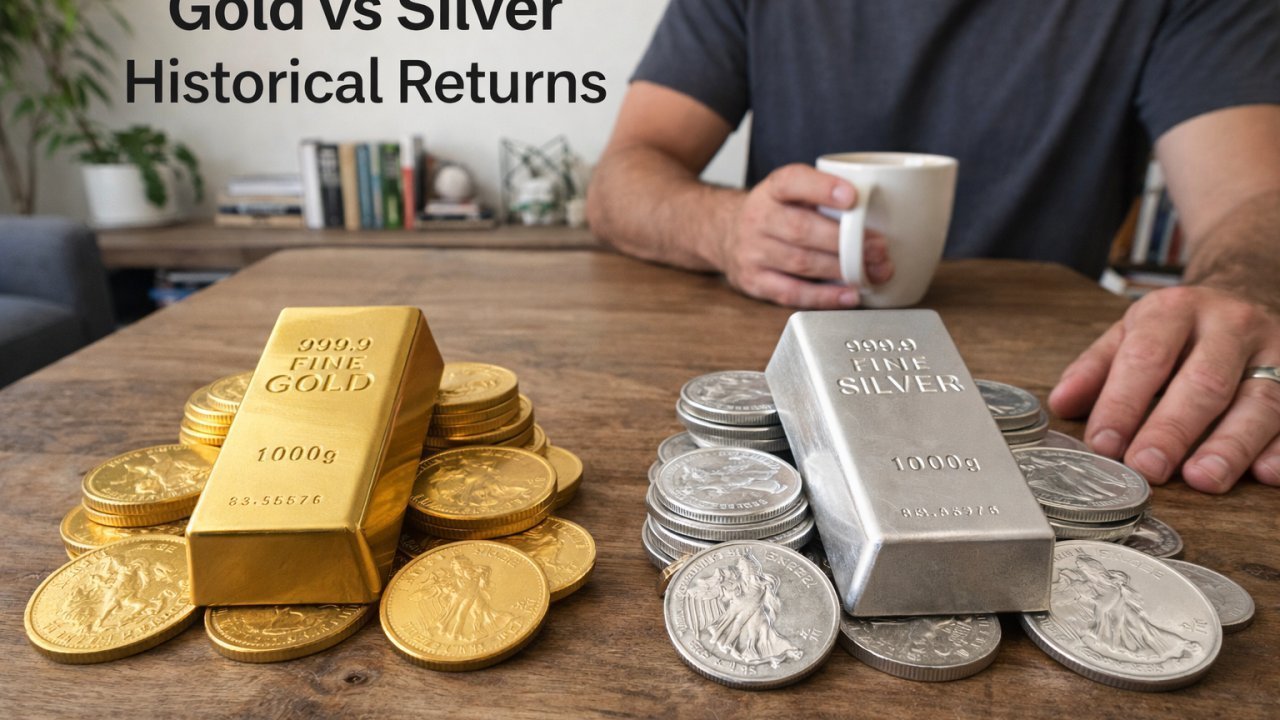
While Karur’s long-standing affinity for gold remains the cornerstone of local wealth preservation, a discernible shift is occurring among the city’s savvy investors. As the textile and export hub continues to thrive, local traders and high-net-worth individuals are increasingly diversifying their portfolios with silver. Unlike gold, which is primarily viewed as a long-term store of value, silver is gaining traction in Karur as a dual-purpose asset—serving both as a hedge against inflation and as an industrial-linked commodity that mirrors the expansion of our local manufacturing sectors.
The current market volatility has prompted many in the Karur jewellery and investment circles to reconsider the silver-to-gold ratio. Because silver exhibits higher price sensitivity, it offers a compelling entry point for those looking to capitalize on cyclical market movements without the high capital outlay required for gold. Furthermore, the rise in demand for silver-based gifting and artisanal silverware within Karur’s burgeoning retail market has added a layer of liquidity that makes the metal more attractive than it has been in decades. Investors are now utilizing silver not just as an aesthetic choice, but as a tactical component of a balanced precious metals strategy, providing a buffer when gold prices consolidate.
Key Takeaway: For Karur investors, silver is evolving from a traditional secondary metal into a strategic asset; consider allocating a portion of your portfolio to silver to benefit from its unique combination of industrial growth potential and its historical role as a hedge against currency fluctuation.