Why is gold price different in Pondicherry?
The price of gold, while primarily driven by global market dynamics, exhibits slight variations from one city to another within India, and Pondicherry is no exception. Several factors contribute to these localized differences in the gold rate in Pondicherry compared to other major cities. Firstly, local taxes and levies, although GST (Goods and Services Tax) is uniform across the nation (3% on the value of gold and 5% on making charges), other minor state-specific taxes or operational costs can subtly influence the final price. Secondly, transportation and logistics costs play a role. Gold needs to be transported from refining centres or import hubs to Pondicherry, and these costs are factored into the retail price. Thirdly, the interplay of local supply and demand is crucial. While gold supply is largely global, local demand fluctuations, cultural significance, and purchasing power can create minor price adjustments. Finally, the overheads and profit margins of individual jewellers in Pondicherry can also lead to variations, as each shop sets its own making charges and operational costs.
Which area or shop is famous for low making charges in Pondicherry?
Finding jewellers with low making charges in Pondicherry requires a bit of research and comparison, as these charges are a significant component of the final price of gold jewellery. Making charges are essentially the cost of designing and crafting the jewellery, expressed either as a percentage of the gold value or a fixed rate per gram. While there isn't one single "famous" area universally known for the absolute lowest charges, prospective buyers should explore the bustling commercial streets. Areas like Mahatma Gandhi Road (MG Road) and Mission Street are prominent hubs for jewellery stores, housing both large national chains and smaller, independent local jewellers. Often, smaller, family-run establishments might offer more competitive making charges due to lower overheads and a willingness to negotiate. It is highly recommended to visit multiple shops, compare their making charge policies, and inquire about any ongoing offers or discounts before making a purchase. Always clarify whether the charges are fixed or negotiable.
Why do gold prices change daily?
The daily fluctuation in gold prices is a complex phenomenon influenced by a myriad of interconnected global and domestic factors. Gold is considered a safe-haven asset, meaning its value tends to rise during times of economic uncertainty or geopolitical instability. Key drivers include: Global Economic Indicators: Factors like interest rate changes by central banks (e.g., US Federal Reserve), inflation rates, and GDP growth figures significantly impact investor sentiment towards gold. Higher interest rates typically make non-yielding assets like gold less attractive. Currency Fluctuations: As gold is globally traded in US Dollars, the exchange rate between the USD and the Indian Rupee (INR) directly affects its price in India. A weaker Rupee makes imported gold more expensive. Geopolitical Events: Wars, political instability, and international trade disputes often lead investors to seek refuge in gold, driving up its demand and price. Supply and Demand Dynamics: While global supply from mines is relatively stable, sudden surges in demand from investors, central banks, or major gold-consuming nations can push prices upwards. Speculative Trading: Futures trading in commodities markets also plays a role, with large institutional investors betting on future price movements.
Gold rates in Pondicherry (22 karat): How do prices change?
For most consumers in Pondicherry, 22 karat gold is the preferred choice for jewellery due to its balance of purity (91.6% gold) and durability. The daily gold rate in Pondicherry for 22 karat gold is directly derived from the international spot price of gold, adjusted for the USD-INR exchange rate, import duties, and other local taxes. Jewellers and financial institutions in Pondicherry update their prices every morning, reflecting these dynamic factors. The change can be observed in various ways: Daily Updates: Prices are revised daily, sometimes even multiple times a day, based on real-time market movements. Trend Analysis: Over a week, month, or year, you can observe trends influenced by major economic news, festival seasons (which boost demand), or global crises. Purity Variation: While 22 karat is standard for jewellery, 24 karat gold (99.9% purity) has a slightly higher per-gram price, primarily used for investments like gold bars or coins. It's crucial for buyers to check the prevailing rates from reliable sources or directly with reputable jewellers in Pondicherry before making a purchase to ensure they are getting a fair deal.
Gold and hallmarking centres in Pondicherry.
In India, the purity of gold jewellery is assured through hallmarking, a certification process governed by the Bureau of Indian Standards (BIS). For consumers in Pondicherry, understanding hallmarking is paramount to ensure they are buying genuine gold. A BIS hallmark on gold jewellery guarantees its purity and fineness, protecting buyers from fraudulent practices. The hallmark consists of several components: the BIS logo, the purity in karats and fineness (e.g., 22K916 for 22 karat gold), the assaying and hallmarking centre's mark, and the jeweller's identification mark. While Pondicherry may not have a large number of publicly listed independent assaying and hallmarking centres readily accessible to individual consumers for testing, all reputable jewellers operating in the city are mandated to sell only BIS-hallmarked gold jewellery. When purchasing gold in Pondicherry, always insist on hallmarked items and look for the distinct BIS mark. This ensures transparency and builds trust, confirming that the gold you are buying meets the declared purity standards.
Top Jewellers in Pondicherry.
Pondicherry, with its rich cultural heritage and a discerning clientele, is home to a variety of jewellery stores, ranging from well-established national chains to trusted local establishments. When looking to buy gold, whether for investment or adornment, choosing a reputable jeweller is key. Among the most prominent names with a strong presence in Pondicherry are: Joyalukkas: A global jewellery retail chain known for its wide range of designs and consistent quality. Malabar Gold & Diamonds: Another leading Indian jewellery group recognized for its diverse collections and customer-centric approach. GRT Jewellers: A South Indian powerhouse with a long-standing legacy, offering traditional and contemporary designs. Tanishq: Part of the Tata Group, Tanishq is synonymous with trust, purity, and innovative designs. Besides these national giants, several local jewellers have built a loyal customer base over decades, offering personalized service and unique handcrafted pieces. It's advisable to visit a few of these establishments, compare their collections, making charges, and customer service to find the best fit for your needs. Always prioritize jewellers who offer BIS-hallmarked gold and transparent pricing.
Supply pressures pushing prices up.
The global supply-demand dynamics significantly influence the price of gold, and several supply-side pressures have historically contributed to upward price movements. Gold is a finite resource, and the process of mining it is increasingly challenging and costly. Declining Discovery Rates: New gold deposits are becoming harder to find, leading to a potential long-term constraint on supply. Rising Extraction Costs: As mines go deeper and become more complex, the cost of extraction, including labour, energy, and environmental compliance, increases, translating to higher production costs. Environmental Regulations: Stricter environmental regulations in mining regions can sometimes halt or slow down production, impacting overall supply. Political Instability in Mining Regions: Many significant gold-producing countries face political instability, which can disrupt mining operations and reduce output. Limited Recycling: While recycled gold contributes to supply, its volume often isn't enough to offset deficits from mining. Coupled with robust demand from central banks, investors seeking safe havens, and growing consumer markets like India, these supply pressures create a conducive environment for gold prices to trend upwards over time.
How to store gold in Pondicherry?
Securing your gold investments is as important as making them. In Pondicherry, individuals have several reliable options for gold storage, each offering different levels of security and convenience. The most traditional and widely trusted method is using bank lockers. Banks in Pondicherry provide safe deposit lockers where you can store physical gold jewellery or coins securely. This option offers high security against theft and fire, though it involves annual rental charges and access limitations. Another increasingly popular and convenient option is digital gold. This allows you to buy and store gold in electronic form without the need for physical possession, eliminating concerns about theft or storage costs. Platforms typically partner with secure vaults to store the equivalent physical gold. For those investing in Sovereign Gold Bonds (SGBs), storage is entirely dematerialized, as SGBs are government securities and do not involve physical gold. Lastly, storing gold at home in a secure safe is an option, but it carries inherent risks of theft and requires adequate insurance coverage, which can be costly. Always weigh the pros and cons of each method based on your investment size, comfort level, and access requirements.
Gold vs Real Estate in Pondicherry.
Choosing between gold and real estate as an investment in Pondicherry involves understanding their distinct characteristics and how they align with your financial goals. Gold is highly liquid, meaning it can be quickly converted into cash. It incurs no maintenance costs (unless stored in a bank locker) and often acts as a hedge against inflation and economic uncertainty. However, gold does not generate rental income and its price can be volatile. Real Estate in Pondicherry, on the other hand, offers the potential for significant capital appreciation, especially given the city's growing tourism and infrastructure development. It can also provide rental income, making it a source of passive earnings. However, real estate is illiquid, meaning it takes time to sell, and involves substantial maintenance costs, property taxes, and transaction fees. The Pondicherry real estate market, with its unique charm and coastal appeal, can offer good long-term returns, but it requires a larger initial investment and greater commitment. For diversification, many investors choose a balanced portfolio, incorporating both gold for liquidity and safety, and real estate for long-term wealth creation and income generation.
What is a Sovereign Gold Bond?
The Sovereign Gold Bond (SGB) scheme, introduced by the Government of India in 2015, is an innovative and secure way to invest in gold without the need to hold physical gold. These bonds are government securities denominated in grams of gold and are issued by the Reserve Bank of India (RBI) on behalf of the government. SGBs offer several compelling advantages: No Storage Issues: Since they are in dematerialized form, there's no concern about safe storage, making charges, or purity. Interest Income: Investors receive a fixed interest rate (currently 2.50% per annum) on their initial investment, paid semi-annually. Capital Appreciation: The redemption price of the bond is linked to the market price of gold at the time of maturity, allowing investors to benefit from potential increases in gold prices. Tax Benefits: Capital gains arising from redemption after eight years are exempt from tax. SGBs are sold through scheduled commercial banks, designated post offices, stock holding corporation, and recognized stock exchanges. They are an excellent option for long-term gold investors in Pondicherry seeking safety, returns, and convenience.
Taxation of gold in Pondicherry.
Understanding the taxation of gold in Pondicherry is crucial for both buyers and sellers, as various taxes apply throughout the gold transaction lifecycle. Goods and Services Tax (GST): A uniform GST is applicable across India. When you purchase gold jewellery or coins, a 3% GST is levied on the value of the gold, and an additional 5% GST is charged on the making charges. These are typically included in the final price you pay at the jeweller. Capital Gains Tax: If you sell gold, any profit made is subject to capital gains tax. If held for less than three years, it's considered a Short-Term Capital Gain (STCG) and is added to your income, taxed as per your slab rate. If held for more than three years, it's a Long-Term Capital Gain (LTCG), taxed at 20% with indexation benefits. TDS (Tax Deducted at Source): If you sell physical gold to a jeweller for more than Rs. 2 lakh, the jeweller is required to deduct TDS at 1%. Wealth Tax: It's important to note that Wealth Tax on gold and other assets was abolished in India from the financial year 2015-16. For investments like Sovereign Gold Bonds (SGBs), capital gains on redemption at maturity are exempt from tax, making them a tax-efficient option. Always consult a tax advisor for specific guidance.
Market Insight: How Global Shifts Shape Pondicherry’s Gold Landscape
Recent turbulence in the international bullion markets, driven largely by shifting US Federal Reserve policy signals and fluctuating Treasury yields, has sent immediate ripples into the jewelry hubs of Pondicherry. As a Union Territory that serves as a vital retail corridor for both locals and neighboring districts like Cuddalore and Villupuram, Pondicherry’s gold rates are a delicate balance of global spot prices and the localized strength of the Indian Rupee. When international markets react to geopolitical tensions, the resulting volatility is often magnified here, as the landed cost of gold is influenced by import duties and currency depreciation.
For those frequenting the prominent showrooms along Mission Street and MG Road, these global macro-trends dictate the timing of high-value purchases. We are currently observing a trend where Pondicherry’s savvy buyers are moving away from impulsive buying, opting instead for a "buy-on-dip" strategy triggered by global price corrections. Unlike larger metros, the Pondicherry market retains a unique competitive edge with slightly varied making charges, making it a strategic destination for investors looking to hedge against global inflation. As the US Dollar remains volatile, the local sentiment remains cautiously optimistic, with gold continuing to serve as the preferred safe-haven asset amidst global economic uncertainty.
Key Takeaway: Keep a close eye on the USD-INR exchange rate alongside global spot trends; in Pondicherry’s high-density retail market, even a minor international price correction can offer a strategic entry point for long-term accumulation before the seasonal wedding demand accelerates.
Expert Tip: Verifying Your Gold Purchase in Pondicherry with the BIS Care App
In the vibrant jewelry hubs of Pondicherry—from the historic storefronts on Mission Street to the modern showrooms lining MG Road—gold remains more than just an investment; it is a cultural cornerstone. However, as local gold prices reflect global market volatility, ensuring you receive the exact purity you pay for is paramount. To safeguard buyers, the Bureau of Indian Standards (BIS) has transitioned to a mandatory HUID (Hallmark Unique Identification) system, and the BIS Care App is the essential digital tool for every Pondy resident looking to validate their 22K or 18K purchases in real-time.
The process is a game-changer for transparency in the local market. Every hallmarked piece now features a unique six-digit alphanumeric code laser-etched alongside the BIS logo. By entering this HUID into the 'Verify HUID' section of the BIS Care App, you can instantly see the jeweler's registration details, the purity of the metal, and the specific date the item was certified. This is particularly useful in Pondicherry, where heritage jewelry is often passed down or traded; the app allows you to distinguish between genuine new-standard hallmarking and older, non-compliant stocks that may not offer the same resale security.
Beyond purity checks, the app serves as a direct line to the authorities. If a showroom near the Grand Bazaar claims a certain purity that doesn't match the app’s data, or if the HUID is missing entirely, the app allows you to file an immediate complaint. For Pondicherry’s discerning buyers, using this technology ensures that your gold is not just a beautiful ornament, but a certified asset that adheres to the highest national standards of integrity.
Key Takeaway: Never rely on verbal assurances alone; always locate the six-digit HUID on your jewelry and verify it through the BIS Care App before leaving the store to ensure your investment is authentic and high-quality.
Navigating Gold Exchanges: Best Practices for Pondicherry Jewellers
For residents of Pondicherry, trading in ancestral gold for modern designs is a long-standing tradition, yet the exchange landscape has evolved significantly. When visiting established showrooms along Mission Street or the bustling jewellers near Nehru Street, it is essential to understand that not all gold is valued equally. Most reputable jewellers in the Union Territory now utilize advanced XRF (X-ray fluorescence) purity testing machines to assess the fineness of your old gold instantly, moving away from the subjective "touchstone" methods of the past. This technological shift ensures greater transparency, but it also means that impurities or lower-karat solders in older pieces will be accurately accounted for in your final valuation.
A critical strategy for consumers is to distinguish between "exchange" and "buy-back" policies. Many Pondicherry jewellers offer higher value—often waiving the typical wastage (making charges) on new jewellery—if you opt for an exchange rather than a cash payout. Furthermore, always ensure you carry your original purchase invoices, even if they are decades old. While hallmarking (BIS) is now the gold standard in Pondicherry, older non-hallmarked jewellery can still be exchanged, but it may be subject to a nominal melting loss deduction. By timing your exchange during festive periods like Diwali or Akshaya Tritiya, you can often leverage seasonal promotions that provide better exchange rates or reduced making charges on the new collection, effectively maximizing the return on your legacy assets.
Key Takeaway: Always prioritize exchanging your old gold for new jewellery rather than selling it for cash, and insist on an XRF purity test at your local Pondicherry jeweller to ensure you receive a fair, market-based valuation for your precious metal.
Navigating Gold Price Variations: Why Pondicherry Stands Apart
For gold investors and jewelry enthusiasts in Pondicherry, understanding the subtle price differentials between the Union Territory and neighboring hubs like Chennai or Bengaluru is crucial. While gold is a globally traded commodity, retail prices in India are influenced by regional factors including transportation costs, local taxation structures, and the specific dynamics of the local bullion market. Unlike major metropolitan centers that often face higher logistical overheads, Pondicherry’s unique fiscal landscape and competitive retail environment frequently allow local jewelers to offer rates that remain highly attractive to both residents and tourists.
The price of 22k and 24k gold in Pondicherry is typically benchmarked against international spot prices, yet it is the local demand-supply equilibrium that dictates the final sticker price. Because Pondicherry serves as a significant shopping destination for neighboring districts in Tamil Nadu, the local market maintains a high velocity of trade. This competitive pressure encourages local jewelers to operate on thinner margins compared to larger corporate chains in Tier-1 cities. Furthermore, since Pondicherry is a Union Territory, the regulatory environment can occasionally offer a more stable pricing experience, shielding consumers from the extreme volatility sometimes seen in larger, more speculative markets.
When tracking daily fluctuations, investors should keep in mind that the "making charges" or wastage percentages often vary more significantly between shops than the base gold rate itself. While the base rate in Pondicherry is consistently competitive, savvy buyers should compare the final total—inclusive of taxes and craftsmanship fees—rather than focusing solely on the per-gram spot price. By keeping an eye on both the daily market updates and the reputation of local heritage jewelers, buyers can ensure they are securing the best value for their investment.
Key Takeaway: While Pondicherry’s base gold rates are often more competitive than those in major metros due to lower logistical costs and high market turnover, always prioritize the total cost of acquisition—including making charges—to ensure you are getting the best deal on your precious metal purchase.
Expert Tip: Navigating Gold Loan Options in Pondicherry
As gold prices continue their dynamic trajectory, many Pondicherry residents are increasingly viewing their precious metal holdings not just as an investment, but as a readily accessible source of liquidity. Gold loans, a popular financial instrument across India, offer a quick and convenient way to secure funds against your gold jewellery or ornaments without having to sell them. In a vibrant city like Pondicherry, with its unique blend of tradition and modern financial needs, understanding your options is paramount to making a well-informed decision.
For those in Pondicherry considering a gold loan, the landscape is diverse, spanning both traditional banks and specialized Non-Banking Financial Companies (NBFCs). Banks like SBI and HDFC often provide competitive interest rates, especially for existing customers, with robust security. NBFCs such as Muthoot Finance and Manappuram Finance are known for rapid processing and flexible repayment, ideal for urgent needs. Crucially, compare Loan-to-Value (LTV) ratios, as these vary. Beyond interest, scrutinize processing fees, foreclosure charges, and valuation transparency. Local recommendations or online reviews for specific branches can offer valuable insights. Whether for business expansion, education, or unexpected costs, a well-researched gold loan can be a powerful financial tool, offering peace of mind while your gold remains securely pledged.
Key Takeaway: In Pondicherry, compare offers from both banks and NBFCs, focusing on interest rates, LTV, and all associated charges, to secure the most advantageous gold loan for your specific needs.
Market Insight: Navigating Global Volatility in Pondicherry’s Gold Market
The gold market in Pondicherry is currently experiencing a ripple effect from heightened global economic uncertainty. As central banks across major economies grapple with fluctuating interest rates and geopolitical tensions, the international spot price of gold has seen significant volatility. For local jewelers along the bustling streets of Mission Street and Nehru Street, this global instability translates into rapid, day-to-day price adjustments that require cautious navigation for both buyers and investors.
While Pondicherry’s gold market is often influenced by national trends in Chennai and Mumbai, it maintains a unique character driven by its strong retail demand. During periods of global market turbulence, we typically observe a “flight to safety,” where local residents increasingly view gold as a hedge against inflation. However, the current price swings mean that the cost of 22-carat and 24-carat gold is shifting more frequently than historical averages. Investors in the Union Territory should pay close attention to the strengthening or weakening of the rupee against the dollar, as this currency dynamic often dictates whether global price drops are fully reflected in our local showrooms.
For those looking to make a purchase, the current environment demands patience. Rather than reacting to daily news cycles, it is advisable to track the moving averages over a two-week period. By understanding that Pondicherry’s gold prices are inextricably linked to international bullion benchmarks, buyers can better time their acquisitions to avoid the premium spikes that often follow sudden global market shocks.
Key Takeaway: In the current volatile climate, prioritize staggered buying—investing in smaller, regular amounts rather than lump sums—to effectively mitigate the risks posed by sharp global price fluctuations.
Expert Tips: Smart Gold Buying in Pondicherry This Festival Season
As the festive fervor grips the streets of Pondicherry—from the bustling corridors of Mission Street to the traditional jewelry hubs near the Promenade—gold remains the quintessential investment for local families. However, with market volatility influencing spot prices, savvy buyers should look beyond the aesthetic appeal of 22-karat ornaments. During peak festive windows, local jewelers often introduce "making charge" (wastage) waivers or promotional discounts. We advise residents to prioritize hallmarked jewelry (BIS 916) to ensure the purity of their investment, as the hallmark remains the only verifiable guarantee of quality amidst the competitive festive pricing.
Timing your purchase is equally critical. In Pondicherry, the local market often sees a surge in demand during auspicious days like Akshaya Tritiya or the lead-up to Deepavali. To secure the best value, consider tracking the daily gold rates in the Puducherry region early in the morning, as prices are typically updated to reflect global bullion trends. If you are purchasing for long-term wealth preservation rather than immediate wear, consider opting for gold coins or bars from reputable local outlets, which often carry lower making charges compared to intricate designer jewelry. By balancing your festive sentiment with a strategic approach to price monitoring, you can ensure that your gold purchase serves as both a beautiful tradition and a robust financial hedge.
Key Takeaway: Always verify the BIS Hallmark and compare the 'making charges' across multiple jewelers in Pondicherry before finalizing your purchase; buying during mid-week or off-peak hours can often help you avoid the festive rush and secure better customer service.
Silver: The Strategic Alternative for Pondicherry Investors
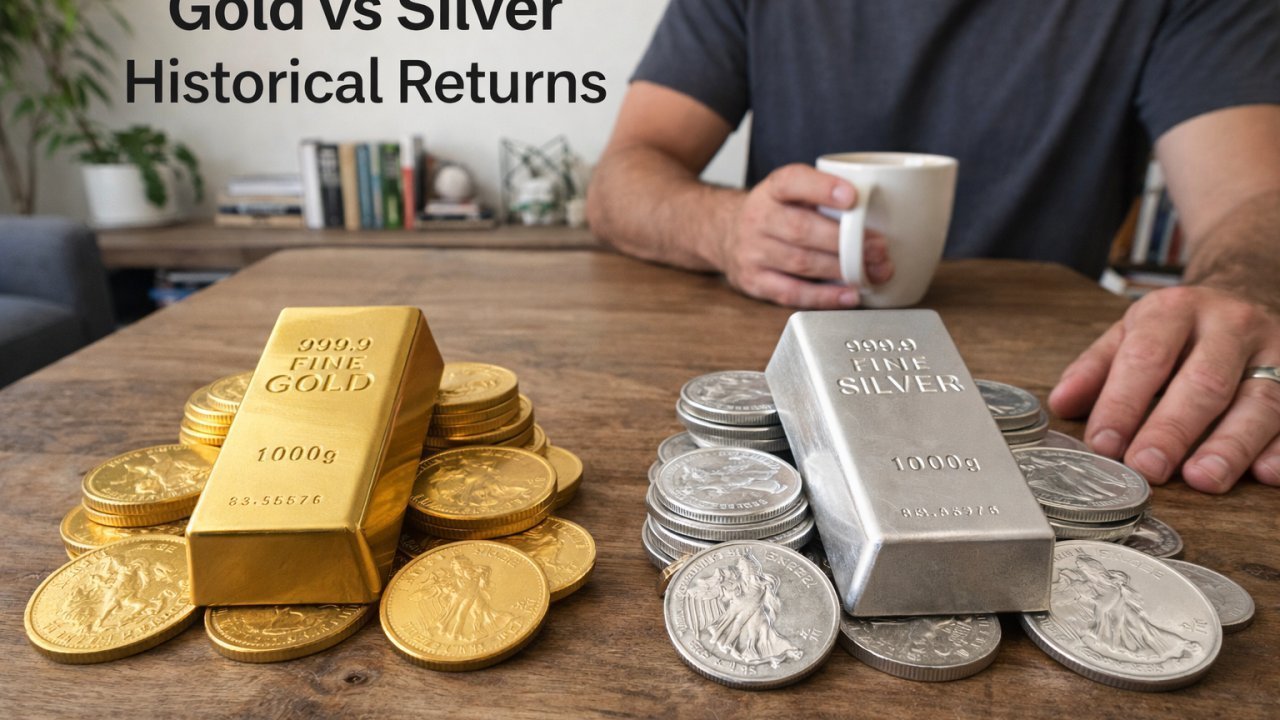
While gold remains the bedrock of traditional savings in Pondicherry, a growing number of savvy local investors are diversifying their portfolios with silver. Historically seen as the "poor man’s gold," silver has shed that label in recent quarters, increasingly behaving as a high-beta industrial commodity. With the expansion of the electronics and green energy sectors in the nearby industrial corridors of Tamil Nadu, the demand for physical silver—beyond its ornamental appeal—has seen a measurable uptick among Pondicherry’s retail investors.
For those navigating the local bullion markets around Mission Street and the bustling jewelry hubs of the French Quarter, silver offers a lower entry point compared to gold, allowing for consistent, incremental accumulation. Unlike gold, which is primarily driven by geopolitical hedging, silver’s price trajectory is uniquely sensitive to industrial supply-demand dynamics. As global manufacturing pivots toward renewable technologies, the long-term outlook for silver remains bullish, providing a tactical hedge for Pondicherry residents looking to balance their exposure to precious metals without the significant capital outlay required for high-karat gold.
Key Takeaway: Silver serves as an excellent entry-level diversification tool for Pondicherry investors; consider allocating a portion of your precious metal budget to silver bars or coins to capitalize on its dual role as both a safe-haven asset and a vital industrial commodity.
Maximizing Value: The Evolving Gold Recycling Landscape in Pondicherry
As gold prices continue to fluctuate in the Puducherry market, many residents are looking beyond traditional pawnbroking to unlock the liquidity hidden in their old or unused jewelry. The local gold recycling ecosystem has become increasingly sophisticated, shifting away from informal neighborhood exchanges toward professional refining services that utilize XRF (X-ray fluorescence) technology. This shift is crucial for sellers in Pondicherry, as it ensures that the purity of your gold is assessed with scientific precision rather than subjective estimation, directly impacting the final payout you receive.
When engaging with recycling services near Mission Street or the bustling markets surrounding the Grand Bazaar, it is essential to prioritize transparency. Reputable refiners in the region are now offering real-time price matching based on the daily MCX (Multi Commodity Exchange) rates, adjusted for the specific karat weight of your items. Before committing to a sale, ensure the establishment provides a detailed breakdown of the gold's net weight—after subtracting the weight of stones, enamel, or wax—and confirms the current deduction for refining charges. By treating your old gold as a financial asset rather than a sentimental burden, you can effectively capitalize on current market highs.
Key Takeaway: To secure the best return on your gold in Pondicherry, always verify the purity using a professional XRF machine and compare the refiner’s offer against the live daily bullion rate, ensuring that all non-gold components are accurately accounted for before the final valuation.
Beyond the Jeweler’s Counter: Why Pondicherry Investors are Pivoting to SGBs
For residents of Pondicherry, the tradition of purchasing physical gold—whether for festive occasions like Diwali or as a hedge against inflation—remains deeply embedded in our local culture. However, as gold prices reach new peaks, savvy investors in the Union Territory are increasingly shifting their focus toward Sovereign Gold Bonds (SGBs). Unlike physical jewelry or bars, which carry the dual burden of making charges and significant storage risks, SGBs offer a streamlined, digital alternative backed directly by the Reserve Bank of India.
The primary advantage for Pondicherry investors lies in the dual-yield mechanism. While physical gold merely sits in a locker, SGBs provide a guaranteed annual interest rate of 2.5%, paid semi-annually. Furthermore, the capital gains tax exemption upon maturity provides a distinct fiscal edge for those holding these bonds for the full eight-year tenure. By choosing SGBs, you effectively eliminate the "making charges" that often erode 10% to 20% of your investment value at the point of sale in local jewelry showrooms, while simultaneously removing the persistent worry of security and theft.
In a city where gold is often synonymous with long-term wealth preservation, SGBs represent the modern evolution of this heritage. They allow you to maintain your exposure to the yellow metal’s price appreciation without the logistical headaches of physical maintenance. As global markets fluctuate, shifting a portion of your portfolio from physical assets to government-backed securities is a prudent move to protect your capital while earning a steady income stream.
Key Takeaway: Sovereign Gold Bonds offer Pondicherry investors a triple benefit: zero making charges, a 2.5% annual interest payout, and total capital gains tax exemption at maturity, making them a superior, risk-free alternative to holding physical gold.
Decoding Making Charges: Negotiating Gold Jewelry in Pondicherry
In the bustling jewelry hubs of Pondicherry—from the traditional lanes near the Manakula Vinayagar Temple to the polished showrooms along Mission Street—understanding "making charges" (wastage) is the single most effective way to secure a better deal. Unlike the standardized gold spot price, making charges are highly subjective. They represent the labor and craftsmanship involved in transforming raw bullion into intricate designs, typically ranging from 6% to 20% of the gold value depending on the complexity of the piece.
To negotiate effectively, approach your jeweler with a clear distinction between the gold rate and the labor cost. Before settling on a price, ask for the "net weight" of the gold and the specific percentage applied for making charges. In Pondicherry’s competitive market, jewelers are often willing to offer a discount on these charges, especially if you are purchasing heavy bridal sets or multiple items. Always compare quotes from at least two reputable local establishments; if a boutique on Nehru Street quotes a significantly higher wastage percentage for a similar machine-made chain found elsewhere, use that information as leverage to bring the price down.
Furthermore, be wary of "flat-rate" making charges. These are often used to mask higher margins on lightweight jewelry. Instead, push for a transparent breakdown. If you are a returning customer, don’t hesitate to leverage your loyalty, as local Pondicherry jewelers value long-term relationships over one-off sales. Bringing an informed, polite, yet firm demeanor to the negotiation table can often result in a reduction of 2-5% on the total making charges.
Key Takeaway: Never accept the initial making charge quote as final; always negotiate the wastage percentage separately from the gold price, and use competitive quotes from neighboring shops to ensure you are paying for craftsmanship, not just brand premiums.
Expert Tip: Ensuring Gold Purity with the BIS Care App in Pondicherry
In a vibrant city like Pondicherry, where gold holds significant cultural and investment value, ensuring the purity of your purchase is paramount. With the festive season often prompting gold acquisitions, and with the local market offering a mix of traditional and modern jewellers, buyers often wonder how to confidently verify their precious metals. Fortunately, the Bureau of Indian Standards (BIS) has provided an invaluable tool: the BIS Care App, making purity checks simpler and more transparent than ever before.
Gone are the days of relying solely on a jeweller's word. The BIS Care App empowers you to instantly verify the authenticity and purity of BIS-hallmarked gold jewellery right from your smartphone. When purchasing gold in Pondicherry – whether from a bustling shop on Mission Street or a contemporary showroom – always look for the BIS hallmark featuring the unique six-digit Alphanumeric HUID (Hallmarking Unique ID) number. Simply download the BIS Care App, navigate to the 'Verify HUID' section, and enter this number. The app will then display comprehensive details about the jewellery, including its purity (e.g., 22K), the jeweller's name, and the hallmarking centre's details, ensuring what you see is truly what you get.
This initiative by the Indian government, mandating hallmarking for gold jewellery, is a game-changer for consumers in Pondicherry. It not only builds immense trust but also protects buyers from potential malpractices, ensuring fair value for their hard-earned money. By taking a few moments to use the BIS Care App, you're not just buying gold; you're investing in peace of mind, confident in the purity and authenticity of your cherished acquisition.
Key Takeaway: Always use the BIS Care App to verify the HUID number on your hallmarked gold jewellery in Pondicherry for assured purity and transparency.