Ratlam, often referred to as the "Gold City" of Madhya Pradesh, holds a prestigious position in Central India's bullion market. Known for its purity and the deep-rooted trust of its jewelers, Ratlam attracts buyers not just from the state but from across the country. Whether you are a seasoned investor or a first-time buyer looking for wedding jewelry, understanding the nuances of the local market is essential. This guide provides a deep dive into the factors influencing gold prices, the best places to shop, and how to navigate the gold investment landscape in Ratlam.
1. Why is gold price different in Ratlam?
If you compare the gold rates in Ratlam with major metros like Mumbai or Delhi, you will often notice a slight variation. Several factors contribute to this price disparity. Firstly, transportation and logistics play a role. Gold is primarily imported through major ports; the cost of transporting physical gold to an inland city like Ratlam adds a marginal premium to the base price.
Secondly, the Ratlam Sarafa Association plays a pivotal role in determining the daily local rates. While global prices set the foundation, the local association adjusts the rates based on regional demand and supply. During local festivals or the peak wedding season in Madhya Pradesh, the high demand can lead to a slightly higher premium compared to other cities. Additionally, state-level levies and octroi (though largely replaced by GST) historically influenced these rates, and the legacy of local operational costs continues to reflect in the final price offered by local retailers.
2. Which area or shop is famous for low making charges in Ratlam?
For those looking to get the best value for their money, the Sarafa Bazaar and the Chandni Chowk area in Ratlam are the go-to destinations. These areas are the heartbeat of the city's gold trade, housing hundreds of small and large shops. Because of the high density of jewelers in these traditional markets, the competition is fierce, which often works in the favor of the consumer.
While many large showrooms have fixed making charges, the family-run shops in the inner lanes of Sarafa Bazaar are often more flexible. Making charges in these areas can range from 8% to 15%, whereas high-end designer boutiques might charge upwards of 20%. Shops like DP Jewellers (D.P. Abhushan) and other heritage establishments in the main market are known for their transparency, but for the absolute lowest making charges, exploring the skilled independent artisans in the narrow lanes of the old city is recommended. Always remember to negotiate, especially when purchasing heavy jewelry or multiple items.
3. Why do gold prices change daily?
Gold is a global commodity, and its price is in a constant state of flux. The primary driver is the International Market, specifically the London Bullion Market Association (LBMA) and the COMEX. Since gold is traded in US Dollars, the USD to INR exchange rate is a critical factor. If the Indian Rupee weakens against the Dollar, the price of gold in Ratlam will rise, even if the international price remains stable.
Other factors include:
- Central Bank Reserves: When the Reserve Bank of India (RBI) or other central banks increase their gold reserves, prices tend to move upward.
- Interest Rates: There is an inverse relationship between interest rates and gold. When the US Federal Reserve raises interest rates, gold prices often dip as investors move toward interest-bearing assets.
- Inflation: Gold is considered a hedge against inflation. When inflation rises, the purchasing power of currency drops, leading investors to flock to gold, thereby pushing prices up.
- Geopolitical Tensions: Wars or political instability create uncertainty, making gold a "safe haven" asset.
4. Gold rates in Ratlam (22 karat): How do prices change?
In Ratlam, 22-karat gold is the standard for jewelry making. Unlike 24-karat gold, which is 99.9% pure and too soft for intricate designs, 22-karat gold contains 91.6% gold mixed with other metals like copper or zinc to provide durability. The price of 22k gold is directly derived from the 24k rate. Typically, the 22k rate is calculated as roughly 92% of the 24k price, plus a small margin for the local jeweler.
Prices change daily at approximately 10:30 AM or 11:00 AM when the local Sarafa Association releases the day’s "opening rate." Throughout the day, if there is significant volatility in the global market, retailers may adjust their prices. In Ratlam, the 22k rate is particularly sensitive to the agricultural cycle. Since Ratlam is a major agricultural hub (famous for its sev and grains), a good harvest season often leads to a surge in rural demand, which can cause local prices to firm up compared to national averages.
5. Gold and hallmarking centres in Ratlam.
Purity is the hallmark of the Ratlam gold market. To protect consumers, the Government of India has made BIS Hallmarking mandatory. A hallmarked piece of jewelry in Ratlam will carry the BIS logo, a purity mark (e.g., 22K916), and a unique HUID (Hallmark Unique Identification) number. This HUID ensures traceability and guarantees that the consumer is getting exactly what they pay for.
Ratlam has several government-recognized Assaying and Hallmarking Centres. These centers serve as third-party auditors for jewelers. When buying gold in Ratlam, always insist on seeing the HUID through a magnifying glass and verify it on the BIS Care App. This practice has significantly reduced the instances of "under-karatage" which was a concern in decades past. Most reputable showrooms in the city now exclusively stock hallmarked 22k and 18k jewelry.
6. Top Jewellers in Ratlam.
Ratlam is home to some of the most trusted names in the Indian jewelry industry. The city’s jewelers are known for their craftsmanship, particularly in antique Jadau and Meenakari work. Some of the top names include:
- DP Jewellers (D.P. Abhushan Ltd): Perhaps the most famous name originating from Ratlam, they have a massive national presence and are known for their vast collection and transparency.
- Kataria Jewellers: A household name in the city, offering a wide range of traditional and contemporary designs.
- Badshah Jewellers: Known for their intricate bridal collections and long-standing reputation in the Sarafa Bazaar.
- Ratlam Jewellers: A staple for local residents seeking reliable daily-wear gold items.
These establishments have contributed to Ratlam's reputation as a "City of Purity," where the trust between the jeweler and the customer often spans generations.
7. Supply pressures pushing prices up.
Supply chain dynamics heavily influence the cost of gold in Ratlam. India imports the vast majority of its gold. Therefore, Import Duty and Agriculture Infrastructure and Development Cess (AIDC) are the biggest supply-side pressures. Any hike in these duties by the Central Government results in an immediate price spike in the Ratlam market.
Furthermore, during peak seasons like Dhanteras or Akshaya Tritiya, the physical supply of gold bars and coins can become tight. Local wholesalers in Ratlam may charge a "premium" over the market rate to fulfill immediate delivery requests. Logistics also play a part; since Ratlam is a transit point between Rajasthan and Gujarat, any disruptions in regional transport can lead to temporary supply crunches, further pushing the local prices up compared to the base bullion rates in Mumbai.
8. How to store gold in Ratlam?
Once you have purchased gold, security becomes the primary concern. In Ratlam, traditional methods and modern banking solutions coexist.
- Bank Lockers: Most residents prefer lockers in nationalized banks like State Bank of India (SBI) or Punjab National Bank (PNB) located in the city center. These offer high security, though there is an annual rental fee and often a waiting list.
- Home Safes: Many households still use heavy iron safes (tijoris). If storing at home, it is advisable to install high-quality digital lockers and home security cameras.
- Jewelry Insurance: A rising trend in Ratlam is opting for jewelry insurance. Many general insurance companies now offer "all-risk" covers that protect against theft, loss, and accidental damage, both inside and outside the home.
- Digital Gold: For those who don't want the hassle of physical storage, buying digital gold through apps is an option, where the gold is stored in insured vaults by the provider.
9. Gold vs Real Estate in Ratlam.
In a growing city like Ratlam, investors often debate between gold and real estate. Gold offers high liquidity; you can walk into any shop in Sarafa Bazaar and convert your gold into cash within an hour. It also requires a much smaller entry capital compared to land. Culturally, gold is preferred for its portability and its role in social ceremonies.
On the other hand, Real Estate in developing areas of Ratlam (like the outskirts near the new 8-lane expressway) offers the potential for higher capital appreciation over decades. However, real estate is illiquid and involves complex paperwork and maintenance. For the average Ratlam family, a balanced portfolio usually involves gold for security and emergency liquidity, and real estate for long-term wealth building.
10. What is a Sovereign Gold Bond?
For investors in Ratlam who are more interested in price appreciation than physical jewelry, Sovereign Gold Bonds (SGBs) are an excellent alternative. Issued by the RBI on behalf of the Government of India, SGBs are "paper gold."
- Interest: You earn a fixed interest (usually 2.5% per annum) on the initial investment, paid semi-annually.
- Tax Benefits: If held until maturity (8 years), the capital gains are completely tax-free.
- Safety: There is no risk of theft or the cost of storage/lockers.
- Purity: You don't have to worry about the purity of the gold or making charge deductions during resale.
SGBs can be applied for through local banks in Ratlam or through online demat accounts, often at a discount of Rs. 50 per gram compared to the physical market price.
11. Taxation of gold in Ratlam.
Understanding the tax implications is crucial for any gold buyer in Ratlam. When you buy physical gold, you must pay a GST of 3% on the total value (Gold value + Making charges). This is a standard national rate. Always ensure your jeweler provides a "GST Invoice" to ensure the legality of your purchase.
When selling gold, Capital Gains Tax applies. If you sell the gold within three years of purchase, it is considered a Short-Term Capital Gain (STCG) and is taxed as per your income tax slab. If sold after three years, it is a Long-Term Capital Gain (LTCG), taxed at 20% with indexation benefits (though recent budget changes may apply, so consult a local CA). It is important to keep all purchase receipts safely to calculate the "cost of acquisition" and minimize your tax liability during resale.
Expert Tip: Navigating Gold Loan Opportunities in Ratlam’s Thriving Market
As one of Madhya Pradesh’s premier bullion hubs, Ratlam maintains a unique position where gold is not just an ornament but a dynamic financial instrument. With the city’s reputation for high-purity gold trading, particularly around the historic Manek Chowk area, local lenders often view Ratlam’s gold assets with high credibility. For residents looking to unlock liquidity, the current market trend shows a shift toward 'Digital Gold Loans' offered by major NBFCs and nationalized banks in the city. These services allow borrowers to leverage their holdings at competitive interest rates, often starting as low as 8.5% to 9% per annum, depending on the Loan-to-Value (LTV) ratio and current market volatility.
In the local Ratlam context, it is essential to distinguish between traditional moneylenders and institutionalized gold loan providers. While local jewelers may offer immediate cash, institutional lenders in the city are now providing 'Overdraft Facilities' against gold, which is particularly beneficial for Ratlam’s small-scale traders and entrepreneurs. This allows you to pay interest only on the amount utilized, rather than the entire sanctioned loan. Given the recent fluctuations in gold prices, experts suggest opting for shorter tenure loans to mitigate the risk of margin calls if the gold rate dips significantly, ensuring your family heirlooms remain secure while providing the necessary capital for your immediate needs.
Key Takeaway: Before pledging your assets in Ratlam, compare the LTV ratios of at least three different institutions and prioritize those offering 'Doorstep Gold Loans' for added security and transparency in valuation.
Expert Tip: Timing Your Purchase in Ratlam’s Historic Gold Market
Ratlam has long been a cornerstone of Central India’s gold trade, renowned for the exceptional purity standards of its bullion. For buyers navigating the bustling lanes of the local Sarafa Bazaar, timing is as critical as the carat weight. While international spot prices move continuously, local jewelers in Ratlam generally synchronize their daily rates by 11:30 AM, following the initial price discovery on the Multi Commodity Exchange (MCX). Purchasing the moment shutters open can be a gamble, as morning rates often include a "volatility buffer" to protect sellers against sudden opening spikes.
The strategic "sweet spot" for savvy investors in Ratlam typically falls between 1:30 PM and 3:30 PM. During this mid-afternoon window, the domestic market has usually digested the morning’s opening cues, and the high-impact volatility associated with the London and New York market openings has not yet fully hit the Indian tickers. This period of relative stability provides a clearer picture of the day's price floor. Furthermore, visiting heritage showrooms during these off-peak hours—specifically on Tuesdays or Wednesdays—allows for more personalized attention and better leverage when negotiating making charges, which can fluctuate based on showroom footfall.
Key Takeaway: Aim for the mid-afternoon window (1:30 PM – 3:30 PM) on weekdays to avoid the "opening bell" volatility and secure the most transparent rates in Ratlam’s competitive jewelry market.
Expert Tip: Unlocking Value – Gold Recycling and Refining in Ratlam
As gold prices continue their dynamic dance on global and local stages, Ratlam, with its rich heritage in precious metals, presents a unique and timely opportunity for residents to unlock the hidden value in their old or unused gold. Beyond just buying and selling, the local gold recycling and refining ecosystem is growing, offering a smart and sustainable way to convert forgotten heirlooms or outdated jewellery into immediate cash or new, fashionable pieces. This isn't just about selling scrap; it's about responsibly re-integrating precious resources back into the economy, contributing to environmental sustainability while benefiting from current market highs.
For those considering this option, Ratlam's established jewellers and specialized refiners offer transparent and efficient services. They employ modern techniques to accurately assess the purity of your gold, ensuring you receive a fair market value based on live rates. Whether it's an old chain, a broken earring, or a piece that no longer suits your style, these local services provide a hassle-free process. Many Ratlam establishments are equipped with advanced karat meters and precise weighing scales, ensuring complete transparency during evaluation. It’s a pragmatic approach for families looking to declutter, finance a new purchase, or simply capitalize on their assets without the complexities of the broader investment market.
When choosing a gold recycling or refining service in Ratlam, look for reputable businesses known for their integrity and clear pricing policies. Inquire about their refining process and how they determine the final value. A trustworthy refiner will always provide a detailed breakdown, linking their offer directly to the live gold rates, specific to the purity of your item. Engaging with local experts not only ensures a secure and fair transaction but also supports Ratlam's vibrant jewellery industry, keeping the economic cycle strong and beneficial within the community.
Key Takeaway: Ratlam's gold recycling services offer a transparent, efficient, and financially astute way to monetize your unused gold, contributing to both personal wealth and local economic sustainability.
Market Insight: Global Volatility and the Ratlam Gold Pulse
The gold market in Ratlam, often referred to as the 'Gold City of Madhya Pradesh' due to its deep-rooted tradition of intricate craftsmanship, is currently navigating a period of heightened sensitivity. Recent fluctuations in global bullion prices—driven primarily by shifting U.S. Federal Reserve interest rate expectations and geopolitical tensions in the Middle East—have created a ripple effect that is felt acutely in the local sarafa markets. As international spot prices react to dollar index volatility, Ratlam’s jewelers are observing a trend where local demand remains resilient despite the climb in prices, fueled largely by the city's unique cultural appetite for investment-grade gold and bridal jewelry.
For investors and buyers in Ratlam, these global shifts translate into a tightening of the daily price gap. While international markets dictate the base rate, local factors such as import duty adjustments and the specific demand-supply dynamics of the Malwa region play a critical role in the final retail price. Local traders are noting that when global uncertainty spikes, there is a distinct shift in Ratlam’s consumer behavior: buyers are moving away from speculative short-term purchases and instead focusing on long-term accumulation of 22k and 24k gold coins and bars, viewing them as a hedge against currency depreciation.
Key Takeaway: While global macroeconomic trends provide the baseline for price swings, Ratlam’s market is highly localized; keep a close watch on both international spot trends and the daily updates from the local Ratlam Sarafa Association to time your purchases effectively during periods of volatility.
Festival Season Strategy: Navigating the Ratlam Gold Market
As the festive fervor picks up in Ratlam, the city’s bustling jewelry corridors—from the historic lanes near the station to the modern showrooms of Station Road—are witnessing a surge in footfall. For residents, gold is more than just an ornament; it is a time-honored tradition deeply woven into the fabric of local celebrations. However, with gold prices exhibiting significant volatility in the global markets, savvy buyers are looking beyond mere sentiment. This season, local experts suggest prioritizing certified jewelry, specifically looking for the BIS Hallmark (916 purity for 22k gold), which has become the gold standard for trust among Ratlam’s discerning families.
Timing your purchase is equally critical. While buying during auspicious days like Dhanteras or Pushya Nakshatra remains a cultural preference, the premium on making charges often peaks during these windows. To maximize your investment, consider pre-booking your gold or opting for lightweight, contemporary designs that minimize labor costs without compromising on the aesthetic appeal that Ratlam’s jewelry market is famous for. Keep a close watch on the daily price fluctuations in the local Ratlam bullion market, as regional demand often creates a slight premium compared to national averages. By balancing tradition with market awareness, you can ensure your festive acquisitions remain both auspicious and financially sound.
Key Takeaway: Prioritize BIS Hallmarked gold to guarantee purity and consider pre-booking your purchases before the peak festival rush to avoid inflated making charges and ensure better value for your investment.
Festival Season Gold Buying: A Strategic Guide for Ratlam Jewelers
As the festive fervor grips Ratlam—from the bustling corridors of Station Road to the traditional jewelry hubs near the city’s heart—gold purchasing remains a quintessential part of local celebrations. With auspicious occasions like Dhanteras and Diwali approaching, the city’s jewelers are witnessing a surge in demand for both 22-karat traditional ornaments and 24-karat investment coins. However, navigating the current market volatility requires more than just sentiment; it demands a keen eye on the prevailing price trends and quality assurance.
For residents of Ratlam, the best strategy this season is to prioritize BIS Hallmark certification above all else. Given the local preference for intricate, heavy-set bridal jewelry, ensuring the purity of the gold is paramount. We recommend tracking the daily price fluctuations specifically for the Ratlam market, as local levies and making charges can vary significantly compared to national averages. Furthermore, consider staggering your purchases; if you are looking to invest in bullion, buying in smaller denominations during minor price dips can help average out your cost, shielding your portfolio from sudden market spikes.
Beyond the aesthetics of the craft, remember that the "making charges" (wastage) are a negotiable component of your purchase. In a competitive market like ours, savvy buyers often compare rates across established local boutiques before finalizing their investment. By staying informed about the global spot price trends and matching them with local market sentiment, you can ensure that your festive gold purchase serves as both a beautiful adornment and a robust hedge against inflation.
Key Takeaway: Prioritize BIS Hallmark jewelry and negotiate making charges based on current market trends to ensure your festive investment in Ratlam offers both aesthetic value and long-term financial security.
Beyond Gold: The Growing Allure of Silver in Ratlam’s Investment Landscape
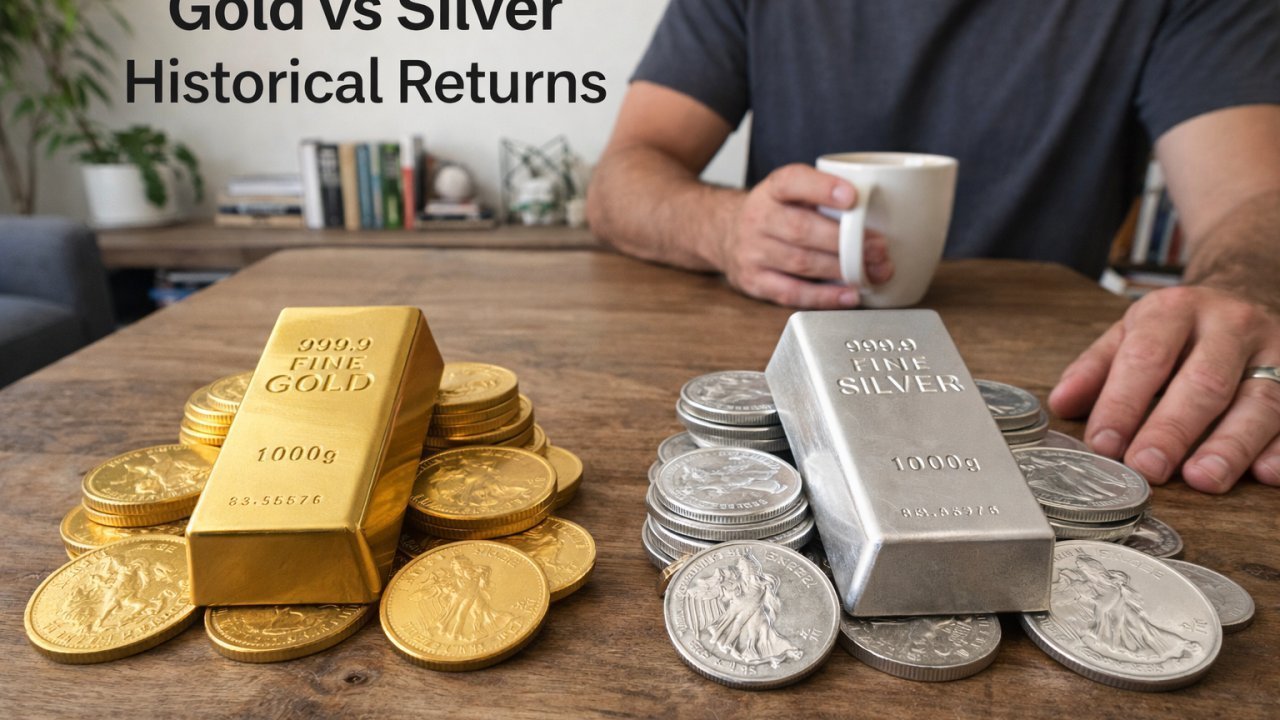
While gold has long held its position as the traditional bedrock of household savings in Ratlam, local market dynamics are shifting. As jewelers in the bustling Sarafa Bazaar observe, silver is increasingly being viewed not just as a decorative metal, but as a strategic portfolio diversifier. With industrial demand rising and price volatility often presenting lower entry barriers compared to gold, savvy Ratlam-based investors are finding that silver provides a tactical hedge, particularly for those looking to balance their exposure to precious metals without the significant capital outlay required for gold bullion.
The sentiment among local traders reflects a broader trend of financial maturation in the region. Many households that historically prioritized gold for its cultural significance are now diversifying into silver coins and bars during price corrections. This shift is bolstered by the metal’s dual role as both a store of value and a vital industrial commodity in the green energy sector. For the Ratlam investor, keeping a pulse on the gold-silver ratio has become an essential practice; when the gap widens, local buyers are increasingly pivoting to silver as a high-potential alternative, mirroring the sophisticated strategies seen in larger metropolitan financial hubs.
Key Takeaway: In the current economic climate, silver serves as a high-liquidity, lower-cost alternative to gold, offering Ratlam investors a practical way to participate in the precious metals market while capitalizing on its growing industrial utility.
Ensuring Authenticity: Verifying Gold Purity in Ratlam’s Bustling Markets
Ratlam has long been a prominent hub for gold trade in the Malwa region, with generations of residents placing their trust in the traditional craftsmanship found along the city's vibrant Sarafa Bazaar. However, as the gold market evolves, so does the importance of digital verification. With hallmarked jewelry becoming the gold standard for consumer protection, knowing how to validate your purchase is no longer just a recommendation—it is a necessity for every savvy buyer in Ratlam.
The Bureau of Indian Standards (BIS) has streamlined this process through the BIS Care App, a digital tool that puts transparency directly into your hands. Once you purchase hallmarked gold from a licensed jeweler in Ratlam, look for the unique six-digit alphanumeric HUID (Hallmark Unique Identification) code stamped on the piece. By entering this code into the 'Verify HUID' feature on the app, you can instantly access the jeweler's details, the purity of the gold (such as 22K916), and the date of hallmarking. This simple step ensures that the investment you make in your family’s future is backed by official government certification.
In a city where gold is deeply intertwined with cultural celebrations and long-term financial planning, the BIS Care App serves as a digital safeguard against counterfeit products. Whether you are purchasing gold coins or intricately designed bridal sets, taking a moment to verify your jewelry before leaving the store empowers you as a consumer and keeps the local trade ecosystem honest and reliable.
Key Takeaway: Always insist on a bill that includes the HUID number for your purchase; use the BIS Care App to verify the code immediately to ensure you are receiving the exact purity you paid for.
Maximizing Value: The Gold Recycling Landscape in Ratlam
As the gold market in Ratlam experiences sustained volatility, local investors and households are increasingly turning toward professional refining services to unlock the hidden value in dormant assets. Ratlam, long recognized as a significant hub for traditional craftsmanship and jewelry trade in the Malwa region, has seen a modernization in how old gold is processed. Rather than relying on neighborhood pawn shops, savvy residents are now opting for certified gold refineries that utilize XRF (X-ray fluorescence) technology to provide precise purity assessments, ensuring sellers receive the true market value based on current 24-karat spot prices.
For those looking to liquidate legacy jewelry or broken ornaments, the shift toward transparent refining is a financial game-changer. Modern refining units in and around the Ratlam industrial areas now offer immediate digital payments and transparent weight verification, effectively eliminating the "melting loss" deductions that historically disadvantaged consumers. Whether you are rebalancing your investment portfolio or clearing out an old locker, the key to a profitable transaction lies in timing your sale with the current market peaks and ensuring you engage with BIS-hallmarked centers that guarantee fair assaying standards.
Key Takeaway: Before selling your gold in Ratlam, always verify the purity via an independent XRF machine and check the daily spot price; opting for a facility that provides a transparent, non-destructive assay report will ensure you capture the maximum possible value for your precious metal assets.
Maximizing Value: The Rise of Professional Gold Refining in Ratlam
As gold prices continue to fluctuate in the Ratlam bullion market, many local households and investors are re-evaluating their dormant assets. Ratlam, a city with a deep-rooted cultural affinity for gold jewelry, is witnessing a significant shift toward professional gold recycling. Rather than relying on traditional exchange methods, where purity assessments can be subjective and often disadvantageous to the seller, residents are increasingly turning to modern, transparent refining services that utilize advanced XRF (X-Ray Fluorescence) technology.
The advantage of utilizing a certified refinery in the Ratlam region lies in the precise extraction of gold content. When you trade in old jewelry at a standard retail outlet, the "melting loss" is often overestimated to cover overheads. Conversely, professional refining centers provide a granular breakdown of the actual gold purity, ensuring that you receive a payout based on the real-time spot price rather than a depreciated trade-in value. This shift is particularly beneficial for those holding heirloom pieces or damaged ornaments that are no longer suitable for daily wear but hold significant intrinsic value.
For those looking to liquidate, timing is everything. It is advisable to track the local Ratlam gold rate closely and visit a refinery during periods of market stability to ensure you are getting the most competitive margins. By opting for professional assaying, you not only secure a better financial return but also ensure that your old gold is efficiently re-entered into the supply chain, contributing to a more sustainable and transparent local precious metals economy.
Key Takeaway: To get the best value for your old gold in Ratlam, bypass the traditional retail trade-in and opt for a professional refinery that uses XRF testing, ensuring you are paid for the precise purity of your metal based on the current market spot rate.
Securing Your Assets: Navigating Gold Insurance in Ratlam
For the residents of Ratlam, gold is far more than a mere ornament; it is a legacy passed down through generations and a trusted financial safety net. As gold prices continue to fluctuate in the local bullion markets, the importance of protecting these physical assets becomes paramount. While traditional home lockers and bank safes provide a layer of security, they do not account for the financial loss incurred during theft, fire, or burglary. Consequently, specialized gold insurance—often bundled within comprehensive home insurance policies—is becoming an essential consideration for Ratlam’s discerning jewellery owners.
When seeking coverage in Ratlam, it is crucial to understand that standard policies often have sub-limits for jewellery. Given the unique craftsmanship of Ratlam’s traditional designs, ensuring your policy covers the "market value" rather than the "purchase price" is vital to account for appreciation. We advise local investors to maintain an updated digital inventory of their collection, including original purchase invoices from reputable local jewellers and detailed photographs. Engaging with insurers who understand the nuances of the Ratlam market can help you secure a policy that protects not just the gold content, but also the significant value added by the artistic workmanship inherent in your pieces.
Key Takeaway: Do not rely solely on bank lockers; ensure your gold is protected by a comprehensive insurance policy that reflects today’s market valuation and includes a detailed, verified inventory of your jewellery collection.
Beyond Gold: Silver’s Rising Momentum in Ratlam’s Investment Landscape
While gold remains the bedrock of Ratlam’s traditional investment culture—deeply rooted in the city’s rich heritage of craftsmanship and festive gifting—local investors are increasingly pivoting toward silver as a high-potential alternative. As market volatility continues to influence gold prices, silver has emerged as a compelling asset, particularly for those looking to diversify their portfolios without the high entry barrier of the yellow metal. In Ratlam’s bustling markets, from the busy corridors of the Sarafa Bazaar to suburban jewelers, there is a noticeable uptick in demand for silver bars and coins, driven by a growing awareness of its dual role as both an industrial commodity and a store of value.
For the savvy Ratlam investor, the current trend reflects a strategic shift. Silver often exhibits higher price sensitivity than gold, offering significant upside during periods of economic expansion. Local financial experts note that many families are now balancing their traditional gold holdings with systematic silver accumulation, hedging against inflation while capitalizing on the metal’s historical price cycles. Furthermore, the increasing accessibility of hallmarked silver products in Ratlam has instilled greater consumer confidence, transforming silver from a mere utility item into a serious, liquid investment vehicle. As market dynamics shift, silver is proving that it is no longer just a secondary choice, but a vital component for a resilient wealth-building strategy in the Malwa region.
Key Takeaway: With silver’s dual utility and lower entry cost, Ratlam investors are increasingly incorporating it as a strategic hedge to balance the stability of gold, making it a powerful tool for portfolio diversification in today’s evolving market.
Decoding Making Charges: A Savvy Shopper’s Guide to Ratlam’s Gold Market
In the bustling gold hubs of Ratlam—from the traditional lanes of Tripolia Gate to the modern showrooms of Station Road—gold prices are only half the story. While the 22-karat or 24-karat rate is standard, the "Ghadai" or making charges remain the most negotiable component of your purchase. These charges, which account for the labor and artistry involved in crafting your jewelry, often fluctuate based on the complexity of the design rather than the weight of the gold itself. Because Ratlam is a major center for intricate, traditional craftsmanship, understanding how to navigate these fees is essential to securing a fair deal.
To negotiate effectively, always ask for the making charge as a flat rupee amount per gram rather than a vague percentage. Many local jewelers inflate these percentages to create "discount" margins. By requesting a break-up, you can compare quotes across different shops more accurately. Furthermore, keep an eye on seasonal trends; during wedding seasons or festivals like Dhanteras, making charges may be fixed, but off-peak months often allow for a 10% to 20% reduction if you are a repeat customer or buying multiple items. Remember, the quality of the finish and the intricacy of the filigree work justify a premium, but the markup should never be arbitrary.
Key Takeaway: Never accept the initial making charge quote as final. By shifting the conversation to a per-gram rupee rate and comparing designs across Ratlam’s competitive market, you can effectively lower your total acquisition cost without compromising on the quality of your gold investment.
Beyond Gold: The Emerging Silver Strategy in Ratlam
While gold remains the bedrock of investment portfolios in Ratlam, local market dynamics are shifting as savvy investors increasingly turn to silver as a strategic hedge. Known for its dual-purpose utility as both a precious metal and a critical industrial commodity, silver is currently witnessing heightened interest across Ratlam’s bustling jewelry hubs, from the historic Sarafa Bazaar to modern retail outlets. As gold prices reach record highs, the lower entry barrier for silver allows local families to maintain the traditional practice of "shubh" metal accumulation without overextending their liquidity.
Market analysts observe that Ratlam’s demographic, traditionally cautious and value-driven, is beginning to view silver not merely as an ornamental purchase for festivals, but as a tactical asset class. The volatility in the silver market, while higher than gold, offers significant upside potential during periods of industrial expansion. For Ratlam’s retail investors, physical silver bars and coins are becoming the preferred method of wealth preservation, providing a tangible safety net that complements their gold holdings. As the local economy integrates more deeply with broader national trends, diversifying into silver is no longer an alternative—it is becoming an essential component of a balanced precious metals portfolio.
Key Takeaway: Silver is gaining traction in Ratlam as a high-potential diversification tool; investors are encouraged to balance their gold-heavy portfolios with silver during price corrections to maximize long-term wealth stability.