Vijayawada, often referred to as the "Business Capital of Andhra Pradesh," holds a deep-rooted cultural and economic affinity for gold. Whether it is for weddings, festivals like Akshaya Tritiya, or as a secure investment vehicle, gold remains the preferred asset for the residents of Bezawada. Understanding the nuances of the gold market in this bustling city is essential for making informed purchasing decisions. This comprehensive guide explores everything from price fluctuations and top jewellers to storage and taxation, specifically tailored for the Vijayawada market.
1. Why is gold price different in Vijayawada?
Many buyers wonder why the gold rate they see on national news channels differs slightly from the price quoted by local jewellers in Vijayawada. This variation is primarily driven by logistics and local association mandates. Since Vijayawada is a major trading hub, gold is transported from major ports like Chennai or Mumbai. The cost of transportation, insurance during transit, and security contribute to the final landing price in the city.
Furthermore, the Andhra Pradesh Bullion Merchants Association plays a critical role in determining the daily "opening" price for the region. Local taxes, though largely streamlined under the Goods and Services Tax (GST) regime, can still be influenced by municipal levies or state-specific cess if applicable. Additionally, the operational costs of running high-end showrooms in premium areas like Benz Circle or MG Road are often factored into the retail price, creating a slight premium compared to smaller towns.
2. Which area or shop is famous for low making charges in Vijayawada?
If you are looking to minimize the "wastage" or making charges on your jewelry, One Town (Pata Basti) is the undisputed destination. This historic commercial heart of Vijayawada, particularly around the Kaleswara Rao Market and Islampet areas, houses hundreds of traditional goldsmiths and small-scale jewelry shops. Unlike large corporate showrooms that have high overheads, these local artisans often offer competitive making charges, sometimes starting as low as 3% to 8% for simple designs.
Besant Road is another prominent area where a mix of traditional and modern shops compete fiercely, often leading to promotional offers with "zero making charges" during the wedding season or Dussehra. For those seeking a balance between brand trust and affordability, local legends like Manepally Jewellers or regional players often provide more flexibility in price negotiations compared to national chains.
3. Why do gold prices change daily?
Gold is a global commodity, and its price in Vijayawada is a reflection of international market dynamics. The primary driver is the London Over-the-Counter (OTC) market and the COMEX futures. When global geopolitical tensions rise—such as conflicts in the Middle East or Eastern Europe—investors flock to gold as a "safe haven," driving prices up locally.
Another crucial factor is the USD to INR exchange rate. Since India imports the vast majority of its gold, a weakening Rupee makes gold more expensive to buy in Vijayawada, even if international prices remain stable. Additionally, policies set by the Reserve Bank of India (RBI) regarding import duties and the interest rate hikes by the US Federal Reserve significantly impact daily price movements. When the Fed raises rates, gold prices typically soften, and vice-versa.
4. Gold rates in Vijayawada (22 karat): How do prices change?
In Vijayawada, 22 Karat gold (also known as 916 Purity) is the standard for jewelry. This alloy contains 91.6% pure gold mixed with metals like copper or silver to provide durability. The price of 22k gold fluctuates based on the "purity spread" from 24k gold. Typically, 22k gold is priced at roughly 92% of the 24k rate, plus a small margin for the alloying process.
Prices in the city often see a seasonal spike. During the "Sravana Masam" (an auspicious month for weddings in Andhra culture) and the "Karthika Masam," demand skyrockets, leading local retailers to tighten their margins or increase the base rate. Conversely, during the "Ashadham" month, which is traditionally considered less auspicious for new purchases, many Vijayawada jewellers offer "Ashadham Sales," providing a window for investors to buy at lower effective rates.
5. Gold and hallmarking centres in Vijayawada.
Purity is the biggest concern for any gold buyer. In Vijayawada, the Bureau of Indian Standards (BIS) has mandated hallmarking for all gold jewelry. A hallmark consists of the BIS logo, a purity mark (e.g., 22K916), and a unique HUID (Hallmark Unique Identification) number. This HUID allows buyers to track the piece through the "BIS Care" app, ensuring transparency.
Vijayawada hosts several licensed hallmarking and assaying centres, particularly in the Autonagar and One Town industrial clusters. These centres serve as the backbone for local jewellers to certify their stock. When buying, always insist on a laser-etched HUID and a formal invoice that mentions the weight and purity separately. This certification ensures that when you decide to resell or exchange your gold in the future, you receive the full market value without deductions for suspected impurity.
6. Top Jewellers in Vijayawada.
Vijayawada boasts a vibrant mix of national retail giants and heritage local brands. Some of the most trusted names include:
- Kalyan Jewellers: Located prominently on MG Road, known for their wide variety and celebrity endorsements.
- Malabar Gold & Diamonds: Famous for their transparent pricing and "One India One Gold Rate" policy.
- GRT Jewellers: A South Indian favorite that offers extensive collections in traditional temple jewelry.
- Joyalukkas: Known for global designs and robust loyalty programs.
- Vaibhav Jewellers: A regional powerhouse with deep roots in Andhra Pradesh, offering designs that cater specifically to local tastes.
- Khazana Jewellery: Popular for heavy bridal sets and competitive pricing in the 22k segment.
For those looking for bespoke, handcrafted traditional "Vaddanam" (waist belts) or "Kasulaperu," the family-owned boutiques in the Governorpet area are highly recommended.
7. Supply pressures pushing prices up.
The supply chain for gold in Vijayawada is sensitive to both national and local pressures. On a national level, if the Indian government increases Import Duties to control the Current Account Deficit (CAD), the cost of gold immediately rises in the local market. During peak wedding seasons, the sheer volume of demand in South India can sometimes lead to a local "premium," where jewellers charge extra because the physical supply of gold bars from banks cannot keep up with the retail demand.
Furthermore, mining output from major producers like China, Australia, and Russia affects global supply. Any disruption in these regions, or changes in the Reserve Bank of India’s gold reserves, sends ripples down to the retail counters in Vijayawada. Local supply is also supplemented by "recycled gold"—people selling their old jewelry—which tends to increase when prices are at record highs.
8. How to store gold in Vijayawada?
Given the high value of gold, security is paramount. Residents of Vijayawada typically use Bank Lockers provided by major institutions like State Bank of India (SBI), Union Bank (formerly Andhra Bank), and ICICI Bank. While secure, these lockers involve annual rental fees and have limited insurance coverage for the contents.
For those who prefer keeping gold at home, investing in a high-grade fireproof safe from brands like Godrej is common. However, a modern and increasingly popular method is Digital Gold or Gold ETFs. Storing gold digitally eliminates the risk of theft and the cost of lockers. Furthermore, if you hold physical gold, it is highly advisable to include it in your Home Insurance policy, though this requires original invoices and periodically updated valuations to reflect current market rates.
9. Gold vs Real Estate in Vijayawada.
Vijayawada has seen a massive real estate boom, especially after the announcement of the Amaravati capital region. This often leads to a debate: Gold or Real Estate? Real Estate in areas like Gannavaram or Poranki offers the potential for high capital appreciation but requires a large initial investment and lacks liquidity. It can take months to sell a plot of land.
Gold, on the other hand, is highly liquid. You can walk into any pawn shop or jeweler in Vijayawada and convert gold to cash within an hour. Gold also acts as a better hedge against inflation. For a balanced portfolio, financial experts in the city often suggest a mix: Real Estate for long-term wealth and Gold (10-15% of the portfolio) for emergencies and as a buffer against market volatility.
10. What is a Sovereign Gold Bond?
For investors in Vijayawada who want to benefit from gold price appreciation without the hassles of physical storage, Sovereign Gold Bonds (SGBs) are an excellent choice. Issued by the RBI on behalf of the Government of India, these bonds are denominated in grams of gold. They offer two major advantages: a fixed annual interest rate (currently 2.5%) paid semi-annually, and an exemption from Capital Gains Tax if held until maturity (8 years).
SGBs can be purchased through local banks, post offices, or online trading accounts. They eliminate worries about making charges, purity, or theft. For the tech-savvy population of Vijayawada, SGBs represent the most tax-efficient way to "own" gold as a long-term investment asset.
11. Taxation of gold in Vijayawada.
Understanding the tax implications is vital for compliance. When you buy physical gold in Vijayawada, you must pay a 3% GST on the value of the gold plus the making charges. If you sell your gold, you are liable for Capital Gains Tax. If held for more than three years, it is considered a Long-Term Capital Asset (LTCG), taxed at 20% with indexation benefits. If sold within three years, the profit is added to your income and taxed according to your applicable slab (STCG).
Additionally, be aware of TDS (Tax Deducted at Source). Cash purchases of gold jewelry exceeding ₹2 lakh require a PAN card and may attract additional scrutiny. Always ensure you receive a "GST Invoice" rather than a "rough estimate" to protect your legal rights and to have a valid record for future tax filings or insurance claims.
Making Charges Explained: Your Guide to Negotiating at Vijayawada Jewellers
When you step into a gold jewellery store in Vijayawada, whether it's a bustling outlet on MG Road or a trusted family jeweller in One Town, the price you pay isn't just about the gold's weight and purity. A significant component, often overlooked until the final bill, is the 'making charge' or 'wastage charge'. This charge covers the intricate craftsmanship, design, and labour involved in transforming raw gold into stunning ornaments. Depending on the complexity of the design and the jeweller, these charges can range anywhere from 8% to 25% (or even more for highly intricate pieces) of the gold's value, making them a crucial area for potential savings.
Understanding how making charges are calculated is your first step to smart negotiation. They can be levied as a percentage of the gold value, a fixed rate per gram, or a flat fee for specific designs. In Vijayawada's competitive market, jewellers often have flexibility, especially for regular customers or during non-peak seasons. Don't hesitate to compare the making charges across different shops before finalizing your purchase. Ask for a clear breakdown of the gold weight, current gold rate, and the making charge percentage or per-gram rate. Simpler, machine-made designs typically have lower making charges compared to handcrafted, elaborate pieces.
Negotiation is a common practice in the jewellery trade, and Vijayawada is no exception. While major chains might have less room for negotiation on making charges, smaller, independent jewellers often offer more flexibility. Politely inquire if there's any discount on making charges, or if they have ongoing promotions. Sometimes, buying multiple items or making a significant purchase can open the door for a better deal. Remember, a few percentage points off making charges can translate into substantial savings, especially with today's high gold prices.
Key Takeaway: Always inquire about making charges upfront and be prepared to negotiate; it's a standard practice that can significantly impact your final gold purchase cost in Vijayawada.
Expert Tip: The Best Time to Buy Gold in Vijayawada
While global gold prices are primarily influenced by international markets reacting to economic data and geopolitical events, their ripple effect reaches Vijayawada's bustling jewellery bazaars with a slight delay. Understanding this local dynamic can give savvy buyers an edge. Gold rates are not static throughout the day; they typically see adjustments as global trading sessions unfold.
For buyers in Vijayawada, the sweet spot for potentially securing a better rate often emerges in the late morning to early afternoon. Local jewellers, from the established showrooms on Besant Road to the popular stores around Eluru Road, usually update their daily prices after major international markets (like London and New York) have opened and established a clearer trend. This means that monitoring prices from approximately 11 AM to 2 PM IST can often reveal the day's most stable or even slightly dipping rates, as the initial volatility of the morning subsides and the market settles.
However, it's crucial to remember that intra-day fluctuations are often marginal. Significant price movements are typically driven by broader economic factors over days or weeks. For an immediate purchase, the time of day might be less critical than for a large investment. Always consider the USD/INR exchange rate and the international spot price of gold, as these are the primary drivers. Also, be mindful of local festivals like Ugadi, Dasara, or Diwali, when increased demand can sometimes push prices up irrespective of the time of day.
Key Takeaway: For the best chance at a favourable rate, monitor Vijayawada's gold prices between late morning (11 AM) and early afternoon (2 PM) after global market trends have settled, while always considering broader market movements and local demand surges.
Vijayawada Expert Tip: Is Silver the Smart Alternative Investment?
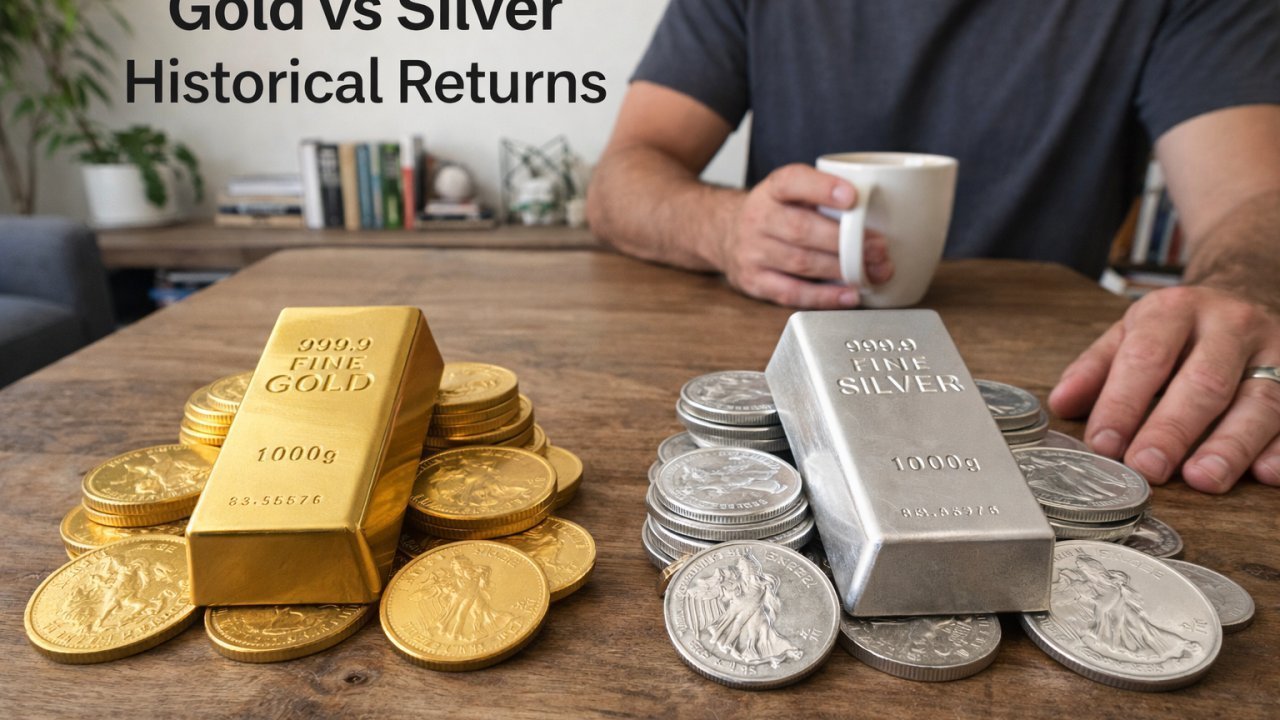
While gold has long held its prestigious position as the preferred investment and store of wealth across Vijayawada households, a growing number of savvy investors are now casting their eyes towards silver. Often considered gold's 'little brother,' silver is emerging as a compelling alternative, especially for those seeking diversification or a more accessible entry point into precious metals. Its historical significance and cultural acceptance in the region, albeit secondary to gold, provide a familiar comfort for local buyers.
Globally, silver prices are influenced by a dual demand structure: its role as a monetary asset and its extensive industrial applications, particularly in electronics, solar energy, and medical technology. This industrial backbone provides a unique support floor that gold lacks. For Vijayawada investors, this means silver's value isn't solely tied to economic anxieties but also to technological advancements. When gold prices soar, silver often follows, offering a more affordable way to participate in the precious metals rally. Its relatively lower price per unit also makes it a practical choice for incremental investments, appealing to a wider spectrum of the city's diverse investor base.
However, it's crucial to remember that silver can exhibit higher volatility than gold. While this presents opportunities for quicker gains, it also carries increased risk. Expert analysis suggests a positive outlook for silver, driven by the green energy transition and continued global economic uncertainty. For Vijayawada residents considering silver, whether in physical form like coins and bars from trusted local dealers or through digital platforms, it's vital to align this investment with their long-term financial goals and risk tolerance. It offers a distinct risk-reward profile that complements a gold-heavy portfolio.
Key Takeaway: Silver presents a dynamic and increasingly relevant alternative investment for Vijayawada, offering diversification and growth potential driven by both industrial demand and its safe-haven appeal, though with higher volatility than gold.
Protecting Your Assets: Why Gold Insurance is Essential in Vijayawada
As gold prices in Vijayawada continue to fluctuate, many residents are increasingly viewing their jewellery collections not just as cultural assets, but as critical financial hedges. However, with the rising incidence of urban theft and the inherent risks of home storage, relying solely on traditional lockers or home safes may no longer be sufficient. In a bustling commercial hub like Vijayawada, where jewellery remains the primary store of wealth for many families, securing comprehensive insurance for your gold is a prudent financial strategy that many investors are currently overlooking.
Standard home insurance policies often provide very limited coverage for high-value items, frequently excluding gold jewellery unless specifically listed or endorsed. For Vijayawada residents, it is vital to understand that a "floater" policy or a standalone jewellery insurance plan can offer far more robust protection, covering not just burglary, but also accidental damage, loss during travel, and even mysterious disappearance. Before opting for a policy, ensure you have an updated, certified valuation from a reputable local jeweller—such as those found along Eluru Road or Governorpet—to ensure your coverage amount aligns with the current market rates in the city.
Furthermore, many insurers now offer "agreed value" policies, which can be particularly beneficial during periods of high price volatility. By working with a local insurance agent to document your collection through photographic evidence and recent purchase receipts, you can streamline the claims process significantly. Investing a small annual premium to insure your gold ensures that your family's financial security remains intact, regardless of unforeseen circumstances.
Key Takeaway: Don't rely on basic household coverage; consult with a licensed insurance provider to secure a dedicated jewellery policy based on an updated professional valuation, ensuring your assets are protected against theft, damage, and market volatility.
Navigating Gold Exchanges: Best Practices for Vijayawada Jewelers
In the bustling jewelry hubs of Governorpet and Eluru Road, gold exchange remains a cornerstone of local investment culture. However, as the market evolves, so do the policies regarding the transition from "old" to "new" gold. Most reputable jewelers in Vijayawada now mandate a rigorous purity assessment using X-ray fluorescence (XRF) machines before any exchange. It is essential to understand that while your old jewelry might hold immense sentimental value, its exchange value is strictly determined by its net gold weight after removing stones, wax, and impurities.
A growing trend among Vijayawada’s top-tier jewelers is the push toward "transparent buy-back" policies. When upgrading your ornaments, savvy investors are now opting for jewelers who provide a live valuation report based on the current 22-carat market rate, minus a standard deduction for melting loss—typically ranging between 2% to 5%. To maximize your returns, avoid exchanging gold during peak festive seasons like Dussehra or Diwali, when high demand often leads to thinner margins on exchange premiums. Instead, monitor the daily price fluctuations in Vijayawada to time your exchange when the market spread is narrowest.
Always ensure you have your original purchase invoices ready, as many local establishments offer preferential exchange rates or reduced making charges on new purchases if you are trading in gold originally bought from their showroom. By keeping your documentation organized and understanding the deduction criteria, you can significantly enhance the purchasing power of your legacy assets.
Key Takeaway: Before heading to the jeweler, remove non-gold elements from your old ornaments and request an XRF purity test to ensure you are receiving the most accurate valuation based on the day's live market rate in Vijayawada.
Navigating Making Charges: Insider Tips for Vijayawada Jewellers
In the bustling jewellery hubs of Governorpet and Eluru Road, the gold price is only half the story. While the 22-karat spot rate fluctuates daily, the final price tag on your necklace or bangle is heavily influenced by 'making charges'—the labor cost added to the gold value. In Vijayawada’s competitive market, these charges are rarely set in stone and can range from 6% to 20% depending on the intricacy of the design. Understanding that these fees are negotiable is your first step toward a smarter purchase.
To secure the best deal, start by asking for the 'wastage' or 'value-addition' percentage as a separate line item on your estimate. Local jewellers often offer lower making charges during festive seasons like Dasara or Akshaya Tritiya, but you can request a discount year-round if you are buying multiple pieces or if you are a returning customer. Don't hesitate to compare quotes between established showrooms and boutique goldsmiths in the city. If a design is machine-made, push for a lower rate, as high-end manual labor fees should only apply to traditional hand-crafted temple jewellery or complex filigree work.
Key Takeaway: Always negotiate the making charges as a percentage of the total gold weight rather than a flat fee, and ensure your final invoice explicitly breaks down the gold price and wastage separately to avoid hidden markups.
GST on Gold: What Every Buyer in Vijayawada Needs to Know
For gold buyers navigating the bustling jewelry markets of Vijayawada—from the traditional hubs of Governorpet to the modern showrooms lining MG Road—understanding the nuances of the Goods and Services Tax (GST) is essential for transparent purchasing. Under India’s current tax framework, a flat 3% GST is levied on the total value of gold jewelry. However, it is vital for consumers to realize that this tax does not apply to the gold price alone; it is calculated on the aggregate of the gold's market value, the making charges (wastage), and any additional decorative elements or gemstones included in the piece.
Local jewelers in Vijayawada often provide itemized invoices, but savvy shoppers should always verify that the 3% GST is explicitly mentioned as a separate line item. A common point of confusion arises when comparing the "all-inclusive" price versus the "base" price quoted by retailers. Because making charges can vary significantly depending on the intricacy of the design—often ranging from 6% to 15%—the 3% GST is applied to those labor costs as well. By requesting a detailed breakdown, you ensure that you are paying the correct tax rate and avoiding inflated hidden costs that sometimes camouflage themselves within the final billing.
Key Takeaway: Always insist on a GST-compliant invoice that clearly separates the gold value, making charges, and the 3% tax. This ensures price transparency and protects you against overcharging when shopping at Vijayawada’s premier gold retailers.
Market Insight: Preparing for Vijayawada’s Wedding Season Demand
As Vijayawada gears up for the peak wedding season, local bullion markets are bracing for a significant uptick in seasonal demand. The city, known as a major jewelry hub for the Krishna district, is witnessing a distinct shift in consumer behavior. With auspicious dates approaching, families are increasingly moving away from impulsive buying, opting instead for strategic acquisitions of gold jewelry and investment-grade coins. This trend is further fueled by the city’s robust trade sentiment, where gold remains the preferred store of value amidst fluctuating global economic indicators.
Local jewelers in key commercial zones like Governorpet and Eluru Road report that buyers are closely monitoring price corrections to finalize their wedding trousseaus. Given the cultural significance of gold in Andhra weddings—often seen as both a social status symbol and a long-term financial safety net—the current market volatility has not dampened interest. Instead, it has encouraged a "buy on dips" strategy among savvy Vijayawada residents. Whether you are looking for traditional temple jewelry or modern lightweight sets, the consensus among experts is that securing your requirements early may help mitigate the risk of seasonal premiums that typically emerge as the wedding dates draw closer.
Key Takeaway: With seasonal demand expected to tighten supply, consider staggered gold purchases rather than bulk buying at the last minute to navigate price volatility effectively during Vijayawada’s upcoming wedding peak.
Vijayawada Gold Market Update: Wedding Season Outlook
As Vijayawada gears up for the much-anticipated wedding season, the local gold market is abuzz with activity and anticipation. Gold, an indispensable part of Telugu weddings, sees a significant surge in demand during this period. While global cues and the strength of the Rupee certainly influence daily prices, the upcoming festive and matrimonial rush in our city is expected to provide strong underlying support for gold demand. Local jewelers are already reporting increased inquiries, particularly for traditional bridal sets and intricate temple jewelry designs that remain evergreen favorites amongst Vijayawada's discerning buyers.
This season, we're observing a fascinating dual trend. On one hand, the timeless appeal of 22K gold in heavier, ornate pieces for grand ceremonies continues unabated. Families often plan these significant purchases months in advance, viewing gold not just as adornment but as an investment and a symbol of prosperity. On the other hand, there's a growing inclination towards lighter, more versatile gold jewelry for pre-wedding functions and gifting, catering to the younger generation's preference for modern aesthetics blended with traditional values. Jewelers across Eluru Road and Besant Road are curating special collections and schemes to attract buyers, making the market competitive and dynamic.
For prospective buyers in Vijayawada, keeping a close watch on international gold price movements and the USD-INR exchange rate will be crucial. While demand is set to rise, any global dips could present opportune moments for purchase. Experts suggest that while short-term volatility is possible, the strong domestic demand driven by the wedding season typically acts as a robust floor for prices in our region, making it an exciting time for the local gold market.
Key Takeaway: Vijayawada's wedding season will fuel robust gold demand, with both traditional heavy sets and lighter, modern pieces in vogue; monitor global prices for optimal entry points.
Expert Tip: Why Sovereign Gold Bonds are a Smart Play for Vijayawada Investors
For generations, gold has held a special place in Vijayawada households, not just as an ornament but as a trusted investment, particularly during auspicious occasions like Ugadi, Sankranti, or weddings. While the emotional connect with physical gold remains strong, modern investors in our bustling city are increasingly looking for smarter, more secure ways to participate in gold's enduring value. This is where Sovereign Gold Bonds (SGBs) emerge as a compelling alternative, offering distinct advantages over traditional physical gold.
Imagine investing in gold without the worries of storage, theft, or purity checks. SGBs, issued by the Reserve Bank of India on behalf of the government, eliminate these common concerns. Vijayawada residents, often navigating busy schedules, can appreciate the convenience of a dematerialized asset. Furthermore, SGBs offer a guaranteed annual interest of 2.5% over the investment period, a significant bonus that physical gold simply cannot match. This regular income stream, combined with the appreciation in gold prices, makes SGBs a dual-benefit investment.
Beyond security and interest, SGBs boast impressive tax efficiency. The capital gains arising from redemption after the 8-year maturity period are exempt from tax, a substantial benefit compared to the taxation on physical gold sales. For the discerning investor in Vijayawada looking to safeguard and grow their wealth with peace of mind, SGBs present a sophisticated, secure, and financially advantageous path to gold investment, perfectly aligning with the city's forward-looking financial aspirations.
Key Takeaway: For Vijayawada residents, Sovereign Gold Bonds offer a secure, interest-bearing, and tax-efficient way to invest in gold, outperforming physical gold in convenience and financial benefits.
Navigating Making Charges: A Smart Shopper’s Guide for Vijayawada
In Vijayawada’s bustling gold markets—from the traditional hubs near Governor Peta to the modern showrooms lining MG Road—the final price of your jewelry is determined by more than just the daily gold rate. "Making charges" (wastage) can often inflate the cost of your purchase by 8% to 25% or more. Because these charges are subjective and vary significantly between artisans and branded retailers, they remain the most negotiable component of your transaction.
To negotiate effectively, it is essential to distinguish between machine-made jewelry, which typically carries lower making charges due to uniformity, and intricate handmade traditional designs, which command a premium for craftsmanship. When visiting local jewellers, avoid asking for a flat discount on the gold rate, as this is rarely flexible. Instead, focus your negotiation entirely on the making charges. A common local strategy is to visit at least three established showrooms to get a baseline estimate for similar designs. Once you have a competitive quote, use it as leverage; many shop owners in Vijayawada are willing to offer a reduction of 10% to 20% on the making charges to secure a sale, especially if you are purchasing multiple items or are a returning customer.
Always request a detailed invoice that explicitly separates the gold value from the making charges and applicable GST. Be wary of "fixed price" tags that bundle these costs together, as they often mask inflated wastage percentages. By staying informed about the current market trends and showing a willingness to compare quotes, you can ensure that your investment in gold remains as cost-effective as possible.
Key Takeaway: Never accept the initial making charge quoted; treat it as a variable cost. Always compare wastage percentages across at least three reputable Vijayawada jewellers to secure the best deal on your craftsmanship fees.
Unlocking Value: The Rise of Professional Gold Refining in Vijayawada
As gold prices continue to fluctuate in response to global economic shifts, many residents of Vijayawada are turning their attention to underutilized assets—specifically, old or broken jewelry tucked away in lockers. While local neighborhood pawn shops have long been the traditional route for liquidity, a significant shift is occurring toward professional gold recycling and refining services across the city. Modern refineries are now offering transparent, technology-driven evaluations that move beyond the subjective "eye test" of local vendors, providing sellers with a fairer valuation based on the exact purity of their gold.
For those looking to liquidate, the key lies in understanding the difference between a standard buy-back and professional refining. In bustling trade hubs like Governorpet and Eluru Road, high-tech XRF (X-ray fluorescence) machines are becoming the industry standard, allowing customers to see the precise metal composition of their items in real-time. By opting for certified refiners rather than traditional intermediaries, Vijayawada’s investors and households can often capture a higher percentage of the prevailing market rate, as these facilities bypass multiple layers of middlemen to melt and repurpose the gold directly.
When preparing to recycle your gold, it is essential to carry valid identification and original purchase receipts if available, as regulatory transparency has tightened in the Andhra Pradesh bullion market. Before finalizing any transaction, cross-reference the refiner’s live spot-price offer with the current market rate displayed on your preferred financial tracking platform to ensure you are receiving a competitive deal.
Key Takeaway: To maximize your returns in the Vijayawada market, prioritize refiners that utilize non-destructive XRF testing technology and offer transparent, live-market pricing, ensuring you receive the true bullion value for your jewelry rather than a discounted "scrap" rate.
Maximizing Value: The Evolving Gold Recycling Landscape in Vijayawada
As gold prices continue to fluctuate in response to global economic shifts, many residents in Vijayawada are re-evaluating the potential of their idle jewelry. Beyond traditional pawn broking, the city’s gold recycling market has matured significantly. Professional refining centers—particularly those concentrated around Governorpet and Besant Road—now utilize advanced X-ray fluorescence (XRF) technology to provide precise purity assessments. This transparency is a game-changer for sellers, as it eliminates the guesswork and subjective valuation that often led to unfavorable deals in the past.
When looking to liquidate old ornaments or inherited scrap gold, the most critical step is ensuring the refiner provides a transparent "melt and assay" process. In a bustling trade hub like Vijayawada, reputable service providers now offer real-time tracking of the melting process, ensuring that the final payout is based on the current market spot price minus a nominal, transparent refining fee. Before visiting a center, it is advisable to check the day’s live gold rate, as the most competitive buyers will always align their offers with these updated market benchmarks rather than relying on outdated internal charts.
By choosing certified refiners who offer digital weighing and immediate bank transfers, sellers can ensure they capture the maximum possible value for their assets. As the local gold market becomes more formalized, the days of settling for opaque valuations are fading, replaced by a secure, technology-driven ecosystem that benefits the discerning Vijayawada consumer.
Key Takeaway: Always prioritize refiners who use XRF technology for non-destructive purity testing and offer payouts pegged to the live daily gold rate, ensuring you receive the true market value for your recycled gold.