Ahmednagar, a city steeped in historical significance and a growing economic hub in Maharashtra, shares India's profound cultural affinity for gold. Whether it is for weddings, festivals like Diwali and Dussehra, or as a secure investment vehicle, gold remains a cornerstone of the local economy. For residents and investors in Ahmednagar, understanding the nuances of the gold market is essential to making informed purchasing decisions. This comprehensive guide explores everything from price determinants to the best places to buy and store your precious metal in the city.
1. Why is gold price different in Ahmednagar?
Many buyers often wonder why the gold rate they see on national news differs from the price quoted by local jewellers in Ahmednagar. Several factors contribute to this regional price variation. Primarily, transportation and logistics play a role; gold is typically imported through major hubs like Mumbai and then transported to cities like Ahmednagar, incurring insurance and transit costs.
Furthermore, the local bullion associations in Ahmednagar determine the daily rates based on a combination of international market trends and local demand-supply dynamics. Local taxes, overhead costs of showrooms, and the specific margins set by the Ahmednagar Saraf Association also influence the final price. While the base international price remains the same, these localized factors create a slight "premium" or difference compared to other cities like Pune or Mumbai.
2. Which area or shop is famous for low making charges in Ahmednagar?
When purchasing gold jewelry, "making charges" can significantly inflate the total cost. In Ahmednagar, the Kapad Bazar and MG Road areas are the traditional heart of the jewelry trade. These areas house a mix of legacy family-run shops and modern showrooms. Traditional family jewellers in the narrow lanes of Kapad Bazar are often famous for offering competitive making charges, especially for traditional Maharashtrian designs like the 'Thushi' or 'Putli Haar'.
To find the lowest making charges, savvy shoppers often visit during off-season periods or during "Jewelry Melas" hosted by local brands. While big-brand showrooms might have fixed making charges starting from 8% to 25%, smaller local artisans may offer lower rates or be open to negotiation, particularly for bulk purchases or plain gold items with minimal intricate work.
3. Why do gold prices change daily?
The daily fluctuation of gold prices in Ahmednagar is a reflection of a complex global ecosystem. The primary driver is the International Bullion Market, specifically the prices set in London (LBMA) and New York. Since India imports a vast majority of its gold, these global benchmarks are the starting point.
Other critical factors include:
- Currency Fluctuations: Gold is traded globally in US Dollars. If the Indian Rupee weakens against the Dollar, the cost of importing gold rises, leading to higher prices in Ahmednagar.
- Interest Rates: When central banks (like the US Federal Reserve) increase interest rates, gold prices often drop as investors move toward interest-bearing assets.
- Central Bank Reserves: When the Reserve Bank of India (RBI) increases its gold reserves, it signals high demand, often pushing prices upward.
- Geopolitical Stability: Gold is a "safe haven" asset. During times of war or global economic uncertainty, demand for gold surges, causing daily prices to spike.
4. Gold rates in Ahmednagar (22 karat): How do prices change?
In Ahmednagar, 22 karat gold is the standard for jewelry because 24 karat gold is too soft to hold complex designs. The price for 22k gold is always lower than 24k gold, calculated proportionately (22/24th of the 24k price). These prices change based on the seasonal demand prevalent in Maharashtra.
During the wedding season (Vivah Muhurat) and festivals like Gudi Padwa and Akshaya Tritiya, the demand in Ahmednagar skyrockets. This surge often leads to a local "premium" being added to the daily rate. Conversely, during the monsoon months or periods like 'Pitru Paksha,' demand typically cools down, and prices may stabilize or see slight dips. Investors should track the Ahmednagar Saraf Association daily updates to catch these shifts.
5. Gold and hallmarking centres in Ahmednagar.
Purity is the most crucial aspect of buying gold. The Indian government has made BIS Hallmarking mandatory to protect consumers. A hallmark consists of the BIS logo, a purity mark (e.g., 22K916), and a unique HUID (Hallmark Unique Identification) number. This ensures that the gold you buy in Ahmednagar is exactly the purity the jeweller claims.
Ahmednagar has several government-recognized Assaying and Hallmarking Centres. These centres act as third-party auditors for local jewellers. When buying, always ask for the HUID number, which you can verify on the BIS Care App. This transparency has significantly reduced the risk of fraud that was once prevalent in the unorganized jewelry sector.
6. Top Jewellers in Ahmednagar.
Ahmednagar boasts a blend of historic local names and renowned national chains. Some of the most trusted destinations for gold purchase include:
- Chandukaka Saraf: A household name in Maharashtra known for its heritage and massive collection of traditional and contemporary designs.
- P.N. Gadgil (PNG) Jewellers: Renowned for their purity standards and exquisite craftsmanship, catering to modern tastes.
- Waman Hari Pethe Jewellers: A brand synonymous with Maharashtrian tradition, highly favored for wedding jewelry.
- Ranka Jewellers: Known for their transparency in pricing and vast variety of ornaments.
- Local Favorites: Several heritage shops in Kapad Bazar have served Ahmednagar families for generations, offering personalized service and customized designs.
7. Supply pressures pushing prices up.
The price of gold in Ahmednagar is not just about demand; supply constraints play a massive role. India has negligible domestic gold mining, meaning almost all gold in the Ahmednagar market is imported. Any hike in Import Duty by the Central Government immediately makes gold more expensive for the end consumer.
Additionally, global supply chain disruptions—such as mining strikes in South Africa or logistical delays in major shipping routes—can limit the availability of physical gold. When supply is tight and the local festive demand is high, the "scarcity premium" drives the prices higher than the global average.
8. How to store gold in Ahmednagar?
Physical gold requires secure storage. Most residents in Ahmednagar utilize Bank Lockers provided by institutions like State Bank of India (SBI), Bank of Maharashtra, or private banks like HDFC and ICICI. While lockers offer high security, they come with annual rental fees and limited insurance coverage.
For those who prefer keeping gold at home, investing in a high-quality fireproof safe that is bolted to the floor is recommended. However, a modern alternative gaining popularity is Digital Gold. This allows you to buy gold for as little as ₹100 and store it in insured vaults managed by the seller, eliminating the risks of theft or physical damage.
9. Gold vs Real Estate in Ahmednagar.
Both gold and real estate are favorite investment avenues in Ahmednagar, but they serve different purposes. Gold offers high liquidity; you can sell gold at a jewelry shop in Kapad Bazar and get cash almost instantly. It is also an excellent hedge against inflation.
On the other hand, Real Estate in developing areas like Savedi, Kedgaon, or the Nagar-Manmad highway offers the potential for much higher long-term capital appreciation and rental income. However, real estate requires a large capital outlay and is "illiquid," meaning it can take months to sell. For a balanced portfolio, financial experts in the city often suggest a mix: real estate for long-term wealth and gold for emergency liquidity and cultural needs.
10. What is a Sovereign Gold Bond?
For investors in Ahmednagar who want to profit from gold prices without the hassle of physical storage or making charges, Sovereign Gold Bonds (SGBs) are the best option. Issued by the Reserve Bank of India, these are government securities denominated in grams of gold.
The benefits of SGBs include:
- Interest Income: You earn a fixed annual interest (usually around 2.5%) paid semi-annually.
- No Storage Costs: Since it is a digital certificate, there is no risk of theft or need for a locker.
- Tax Benefits: If held until maturity (8 years), the capital gains are tax-free.
- Purity Guarantee: You get the market value of 999 purity gold at the time of redemption.
11. Taxation of gold in Ahmednagar.
Understanding the tax implications is vital for any gold buyer in Ahmednagar. Currently, a GST of 3% is levied on the value of gold and making charges. If you are selling old gold to buy new jewelry, GST is usually only applicable on the "value added" or the making charges of the new piece, depending on the jeweller's billing policy.
From an investment perspective, if you sell physical gold after holding it for more than three years, it is subject to Long-Term Capital Gains (LTCG) tax at 20% with indexation benefits. If sold before three years, the gains are added to your income and taxed at your applicable slab rate. Staying compliant with these tax laws ensures that your "yellow metal" investment remains a source of financial security rather than a legal liability.
Expert Tip: Securing Your Assets with Gold Insurance in Ahmednagar
As gold prices in Ahmednagar continue to mirror global volatility, local households—particularly those frequenting the bustling jewellery hubs of Kapad Bazar and MG Road—are increasingly looking beyond the safety of traditional bank lockers. While Ahmednagar’s rich cultural heritage makes gold an essential part of every family legacy, the rising valuation of traditional Maharashtrian ornaments like the Thushi or Kolhapuri Saaj has made them significant financial targets. Modern insurance options now offer "All Risk" coverage, which is particularly vital during the city’s vibrant wedding seasons when jewellery is frequently transported between venues and residences.
Local financial experts suggest that Ahmednagar residents evaluate specialized "Jewellery Insurance" or specific "Home Insurance Add-ons" rather than relying solely on the limited liability of bank lockers. Leading nationalized and private banks in the city now offer policies that cover not just theft, but also accidental damage and loss during transit. With the mandatory HUID (Hallmark Unique Identification) now standard across the city’s reputable showrooms, getting an accurate appraisal for insurance purposes has become significantly easier, ensuring that your policy reflects the current market replacement value rather than the original purchase price.
Key Takeaway: Transitioning from simple locker storage to a comprehensive insurance policy with an "All Risk" clause ensures your gold is protected against theft and damage even when worn during Ahmednagar’s grand festive celebrations.
Timing Your Gold Purchase in Ahmednagar: The "Golden Hour" Strategy
In the historic jewelry hubs of Tilak Road and MG Road, gold buying is often treated as a spiritual or family event, but for the financially savvy, it is a game of precision timing. While global gold prices fluctuate 24/7, the local market in Ahmednagar typically stabilizes its daily rates by 11:30 AM, following the opening trends of the Multi Commodity Exchange (MCX). To get the most accurate price, experts suggest visiting reputable jewelers between 1:00 PM and 2:30 PM. This "afternoon window" sits comfortably after the morning's initial price discovery and just before the European markets open, which often triggers fresh volatility in global spot prices.
Furthermore, Ahmednagar’s unique position as a commercial center for the surrounding agricultural belt means that showrooms experience significant footfall during weekends and evening hours. If you are looking to negotiate on making charges—a crucial component of the final price—it is best to avoid the Saturday rush. Mid-week mornings, specifically Tuesdays and Wednesdays, offer a quieter environment. During these hours, sales staff are more likely to provide undivided attention, allowing you to verify Hallmarking details and discuss transparent pricing without the pressure of a crowded showroom.
Key Takeaway: For the best value, aim for a mid-week purchase between 1:00 PM and 2:30 PM to avoid both global market volatility and the local retail rush, giving you better leverage on making charges.
GST on Gold: Navigating the Final Price in Ahmednagar’s Markets
In the bustling jewelry hubs of Ahmednagar, from the traditional showrooms of Kapad Bazar to the modern outlets along MG Road, the "board rate" is often just the starting point of your purchase. While global bullion trends dictate the base price, the final invoice is heavily influenced by the Goods and Services Tax (GST). Every buyer should be aware that a flat 3% GST is levied on the value of the gold itself. However, a common point of confusion in local transactions is the tax on craftsmanship; a separate 5% GST is applied specifically to the making charges. Given Ahmednagar’s rich heritage of intricate, handcrafted ornaments, these making charges—and their subsequent tax—can vary significantly between jewelers, making it essential to compare the total "on-paper" cost rather than just the gold rate.
Beyond the numbers, local experts emphasize that a GST-compliant invoice is your strongest shield in the current regulatory environment. With the mandatory implementation of HUID (Hallmark Unique Identification), your tax invoice serves as a legal certificate of purity and a guarantee of the gold's weight. In Ahmednagar’s evolving market, some smaller retailers might offer "informal" deals to bypass the tax, but this often leaves the buyer without a recourse if the gold's purity is later questioned. Ensuring your purchase is fully documented with the 3% GST component not only secures your investment but also ensures seamless liquidity should you choose to resell or exchange your gold at any reputable jeweler across Maharashtra in the future.
Key Takeaway: Always insist on a detailed breakup of the 3% GST on gold and 5% on making charges. A transparent, GST-paid invoice linked to a HUID number is the only way to verify the authenticity and future resale value of your purchase in Ahmednagar.
Expert Tip: Why Ahmednagar’s Smart Investors are Pivoting to Sovereign Gold Bonds (SGBs)
While the vibrant gold souks of Kapad Bazar and MG Road remain the heart of Ahmednagar’s traditional jewellery trade, a significant shift is occurring among the city’s savvy investors. Sovereign Gold Bonds (SGBs) are rapidly gaining traction as a superior alternative to physical gold. For local residents, the primary hurdle with physical gold has always been the hidden costs—making charges that can eat up 10-15% of the value and the recurring expense of bank locker rentals at regional bank branches. SGBs eliminate these overheads entirely, offering a digital security that is immune to the risks of theft or purity concerns often associated with physical storage.
Beyond simple safety, the financial incentives for Ahmednagar’s growing professional and agricultural class are unmatched. Unlike gold biscuits or ornaments, SGBs provide a guaranteed 2.5% annual interest, paid semi-annually into your bank account. This effectively turns gold from a passive asset into an income-generating one. Furthermore, for those looking at long-term wealth creation, the capital gains on SGBs are exempt from tax if held until maturity. In a market where gold prices fluctuate, this tax-free appreciation combined with periodic interest offers a much higher net return than the traditional "locker gold" approach favored in previous generations.
Key Takeaway: For Ahmednagar residents, SGBs offer a dual advantage: they eliminate the "making charge" leakages found in local markets and provide a 2.5% annual interest boost, making them the most cost-effective way to track gold prices without the burden of physical storage.
Beyond Gold: The Growing Allure of Silver in Ahmednagar’s Investment Landscape
While gold remains a cultural cornerstone in Ahmednagar, local investors are increasingly diversifying their portfolios by turning toward silver. As the district’s industrial and agricultural sectors evolve, savvy residents—particularly those frequenting the bustling jewelry hubs near Maliwada and Tarakpur—are recognizing silver not just as a festive adornment, but as a high-potential industrial asset. With silver prices showing higher volatility than gold, many Ahmednagar-based investors are utilizing the metal to capture short-term gains, capitalizing on its dual role as both a precious metal and a critical component in the burgeoning green energy and electronics sectors.
The local market sentiment in Ahmednagar is shifting; investors are moving away from traditional accumulation methods to more strategic buying during price corrections. Because silver serves as an accessible entry point for small-scale investors, it has become a popular hedge against inflation for households looking to expand their wealth beyond conventional savings. Market experts suggest that as industrial demand climbs, silver’s correlation with economic growth makes it a compelling companion to gold. For those looking to balance their risk, allocating a portion of their portfolio to silver bars or coins provides a tactical advantage, offering liquidity and growth potential that complements the steady, defensive nature of gold holdings.
Key Takeaway: In Ahmednagar’s current economic climate, viewing silver as a strategic industrial asset rather than just a decorative luxury can significantly optimize your investment returns, providing a versatile hedge that gold alone may not offer.
Ahmednagar Wedding Season: Navigating the Gold Market Surge
As the wedding season approaches in Ahmednagar, the local bullion market is witnessing a palpable shift in momentum. From the bustling lanes near Maliwada to the prominent jewelry hubs of Station Road, jewelers are reporting an uptick in footfall as families begin their advance purchases for the upcoming auspicious dates. In a region where gold is not merely an ornament but a cornerstone of cultural heritage and financial security, the current price volatility is prompting a strategic shift in consumer behavior. Many buyers are opting for lightweight, contemporary designs that maximize aesthetic appeal while mitigating the impact of higher price points.
Market analysts suggest that the demand in Ahmednagar remains resilient, driven by the region’s strong agrarian base and the traditional preference for 22-karat gold sets. However, there is a growing trend toward "staggered buying," where families are securing portions of their requirements early to hedge against potential price spikes as the wedding calendar peaks. Local experts advise keeping a close watch on international spot prices and the Rupee-Dollar exchange rate, as these global factors continue to dictate the domestic pricing structure in Maharashtra’s jewelry markets. For those planning nuptials in the coming months, the window for strategic acquisition is narrowing.
Key Takeaway: With wedding demand intensifying, consider breaking your gold purchases into smaller, periodic acquisitions rather than waiting for a single bulk transaction, as this helps average out costs amidst ongoing market fluctuations.
Market Insight: Global Volatility and the Ahmednagar Gold Landscape
The gold market in Ahmednagar is currently navigating a complex ripple effect triggered by heightened volatility in global financial hubs. As international investors seek refuge in bullion amidst geopolitical uncertainties and shifting interest rate expectations from the US Federal Reserve, the local prices in Maharashtra’s gold hubs—including the bustling jewellers' lanes of Sarafa Bazaar—are feeling the pressure. Because India remains a net importer of gold, any sharp movement in the dollar-rupee exchange rate or global spot prices is reflected almost instantaneously in the rates displayed by local retailers.
For Ahmednagar’s savvy investors and households, these global fluctuations present a challenging environment. While the upward trend driven by international demand often leads to higher price tags for physical gold, it also reinforces the metal's status as a premier hedge against inflation. Local market participants are observing a cautious approach from retail buyers, who are balancing the necessity of wedding-season purchases against the volatile price movements. As global markets continue to adjust, Ahmednagar’s gold trade remains highly sensitive to these macro-economic shifts, making it essential for local buyers to track both the MCX trends and the prevailing currency strength before finalizing high-value transactions.
Key Takeaway: Global market volatility is the primary driver of current price swings in Ahmednagar; buyers should monitor currency fluctuations and international spot trends closely, as these external factors now dictate local purchasing power more than ever.
Beyond the Vault: Why Ahmednagar Investors are Shifting to Sovereign Gold Bonds
For generations, the residents of Ahmednagar have held gold as the ultimate store of value, often favoring physical ornaments purchased from local jewelers near Maliwada or Sarafa Bazar. However, as the digital economy matures, a growing number of savvy investors in the city are pivoting toward Sovereign Gold Bonds (SGBs). Unlike physical gold, which brings the perennial concerns of safety, storage costs, and the "making charges" that erode your initial investment, SGBs offer a streamlined, government-backed alternative that eliminates these overheads entirely.
The primary advantage for Ahmednagar’s middle-class families is the dual-benefit structure: not only do SGBs track the market price of 999-purity gold, but they also provide a guaranteed annual interest payment of 2.5%. This creates a passive income stream that a gold necklace sitting in a bank locker simply cannot match. Furthermore, when held until maturity, the capital gains are entirely tax-exempt, a significant fiscal edge over physical bullion, which often involves complex tax calculations and concerns regarding purity or hallmarking verification.
By choosing SGBs, you are essentially insulating your portfolio from the fluctuations of local demand-supply gaps in the Ahmednagar market while ensuring your wealth is held in a secure, dematerialized format. As the price of gold continues to reflect global geopolitical uncertainties, transitioning a portion of your holdings into SGBs allows you to maintain your gold exposure without the logistical burdens of traditional ownership. It is a modern, efficient strategy for the prudent investor looking to grow their wealth with peace of mind.
Key Takeaway: Sovereign Gold Bonds offer Ahmednagar residents a superior investment profile by combining market-linked capital appreciation with a 2.5% annual interest payout, all while eliminating storage risks, making charges, and tax liabilities on maturity.
Silver: The Strategic Alternative for Ahmednagar Investors
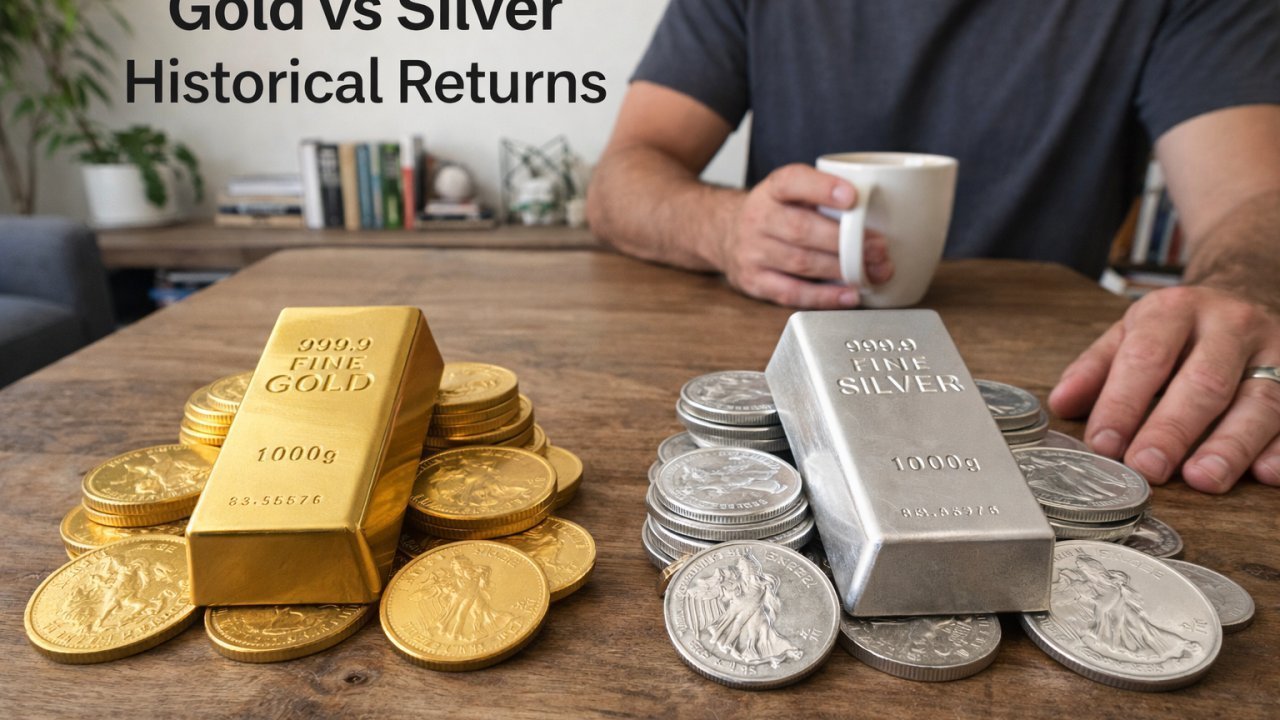
While gold remains the bedrock of traditional savings in Ahmednagar, local market observers are noting a distinct shift in investor behavior. As bullion prices reach historical highs, many residents of the city are diversifying their portfolios by incorporating silver. Often dubbed "poor man’s gold," silver is gaining traction among Ahmednagar’s retail investors who view it as a high-beta asset—offering the potential for significant gains during industrial upswings, particularly given its dual utility as a precious metal and a critical component in the green energy and electronics sectors.
The appetite for silver in Ahmednagar is not limited to jewelry and traditional silverware. We are seeing a marked increase in the purchase of silver bars and coins from local jewelers near the Tarakpur and Maliwada areas, as investors look for affordable entry points into the commodities market. Unlike gold, which is often held strictly for long-term wealth preservation, silver is increasingly being treated as a tactical asset. With the local industrial demand for silver rising in tandem with national trends, savvy investors in Ahmednagar are utilizing this metal to hedge against the volatility inherent in high-priced gold markets.
For those looking to balance their portfolios, silver offers a lower barrier to entry while providing a similar hedge against inflation. However, investors should remain mindful of the higher price volatility associated with silver compared to gold. As market dynamics in Ahmednagar continue to evolve, keeping a close watch on the gold-silver ratio will be essential for making informed buying decisions.
Key Takeaway: As gold prices hover at record levels, consider allocating a portion of your precious metal budget to silver to capture industrial growth potential and lower your overall cost of entry, while maintaining the traditional security of a tangible asset.
Silver: The Strategic Alternative for Ahmednagar Investors
While gold remains the bedrock of traditional wealth preservation in Ahmednagar, local market observers are noting a significant shift in retail investment behavior. As gold prices hover near record highs, savvy investors across the city—from the bustling markets of Maliwada to the residential hubs of Savedi—are increasingly diversifying their portfolios with silver. Unlike gold, which is often viewed strictly as a long-term hedge, silver is gaining traction as a high-beta asset that offers more aggressive growth potential during periods of industrial recovery.
The unique demand profile in Ahmednagar is driven by a dual-purpose approach. Beyond its role as an investment vehicle, silver continues to see robust seasonal demand for high-quality silverware and gifting, which provides a consistent floor for the metal's price in the local market. However, investors are now looking beyond physical artifacts, increasingly exploring silver ETFs and futures to capitalize on the metal’s heightened volatility. Because silver is more affordable per gram, it allows first-time investors in the region to accumulate larger physical quantities, providing a sense of tangible security that complements their gold holdings.
Market experts suggest that the current price disparity between the two precious metals presents a tactical entry point. By treating silver as a strategic "industrial-precious" hybrid, Ahmednagar investors can mitigate the risk of high-entry costs associated with gold while still maintaining a hedge against rupee fluctuations. As the local economy continues to integrate with broader manufacturing supply chains, the correlation between silver’s industrial utility and its investment value is expected to strengthen, making it a critical component of a balanced modern portfolio.
Key Takeaway: Investors in Ahmednagar should view silver not merely as a cheaper substitute for gold, but as a dynamic asset class that offers higher growth potential and improved portfolio liquidity, particularly when market conditions favor industrial commodity demand.
Ahmednagar Gold Prices: How Do They Compare?
Ahmednagar, a city steeped in history and an important agricultural and industrial hub in Maharashtra, often sees its residents curious about how local gold prices stack up against those in bustling metros like Mumbai, Pune, or even Delhi. While gold is a globally traded commodity, influencing prices across the board, specific regional dynamics and logistical factors can introduce subtle, yet noteworthy, variations.
Generally, Ahmednagar's gold prices for both 24K and 22K varieties tend to closely mirror those found in other major Indian cities. The underlying global spot price, coupled with national import duties, taxes, and the rupee-dollar exchange rate, forms the bedrock of gold pricing across the country. Any slight differences you might observe are typically marginal, often attributable to local dealer margins, transportation costs from major refining hubs, or localized demand surges during auspicious festivals or wedding seasons specific to the region. It's rare to find significant, sustained discrepancies, as the market is highly interconnected and competitive.
Therefore, rather than expecting dramatic price gaps between Ahmednagar and a metropolitan hub, consumers should focus on ensuring they purchase from trusted, BIS-hallmarked jewelers. The core drivers for gold price fluctuations – international economic indicators, central bank policies, and geopolitical events – impact Ahmednagar just as profoundly as they do India’s largest cities. Local variations are more about convenience, trust, and the immediate supply-demand balance within the district, rather than fundamental pricing differences.
Key Takeaway: Ahmednagar's gold prices largely align with major Indian cities; focus on reputable, BIS-hallmarked jewelers and purity over minor price differences.
Navigating Gold Exchanges: Best Practices for Ahmednagar Jewellers
As gold prices continue to fluctuate, many residents in Ahmednagar are looking to upgrade their collections by exchanging old jewellery for new designs. When walking into a local showroom—whether in the bustling lanes of Sarafa Bazaar or the newer retail hubs—it is essential to understand the distinction between "old" and "new" gold valuations. Most reputable jewellers in Ahmednagar now utilize advanced XRF (X-ray fluorescence) machines to determine the exact purity of your old gold instantly. This technology has largely replaced the traditional "acid test," offering a more transparent and accurate assessment of your asset’s worth.
However, the "exchange policy" can vary significantly depending on where the original piece was purchased. If you are trading in gold bought from the same jeweller, you may often receive a better value or a waiver on certain making charges (wastage). Conversely, if you are bringing in gold from another establishment, expect a deduction for "melting loss" and refining, which is standard practice across the district. To maximize your value, always carry your original GST invoices; they serve as proof of purity and can often help you negotiate a better buy-back rate, as the jeweller has verifiable documentation of the gold’s hallmark and caratage.
Before finalizing any transaction, ensure you are comparing the net weight of your old gold against the gross weight of the new piece, and clarify whether the making charges on the new jewellery are negotiable. In the competitive market of Ahmednagar, staying informed about the daily spot price and your piece's specific purity will empower you to make a profitable exchange.
Key Takeaway: Always prioritize hallmarked jewellery and keep your original invoices safe; they are your strongest leverage when negotiating exchange values at Ahmednagar’s local jewellers.
Leveraging Gold Assets: Navigating Gold Loans in Ahmednagar
As gold prices fluctuate in the Ahmednagar bullion market, many residents are increasingly viewing their personal gold holdings not just as a traditional store of wealth, but as a strategic liquidity tool. In a city where agricultural cycles and small-scale manufacturing often dictate cash flow needs, gold loans have emerged as a preferred alternative to high-interest personal loans. Whether you are a farmer in the outskirts looking to bridge the gap until the next harvest or a shopkeeper in the bustling markets near Maliwada, leveraging your ornaments offers a swift, collateral-backed path to capital.
The landscape for gold financing in Ahmednagar is remarkably diverse. From major nationalized banks offering competitive interest rates to specialized Non-Banking Financial Companies (NBFCs) like Muthoot Finance and Manappuram, which have established a strong footprint across the city, borrowers have ample choice. However, the key to a smart gold loan lies in understanding the Loan-to-Value (LTV) ratio. With current market volatility, lenders are adjusting their LTV limits frequently. Before pledging your gold, it is essential to compare the processing fees, valuation transparency, and the flexibility of repayment schedules—specifically looking for options that allow bullet repayments, which can be advantageous for those expecting seasonal income.
Always ensure that your gold is appraised in your presence and that the lender provides a secure, insurance-backed storage facility for your assets. By treating your gold as a dynamic financial instrument rather than a static heirloom, you can effectively navigate short-term liquidity challenges without permanently parting with your valuables.
Key Takeaway: Before opting for a gold loan in Ahmednagar, compare the interest rates across at least three local lenders and prioritize those who offer transparent, on-the-spot valuation and flexible repayment tenures to match your specific cash-flow cycle.
Beyond Gold: The Growing Allure of Silver in Ahmednagar’s Investment Landscape
While gold remains the cornerstone of investment portfolios across Ahmednagar’s bustling markets—from the historic jewelry hubs near Maliwada to the modern showrooms of Station Road—local investors are increasingly pivoting toward silver as a high-potential alternative. As gold prices hover near record highs, silver has emerged as a compelling "poor man’s gold," offering a more accessible entry point for retail investors looking to diversify their holdings without the steep capital requirement of the yellow metal.
Market observers in Ahmednagar note that silver’s dual identity as both a precious metal and a critical industrial commodity provides a unique hedge against inflation. With the rising demand for electronics and green energy infrastructure, the industrial consumption of silver is tightening supply, often leading to higher volatility and sharper price rallies compared to gold. For the pragmatic Ahmednagar investor, accumulating silver in the form of coins or bars has become a favored strategy to balance a portfolio, particularly when gold markets experience a period of stagnation or correction.
However, investors should remain mindful of the liquidity differences between the two metals. While gold is universally recognized and easily liquidated at any local jeweler, silver requires a more strategic approach to ensure purity and marketability. As market trends evolve, savvy residents are increasingly consulting with local bullion experts to time their purchases, treating silver not just as a cultural tradition for festivals, but as a tactical asset class that offers significant upside potential in a fluctuating economic climate.
Key Takeaway: Silver offers an attractive, lower-cost alternative to gold, acting as a strategic hedge that benefits from both investment demand and growing industrial utility, making it an essential consideration for diversified wealth management in Ahmednagar.