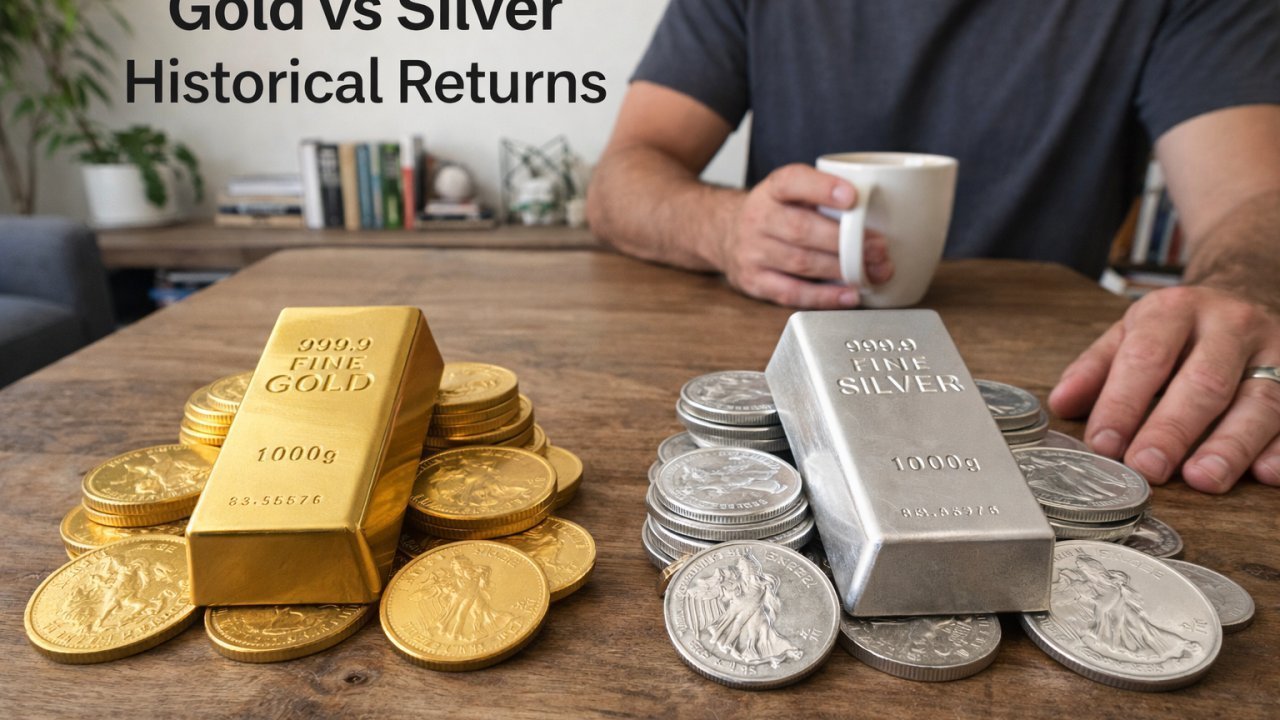
Welcome to your comprehensive guide to understanding gold in Aligarh! For centuries, gold has held a significant place in Indian culture, revered not just as a precious metal but also as a symbol of wealth, prosperity, and tradition. In Aligarh, a city rich in heritage and commerce, gold continues to be a primary investment and a cherished asset. Navigating the nuances of gold prices, purity, and regulations can be complex, but this guide aims to provide Aligarh residents and prospective buyers with all the essential information. From understanding daily price fluctuations to insights on taxation and storage, we cover everything you need to know about buying, selling, and investing in gold in Aligarh.
Why is gold price different in Aligarh?
While a base gold price is set internationally, the actual rate you pay in Aligarh can differ slightly from other cities or even the national average. This variation is influenced by several factors. Firstly, local demand and supply dynamics play a role; high demand during festive seasons in Aligarh can push prices up. Secondly, transportation costs for bringing gold from bullion markets to Aligarh contribute to the final price. Thirdly, local taxes and levies, although largely streamlined by GST, can still have minor variations in application. Finally, and significantly, making charges (the cost of crafting jewellery) and the profit margins of individual jewellers in Aligarh vary, leading to different final prices across shops and regions within the city.
Which area or shop is famous for low making charges in Aligarh?
Finding low making charges for gold jewellery in Aligarh often requires a bit of research and comparison. Generally, smaller, independent jewellers, particularly those in older, established markets, might offer more competitive making charges compared to large chain stores due to lower overheads. While it's challenging to name specific shops without real-time data or endorsement, areas known for traditional jewellery markets are often good starting points. We recommend visiting several jewellers, inquiring about their making charges per gram or as a percentage of the gold value, and comparing them. Don't hesitate to negotiate, especially for significant purchases. Always prioritize transparency and BIS hallmarking, even when seeking lower charges, to ensure purity and authenticity.
Why do gold prices change daily?
Gold prices are highly dynamic and fluctuate daily due, primarily, to a complex interplay of global and domestic factors. Internationally, the London Bullion Market Association (LBMA) fix sets benchmark prices, which are influenced by the strength of the US dollar, crude oil prices, and global economic indicators. Geopolitical events, such as conflicts or political instability, often drive investors towards gold as a safe-haven asset, increasing demand and prices. Domestically, the Indian Rupee to US Dollar exchange rate significantly impacts prices, as India imports a substantial amount of gold. Furthermore, domestic demand during festivals like Diwali and Akshaya Tritiya, coupled with import duties and government policies, also contribute to the daily price changes in Aligarh and across India.
Gold rates in Aligarh (22 karat): How do prices change?
The 22 karat gold rate in Aligarh, which is most commonly used for jewellery, is a direct reflection of the global and national gold market trends, with local adjustments. The base price is determined by the international spot price of gold, converted into Indian Rupees, and then adjusted for import duties and other taxes levied by the Indian government. Jewellers in Aligarh then add their specific making charges and the Goods and Services Tax (GST) on both the gold value and making charges. Therefore, while the underlying raw gold price changes daily based on international market movements and the INR/USD exchange rate, the final price you pay in Aligarh incorporates these additional local elements. Always check the prevailing 22K gold rate from reputable sources or jewellers each day before making a purchase.
Gold and hallmarking centres in Aligarh.
Ensuring the purity of your gold is paramount, and this is where BIS (Bureau of Indian Standards) hallmarking comes in. Hallmarking is a guarantee of the purity of gold jewellery and artefacts. In India, it is mandatory for gold jewellery and artefacts of 14, 18, 20, 22, 23, and 24 karat. A BIS hallmark consists of several components: the BIS logo, the purity in karat and fineness (e.g., 22K916 for 22 karat gold), the identification mark of the assaying and hallmarking centre, and the jeweller's identification mark. To find BIS-recognized Assaying and Hallmarking Centres (AHCs) in Aligarh, you can refer to the official BIS website, which provides a comprehensive list of accredited centres where you can get your gold tested for purity. Always insist on BIS-hallmarked gold when making purchases in Aligarh to protect your investment.
Top Jewellers in Aligarh.
Aligarh boasts a mix of traditional family-run jewellery stores and modern national chains, offering a wide range of designs and services. When looking for top jewellers, consider those known for their reputation, transparency in pricing, and commitment to BIS hallmarking. Prominent national brands like Tanishq, Malabar Gold & Diamonds, and Kalyan Jewellers often have a presence in major cities like Aligarh, offering standardized quality, design variety, and reliable buy-back policies. Alongside these, well-established local jewellers, who have built trust over generations, also form a significant part of Aligarh's gold market. It's always advisable to visit a few reputable stores, compare their collections, making charges, and terms before making a significant purchase, ensuring you get the best value and service.
Supply pressures pushing prices up.
Several supply-side factors contribute significantly to upward pressure on gold prices globally and, consequently, in Aligarh. Firstly, finite mining output means that gold is a scarce resource, and new discoveries are becoming rarer and more expensive to extract. Secondly, central bank purchases have been consistently high in recent years, as central banks diversify reserves and seek stability, thereby reducing the available supply in the open market. Thirdly, investment demand from institutional investors and individuals buying gold ETFs, bars, and coins directly competes with jewellery demand for existing supply. Lastly, any disruptions to the mining or refining process due to geopolitical issues, environmental regulations, or labor disputes can temporarily restrict supply, leading to price surges.
How to store gold in Aligarh?
Secure storage of gold is crucial to protect your valuable asset. In Aligarh, you have several options, each with its own advantages:
- Bank Lockers: This is generally considered the safest option. Banks offer locker facilities for a nominal annual fee, providing robust security measures. However, availability can be an issue, and you might face limited access hours.
- Home Safe: For smaller quantities or for immediate access, a high-quality home safe can be an option. Ensure it is fire-resistant, waterproof, and securely bolted to the floor or wall. It's vital to keep its location discreet and accessible only to trusted individuals.
- Digital Gold: While not physical storage, investing in digital gold through platforms or apps eliminates the need for physical storage. You own gold in dematerialized form, often backed by actual gold, and can convert it to physical gold if needed.
- Sovereign Gold Bonds (SGBs): Issued by the RBI, SGBs are an excellent way to invest in gold without physical storage worries. They are held in demat form, offer an annual interest, and are backed by the government, making them extremely secure.
Choose the method that best suits your comfort level, quantity of gold, and accessibility needs.
Gold vs Real Estate in Aligarh.
For investors in Aligarh, choosing between gold and real estate involves weighing different investment characteristics. Gold offers high liquidity, acts as a hedge against inflation and economic uncertainty, requires no maintenance costs, and is easily portable. However, it does not generate regular income. Real estate, on the other hand, can provide rental income and potential for significant capital appreciation over the long term, offering a tangible asset with a sense of ownership. However, it is less liquid, involves high transaction costs (stamp duty, registration), requires ongoing maintenance, and is subject to property taxes and local market fluctuations. In Aligarh, real estate growth might be steady, while gold provides a more globally influenced, liquid investment. Diversification across both assets is often recommended to balance risk and returns.
What is a Sovereign Gold Bond?
The Sovereign Gold Bond (SGB) scheme, introduced by the Government of India, is an innovative way to invest in gold without actually holding the physical metal. Issued by the Reserve Bank of India (RBI) on behalf of the government, SGBs are denominated in grams of gold and are a substitute for holding physical gold. Key features include:
- Interest Payments: Investors receive a fixed interest rate (currently 2.5% per annum) on their initial investment, paid semi-annually.
- No Storage Issues: Since SGBs are held in dematerialized form, investors save on storage costs and eliminate concerns about theft or purity.
- Capital Gains Tax Exemption: Capital gains arising from redemption of SGBs by an individual are exempt from tax, making them highly attractive.
- Tradability: SGBs are traded on stock exchanges, offering liquidity if an investor needs to exit before maturity (8 years, with an exit option after 5 years).
- Purity Guarantee: The purity of gold is guaranteed by the government.
SGBs are an excellent option for long-term gold investors in Aligarh seeking security and additional returns.
Taxation of gold in Aligarh.
Understanding the taxation rules for gold in Aligarh is crucial for both buyers and sellers.
- Goods and Services Tax (GST): When you purchase gold jewellery or coins, a 3% GST is levied on the value of the gold. Additionally, a 5% GST is applied to the making charges of jewellery.
- Capital Gains Tax:
- Short-Term Capital Gains (STCG): If you sell gold within 36 months of purchase, any profit earned is considered a short-term capital gain and is added to your total income, taxed as per your applicable income tax slab rates.
- Long-Term Capital Gains (LTCG): If you sell gold after holding it for more than 36 months, the profit is treated as a long-term capital gain. This is taxed at a rate of 20% with the benefit of indexation, which adjusts the purchase price for inflation, thereby reducing the taxable gain.
- Wealth Tax: Wealth tax on gold and other assets was abolished in India from April 1, 2015.
- Inheritance Tax: There is no inheritance tax in India, so inherited gold is not taxed.
- Gift Tax: Gold received as a gift from specified relatives (e.g., spouse, parents, siblings) is fully exempt from tax. However, if gold is received as a gift from non-relatives, and its fair market value exceeds ₹50,000 in a financial year, the entire value becomes taxable in the hands of the recipient.
Always keep proper bills and records of your gold purchases for taxation purposes.
Investing in gold in Aligarh remains a time-honored tradition and a smart financial move. By understanding the factors influencing prices, the importance of hallmarking, secure storage options, and the tax implications, you can make informed decisions. Whether for investment, adornment, or cultural significance, gold continues to shine brightly in the hearts and portfolios of Aligarh residents. We hope this guide empowers you to navigate the golden market with confidence and clarity.
Aligarh Gold Prices: A Local Perspective Amidst National Trends
While global spot prices and national trends, particularly those set in financial hubs like Mumbai and Delhi, form the bedrock of gold valuation across India, Aligarh presents its own unique nuances. The city's gold market, deeply rooted in local traditions and purchasing power, generally mirrors the broader Indian trajectory. However, a closer look reveals subtle distinctions worth noting for discerning buyers and investors.
Comparing Aligarh's gold rates to major metros like Delhi or Mumbai, you'll often find a minimal difference, primarily due to efficient supply chains and the rapid dissemination of information. Aligarh's proximity to the National Capital Region (NCR) means it benefits from the same wholesale market dynamics. Yet, local demand patterns, especially during prominent festive seasons like Diwali, Eid, or key wedding dates, can sometimes create minor, temporary shifts. Retailer operational costs and localized competition among Aligarh's renowned jewelers also play a role in the final per-gram price, often resulting in slightly more competitive rates for certain purities compared to high-street showrooms in more expensive urban centers.
It’s crucial to understand that these variations are typically marginal for standard 22K or 24K gold and often become more pronounced when factoring in making charges and wastage – areas where local jewelers might offer greater flexibility. For those in Aligarh, staying informed about both national and local daily price updates is key. While the underlying value is universally determined, the 'best deal' often comes down to precise purity, transparent pricing, and the reputation of your chosen local establishment.
Key Takeaway: Aligarh's gold prices closely track national trends, with minor local variations influenced by seasonal demand and retailer operational efficiencies, often offering competitive value.
Smart Gold Investing in Aligarh: Why SGBs are Outpacing Physical Bullion
While Aligarh’s historic jewelry hubs at Railway Road and Centre Point remain the traditional choice for gold enthusiasts, a significant shift is occurring among the city’s savvy investors. Sovereign Gold Bonds (SGBs) are rapidly emerging as a superior alternative to physical gold, especially for those looking at wealth preservation rather than ornamental use. In a city where many families utilize bank lockers for security, SGBs eliminate the recurring costs of locker rentals and the persistent anxiety over theft or purity. By moving to a digital format backed by the Government of India, Aligarh residents can bypass the 10-15% making charges and wastage costs typically levied by local jewelers on physical coins or bars.
The financial edge of SGBs lies in their unique dual-earning potential. Unlike a gold chain or a biscuit that sits idle in a safe, SGBs offer a fixed interest rate of 2.5% per annum on the initial investment, paid semi-annually. This effectively turns gold from a non-productive asset into an income-generating one. Furthermore, for long-term investors in Aligarh planning for future milestones like education or weddings, SGBs provide a massive tax advantage: the capital gains at the time of maturity (8 years) are entirely tax-free. This makes the "paper gold" route significantly more profitable than selling physical gold, which attracts capital gains tax and often involves a deduction in value during the smelting or testing process at local refineries.
Key Takeaway: For Aligarh investors, Sovereign Gold Bonds offer a more secure, tax-efficient, and high-yield alternative to physical gold, providing a 2.5% annual interest boost that traditional bullion simply cannot match.
Navigating Gold Exchange Policies in Aligarh: What You Need to Know
For residents of Aligarh looking to upgrade their jewelry collections, understanding the nuances of local exchange policies is essential to maximizing value. Most reputable jewellers in the city—particularly those concentrated in the bustling Sarafa Bazaar—operate on a "net weight" exchange model. When trading in old gold, the current market practice involves deducting the weight of stones, enamel (meenakari), or wax fillings before calculating the exchange value. Given the rising gold prices, it is vital to approach these transactions with clarity regarding your jewelry's purity and the specific deduction policies of the store.
When swapping old gold for new, Aligarh jewellers typically offer a higher exchange value if the purchase is made at the same establishment. However, be wary of "making charges" on the new piece, which can sometimes erode the benefit of the exchange. To get the best deal, ensure you carry your original purchase receipts, as these provide proof of purity, which can help you avoid hefty "melting loss" deductions. In a market where transparency is increasingly prioritized, don't hesitate to ask for a live valuation using an XRF (X-Ray Fluorescence) gold purity testing machine, a service now standard in many of Aligarh’s modern jewelry showrooms.
Key Takeaway: To maximize your return, always confirm whether your jeweller deducts for stone weight and melting loss upfront. Prioritize exchanges at the original point of purchase and insist on an XRF purity test to ensure you are receiving the fair market value for your gold’s specific karatage.
Navigating Gold Loan Opportunities in Aligarh
For residents of Aligarh, gold remains more than just a cultural asset; it serves as a critical financial buffer. As market fluctuations continue to influence local sentiment, many families across the city—from the bustling markets of Railway Road to the residential pockets near Aligarh Muslim University—are increasingly leveraging their gold holdings to secure immediate liquidity. With gold prices remaining relatively high, local non-banking financial companies (NBFCs) and regional banks have ramped up their competitive offerings, often providing loan-to-value (LTV) ratios that make gold loans an attractive alternative to traditional personal loans.
The landscape for gold loans in Aligarh has evolved significantly, shifting from traditional neighborhood pawn shops to highly organized, digital-first lending platforms. Today, borrowers in the city can benefit from doorstep valuation services, minimal documentation, and flexible repayment structures that cater to both small-scale traders and salaried professionals. Before finalizing a lender, it is essential to compare the effective interest rates and processing fees, as these can vary significantly based on the gold’s purity and the specific scheme chosen. Given the city’s vibrant economic activity, opting for a lender with a strong local branch presence remains advisable to ensure quick turnaround times during urgent financial requirements.
Key Takeaway: Before pledging your gold, always verify the current market purity standards and compare the annual percentage rate (APR) across at least three local lenders in Aligarh to ensure you are getting the most competitive valuation for your ornaments.
Navigating Gold Loan Opportunities in Aligarh
For residents of Aligarh, gold remains more than just a cultural asset; it serves as a critical financial buffer during liquidity crunches. As the local economy thrives on sectors like the famous lock industry and educational services, the demand for quick, collateral-based financing has seen a steady uptick. Today, Aligarh’s financial landscape offers a sophisticated mix of options for gold-backed credit, ranging from specialized non-banking financial companies (NBFCs) concentrated near the Railway Road and Center Point areas to traditional public sector banks that offer competitive interest rates for those with established credit histories.
However, navigating the local market requires a strategic approach. While NBFCs often provide faster processing times and minimal documentation—making them ideal for urgent business capital in the SME sector—nationalized banks typically offer lower annual percentage rates (APR) for long-term borrowing. Before pledging your family heirlooms, it is essential to compare the "Loan-to-Value" (LTV) ratios currently being offered by lenders in the city. With gold prices fluctuating, local lenders are becoming increasingly precise with their purity assessments; therefore, ensuring your gold is hallmarked can significantly streamline the valuation process and secure you a higher loan amount.
Key Takeaway: Before finalizing a gold loan in Aligarh, compare the processing fees and pre-closure charges between local NBFC branches and nationalized banks, as these hidden costs can often outweigh the benefit of a slightly lower interest rate.
Navigating Making Charges: A Smart Shopper’s Guide to Aligarh’s Jewellery Markets
In Aligarh’s bustling jewellery hubs—from the heritage shops near Phool Chowk to the modern showrooms along Marris Road—the gold price is only half the story. The "making charge" (or *ghadayi*), which covers the craftsmanship and labor, is where the final price often fluctuates. Unlike the daily gold bullion rate, which is standardized, making charges are highly negotiable and can vary significantly based on the intricacy of the design and your relationship with the local jeweller.
For Aligarh residents, the key to a better deal lies in transparency. Before finalizing a purchase, always ask for the making charge to be calculated as a flat percentage of the gold weight rather than a lump sum. High-polish, machine-made chains often carry lower charges (typically 6% to 10%), while traditional handcrafted bridal sets featuring *jadau* or *meenakari* work can command premiums of 15% to 25%. If you are a repeat customer, don't hesitate to remind the jeweller of your patronage; in Aligarh’s close-knit market, loyalty is a recognized currency that often warrants a 2% to 5% reduction in labor costs.
Furthermore, keep an eye out for seasonal promotions during the wedding season or festivals like Diwali and Akshaya Tritiya, when many local establishments offer flat-rate making charges. Always insist on a detailed invoice that separates the gold price from the making charges and applicable GST. By understanding that these labor costs are flexible, you can ensure that you aren't overpaying for aesthetic value.
Key Takeaway: Making charges are not fixed; treat them as a variable cost. Always compare the percentage-based labor fee across 2-3 reputable Aligarh jewellers and prioritize shops that offer transparent, itemized billing to ensure you are paying for quality craftsmanship, not just brand premium.
Ensuring Authenticity: A Guide to Verifying Gold Purity in Aligarh
For gold buyers in Aligarh, navigating the bustling markets from Railway Road to Phool Wali Gali requires more than just a keen eye for craftsmanship; it demands absolute certainty regarding purity. With the Hallmarking mandate now firmly in place, the Bureau of Indian Standards (BIS) has empowered consumers to verify their purchases instantly. Before finalizing your investment in gold jewelry or coins, always look for the BIS hallmark, which includes the BIS logo, the purity grade (e.g., 22K916 for 22-carat gold), and the unique six-digit alphanumeric HUID (Hallmark Unique Identification) code.
To verify these details, download the official 'BIS Care' app, available on both Android and iOS platforms. Once installed, select the 'Verify HUID' option and enter the unique code engraved on your jewelry. The app will immediately display the jeweler’s registration details, the assaying center where the item was tested, and the specific purity of the gold. This digital layer of security is essential for Aligarh residents, as it bridges the gap between traditional trust-based buying and modern, transparent verification standards.
If you encounter a discrepancy or the HUID does not appear in the database, the BIS Care app also features a built-in grievance portal. By reporting such instances, you not only protect your own capital but also contribute to maintaining the integrity of the local gold market in Aligarh. Utilizing this tool ensures that when you buy gold for weddings or long-term savings, you are getting exactly what you paid for, free from the risks of sub-standard alloys.
Key Takeaway: Never finalize a gold purchase without checking the HUID on the BIS Care app; it is the most reliable way to confirm the authenticity of your gold and protect your investment against potential fraud.
Digital Gold: Is it a Secure Choice for Aligarh Investors?
As Aligarh continues to evolve from a historic hub of education and lock manufacturing into a more digitized economy, the way residents approach precious metal investments is shifting. For many in the city, the traditional ritual of visiting local jewelers in Phool Chauraha or Achal Taal remains a cultural cornerstone. However, the rise of Digital Gold—which allows investors to buy, store, and sell 24-karat gold via mobile platforms—is gaining significant traction among Aligarh’s tech-savvy youth and busy professionals looking for liquidity without the burden of physical storage.
The primary concern for Aligarh residents often centers on security and trust. Digital Gold addresses the risks associated with physical theft or the high making charges (wastage) typical of traditional jewelry. Because platforms are backed by institutional vaults and insured by reputable trustees, your investment is technically more secure than keeping bullion in a home locker. However, it is vital to remember that unlike physical gold, which you can hold, Digital Gold is a financial instrument. Investors should ensure they are using SEBI-regulated platforms or those associated with reputable bullion refiners to avoid unregulated schemes that occasionally surface in tier-2 cities.
For the residents of Aligarh, digital gold serves as an excellent entry point for systematic investment plans (SIPs), allowing you to accumulate gold for as little as ₹100. Whether you are planning for a future wedding or seeking a hedge against inflation, digital gold offers the flexibility to convert your holdings into physical coins or bars when you reach a specific target. It is a modern bridge between Aligarh’s deep-rooted love for gold and the convenience of the digital age.
Key Takeaway: Digital Gold is a highly secure and cost-effective way to invest in small denominations without the risks of physical storage; however, always prioritize platforms backed by established bullion refiners and ensure you understand the process of redeeming your digital holdings for physical gold when needed.
Maximizing Value: The Rise of Gold Recycling in Aligarh
As gold prices continue to fluctuate in the Aligarh bullion market, a growing number of residents are looking beyond traditional purchasing to unlock the hidden equity in their existing jewelry collections. Whether you are holding onto ancestral heirlooms that no longer suit your style or broken gold ornaments collecting dust, the local landscape for gold refining has become increasingly sophisticated. Unlike the informal neighborhood exchanges of the past, modern, transparent recycling services in areas like Phaphamau and the bustling markets near the Aligarh Railway Station now utilize advanced karat-testing technology, such as XRF (X-Ray Fluorescence) spectrometers, to ensure you receive a fair, market-linked valuation without damaging your pieces.
For those looking to liquidate, timing is everything. It is essential to monitor the daily spot price in Aligarh before heading to a refiner. When engaging with a service provider, always ensure they are using a certified digital scale in your presence and providing a clear breakdown of the deduction for impurities or 'wastage.' Furthermore, reputable refiners will provide a transparent 'melt-and-assay' process, which is the gold standard for getting the highest purity payout for 22k or 18k gold. By shifting the perspective of gold from a static asset to a liquid one, Aligarh’s investors are finding savvy ways to reallocate capital into other emerging opportunities.
Key Takeaway: Before recycling your gold in Aligarh, verify that the refiner uses non-destructive XRF testing and always compare their offer against the current daily market rate to ensure you aren't leaving money on the table due to hidden melting charges.
Expert Insight: Navigating Gold Exchange Policies in Aligarh
As gold prices fluctuate, many residents in Aligarh are looking to upgrade their collections by exchanging old ornaments for new designs. However, understanding the nuances of exchange policies at local jewellers—ranging from the bustling shops near Phaphamau to the established showrooms in Centre Point—is crucial to maximizing your value. Most reputable jewellers in the city now mandate a transparent valuation process, typically involving an X-ray fluorescence (XRF) machine to determine the exact purity of your old gold.
It is important to note that when trading old gold for new, jewellers generally apply a "making charge" deduction or a purity adjustment. While some local traders might offer "zero-deduction" exchange schemes, these often come with inflated making charges on the new items, effectively neutralizing the benefit. To ensure a fair deal, Aligarh residents are advised to insist on a clear breakdown of the buy-back price based on the day’s prevailing market rate, excluding the stone weight, which is frequently deducted from the total value.
Before heading to the market, check the hallmark status of your old jewellery. Pieces bearing the BIS hallmark are significantly easier to liquidate and often fetch a higher buy-back percentage compared to non-hallmarked items. By arriving with a clear understanding of your gold’s weight and current market purity, you can better negotiate terms and avoid the common pitfalls of opaque valuation practices often found in smaller, unorganized retail outlets across the city.
Key Takeaway: Always prioritize jewellers who use XRF machines for purity testing and ensure the buy-back valuation is calculated on the gold weight alone, excluding any stones or beads, to guarantee you receive the true market value for your old assets.
Navigating Gold Exchange Policies in Aligarh: Old vs. New
For residents of Aligarh looking to capitalize on current gold price fluctuations, understanding the local exchange landscape is essential. Whether you are visiting the bustling markets near Phaphamau or the established showrooms along Railway Road, jewellers in the city have become increasingly rigorous regarding the exchange of old gold. With the industry moving toward stricter BIS hallmarking compliance, many local jewellers now require original purchase invoices or hallmarking identification before offering a fair market valuation for your old ornaments.
When trading in your pre-owned gold for new jewellery, the "deduction" policy remains the most critical factor. While some smaller neighbourhood shops may offer a flat-rate exchange, premium jewellers in Aligarh are now utilizing advanced karat-meters to test the purity of your gold on the spot. This transparency is a double-edged sword: while it eliminates the guesswork of traditional "acid testing," it also means that the purity of your old gold is assessed against the current 24K benchmark, often leading to a 3% to 5% melt-loss deduction.
To maximize your returns, it is advisable to visit multiple reputable retailers rather than settling for the first offer. Always inquire whether the jeweller charges a "making charge" on the new item when adjusting the value of your old gold, as some stores may waive these fees during promotional periods to incentivize trade-ins. By keeping your original receipts and comparing the net weight after deductions across at least two major Aligarh showrooms, you can ensure you are getting the best possible value for your assets.
Key Takeaway: Always carry your original purchase receipts and opt for showrooms that use digital karat-meters to ensure you are receiving an accurate, transparent valuation for your gold rather than a subjective estimate.
Navigating the Festive Gold Rush in Aligarh: Expert Buying Tips
As Aligarh gears up for the vibrant festive season—from the bustling markets of Phaphund to the traditional jewelry hubs near Achal Taal—gold buying sentiment is reaching a fever pitch. With prices currently exhibiting significant volatility due to global economic shifts, Aligarh’s savvy investors are balancing tradition with fiscal prudence. If you are planning to purchase jewelry or coins for upcoming celebrations, timing your entry is crucial. Local jewelers are reporting a preference for hallmark-certified 22-karat gold, which remains the gold standard for both investment and ornamentation in our region.
Before heading to the market, it is essential to look beyond the spot price. In Aligarh, the final cost is heavily influenced by making charges, which can vary significantly between local boutiques and larger retail chains. We advise buyers to request a detailed breakdown of the invoice, specifically checking the BIS hallmark (916) and the current wastage percentage applied to the design. Furthermore, given the festive rush, consider opting for pre-booked orders to lock in prices if you anticipate further fluctuations. By staying informed on the daily price trends in the Aligarh market, you can ensure that your festive acquisition is not just a cultural necessity, but a sound financial decision.
Key Takeaway: Always prioritize BIS-hallmarked jewelry and negotiate the making charges separately from the gold rate to ensure you are getting the best value for your investment during the festive peak.
Maximizing Value: The Evolving Gold Recycling Landscape in Aligarh
As gold prices in Aligarh continue to fluctuate in line with global bullion trends, local investors and households are increasingly viewing their legacy ornaments as a strategic liquid asset. Beyond traditional pawn-brokering, the city is seeing a professional shift toward formal gold refining services. Residents in areas like Marris Road and Center Point are moving away from neighborhood jewelers who often apply heavy "melting losses" and instead seeking out certified refiners who utilize X-ray fluorescence (XRF) technology to determine purity with surgical precision.
This shift is crucial for those looking to unlock the true market value of old, damaged, or inherited jewelry. When selling gold in Aligarh, the most significant factor impacting your final payout is the transparency of the assaying process. Professional refiners now offer live-market rate settlements, effectively removing the ambiguity that traditionally plagued the secondary gold market. By opting for a transparent, tech-driven valuation, Aligarh’s gold owners can ensure they receive a price that reflects the current 24-karat spot rate, minus only the standard, disclosed refining margins.
Before visiting a refinery, it is advisable to check the daily gold rates specific to the Aligarh market and ensure the service provider is transparent about their deduction policies for impurities. Whether you are divesting to reinvest in gold ETFs or simply clearing out unused assets, the current high-price environment makes this the optimal time to audit your collection.
Key Takeaway: To secure the best return on recycled gold in Aligarh, bypass traditional "buy-back" schemes and utilize professional refiners that provide XRF-based purity testing and real-time market rate settlements.