Bangalore, the bustling capital of Karnataka, is not just the technological hub of India but also one of the country's most significant markets for precious metals. Known as the "Silicon Valley of India," the city’s affluent population and deep-rooted cultural traditions make gold a preferred choice for both adornment and investment. Whether you are a first-time buyer or a seasoned investor, navigating the gold market in Bangalore requires a clear understanding of local trends, pricing mechanisms, and quality standards. This comprehensive guide provides an in-depth look at everything you need to know about gold in Bangalore.
1. Why is gold price different in Bangalore?
If you compare the gold rates in Bangalore with cities like Mumbai, Delhi, or Chennai, you will often notice a slight variation. This difference is primarily due to local taxes, transportation costs, and the influence of local bullion associations. In Bangalore, the primary body that suggests the daily gold rate is the Karnataka Jewellers Federation.
Several factors contribute to this price disparity:
- Transportation and Logistics: Gold is transported from major ports to Bangalore. The cost of insurance and secure logistics adds a small margin to the base price.
- State-Level Taxes: While GST is uniform across India, local octroi or entry taxes (though largely phased out by GST) and varying operational overheads in different states can influence the final retail price.
- Local Demand: During local festivals like Varalakshmi Vrata or Ugadi, the surge in demand in Bangalore can lead to local retailers adjusting their margins differently compared to other states.
2. Which area or shop is famous for low making charges in Bangalore?
Making charges can significantly inflate the final price of gold jewelry, often ranging from 8% to 25% of the gold value. For those looking for the most competitive rates and low making charges, Chickpet and Avenue Road are the go-to destinations in Bangalore. These historical commercial hubs are home to hundreds of traditional wholesalers and retailers who offer lower overhead costs compared to high-end showrooms in MG Road or Indiranagar.
Key tips for finding low making charges:
- Traditional Family Jewellers: Smaller, long-standing shops in the Basavanagudi and Jayanagar areas often provide more flexibility in negotiating making charges (also known as 'wastage' or VA).
- Discount Seasons: Major showrooms like Malabar Gold & Diamonds or GRT Jewellers often run "zero making charge" offers during Akshaya Tritiya or the wedding season.
- Wholesale Markets: Visiting the jewelry lane in Nagarthpete can yield better prices if you are buying in bulk or looking for traditional designs.
3. Why do gold prices change daily?
Gold is a globally traded commodity, and its price is in a state of constant flux. The daily price change in Bangalore is a reflection of international market movements and domestic economic indicators. The primary driver is the London Bullion Market Association (LBMA) prices, which set the global benchmark.
The daily fluctuations occur due to:
- Currency Fluctuations: Since gold is traded internationally in US Dollars, the USD to INR exchange rate is crucial. If the Rupee weakens against the Dollar, gold prices in Bangalore will rise, even if global prices remain steady.
- Central Bank Reserves: When the Reserve Bank of India (RBI) increases its gold reserves, it impacts domestic liquidity and pricing.
- Interest Rates: There is an inverse relationship between interest rates (set by the US Federal Reserve) and gold prices. Higher interest rates often lead to a dip in gold prices as investors move toward interest-bearing assets.
4. Gold rates in Bangalore (22 karat): How do prices change?
In Bangalore, 22-karat gold (also known as 916 gold) is the standard for jewelry. It consists of 91.6% pure gold mixed with other metals like copper or zinc to provide durability. The price of 22K gold is always lower than 24K (pure gold) because of the lower gold content.
The pricing for 22K gold jewelry in Bangalore is calculated as follows:
Final Price = (Price of 22K Gold per gram × Weight in grams) + Making Charges + GST (3% on the total)
Prices change based on the "purity spread." Usually, the 22K rate is roughly 92% of the 24K rate. In Bangalore, retailers update these rates every morning around 10:30 AM based on the morning's opening bullion market figures. Investors should track these rates on reliable local news portals or jeweler websites before heading out to purchase.
5. Gold and hallmarking centres in Bangalore.
To protect consumers from fraud, the Government of India has made BIS Hallmarking mandatory. A hallmark ensures that the purity of the gold you buy matches what the jeweler claims. Bangalore has a robust infrastructure of Assaying and Hallmarking Centres (AHCs) recognized by the Bureau of Indian Standards.
When buying gold in Bangalore, look for the three essential marks:
- BIS Logo: The triangular mark of the Bureau of Indian Standards.
- Purity/Fineness: 22K916 for 22-karat gold or 18K750 for 18-karat gold.
- HUID (Hallmark Unique Identification): A unique six-digit alphanumeric code laser-etched on every piece of jewelry.
Major hallmarking clusters are located in Chickpet, Rajajinagar, and Jayanagar, ensuring that most jewelry sold in the city's organized sector is verified for purity.
6. Top Jewellers in Bangalore.
Bangalore hosts a mix of legendary heritage brands and modern national retail chains. Depending on your preference for design or investment transparency, you can choose from these top jewellers:
- C. Krishniah Chetty Group of Jewellers: A heritage brand synonymous with Bangalore's history, known for exquisite craftsmanship and high-end luxury.
- Tanishq (Titan Company): Highly trusted for purity and modern designs, with numerous branches across the city including Koramangala and Whitefield.
- Malabar Gold & Diamonds: Popular for their transparent pricing policy and extensive collection of bridal wear.
- Joyalukkas: Known for a massive variety of designs ranging from traditional South Indian temple jewelry to contemporary styles.
- Bhima Jewellers: A household name in South India, favored for their 22K gold quality and traditional appeal.
- Kalyan Jewellers: Famous for their "Muhurat" bridal collection and widespread presence.
7. Supply pressures pushing prices up.
Gold prices in Bangalore are often pushed upward by supply-side constraints. India imports the vast majority of its gold consumption. Therefore, any disruption in the global supply chain or changes in government policy can lead to a price hike.
Key supply pressures include:
- Import Duty: The Indian government frequently adjusts the Basic Customs Duty (BCD) on gold to manage the Current Account Deficit (CAD). An increase in duty immediately reflects as a price hike in Bangalore showrooms.
- Mining Output: A slowdown in global gold mining production can tighten supply.
- Geopolitical Tensions: Conflicts in the Middle East or Eastern Europe often lead to "safe-haven" buying, where investors flock to gold, reducing the available supply for retail and driving prices up.
8. How to store gold in Bangalore?
Given the high value of gold, security is a primary concern for Bangalore residents. There are three common ways to store gold in the city:
- Bank Lockers: Most major banks like SBI, ICICI, and HDFC offer locker facilities. However, there is often a waiting list in prime areas like Indiranagar or Jayanagar. Ensure you have insurance for the jewelry stored in lockers.
- Private Vaults: Companies like Navketan or Safe Deposit Vaults provide private locker services with extended operating hours and high-end security features.
- Digital Gold: For those who buy gold as an investment, storing it digitally through platforms like MMTC-PAMP or apps offered by various jewellers is a safe bet. The gold is stored in insured, high-security vaults on your behalf.
9. Gold vs Real Estate in Bangalore.
Bangalore’s real estate market is booming, particularly in areas like Sarjapur, North Bangalore, and Whitefield. However, gold remains a strong competitor for investment for several reasons:
- Liquidity: Gold can be liquidated within minutes in Bangalore, whereas selling a property can take months.
- Entry Barrier: You can start investing in gold with as little as 1 gram (or even less via digital gold), whereas real estate requires a capital outlay of lakhs or crores.
- Maintenance: Gold requires no maintenance costs, property taxes, or legal disputes over boundaries, which are common in Bangalore’s land market.
- Diversification: While real estate offers rental income, gold acts as a hedge against inflation and a safety net during economic downturns.
10. What is a Sovereign Gold Bond?
For investors in Bangalore who do not wish to hold physical gold, Sovereign Gold Bonds (SGBs) are an excellent alternative. Issued by the Reserve Bank of India (RBI) on behalf of the Government of India, SGBs are denominated in grams of gold.
Benefits of SGBs for Bangaloreans:
- Interest Income: Unlike physical gold, SGBs pay a fixed interest rate (currently around 2.5% per annum) on the initial investment.
- Tax Efficiency: There is no Capital Gains Tax if the bond is held until maturity (8 years).
- Safety: Since it is held in digital/paper form in your Demat account, there is no risk of theft or storage costs.
- No GST: You save the 3% GST that is otherwise mandatory on physical gold purchases.
11. Taxation of gold in Bangalore.
Understanding the tax implications is vital for anyone buying or selling gold in Bangalore. The taxation is divided into two parts: purchase and sale.
- At the time of Purchase: A flat 3% Goods and Services Tax (GST) is levied on the value of the gold and the making charges. If you are getting jewelry made from old gold, GST is applicable on the making charges (usually 5%).
- At the time of Sale (Capital Gains Tax):
- Short-Term Capital Gains (STCG): If you sell gold within 36 months of purchase, the profit is added to your income and taxed according to your applicable income tax slab.
- Long-Term Capital Gains (LTCG): If sold after 36 months, the profit is taxed at 20% with indexation benefits, or 10% without indexation (depending on current tax laws).
Always ensure you collect a proper tax invoice from your jeweler in Bangalore to maintain a legal record for future sales and tax filings.
GST on Gold: What Every Buyer in Bangalore Needs to Know
For gold buyers in Bangalore, whether investing in bullion or adorning with exquisite jewellery, understanding the Goods and Services Tax (GST) is paramount. Since its nationwide implementation, GST has brought a standardized approach to gold pricing, directly impacting the final cost. Currently, a 3% GST is levied on the value of gold itself, while an additional 5% GST applies specifically to the making charges of jewellery. This dual structure means the tax component is a significant factor in your overall gold purchase.
When you visit any of Bangalore’s bustling jewellery hubs, from Commercial Street to Jayanagar, remember to factor in these taxes. The 3% GST on the gold's value is straightforward. However, the 5% on making charges can fluctuate more, as making charges themselves vary widely based on design complexity and jeweller. A piece with intricate craftsmanship will incur higher making charges, and consequently, a higher GST component on those charges. This makes comparing not just the per-gram gold price, but also the making charges and their respective GST, crucial for smart buying.
Transparency is your best friend. Always insist on a detailed, GST-compliant invoice from your jeweller. This bill should clearly itemize the gold's value, making charges, and the GST applied to each. A proper bill not only ensures you're paying the correct tax but also serves as a vital document for future transactions, such as exchanging old gold (where GST isn't charged on the old gold's value, but applies to any new making charges and gold purchased). Being informed protects your investment in the Garden City's glittering market.
Key Takeaway: Always factor in 3% GST on gold value and 5% on making charges, and insist on a detailed, GST-compliant bill for every gold purchase in Bangalore to ensure transparency and proper pricing.
Festival Gold Buying: Smart Moves for Bangaloreans
As Bangalore gears up for its vibrant festival season, the age-old tradition of buying gold takes center stage. From Dussehra's auspicious beginnings to the grand celebrations of Diwali, gold purchases are deeply intertwined with cultural significance and investment wisdom. However, with market dynamics constantly shifting, making an informed decision is crucial, especially when prices are subject to global cues and local demand spikes.
For buyers in the Garden City, navigating the festival rush requires a strategic approach. Before heading to your favourite jeweller on Commercial Street or exploring the latest designs in Jayanagar, it's wise to monitor price trends. Consider staggering your purchases if you're planning for a significant buy, or leverage online platforms that often offer competitive rates and transparent pricing for digital gold or even physical delivery. Always prioritize BIS-hallmarked jewellery to guarantee purity and understand the making charges, which can vary significantly between retailers.
Don't forget to factor in the long-term perspective. While the emotional value of gold during festivals is immense, it also serves as a robust hedge against inflation. For those looking beyond traditional jewellery, gold bonds or ETFs present a modern, secure alternative, allowing you to participate in the gold market without the concerns of storage or making charges. Bangalore's savvy investors are increasingly exploring these options to diversify their portfolios while still honouring the festive spirit.
Key Takeaway: For festival gold buying in Bangalore, blend tradition with financial prudence: research prices, ensure BIS hallmark, compare making charges, and explore modern investment avenues for smart, secure purchases.
Expert Insight: Why Bangalore’s Modern Investors are Swapping Physical Gold for SGBs
In the bustling jewelry hubs of Bangalore—from the heritage lanes of Chickpet to the high-end boutiques in Jayanagar—gold remains a cultural cornerstone. However, as the city solidifies its status as India's tech capital, a significant shift in investment behavior is emerging. While physical gold carries the burden of making charges—often ranging from 10% to 20%—and the persistent worry of locker security, Sovereign Gold Bonds (SGBs) are becoming the preferred vehicle for wealth creation among the city's savvy professionals.
Unlike physical bars or coins, SGBs offer a dual-earning potential: the benefit of market price appreciation plus a guaranteed 2.5% annual interest paid semi-annually. For a Bangalore-based investor, this effectively transforms gold from a passive asset into a yield-generating one. Furthermore, the tax advantages are unparalleled; under current regulations, the capital gains tax is exempted if the bonds are held until maturity, a benefit that physical gold simply cannot match. This makes SGBs an ideal "set-and-forget" strategy for those looking to hedge against inflation without the logistical hurdles of verifying purity or paying for expensive bank lockers.
With the Reserve Bank of India issuing these bonds in periodic tranches, digital adoption through local banking apps has made procurement seamless for Bangalore’s time-pressed workforce. Whether you are planning for a future milestone or diversifying a digital portfolio, shifting from "gold in the cupboard" to "gold on the ledger" eliminates the risks of theft and impurity while maximizing fiscal returns in a volatile market.
Key Takeaway: For long-term wealth, SGBs outperform physical gold by offering an additional 2.5% annual yield and total capital gains tax exemption, making them the most cost-effective choice for Bangalore’s tech-forward investors.
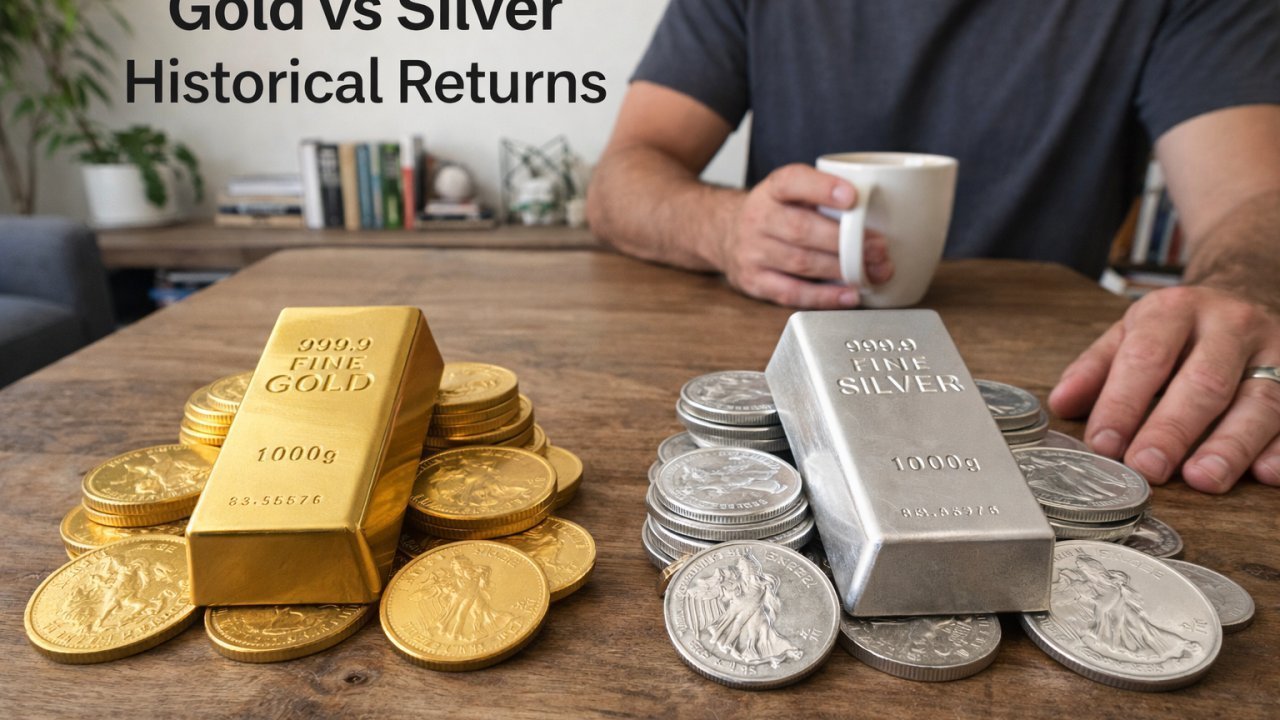
Silver: The Strategic Hedge for Bangalore’s Savvy Investors
While gold remains the traditional cornerstone of investment portfolios in Bangalore, local market trends indicate a significant uptick in silver accumulation. As the city’s tech-driven economy evolves, investors are increasingly viewing silver not just as a precious metal, but as a dual-purpose asset. Industrial demand from Bangalore’s thriving electronics and renewable energy sectors—key components in the manufacturing of solar panels and high-end circuitry—is creating a tightening supply-demand dynamic that differentiates silver from its yellow-metal counterpart.
For the retail investor browsing the bustling jewelry hubs of Commercial Street or Jayanagar, silver offers a lower entry barrier, making it an ideal vehicle for systematic investment. Unlike gold, which is often held for long-term wealth preservation, silver in Bangalore is increasingly being traded as a tactical play. Its higher volatility compared to gold allows investors to capitalize on short-term price swings, providing a liquid alternative for those looking to diversify their holdings beyond the standard 24-karat gold bars and coins.
However, storage and purity remain critical considerations for the Bangalore market. With the rise of digital silver platforms and standardized bullion providers in the city, investors are now shifting away from traditional silverware toward investment-grade bars and coins. This transition ensures higher resale value and easier authentication. As global economic shifts continue to influence local commodity prices, maintaining a balanced ratio between gold and silver could be the most effective way to hedge against market fluctuations while tapping into the metal's growing industrial utility.
Key Takeaway: Given its dual role as both a precious metal and an essential industrial commodity, silver is becoming a high-growth diversification tool for Bangalore investors, particularly for those looking to balance their portfolios against the lower volatility of gold.
Decoding Making Charges: A Savvy Shopper’s Guide to Bangalore Jewellers
In the bustling jewellery hubs of Bangalore—from the traditional gold lanes of Chickpet to the high-end showrooms lining Lavelle Road—the 'making charge' (or *wages*) is the most flexible component of your purchase. Unlike the gold rate, which is largely market-driven, making charges are essentially a service fee for the craftsmanship involved. In Bangalore, these charges typically range from 6% to 20% of the gold’s value. However, they are rarely set in stone, and savvy customers know that this is where the real negotiation happens.
When walking into a neighbourhood store or a major retail chain in Indiranagar or Jayanagar, never accept the initial quote as final. Jewellers often build a 'negotiation buffer' into their pricing. To secure a better deal, start by researching the current wastage percentages for the specific type of jewellery you are eyeing—intricate temple jewellery or antique 'Nakshi' work will naturally command higher making charges than plain gold chains or bangles. If you are a loyal customer or purchasing multiple items, don't hesitate to ask for a percentage-based discount on the total making cost.
Furthermore, keep an eye on seasonal promotions. During festive periods like Akshaya Tritiya or Dhanteras, many Bangalore jewellers offer flat-rate making charges or significant discounts to drive volume. Always ask for a detailed invoice that breaks down the gold price, the making charge, and the GST separately. By understanding that the making charge is a variable service fee rather than a fixed tax, you empower yourself to walk away with a better value proposition.
Key Takeaway: Treat making charges as a negotiable service fee rather than a fixed cost; always compare the percentage quoted against industry standards for the specific design complexity and don't be afraid to ask for a loyalty-based discount.
Expert Tip: Navigating Gold Exchange Policies in Bangalore
For many Bangaloreans, the tradition of exchanging ancestral gold for contemporary designs is a hallmark of festive preparations and wedding seasons. However, the exchange landscape in the city has evolved significantly. When you walk into major retail hubs like Commercial Street or Jayanagar, you will notice a clear distinction in how jewellers handle 'old' versus 'new' gold. Most reputable Bangalore jewellers now employ X-ray fluorescence (XRF) technology to determine the precise purity of your old ornaments, moving away from subjective fire-assay methods. This ensures that you receive a valuation based on the exact gold content, rather than a generalized deduction for impurities.
The critical factor to monitor is the 'deduction policy' applied to exchange transactions. While some national chains in Bangalore offer a 'zero-deduction' exchange policy on gold purchased from their own stores, exchanging gold sourced from other jewellers typically incurs a melting loss charge, usually ranging from 2% to 5%. Furthermore, be wary of the 'making charges' trap; while a jeweller might offer a high buy-back price for your old gold, they may inflate the making charges on the new piece. Savvy shoppers in the city are increasingly opting to sell their old gold to specialized refineries or dedicated bullion dealers first, converting it into cash before negotiating a fresh purchase. This strategy often yields a better net value than a direct product-for-product exchange.
Key Takeaway: Before heading to the store, verify if your old gold is BIS Hallmarked; hallmarked pieces often fetch higher buy-back rates and face fewer melting deductions. Always compare the net cash offer from a bullion dealer against the exchange value offered by your jeweller to ensure you aren't losing money in the transition.
Protecting Your Assets: Navigating Gold Insurance in Bangalore
As gold prices in Bangalore continue to reflect global volatility, many residents are moving beyond traditional bank lockers to secure their collections. While the city’s major jewellery hubs—from the bustling storefronts of Commercial Street to the premium showrooms in Indiranagar—offer exquisite craftsmanship, the rising incidence of residential burglaries in expanding suburbs like Whitefield and Sarjapur has made gold insurance an essential consideration for the prudent investor.
Home insurance policies in India often include a “valuable items” cover, but these are frequently insufficient for high-value jewellery. Standard homeowners' policies often cap coverage at a small percentage of the total sum insured, which rarely aligns with the current market valuation of gold in Bangalore. To bridge this gap, experts recommend opting for a standalone "Jewellery Insurance" policy or a comprehensive "All-Risk" home cover. These tailored plans provide protection against theft, fire, and even accidental damage, whether the ornaments are kept at home or being worn during social events across the city. When selecting a policy, ensure it offers "replacement value" rather than "indemnity value," ensuring you can replace your pieces at today’s gold rates rather than the price paid years ago.
Before finalizing a policy, it is vital to have your jewellery professionally appraised by a certified valuer in Bangalore. Keep detailed digital records, including high-resolution photographs and original purchase invoices, as these are critical for the claims process. As premium rates fluctuate based on the security measures installed in your home—such as biometric safes or monitored alarm systems—investing in home security can often lower your annual insurance premiums, providing a dual layer of protection for your assets.
Key Takeaway: Don't rely solely on basic home insurance; opt for a specialized jewellery cover that offers "replacement value" to safeguard your assets against the current, higher market prices of gold in Bangalore.
Navigating Making Charges: A Pro-Buyer’s Guide to Bangalore Jewellers
In Bangalore’s vibrant gold market—from the bustling storefronts of Commercial Street to the upscale boutiques of Lavelle Road—the "making charge" (or wastage) is often the most misunderstood component of your purchase. Unlike the transparent daily gold rate, making charges are highly subjective, typically ranging from 8% to 25% depending on the intricacy of the design. Because Bangalore jewellers operate in a competitive landscape, these charges are rarely set in stone, yet many buyers accept the first quote offered without hesitation.
To negotiate effectively, treat the making charge as a service fee rather than a fixed tax. Start by researching the "base" making charge for standard machine-made jewellery, which is generally lower. When you find a handcrafted piece you love, ask the jeweller to break down the cost, distinguishing between the metal value and the labour component. If you are a repeat customer or purchasing multiple items—a common practice during the wedding season in Karnataka—don't shy away from asking for a "loyalty discount" or a flat-rate reduction on the total wastage percentage. Often, a polite request for a reduction can shave 2% to 5% off the final bill, especially if you demonstrate that you are comparing quotes across reputable local chains.
Key Takeaway: Always negotiate the making charge as a percentage of the total gold value before taxes; never accept the first quote, and remember that for lightweight or machine-pressed jewellery, you should aim for the lower end of the industry standard (8-12%).
Navigating Bangalore’s Festive Gold Rush: A Buyer’s Guide
As the festive season approaches, Bangalore’s bustling gold markets—from the traditional hubs of Chickpet and Commercial Street to the high-end showrooms of Indiranagar and Jayanagar—are witnessing a surge in footfall. With gold prices remaining sensitive to global geopolitical shifts and local currency fluctuations, timing your purchase requires more than just luck. For Bangaloreans, the festive calendar, spanning from Varalakshmi Vratam to the peak of Diwali and Dhanteras, often sees retailers rolling out aggressive making-charge discounts. However, seasoned investors advise looking beyond the festive glitter; prioritize buying hallmarked jewelry (BIS 916) to ensure the purity of your investment amidst the heavy market competition.
For those planning significant purchases, consider the "averaging" strategy. Instead of buying all your gold in a single transaction, stagger your acquisitions across the festive weeks to mitigate the impact of daily price volatility. Furthermore, keep a close watch on the 'making charges' (wastage), which can vary significantly between local boutique jewelers and large corporate chains in the city. Negotiating these charges is often easier at smaller, established family-run establishments in areas like Malleswaram, whereas national brands often offer more transparent buy-back policies. Always insist on a detailed invoice that explicitly mentions the gold purity, weight, and the specific rate of wastage applied.
Key Takeaway: While festive discounts can be alluring, prioritize BIS hallmarked gold and negotiate making charges rather than focusing solely on the per-gram price, ensuring your festive purchase serves as both an adornment and a secure financial asset.
Maximizing Value: The Rise of Professional Gold Refining in Bengaluru
As gold prices continue to fluctuate in the Bengaluru bullion market, many residents are looking beyond traditional pawnbrokers to unlock the liquidity hidden in their old jewelry. While the city has long relied on neighborhood jewelers for exchange, the rise of specialized gold refining centers in hubs like Jayanagar and Indiranagar is changing the landscape. These modern facilities utilize XRF (X-ray Fluorescence) technology to provide a non-destructive, instantaneous purity analysis, ensuring that sellers receive a valuation based on current market rates rather than subjective estimates.
For those looking to liquidate, the shift toward transparent, machine-tested appraisal is a significant upgrade. Unlike legacy methods where "melting loss" deductions were often opaque, modern refiners provide a clear breakdown of the gold content, accounting for current 22K or 24K spot prices. This professionalization of the recycling sector ensures that consumers in Bengaluru are no longer at the mercy of arbitrary valuation practices. Before visiting a refinery, it is advisable to check the day’s live gold rate for Bengaluru and ensure the facility offers a digital certificate of weight and purity to guarantee a fair transaction.
Key Takeaway: To secure the best price for your old gold, bypass traditional resale channels and opt for professional refiners equipped with XRF technology; always verify the current market rate for your specific purity grade before finalizing the sale.
Navigating Gold Price Variations: Why Bangalore Stands Out
For investors and jewelry enthusiasts in Bangalore, understanding why gold prices often fluctuate compared to hubs like Mumbai or Chennai is essential. While the base price of gold is determined by international markets and currency fluctuations, the retail price in Bangalore is influenced by local factors, including state-specific taxes, transportation logistics, and the robust margins maintained by the city’s thriving retail jewelry sector. Because Bangalore serves as a massive consumption hub with a high density of organized retail chains, local competition often helps stabilize prices, though they may occasionally trend slightly higher than in major port cities due to the inland logistics costs associated with bullion distribution.
Furthermore, Bangalore’s unique demographic—a blend of traditional buyers and tech-savvy investors—creates a distinct demand profile. Unlike cities where gold is primarily purchased for seasonal weddings, the Bangalore market sees consistent, year-round demand for gold ETFs and digital gold, which can lead to localized price sensitivities. When comparing rates, it is vital for buyers to look beyond the spot price. Always factor in the specific making charges, which vary significantly between the boutique showrooms of Indiranagar and the traditional gold markets of Chickpet. By monitoring the spread between the national average and local retail rates, savvy Bangaloreans can time their purchases to capitalize on regional price dips.
Key Takeaway: While Bangalore’s gold prices are generally competitive, they remain subject to local logistical costs and regional retail dynamics; always compare the final "all-in" price—including making charges and GST—rather than just the raw bullion rate when planning your next investment.
Strategic Timing: When to Purchase Gold in Bangalore
For investors and jewelry enthusiasts in Bangalore, the timing of a gold purchase is often dictated by the dynamic interaction between international bullion markets and local demand. In the IT capital, gold prices are typically updated twice daily by the Bangalore Bullion Association. To secure the most advantageous rate, smart buyers often monitor these updates shortly after the morning fixing, usually between 10:30 AM and 11:30 AM. This window allows you to gauge the day’s volatility before making a commitment, ensuring you aren't caught off guard by sudden intraday spikes common during periods of geopolitical uncertainty.
Beyond the daily price fix, the "best" time to visit popular hubs like Commercial Street, Jayanagar, or the bustling jewelry corridors of Chickpet involves balancing market trends with store traffic. While online tracking provides the data, the physical purchase is best timed during weekday afternoons. Visiting showrooms during off-peak hours—typically Tuesday through Thursday between 2:00 PM and 4:00 PM—not only offers a more personalized consultation with jewelers but also avoids the weekend rush, which can occasionally lead to rushed decisions. Furthermore, keeping a close eye on the rupee-to-dollar exchange rate is essential; because gold is priced globally in USD, a strengthening rupee often acts as a natural hedge, potentially lowering the cost of gold for Bangalore residents even when global prices remain stagnant.
Key Takeaway: To maximize value, track the Bangalore Bullion Association’s morning price update and aim to finalize your purchase during mid-week, off-peak hours to combine favorable pricing with a more focused, stress-free shopping experience.
Bangalore Gold Market: Navigating Global Headwinds
Recent weeks have ushered in a period of heightened volatility across global financial markets, primarily influenced by shifts in the US Federal Reserve's interest rate outlook and persistent geopolitical tensions. As the US dollar reacts to these factors – strengthening with higher rate expectations or weakening amid uncertainty – the international price of gold, typically denominated in USD, responds in kind. Gold, offering no yield, tends to lose appeal when interest rates rise, but gains significant traction as a safe-haven asset during times of global instability.
For Bangalore's discerning gold buyers and investors, this intricate global dance translates directly into local prices, with a crucial added layer: the Indian Rupee (INR) to US Dollar (USD) exchange rate. Even if international gold prices dip, a weakening INR can significantly offset these gains, potentially making gold more expensive in local currency terms. Conversely, a stronger Rupee can make imported gold more affordable. Currently, a relatively stable rupee, coupled with a cautious yet resilient global sentiment, has allowed Bangalore's gold market to maintain a nuanced balance, preventing extreme swings despite international jitters.
Beyond the currency interplay, local demand in Bangalore continues to exert its influence. While the city's vibrant tech-driven economy often sees a significant portion of gold demand for investment purposes, traditional purchases for weddings, festivals, and cultural events remain robust. Investors here are keenly observing not just international spot prices but also the RBI's stance on the Rupee and domestic inflationary pressures, utilizing price corrections as opportunities to add to their portfolios, underscoring gold's enduring value in the Garden City.
Key Takeaway: Bangalore's gold prices are a dynamic interplay of global economic signals and the INR's strength against the USD, making local currency movements as crucial as international spot prices for savvy buyers and investors.