Your Comprehensive Gold Guide for Mangalore
Mangalore, a vibrant coastal city in Karnataka, holds a deep-rooted cultural and economic affinity for gold. From traditional jewellery for weddings and festivals to a trusted investment avenue, gold plays a pivotal role in the lives of its residents. Understanding the nuances of the gold market in Mangalore is essential for both buyers and investors. This comprehensive guide will navigate you through the local gold landscape, covering pricing, purchasing tips, storage, taxation, and more, ensuring you make informed decisions.
Why is gold price different in Mangalore?
The price of gold can vary slightly from one city to another, even within the same state, and Mangalore is no exception. Several factors contribute to these regional differences. Firstly, state-specific taxes and local levies, if any, can influence the final retail price. While the Goods and Services Tax (GST) is uniform across India, other minor local charges or transportation costs from major bullion hubs might add to the price. Secondly, the demand and supply dynamics within Karnataka and specifically Mangalore play a role. Higher local demand during festive seasons or specific cultural events can sometimes lead to minor price adjustments. Lastly, the operational costs, profit margins of individual jewellers, and the prevailing making charges in a particular area also contribute to the final price difference you might observe when comparing Mangalore's rates with other cities.
Which area or shop is famous for low making charges in Mangalore?
Making charges, or "wastage" as it's sometimes called, are a significant component of the total cost of gold jewellery. These charges cover the labour, design complexity, and craftsmanship involved in converting raw gold into finished pieces. In Mangalore, while it's challenging to pinpoint a single "famous" shop for consistently low making charges, certain areas and jewellers are known for offering competitive rates.
- Older Markets: Traditional jewellery hubs or older market streets often feature smaller, independent jewellers who might have lower overheads, potentially translating to more competitive making charges. Exploring these areas can sometimes yield better deals.
- Transparency: Reputable jewellers, regardless of their size, are transparent about their making charges. It's always advisable to ask for a clear breakdown before making a purchase.
- Bargaining: While not always possible with established brands, smaller shops might offer some flexibility on making charges, especially for significant purchases.
- Comparing: The best strategy is to visit multiple jewellers – both large chains and local shops – and compare their making charges for similar designs. Some jewellers might offer a flat rate per gram, while others charge a percentage of the gold value.
Always inquire if the making charges are negotiable and what percentage they constitute of the total value. Popular chain stores might have standardized rates, but they often run promotional offers during festive seasons which could include reduced making charges.
Why do gold prices change daily?
Gold prices are highly dynamic, changing not just daily but often multiple times within a day. This volatility is driven by a complex interplay of global and domestic factors. Globally, the price of gold is primarily influenced by international market movements, particularly on exchanges like COMEX (New York) and the London Bullion Market. The strength of the US dollar, crude oil prices, interest rate decisions by major central banks (like the US Federal Reserve), and geopolitical tensions all play a significant role. Gold is often seen as a safe-haven asset during times of economic or political uncertainty, causing its price to surge. Domestically, in India, factors such as import duties imposed by the government, the value of the Indian Rupee against the US Dollar, local demand during festivals (like Diwali, Akshaya Tritiya) and wedding seasons, and the Reserve Bank of India's monetary policies also contribute to daily price fluctuations. These factors constantly shift, leading to the daily, sometimes hourly, changes in gold rates.
Gold rates in Mangalore (22 karat): How do prices change?
In Mangalore, as in most parts of India, 22-karat gold (91.6% pure) is the most popular choice for jewellery due to its durability and traditional appeal. The price of 22-karat gold is directly derived from the global price of 24-karat (pure) gold. The calculation typically involves taking the international 24-karat price, converting it to Indian Rupees, adding import duties, and then factoring in local taxes and jeweller's margins. The 22-karat price is then calculated as 91.6% of this adjusted 24-karat rate.
The Indian Bullion and Jewellers Association (IBJA) provides benchmark gold rates that are widely followed by jewellers across the country, including Mangalore. These rates are updated twice daily, reflecting the international market trends and the Rupee-Dollar exchange rate. Local jewellers in Mangalore then add their specific making charges and GST to this base price to arrive at the final retail price for jewellery. Therefore, while the base rate for 22-karat gold in Mangalore is largely influenced by national and international factors, the final cost to the consumer will also include the unique elements of local market dynamics and individual jeweller policies.
Gold and hallmarking centres in Mangalore.
Hallmarking is crucial for ensuring the purity and authenticity of gold jewellery. In India, the Bureau of Indian Standards (BIS) is the national body responsible for hallmarking gold. A BIS hallmark guarantees that the gold jewellery conforms to the declared purity (e.g., 22K or 916 purity). When purchasing gold in Mangalore, always insist on BIS-hallmarked jewellery.
The BIS hallmark on a piece of jewellery typically includes:
- BIS Logo: A triangular mark.
- Purity in Carat and Fineness: E.g., 22K916 for 22 Karat gold, 18K750 for 18 Karat gold.
- Assaying and Hallmarking Centre's Mark/Number: The logo of the specific BIS-recognized centre where the gold was tested.
- Jeweller's Identification Mark/Number: The unique mark of the jeweller.
Mangalore has several BIS-recognized hallmarking centres where jewellers get their ornaments certified. Most reputable jewellers in Mangalore exclusively sell hallmarked gold, providing consumers with peace of mind regarding their purchase's quality and value. Always check for these marks before buying.
Top Jewellers in Mangalore.
Mangalore boasts a rich tradition of jewellery, with a mix of national chains and well-established local players. When looking to purchase gold in the city, you have a wide array of options known for their quality, craftsmanship, and customer service.
- Malabar Gold & Diamonds: A prominent national brand with a strong presence in Mangalore, known for its extensive collection, transparency, and various schemes.
- Joyalukkas: Another leading international jewellery retailer offering a vast range of gold, diamond, and precious stone jewellery, with a trusted reputation.
- Kalyan Jewellers: A household name across India, Kalyan Jewellers in Mangalore provides a diverse selection of traditional and contemporary designs, often accompanied by attractive offers.
- Bhima Jewellers: With a long-standing legacy, Bhima Jewellers is a well-regarded name known for its traditional designs and purity assurance.
- Abharan Jewellers: A popular local and regional chain, Abharan is known for its exquisite craftsmanship and commitment to quality, deeply ingrained in the local culture.
- Tanishq: From the Tata Group, Tanishq is synonymous with trust and contemporary designs, offering certified gold and diamond jewellery.
These jewellers are generally reliable choices, offering BIS-hallmarked gold and transparent pricing. It's always advisable to visit a few stores, compare designs, making charges, and customer service before making your final decision.
Supply pressures pushing prices up.
The price of gold is fundamentally influenced by the balance between its global supply and demand. Several persistent supply pressures contribute to pushing gold prices upwards. Firstly, gold is a finite resource, and the rate of new discoveries of gold mines has been declining. Extracting gold is also becoming increasingly difficult and expensive, requiring deeper mines and more advanced technology, which limits the overall global output. Secondly, central banks around the world have been consistent buyers of gold in recent years, diversifying their reserves away from fiat currencies. This institutional demand removes a significant portion of the annual supply from the open market. Thirdly, geopolitical instability and economic uncertainties often drive investors towards gold as a safe-haven asset, increasing investment demand which further tightens the available supply for other uses, including jewellery manufacturing. These combined factors of constrained mining output, robust central bank purchases, and elevated investment demand in times of crisis continually exert upward pressure on gold prices globally, impacting rates even in local markets like Mangalore.
How to store gold in Mangalore?
Storing gold safely is paramount, especially given its high value. In Mangalore, residents have several viable options for securing their precious metal investments.
- Bank Lockers: This is arguably the most popular and secure method. Most nationalized and private banks in Mangalore offer safe deposit locker facilities. While there's an annual fee, the security provided by bank vaults against theft and natural calamities is unparalleled. It's important to note that banks are not liable for the contents, so insuring the gold separately is often recommended.
- Home Safes: For smaller quantities or frequently used jewellery, a high-quality, fire-resistant home safe can be an option. However, this carries inherent risks of theft and is generally not recommended for large holdings. Ensure your home insurance policy covers your gold if opting for this method.
- Digital Gold: This modern option allows you to buy and sell gold virtually without taking physical delivery. Companies like MMTC-PAMP and Augmont offer digital gold, where the physical gold is stored in insured vaults on your behalf. This eliminates storage concerns and potential theft risks.
- Sovereign Gold Bonds (SGBs): While not physical gold, SGBs are government securities denominated in grams of gold. They are a paper form of gold investment, offering interest and capital appreciation linked to gold prices, with no storage worries.
The best storage method depends on the quantity of gold, your comfort level with risk, and your investment strategy. For physical gold, bank lockers remain the most secure choice for Mangalore residents.
Gold vs Real Estate in Mangalore.
For investors in Mangalore, both gold and real estate represent significant asset classes, each with distinct characteristics, risks, and returns.
- Liquidity: Gold is highly liquid. You can sell physical gold or digital gold relatively quickly and convert it into cash. Real estate, on the other hand, is illiquid. Selling a property in Mangalore can take months, sometimes even years, depending on market conditions.
- Appreciation Potential: Both assets have shown significant appreciation over the long term. Mangalore's real estate market has seen steady growth, driven by urban development, educational institutions, and healthcare facilities. However, real estate returns are subject to local market cycles, infrastructure development, and regulatory changes. Gold's appreciation is more influenced by global economic factors and its role as a safe haven.
- Maintenance & Costs: Gold typically incurs storage costs (bank locker fees) and making charges if bought as jewellery. Real estate involves substantial maintenance costs (property taxes, repairs, society charges), transaction costs (stamp duty, registration fees), and potential rental income or vacancy risks.
- Tangibility & Diversification: Both offer tangible asset ownership (except for SGBs/digital gold). For a well-diversified portfolio in Mangalore, investing in both gold and real estate can be a prudent strategy, balancing liquidity with long-term growth and hedging against different economic scenarios.
Ultimately, the choice depends on an individual's financial goals, risk appetite, and investment horizon.
What is a Sovereign Gold Bond?
A Sovereign Gold Bond (SGB) is a unique and increasingly popular way to invest in gold in India, including for residents of Mangalore. SGBs are government securities denominated in grams of gold, issued by the Reserve Bank of India (RBI) on behalf of the Government of India. They are essentially a paper form of gold investment.
Key features and benefits of SGBs:
- No Physical Gold: You don't need to worry about the storage or security of physical gold.
- Interest Income: SGBs offer a fixed interest rate (currently 2.50% per annum) on the initial investment amount, paid semi-annually. This is a significant advantage over physical gold, which generates no income.
- Capital Appreciation: The redemption price of SGBs is linked to the market price of gold at the time of maturity, allowing investors to benefit from any rise in gold prices.
- Tax Benefits: Capital gains arising from the redemption of SGBs upon maturity are exempt from tax. This is a major tax advantage compared to physical gold.
- Sovereign Guarantee: Being government securities, SGBs carry the sovereign guarantee, making them extremely safe.
- Issued in Batches: SGBs are issued in tranches by the RBI periodically, and investors can subscribe through banks, designated post offices, and stock exchanges.
SGBs are an excellent option for long-term gold investors in Mangalore looking to avoid storage costs, making charges, and benefit from interest income and tax advantages.
Taxation of gold in Mangalore.
Understanding the taxation aspects of gold is vital for any buyer or investor in Mangalore. Gold is subject to Goods and Services Tax (GST) at the time of purchase and Capital Gains Tax upon sale.
- GST on Purchase:
- On Gold Value: A 3% GST is levied on the value of the gold purchased.
- On Making Charges: A 5% GST is applicable on the making charges (labour charges) for gold jewellery.
So, when you buy gold jewellery in Mangalore, the final bill will include the gold price + making charges + 3% GST on gold value + 5% GST on making charges.
- Capital Gains Tax on Sale: When you sell gold, any profit made is subject to Capital Gains Tax.
- Short-Term Capital Gains (STCG): If you sell gold within 36 months (3 years) of purchase, the profit is added to your total income and taxed according to your applicable income tax slab rates.
- Long-Term Capital Gains (LTCG): If you sell gold after holding it for more than 36 months, the profit is considered Long-Term Capital Gains. LTCG on gold is taxed at a flat rate of 20% with the benefit of indexation. Indexation adjusts the purchase price for inflation, thereby reducing the taxable gain.
- Sovereign Gold Bonds (SGBs) Taxation: As mentioned, capital gains from SGBs are exempt from tax if held till maturity (8 years). If sold on a stock exchange before maturity, STCG and LTCG rules apply similarly to physical gold, but without the benefit of indexation for LTCG.
- Gift Tax: If you receive gold as a gift from specified relatives, it is exempt from tax. However, if received from non-relatives, gifts exceeding Rs. 50,000 in value are taxable as "Income from Other Sources."
It's always advisable to consult a tax advisor for specific guidance based on your individual financial situation regarding gold investments in Mangalore.
Investing in gold in Mangalore offers both traditional charm and modern investment opportunities. By understanding the factors influencing its price, knowing where to buy, how to store it, and its tax implications, you can navigate the gold market confidently and make choices that align with your financial goals.
Digital Gold: Is it a Secure Choice for Mangalore Investors?
As Mangalore’s gold market continues to evolve, many residents are shifting their gaze from the traditional jewelry showrooms of Hampankatta and Car Street toward the convenience of digital gold. With the rapid digitization of financial services in coastal Karnataka, digital gold—where you buy 24-karat gold online and store it in insured digital vaults—has become an attractive alternative to physical hoarding. The primary advantage for Mangaloreans is the ability to invest in micro-amounts, starting from as little as ₹100, which allows for consistent wealth building without the immediate security risks associated with storing physical bullion at home.
However, safety remains the paramount concern. For investors in Mangalore, the key is to ensure the platform is backed by reputable entities like MMTC-PAMP, SafeGold, or established brokerage houses that hold the underlying physical gold in regulated, third-party vaults. Unlike physical coins or bars where you must account for storage and insurance, digital gold platforms provide transparency through real-time price tracking and audited holdings. While it lacks the tactile sentimentality of gold jewelry, it offers unparalleled liquidity; in a city where market fluctuations are closely watched, the ability to sell your digital holdings instantly at market rates—without the "making charges" or purity concerns often faced at local shops—is a significant modern advantage.
Key Takeaway: Digital gold is a secure and highly liquid investment vehicle for Mangaloreans, provided you transact through RBI-regulated platforms or SEBI-registered brokers. It is an ideal supplement to your portfolio for those who prioritize convenience and purity over physical possession.
Decoding Making Charges: A Mangalorean’s Guide to Smarter Gold Buying
In the bustling jewellery hubs of Mangalore—from the traditional lanes of Car Street to the polished showrooms in Balmatta—the "making charge" (or *vethanam*) is often the most misunderstood component of your gold purchase. While gold rates are dictated by international markets, the making charge is a discretionary fee determined by the complexity of the design and the brand’s overheads. In Mangalore’s competitive market, these charges typically range from 6% to 18% of the gold’s value. Understanding that this is a service fee, not a commodity cost, is your first step toward smarter negotiation.
When visiting local jewellers, avoid asking for a flat discount on the gold price, as that is rarely negotiable. Instead, focus your bargaining power on the making charge. If you are purchasing lightweight, machine-made chains or bangles, the making charge should be significantly lower than that of intricate, handcrafted *kasu mala* or traditional temple jewellery. Always request a detailed invoice that separates the gold price from the making charges and GST. Before committing, compare quotes from at least two reputable local jewellers; often, a polite inquiry about "best rates for regular customers" or a request to waive a percentage of the making charge can yield savings, especially during festive seasons like Deepavali or Akshaya Tritiya.
Key Takeaway: Never negotiate the gold rate itself; focus your bargaining efforts exclusively on the making charges, especially for simple designs, and always compare quotes across multiple Mangalorean jewellers to ensure you aren't paying a premium for standard craftsmanship.
Beyond Gold: Why Mangalore Investors are Turning to Silver
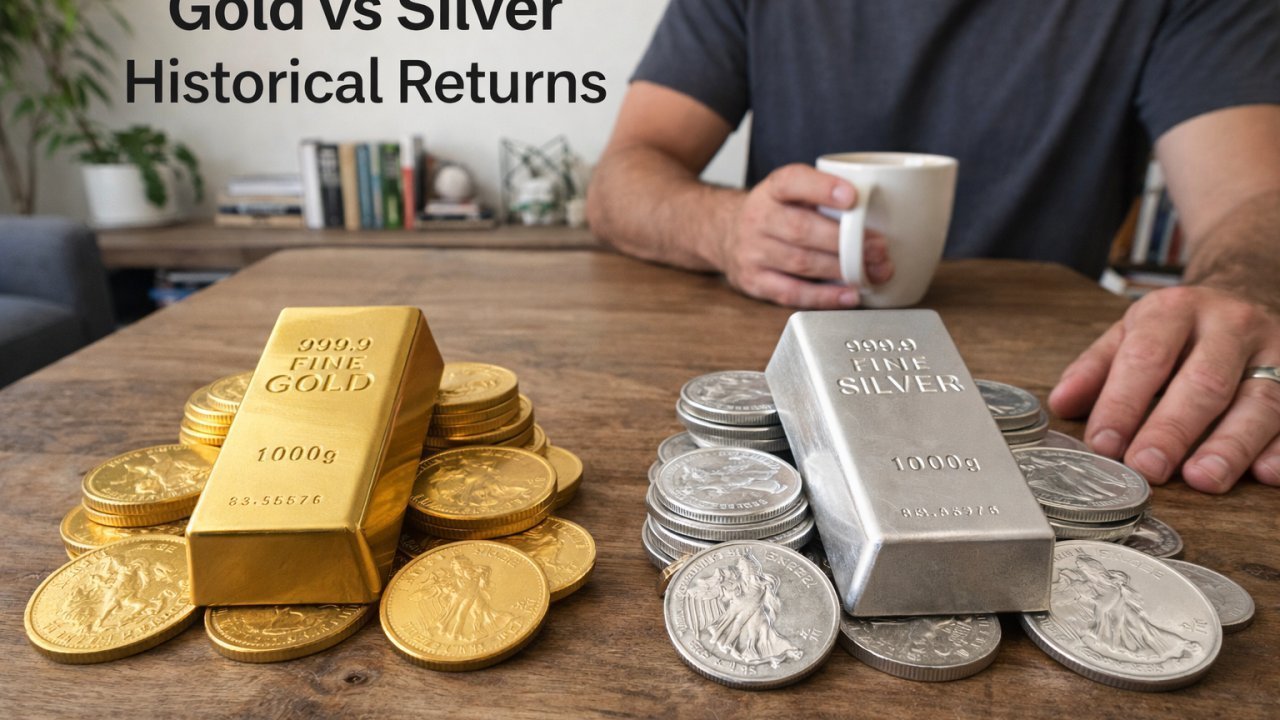
While gold remains the traditional cornerstone of investment portfolios across coastal Karnataka, a significant shift is underway in Mangalore’s bullion market. Local investors are increasingly viewing silver not merely as an industrial commodity, but as a strategic hedge to diversify their holdings. Given the city's robust trade links and the growing demand for silver artifacts and investment-grade bars during the festive seasons in Dakshina Kannada, silver has begun to outperform gold in terms of short-term volatility, offering aggressive entry points for retail investors.
Market analysts in Mangalore observe that the rising industrial application of silver—particularly in the electronics and solar sectors—is providing a stronger floor for prices compared to the purely sentiment-driven fluctuations of gold. For the Mangalorean investor, silver offers a lower barrier to entry, allowing for systematic accumulation that is far more accessible than high-premium gold jewelry. As local jewelers report a surge in demand for 999-purity silver coins and bars, it is clear that the city is evolving from a gold-centric mindset toward a more balanced, multi-precious metal approach.
Key Takeaway: Silver is gaining traction as a high-potential alternative to gold in Mangalore; investors should consider diversifying into silver bars or coins to capitalize on both its industrial growth potential and its role as an affordable, liquid asset in a volatile market.
Smart Investing: Why Mangalore Investors Are Shifting to Sovereign Gold Bonds
For generations, the residents of Mangalore have viewed gold as the ultimate store of value, deeply rooted in our coastal culture and traditions. However, as local jewelers along Car Street and Hampankatta see gold prices fluctuate, a growing number of savvy investors are pivoting from physical gold to Sovereign Gold Bonds (SGBs). While holding physical coins or bars offers a tactile sense of security, SGBs provide a sophisticated, digital alternative that eliminates the traditional "headaches" of gold ownership—namely, the risk of theft and the inevitable making charges associated with jewelry.
Beyond the safety of a government-backed instrument, SGBs offer a distinct financial edge for the Mangalorean investor. Unlike physical gold, which sits idle in a locker, SGBs earn an additional annual interest of 2.5%, paid semi-annually. Furthermore, for those who hold the bonds until maturity, the capital gains tax is completely exempt—a significant advantage over the potential tax implications of selling physical assets. By choosing SGBs, you aren't just tracking the price of gold; you are creating a yield-generating asset that perfectly complements the long-term wealth preservation goals of families across Dakshina Kannada.
Key Takeaway: Transitioning to Sovereign Gold Bonds allows you to capture the appreciation of gold prices while earning a guaranteed 2.5% annual interest, all while avoiding the storage risks and high making charges inherent in physical gold jewelry.
Ensuring Authenticity: Verifying Gold Purity in Mangalore’s Competitive Market
As Mangalore’s gold market continues to thrive, driven by the city’s deep-rooted cultural affinity for precious metals and festive demand, discerning buyers are increasingly prioritizing transparency. Whether you are shopping at the bustling jewelry hubs of Hampankatta or exploring boutique stores in Kankanady, verifying the quality of your purchase is essential. The Bureau of Indian Standards (BIS) has simplified this process through the BIS Care App, a digital tool that puts the power of authentication directly into the hands of the consumer.
To verify your jewelry, look for the unique six-digit alphanumeric HUID (Hallmark Unique Identification) code laser-inscribed on your gold item. By opening the BIS Care App and selecting the ‘Verify HUID’ feature, you can input this code to instantly access details regarding the jeweler’s registration, the purity of the gold, and the date of hallmarking. This digital footprint acts as a safeguard, ensuring that the 22-karat gold you purchase aligns with the prevailing market rates in Mangalore and meets national quality standards.
For residents navigating the local market, utilizing this app is not just a technical formality; it is a vital step in protecting your investment. In a city where gold is often viewed as a long-term store of value, relying on the BIS digital ecosystem provides the peace of mind that your assets are genuine and hold their intended market worth. Always insist on a hallmarked piece and verify it before leaving the showroom to ensure your purchase is as authentic as the traditions it represents.
Key Takeaway: Always check for the six-digit HUID code on your jewelry and use the BIS Care App to verify its authenticity instantly, ensuring your investment is backed by official hallmarking standards.
Maximizing Value: The Evolving Gold Recycling Landscape in Mangalore
As gold prices continue to fluctuate in the global markets, Mangalore’s residents are increasingly looking toward professional refining services to unlock the liquidity tied up in old or unused jewelry. Unlike traditional pawn shops, the modern gold recycling sector in coastal Karnataka has shifted toward transparency and precision. Today, established refineries in hubs like Hampankatta and Balmatta utilize advanced X-ray fluorescence (XRF) technology, allowing customers to receive an accurate assessment of their gold’s purity without the destructive testing methods of the past.
For those looking to sell, the key is to understand the difference between a "buy-back" at a jewelry retailer and a dedicated refining service. While retailers often charge significant melting losses or making charges when you trade in old gold for new, professional refiners provide a more direct route to the current market value. By opting for reputable centers that provide live market tracking and transparent weight verification, Mangaloreans can ensure they are not losing a substantial percentage of their asset's value to hidden deductions.
Before heading to a refinery, it is advisable to check the daily spot price of 24-karat gold and ensure you have proper documentation. Even for inherited pieces, having a clear understanding of the caratage—whether it is 22k, 18k, or lower—will empower you during the negotiation process. In a city where gold is deeply woven into the cultural fabric, treating your old ornaments as a financial asset rather than just an heirloom can provide a vital buffer during volatile economic periods.
Key Takeaway: When selling gold in Mangalore, prioritize centers that use non-destructive XRF testing and offer real-time pricing transparency, as this minimizes loss compared to traditional retail exchange schemes.
Strategic Timing: When to Buy Gold in Mangalore
For gold buyers in Mangalore, timing is about more than just tracking global bullion markets; it is about navigating the local retail landscape. While the spot price of gold fluctuates globally throughout the trading day, local jewelers in hubs like Hampankatta and Car Street typically finalize their daily rates based on the morning opening prices from the India Bullion and Jewellers Association (IBJA). Consequently, visiting a jewelry showroom during the late morning—between 11:30 AM and 1:00 PM—often provides the most accurate reflection of the day’s market trend, allowing you to make a purchase before any late-afternoon volatility sets in.
Furthermore, Mangalore’s unique retail culture favors mid-week shopping over the weekend rush. Visiting showrooms on a Tuesday or Wednesday offers a dual advantage: jewelers are generally less crowded, allowing for a more transparent discussion regarding making charges and purity certifications, and you avoid the "weekend premium" sentiment that can sometimes influence foot traffic. If you are planning a significant investment or bridal purchase, avoiding the peak evening hours—when the bustle of the city can overshadow careful price negotiation—ensures you have the undivided attention of the staff to scrutinize hallmarking and buy-back policies.
By aligning your visit with the morning rate fixation and opting for quieter mid-week windows, you position yourself to secure the best possible value in a competitive market.
Key Takeaway: To secure the best deal in Mangalore, aim to visit trusted jewelers on a Tuesday or Wednesday morning, shortly after the day's local rates have been officially published, ensuring you have the time and space to negotiate making charges effectively.
Securing Your Assets: Insurance Essentials for Mangalore Gold Owners
For many households in Mangalore, gold is more than just an aesthetic choice; it is a vital financial hedge and a repository of generational wealth. However, as the city experiences rapid urban expansion and shifting security landscapes, relying solely on traditional home lockers or cupboards is becoming increasingly risky. With the monsoon season often bringing localized flooding and the rising incidence of urban property crimes, gold owners in districts like Bejai or Kadri are increasingly turning to dedicated insurance covers to protect their high-value assets against theft, burglary, and accidental damage.
Most standard homeowners' insurance policies in India provide limited coverage for jewelry, often capping the claim amount at a fraction of the total value. For serious investors and families holding substantial quantities of heirloom gold, this is rarely sufficient. Local experts suggest opting for a "valuable items" floater or a standalone jewelry insurance policy. Unlike basic covers, these specialized plans often include "all-risk" protection, which covers loss during transit—a crucial consideration if you frequently move your jewelry to bank vaults or attend family weddings across the Dakshina Kannada region. Before purchasing, ensure you have a certified valuation certificate from a reputable Mangalorean jeweler, as this documentation is the cornerstone of a smooth claim process.
Key Takeaway: Do not rely on standard home insurance to cover your gold. Invest in a specialized jewelry insurance plan that includes "all-risk" transit coverage and ensure your assets are professionally appraised to avoid under-insurance during a claim.
Market Update: Global Volatility and the Mangalore Gold Outlook
The gold market in Mangalore is currently navigating a complex ripple effect stemming from heightening global economic uncertainties. As international investors seek safe-haven assets in response to fluctuating central bank interest rates and geopolitical tensions, the resulting surge in global spot prices has inevitably exerted upward pressure on domestic rates. For Mangalore’s jewelry hubs—from the bustling corridors of Hampankatta to the specialized showrooms in Car Street—this volatility translates to a period of cautious pricing, where local gold rates are recalibrating daily to mirror these international shifts.
While global trends dictate the baseline cost, Mangalore’s unique market dynamics also play a significant role. The city’s strong cultural affinity for gold, particularly during festive and wedding seasons, often creates a localized demand floor that can buffer against minor price dips. However, the current global instability suggests that prospective buyers should anticipate heightened price sensitivity. Jewelers across the coastal belt are observing a trend where informed consumers are closely monitoring the USD-INR exchange rate, as any depreciation of the rupee directly compounds the cost of gold imports, further inflating the final price tag for the end consumer.
Key Takeaway: With global market volatility driving prices, Mangalore buyers should prioritize tracking the daily spot price updates and currency fluctuations rather than waiting for significant corrections. In this climate, staggered purchasing or opting for gold savings schemes offered by reputable local jewelers can be a strategic way to mitigate the impact of sudden price surges.
Beyond the Jewellery Box: Why Mangalore Investors are Turning to SGBs
For generations, the residents of Mangalore have viewed physical gold—be it intricately crafted temple jewellery from the city’s bustling Hampankatta markets or traditional coins—as the ultimate store of value. However, as the local investment landscape evolves, savvy investors in the coastal city are increasingly shifting their gaze toward Sovereign Gold Bonds (SGBs). Unlike physical gold, which brings the perennial concerns of high making charges, purity verification, and the logistical burden of secure storage, SGBs offer a streamlined, digital alternative backed directly by the Reserve Bank of India.
The primary allure for Mangalore’s gold enthusiasts lies in the dual-benefit structure of SGBs. While physical gold remains stagnant in your locker, SGBs provide a fixed annual interest of 2.5% paid semi-annually, providing a steady income stream alongside the potential for capital appreciation based on market gold prices. Furthermore, for those looking to hold these bonds until maturity, the capital gains are entirely tax-exempt. By opting for SGBs, Mangaloreans can maintain their exposure to the precious metal’s price movements while eliminating the 5% to 15% wastage costs typically associated with purchasing physical ornaments, making it a far more efficient vehicle for long-term wealth accumulation.
Key Takeaway: Sovereign Gold Bonds offer Mangalore investors a superior risk-adjusted return compared to physical gold by eliminating storage costs and making charges, while providing the added benefit of a 2.5% annual interest payout and tax-efficient capital gains.
Expert Tips for Festival Gold Acquisitions in Mangalore
As the festive season approaches, Mangalore’s bustling jewelry markets—from the traditional hubs near Car Street to the contemporary showrooms along MG Road—are witnessing a surge in footfall. For residents looking to balance auspicious traditions with fiscal prudence, timing is everything. While the emotional significance of purchasing gold during festivals like Deepavali or Akshaya Tritiya is paramount, seasoned local jewelers suggest monitoring the daily spot price fluctuations closely. Given Mangalore’s coastal market dynamics, global supply chain shifts often impact local premiums, making it wise to track the 22-karat and 24-karat rates in real-time before finalizing your purchase.
To ensure you are getting the best value, prioritize hallmark-certified gold. With the Bureau of Indian Standards (BIS) mandate now strictly enforced, always verify the laser-engraved HUID (Hallmark Unique Identification) number on your jewelry. Furthermore, consider the "making charges" carefully; these can vary significantly between local boutique artisans and larger retail chains. If you are buying for long-term investment rather than adornment, opt for gold coins or bars over intricate jewelry to minimize the wastage and labor costs that are otherwise factored into the final invoice. By staying informed and comparing the net weight and purity certificates across multiple reputable Mangalore-based jewelers, you can secure your festive gold with both confidence and financial clarity.
Key Takeaway: Beyond just the daily market rate, always factor in the HUID hallmark verification and the percentage of making charges; opting for low-wastage gold coins can significantly improve the investment value of your festive purchases.