Bareilly, a vibrant city in Uttar Pradesh, India, holds a deep-rooted cultural and economic connection with gold. For its residents, gold is not just an adornment but a significant investment, a symbol of prosperity, and an essential part of various traditions and celebrations. Understanding the nuances of gold in Bareilly – from daily price fluctuations to investment options and taxation – is crucial for both seasoned investors and first-time buyers. This comprehensive guide aims to equip you with all the essential information to navigate the Bareilly gold market with confidence and make informed decisions.
Why is gold price different in Bareilly?
The price of gold in Bareilly, much like in other Indian cities, exhibits daily variations and often differs slightly from national averages or even neighbouring cities. Several factors contribute to these localized price differences. Firstly, the international gold price, determined by global supply and demand, geopolitical stability, and currency movements (primarily USD), forms the base. This global price is then converted into Indian Rupees, influenced by the INR-USD exchange rate. Domestically, India imposes import duties on gold, which adds to the cost. Finally, local factors come into play: transportation costs from major import hubs to Bareilly, local demand and supply dynamics, jewellers' margins, and the mandatory Goods and Services Tax (GST) on gold (3% on value, 5% on making charges) all contribute to the final per-gram price you see in Bareilly showrooms. Therefore, while global trends dictate the broad movement, local market conditions fine-tune the price for Bareilly consumers.
Which area or shop is famous for low making charges in Bareilly?
Finding jewellery with low making charges is a common pursuit for gold buyers in Bareilly, as these charges can significantly impact the final price. While specific shops might gain a reputation over time, it's generally observed that smaller, independent jewellers or those located in traditional market areas might offer more competitive making charges compared to large, branded showrooms. Areas like Qutubkhana, known for its bustling traditional markets, and certain pockets along Choupla Road or Civil Lines where numerous jewellers operate, are often good starting points for comparison. It's advisable to:
- Compare Multiple Jewellers: Visit several shops and inquire about their making charges for similar designs.
- Negotiate: Making charges, especially for intricate designs, can sometimes be negotiated.
- Understand Calculation: Ask if making charges are a percentage of gold value or a fixed rate per gram.
- Look for Promotional Offers: During festive seasons, some jewellers might offer discounts on making charges.
Always prioritize transparency and ensure the gold is hallmarked, even when seeking lower making charges.
Why do gold prices change daily?
Gold prices are highly dynamic, changing not just daily but sometimes multiple times within a day. This volatility is a result of a complex interplay of global and domestic economic, political, and social factors. Key drivers include:
- Global Economic Indicators: Inflation rates, interest rate decisions by central banks (like the US Federal Reserve), and GDP growth figures impact gold's appeal as a safe-haven asset.
- Currency Fluctuations: Gold is primarily traded in US Dollars. A stronger dollar typically makes gold more expensive for holders of other currencies, potentially dampening demand, and vice-versa. The INR-USD exchange rate directly affects gold prices in India.
- Geopolitical Events: Wars, political instability, trade disputes, or major global crises often lead investors to flock to gold, driving up its price due to its perceived safety.
- Supply and Demand: Mining output, recycling rates, and consumer demand (especially from major markets like India and China for jewellery and investment) influence prices.
- Central Bank Policies: Central banks globally are significant holders of gold. Their buying or selling activities can have a substantial impact on prices.
- Crude Oil Prices: Often, gold and crude oil prices move in tandem, as both are commodities influenced by global economic health and geopolitical events.
These factors create a constant ebb and flow, making daily price adjustments a norm for gold.
Gold rates in Bareilly (22 karat): How do prices change?
For most jewellery purchases in Bareilly, 22-karat gold (91.6% pure) is the preferred choice due to its balance of purity and durability. The daily 22-karat gold rate in Bareilly is a derivative of the international spot gold price, adjusted for various domestic factors. Here's how it typically changes:
- International Benchmark: The starting point is the international gold rate (e.g., LBMA prices), which reflects global supply and demand.
- Currency Conversion: This international price is converted into Indian Rupees using the prevailing INR-USD exchange rate. A weaker Rupee makes gold more expensive in India.
- Import Duties: The Indian government levies import duties on gold, adding to the cost base.
- Local Jewellers' Association: In many cities, including Bareilly, local jewellers' associations play a role in standardizing the daily rate based on the above factors, ensuring consistency across most shops.
- GST: A 3% Goods and Services Tax is applied to the final gold value.
- Making Charges: While not part of the per-gram gold rate, these are added to the final jewellery price.
Therefore, when you check the 22-karat gold rate in Bareilly, you are seeing a price that reflects global trends filtered through India's economic policies and local market dynamics, typically quoted per 10 grams for convenience.
Gold and hallmarking centres in Bareilly.
Hallmarking is a crucial aspect of buying gold, ensuring its purity and authenticity. In India, the Bureau of Indian Standards (BIS) is the authority responsible for hallmarking gold jewellery. A BIS hallmark on gold jewellery guarantees that the metal conforms to a certain standard of purity. For consumers in Bareilly, it is paramount to always insist on hallmarked gold. A BIS hallmark comprises several components:
- BIS Logo: The triangular mark of the BIS.
- Purity in Karat & Fineness: E.g., 22K916 for 22-karat gold (91.6% pure).
- Assaying and Hallmarking Centre's Mark: A unique logo identifying the centre where the gold was hallmarked.
- Jeweller's Identification Mark: The mark of the jeweller who sold the article.
Bareilly has BIS-recognized Assaying and Hallmarking Centres where jewellers can get their gold articles tested and certified. By purchasing hallmarked gold from reputable jewellers, consumers in Bareilly can be assured of the gold's purity and avoid potential fraud.
Top Jewellers in Bareilly.
Bareilly boasts a mix of established national brands and trusted local jewellers, offering a wide range of designs and services. When looking for quality and reliability, consumers often turn to:
- Tanishq: A renowned national brand from the Tata Group, known for its extensive range, quality assurance, and transparent pricing. They have a significant presence in major Indian cities, including Bareilly.
- Malabar Gold & Diamonds: Another prominent national and international player, famous for its diverse collections, fair pricing policy, and customer-centric services.
- Kalyan Jewellers: A well-known name across India, offering traditional and contemporary designs, often with attractive schemes and trust built over decades.
- PC Jeweller: A popular choice for its modern designs, strong brand presence, and various collections catering to different tastes and occasions.
- Local Established Jewellers: Beyond the national chains, Bareilly has several long-standing local jewellers who have built trust within the community over generations. These shops often offer unique designs, personalized service, and competitive making charges. Examples might include well-known regional chains or individual family-run businesses that have a strong local reputation for quality and integrity.
It's always recommended to visit showrooms, compare designs, check hallmarking, and inquire about prices and policies before making a purchase.
Supply pressures pushing prices up.
Several supply-side factors consistently exert upward pressure on gold prices globally, which in turn affects Bareilly's market. These pressures often stem from the inherent nature of gold as a finite resource and its role in the global economy:
- Declining Mine Production: Gold is a non-renewable resource. Discovering new, economically viable gold deposits is becoming increasingly challenging, and existing mines are seeing declining yields. This creates a long-term supply constraint.
- Increased Central Bank Demand: In recent years, central banks worldwide have been net buyers of gold, diversifying their reserves away from fiat currencies. This institutional demand significantly reduces the available supply in the open market.
- Geopolitical Instability: Periods of global uncertainty, conflicts, or economic crises lead investors to seek safe-haven assets. Gold, being a traditional store of value, experiences heightened demand during such times, tightening the supply available for regular consumption.
- Inflationary Expectations: When inflation is expected to rise, the purchasing power of fiat currencies erodes. Investors turn to gold as a hedge against inflation, increasing demand and putting pressure on supply.
- Environmental Regulations: Stricter environmental regulations and increased operational costs for mining companies can lead to reduced output or delays in new projects, further limiting supply.
These persistent supply pressures, combined with robust demand, form a strong foundation for gold's long-term price appreciation.
How to store gold in Bareilly?
Proper storage of gold, especially physical gold, is a critical concern for owners in Bareilly. While the emotional value of owning physical gold is high, ensuring its safety is paramount. Here are common methods:
- Home Safe: Storing gold in a secure home safe offers immediate access. However, it carries inherent risks like theft or damage from fire/natural disasters. It's crucial to have a high-quality, bolted-down safe and consider insuring the gold.
- Bank Lockers: This is a highly popular and secure option in Bareilly. Banks like SBI, PNB, Bank of Baroda, and other private banks offer locker facilities for a nominal annual fee. Bank lockers provide robust security, protection against theft, and often against natural calamities. However, access is limited to banking hours, and the bank's liability for contents might be limited.
- Digital Gold: While not physical storage, investing in Gold Exchange Traded Funds (ETFs) or Sovereign Gold Bonds (SGBs) eliminates the need for physical storage altogether. These are paper forms of gold that track gold prices, offering security and convenience.
- Jeweller's Storage Schemes: Some larger jewellers might offer storage schemes, though these should be thoroughly vetted for terms, insurance, and security before considering.
Regardless of the method, it's advisable to keep a detailed record of your gold holdings, including purchase receipts, and consider insuring valuable physical gold against theft or loss.
Gold vs Real Estate in Bareilly.
For investors in Bareilly, both gold and real estate represent significant investment avenues, each with distinct advantages and disadvantages. The choice often depends on individual financial goals, risk tolerance, and time horizon.
- Gold:
- Liquidity: Highly liquid; can be easily converted to cash.
- Hedge Against Inflation: Traditionally performs well during inflationary periods.
- Global Asset: Not tied to local economic conditions; universally accepted.
- No Maintenance: Requires no upkeep or recurring expenses (beyond storage).
- Divisibility: Can be bought and sold in small quantities.
- Real Estate in Bareilly:
- Tangible Asset: Provides a sense of ownership and utility (self-use or rental income).
- Potential for High Appreciation: Land value in developing areas of Bareilly can see significant long-term growth.
- Rental Income: Can generate a steady passive income stream.
- Leverage: Easier to finance through loans.
- Illiquidity: Difficult and time-consuming to sell quickly.
- High Transaction Costs: Stamp duty, registration fees, brokerage, etc., are substantial.
- Maintenance: Requires ongoing expenses for repairs, property taxes, and upkeep.
- Local Market Sensitivity: Value is highly dependent on local infrastructure development, economic growth, and regulatory changes in Bareilly.
Many financial advisors suggest a diversified portfolio, including both gold and real estate, to balance risk and reward.
What is a Sovereign Gold Bond?
Sovereign Gold Bonds (SGBs) are government securities denominated in grams of gold. They are issued by the Reserve Bank of India (RBI) on behalf of the Government of India. SGBs offer a smart and secure alternative to holding physical gold, especially for investors in Bareilly looking for convenience and additional benefits. Key features include:
- Paper Gold: You buy gold in paper form, eliminating storage costs and risks associated with physical gold.
- Interest Income: Investors receive a fixed interest rate (currently 2.50% per annum) on the initial investment amount, paid semi-annually.
- Capital Appreciation: The redemption price is linked to the market price of gold at the time of maturity, allowing investors to benefit from any increase in gold prices.
- Tax Benefits: Capital gains arising from redemption upon maturity are exempt from tax. Interest earned is taxable as per income tax slab.
- No Making Charges or Wastage: Unlike physical gold, there are no making charges or concerns about purity and wastage.
- Collateral for Loans: SGBs can be used as collateral for loans.
SGBs are typically issued in tranches throughout the year and can be purchased through scheduled commercial banks, designated post offices, Stock Holding Corporation of India Ltd (SHCIL), and recognized stock exchanges (NSE and BSE).
Taxation of gold in Bareilly.
Understanding the tax implications of gold is crucial for investors and buyers in Bareilly to ensure compliance and optimize returns. Gold is subject to different taxes at various stages:
- Goods and Services Tax (GST):
- On Gold Value: A 3% GST is levied on the value of gold (pure gold content).
- On Making Charges: A 5% GST is applicable on the making charges of gold jewellery.
- Capital Gains Tax (on sale of gold):
- Short-Term Capital Gains (STCG): If gold is sold within 36 months (3 years) of purchase, the profit is treated as STCG. This gain is added to your total income and taxed as per your applicable income tax slab rate.
- Long-Term Capital Gains (LTCG): If gold is sold after holding it for more than 36 months, the profit is treated as LTCG. LTCG on gold is taxed at a flat rate of 20% with the benefit of indexation. Indexation adjusts the purchase price for inflation, thereby reducing the taxable gain.
- Sovereign Gold Bonds (SGBs) Taxation:
- Interest Income: The 2.50% annual interest received on SGBs is taxable as per your income tax slab.
- Capital Gains on Maturity: Capital gains arising from the redemption of SGBs upon maturity (8 years) are exempt from income tax, making them highly tax-efficient.
- Capital Gains on Premature Redemption/Sale: If SGBs are sold prematurely on exchanges, capital gains tax rules (STCG/LTCG) similar to physical gold apply.
- Gift Tax: If gold is received as a gift from non-relatives, it is taxable in the recipient's hands if its fair market value exceeds ₹50,000 in a financial year. Gifts from specified relatives are exempt.
- Inheritance: There is no specific inheritance tax on gold in India. However, if the inherited gold is later sold, capital gains tax rules will apply based on the original purchase date and price of the deceased.
It is always advisable to maintain proper records of gold purchases and sales for tax purposes and consult a tax advisor for specific situations.
Whether you're buying for auspicious occasions, as a hedge against inflation, or for long-term wealth creation, understanding these aspects of the Bareilly gold market will empower you to make prudent decisions. Gold remains a timeless asset, and with the right knowledge, it can be a valuable part of your financial portfolio.
Navigating Gold Loan Opportunities in Bareilly
For residents of Bareilly, gold has long served as more than just an ornament; it is a vital financial buffer. As the local economy in regions like Civil Lines and Rajendra Nagar continues to evolve, the demand for gold loans has surged, offering a swift liquidity solution without the need for extensive credit history. Whether you are a small business owner in the bustling markets near Kutubkhana or a professional managing household expenses, leveraging your gold assets can provide immediate capital at interest rates that are often more competitive than traditional personal loans.
Currently, the market in Bareilly offers a diverse range of lenders, from prominent national banks to specialized non-banking financial companies (NBFCs) located along Stadium Road. These institutions are increasingly offering flexible repayment tenures and doorstep valuation services, which have simplified the borrowing process significantly. However, before pledging your family heirlooms, it is crucial to compare the Loan-to-Value (LTV) ratios offered by different providers. Given the current fluctuations in gold prices, ensure you opt for a lender that provides transparent valuation processes and minimal processing fees to maximize the net value of your loan.
Key Takeaway: When securing a gold loan in Bareilly, prioritize lenders who offer transparent appraisal methods and flexible "bullet repayment" options, as these can drastically reduce your interest burden compared to traditional equated monthly installments (EMIs).
Beyond Gold: The Emerging Appeal of Silver in Bareilly’s Investment Landscape
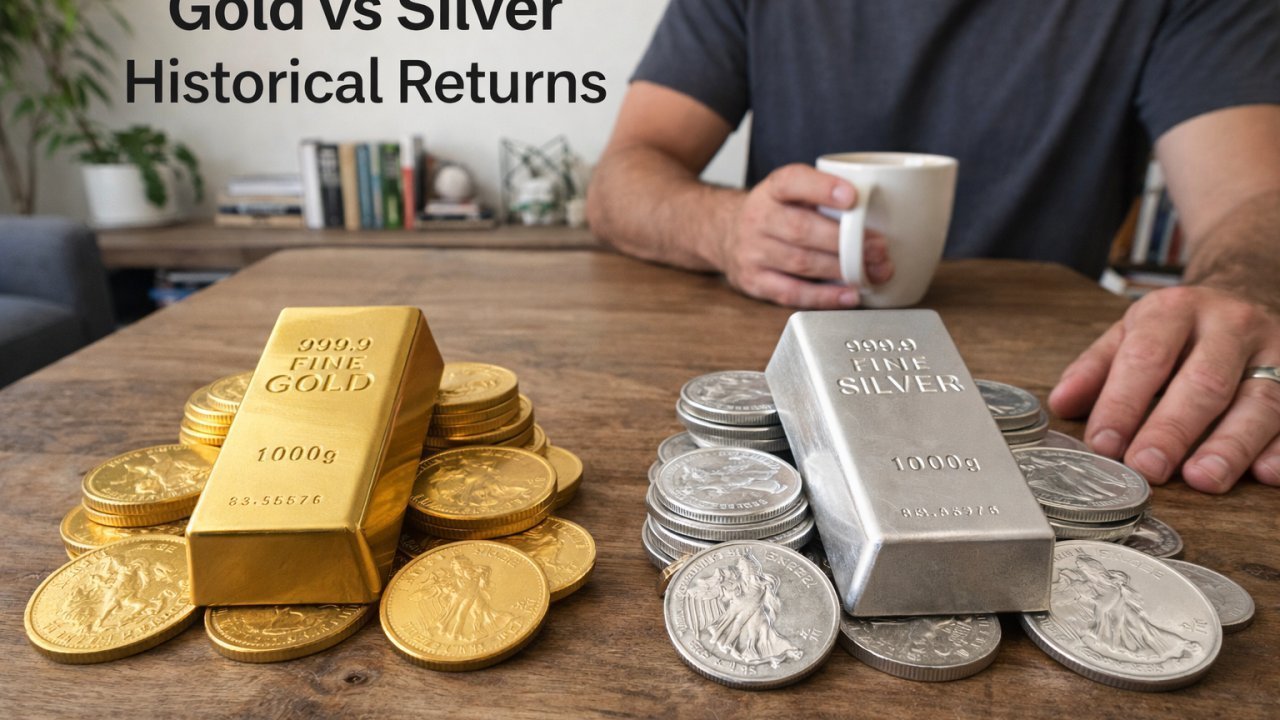
As Bareilly’s traditional preference for gold remains steadfast, a notable shift is occurring among the city’s savvy investors. While gold is often viewed as a long-term hedge against inflation, silver is increasingly being recognized as a dynamic, high-growth alternative. Local bullion merchants in areas like Civil Lines and Kutubkhana have reported a surge in demand for silver bars and coins, driven by a growing awareness of its dual role as both a precious metal and an essential industrial commodity.
This industrial demand—spurred by the expansion of electronics and renewable energy sectors—often makes silver more volatile than gold, but also potentially more lucrative for those with a higher risk appetite. For investors in Bareilly looking to diversify their portfolios without the high entry barrier of gold, silver offers a lower-cost entry point. Furthermore, the cultural significance of silver in regional festivities and weddings provides an added layer of liquidity, ensuring that your investment isn't just a financial instrument, but a versatile asset that integrates seamlessly into local customs.
Market analysts suggest that while gold provides stability, incorporating silver into a precious metals strategy can enhance overall returns during economic upswings. As Bareilly continues to modernize, the ease of acquiring certified silver through reputable local jewelers is making it a preferred choice for younger, first-time investors looking to build wealth systematically.
Key Takeaway: While gold remains the bedrock of traditional savings in Bareilly, silver serves as a high-potential growth asset; balancing your portfolio with both can provide a strategic hedge against market volatility while capitalizing on rising industrial demand.
Understanding Bareilly’s Gold Price Dynamics vs. Metros
For gold buyers in Bareilly, the price displayed at local jewelers often sparks curiosity regarding how it stacks up against major hubs like Delhi, Mumbai, or Kolkata. While gold is a globally traded commodity, the retail price in Bareilly is not merely a reflection of the international spot price. Instead, it is influenced by local factors, including transportation costs, local demand, and the specific logistics chain required to move bullion from major import centers into the Rohilkhand region. Consequently, Bareilly residents may occasionally see a slight premium compared to the base rates quoted in Mumbai, which serves as the primary gateway for gold imports in India.
Furthermore, the gold market in Bareilly is highly sensitive to seasonal demand, particularly during the wedding season and auspicious festivals like Akshaya Tritiya and Dhanteras. Because Bareilly acts as a significant commercial hub for the surrounding districts, local competition among the city’s established jewelry houses plays a crucial role in price stabilization. While metropolitan cities may benefit from lower logistics overheads, Bareilly’s market offers a unique advantage: personalized pricing and service structures that often mitigate the impact of price variations. Savvy investors in the city are increasingly tracking both local market trends and national bullion fluctuations to time their purchases effectively, ensuring they maximize value regardless of regional price gaps.
Key Takeaway: While Bareilly prices may carry a marginal logistics premium compared to major import hubs like Mumbai, local competition and seasonal demand dynamics are the primary drivers of final retail rates. Always compare the daily 22K and 24K rates across a few reputable local jewelers to ensure you are receiving the most competitive market price.
Securing Your Assets: Navigating Gold Insurance in Bareilly
For residents of Bareilly, gold is far more than a decorative luxury; it is a time-honored financial safety net passed down through generations. However, as gold prices continue to fluctuate in the local markets of Civil Lines and Bada Bazaar, the risk associated with holding significant quantities of physical jewellery at home has grown. Relying solely on a bank locker or a home safe is often insufficient, as these do not protect against the total loss of value in the event of theft, fire, or burglary.
Insurance providers operating in Uttar Pradesh are increasingly offering 'Home Contents' or 'Valuables' insurance policies specifically tailored for jewellery. Unlike standard homeowner policies, these specialized covers often provide 'all-risk' protection, meaning your gold is covered even when you are wearing it outside your home. For Bareilly residents, it is critical to ensure that your policy includes a current valuation certificate from a certified local jeweller. Since the purity and weight of traditional heirlooms can be difficult to verify after a loss, maintaining a digital inventory—complete with photographs and recent appraisal receipts—is the most effective way to ensure a seamless claims process.
When selecting a policy, prioritize plans that offer 'replacement value' rather than 'market value' to account for the making charges (wastage) that constitute a significant portion of your investment. By transitioning from passive storage to proactive insurance, you treat your gold not just as a cultural asset, but as a professionally managed financial portfolio.
Key Takeaway: Do not assume your home insurance covers high-value jewellery automatically; opt for a dedicated 'Valuables' add-on and keep an updated, digital inventory of your collection to ensure full financial recovery in the event of theft or damage.
Market Insight: Global Volatility and the Bareilly Gold Outlook
The gold market in Bareilly is currently navigating a complex landscape shaped by shifting global economic tides. As geopolitical tensions and fluctuating interest rate expectations influence international bullion prices, local jewelers and investors in the Bareilly region are witnessing a direct ripple effect. When global markets react to uncertainty—typically driving investors toward the safety of gold—the domestic price in Uttar Pradesh often sees a sharp uptick, exacerbated by the ongoing volatility in the USD-INR exchange rate.
For the residents of Bareilly, particularly those looking to invest in jewelry or bullion for upcoming wedding seasons and festive occasions, these global fluctuations translate into daily price variations at local shops in markets like Civil Lines and Kutubkhana. While high global prices can seem daunting, they often signal a broader economic trend where gold serves as a vital hedge against inflation. Local market experts suggest that instead of reacting to daily spikes, buyers should monitor the broader trend lines; a dip in global prices, often triggered by a strengthening dollar, frequently provides a strategic window for local accumulation.
Key Takeaway: Stay informed by tracking global market trends alongside local demand, as Bareilly’s gold prices are increasingly sensitive to international shifts; consider staggering your purchases during minor price corrections to balance out the impact of global market volatility.
Securing Your Assets: Insurance Essentials for Bareilly Gold Owners
For residents of Bareilly, gold is far more than an aesthetic choice; it is a vital financial cornerstone, deeply rooted in local traditions ranging from wedding preparations in Civil Lines to long-term family investments. However, with the rising price of bullion, the physical security of your jewellery—whether stored in a home locker or worn during festive celebrations—has become a critical concern. While many households rely on traditional bank lockers, these do not always provide comprehensive financial protection against theft, fire, or burglary, leaving owners vulnerable to significant losses.
Insurance providers are increasingly offering bespoke 'Home Insurance' or 'Jewellery Floater' policies tailored for the Indian market. In Bareilly, where jewellery is frequently passed down through generations, opting for a policy that covers the 'market value' rather than the 'purchase price' is essential to account for the current appreciation of gold. Before finalizing a policy, ensure it covers transit risks, especially during peak wedding seasons when jewellery is frequently moved between homes and bank lockers. It is also advisable to maintain an updated digital inventory, complete with professional photographs and original purchase receipts from your trusted local jewellers, to expedite any potential claims process.
Key Takeaway: Don't rely solely on bank locker security; protect your gold against unforeseen mishaps by opting for a dedicated jewellery insurance cover that accounts for current market fluctuations, ensuring your family’s legacy remains truly secure.
Digital Gold: A Modern Hedge for Bareilly’s Savvy Investors
As gold prices in Bareilly continue to fluctuate in response to global economic shifts, a growing number of local residents are pivoting from traditional physical bullion to digital gold. For the residents of Bareilly—a city with a deep-rooted cultural affinity for gold as a store of value—the transition to digital platforms offers a seamless alternative to the security risks and locker-fee burdens associated with keeping physical ornaments at home. Whether you are navigating the bustling markets of Kutubkhana or looking to hedge your portfolio from the comfort of your home, digital gold provides the flexibility to invest in small, precise denominations, sometimes as low as ₹100.
Safety remains the primary concern for many first-time digital investors in Uttar Pradesh. The good news is that reputable digital gold platforms in India are backed by physical gold reserves stored in insured, SEBI-regulated vaults. This means that for every gram you purchase digitally, an equivalent amount of 24-karat gold is physically secured on your behalf. For Bareilly residents, the primary advantage is liquidity; you can sell your holdings instantly during market peaks without the need to visit a local jeweler or worry about "making charges" and purity deductions that often erode the value of physical jewelry during resale.
However, investors should remain cautious. Always ensure that your digital gold provider offers the option to redeem your holdings for physical coins or bars if you eventually desire tangible assets. Before investing, verify that the platform provides a clear audit trail and transparent pricing that mirrors the live market rates in Bareilly. In an era where convenience is king, digital gold is fast becoming the preferred method for systematic gold accumulation, allowing Bareilly’s families to build wealth without the logistical hurdles of the past.
Key Takeaway: Digital gold is a secure and highly liquid alternative for Bareilly residents, provided you choose platforms backed by insured, regulated vaults that offer transparent pricing and the ultimate option for physical redemption.
Maximizing Value: The Rise of Gold Recycling in Bareilly
As gold prices continue to fluctuate in the Bareilly market, an increasing number of residents are re-evaluating their portfolios, not just by buying, but by strategically recycling old or damaged jewelry. Unlike traditional pawn shops, modern refining services in Bareilly have evolved, utilizing advanced XRF (X-ray fluorescence) technology to provide precise purity assessments. This shift toward scientific evaluation ensures that sellers receive market-linked rates based on the actual gold content, rather than arbitrary estimates that often undervalue ancestral assets.
For those looking to liquidate, the local market around Civil Lines and Kutubkhana has seen a professionalization of refining services. When choosing a refiner, it is essential to prioritize those who offer transparent, live-market price matching and minimal deduction policies. By opting for reputable refiners who provide instant digital payments and GST-compliant documentation, Bareilly residents can turn dormant assets into liquid capital with greater security and efficiency than ever before. Whether you are clearing out an old locker or downsizing a collection, the current high-price environment makes this the most opportune time to audit your gold holdings.
Key Takeaway: Before selling your gold in Bareilly, insist on a non-destructive XRF purity test and ensure the buyer’s offer is pegged to the current daily spot price, rather than a fixed "buying rate" that may not reflect market realities.
Navigating Gold Exchange Policies in Bareilly’s Jewellery Markets
As gold prices fluctuate, many residents across Bareilly—from the bustling corridors of Civil Lines to the traditional markets of Kutubkhana—are looking to liquidate or upgrade their family heirlooms. However, navigating the exchange policies between old and new gold requires a keen eye. Most reputed jewellers in Bareilly now employ advanced X-ray Fluorescence (XRF) machines to determine the exact purity of your gold. Unlike the traditional "touchstone" method, this digital analysis ensures transparency, but it also means that any impurities or soldering in antique pieces will be factored into the final valuation, often leading to a slight reduction in the expected weight.
When exchanging old jewellery for new designs, it is vital to understand the difference between 'buy-back' and 'exchange' policies. While many local jewellers offer a 0% deduction on the gold value if you are upgrading to new jewellery within the same store, the "making charges" on the new piece remain a separate cost. Be wary of hidden administrative fees or "melting charges" that some smaller outlets may attempt to levy. To get the best value, always carry the original purchase invoice, as many Bareilly-based jewellers provide a preferential exchange rate for gold originally purchased from their own showrooms, effectively shielding you from the volatility of the current market.
Key Takeaway: To maximize your returns in the Bareilly market, prioritize jewellers who use XRF testing for transparency and always confirm if your exchange qualifies for a waiver on making charges, which can significantly improve the net value of your transaction.
Navigating Gold Exchanges: Best Practices for Bareilly Jewellers
As gold prices fluctuate, many residents across Bareilly—from the bustling markets of Civil Lines to the traditional hubs of Bara Bazaar—are looking to liquidate or upgrade their old jewellery. However, the exchange process is not uniform across all local establishments. When trading in heirloom pieces for newer designs, it is vital to understand that most reputable Bareilly jewellers now employ XRF (X-Ray Fluorescence) technology to determine the exact purity of your gold. Unlike the traditional "acid test," this digital assessment ensures you receive a fair valuation based on the current 22K or 24K market rate, rather than an arbitrary estimate.
A critical point of friction during exchanges is the "making charge" or wastage deduction. While some local jewellers may offer a "zero deduction" exchange policy on gold purchased from their own store, they typically levy a standard deduction of 3% to 5% on gold sourced from elsewhere to account for melting loss and impurities. To secure the best deal, always insist on a transparent breakdown of the net weight after melting and verify the current daily rate published for Bareilly. Furthermore, ensure you carry your original purchase invoices; having proof of the initial purity can significantly expedite the valuation process and prevent unnecessary deductions during the buy-back phase.
Key Takeaway: Before finalizing an exchange in Bareilly, insist on a digital XRF purity test and compare the net weight valuation across at least two established jewellers to ensure you aren't overpaying on hidden wastage deductions.