Bhiwandi, a bustling city known for its vibrant textile industry and strategic logistics hub in Maharashtra, holds a significant connection to gold, much like the rest of India. Gold here is not just an ornament; it's a symbol of prosperity, a secure investment, and an integral part of cultural traditions. For residents and investors in Bhiwandi, understanding the nuances of the gold market is crucial. This comprehensive guide aims to demystify gold prices, investment options, and taxation, specifically tailored for the Bhiwandi context.
Why is gold price different in Bhiwandi?
While the base international gold price (determined by global factors like supply, demand, and currency fluctuations) remains consistent across India, the final retail price of gold in Bhiwandi can exhibit slight variations compared to other cities. Several local factors contribute to these differences. Firstly, local demand and supply dynamics can play a role; high demand during festive seasons or weddings in Bhiwandi might influence jewelers' pricing strategies. Secondly, transportation and logistics costs for bringing gold bullion to Bhiwandi from major refining or import hubs like Mumbai add to the final cost. Thirdly, local operational overheads of jewelers, including rent, staff salaries, and security, differ from city to city. Lastly, while GST has largely standardized taxation, historical local taxes or specific operational costs can still lead to minor price discrepancies. It's important to note that these differences are usually marginal, but discerning buyers often compare rates.
Which area or shop is famous for low making charges in Bhiwandi?
Finding gold with genuinely low making charges in Bhiwandi requires a bit of research and comparison. Making charges, or wastage charges, are the costs incurred by jewelers for designing and crafting gold ornaments. These charges typically range from 8% to 25% of the gold's value, or sometimes a flat rate per gram. In Bhiwandi, areas like Old Bhiwandi Market, Kalyan Road, and specific lanes around the city center are known to host numerous independent and traditional jewelers. These smaller, often family-run establishments might offer more competitive making charges compared to large corporate chains, especially during non-peak seasons. Some jewelers also run special schemes or offer discounts on making charges during festivals. It's always advisable to visit multiple shops, inquire about their making charge policies, and compare the final price before making a purchase. Remember that while low making charges are attractive, ensuring the gold's purity and hallmarking is paramount.
Why do gold prices change daily?
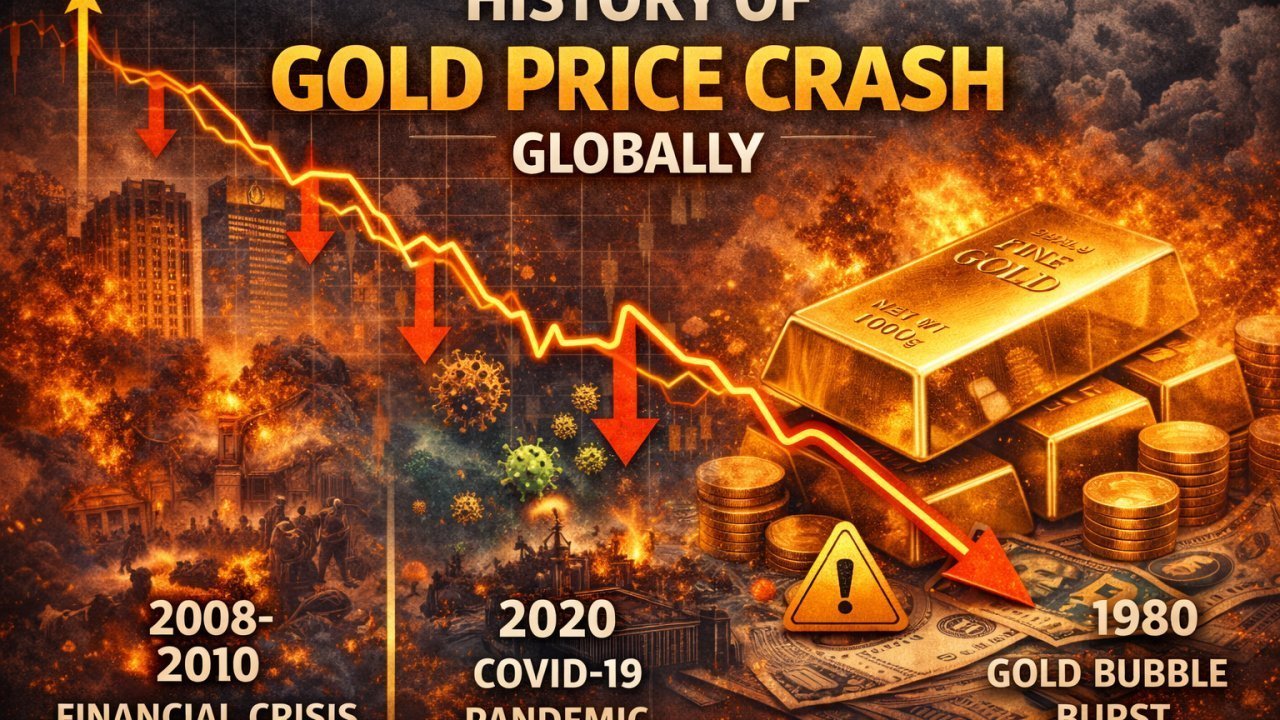
Gold prices are highly dynamic, changing not just daily, but sometimes even hourly. This volatility is primarily driven by a confluence of global and national economic factors. At the core is the international gold price, often benchmarked against the London Bullion Market Association (LBMA) fix. This rate is influenced by global supply and demand, investor sentiment, and geopolitical stability. A major factor for Indian prices is the USD-INR exchange rate; as India imports almost all its gold, a weaker rupee makes imports more expensive, thus increasing local gold prices. Other significant influencers include global interest rates (higher rates make non-yielding gold less attractive), crude oil prices (which impact inflation expectations), central bank policies (especially their gold reserves management), and geopolitical events like wars, trade disputes, or pandemics, which typically drive investors towards gold as a safe-haven asset.
Gold rates in Bhiwandi (22 karat): How do prices change?
For most jewelry purchases in Bhiwandi, 22 karat gold (91.6% purity) is the preferred choice due to its balance of purity and durability. The daily 22 karat gold rate in Bhiwandi is derived from the international bullion market price, adjusted for the USD-INR exchange rate and India's import duties. This base rate is then disseminated by local jeweler associations. When you buy jewelry, two additional components are added to this base rate: making charges and Goods and Services Tax (GST). GST is currently 3% on the value of gold and 5% on the making charges. So, the final price you pay is calculated as: (Gold Weight * 22K Gold Rate) + Making Charges + GST (on gold value + making charges). Jewelers usually display the daily 24K and 22K gold rates prominently, making it easier for consumers in Bhiwandi to track price movements.
Gold and hallmarking centres in Bhiwandi.
Hallmarking is a crucial aspect of gold purity assurance in India, mandated by the Bureau of Indian Standards (BIS). A BIS hallmark indicates that the gold jewelry has been tested and conforms to the declared fineness. While Bhiwandi may not have a direct BIS assaying and hallmarking center, all reputable jewelers in the city are obligated to sell only BIS-hallmarked gold jewelry. When purchasing gold in Bhiwandi, always look for the BIS hallmark, which includes: the BIS logo, the purity in karat (e.g., 22K916 for 22 karat gold), the assaying center's mark, and the jeweler's identification mark. Buying hallmarked gold protects consumers from fraud and ensures they receive the promised purity, which is essential for resale value. If you need to get unhallmarked gold assessed, you might need to approach BIS-recognized assaying centers in nearby major cities like Thane or Mumbai.
Top Jewellers in Bhiwandi.
Bhiwandi's gold market is a blend of traditional local shops and modern national chains, catering to diverse tastes and budgets. Among the prominent names, you will find branches of well-established national and regional jewelers known for their wide range of designs, transparency, and assurance of purity. These often include major players like Tanishq, Malabar Gold & Diamonds, Joyalukkas, and Kalyan Jewellers, who have expanded their presence in key commercial areas of Bhiwandi. Alongside these national brands, several reputable local jewelers have built strong trust and loyalty over generations within the Bhiwandi community. These local businesses often offer personalized service and unique designs that resonate with local preferences. When choosing a jeweler, consider factors such as their reputation, transparency in pricing (especially making charges), availability of BIS-hallmarked gold, and after-sales service.
Supply pressures pushing prices up.
The global supply of gold is a significant factor in determining its price. Several pressures can lead to a reduction in supply, thereby pushing prices upwards. Firstly, mining output is finite and subject to geological limitations, operational challenges, and environmental regulations. Discovering new, economically viable gold deposits is becoming increasingly difficult. Secondly, recycling rates of old gold, while a source of supply, fluctuate based on price levels; lower prices might disincentivize people from selling their old jewelry. Thirdly, central bank purchases can absorb a substantial portion of the available supply, as many nations diversify their reserves with gold. Geopolitical instability in major gold-producing regions can disrupt mining and supply chains. Lastly, for India, import duties levied by the government to manage trade deficits also effectively increase the cost of gold and can be seen as a supply-side pressure impacting local prices.
How to store gold in Bhiwandi?
Securely storing gold is a primary concern for owners in Bhiwandi. There are several options, each with its own advantages and disadvantages. The most traditional and often recommended method for physical gold is a bank locker. Banks in Bhiwandi offer safe deposit lockers, providing high security against theft. However, they come with annual fees and limited access hours. Storing gold at home in a secure safe is another option, offering immediate access, but it carries inherent risks of theft and requires robust security measures. For those who prefer not to hold physical gold, digital gold platforms (like MMTC-PAMP or SafeGold) allow you to buy and sell gold online, stored in insured vaults by the provider, eliminating storage concerns. Gold Exchange Traded Funds (ETFs) and Sovereign Gold Bonds (SGBs) are investment alternatives that represent gold without physical ownership, thus removing any storage worries entirely.
Gold vs Real Estate in Bhiwandi.
For investors in Bhiwandi, choosing between gold and real estate involves weighing different investment characteristics. Real estate in Bhiwandi, given its rapid industrial and logistical development, offers the potential for significant capital appreciation and rental income. It's a tangible asset that can provide a sense of security and utility. However, real estate is illiquid, requires a substantial initial investment, incurs ongoing maintenance costs, property taxes, and can involve complex legalities. Gold, on the other hand, is highly liquid, universally accepted, and serves as an excellent hedge against inflation and currency depreciation. It can be bought in small denominations, has no maintenance costs (unless stored in a bank locker), and is easy to buy and sell. However, gold does not generate income (unless through SGBs) and its appreciation depends purely on market sentiment. A diversified portfolio often includes both assets, leveraging real estate for long-term growth and gold for stability and liquidity.
What is a Sovereign Gold Bond?
The Sovereign Gold Bond (SGB) scheme, launched by the Government of India, offers an alternative to holding physical gold. SGBs are government securities denominated in grams of gold. They are issued by the Reserve Bank of India (RBI) on behalf of the Government of India and are considered one of the safest ways to invest in gold. Key features include: annual interest payment (currently 2.50% p.a. on the initial investment amount), no storage costs or purity concerns, and the value is linked to the market price of gold. SGBs have a maturity period of eight years, with an exit option after the fifth year. For individual investors, the capital gains on redemption at maturity are exempt from tax, making them highly attractive. They can be bought through banks, designated post offices, and stock exchanges, offering a convenient and secure way for Bhiwandi residents to invest in gold without the hassles of physical ownership.
Taxation of gold in Bhiwandi.
Understanding the taxation of gold is crucial for buyers and sellers in Bhiwandi. When purchasing gold jewelry, a Goods and Services Tax (GST) is applicable. Currently, GST is 3% on the value of the gold and 5% on the making charges. For instance, if gold is worth ₹50,000 and making charges are ₹5,000, you pay 3% GST on ₹50,000 and 5% GST on ₹5,000. When you sell gold, Capital Gains Tax comes into play. If the gold is sold within 3 years of purchase, it's considered a Short-Term Capital Gain (STCG), and the profit is added to your total income and taxed as per your applicable income tax slab rates. If the gold is held for more than 3 years, it's a Long-Term Capital Gain (LTCG), taxed at 20% with the benefit of indexation, which adjusts the purchase price for inflation. For Sovereign Gold Bonds (SGBs), the interest earned is taxable as per your income tax slab, but the capital gains on redemption at maturity are exempt for individual investors.
Silver's Shine: An Alternative Investment Perspective for Bhiwandi
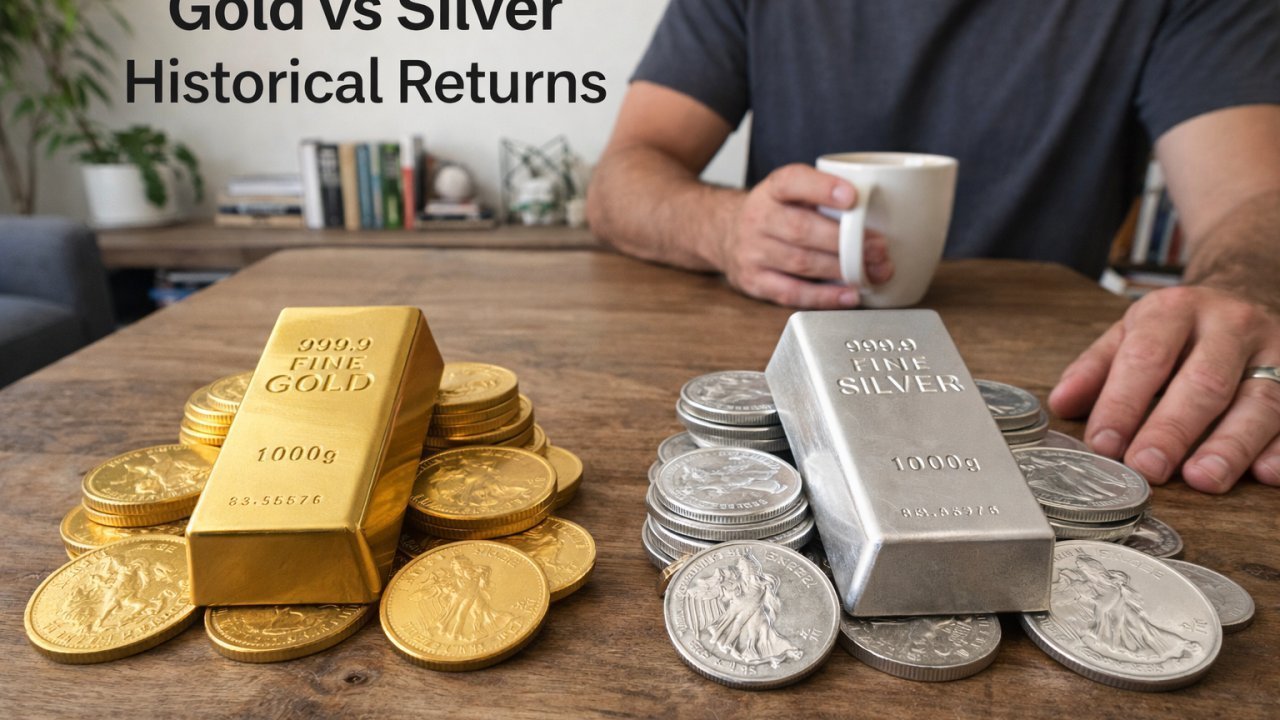
While gold often takes center stage in Bhiwandi's investment discussions, silver is increasingly catching the eye of astute investors looking for diversification and growth potential. Historically viewed as a 'poor man's gold,' silver's dual role as both a precious metal and a vital industrial commodity gives it unique dynamics. For Bhiwandi residents, with a strong cultural affinity for tangible assets and a growing entrepreneurial spirit, understanding silver's current trends can open doors to new investment avenues beyond the traditional yellow metal.
Current global trends suggest a fascinating period for silver. Its demand is significantly bolstered by green technologies, particularly in solar panels and electric vehicles – industries that are seeing massive expansion worldwide, including India. Locally in Bhiwandi, as disposable incomes rise and awareness of diversified portfolios grows, more investors are exploring silver as an accessible entry point into precious metals. While silver prices can be more volatile than gold due to its industrial dependency, this very volatility can present opportunities for those with a keen eye on market movements and a long-term investment horizon.
For Bhiwandi investors considering silver, it's crucial to look beyond daily fluctuations. Factors like the strength of the US dollar, global manufacturing data, and even local festival demand can influence its price. Consulting with trusted local jewelers and financial advisors in areas like Old Agra Road or Kalyan Road can provide valuable insights into local market premiums and liquidity. Silver offers a compelling blend of wealth preservation and industrial growth potential, making it a valuable addition to a well-rounded investment strategy in Bhiwandi's dynamic economic landscape.
Key Takeaway: Silver, with its dual precious and industrial utility, presents Bhiwandi investors with an accessible and potentially rewarding alternative for portfolio diversification, especially amidst rising global industrial demand.
Digital Gold: A Secure Alternative for Bhiwandi’s Modern Investors?
As the "Logistics Hub of India," Bhiwandi has always had a deep-rooted connection with tangible assets. While the traditional gold souks near Mandai and Bazar Peth remain bustling centers for bridal jewelry, a digital shift is quietly taking hold among the city’s textile entrepreneurs and logistics professionals. Digital gold offers a modern solution to the age-old challenges of physical storage and purity concerns. For a city that operates around the clock, the ability to trade 24K gold instantly via a smartphone provides a level of liquidity that traditional brick-and-mortar jewelers simply cannot match during off-hours.
Safety remains the primary concern for Bhiwandi residents, and the digital ecosystem addresses this through high-security, insured vaults managed by entities like MMTC-PAMP or SafeGold. Unlike keeping physical bullion in residential lockers—which can be a security risk in rapidly developing industrial zones—digital gold is backed gram-for-gram by physical metal held in professional vaults. Furthermore, it eliminates the "making charges" and "wastage" fees that often inflate the cost of physical gold, allowing investors to buy in denominations as small as ₹10. This micro-investment model is particularly well-suited for the city’s diverse workforce looking to hedge against inflation without a massive upfront capital outlay.
For those who still value the touch and feel of the metal, most reputable platforms allow you to convert your digital balance into physical coins or bars delivered directly to your doorstep in Bhiwandi. This hybrid approach bridges the gap between the city’s industrial heritage and its tech-forward future. By opting for digital gold, local investors gain the transparency of live market rates while bypassing the logistical headaches of physical safeguarding, making it one of the most efficient ways to build a gold portfolio in today’s volatile market.
Key Takeaway: Digital gold is a highly secure, liquid, and cost-effective option for Bhiwandi residents, offering 24K purity and insured vaulting without the high entry costs or security risks of physical storage.
Festival Season Strategy: Navigating the Bhiwandi Gold Market
As the festive season approaches, Bhiwandi’s bustling jewellery markets—from the traditional hubs near the Teen Batti area to the modern showrooms lining the Bhiwandi-Kalyan Road—are seeing a distinct uptick in footfall. With gold prices remaining volatile, local buyers are shifting their strategy from impulsive holiday shopping to a more calculated approach. For residents in the powerloom hub, the current market climate suggests that timing your purchase around local auspicious dates, rather than waiting for the peak of Dhanteras, may offer better leverage when negotiating making charges.
Industry experts in the region advise that savvy Bhiwandi shoppers should prioritize Hallmarked jewellery (BIS 916) to ensure transparency in purity, especially given the influx of competitive pricing offers during the festival rush. Because Bhiwandi serves as a critical trade artery for the Thane district, local jewellers are currently managing tighter supply chains; therefore, it is prudent to pre-order custom pieces or specific bullion denominations at least a week in advance to avoid last-minute stock shortages. Monitoring the daily spot price fluctuations right here on our page will provide you with the necessary data to time your visit to the local serafas during the quieter weekday morning hours, which often leads to more personalized service and better bargaining power.
Key Takeaway: To maximize value this festival season, lock in your purchase during mid-week market dips and always insist on a transparent breakdown of making charges versus the gold rate to avoid hidden costs in the competitive Bhiwandi retail landscape.
GST on Gold: What Every Buyer in Bhiwandi Needs to Know
For residents of Bhiwandi, a bustling hub where commerce meets traditional investment, understanding the tax implications of gold purchases is essential for smart financial planning. Since the implementation of the Goods and Services Tax (GST), gold is subject to a 3% levy, which applies to the value of the precious metal itself. However, it is vital for buyers frequenting local jewelry outlets in areas like the Bhiwandi-Nizampur city belt to remember that this 3% tax is not just on the gold weight; it also applies to the making charges (labor costs) associated with the jewelry piece.
When shopping for gold in Bhiwandi’s competitive market, savvy consumers should always insist on a GST-compliant invoice. A legitimate bill will explicitly break down the gold price, the making charges, and the 3% GST component. Many buyers are often caught off guard when they see the final price at the counter; being aware that the tax is cumulative—applying to both the metal and the craftsmanship—prevents last-minute surprises. Furthermore, if you are exchanging old gold, remember that while the sale of old jewelry to a jeweler may not attract GST, the tax will still be applicable on the new item you purchase, calculated on the net transaction value.
As the Bhiwandi market continues to evolve with more organized retail players entering the fray, transparency has become your best asset. Always verify the purity of the gold (BIS Hallmarking) alongside your tax documentation to ensure you are getting the full value for your investment. By staying informed about how these levies interact with jewelry pricing, you can navigate the local market with greater confidence and financial clarity.
Key Takeaway: Always verify that your jeweler includes the 3% GST on both the gold value and the making charges in your invoice. A clear, itemized bill is your only protection against hidden costs and ensures your investment is fully compliant.
Decoding Making Charges: A Savvy Buyer’s Guide to Bhiwandi’s Jewellery Market
For gold buyers in Bhiwandi, the final price tag on a necklace or bangle is rarely just the cost of the gold itself. The "making charge"—or ghadai—is the value-added component that covers the craftsmanship required to transform raw bullion into wearable art. In a bustling market like Bhiwandi, where competition among local jewellers is fierce, these charges are not always set in stone. They typically range from 6% to 20% of the gold's value, depending heavily on the intricacy of the design; machine-made, minimalist chains will always command lower fees than hand-crafted, ornate bridal sets.
Negotiating these charges is an essential skill for the discerning Bhiwandi shopper. Before walking into a showroom, research the prevailing market rates for the specific design you are interested in. When you begin the conversation, do not hesitate to ask for a breakdown of the making charge as a flat percentage or a fixed amount per gram. Jewellers are often willing to offer a discount, especially if you are a repeat customer or are purchasing multiple items. Always emphasize that you are comparing quality and value across the local area; a polite, informed inquiry often shifts the conversation from a rigid price to a negotiable one.
Key Takeaway: Never accept the initial making charge quote at face value. By focusing your negotiation on the ghadai percentage rather than the gold rate, you can significantly reduce your final expenditure while maintaining the quality of your investment.
Beyond the Locker: Why Bhiwandi Investors are Pivoting to Sovereign Gold Bonds
For the residents of Bhiwandi, a bustling hub known for its thriving textile and logistics sectors, gold has traditionally been a cornerstone of household wealth. However, as the local investment landscape evolves, many savvy investors are shifting their focus from physical bullion to Sovereign Gold Bonds (SGBs). Unlike physical gold, which necessitates recurring costs for bank lockers and carries the inherent risk of theft or purity concerns, SGBs offer a seamless, digital alternative backed directly by the Government of India.
The primary advantage for Bhiwandi’s pragmatic investors lies in the dual-benefit structure of SGBs. While physical gold remains stagnant in your safe, SGBs provide an additional 2.5% annual interest paid semi-annually, effectively turning a passive asset into a source of regular income. Furthermore, SGBs eliminate the "making charges" and GST overheads often associated with jewelry purchases. When you factor in the capital gains tax exemption if held until maturity, the SGB becomes a mathematically superior choice for those looking to hedge against inflation while maintaining long-term financial security in an increasingly digitized economy.
Key Takeaway: By choosing Sovereign Gold Bonds over physical gold, Bhiwandi investors not only bypass the security risks and storage costs of traditional assets but also benefit from a guaranteed 2.5% annual interest rate, making it a more efficient vehicle for long-term wealth preservation.
Protecting Your Assets: Navigating Gold Insurance in Bhiwandi
As Bhiwandi continues to evolve from a bustling logistics hub into a significant residential and commercial center, the local demand for gold jewellery remains a cornerstone of household savings. However, with the rapid urbanization of the region and the increasing density of our industrial corridors, traditional home-based storage is no longer sufficient. Securing your gold against theft, burglary, or fire-related damages has become a prudent financial necessity for Bhiwandi residents, particularly for those residing in high-growth areas near the Bhiwandi-Kalyan road or expanding suburban clusters.
While many assume their standard homeowner’s insurance covers high-value precious metals, the reality is often more complex. Most basic policies provide only limited coverage for jewellery, often falling short of current market valuations. To bridge this gap, residents should explore specialized 'Valuables Insurance' or add-on riders specifically tailored for gold assets. It is essential to obtain a certified valuation from a reputable local jeweller in Bhiwandi to ensure your policy reflects the current market rate, rather than the price at the time of purchase. Furthermore, ensure your insurer’s coverage extends to transit, which is critical if you frequent the busy markets of Mumbai or Thane for jewellery maintenance or family events.
Key Takeaway: Do not rely on standard home insurance to protect your gold; opt for a dedicated jewellery floater policy that accounts for today’s market price and ensure your coverage includes protection during transit to and from your Bhiwandi residence.
Strategic Timing: When to Secure Your Gold in Bhiwandi
For savvy investors and jewelry enthusiasts in Bhiwandi, timing your purchase is as critical as monitoring the global spot price. While gold rates fluctuate throughout the day based on international market trends and currency movements, the local Bhiwandi market operates on a specific rhythm. Most reputable bullion dealers and retail jewelers in the area align their daily price revisions with the opening bell of the Multi Commodity Exchange (MCX) in the morning. Consequently, visiting showrooms during the mid-afternoon—typically between 2:00 PM and 4:00 PM—often provides the most price stability. By this time, the initial volatility of the morning market has settled, allowing for more transparent pricing.
Furthermore, Bhiwandi’s unique status as a logistics and textile hub means that local traffic patterns can significantly influence your shopping experience. Avoiding the peak evening rush hour along the Bhiwandi-Kalyan road not only saves you time but also allows you to engage more effectively with store managers. During quieter weekday afternoons, jewelers are often more inclined to discuss making charges and transparency in hallmarking, providing a better overall value proposition. If you are planning a significant purchase, checking the live domestic rates just before leaving your home or office is an essential step to ensure you are entering the market with current, accurate data.
Key Takeaway: To secure the best value, aim to visit Bhiwandi’s gold markets on weekday afternoons; this window offers the best balance of market price stability and personalized attention from local jewelers, helping you avoid the morning volatility and evening commute congestion.
Expert Tip: Unlocking Value – Gold Loan Options in Bhiwandi
For generations, gold has been more than just an ornament in Indian households; it's a symbol of security and a readily available asset. In a bustling city like Bhiwandi, where families often hold significant gold reserves, leveraging this asset through a gold loan can be a savvy financial move. Whether you're looking to fund a small business, manage unexpected expenses, or cover educational costs, gold loans offer a quick and accessible avenue for credit without the hassle of extensive documentation or credit score checks.
Bhiwandi's financial landscape offers a competitive array of gold loan providers. You'll find established national banks like State Bank of India, HDFC Bank, and ICICI Bank, alongside specialized Non-Banking Financial Companies (NBFCs) such as Muthoot Finance and Manappuram Finance. Each offers varying interest rates, Loan-to-Value (LTV) ratios, and repayment tenures. Banks typically offer slightly lower interest rates, while NBFCs are known for their speed and simplified processes, often disbursing funds within hours. It's advisable to compare offers from different lenders available in key commercial areas like Dhamankar Naka or near the APMC market.
Before committing, always scrutinize the terms and conditions. Pay attention to processing fees, prepayment penalties, and the auction process in case of default. Many lenders in Bhiwandi also offer flexible repayment options, including interest-only payments or bullet repayments, which can be tailored to your financial flow. Utilizing your gold responsibly through a well-researched loan can provide immediate liquidity, transforming a dormant asset into an active financial tool for growth or stability.
Key Takeaway: Gold loans in Bhiwandi offer a quick, secure, and flexible financial solution; compare local bank and NBFC offerings carefully to find the best terms for your needs.
Maximizing Value: The Gold Recycling Landscape in Bhiwandi
As Bhiwandi continues to solidify its position as a burgeoning commercial and industrial hub, the local secondary gold market is witnessing a significant shift. Many residents and small-scale business owners are increasingly turning to professional gold recycling to unlock liquidity from dormant assets. Unlike traditional neighborhood pawnbrokers, modern refining services in the Bhiwandi region are now utilizing advanced XRF (X-ray fluorescence) technology to provide precise purity assessments, ensuring that sellers receive market-linked rates rather than arbitrary estimates based on visual inspection alone.
For those looking to liquidate old jewelry or damaged bullion, the key lies in understanding the difference between "spot price" and "net payout." Because Bhiwandi serves as a vital logistics corridor, several established refiners have optimized their operations to reduce overhead, allowing them to offer more competitive margins compared to retail outlets in larger metropolitan centers. When visiting a refinery, always ensure they are transparent about their melting loss deductions and check if they provide a documented certificate of purity. Engaging with authorized refiners not only guarantees a fair valuation but also ensures that your gold is processed through legitimate, audited channels, protecting you from the risks associated with the informal trade.
Key Takeaway: Before selling your gold in Bhiwandi, secure a real-time price quote from multiple reputable refiners and insist on XRF-based purity testing. Prioritizing transparency over convenience can often result in a 3% to 5% higher return on your precious metal assets.
GST on Gold: What Every Buyer in Bhiwandi Needs to Know
For gold buyers navigating the bustling markets of Bhiwandi, understanding the interplay between GST and final purchase price is essential for smart investing. Since the implementation of the Goods and Services Tax, gold in India attracts a flat 3% levy. While this rate is uniform across the nation, savvy local buyers should remember that this 3% is calculated on the cumulative value of the gold—which includes the base price of the metal plus the jeweler’s making charges. As Bhiwandi continues to grow as a vital commercial hub, local jewelers are increasingly transparent, but it remains the buyer's responsibility to ensure that the GST component is clearly itemized on the purchase invoice.
When you visit your preferred local jeweler, it is important to note that the GST is applied at the point of sale. If you are exchanging old gold for new ornaments, the 3% GST is applicable only on the value difference of the new purchase, not the total weight of the gold being exchanged. Furthermore, with the rising trend of digital gold and investment schemes in the Bhiwandi region, always confirm if the quoted price is inclusive of taxes or if the 3% will be added at checkout to avoid any last-minute surprises. Staying informed about these technicalities ensures that your investment remains as pure as the metal itself, protecting you from unnecessary overheads.
Key Takeaway: Always verify that the 3% GST is calculated on the total of the gold price plus making charges, and insist on a GST-compliant invoice to ensure your purchase is authentic and fully documented for future resale value.
Market Insight: Global Volatility and the Bhiwandi Gold Trade
The gold market in Bhiwandi is currently navigating a period of heightened sensitivity, driven largely by shifting geopolitical tensions and fluctuating interest rate expectations in the United States. As a critical commercial hub in the Mumbai Metropolitan Region, Bhiwandi’s local bullion prices are rarely isolated from these global currents. When international spot prices react to central bank policies or currency fluctuations, the impact is felt almost instantaneously by local traders and jewelers across the city’s bustling markets.
For Bhiwandi’s retail buyers and investors, this volatility presents a complex landscape. While the global strengthening of the dollar often exerts downward pressure on gold, domestic demand—fueled by seasonal festivities and investment appetite—frequently acts as a stabilizing floor for local prices. Furthermore, as logistics and supply chains remain a backbone of Bhiwandi’s economy, local retailers are closely monitoring import duty adjustments and rupee volatility, which directly influence the landed cost of gold bars and coins arriving in the city’s vaults.
Investors are advised to look beyond daily price swings. In a market as dynamic as Bhiwandi, where retail demand is often driven by long-term wealth preservation, tactical buying during minor global dips has historically proven more effective than attempting to time the market based on short-term international news cycles. Staying informed on both global macro-trends and local supply levels remains the best strategy for navigating today's pricing environment.
Key Takeaway: While global market shifts dictate the baseline, local demand and currency fluctuations are the primary drivers of price volatility in Bhiwandi; savvy investors should focus on gradual accumulation during market dips rather than reacting to daily global headlines.
Navigating Gold Price Variations: The Bhiwandi Advantage
For investors and jewelry buyers in Bhiwandi, understanding the nuances of gold pricing is essential. While gold is a globally traded commodity, the retail price you see in the local market often deviates slightly from the rates in major metropolitan hubs like Mumbai or Pune. This variance is primarily driven by local logistics, varying transportation costs, and the specific overheads managed by regional bullion dealers. As a strategic logistics and warehousing hub, Bhiwandi benefits from an efficient supply chain, which often keeps local retail premiums competitive compared to the high-street prices found in more congested urban centers.
When comparing Bhiwandi’s gold rates to those in nearby Mumbai, it is important to remember that while the base price of 24-karat gold remains closely pegged to international benchmarks and currency fluctuations, the final "making charges" (wastage) can differ significantly. Local jewelers in Bhiwandi often operate with lower operational costs than their counterparts in premium Mumbai malls, potentially offering more flexibility in final pricing. Buyers should always verify whether the quoted price includes local levies and ensure that the hallmark certification aligns with the Bureau of Indian Standards (BIS) to guarantee purity regardless of minor regional price discrepancies.
Key Takeaway: While Bhiwandi’s gold prices generally mirror the broader Maharashtra market, the city’s unique position as a logistical hub allows for competitive retail pricing; always prioritize BIS-hallmarked jewelry over minor price differences to ensure long-term value and authenticity.