Bhubaneswar, the capital of Odisha, is a city where tradition and modernity blend seamlessly. Gold holds a profound cultural and economic significance here, much like in the rest of India. From auspicious occasions like weddings and festivals to being a preferred investment avenue, gold remains a timeless asset for the residents of Bhubaneswar. Understanding the nuances of gold prices, purchasing, and investment in this vibrant city is crucial for both buyers and investors. This comprehensive guide aims to equip you with all the essential information about gold in Bhubaneswar, from daily price dynamics to taxation.
Why is gold price different in Bhubaneswar?
The price of gold in Bhubaneswar, while influenced by global trends, also reflects several local and national factors, leading to variations compared to other cities. Firstly, state-specific taxes and levies, in addition to the Goods and Services Tax (GST), can contribute to price differences. Secondly, transportation and logistics costs incurred in bringing gold from major import hubs to Bhubaneswar play a role. Local demand and supply dynamics, particularly during peak seasons like festivals (Rath Yatra, Durga Puja, Diwali) and wedding seasons, can also subtly influence prices. Finally, each jeweller's operational costs, overheads, and profit margins, which can vary from one city to another, also factor into the final retail price consumers pay.
Which area or shop is famous for low making charges in Bhubaneswar?
Finding jewellery with low making charges in Bhubaneswar requires a bit of research and negotiation. Generally, smaller, independent jewellers, particularly those in traditional market areas, might offer more competitive making charges compared to large branded showrooms. While it's difficult to name a single "famous" area for the absolute lowest charges, exploring markets around Bapuji Nagar, Janpath, and Old Town could yield better options. These areas often have a mix of established local jewellers who might be more flexible on making charges. It's always advisable to compare charges across multiple stores and not hesitate to negotiate, especially for substantial purchases. Remember that making charges can range from 8% to 25% or even more, depending on the intricacy of the design.
Why do gold prices change daily?
Gold prices are not static; they fluctuate daily, sometimes even hourly, due to a complex interplay of global and domestic factors. Internationally, the price of gold is determined by the London Bullion Market Association (LBMA) and is influenced by economic data from major economies, geopolitical events, and the strength of the US dollar. In India, the exchange rate between the US dollar and the Indian Rupee (USD-INR) is a significant determinant; a weaker rupee makes imported gold more expensive. Demand and supply dynamics, interest rate decisions by central banks, inflation expectations, and even crude oil prices contribute to these daily shifts. Gold is often seen as a safe-haven asset, so any global instability or economic uncertainty tends to drive its price up.
Gold rates in Bhubaneswar (22 karat): How do prices change?
For most jewellery purchases in Bhubaneswar, 22 karat (91.6% pure) gold is the standard. The daily 22 karat gold rate in Bhubaneswar is derived from the international spot price, adjusted for import duties, other taxes, and the prevailing USD-INR exchange rate. This base rate is then used by local jewellers. When you purchase jewellery, two additional components are added: the making charges and 3% GST on the value of the gold, plus 5% GST on the making charges. So, the final price you pay is the gold value (based on 22K rate) + making charges + GST on gold + GST on making charges. Prices are updated daily by associations of jewellers and are widely available online, through financial news outlets, and at local jewellery stores.
Gold and hallmarking centres in Bhubaneswar.
Hallmarking is a crucial aspect of gold purity and consumer trust. In India, the Bureau of Indian Standards (BIS) is the authority responsible for hallmarking gold jewellery. A BIS hallmark on gold jewellery guarantees its purity and fineness. The hallmark consists of the BIS logo, the purity in karats (e.g., 22K916 for 22 karat gold), the assaying and hallmarking centre's mark, and the jeweller's identification mark. Bhubaneswar has several BIS-recognized assaying and hallmarking centres where jewellers get their gold certified. Always insist on BIS-hallmarked gold when making a purchase to ensure you receive the declared purity. This practice safeguards consumers against potential adulteration and ensures fair trade.
Top Jewellers in Bhubaneswar.
Bhubaneswar boasts a vibrant jewellery market with a mix of national chains and prominent local jewellers, offering a wide range of designs and services. Some of the top jewellers with a significant presence and reputation in the city include:
- Tanishq: Renowned for its exquisite designs, transparent pricing, and trusted brand name.
- Malabar Gold & Diamonds: Known for its diverse collections, ethical sourcing, and customer-centric policies.
- Joyalukkas: Offers a vast array of traditional and contemporary designs, often with attractive schemes.
- Kalyan Jewellers: A popular choice for its extensive range, competitive pricing, and strong regional presence.
- Lalchnd Jewellers: A well-established local brand in Odisha, known for its traditional designs and customer loyalty.
- Reliance Jewels: Offers modern designs and a reliable shopping experience from a corporate giant.
These jewellers provide a blend of traditional craftsmanship and contemporary styles, catering to various tastes and budgets.
Supply pressures pushing prices up.
Global gold supply is inherently limited, as gold is a finite natural resource extracted through mining. Several factors contribute to supply pressures that can drive prices upward. Decreasing discovery of new gold mines, increasing costs of extraction (due to deeper mines and stricter environmental regulations), and geopolitical instability in gold-producing regions can all curtail supply. Furthermore, strong global demand, particularly from central banks accumulating gold reserves and from major consumer markets like India and China, puts additional pressure. During periods of economic uncertainty, gold's role as a safe-haven asset sees a surge in investment demand, further tightening available supply and pushing prices higher.
How to store gold in Bhubaneswar?
Secure storage of gold is paramount. For physical gold in Bhubaneswar, several options are available:
- Bank Lockers: This is generally considered the safest option. Most nationalized and private banks in Bhubaneswar offer locker facilities for a nominal annual fee. It protects against theft and fire, though the contents are not typically insured by the bank.
- Home Safes: For smaller quantities, a robust home safe can provide a degree of protection. However, it's less secure than a bank locker and vulnerable to sophisticated burglaries. Ensure the safe is anchored and discreetly placed.
- Insured Storage: Some specialized secure vault services might be available, offering high-level security and often insurance for the stored gold.
- Digital Gold/Sovereign Gold Bonds: For those looking to invest in gold without the hassles of physical storage, options like digital gold platforms or Sovereign Gold Bonds (SGBs) eliminate the need for physical safekeeping entirely.
Always consider insuring your physical gold, whether stored at home or in a bank locker, for added peace of mind.
Gold vs Real Estate in Bhubaneswar.
Both gold and real estate are popular investment avenues in Bhubaneswar, each with distinct advantages and disadvantages.
- Gold: Offers high liquidity, can be easily bought and sold, acts as a hedge against inflation and currency depreciation, requires no maintenance, and is portable. It does not generate rental income but can provide capital appreciation.
- Real Estate: A tangible asset that can provide rental income, offers potential for significant long-term capital appreciation, and can be a source of pride. However, it is illiquid, involves high transaction costs (registration, stamp duty), requires ongoing maintenance and property taxes, and market appreciation can be slow or volatile depending on the specific location within Bhubaneswar (e.g., development zones versus established areas).
The choice between gold and real estate often depends on an individual's financial goals, risk appetite, and investment horizon. A diversified portfolio often includes both.
What is a Sovereign Gold Bond?
Sovereign Gold Bonds (SGBs) are government securities denominated in grams of gold. They are issued by the Reserve Bank of India (RBI) on behalf of the Government of India. SGBs offer a smart alternative to holding physical gold, eliminating the risks and costs associated with storage. Key features include:
- Interest: Investors receive a fixed interest rate (currently 2.50% per annum) on the initial investment amount, paid semi-annually.
- Maturity: The bonds have a maturity period of 8 years, with an exit option available after the 5th year.
- Redemption: Upon maturity, the investor receives the redemption price in cash, based on the simple average of the closing price of 999 purity gold of the previous three working days.
- Tax Benefits: Capital gains arising from the redemption of SGBs at maturity are exempt from tax, making them a very attractive investment.
- No Storage Issues: Since they are held in demat form, there are no concerns about storage, theft, or purity.
SGBs are an excellent option for long-term gold investors in Bhubaneswar seeking safe and tax-efficient exposure to gold.
Taxation of gold in Bhubaneswar.
Understanding the taxation of gold is crucial for buyers and investors in Bhubaneswar.
- Goods and Services Tax (GST):
- On Gold Value: A 3% GST is levied on the value of gold jewellery or coins purchased.
- On Making Charges: A 5% GST is applicable on the making charges of gold jewellery.
- Capital Gains Tax on Sale of Gold:
- Short-Term Capital Gains (STCG): If gold is sold within 36 months (3 years) of purchase, the profit is treated as STCG. This gain is added to your total income and taxed according to your applicable income tax slab rates.
- Long-Term Capital Gains (LTCG): If gold is sold after holding it for more than 36 months, the profit is treated as LTCG. This is taxed at a flat rate of 20% with the benefit of indexation. Indexation adjusts the purchase price for inflation, thereby reducing the taxable gain.
- Taxation on Sovereign Gold Bonds (SGBs):
- Interest Income: The 2.50% interest received annually on SGBs is taxable and added to your income.
- Capital Gains at Maturity: Capital gains arising from the redemption of SGBs at maturity are fully exempt from income tax, making them highly tax-efficient for long-term investors.
It's advisable to consult a tax advisor for specific financial planning related to gold investments.
Navigating the gold market in Bhubaneswar requires an informed approach, considering both its cultural significance and economic implications. By understanding the factors that influence prices, knowing where to find reputable jewellers, and being aware of investment options and taxation, residents of Bhubaneswar can make well-informed decisions regarding their gold purchases and investments.
Bhubaneswar Gold: How Do Its Prices Compare?
Bhubaneswar, the capital of Odisha, boasts a burgeoning economy and a robust gold market, reflecting the state's deep-rooted cultural affinity for the yellow metal. While global factors like international spot prices, currency fluctuations, and central bank policies largely dictate the overarching trend of gold rates across India, local dynamics can introduce subtle variations. For residents and investors in Bhubaneswar, understanding how their local gold prices stack up against other major Indian cities is crucial for making informed purchasing decisions.
Generally, gold prices in Bhubaneswar tend to align very closely with those in other major Indian metros such as Mumbai, Delhi, Chennai, and Kolkata. The differences, if any, are usually marginal, often a matter of a few rupees per gram. This tight correlation is due to the efficient nationwide supply chain and the uniform application of customs duties and GST. However, slight variations can arise from factors like regional transportation costs, local dealer premiums, and specific supply-demand imbalances during peak seasons like Akshaya Tritiya or the wedding season unique to Odisha. Kolkata, being a significant gold trading hub in Eastern India, often serves as a key reference point, with Bhubaneswar's rates typically mirroring its trends closely.
What does this mean for you? While you might occasionally find a fractional difference when comparing Bhubaneswar's daily rates to, say, Bangalore or Hyderabad, these discrepancies are rarely substantial enough to warrant cross-city arbitrage for individual buyers. Instead, focus on tracking the broader market trends and comparing offers from reputable local jewellers within Bhubaneswar. The primary drivers of price movement remain global economic sentiment and the Rupee's strength against the Dollar, rather than significant inter-city price gaps within India.
Key Takeaway: Gold prices in Bhubaneswar largely mirror major Indian metros, with any minor differences stemming from local logistics and demand rather than significant market disparities.
Bhubaneswar Market Watch: Is Silver the Smart Alternative Investment?
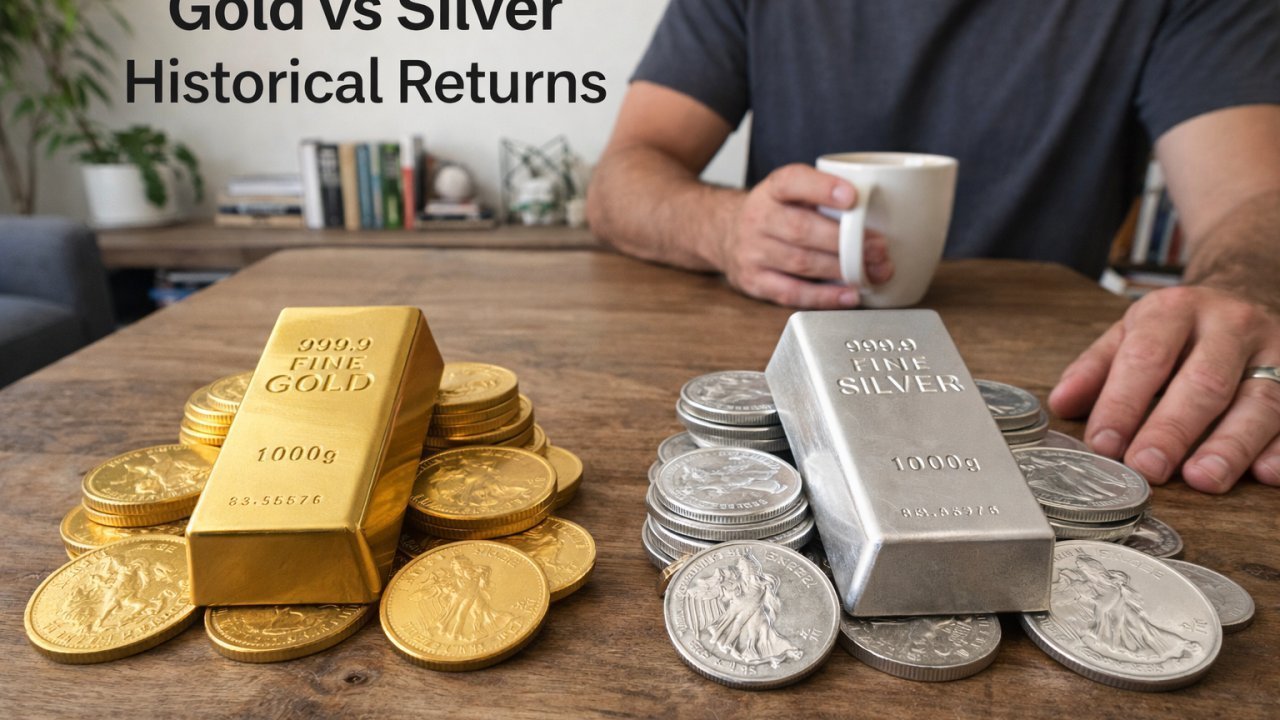
While gold has traditionally reigned supreme in Bhubaneswar's investment landscape, a noticeable shift is underway as savvy investors increasingly turn their gaze towards silver. Often overshadowed by its shinier counterpart, silver offers a compelling blend of industrial utility and investment appeal, making it a viable alternative, especially in a dynamic market like Odisha's capital.
Locally, silver's demand isn't just due to its affordability; it's also bolstered by its growing application in electronics, solar energy, and traditional silverware, which remains popular during festivals and auspicious occasions across Odisha. Dealers in areas like Janpath and Saheed Nagar report steady interest, particularly from younger investors seeking diversification without the significant capital outlay of gold. Global industrial demand, coupled with its safe-haven appeal during economic uncertainties, directly influences local prices, highlighting its dual growth potential.
For Bhubaneswar residents considering silver, understanding its unique market dynamics is crucial. While more volatile than gold, silver's lower entry barrier and strong industrial backbone offer opportunities for both short-term gains and long-term wealth preservation. Experts suggest a balanced approach, viewing silver as a strategic component of a diversified portfolio rather than a sole substitute for gold. Monitoring global industrial production data and monetary policies will be key to navigating its price movements effectively.
Key Takeaway: Silver is emerging as an attractive and accessible alternative investment in Bhubaneswar, offering diversification and growth potential driven by both industrial demand and its role as a precious metal.
Expert Tip: Timing Your Gold Purchase in Bhubaneswar
For gold buyers in Bhubaneswar, the "best" time of day to make a purchase often depends on the intersection of global market volatility and local retail dynamics. While gold prices are technically updated daily based on international spot rates and currency fluctuations, the intraday price often stabilizes by mid-afternoon. Savvy investors in the Temple City frequently monitor the morning market opening—typically around 10:00 AM—to gauge the day’s trend before finalizing their decision. Visiting reputable jewelers in hubs like Janpath or Saheed Nagar during the post-lunch lull, between 2:00 PM and 4:00 PM, can often result in a more personalized shopping experience, allowing for unhurried negotiations on making charges.
Furthermore, local market sentiment in Odisha is heavily influenced by regional festivals and the cultural calendar. During auspicious days like Akshaya Tritiya or Dhanteras, gold prices tend to remain firm due to high demand. If you are looking for the most competitive pricing, consider scheduling your visit during the midweek—Tuesday or Wednesday—when retail footfall in Bhubaneswar’s major gold markets is generally lower than on weekends. This timing not only provides you with better access to inventory but also gives you the leverage to discuss labor costs more effectively, as jewelers are often more accommodating when the store is less crowded.
Key Takeaway: To secure the best value in Bhubaneswar, monitor global price trends in the morning and aim to visit your preferred jeweler on a weekday afternoon; this strategy balances price stability with a better opportunity for negotiating making charges.
Digital Gold: Is it a Secure Choice for Bhubaneswar Investors?
As Bhubaneswar evolves into a burgeoning hub of financial technology, residents are increasingly pivoting away from traditional physical locker-based storage toward the convenience of digital gold. Whether you are shopping at the bustling markets of Unit-I or navigating the modern financial corridors of Chandrasekharpur, the question remains: is digital gold a safe bet for the local investor? The answer lies in the robust regulatory framework currently governing the sector. When you purchase digital gold through reputable platforms or banking apps, your investment is typically backed by 24-karat physical gold stored in insured, high-security vaults managed by independent trustees.
For the Bhubaneswar resident, the primary advantage is the elimination of the "making charges" and the security risks associated with storing physical bullion at home. Unlike traditional jewelry purchases, where purity can sometimes be a concern, digital gold offers transparency, allowing you to invest in fractional amounts as small as one rupee. However, it is essential to perform your due diligence. Stick to platforms affiliated with established refineries or those integrated directly with your existing bank accounts. While the digital asset is highly secure, always ensure that your digital footprint—such as your UPI-linked accounts and investment portals—is protected by multi-factor authentication to prevent unauthorized access.
Key Takeaway: Digital gold is a secure and highly liquid alternative for Bhubaneswar investors, provided you trade through SEBI-regulated platforms or trusted banking partners. It offers the perfect hedge against market volatility without the logistical burden of physical storage, making it an ideal entry point for modern wealth building.
Beyond Gold: The Emerging Silver Strategy in Bhubaneswar
While gold remains the traditional cornerstone of investment in Bhubaneswar’s households—particularly during the festive fervor of Raja Parba and the wedding season—silver is rapidly shedding its image as a mere ornamental metal. Market analysts in Odisha are observing a distinct shift as local investors increasingly turn to silver as a strategic hedge. With the industrial demand for silver rising in the electronics and renewable energy sectors, the metal is exhibiting a unique price trajectory that often complements, rather than mirrors, gold’s performance.
For residents navigating the bustling markets of Unit-1 or the specialized jewelers in Saheed Nagar, silver presents a lower entry barrier for those looking to diversify their portfolios. Unlike gold, which is often held for generational wealth, silver is increasingly viewed by Bhubaneswar’s younger, tech-savvy investors as a tactical asset. The price volatility of silver, while higher than gold, offers potential for significant gains during periods of industrial expansion. As local demand for silver bars and digital silver grows, it is clear that Bhubaneswar’s investment landscape is moving toward a more nuanced, dual-metal approach.
Investors should note that while silver provides excellent liquidity, storage and purity verification remain critical. Whether you are purchasing silver coins from reputable local bullion dealers or exploring digital alternatives, the focus should remain on long-term accumulation rather than short-term speculation. By balancing a gold-heavy portfolio with tactical silver holdings, investors in the Temple City can achieve a more robust hedge against inflationary pressures.
Key Takeaway: As industrial demand strengthens, silver is evolving into a vital, high-growth alternative to gold in Bhubaneswar; consider allocating a portion of your portfolio to silver to balance risk and capture gains from its unique market dynamics.
Beyond the Locker: Why Bhubaneswar Investors are Pivoting to SGBs
As gold remains a cornerstone of investment portfolios across Odisha, residents in Bhubaneswar are increasingly reconsidering the traditional reliance on physical bullion. While the allure of holding physical gold—purchased from the bustling jewelry hubs of Janpath or Saheed Nagar—remains culturally deep-rooted, the Sovereign Gold Bond (SGB) scheme is rapidly emerging as the smarter alternative for the modern investor. Unlike physical gold, which necessitates recurring expenditure on bank locker rentals and carries the persistent anxiety of theft, SGBs offer a seamless, digital-first experience that eliminates storage concerns entirely.
The primary advantage for Bhubaneswar’s savvy investors lies in the dual-benefit structure of SGBs. Beyond tracking the market price of gold, these government-backed securities provide an additional annual interest rate of 2.5%, paid semi-annually—a yield that physical gold, sitting idle in a safe, simply cannot replicate. Furthermore, SGBs are exempt from capital gains tax if held until maturity, a significant fiscal edge over physical gold, which attracts capital gains tax upon resale. For those looking to hedge against inflation while ensuring liquidity, the transition from physical jewelry to sovereign bonds represents a sophisticated evolution in wealth management.
Key Takeaway: By opting for SGBs over physical gold, Bhubaneswar residents can eliminate storage costs and security risks while securing a guaranteed 2.5% annual interest, effectively turning their gold holdings into an income-generating asset rather than a static store of value.
Strategic Timing: When to Visit Bhubaneswar’s Gold Markets
While global market fluctuations dictate the base price of gold, local buyers in Bhubaneswar often overlook the importance of timing their physical purchases within the daily trade cycle. In the bustling jewellery hubs of Bapuji Nagar and Janpath, the "golden hour" for a savvy shopper is typically during the late morning, between 11:30 AM and 1:00 PM. By this time, the Indian Bullion and Jewellers Association (IBJA) has usually released its updated morning rates, and local retailers have finalized their daily price adjustments. Visiting during this window ensures you are transacting based on the most current data rather than relying on the previous day’s closing figures.
Furthermore, shopping during mid-week—specifically Tuesday or Wednesday—often provides a more relaxed environment than the weekend rush. Bhubaneswar’s prominent showrooms are generally less crowded on these days, allowing for more personalized service and a deeper negotiation on making charges, which can vary significantly based on the shop’s current inventory turnover. Avoiding the frantic pace of Saturday evenings or festival-eve crowds not only grants you better access to expert staff but also allows for a more considered decision-making process, ensuring you aren't pressured by the high-velocity traffic typical of peak store hours.
Key Takeaway: To secure the best value in Bhubaneswar, aim to visit established showrooms on a Tuesday or Wednesday morning, shortly after the day's official gold rates have been published. This timing balances price transparency with the opportunity to negotiate lower making charges in a quieter retail environment.
Expert Tip: Navigating Making Charges in Bhubaneswar’s Gold Market
For gold buyers in Bhubaneswar, from the bustling lanes of Saheed Nagar to the premium showrooms in Janpath, understanding the "making charge" (or ghadrai) is the secret to securing a fair deal. Unlike the standardized gold rate, making charges are highly subjective, often calculated as a percentage of the gold's weight or a flat fee per gram. In Odisha’s capital, these charges can range anywhere from 6% to 20% depending on the intricacy of the design—with traditional filigree work, a specialty of the region, often commanding a premium.
To negotiate effectively, treat the making charge as a separate line item, not an extension of the gold price. Before visiting a jeweller, research the current market trends for the specific design complexity you desire. If you are purchasing temple jewellery or heavy bridal sets, use the competition in Bhubaneswar’s dense jewellery corridors to your advantage. Don't hesitate to ask for a "wastage" (melting loss) breakdown; reputable jewellers are usually transparent about these costs. If you are a loyal customer or making a significant purchase, a polite request for a discount on the making charge is standard practice and often successful.
Key Takeaway: Always negotiate the making charge as a percentage of the total gold cost rather than accepting the initial quote. Ask for a detailed invoice that separates the gold value, making charges, and GST to ensure you aren't overpaying on the craftsmanship portion of your investment.
Protecting Your Assets: Why Gold Insurance is Essential for Bhubaneswar Households
For residents of Bhubaneswar, gold is more than just an aesthetic choice; it is a cornerstone of financial stability, deeply woven into the cultural fabric of Odisha. Whether it is heirloom jewellery passed down through generations or recent acquisitions from the bustling markets of Janpath and Saheed Nagar, these assets represent significant capital. However, with the rising incidence of residential burglaries in developing urban pockets, relying solely on home lockers or personal safes is no longer a foolproof strategy.
While many Bhubaneswar homeowners assume their standard householder’s policy covers their gold, this is often a misconception. Most general insurance plans provide limited coverage for valuables, often excluding jewellery unless specifically "endorsed" or declared. As gold prices fluctuate, the gap between your insured value and the current market rate in the capital city continues to widen. To bridge this, residents should consider standalone "Jewellery Insurance" or specific "Valuables" add-ons that provide "all-risk" coverage, protecting against theft, fire, and even accidental damage or loss while travelling within the state.
Before opting for a policy, ensure your collection is professionally appraised by a certified local jeweler in Bhubaneswar to get an accurate valuation. Keep meticulous records, including original purchase receipts and photographs of your pieces. In the event of a claim, having a digital inventory stored in the cloud can significantly expedite the process with insurers, ensuring that your financial security remains as resilient as the gold itself.
Key Takeaway: Don't rely on generic home insurance to protect your gold; opt for a specific 'Valuables' endorsement and maintain a certified digital inventory to ensure your assets are fully covered against theft and damage in Bhubaneswar’s evolving urban landscape.
Navigating Gold Price Variations: Bhubaneswar vs. National Hubs
For investors and jewelry enthusiasts in Odisha, understanding why gold prices in Bhubaneswar occasionally diverge from major metropolitan hubs like Mumbai or Chennai is essential. While gold is a globally traded commodity, the retail price in Bhubaneswar is influenced by several localized factors. Chief among these is the logistics cost of transporting bullion from major import centers to Odisha, coupled with regional demand surges during local festivals like Raja Parba or Rath Yatra, which can create temporary price premiums compared to the national average.
Furthermore, Bhubaneswar’s market is characterized by a high concentration of both organized national retail chains and long-standing local jewelers. This competitive landscape often acts as a stabilizing force; when national prices spike, local competition in Bhubaneswar often leads to tighter margins on making charges, providing a buffer for the end consumer. Unlike cities where steep real estate costs for retail storefronts are passed directly to the buyer, Bhubaneswar’s evolving commercial landscape allows for a more nuanced pricing structure that often favors the prudent buyer who tracks both the spot price and the total cost of acquisition.
Key Takeaway: While global spot prices set the baseline, Bhubaneswar’s gold rates are uniquely shaped by regional logistics and local festive demand. Always compare the "total landed cost"—inclusive of making charges and local taxes—rather than focusing solely on the base 24k or 22k gold rate to ensure you are securing the best value in the local market.
GST on Gold: What Every Buyer in Bhubaneswar Needs to Know
For gold buyers navigating the bustling jewelry hubs of Janpath or the traditional storefronts in Old Town, understanding the tax structure is as vital as checking the daily purity rates. In India, gold purchases are subject to a Goods and Services Tax (GST) of 3%, which is applied uniformly across the country. However, buyers in Bhubaneswar often overlook the fact that this tax is levied not just on the raw metal, but on the total invoice value, which includes the making charges—the labor cost added by the goldsmith to craft your ornament.
Whether you are investing in coins for future security or purchasing intricate bridal jewelry, the 3% GST is non-negotiable and must be clearly reflected on your bill. A common pitfall for local shoppers is failing to distinguish between the GST on the metal and the GST on the making charges. Furthermore, if you are exchanging old gold, remember that while the exchange itself isn't taxed, the new jewelry purchased is subject to the full 3% levy on its total value. Always insist on a GST-compliant invoice from your jeweler; it not only serves as a legal record of your purchase but also ensures you have the necessary documentation should you decide to sell or exchange the piece in the future.
Key Takeaway: Always verify that the 3% GST is calculated on the combined total of the gold price and the making charges. A transparent, GST-compliant bill is your best protection against hidden costs and ensures the authenticity of your investment in Bhubaneswar’s competitive gold market.
Timing Your Gold Purchase in Bhubaneswar: The Strategic Advantage
For gold buyers in Bhubaneswar, timing is often just as critical as the prevailing market rate. While global spot prices drive the overarching cost, local jewelers in hubs like Janpath and Saheed Nagar typically finalize their daily retail rates by 11:00 AM, following the opening of the multi-commodity exchanges. For those looking to secure the best deal, visiting showrooms during the late afternoon—between 3:00 PM and 5:00 PM—often provides a tactical advantage. By this time, the market volatility of the morning has usually stabilized, allowing you to make a purchase decision based on a consolidated daily rate rather than the fluctuating spikes seen during the opening hours.
Furthermore, local market dynamics in Odisha play a subtle but significant role in your buying experience. Mid-week visits, particularly on Tuesdays or Wednesdays, are often preferred over the weekend rush. During these quieter periods, Bhubaneswar’s boutique jewelers are more likely to offer personalized attention and flexibility regarding making charges, especially if you are negotiating for bridal sets or investment-grade bullion. Avoiding the chaotic evening hours ensures that you can meticulously verify the hallmark stamps and purity certifications without the pressure of a crowded showroom floor, ensuring your investment is as sound as it is beautiful.
Key Takeaway: To secure the best price and service in Bhubaneswar, aim to visit your trusted jeweler between 3:00 PM and 5:00 PM on a weekday; this window balances daily price stability with the opportunity for more personalized negotiations on making charges.
GST on Gold: What Every Buyer in Bhubaneswar Needs to Know
For gold buyers navigating the bustling jewelry hubs of Janpath or Saheed Nagar, understanding the tax structure is just as important as monitoring the daily market rate. In India, gold purchases are subject to a Goods and Services Tax (GST) of 3%, which is applied uniformly across the country. However, buyers in Bhubaneswar should be aware that this tax is calculated on the total transaction value, which includes the price of the gold bullion plus the making charges (wastage) levied by the jeweler. Because making charges can vary significantly depending on the intricacy of the design—from traditional Odia filigree work to modern minimalist pieces—the final tax component can fluctuate even if the gold price remains stable.
When purchasing jewelry in the capital city, it is essential to ensure that your invoice clearly bifurcates the gold value, the making charges, and the GST component. Reputable jewelers in Bhubaneswar are required to provide a GST-compliant bill, which serves as your primary proof of purchase and authenticity. Be wary of any "off-the-book" transactions that offer to waive the GST; such practices not only deprive you of a valid tax receipt but also compromise the Hallmarking guarantee. Since Hallmark Unique Identification (HUID) is now mandatory, always cross-reference your invoice details with the HUID number on your jewelry to ensure you are paying tax on a certified, genuine product.
Key Takeaway: Always remember that the 3% GST is non-negotiable and applies to the aggregate cost of your purchase; insist on a detailed, computer-generated invoice that explicitly lists the GST amount to ensure transparency and protect the resale value of your investment.
Securing Your Assets: Insurance Essentials for Gold Owners in Bhubaneswar
As gold prices continue to fluctuate in the Bhubaneswar market, residents often focus heavily on the purity and hallmark certifications of their jewellery. However, safeguarding these high-value assets against theft, burglary, or accidental damage is equally critical. In a city like Bhubaneswar, where traditional gold investment is deeply ingrained in cultural festivities and weddings, the risk profile for domestic storage has evolved. Standard home insurance policies often provide only limited coverage for jewellery, frequently capping the payout at a fraction of the actual market value.
To ensure comprehensive protection, Bhubaneswar residents should consider specific "Jewellery Insurance" or specialized "Valuables Covers" offered by major private insurers. Before opting for a policy, it is imperative to obtain an updated valuation certificate from a reputable local jeweller or an authorized gemological lab. Given Bhubaneswar’s humid climate and the increased movement of jewellery during the wedding season, ensure your policy includes "all-risk" coverage that extends beyond the four walls of your home, protecting your ornaments even while you are attending events or traveling.
Key Takeaway: Do not rely solely on basic home insurance; opt for a dedicated jewellery floater policy that accounts for current market rates in Bhubaneswar and offers "new-for-old" replacement value, ensuring your financial security remains as stable as your gold investment.