Cuttack, often referred to as the "Silver City" of Odisha, holds a profound cultural and economic relationship with precious metals. While its silver filigree work is world-renowned, the demand for gold in Cuttack remains a cornerstone of the local economy. Whether it is for weddings, festivals like Dhanteras and Akshaya Tritiya, or as a secure investment vehicle, gold is deeply woven into the fabric of life in this historic city. Navigating the gold market requires a blend of traditional knowledge and modern financial awareness. This comprehensive guide provides everything you need to know about buying, storing, and investing in gold in Cuttack.
1. Why is gold price different in Cuttack?
If you have ever compared gold rates between Cuttack and cities like Mumbai or Chennai, you may have noticed a slight variation. Several factors contribute to why the gold price in Cuttack differs from other regions. Firstly, transportation and logistics play a significant role. Since Odisha does not have major gold mines, the metal is transported from central hubs or imported through major ports. The cost of security and transit is factored into the final retail price.
Secondly, the local jewellers' associations in Cuttack and Odisha play a crucial role. Organizations like the Cuttack Jewellers Association meet regularly to determine the daily bullion rate based on national trends and local demand-supply dynamics. Furthermore, state-level taxes and octroi (though largely replaced by GST, some local cess may apply in indirect forms) can influence the final landing cost for the retailer. Lastly, the volume of trade in Cuttack, while significant, differs from the massive liquidity found in Mumbai's Zaveri Bazaar, leading to minor price discrepancies.
2. Which area or shop is famous for low making charges in Cuttack?
For buyers looking to maximize the value of their purchase, minimizing "making charges" is essential. In Cuttack, the traditional heart of the gold trade is Nayasarak and Choudhury Bazar. These areas are home to generations of goldsmiths and family-run jewelry houses. Because these shops often have lower overhead costs compared to high-end showrooms in corporate malls, they are frequently able to offer more competitive making charges.
Nayasarak, in particular, is famous for its competitive pricing. Many small-scale artisans (karigars) operate here, allowing customers to commission custom designs at a fraction of the labor cost charged by national brands. Additionally, during festive seasons, shops in the Buxi Bazar area often run promotional campaigns where making charges are discounted by 25% to 50%. It is always recommended to visit multiple shops in these historic quarters to compare the "per gram" making cost before finalizing a heavy purchase like a bridal set.
3. Why do gold prices change daily?
Gold is a global commodity, and its price is rarely static. The daily fluctuation in Cuttack’s gold rate is primarily driven by international market cues. The London Bullion Market Association (LBMA) and the COMEX in New York set the global benchmarks. If there is geopolitical instability in the Middle East or economic shifts in the United States, gold prices in Cuttack will react almost instantly.
Another critical factor is the USD-INR exchange rate. Since India imports the vast majority of its gold, a weaker Indian Rupee against the US Dollar makes gold more expensive to import, thereby pushing up domestic prices. Additionally, Central Bank reserves influence rates; when the Reserve Bank of India (RBI) increases its gold reserves, it signals strength in the metal, often leading to a price hike. Locally, the sudden surge in demand during the Odia wedding season (Vivaha Bandhana) can also cause a temporary spike in the retail premium charged by local vendors.
4. Gold rates in Cuttack (22 karat): How do prices change?
In Cuttack, 22-karat gold, also known as "916 Purity Gold," is the standard for jewelry. The price of 22k gold is always lower than 24k gold because it contains 91.6% pure gold mixed with alloys like copper or zinc to provide durability. The price of 22k gold changes based on the pure gold content ratio derived from the 24k rate.
Prices fluctuate based on seasonal cycles. For instance, during the monsoon season, demand in rural Odisha often dips as the farming community focuses on cultivation, leading to stabilized or slightly lower prices. Conversely, during Dhanteras, the sheer volume of buyers in Cuttack can lead to a "premium" on the base rate. Investors should track the "Gold Rate Today Cuttack" through reliable financial portals or by checking the display boards at reputed showrooms in Manglabag or Link Road to understand the daily delta.
5. Gold and hallmarking centres in Cuttack.
Purity is the most important aspect of buying gold. The Bureau of Indian Standards (BIS) has made hallmarking mandatory for gold jewelry. A hallmark consists of the BIS logo, a purity mark (e.g., 22K916), and a unique 6-digit alphanumeric HUID (Hallmark Unique Identification) code. This ensures that the consumer is getting exactly what they pay for.
Cuttack has several BIS-recognized Hallmarking and Assaying Centres (HACs) that serve the local jewelry industry. These centers use X-ray Fluorescence (XRF) machines and fire assay tests to verify the gold content. When buying gold in Cuttack, always insist on a laser-etched HUID. You can verify this code using the BIS Care App. Reputable areas like Bajrakabati Road host jewellers who strictly adhere to these norms, providing customers with a guarantee of buyback value.
6. Top Jewellers in Cuttack.
Cuttack offers a mix of legendary local heritage brands and modern national retail chains. Some of the top names include:
- Khimji Jewellers: Perhaps the most iconic name in Odisha, known for a vast collection and high trust levels.
- Epari Govindam: A historic brand that specializes in traditional Odia designs and high-purity bridal wear.
- Tanishq: Located in prime areas, offering contemporary designs and the assurance of the Tata brand.
- Kalyan Jewellers: Known for their "Muhurat" bridal collection and transparent pricing policies.
- Lalchnd Jewellers: A major player in the Odisha market with a significant presence in Cuttack, offering a wide range of lightweight and heavy jewelry.
These showrooms provide a secure environment, certified diamonds, and insured gold, making them the preferred choice for high-value transactions.
7. Supply pressures pushing prices up.
The price of gold in Cuttack is often at the mercy of supply chain constraints. India’s import duty structure is a primary driver; any increase in customs duty by the Central Government immediately inflates the price for the end consumer in Cuttack. Furthermore, global mining output has seen a plateau in recent years, meaning the supply of "new" gold is limited.
Logistical disruptions, such as those seen during global pandemics or regional strikes, can also create a temporary shortage of physical gold bars in the local market. When supply is tight and the "shubh mahurat" for weddings begins, local jewellers may increase their premiums to manage their inventory, further pushing the retail price upward for the Cuttack public.
8. How to store gold in Cuttack?
Once you have purchased gold, safety becomes the priority. While many households in Cuttack prefer keeping gold in home safes (Godrej lockers), the rising value of the metal makes Bank Lockers a more secure option. Major banks like State Bank of India (SBI), Bank of Baroda, and ICICI Bank in areas like Cantonment Road and Badambadi offer locker facilities for an annual fee.
For those who do not wish to deal with the hassle of physical storage, Digital Gold and Gold ETFs are gaining popularity among the younger generation in Cuttack. These allow you to own gold in a digital vault, insured by the seller, and can be liquidated or converted into physical gold at any time. This eliminates the risk of theft and the cost of bank locker rentals.
9. Gold vs Real Estate in Cuttack.
In Cuttack, the debate between investing in gold versus real estate is perennial. Real Estate in developing areas like CDA (Cuttack Development Authority) sectors or the outskirts near the Trishulia bridge offers high appreciation potential. However, real estate requires a massive capital outlay and is highly illiquid.
Gold, on the other hand, offers high liquidity. You can walk into any pawn shop or bank in Cuttack and get a "Gold Loan" within an hour, or sell the metal for instant cash. Gold also serves as a hedge against inflation. While real estate is a "growth" asset, gold is a "preservation" asset. For most families in Cuttack, a balanced portfolio includes both, but gold remains the favorite for its accessibility and cultural significance.
10. What is a Sovereign Gold Bond?
For the modern investor in Cuttack, Sovereign Gold Bonds (SGBs) are perhaps the smartest way to "buy" gold. Issued by the Reserve Bank of India on behalf of the Government, SGBs are substitutes for physical gold. You pay the market price to buy the bond, and at the end of the tenure (8 years), you receive the then-prevailing market price of gold.
The advantages of SGBs for Cuttack residents include:
- Interest Income: You earn a fixed interest of 2.5% per annum on the initial investment.
- No Making Charges: Since it is paper-based, there are no making charges or purity concerns.
- Tax Benefits: If held until maturity, the capital gains are tax-free.
- Safety: No risk of theft or the need for a bank locker.
11. Taxation of gold in Cuttack.
Understanding the tax implications is vital for any buyer. When you buy physical gold in Cuttack, you must pay a 3% Goods and Services Tax (GST) on the value of the gold plus the making charges. If you sell your gold, the tax depends on the holding period.
If you sell your gold within three years of purchase, it is considered a Short-Term Capital Gain (STCG) and is added to your annual income, taxed as per your slab rate. If sold after three years, it attracts Long-Term Capital Gains (LTCG) tax, which is currently 20% with indexation benefits (though recent budget changes should be checked for the latest parity). Additionally, if you exchange old gold for new jewelry at a shop in Cuttack, GST is generally not applicable on the value of the old gold, only on the "value addition" or making charges of the new piece, provided certain conditions are met.
Expert Tip: Why Cuttack’s Savvy Investors are Pivoting to Sovereign Gold Bonds
In the 'Millennium City' of Cuttack, gold has always been more than just an asset; it is a cultural cornerstone, showcased in the breathtaking *Chandi Medha* during Durga Puja and passed down through generations in the bustling lanes of Nayasarak. However, as the local market evolves, many residents are moving beyond traditional jewelry and coins. Sovereign Gold Bonds (SGBs) have emerged as a mathematically superior choice for those looking to grow their wealth without the logistical headaches of physical storage in the city’s densely populated neighborhoods.
The primary edge SGBs hold over the physical gold sold in Choudhury Bazar is the unique "double-dip" return. Unlike physical gold, which sits idle in a locker, SGBs pay a guaranteed 2.5% annual interest on the initial investment. Furthermore, Cuttack investors can bypass the 3% GST and the significant 'making charges'—which can range from 8% to 20% at local showrooms—ensuring that every rupee goes toward the gold’s value rather than administrative costs. Perhaps most importantly, SGBs offer a complete exemption from Capital Gains Tax if held until maturity, a benefit that physical bullion simply cannot provide.
For the modern Cuttack resident, SGBs also eliminate the security risks and insurance costs associated with keeping high-value assets at home. While the emotional value of gold jewelry remains unmatched for weddings and festivals, SGBs represent the smartest way to track gold prices digitally. They are easily tradable on stock exchanges and can even be used as collateral for loans at major banks across Odisha, providing liquidity that is often faster and more transparent than selling old gold to a local jeweler.
Key Takeaway: If you are investing for wealth creation rather than adornment, Sovereign Gold Bonds offer a 2.5% interest "bonus" and tax-free maturity, making them a more cost-effective and secure alternative to physical gold in Cuttack.
Expert Tip: Verifying Your Gold Purchase in Cuttack with the BIS Care App
As gold prices in Odisha experience frequent shifts, buyers in Cuttack’s historic jewelry hubs—from the traditional artisans of Nayasarak to the modern showrooms along Link Road—are increasingly prioritizing transparency over tradition. While Cuttack is world-renowned for its intricate Tarakasi (silver filigree) work, its gold market remains a cornerstone of local investment. To protect yourself from under-caratage, the Bureau of Indian Standards (BIS) Care App has become an essential tool for every Cuttack resident. It transforms your smartphone into a portable laboratory, ensuring that the 22K or 24K gold you purchase for weddings or festivals like Bali Jatra is exactly as advertised.
The process is straightforward: look for the six-digit alphanumeric HUID (Hallmark Unique Identification) code laser-etched on your jewelry. By entering this code into the ‘Verify HUID’ feature of the BIS Care App, you can instantly see the jeweler’s registration details, the hallmarking center’s location, and the specific purity of the item. This is particularly vital in Cuttack’s competitive market, where many family-run shops operate alongside national brands. The app also allows you to verify the authenticity of the ISI mark on other household goods, making it a comprehensive consumer protection tool for the modern Odia household.
Beyond simple verification, the app empowers you to file formal grievances if the purity doesn't match the hallmark or if a jeweler refuses to provide a proper bill. In an era where gold is both a cultural symbol and a financial hedge, utilizing the BIS Care App ensures that your hard-earned money is secured. Before finalizing your transaction at any Cuttack showroom, take a moment to digitalize your trust—it is the most effective way to ensure that your investment retains its value for generations to come.
Key Takeaway: Never rely on verbal assurances alone; use the BIS Care App to verify the six-digit HUID code and confirm your gold's purity before leaving the showroom.
Expert Tip: Navigating Gold Loan Opportunities in the Silver City
In the bustling commercial landscape of Cuttack, from the historic jewelry hubs of Buxi Bazar to the rapid development along Link Road, gold is increasingly being viewed as a strategic financial reserve rather than just a dormant asset. As gold prices maintain a bullish trend, residents of the Silver City are finding that gold loans offer a far more efficient liquidity route than traditional personal loans. Local branches of nationalized banks and specialized NBFCs like Muthoot and Manappuram have intensified their competition, resulting in some of the most competitive interest rates in Odisha, specifically tailored for the city's small business owners and traders.
What sets the Cuttack market apart is the localized demand for "Bullet Repayment" schemes, which are highly favored by the trading community in Malgodown and Nayasarak. These schemes allow for flexible repayment, where borrowers can manage their interest obligations monthly while keeping their principal for year-end settlement. Furthermore, with the rise of digital integration in local branches, the turnaround time for gold appraisal and loan disbursal in Cuttack has dropped to under 45 minutes in many cases. For those holding 22K ornaments, the current high market valuation provides an excellent window to secure maximum Loan-to-Value (LTV) ratios, providing a vital cushion for wedding expenses or business capital.
Key Takeaway: To get the best deal, compare the 'per-gram' lending rate specifically at branches in Buxi Bazar and Link Road, and prioritize lenders that offer transparent, in-house appraisal to ensure your ornaments are valued at the most recent market peak.
Securing Your Assets: Insurance Essentials for Cuttack’s Gold Enthusiasts
For residents of Cuttack, where gold remains the bedrock of both cultural tradition and financial planning, the recent rise in local gold prices has made securing physical assets more critical than ever. While many households in the Silver City rely on traditional home security measures to protect their family heirlooms and investment jewellery, these passive defenses are often insufficient against unforeseen events like burglary, fire, or natural calamities. Relying solely on a home locker is no longer a comprehensive strategy in an era of increasing urban risk.
Insurance providers operating in Odisha are now offering specialized 'Jewellery Insurance' covers that go beyond standard homeowner policies. These tailored plans often provide 'all-risk' coverage, protecting your gold even when it is being worn during festive occasions or while in transit to a bank vault. Given Cuttack's unique geography and the density of jewellery hubs like Nayasarak, it is advisable to opt for a policy that offers 'agreed value' coverage rather than 'market value' at the time of loss. This ensures that you are compensated based on the valuation at the time of the policy issuance, shielding you from the volatility of the gold market.
Before finalizing a policy, ensure your inventory is professionally appraised by a certified Cuttack-based jeweller. Documentation, including high-resolution photographs and original purchase receipts, is essential for a seamless claims process. By integrating insurance into your wealth management strategy, you transform your gold from a vulnerable asset into a truly protected financial foundation.
Key Takeaway: Don't treat your jewellery as a passive asset; secure it with a specialized 'all-risk' insurance policy that accounts for current market valuations and provides coverage both at home and while in transit.
Digital Gold: Is it a Secure Avenue for Cuttack Investors?
For generations, the residents of Cuttack—the historic commercial heart of Odisha—have preferred the tangible allure of physical gold, often sourced from the trusted legacy jewelers of Nayasarak. However, as the digital transformation sweeps through the Silver City, many investors are questioning whether shifting to digital gold is a secure alternative to holding physical bars or ornaments. Digital gold allows residents to accumulate wealth in fractions, starting from as little as ₹100, without the immediate risks of theft, the burden of bank locker fees, or the worry of purity discrepancies that often plague physical purchases.
Safety in the digital realm depends entirely on the platform’s underlying security infrastructure. When buying digital gold, Cuttack investors should ensure the gold is backed by 24K physical gold stored in insured, audited vaults by reputable partners like MMTC-PAMP or SafeGold. Because the digital asset is linked to the spot price of physical gold, it mirrors the market fluctuations seen in Cuttack’s local bullion market, providing a transparent and liquid hedge against inflation. For the modern professional commuting between Cuttack and Bhubaneswar, the ability to buy or sell gold instantly via a smartphone offers an unprecedented level of convenience that traditional physical hoarding simply cannot match.
Key Takeaway: Digital gold is highly secure provided you use SEBI-regulated platforms or reputable fintech apps that offer verified, vaulted backing; it is an ideal strategy for disciplined, small-ticket investors in Cuttack who wish to bypass the security risks and storage costs of physical bullion.
GST on Gold: What Every Buyer in Cuttack Needs to Know
For gold enthusiasts in Cuttack—a city where gold is deeply woven into the fabric of festivals like Raja and Durga Puja—understanding the Goods and Services Tax (GST) structure is essential for smart purchasing. Since the implementation of GST, the tax on gold bullion has been fixed at 3%. However, many buyers often overlook the fact that this tax applies to the final invoice value, which includes not just the price of the gold itself, but also the making charges (wastage) applied by local jewelers in areas like Nayasarak and Ranihat.
When shopping for traditional Odia gold ornaments, it is crucial to remember that the 3% GST is levied on the entire cost of the jewelry piece. If you are opting for intricate, handcrafted designs, the making charges can significantly inflate the total bill; consequently, the 3% tax is calculated on that higher total. To avoid unpleasant surprises at the billing counter, always request a transparent break-up of the price, ensuring that the GST component is clearly itemized against both the gold weight and the making charges. Staying informed about these nuances ensures that your investment in precious metal remains as valuable as the traditions you are honoring.
Key Takeaway: Always remember that the 3% GST is applicable to the total invoice amount, including making charges. Before finalizing your purchase at your favorite Cuttack jeweler, ensure the GST is clearly listed as a separate line item to maintain complete pricing transparency.
GST on Gold: What Every Buyer in Cuttack Needs to Know
For gold enthusiasts in Cuttack—the historic silver city now rapidly emerging as a major hub for gold retail—navigating the impact of the Goods and Services Tax (GST) is essential before finalizing any purchase. Since the implementation of the unified tax structure, gold transactions in Odisha are subject to a 3% GST on the value of the gold. It is crucial for buyers to understand that this tax is calculated not just on the raw gold price, but on the total invoice value, which includes the making charges (wastage) levied by jewelers in prominent markets like Nayasarak or Haripur Road.
When purchasing jewelry, the 3% GST applies to the combined cost of the gold and the crafting fee. Furthermore, a 5% GST is applicable specifically on the making charges themselves. Savvy investors and wedding shoppers in Cuttack should always request a detailed, computerized bill that explicitly segregates the gold price, making charges, and the applicable GST. This level of transparency protects you from hidden costs and ensures that you are paying the correct tax rate mandated by the government, rather than inflated figures that sometimes creep into unorganized retail sectors.
Key Takeaway: Always verify your final invoice to ensure the 3% GST is applied correctly to the total value and that the 5% GST on making charges is calculated transparently; keep this documentation safe for future resale value verification.
Cuttack Wedding Season: Navigating the Gold Market Surge
As the wedding season approaches in Odisha, the gold markets of Cuttack—centered primarily around the bustling lanes of Nayasarak and Haripur Road—are witnessing a palpable shift in consumer behavior. With the auspicious dates for weddings drawing near, local jewelers are reporting a significant uptick in footfall, driven by families looking to secure heirloom-quality pieces. In Cuttack, where traditional craftsmanship and heavy-weight gold sets remain deeply rooted in cultural customs, the current price volatility is creating a cautious but steady buying environment. Savvy shoppers are increasingly opting for "pre-booking" schemes to hedge against potential price spikes caused by seasonal demand.
Market experts in the Silver City suggest that while the international gold rate remains the primary driver, local demand in Cuttack often experiences a localized premium during peak wedding months. Unlike the standardized buying seen in larger metros, Cuttack’s market is heavily influenced by the preference for 22-karat traditional designs, such as the intricate *chita* and *filigree* patterns that define the region's unique aesthetic. As supply chains tighten to meet the festive rush, buyers should monitor the daily price fluctuations closely, as even minor dips are being met with aggressive buying by local retailers, which can swiftly stabilize or push prices upward.
Key Takeaway: With wedding demand heating up, avoid waiting until the last minute to finalize your purchases. Consider utilizing gold-rate lock-in schemes offered by reputable Cuttack jewelers to protect your budget against the seasonal price volatility expected in the coming weeks.
Navigating Gold Loan Opportunities in Cuttack
For residents of Cuttack, gold has long served as more than just an ornament; it is a vital financial buffer. As the Silver City’s economy continues to thrive, the demand for liquidity has led to a sophisticated landscape of gold loan providers. Whether you are visiting established institutions along the bustling streets of Buxi Bazaar or exploring options near the commercial hubs of Ranihat, the city offers a diverse mix of nationalized banks, private lenders, and specialized non-banking financial companies (NBFCs). This variety provides Cuttack residents with the flexibility to choose between lower interest rates offered by traditional banks or the rapid, minimal-documentation processing typical of specialized gold loan firms.
When considering a gold loan in Cuttack, it is essential to look beyond the headline interest rate. Borrowers should prioritize lenders who provide transparent valuation processes and secure, climate-controlled storage for their pledged ornaments. Given the fluctuating global gold prices, some lenders in Odisha now offer "bullet repayment" schemes, which can be particularly advantageous for traders and small business owners in the local textile and silver filigree sectors who may experience seasonal cash flow cycles. Before committing, compare the Loan-to-Value (LTV) ratios offered across different branches to ensure you are maximizing the borrowing power of your assets while maintaining manageable repayment schedules.
Key Takeaway: Before finalizing your gold loan, compare the LTV ratios and processing fees across both local Cuttack-based NBFCs and national banks; prioritize lenders who offer transparent appraisal processes and flexible repayment structures tailored to your specific financial cycle.
Expert Tip: Maximising Value When Exchanging Gold in Cuttack
For many residents of Cuttack, exchanging old gold for new jewellery is a common practice, especially during festive seasons or family events. While convenient, it's crucial to understand that the value of your old gold isn't simply its weight multiplied by the current market rate. Jewellers typically factor in various deductions, making the exchange process more nuanced than a straightforward purchase of new gold.
When you bring old gold to a Cuttack jeweller, several policies come into play. Expect deductions for 'wastage' or melting charges, which can range from a small percentage up to 10-15% depending on the item's condition and the jeweller's specific policy. Furthermore, any stones or non-gold elements will be removed, and their weight deducted from the total. The purity of the old gold is also meticulously checked, often resulting in a value adjustment if it's not 22K or 24K. Reputable establishments across Cuttack will transparently explain these calculations.
To ensure you get the best deal, it's highly advisable to compare exchange policies and offers from at least 2-3 trusted jewellers in Cuttack. Some shops might offer better exchange rates if the new purchase is made from them, or they may have specific 'no wastage' exchange schemes. Always insist on a clear, itemised breakdown of the valuation, including deductions for melting and impurities, before finalising your transaction.
Key Takeaway: When exchanging old gold in Cuttack, always inquire about melting charges, stone deductions, and purity checks from multiple reputable jewellers to secure the most favourable deal for your precious metal.
Expert Tip: Why Silver is Catching Cuttack's Investment Eye
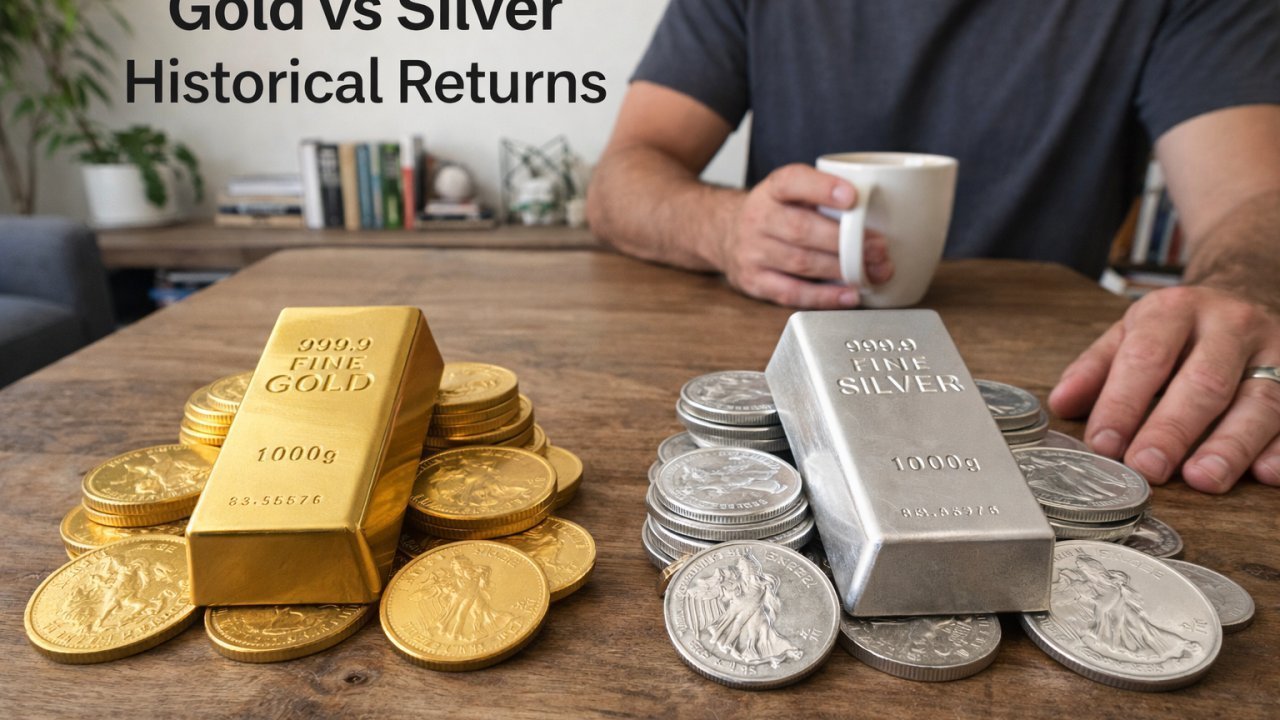
While gold remains the undisputed king in Cuttack's investment and cultural sphere, a significant shift is quietly underway. Discerning investors in the Millennium City are increasingly exploring silver as a compelling alternative. This precious metal, more volatile yet often more accessible than gold, is gaining traction not just for its ornamental appeal, particularly in traditional Cuttack filigree, but also as a strategic diversification tool for portfolios across Odisha.
Recent market dynamics show silver's unique position, influenced heavily by global industrial demand (electronics, solar panels) alongside its traditional role as a store of value. Locally in Cuttack, we're observing a growing interest beyond its traditional use in intricate filigree jewellery and religious items. Many residents, from young professionals to established families, are recognizing silver's potential for capital appreciation, especially given its more accessible price point compared to gold, allowing for easier accumulation of physical assets.
For Cuttack-based investors looking to diversify beyond traditional gold holdings, silver presents an intriguing proposition. While it often mirrors gold's safe-haven characteristics, silver's industrial demand component can lead to more dynamic price movements, potentially offering greater upside during periods of economic expansion. It serves as an excellent hedge against inflation and currency devaluation, making it a thoughtful addition to any long-term investment strategy in the current economic climate.
Key Takeaway: Silver offers Cuttack investors an accessible, diversified, and potentially high-growth alternative to traditional gold investments, blending industrial demand with its safe-haven appeal.
Smart Investing: Why Cuttack Residents Are Pivoting to Sovereign Gold Bonds (SGBs)
As gold prices continue to fluctuate in the bustling markets of Cuttack—from the traditional jewelry hubs of Naya Sarak to the modern retail outlets—savvy investors are increasingly looking beyond physical bullion. While the cultural affinity for gold jewelry remains a cornerstone of Odisha’s heritage, Sovereign Gold Bonds (SGBs) are emerging as the superior choice for those prioritizing wealth creation over ornamentation. Unlike physical gold, which incurs making charges (often ranging from 10% to 20%) and safety concerns regarding storage, SGBs offer a seamless, digital-first investment experience backed by the Government of India.
For residents of Cuttack, the financial advantages are twofold. First, SGBs eliminate the risk of theft and the recurring costs of bank locker rentals. More importantly, they provide an annual interest payout of 2.5%, a feature that physical gold simply cannot match. When you purchase SGBs, your capital appreciates in line with market rates, but you also earn a steady passive income while you hold the asset. Furthermore, if held until maturity, the capital gains are entirely tax-exempt, offering a significant fiscal edge for long-term portfolio planning in a city where gold has always been the preferred hedge against inflation.
Key Takeaway: By choosing SGBs over physical gold, Cuttack investors can bypass expensive making charges and security risks while enjoying a 2.5% annual interest yield and tax-free maturity, effectively turning a traditional savings habit into a modern, high-efficiency financial strategy.
Navigating Gold Exchange Policies in Cuttack: Old vs. New
For residents of Cuttack, the vibrant gold markets of Naya Sarak and Choudhury Bazar remain the heartbeat of traditional investment. However, when it comes to exchanging old jewellery for new designs, understanding the nuances of local jeweller policies is critical to maximizing your value. Most reputable jewellers in the city now employ advanced Karatmeter technology to test the purity of your old gold instantly. This shift away from manual "acid testing" has brought much-needed transparency, but it also means that the days of assuming your heirloom gold is 22-karat are over; impurities and solder content will be strictly accounted for in the valuation.
When upgrading your collection, be mindful of the "deduction trap." While many Cuttack jewellers advertise "zero-deduction" exchange schemes, these are often offset by higher making charges (wastage) on the new ornaments. Before finalizing a trade, always ask for the net weight of your old gold after the melting process and compare the final invoice price against the day’s live market rate. Furthermore, since the implementation of mandatory HUID (Hallmarking Unique ID) across Odisha, ensure that any new gold you purchase carries the official BIS hallmark. Trading in non-hallmarked old gold for new, certified pieces is a prudent financial move, but it requires a clear breakdown of the buy-back price versus the new purchase premium.
Key Takeaway: Don’t be swayed by "zero-deduction" marketing; always compare the final out-of-pocket cost after accounting for both the exchange value of your old gold and the specific making charges applied to your new purchase.
Cuttack Gold Market: Festival Season Buying Tips
As Cuttack gears up for its vibrant festival season, including the auspicious Akshaya Tritiya and the grand Durga Puja, the demand for gold traditionally sees a significant surge. For many in the Silver City, purchasing gold during these times is not just an investment but a cherished cultural ritual, symbolizing prosperity and good fortune. While global economic factors continue to influence gold prices, local demand dynamics in Cuttack often play a crucial role in shaping market sentiment. Staying informed about current price trends is key, especially as families plan their festive purchases.
When navigating the bustling jewellery markets of Cuttack, particularly areas like Balu Bazaar and Choudhury Bazaar, smart buying strategies can make a substantial difference. Always prioritize BIS Hallmark certified gold to ensure purity and authenticity. It’s also wise to compare making charges (wastage) across different reputable jewellers, as these can vary significantly and impact your overall cost. Consider smaller, incremental purchases if you're buying for investment, or look into booking options offered by some establishments to lock in prices ahead of major festivals. Don't hesitate to inquire about exchange policies and buy-back guarantees.
Understanding the local market nuances and having a clear idea of your buying purpose—whether it's for ornamental wear, gifting, or long-term investment—will empower you to make an informed decision. The festival season is a time of joy and celebration, and with a little preparation, your gold purchase can be both auspicious and financially sound.
Key Takeaway: For Cuttack's festival gold buying, prioritize BIS Hallmark purity, compare making charges across trusted local jewellers, and plan your purchases strategically to ensure both value and tradition.