Goa, renowned for its pristine beaches and vibrant culture, also holds a significant place in India's bustling gold market. For both residents and tourists, understanding the nuances of buying, selling, and investing in gold in this coastal state is crucial. This comprehensive guide aims to illuminate various aspects of gold in Goa, from daily price fluctuations and top jewellers to investment avenues and taxation, ensuring you make informed decisions.
1. Why is gold price different in Goa?
While the base gold price in India is determined by global market trends and national policies, slight variations can be observed from one state to another, including Goa. These differences primarily stem from local factors such as transportation costs, state-specific taxes (though GST has largely standardized this, some minor local levies or operational costs can still play a role), and the profit margins set by individual jewellers. Goa's unique market dynamics, influenced by tourism and seasonal demand, can also contribute to these minor price discrepancies. It's always advisable to check the prevailing rates on the day of purchase, as even small variations can impact the final cost significantly for larger purchases.
2. Which area or shop is famous for low making charges in Goa?
Making charges are a significant component of the final gold price, representing the cost of designing and crafting the jewellery. To find competitive making charges in Goa, it's often best to explore the established jewellery hubs. Areas like Panjim and Margao are known for housing a mix of large retail chains and traditional local jewellers. While national brands might have standardized rates, smaller, independent jewellers often offer more flexibility and competitive pricing, especially for plain gold items. Negotiation is key, and comparing charges across multiple shops before making a purchase is highly recommended. Always inquire about the percentage or per-gram making charge before finalizing your selection.
- Panjim: The capital city hosts a dense concentration of jewellers, both big and small, offering a wide range of designs and price points. It's a prime location for comparison shopping.
- Margao: A commercial hub in South Goa, Margao is another excellent place to find jewellers with competitive making charges, often catering to a local clientele who prioritize value.
- Local Jewellers: Often, smaller, family-run establishments, especially those outside the main tourist areas, might offer better deals on making charges due to lower overheads and a focus on repeat local business.
3. Why do gold prices change daily?
Gold prices are dynamic, fluctuating on a daily, and sometimes even hourly, basis. This volatility is driven by a complex interplay of global and domestic factors. Internationally, the strength of the US Dollar, crude oil prices, interest rate decisions by central banks, and geopolitical tensions significantly impact gold as a safe-haven asset. Domestically, factors such as import duties, government policies, the Rupee-Dollar exchange rate, and local demand (especially during festival seasons like Diwali, Akshaya Tritiya, and weddings) all contribute to daily price changes. Economic stability or instability, inflation fears, and investor sentiment also play crucial roles in shaping gold's market value, making it a sensitive commodity.
4. Gold rates in Goa (22 karat): How do prices change?
In Goa, as with the rest of India, 22 karat gold (91.6% purity) is the most popular choice for jewellery due to its durability and malleability. The daily rates for 22 karat gold are derived from the international spot price of gold, adjusted for the Rupee-Dollar exchange rate, import duties, and other local taxes and charges. These prices are updated daily by jewellery associations and individual jewellers based on market movements. Consumers can easily check the current day's gold rate per 10 grams or per sovereign (8 grams) through various financial news portals, jeweller websites, or by directly contacting local shops. It's important to note that the final price will also include making charges and 3% GST on the value of the gold and 5% GST on the making charges, which are added to the base rate.
5. Gold and hallmarking centres in Goa.
Hallmarking is a guarantee of purity, certified by the Bureau of Indian Standards (BIS). In Goa, all reputable jewellers are mandated to sell only BIS-hallmarked gold jewellery. This ensures that consumers receive gold of the declared purity (e.g., 916 for 22K gold, 999 for 24K gold). While there aren't specific "hallmarking centres" for public use to get their gold certified, the jewellers themselves send their products to BIS-recognized assaying and hallmarking centres before sale. When purchasing gold in Goa, always look for the BIS hallmark, which includes the BIS logo, purity in karat and fineness (e.g., 22K916), the assaying centre's mark, and the jeweller's identification mark. This standard ensures transparency and protects consumers from fraudulent practices.
- Reputable Jewellers: All major and trusted jewellers in Goa, such as Tanishq, Malabar Gold & Diamonds, Joyalukkas, and well-established local stores, strictly adhere to BIS hallmarking standards for all their gold jewellery.
- Consumer Assurance: Insist on hallmarked jewellery to ensure authenticity and avoid any discrepancies in purity, giving you peace of mind with your valuable purchase.
6. Top Jewellers in Goa.
Goa boasts a diverse range of jewellers, from national chains with extensive collections to traditional local shops known for their unique designs and personalized service. When looking for quality, trust, and a wide selection, consider the following:
- Tanishq: A renowned national brand known for its exquisite designs, transparent pricing, and robust customer service. They have showrooms in Panjim and Margao, offering a premium shopping experience.
- Malabar Gold & Diamonds: Another leading Indian jewellery group offering a wide array of gold, diamond, and platinum jewellery with a strong emphasis on purity and customer trust. Present in key Goan cities.
- Joyalukkas: An international jewellery retail chain with a significant presence in India, including Goa, known for its vast collection, diverse designs, and global standards.
- Ulhas Jewellers: A well-established local Goan brand, respected for its heritage, traditional designs, and strong customer relationships built over decades, particularly in Margao.
- Damodar Mangalji & Co. (D.M.C.): Another traditional Goan jeweller with a long-standing reputation for quality craftsmanship and reliability, often preferred by locals for generations.
- PN Gadgil Jewellers: A popular brand from Maharashtra with showrooms in Goa, offering a good mix of traditional and contemporary designs that appeal to a wide customer base.
7. Supply pressures pushing prices up.
The global supply of gold is a critical factor influencing its price. Several pressures can lead to a reduction in supply or an increase in demand, thereby pushing prices upward. These include declining gold mining output globally, as new discoveries become rarer and extraction costs rise, making it more expensive to bring gold to market. Central banks worldwide have also been significant net buyers of gold in recent years, adding to demand and reducing available supply in the open market, often as a strategy to diversify reserves. Furthermore, increased investor demand during times of economic uncertainty, inflation, or geopolitical instability often sees a flight to gold as a safe haven, further tightening supply relative to demand and driving prices higher.
8. How to store gold in Goa?
Safely storing your gold in Goa is paramount, especially given its value. Several options are available, each with its own advantages and considerations:
- Home Safe: For small quantities, a sturdy home safe can offer immediate access and convenience. However, it comes with risks of theft and might not be fully insured under standard home insurance policies, making it less ideal for substantial holdings.
- Bank Lockers: This is a popular and secure option for storing physical gold. Banks in Goa offer locker facilities for a nominal annual fee, providing robust security measures. However, access is limited to banking hours, and the contents are not typically insured by the bank itself, requiring separate insurance coverage.
- Digital Gold: An increasingly popular alternative, digital gold allows you to buy, sell, and store gold electronically without taking physical delivery. It's stored in insured vaults by providers, eliminating storage worries and offering high liquidity. Platforms like MMTC-PAMP and SafeGold are prominent, offering 99.9% pure gold backed by physical reserves.
- Gold ETFs & Sovereign Gold Bonds (SGBs): These are not storage options for physical gold but rather investment instruments that track gold prices. They eliminate physical storage risks altogether and offer additional benefits like interest (for SGBs) or ease of trading.
9. Gold vs Real Estate in Goa.
Both gold and real estate are popular investment avenues in Goa, each with distinct characteristics. Goa's real estate market has seen significant appreciation due to tourism and demand for second homes, offering potential for substantial capital gains and rental income. However, real estate is illiquid, requires high initial investment, and involves maintenance costs, property taxes, and market risks (e.g., regulatory changes, oversupply). Gold, on the other hand, is highly liquid, universally accepted, and acts as a hedge against inflation and economic uncertainty. It requires no maintenance and can be bought in small denominations. However, it doesn't generate income (unless invested in SGBs) and its price can be volatile. For diversification, a balanced portfolio often includes both, leveraging real estate for long-term wealth creation and gold for stability and liquidity, mitigating risks associated with relying on a single asset class.
10. What is a Sovereign Gold Bond?
Sovereign Gold Bonds (SGBs) are government securities denominated in grams of gold. They are issued by the Reserve Bank of India on behalf of the Government of India and offer an excellent alternative to holding physical gold. Investors pay the issue price in cash and the bonds are redeemed in cash on maturity. Key benefits of SGBs include:
- Interest Income: Investors earn a fixed annual interest rate (currently 2.50% per annum) on the initial investment, paid semi-annually, providing a regular income stream.
- No Storage Issues: Being in dematerialized form, SGBs eliminate the risks and costs associated with storing physical gold, such as theft or locker fees.
- Purity Guarantee: The purity is assured as they are government-backed, guaranteeing 999 purity equivalent to 24 karat gold.
- Tax Benefits: Capital gains arising from redemption after 8 years are exempt from tax, making them highly tax-efficient for long-term investors.
- Liquidity: SGBs can be traded on stock exchanges, though liquidity might vary. They have a maturity period of 8 years with an exit option after the 5th year on interest payment dates.
11. Taxation of gold in Goa.
Understanding the taxation aspects of gold in Goa (and India) is crucial for buyers and investors to ensure compliance and optimize returns:
- GST (Goods and Services Tax): A 3% GST is levied on the value of gold jewellery or coins. Additionally, a 5% GST is applied to the making charges of gold jewellery. This is a uniform tax across India.
- Capital Gains Tax:
- Short-Term Capital Gains (STCG): If gold is sold within 36 months of purchase, any profit is added to your total income and taxed as per your applicable income tax slab rates.
- Long-Term Capital Gains (LTCG): If gold is sold after 36 months, the gains are subject to a 20% tax with indexation benefit (allowing adjustment for inflation), which significantly reduces the taxable amount.
- Sovereign Gold Bonds (SGBs): Capital gains from SGBs are exempt from tax if held till maturity (8 years), offering a significant advantage over physical gold. If sold on the exchange before maturity, STCG or LTCG rules apply.
- Wealth Tax: Wealth tax on gold (and other assets) was abolished in India from April 1, 2015. Therefore, you do not pay annual wealth tax on your gold holdings.
- TDS (Tax Deducted at Source): If you sell old gold to a jeweller, and the value exceeds INR 2 lakhs, TDS might be applicable under certain conditions, though jewellers typically adjust this against new purchases or provide necessary documentation for tax purposes.
Investing in gold in Goa, whether for adornment or investment, requires a clear understanding of market dynamics, purity standards, and financial implications. By staying informed about daily prices, choosing reputable jewellers, and exploring modern investment avenues like Sovereign Gold Bonds, you can make prudent decisions and ensure your gold assets are secure and beneficial for your financial future.
Leveraging Your Assets: Navigating Gold Loan Options in Goa
In Goa, where gold is frequently viewed as a multi-generational heirloom rather than just a commodity, the local gold loan market has evolved into a sophisticated financial tool for both small-scale entrepreneurs and households. Beyond the traditional nationalized banks, Goa’s unique financial landscape features a strong presence of local cooperative societies and urban cooperative banks, such as the Goa State Co-operative Bank. These institutions often provide more localized, flexible repayment schemes compared to their pan-India counterparts. With gold prices in the coastal state mirroring international trends while being influenced by local demand surges during the Shigmo festival and the winter wedding season, residents are increasingly using these loans to bridge short-term liquidity gaps without permanently liquidating their family assets.
Modern borrowers in urban hubs like Panaji, Margao, and Mapusa are now benefiting from a significant digital shift in the lending sector. Leading NBFCs and private lenders have aggressively expanded their "Gold Loan at Home" services across the state, offering instant valuation and doorstep disbursement within hours. While nationalized banks currently offer some of the most competitive interest rates—often starting between 8.5% and 9.5%—specialized gold loan companies provide higher convenience and significantly lower processing times, typically maintaining a Loan-to-Value (LTV) ratio of up to 75%. For Goans, the decision-making process often involves a strategic trade-off between the lower interest rates of institutional banks and the rapid, documentation-light processing of specialized private lenders.
Key Takeaway: To maximize your borrowing power in Goa, compare the "hidden" processing fees of local cooperative banks against the base interest rates of nationalized banks, and always ensure your lender provides a transparent valuation based on the day’s current 22K market rate.
Expert Tip: Exchanging Old Gold in Goa – What You Need to Know
Goa's vibrant culture often sees gold purchases tied to festivals, weddings, and family heirlooms. Over time, many find themselves with old gold – perhaps outdated designs or pieces they no longer wear – and consider exchanging it for something new. While a common practice across India, navigating the exchange policies at Goan jewellers requires a keen eye to ensure you get the best value.
The core of the exchange often lies in how jewellers assess your old gold. Most will deduct a percentage for melting charges, impurities, or 'wastage,' even if your gold is hallmarked. The valuation is typically based on the prevailing gold rate for 22K or 24K, but the net amount you receive can vary significantly. Some jewellers in Goa, especially the smaller, traditional family-run establishments, might offer more personalized service but could have less transparent deduction policies compared to larger chain stores. Always clarify if the exchange value is for direct purchase or against new jewellery, as the latter might offer a slightly better rate, though you'll then incur making charges on the new piece.
Before making a decision, it's highly advisable to visit 2-3 different jewellers, perhaps comparing offers from a well-known store in Panjim with a local favourite in Margao or Mapusa. Ask for a clear breakdown of the valuation, including purity assessment, weight after deductions, and the final exchange value. Don't hesitate to inquire about the 'making charges' on the new gold you intend to buy, as this can greatly impact your overall expenditure. Transparency is key.
Key Takeaway: When exchanging old gold in Goa, always compare offers from multiple jewellers, clarify all deductions (melting, purity, making charges), and ensure transparency in the valuation process to maximize your return.
Unlocking Value: The Rise of Professional Gold Refining in Goa
As gold prices continue to fluctuate in the global markets, many residents across Goa—from the bustling markets of Panjim to the coastal hubs of Margao—are re-evaluating their dormant assets. While traditional pawn shops and neighborhood jewelers have long been the primary port of call for those looking to liquidate gold, the local market is shifting toward more transparent, technology-driven refining services. This transition is crucial for sellers who want to ensure they receive a fair valuation based on the current 24-karat spot price, rather than arbitrary deductions for impurities or craftsmanship.
For those holding onto ancestral jewelry or broken gold pieces, the modern refining process offers a significant advantage. Professional refiners in the region are increasingly utilizing XRF (X-ray Fluorescence) technology, which allows for non-destructive, instantaneous purity testing. By bypassing the middleman and engaging directly with services that utilize advanced smelting and assaying techniques, Goan consumers can now extract the true market value of their gold. Whether you are looking to reinvest in bullion or simply declutter your safe, the key is to prioritize transparency; always ask for a weight verification on a calibrated electronic scale and ensure the purity assessment is conducted in your presence.
Key Takeaway: Before selling your gold in Goa, prioritize vendors who use XRF technology to test purity. Avoid "instant cash" outlets that apply heavy deductions; instead, seek out refiners who provide a transparent breakdown based on the day’s live market rates, ensuring you receive the maximum return on your assets.
The Rise of Silver: Goa’s Growing Alternative Investment Trend
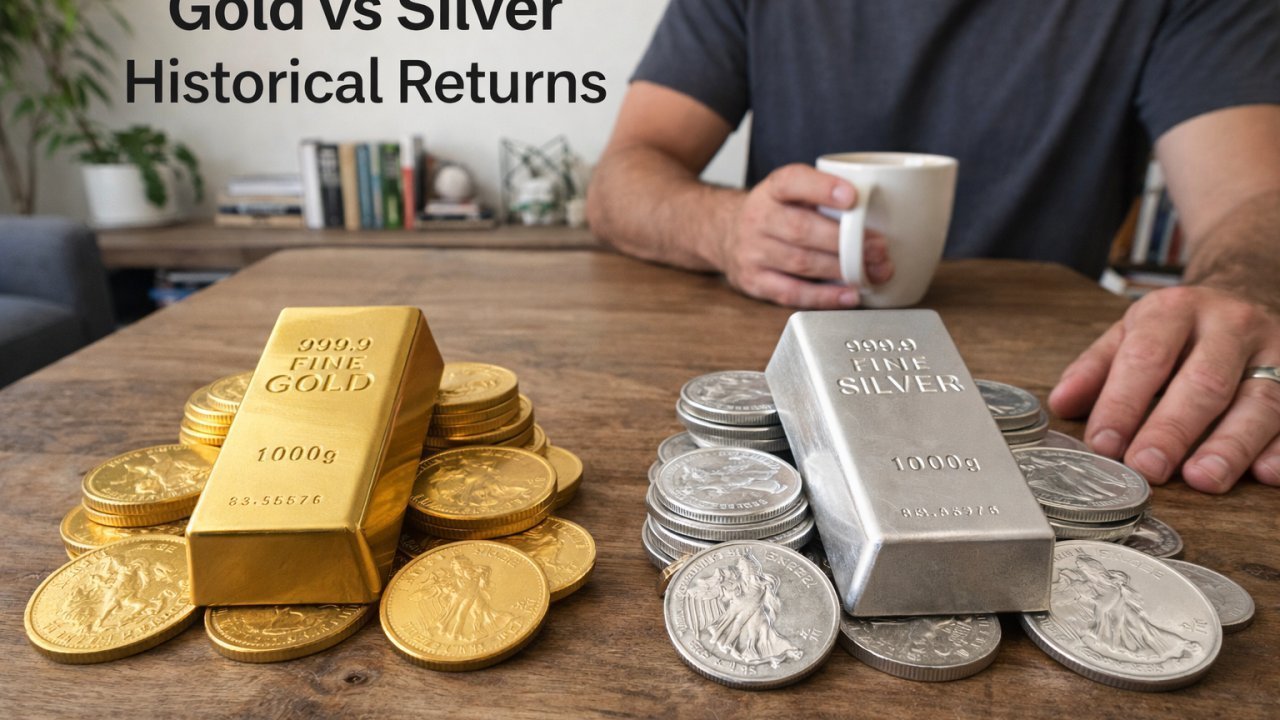
While gold remains the traditional cornerstone of investment in Goa, local investors are increasingly turning their gaze toward silver as a high-potential alternative. The volatility in global gold prices, coupled with silver’s dual identity as both a precious metal and a critical industrial commodity, has sparked significant interest across the state. From the bustling jewelry hubs of Panjim to the burgeoning investment circles in Margao, savvy Goan investors are diversifying their portfolios by leveraging silver’s lower entry price point, which allows for more frequent accumulation compared to the higher capital requirements of gold.
The industrial demand for silver—particularly in the rapidly expanding sectors of green energy and electronics—is creating a tightening supply-demand dynamic that many market analysts believe will favor long-term price appreciation. In Goa, this trend is mirrored in the rising popularity of silver bullion and coins among retail investors who seek a hedge against inflation without the steep premium often associated with gold jewelry. Furthermore, as the local economy continues to integrate more deeply with national commodity markets, the accessibility of digital silver and exchange-traded products has made it easier than ever for residents to participate in this market with transparency and ease.
For those looking to balance their risk, silver offers a tactical advantage. Its price movement often acts as a leveraged play on economic growth, providing a different risk-reward profile than the "safe-haven" status of gold. As market sentiment shifts, incorporating silver into your local investment strategy could provide the necessary buffer to navigate the fluctuating precious metals landscape effectively.
Key Takeaway: Silver is evolving from a decorative choice to a strategic investment tool in Goa; its industrial utility and lower barrier to entry make it an essential consideration for investors looking to diversify beyond gold in the current economic climate.
Ensuring Authenticity: Verifying Your Gold Purchase in Goa
As gold remains a cultural cornerstone for weddings and festivals across Goa—from the bustling markets of Panjim to the heritage jewelry stores in Margao—ensuring the purity of your investment is more critical than ever. While hallmarking provides a standard of quality, savvy buyers in the coastal state are increasingly turning to the official BIS Care App to verify their purchases instantly. This digital tool has become an essential companion for local consumers, providing a transparent way to authenticate the Bureau of Indian Standards (BIS) hallmark on gold ornaments before finalizing a transaction.
Using the app is straightforward and offers immediate peace of mind. By inputting the HUID (Hallmark Unique Identification) number—a six-digit alphanumeric code laser-engraved on your jewelry—you can instantly retrieve details regarding the jeweler’s registration, the purity of the gold, and the year of hallmarking. In a market where trust is paramount, this verification process protects you from counterfeit goods and ensures that the gold you purchase at current Goa market rates matches the quality promised by the retailer. We recommend that every buyer, whether purchasing a small gift or a substantial bridal set, performs this quick check while still at the store.
Key Takeaway: Always insist on a HUID-stamped invoice and use the BIS Care App to verify the unique code; if the app does not display a matching record for your specific piece of jewelry, request an explanation from the jeweler before completing your purchase.
Digital Gold: Is it a Secure Investment for Goa Residents?
As Goa’s economy continues to shift toward digital-first financial planning, many residents are moving away from traditional physical locker-based holdings in favor of digital gold. Whether you are a local entrepreneur in Panjim or a retiree in Margao, the appeal is clear: you can buy 24-karat gold in fractions as small as one rupee without the logistical nightmare of secure storage or the high premiums associated with physical jewelry making charges.
For those residing in Goa, the primary advantage of digital gold lies in its liquidity and safety. Unlike physical bullion, which carries the inherent risk of theft or damage in a humid coastal climate, digital gold is held in secure, insured vaults by reputable providers. However, investors should remain vigilant. Before committing, ensure the platform is backed by a recognized bullion refiner and offers the option to redeem your holdings for physical coins or bars should you choose to hold the actual metal later. Given the ease of access via mobile apps, digital gold has become a sophisticated, low-friction tool for Goan families looking to hedge against inflation while avoiding the traditional overheads of local market volatility.
Key Takeaway: Digital gold offers a secure, high-liquidity alternative for Goa’s modern investors, provided you stick to reputable platforms that guarantee 99.9% purity and offer transparent redemption options for physical delivery.
Goa’s Wedding Season: Navigating the Gold Rush
As the state transitions out of the monsoon, Goa’s vibrant wedding season is set to reach a fever pitch, traditionally driving a significant surge in local gold demand. Unlike the metropolitan hubs of Mumbai or Delhi, the Goan market sees a unique intersection of traditional Konkani and Catholic wedding customs, both of which place a heavy emphasis on heirloom-quality gold jewelry. With the festive calendar aligning closely with the wedding dates, local jewelers in Panjim and Margao are already reporting a steady uptick in footfall as families look to secure their gold requirements before the anticipated price volatility typically seen during peak auspicious dates.
Industry experts suggest that this year’s trend is leaning toward "minimalist luxury." While heavy bridal sets remain a staple, there is a noticeable shift among younger couples toward lightweight, contemporary 22-karat designs that offer both aesthetic versatility and long-term investment value. Given the global economic headwinds affecting bullion prices, local retailers are advising buyers to monitor international spot price fluctuations rather than waiting for the last-minute pre-wedding scramble. By staggering purchases—perhaps opting for gold coins or bars during temporary market dips—Goan residents can effectively hedge against the premium markups that often accompany the height of the wedding season.
Key Takeaway: With the wedding season fast approaching, avoid the "panic buying" trap by tracking international price trends and considering a staggered investment approach; prioritizing hallmark-certified, lightweight designs can help you balance traditional requirements with modern portfolio goals.
Expert Tip: Timing Your Gold Purchase in Goa
While global gold prices are a dynamic, 24/7 ticker, the local rates you find at jewellers in Goa are typically set once or twice a day. These prices factor in the overnight movements from international markets, especially the closing prices in the US and the opening trends in European markets, alongside the Indian Rupee's performance against the US Dollar. Therefore, checking prices first thing in the morning might catch a rate that hasn't fully settled, reflecting all the latest global shifts.
For buyers in Goa, understanding local market dynamics is also key. During peak tourist season (October to March) or major local festivals like Ganesh Chaturthi and Diwali, demand for gold jewellery tends to surge. This heightened demand can sometimes translate into slightly firmer local premiums. Conversely, during the quieter monsoon months, jewellers might be more competitive to attract local customers, potentially offering a better deal. It's a delicate balance between global price trends and localized demand pressures.
Considering these factors, the sweet spot for checking and potentially buying gold in Goa often falls between 11 AM and 1 PM IST. By this time, global market reactions have usually been absorbed, the Indian rupee's early performance is clear, and local jewellers have had ample time to update their rates accurately. This window generally offers a more stable and informed price point. Always compare rates from a couple of reputable jewellers, whether established chains in Panjim or trusted local shops in Margao, to ensure you're getting the best value.
Key Takeaway: For the most informed gold purchase in Goa, aim to check prices and visit jewellers between 11 AM and 1 PM IST, taking into account both global market trends and local demand cycles.
Beyond Gold: The Rising Appeal of Silver in Goa’s Investment Landscape
While gold remains the cornerstone of traditional savings across Goa’s bustling markets—from the jewelry hubs of Panjim to the heritage stores in Margao—local investors are increasingly diversifying their portfolios with silver. As global industrial demand for silver surges, particularly in the green energy and electronics sectors, the white metal is shedding its reputation as a mere secondary asset. For Goan households, silver provides a more accessible entry point for investment, allowing for consistent accumulation without the steep capital requirement that high-karat gold now demands.
The trend is particularly noticeable among the younger, tech-savvy demographic in North Goa and the growing entrepreneurial class in Vasco. Beyond the cultural significance of silver in local festivities and weddings, investors are now gravitating toward silver bars and coins as a hedge against market volatility. Unlike gold, which is often held purely for long-term preservation, silver’s dual nature as both a precious metal and an industrial commodity offers a unique growth trajectory. As Goa continues to integrate into the broader national economic fold, tracking the price fluctuations of silver has become a vital habit for those looking to balance risk and reward in their financial planning.
Key Takeaway: With silver’s dual utility in industry and investment, it serves as an excellent tactical hedge for Goan investors looking to diversify beyond traditional gold holdings, offering lower volatility entry points with significant long-term growth potential.
Strategic Timing: When to Visit Goa’s Jewellers
In the vibrant markets of Panjim, Margao, and Mapusa, the rhythm of gold trading often follows the pulse of the global commodities exchange. While local jewellers in Goa typically align their daily rates with the Mumbai bullion market opening at 10:00 AM, savvy buyers have learned that timing your visit is as crucial as tracking the charts. For those looking to secure the best deal, visiting showrooms in the late morning—shortly after the morning price fixation—allows you to negotiate with a clear understanding of the day’s volatility before the afternoon market fluctuations set in.
Beyond the technical aspect of pricing, there is a distinct "Goan advantage" to shopping during off-peak hours. Avoiding the late afternoon rush, particularly in the bustling corridors of Margao’s jewellery hubs, allows for a more personalized consultation. During quieter mid-morning windows, jewellers are often more receptive to discussing making charges and craftsmanship premiums, which can significantly impact the final invoice price. Furthermore, if you are planning a significant purchase during festive seasons like Ganesh Chaturthi or Diwali, aim for early morning slots; you will beat the tourist crowds and benefit from the undivided attention of store managers who are often more flexible with their margins when the store is serene.
By monitoring the gold price trend in the early hours and arriving at your preferred local jeweller before the midday heat and traffic peak, you position yourself to make a calm, informed decision rather than a reactive one. Remember that in Goa’s gold market, patience is a currency just as valuable as the metal itself.
Key Takeaway: To secure the best value, track the morning price fixation at 10:00 AM and aim to visit your local Goa jeweller before noon; this window offers the most accurate pricing and provides the best opportunity to negotiate making charges in a relaxed, low-traffic environment.
Navigating Gold Loans in Goa: A Strategic Financial Tool
For residents of Goa, gold is more than just a store of value; it is a cultural cornerstone often held in the form of heirloom jewelry. In the current economic climate, leveraging these assets through gold loans has become an increasingly popular alternative to high-interest personal loans. Whether you are a small business owner in Panjim looking to manage cash flow or an individual in Margao seeking quick liquidity for educational expenses, Goa’s financial landscape offers a robust mix of options, ranging from traditional public sector banks like SBI to specialized non-banking financial companies (NBFCs) like Muthoot Finance and Manappuram.
The advantage of a gold loan in a market like Goa lies in its speed and accessibility. Unlike unsecured loans that require extensive credit history checks, gold-backed financing is processed rapidly, often within hours. However, borrowers should be mindful of the "Loan-to-Value" (LTV) ratio, which is currently capped by RBI guidelines. As gold prices fluctuate, lenders adjust their appraisal values accordingly. Before pledging your assets, it is essential to compare the interest rate spreads across local branches, as promotional rates can vary significantly between coastal hubs and inland talukas. Always ensure you are dealing with a licensed lender to guarantee the safety of your pledged ornaments.
Key Takeaway: Before opting for a gold loan, compare the processing fees and pre-payment penalties across at least three local lenders in your area; a lower interest rate may sometimes be offset by hidden administrative charges, so always ask for the Annual Percentage Rate (APR).
Navigating Gold Price Variations: Goa vs. Major Metros
For investors and jewelry enthusiasts in Goa, understanding why local gold rates occasionally diverge from major hubs like Mumbai or Chennai is essential. While gold is a globally traded commodity, the final retail price in Goa is influenced by a unique set of logistical and market-driven factors. Unlike massive metropolitan centers that often serve as primary bullion entry points, Goa’s localized market relies on regional distribution networks, which can introduce a slight premium due to transportation costs and the smaller scale of wholesale bullion supply chains compared to the high-volume trading floors of Mumbai.
Furthermore, Goa’s jewelry market is characterized by a high demand for intricate, traditional craftsmanship, particularly during the vibrant festive seasons and the local wedding calendar. Because many of Goa’s premier jewelers prioritize artisanal quality and high-purity gold sourcing from specialized refineries, the "making charges" (wastage) can often feel more significant than the base bullion price fluctuation. While the base rate of 24K gold remains tightly aligned with national benchmarks, savvy buyers in Panjim or Margao should focus on the total landed cost—inclusive of these regional labor premiums—rather than just the daily ticker price. Staying attuned to these nuances allows residents to time their purchases during periods of global price consolidation, ensuring maximum value for their investments.
Key Takeaway: While Goa’s base gold price generally mirrors national trends, local retail costs are often influenced by specialized logistics and high-end craftsmanship premiums; always compare the final out-the-door price rather than focusing solely on the fluctuating bullion rate.
Leveraging Gold Loans in Goa’s Evolving Financial Landscape
For residents of Goa, gold is far more than a cultural asset or a festive adornment; it is a vital financial buffer. As gold prices continue to fluctuate in the local markets of Panjim and Margao, many Goans are increasingly turning to gold loans as a strategic tool for liquidity. Unlike unsecured personal loans, gold loans in Goa offer a faster turnaround—often processed within a few hours—making them an ideal solution for immediate business capital needs, educational expenses, or bridging temporary cash flow gaps without the hurdle of extensive credit checks.
The financial ecosystem in Goa has become highly competitive, with a blend of traditional public sector banks, private lenders, and specialized non-banking financial companies (NBFCs) vying for market share. While nationalized banks often offer lower interest rates, specialized NBFCs frequently provide higher loan-to-value (LTV) ratios and more flexible repayment structures, such as bullet payments or interest-only monthly installments. Given the high price volatility of gold, it is prudent for borrowers to compare the "per gram" valuation offered by lenders in major hubs like Vasco da Gama and Mapusa, as these can vary significantly based on the purity of the gold and the lender’s current internal policy.
Before pledging your assets, ensure you understand the storage security protocols provided by the institution. In a region where monsoon humidity can affect physical storage, opting for a lender with high-security, climate-controlled vaults is as important as the interest rate itself. Always verify the lender’s reputation and read the fine print regarding foreclosure charges to ensure your short-term liquidity solution doesn't become a long-term financial burden.
Key Takeaway: When securing a gold loan in Goa, prioritize lenders that offer the best LTV ratio and transparent, low-interest schemes, but never compromise on the security standards of the facility where your gold is stored.