Panaji, the vibrant capital of Goa, is not just a hub for tourism and colonial history but also a significant center for gold trading and jewelry consumption in Western India. For the residents of Panaji and the surrounding coastal belt, gold is more than just a precious metal; it is a symbol of prosperity, a cultural necessity for ceremonies, and a trusted hedge against inflation. Whether you are a local resident looking to invest or a visitor seeking to buy authentic Goan jewelry, understanding the nuances of the local gold market is essential. This comprehensive guide explores the dynamics of gold prices, the best places to shop, and the various investment avenues available in Panaji.
1. Why is gold price different in Panaji?
If you have ever compared gold prices between different Indian cities, you might have noticed that Panaji often has a slight variation compared to Mumbai, Delhi, or Chennai. Several factors contribute to this price discrepancy. Firstly, transportation and logistics costs play a role. Gold is primarily imported into major hubs like Mumbai and then transported to smaller cities like Panaji. The cost of secure transit and insurance adds a marginal amount to the final price.
Secondly, local taxes and levies vary by state. While the Goods and Services Tax (GST) is uniform across India, other local octroi or entry taxes (though largely phased out) and state-specific administrative costs can influence the rate. Furthermore, the Goa Jewellers Association plays a pivotal role in setting the daily "suggested" rate for the city. This association considers the national bullion rates and adjusts them based on local demand and supply conditions, ensuring that all major showrooms in Panaji maintain a level of price consistency.
2. Which area or shop is famous for low making charges in Panaji?
Making charges can significantly impact the total cost of gold jewelry, often ranging from 8% to 25% of the gold value. In Panaji, the most competitive prices and lowest making charges are typically found in the traditional market areas near the Municipal Garden and the 18th June Road. These areas house a mix of heritage family-owned shops and modern showrooms.
- 18th June Road: This is the commercial heartbeat of Panaji. While it hosts luxury brands, the sheer competition between neighboring shops often leads to discounts on making charges, especially during festive seasons like Diwali or Akshaya Tritiya.
- MG Road: Known for its long-standing local jewellers, this area is preferred by locals who have built generational trust. These shops often offer lower overhead costs compared to national chains, passing the savings to customers in the form of reduced making charges.
- Panaji Market: For those looking for traditional Goan designs like the 'Poth' or 'Galsari,' the smaller artisanal shops in the main market area often provide the best value for money regarding labor costs.
3. Why do gold prices change daily?
Gold is a global commodity, and its price in Panaji is a reflection of international market movements. The primary driver is the London Bullion Market Association (LBMA), which sets the global benchmark. However, several other factors cause the daily fluctuations we see in the local news:
- Currency Fluctuations: India imports the majority of its gold. Since international gold is priced in US Dollars, the strength or weakness of the Indian Rupee (INR) against the USD directly impacts the price in Panaji. If the Rupee depreciates, gold becomes more expensive locally.
- Interest Rates: Central bank policies, particularly the US Federal Reserve's interest rate decisions, have an inverse relationship with gold. High interest rates often lead investors toward bonds, causing gold prices to dip, and vice versa.
- Geopolitical Stability: Gold is viewed as a "safe haven" asset. During times of war, political unrest, or global economic uncertainty, demand for gold surges, driving prices up in every corner of the world, including Goa.
- Inflation: When inflation rises, the purchasing power of currency falls. Investors turn to gold to preserve their wealth, leading to increased demand and higher daily rates.
4. Gold rates in Panaji (22 karat): How do prices change?
In Panaji, 22 Karat (22K) gold is the standard for jewelry. Unlike 24K gold, which is 99.9% pure but too soft for intricate designs, 22K gold contains 91.6% gold mixed with other metals like copper or zinc to provide durability. The price of 22K gold is derived from the 24K rate, usually calculated as 91.6% of the pure gold price plus a small premium for the alloying process.
Prices change based on the daily opening of the bullion market. In Panaji, jewellers usually update their boards by 11:00 AM following the rates issued by the local association. During the wedding season (November to February), you might see a slight "local premium" due to high demand. Conversely, during periods like 'Pitru Paksha,' when buying gold is traditionally avoided, prices may remain stagnant or see promotional offers to stimulate sales. It is always advisable for buyers in Panaji to check the 916 Hallmark rate specifically, as this is the benchmark for high-quality jewelry.
5. Gold and hallmarking centres in Panaji.
To protect consumers from fraud and ensure purity, the Government of India has made BIS Hallmarking mandatory. A hallmark consists of the BIS logo, a purity mark (e.g., 22K916), and a unique HUID (Hallmark Unique Identification) number. In Panaji, buyers should never purchase gold without these markings.
Panaji and its surrounding areas are served by certified Assaying and Hallmarking Centres recognized by the Bureau of Indian Standards. These centers use X-ray Fluorescence (XRF) machines and fire assaying methods to verify the gold content. When you buy jewelry from a Panaji showroom, the HUID allows you to track the piece back to the hallmarking center through the 'BIS Care' mobile app, ensuring that the 22K gold you paid for is indeed 91.6% pure.
6. Top Jewellers in Panaji.
Panaji offers a blend of national retail giants and legendary local establishments. Here are some of the top destinations for gold shoppers:
- Ulhas Jewellers: A household name in Goa, Ulhas is celebrated for its exquisite craftsmanship and deep understanding of Goan heritage designs. They are often the first choice for bridal collections.
- PNG Jewellers (P.N. Gadgil): A massive brand with a strong presence in Western India, PNG is known for its transparency in pricing and a wide variety of contemporary and traditional designs.
- Tanishq: Located on 18th June Road, Tanishq brings the trust of the Tata Group. They are popular for their purity guarantees and modern, lightweight jewelry.
- Kalyan Jewellers: Known for their extensive range and celebrity endorsements, Kalyan offers various loyalty programs and a huge inventory of gold ornaments.
- Malabar Gold & Diamonds: This brand is famous for its "One India One Gold Rate" policy, which often makes their prices very competitive in the Panaji market.
7. Supply pressures pushing prices up.
The price of gold in Panaji is often influenced by supply-side constraints. Since India produces very little gold domestically, the supply is almost entirely dependent on imports and recycled gold. When the central government increases import duties to control the Current Account Deficit (CAD), the cost of bringing gold into the country rises, which is immediately reflected in the retail price in Panaji showrooms.
Additionally, during global supply chain disruptions (like those seen during the pandemic or shipping crises), the physical availability of gold bars can tighten. In Panaji, if local demand exceeds the allocated supply from banks and nomadic bullion traders, jewellers may charge a slight premium over the standard market rate to manage their inventory levels.
8. How to store gold in Panaji?
Given the high value of gold, security is a primary concern for owners in Panaji. There are three main ways to store gold safely:
- Bank Lockers: Most residents prefer lockers in reputable banks like State Bank of India (SBI), HDFC, or ICICI. While this is the safest method, there is a yearly rental fee, and availability in Panaji branches can sometimes be limited.
- Home Safes: Many Goan homes are equipped with heavy-duty, fire-resistant safes. While convenient, this requires high-end home security systems and insurance coverage to mitigate the risk of theft.
- Digital Gold: For investors who do not need physical possession, digital gold offered by various platforms allows you to buy and store gold in insured vaults. You can later redeem this for physical gold or cash in Panaji.
9. Gold vs Real Estate in Panaji.
In Panaji, gold and real estate are the two most popular investment vehicles. However, they serve different purposes:
Gold offers high liquidity. You can walk into any jeweler on MG Road and convert your gold into cash within an hour. It also has a lower entry barrier; you can buy gold for as little as a few thousand rupees. Real Estate in Panaji, particularly in areas like Dona Paula or Miramar, has seen massive appreciation but requires a huge capital outlay and is highly illiquid. Gold acts as a "crisis commodity," whereas real estate is a long-term wealth generator. Most financial experts in Goa recommend a balanced portfolio with 10-15% allocated to gold.
10. What is a Sovereign Gold Bond?
For those in Panaji looking for the benefits of gold without the risks of physical storage, the Sovereign Gold Bond (SGB) scheme, issued by the Reserve Bank of India (RBI), is an excellent alternative. SGBs are government securities denominated in grams of gold.
Key benefits for Panaji investors include:
- Interest Income: You earn a fixed interest rate (usually 2.5% per annum) on the initial investment amount.
- Tax Benefits: If held until maturity (8 years), the capital gains are tax-exempt.
- No Making Charges: You pay only for the gold value, with no wastage or making charges involved.
- Safety: Since it is held in digital/demat form, there is no risk of theft or loss of purity.
You can apply for SGBs through any major bank branch in Panaji or via online net banking.
11. Taxation of gold in Panaji.
Understanding the tax implications is crucial for any gold buyer in Panaji. There are three main taxes to consider:
- GST: A 3% Goods and Services Tax is levied on the total value of the gold and making charges at the time of purchase.
- Short-Term Capital Gains (STCG): If you sell your gold within three years of purchase, the profit is added to your income and taxed according to your applicable income tax slab.
- Long-Term Capital Gains (LTCG): If you sell gold after holding it for more than three years, the profit is taxed at 20% with indexation benefits (which adjusts the purchase price for inflation).
- TDS: In some cases, if the cash purchase exceeds a certain limit, Tax Deducted at Source (TDS) may apply. It is always better to make payments through digital channels or cheques for transparency.
By staying informed about these factors, residents and visitors in Panaji can make smarter decisions, ensuring that their gold purchases are both culturally fulfilling and financially sound.
Expert Tip: Navigating Gold Loan Liquidity in Panaji
Panaji’s financial landscape has seen a sophisticated shift as residents increasingly move away from traditional jewelry storage toward active asset leveraging. Along the bustling commercial arteries of 18th June Road and MG Road, a high density of nationalized banks and specialized Non-Banking Financial Companies (NBFCs) now offer some of the most competitive gold loan products in the Konkan region. With gold prices in Goa often reflecting unique regional demand-supply cushions, borrowers in the capital can currently command favorable Loan-to-Value (LTV) ratios, frequently securing up to 75% of the market value of their 22-karat ornaments with minimal bureaucratic friction.
For Panaji’s small business owners and the city's growing class of seasonal entrepreneurs, these loans serve as a vital bridge for immediate liquidity. While public sector banks located near the Mandovi riverfront typically offer the lowest interest rates—often ranging from 8.5% to 10.5%—local NBFC branches provide the distinct advantage of "instant" disbursement, frequently processing transactions in under 30 minutes. Market insiders suggest that borrowers should look specifically for "bullet repayment" schemes, which are gaining significant traction among Goa’s trading community for short-term capital requirements, allowing for the payment of both principal and interest at the end of the term rather than through monthly installments.
Key Takeaway: Before pledging your assets, compare the per-gram lending rates between the financial hubs on 18th June Road and Patto Plaza; while PSU banks offer better long-term rates, NBFCs provide unmatched speed and flexible repayment structures suited for Panaji’s dynamic market cycles.
Smart Buying: Verifying Gold Purity via the BIS Care App in Panaji
As Panaji’s gold market continues to thrive—from the heritage showrooms lining 18th June Road to the modern boutiques near MG Road—ensuring the authenticity of your investment has never been more critical. For Goan buyers, especially during high-demand periods like Ganesh Chaturthi or the local wedding season, the traditional trust in a family jeweler is now being augmented by digital transparency. The Bureau of Indian Standards (BIS) has revolutionized this process with the "BIS Care App," a tool that allows you to verify the purity of your gold ornaments instantly using the Hallmark Unique ID (HUID).
Every piece of gold jewelry sold in Panaji today must carry a laser-etched HUID code, a six-digit alphanumeric identifier. By downloading the BIS Care App and using the 'Verify HUID' feature, you can access the complete history of your purchase. The app displays the jeweler's registration details, the purity of the gold (such as 22K or 18K), the date of hallmarking, and the specific Assaying and Hallmarking Centre (AHC) that certified the piece. This digital trail ensures that the "Suro" or "Kangan" you are purchasing meets the exact standards you are paying for, protecting you against under-karatage.
In a city where gold is both a cultural staple and a financial hedge, being a tech-savvy consumer is your best defense. Before finalizing any transaction at a local Panaji outlet, take a moment to run the HUID through the app. If the details on your screen do not match the physical ornament or the invoice, it is a significant red flag. This practice not only secures your personal wealth but also promotes a more transparent and ethical gold trade across the capital.
Key Takeaway: Never rely on visual inspection alone; use the BIS Care App to verify the 6-digit HUID code to ensure your gold’s purity and the jeweler’s credibility before leaving the showroom.
Unlocking Liquidity: Navigating Gold Loan Options in Panaji
As gold prices in Goa continue to witness a bullish trend, residents in Panaji are increasingly pivoting toward gold loans as a strategic tool for immediate liquidity. With the yellow metal’s valuation reaching new peaks, the Loan-to-Value (LTV) ratio has become exceptionally favorable for borrowers. In the heart of the city, particularly around the financial hubs of 18th June Road and MG Road, a surge in demand has prompted both nationalized banks and specialized NBFCs to roll out competitive, low-interest schemes. Unlike traditional personal loans that require rigorous credit scoring, gold loans in Panaji offer a "speed-to-capital" advantage, with many local branches facilitating disbursements in under 60 minutes.
The landscape in Panaji is unique due to the strong presence of Goan cooperative banks and credit societies, which often compete fiercely with giants like Muthoot Finance and SBI. These local institutions frequently offer more flexible repayment structures, such as "bullet repayments" where interest and principal are settled at the end of the tenure—a popular choice for the city’s small-scale entrepreneurs and seasonal traders in the tourism sector. Furthermore, with the current market volatility, many lenders in the capital are now offering "overdraft" facilities against gold, allowing borrowers to pay interest only on the amount utilized, providing a sophisticated safety net for those managing fluctuating cash flows.
Key Takeaway: While interest rates in Panaji currently hover between 8.5% and 12%, always verify the 'valuation charges' and 'pre-closure penalties' at local branches to ensure the high per-gram rate translates into actual savings.
Navigating Gold Loan Opportunities in Panaji
For residents of Panaji, gold remains more than just a cultural asset; it serves as a robust financial tool, especially during periods of market volatility. As the local gold price fluctuates, many investors are increasingly leveraging their jewelry to secure liquidity without liquidating their holdings. From the bustling hubs near the 18th June Road to the established banking corridors of Patto Plaza, Panaji offers a diverse ecosystem of lenders—ranging from traditional nationalized banks to specialized non-banking financial companies (NBFCs) like Muthoot Finance and Manappuram, which have a significant footprint across the city.
When opting for a gold loan in Goa’s capital, it is essential to look beyond the immediate cash-in-hand appeal. The current competitive landscape allows borrowers to choose between schemes offering high loan-to-value (LTV) ratios and those providing flexible repayment tenures, such as bullet repayment options. However, borrowers should be mindful of the "per gram" valuation, which is pegged to the daily market rate. Before pledging your ornaments, compare the processing fees and interest rate structures, as these can vary significantly between local cooperative banks and larger commercial institutions operating in the city.
Key Takeaway: Before committing to a gold loan in Panaji, cross-reference the lender’s daily gram valuation against the current market spot price to ensure you receive the maximum possible loan amount, and prioritize lenders who offer transparent appraisal processes and minimal documentation requirements.
Beyond Gold: The Growing Appeal of Silver in Panaji’s Investment Landscape
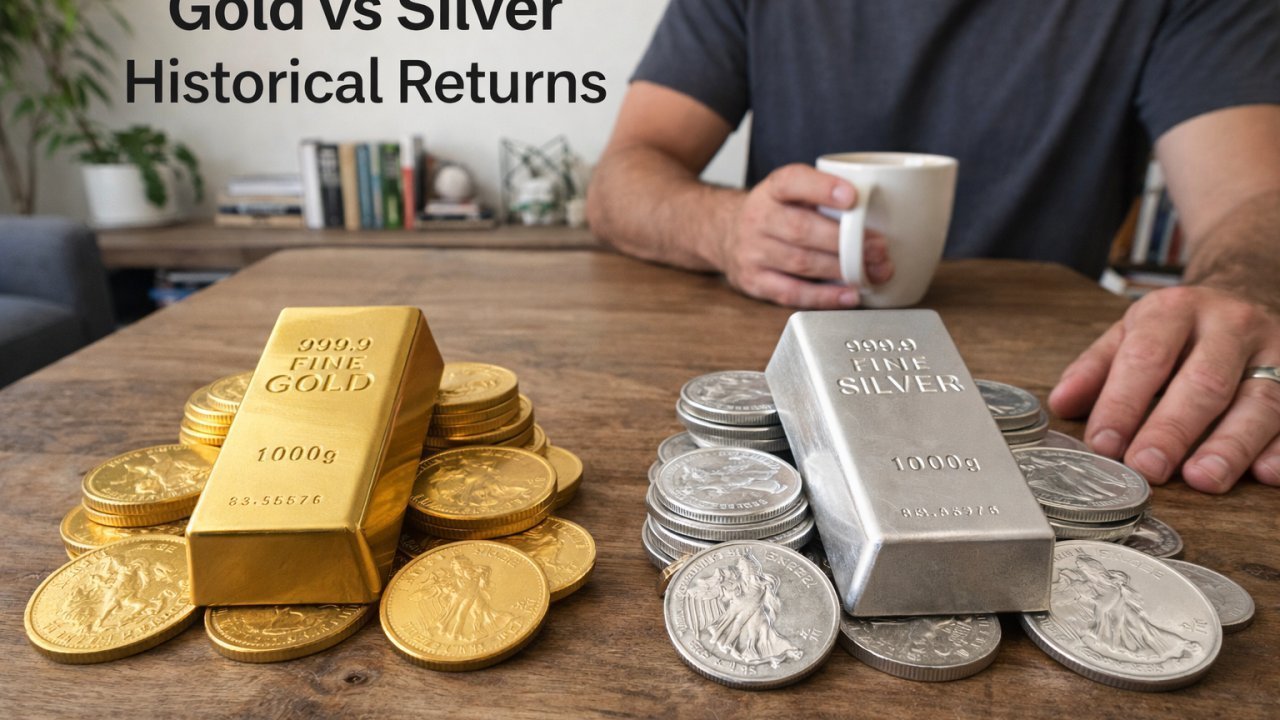
While gold remains a cultural cornerstone in Goa, savvy investors in Panaji are increasingly diversifying their portfolios by turning toward silver. As industrial demand for the white metal surges—driven by the green energy transition and electronics manufacturing—silver is shedding its reputation as a mere "poor man’s gold" and emerging as a high-potential asset. For the Panaji investor, the lower entry point compared to gold allows for more frequent accumulation, making it an accessible hedge against inflation during periods of market volatility.
Local market dynamics in Panaji reflect this shift, with jewellers across the 18th June Road and MG Road corridors noting a steady rise in demand for silver bars and coins as investment vehicles rather than just ornamental pieces. Unlike gold, which is primarily held for its store-of-value properties, silver often exhibits higher beta, meaning it tends to react more aggressively to economic shifts. This volatility can be a double-edged sword, but for those with a medium-to-long-term horizon, it offers a distinct opportunity to capitalize on price swings that gold often ignores.
However, investors should be mindful of the storage and purity premiums associated with physical silver. Whether you are browsing the heritage shops near the Panjim Church or dealing with larger bullion houses, always prioritize certified hallmarked silver to ensure liquidity. As the global industrial appetite for silver grows, integrating this metal into your portfolio provides a strategic balance, offering both the traditional security of precious metals and the growth potential of an industrial commodity.
Key Takeaway: Silver offers Panaji investors a lower-cost, high-growth alternative to gold; by focusing on hallmarked bars and coins, you can balance your portfolio with an asset that gains value from both retail demand and its critical role in the global technology sector.
Unlocking Value: The Rise of Professional Gold Refining in Panaji
As gold prices continue to fluctuate in the global markets, many residents across Goa are looking beyond traditional pawning to extract maximum value from their idle assets. In Panaji, the shift toward professional gold recycling and refining has gained significant momentum. Unlike conventional neighborhood jewelers who may offer conservative buy-back rates, specialized refining services now leverage advanced X-ray fluorescence (XRF) technology to provide precise purity assessments, ensuring sellers receive a fair valuation based on the real-time, 24-karat market rate.
For those navigating the market in the capital, the transition from "scrap gold" to liquid capital has become remarkably transparent. Local refining centers—particularly those located near the commercial hubs of MG Road and the surrounding Panjim city area—are increasingly adopting digital-first appraisal processes. By opting for professional refining over traditional exchange, sellers avoid the heavy "making charges" deductions often applied to trade-ins, effectively capturing a higher percentage of the metal’s underlying investment value.
Before heading to a refiner, it is essential to have your gold appraised by an independent party if possible, and always ensure the service provider is transparent about their weight-loss deductions for stones or impurities. In a city where heritage jewelry is often passed down through generations, choosing a reputable refinery ensures that the emotional and financial legacy of your gold is handled with both integrity and technical accuracy.
Key Takeaway: To maximize your returns in Panaji, bypass standard jewelry trade-ins and visit a certified gold refinery that utilizes XRF testing; this ensures you are paid for the exact purity of your gold at current market rates, rather than a subjective estimate.
Navigating Gold Exchanges in Panaji: Old vs. New
As gold prices in Panaji continue to fluctuate, many residents are looking to unlock value from their existing jewellery collections. However, when walking into a local jeweller along 18th June Road or the bustling markets near the Municipal Market, it is crucial to understand the nuances of the "exchange" process. Most reputable Panaji jewellers now utilize advanced Karatmeters (XRF machines) to provide a transparent assessment of your old gold’s purity. Unlike traditional manual testing, this technology ensures you aren't losing value due to inaccurate estimations of alloy content.
When exchanging old gold for new pieces, be mindful of the "wastage" or "making charges" trap. While many jewellers offer a 0% deduction scheme on the weight of your old gold, they often recoup those margins by inflating the making charges on the new items you select. Before finalizing a transaction, always ask for a clear breakdown: the current market buy-back rate for your old gold, the total weight after melting, and the specific making charges applied to the new jewellery. In a competitive market like Goa, it is often wise to get a valuation from at least two established retailers before committing to an exchange.
Furthermore, ensure your old jewellery is BIS Hallmarked or, if it is older heirloom gold, be prepared for a purity adjustment. Reputable dealers in Panaji will provide a computer-generated receipt detailing the exact purity percentage, which is your best protection against arbitrary valuation. Always time your exchange when market volatility is low to ensure you are getting the most accurate price for your precious metal assets.
Key Takeaway: Never settle for a verbal estimate; always insist on a Karatmeter reading for your old gold and compare the net cost of the new jewellery after accounting for both the buy-back value and the making charges.
Market Insight: Wedding Season Demand in Panaji
As the wedding season approaches, Panaji’s gold market is witnessing a distinct shift in consumer behavior. Local jewelers along the 18th June Road and near the historic Church Square are reporting an uptick in footfall, driven primarily by families finalizing their bridal trousseaus. Unlike the investment-heavy buying seen earlier in the year, the current trend is heavily tilted toward intricate, traditional temple jewelry and lightweight, contemporary sets suitable for pre-wedding functions. With Goa’s unique cultural amalgamation, there is also a rising demand for fusion designs that blend traditional Konkani aesthetics with modern, minimalist sensibilities.
Market analysts suggest that while global price volatility remains a concern, the local sentiment in Panaji remains resilient. Jewelers are noting that many buyers are opting for "staggered purchasing"—buying smaller quantities of gold coins or bars during price dips to hedge against potential spikes as the peak wedding dates in the upcoming months draw closer. Additionally, with the festive calendar overlapping with the wedding season, supply chains are being closely monitored to ensure that artisan-led, handcrafted pieces remain available despite the anticipated surge in volume.
Key Takeaway: If you are planning to purchase gold for upcoming nuptials, consider securing your requirements early in the month to avoid the last-minute price premiums often associated with peak wedding demand in Panaji’s retail hubs.
Expert Tip: Navigating Gold Making Charges in Panaji
While the daily gold price grabs headlines, an often-overlooked component significantly impacting your final purchase in Panaji is the 'making charge'. This charge, essentially the cost of craftsmanship, covers the labour, design, and intricacy involved in transforming raw gold into stunning jewellery. In Panaji's vibrant jewellery market, from the bustling shops of 18th June Road to traditional establishments near the Municipal Market, making charges can vary widely. They are typically calculated as a percentage of the gold's value (ranging from 8% to 25% or even higher for intricate pieces) or as a fixed rate per gram, especially for simpler designs or machine-made items. Understanding this charge is crucial, as it can add a substantial amount to the total cost of your desired Goan-inspired necklace or a classic gold bangle.
The good news for shoppers in Panaji is that making charges are often negotiable. Don't hesitate to politely haggle, particularly for larger purchases or more expensive pieces. Before committing, compare charges across a few reputable jewellers. Inquire if the charges are percentage-based or per-gram, and ask for a clear breakdown. For simpler, mass-produced items, the negotiation margin might be smaller, but for handcrafted Goan designs or custom orders, there's often more room. A friendly approach and showing genuine interest can often lead to a better deal. Remember, the goal is transparency – a good jeweller will be happy to explain their costing and help you make an informed decision.
Key Takeaway: In Panaji, always inquire about making charges upfront and be prepared to negotiate; it's a common practice that can save you a significant amount on your gold jewellery purchase.
Strategic Timing: When to Buy Gold in Panaji
For gold buyers in Panaji, timing is about more than just monitoring global spot prices; it is about understanding the local rhythm of the market. While international price fluctuations dictate the base cost, the best time of day to physically visit jewelers in areas like 18th June Road or MG Road is typically during the late morning hours. By 11:00 AM, the domestic Indian bullion market has usually stabilized after the initial opening volatility, allowing retailers to set their final rates for the day with greater precision.
Furthermore, visiting during the mid-week lull—specifically Tuesday or Wednesday—often provides a more favorable shopping experience than the high-traffic weekends. During these quieter periods, Panaji’s reputable jewelers are better positioned to offer personalized consultations on craftsmanship and purity, without the distraction of the heavy footfall seen during festive seasons or auspicious days like Akshaya Tritiya. By avoiding the rush, you ensure that your purchase decision is driven by market data rather than the pressure of a crowded showroom.
Additionally, keep a close watch on the rupee-to-dollar exchange rate, which often sees its most significant adjustments mid-day. If you are planning a significant investment, checking the local Panaji market rates shortly after the London bullion market opens—usually around 1:00 PM to 2:00 PM IST—can provide a strategic window to capture the most competitive pricing before the local market closes for the evening.
Key Takeaway: To secure the best value, aim to finalize your purchase between 11:30 AM and 1:30 PM on a weekday, when the domestic market has settled and local jewelers can provide their most accurate, competitive pricing.
Expert Tip: Navigating Gold Exchange Policies in Panaji
For residents of Panaji looking to liquidate or upgrade their gold jewellery, understanding the nuances of exchange policies is critical to maximizing value. Most reputable jewellers across the capital city—from the bustling corridors of 18th June Road to established family-run boutiques—have shifted toward standardized transparency. When exchanging old gold, the primary determinant of your payout is the current purity (karatage) of the metal, typically verified via X-ray fluorescence (XRF) machines. While some smaller neighbourhood shops may still rely on traditional touchstone testing, opting for a jeweller with digital assaying equipment ensures you are compensated for the exact weight and purity, rather than an estimation.
A common point of friction during exchanges involves "making charges" and "deductions." Many Panaji jewellers now offer a "zero deduction" policy on gold exchanged for new purchases, provided the original hallmark (BIS) is intact. However, be wary of hidden costs: some retailers may adjust the selling price of the new item to offset the value given for your old gold. To secure the best deal, always compare the "net weight" of your old jewellery against the "final invoice price" of the new purchase. It is also advisable to bring your original purchase receipts, as many local jewellers provide preferential exchange rates for items originally bought from their own stores, effectively rewarding customer loyalty.
Key Takeaway: To get the most out of your exchange in Panaji, insist on a digital XRF purity test, verify if the "zero deduction" offer applies to the total weight, and always compare the final net-payable amount after adjusting for making charges, rather than focusing solely on the quoted buy-back price per gram.
Navigating the Festive Gold Rush in Panaji
As the festive calendar approaches, Panaji’s jewellery hubs—from the bustling corridors of 18th June Road to the refined boutiques in Miramar—are witnessing a surge in footfall. For residents and investors in Goa, this season represents more than just cultural tradition; it is a strategic window to balance emotional acquisition with financial prudence. Given the current volatility in global bullion markets, local buyers should look beyond the aesthetic appeal of 22-karat ornaments and focus on the transparency of the "making charges," which can vary significantly between Panaji’s heritage family jewellers and larger retail chains.
To maximize your investment this festive season, prioritize hallmarked jewellery that adheres to the latest BIS standards. With the local market experiencing increased demand, price premiums can fluctuate daily. It is advisable to track the daily gold rates in Panaji closely and consider staggered buying rather than a single bulk purchase if you are accumulating gold for long-term wealth preservation. Furthermore, keep an eye on seasonal promotional offers; while discounts on making charges are common, ensure they do not compromise the purity or the buy-back terms offered by your chosen retailer. Engaging with reputable local establishments that provide clear documentation is the best way to ensure your festive purchase remains a solid asset in your portfolio.
Key Takeaway: During the festive rush in Panaji, prioritize BIS-hallmarked gold and negotiate making charges transparently to ensure your purchase functions as both a celebration of tradition and a sound financial hedge.
Navigating Gold Loan Opportunities in Panaji
For residents of Panaji, gold is more than just a traditional store of value; it is a strategic financial asset. As the city’s economic landscape evolves, local gold owners are increasingly turning to gold loans—often referred to as 'loans against gold'—to meet immediate liquidity needs without parting with their precious ornaments. From established national banks with branches along the 18th June Road to specialized non-banking financial companies (NBFCs) dotting the areas near the Panjim Market, the city offers a competitive ecosystem for borrowers looking to leverage their holdings.
When considering a gold loan in Panaji, it is essential to look beyond the advertised interest rate. The true cost of borrowing is determined by the Loan-to-Value (LTV) ratio, which dictates how much cash you can access against the current market price of your gold. Given the volatility in bullion prices, many Panaji-based lenders are currently offering flexible repayment schemes, including 'bullet repayment' options, which can be particularly advantageous for local entrepreneurs and small business owners managing seasonal cash flows. Before finalizing an agreement, ensure you assess the storage security protocols of the lender, as the peace of mind regarding your jewelry’s safety is just as critical as the interest rate itself.
Key Takeaway: Before committing to a gold loan, compare the LTV ratios across at least three local lenders in Panaji; a higher LTV can significantly increase your immediate liquidity, but always prioritize lenders with transparent appraisal processes and secure, on-site vaulting facilities to protect your assets.
GST on Gold: What Every Buyer in Panaji Needs to Know
For residents of Panaji looking to invest in gold—whether for the upcoming wedding season or as a long-term hedge against inflation—understanding the Goods and Services Tax (GST) structure is essential. In India, a flat GST rate of 3% is applicable to all gold purchases. While this rate is uniform across the country, savvy shoppers browsing the established jewelry corridors of 18th June Road or the bustling markets near the Panaji Church must remember that this tax is calculated on the total value of the transaction, which includes both the price of the gold and the making charges (wastage) levied by the jeweler.
A common point of confusion for local buyers is how this tax interacts with promotional discounts. It is important to note that GST is applied to the final transaction value after any discounts are deducted, but before any additional service fees are added. Furthermore, when you trade in old gold at a local Panaji refinery or retail outlet, the 3% GST is typically applicable only on the new purchase, not the exchange value of your old ornaments. Always ensure your invoice clearly segregates the gold price, the making charges, and the GST component. Demanding a proper GST-compliant bill is not just about tax compliance; it is your primary protection against hallmarking discrepancies and ensures you have a valid document for future resale or insurance purposes within Goa’s gold market.
Key Takeaway: Always verify that your jeweler’s invoice separately itemizes the 3% GST on the final billed amount, including making charges, to ensure you are paying the correct tax and securing a transparent transaction for your investment.