Gorakhpur, a city steeped in spiritual heritage and serving as a major economic hub in Eastern Uttar Pradesh, has a profound relationship with gold. From the grand celebrations at the Gorakhnath Temple to the bustling lanes of Hindi Bazaar, gold is not just an ornament here; it is a symbol of prosperity, a security net for families, and a preferred investment vehicle. Whether you are a resident looking to buy jewelry for a wedding or an investor tracking the latest market trends, understanding the nuances of the gold market in Gorakhpur is essential for making informed decisions.
1. Why is gold price different in Gorakhpur?
It is a common observation that gold prices in Gorakhpur may slightly differ from those in metro cities like Delhi or Mumbai. Several localized factors contribute to this price variance. Primarily, the Gorakhpur Bullion Association plays a significant role in determining the daily local rate based on the international market and national trends. However, logistical costs are a major factor. Since Gorakhpur is inland, the cost of transporting physical gold from major importing hubs involves insurance and security expenses, which are often baked into the local price.
Furthermore, local demand-supply dynamics heavily influence the rates. During the local harvest seasons or major regional festivals, the surge in demand can lead to a slight premium in prices. Additionally, state-level levies and the operational costs of local jewelers contribute to the final price tag. While the base price follows the global trend, these micro-economic factors ensure that Gorakhpur has its own unique pricing structure.
2. Which area or shop is famous for low making charges in Gorakhpur?
For those looking to maximize the value of their purchase, finding low making charges is a priority. In Gorakhpur, Hindi Bazaar and Urdu Bazaar are the traditional epicenters of the gold trade. These areas are home to hundreds of small and medium-sized family-run jewelry shops that have operated for generations. Due to the high density of shops and intense competition, customers can often negotiate significantly lower making charges here compared to high-end showrooms in Golghar.
Many shoppers also frequent the Golghar area for a more premium experience, but for the "best deal," the old city markets remain unbeatable. Some local favorites known for competitive pricing and transparent labor costs include traditional establishments that specialize in "handmade" jewelry, where the making charges are often calculated per gram rather than as a high percentage of the gold value. It is always recommended to compare the "final price per gram" across three or four shops in Hindi Bazaar before finalizing a purchase.
3. Why do gold prices change daily?
The daily fluctuation of gold prices in Gorakhpur is a reflection of global and national economic shifts. Gold is a globally traded commodity, and its price is primarily influenced by the London Bullion Market Association (LBMA). However, for a buyer in Gorakhpur, the most immediate impact comes from the USD-INR exchange rate. Since India imports the vast majority of its gold, a weakening Rupee makes gold more expensive locally, even if global prices remain steady.
Other factors include interest rate changes by the US Federal Reserve, geopolitical tensions, and central bank reserves. When global markets are volatile, investors flock to gold as a "safe haven," driving prices up. Nationally, changes in import duties announced in the Union Budget can cause sudden spikes or drops. In Gorakhpur, jewelers update their boards every morning, usually around 11:00 AM, once the opening rates from the bullion associations are broadcasted.
4. Gold rates in Gorakhpur (22 karat): How do prices change?
In Gorakhpur, 22-karat gold, often referred to as "916 Purity," is the standard for jewelry. Unlike 24-karat gold, which is 99.9% pure but too soft for intricate designs, 22-karat gold contains 91.6% gold mixed with other metals like copper or zinc to provide durability. The price of 22-karat gold typically moves in tandem with 24-karat gold but at a lower price point proportional to its purity.
Prices change based on the daily "Manak" (standard) set by the local trade bodies. During the Lagna (wedding season), you might notice that the gap between the buying and selling price widens slightly. Furthermore, regional factors like a good monsoon can increase the purchasing power of the rural population surrounding Gorakhpur, leading to a localized price support. Investors should track the 22K rate specifically if they intend to purchase ornaments, as this is the rate that will most affect their budget.
5. Gold and hallmarking centres in Gorakhpur.
Purity is the biggest concern for any gold buyer. To address this, the Bureau of Indian Standards (BIS) has made hallmarking mandatory. Gorakhpur has seen a significant rise in BIS-recognized Assaying and Hallmarking Centres. These centers serve as third-party auditors that test the purity of the gold jewelry sold by local vendors. When buying gold in Gorakhpur, always look for the three essential marks: the BIS logo, the purity grade (e.g., 22K916), and the HUID (Hallmark Unique Identification) number.
The presence of these centers has standardized the market in Gorakhpur, making it difficult for unscrupulous sellers to under-karat their gold. Most reputable jewelers in the city now exclusively sell HUID-compliant jewelry, ensuring that the consumer gets exactly what they pay for. If you are ever in doubt, you can ask the jeweler for the address of the hallmarking center they use or verify the HUID via the BIS Care app.
6. Top Jewellers in Gorakhpur.
Gorakhpur offers a blend of historic local brands and modern national retail chains. Among the most prominent names is Aisshpra Gems & Jewels, which has a massive presence and a long-standing reputation for trust in the region. Their flagship stores in Golghar and other parts of the city are landmarks for gold shoppers. Other notable local names include Aditya Jewellers and various established houses in the Hindi Bazaar area that have served the community for decades.
In recent years, national brands like Tanishq (by Tata), Kalyan Jewellers, and PC Jeweller have also opened large showrooms in Gorakhpur, primarily in the Golghar and Park Road areas. These showrooms offer standardized pricing, modern designs, and transparent buy-back policies. Whether you prefer the personalized touch of a family jeweler or the corporate guarantees of a national brand, Gorakhpur’s retail landscape caters to all preferences.
7. Supply pressures pushing prices up.
Supply chain logistics play a silent but significant role in Gorakhpur's gold pricing. Since the city is a major transit point for Nepal and neighboring districts like Deoria, Kushinagar, and Maharajganj, the demand is often higher than the immediate local supply. During peak seasons, if there is a shortage of physical gold bars at the regional distribution hubs in Lucknow or Varanasi, local premiums can rise.
Additionally, government policies regarding gold imports and the tightening of customs at borders can influence supply. When the government increases import duties to control the Current Account Deficit (CAD), the supply of "new" gold into the market slows down, naturally pushing the prices higher. In Gorakhpur, these supply pressures are most visible during the month leading up to Diwali, where the sheer volume of buyers can sometimes outstrip the ready stock of popular coins and bars.
8. How to store gold in Gorakhpur?
Once you have purchased gold, security becomes the priority. In Gorakhpur, the most common method of storage is Bank Lockers. Major banks like State Bank of India (SBI), Punjab National Bank (PNB), and HDFC Bank offer locker facilities across their branches in Civil Lines, Golghar, and Taramandal. However, there is often a waiting list for these lockers due to high demand.
For those who prefer keeping gold at home, investing in high-quality, fire-resistant safes is recommended. However, with the rise of Digital Gold platforms, many residents are now choosing to store gold in digital vaults insured by companies like MMTC-PAMP. This eliminates the risk of theft and the cost of bank lockers. For physical gold, it is also wise to keep digital copies of your invoices and hallmarking certificates in a secure location to facilitate easy resale or insurance claims in the future.
9. Gold vs Real Estate in Gorakhpur.
The debate between investing in gold versus real estate is a common one in Gorakhpur. Real estate in Gorakhpur has seen a boom, especially around the AIIMS area, Deoria Road, and the Taramandal circuit. While real estate offers the potential for high capital appreciation and rental income, it requires a large initial investment and is highly illiquid.
Gold, on the other hand, offers high liquidity. You can walk into any jeweler in Gorakhpur and convert your gold into cash within an hour—something impossible with a plot of land. Gold also serves as a better hedge against inflation. For a balanced portfolio, many financial advisors in the city suggest a mix: use real estate for long-term wealth building and gold for emergency liquidity and cultural requirements. Gold’s portability also makes it a preferred asset for those who may need to move or transfer wealth quickly.
10. What is a Sovereign Gold Bond?
For the modern investor in Gorakhpur who doesn't want the hassle of physical storage or the worry of purity, Sovereign Gold Bonds (SGBs) are an excellent alternative. Issued by the Reserve Bank of India (RBI) on behalf of the Government, these bonds are denominated in grams of gold. They offer two major advantages over physical gold: a fixed annual interest rate (usually around 2.5%) and an exemption from Capital Gains Tax if held until maturity (usually 8 years).
Residents can apply for SGBs through their local bank branches, designated post offices, or online trading accounts. In a city like Gorakhpur, where traditional gold buying is the norm, SGBs are slowly gaining traction among the salaried class and tech-savvy investors who view gold purely as a financial instrument rather than an ornament.
11. Taxation of gold in Gorakhpur.
Understanding the tax implications is crucial for any gold buyer in Gorakhpur. Currently, a GST of 3% is applicable on the value of the gold and the making charges. If you are selling your old gold, you don't have to pay GST, but you may be subject to Capital Gains Tax. If you sell your gold within three years of purchase, Short-Term Capital Gains (STCG) tax is applied according to your income tax slab. If sold after three years, Long-Term Capital Gains (LTCG) tax is applicable at 20% with indexation benefits.
It is also important to note that for cash transactions exceeding a certain limit (currently ₹2 lakh), quoting your PAN card is mandatory. Reliable jewelers in Gorakhpur will always provide a proper GST invoice. Avoiding "kacha" bills might seem like a way to save on tax, but it leaves the buyer without legal recourse and makes it difficult to prove the gold's value during a future sale or bank loan application.
Conclusion: Navigating the gold market in Gorakhpur requires a blend of traditional wisdom and modern financial awareness. By keeping an eye on global trends, verifying purity through hallmarking, and choosing the right storage and investment methods, you can ensure that your "yellow metal" continues to provide both emotional and financial security for years to come.
Expert Guide: Navigating Gorakhpur’s Gold Market This Festive Season
As the festive spirit takes hold of Purvanchal, the jewelry hubs of Gorakhpur—stretching from the upscale showrooms of Golghar to the historic lanes of Hindi Bazar and Reti Chowk—are witnessing a significant surge in footfall. For local buyers, the challenge lies in balancing cultural tradition with smart financial planning. While national price trends provide a baseline, Gorakhpur’s local market often experiences unique volatility during Dhanteras and the lead-up to the wedding season. To get the best value, savvy shoppers should look beyond the daily 22K or 24K rate and scrutinize the "making charges," which can vary by as much as 5-10% between the high-end boutiques near Civil Lines and the traditional wholesalers in the city's older quarters.
With the full implementation of mandatory HUID (Hallmark Unique Identification), transparency in the city's gold trade has reached a new high. However, during the festive rush, it is essential to ensure that every piece—whether a small gold coin or an intricate bridal set—features the laser-etched six-digit alphanumeric code. Given the local preference for heavy, handcrafted ornaments, experts suggest inquiring about "Old Gold Exchange" policies. Many reputable jewelers in Gorakhpur offer 100% value on the gold content when upgrading to new festive designs, provided the purity is verified via a Karatmeter. Additionally, consider "Advance Booking" options to lock in current rates, shielding your budget from potential price spikes as the auspicious dates approach.
Key Takeaway: Prioritize HUID-compliant jewelry and compare the making charges between Golghar’s modern showrooms and Hindi Bazar’s heritage outlets to maximize your festive investment.
The Rise of Professional Gold Recycling in Gorakhpur’s Jewelry Hubs
As gold prices continue to hover near historic highs, Gorakhpur has witnessed a significant surge in gold recycling and "upcycling" activities. In traditional trading pockets like Hindi Bazar and the modern showrooms of Golghar, residents are increasingly liquidating or refining ancestral ornaments to capitalize on the current price appreciation. This shift is transforming Gorakhpur from a purely consumption-based market into a sophisticated secondary gold economy, where the "old-for-new" exchange model is becoming the preferred way for local families to refresh their portfolios without fresh capital outlays.
The local landscape is also evolving technically. Gone are the days of relying solely on the traditional "touchstone" method; Gorakhpur is now home to several advanced XRF (X-Ray Fluorescence) testing centers. These facilities allow sellers to determine the exact karatage of their scrap gold with scientific precision before it enters the refining fire. For those looking to recycle, this transparency is vital. Local experts note that with the city serving as a central hub for the Purvanchal region, the volume of gold being refined locally has grown by nearly 20% year-on-year, as consumers seek to minimize the "melting loss" margins that were once a standard grievance in unorganized trade.
When navigating the recycling market in Gorakhpur, it is essential to look for jewelers who offer transparent buy-back policies and provide a computerized purity report. Given the volatility in the market, even a minor discrepancy in purity can lead to a substantial loss in value. By opting for certified refining services rather than unorganized local smiths, sellers can ensure they receive a price that truly reflects the prevailing 22K or 24K rates in the city.
Key Takeaway: To maximize your returns in Gorakhpur’s high-value market, always insist on digital purity testing (XRF) at reputable centers in Golghar or Hindi Bazar before finalizing a gold recycling or exchange transaction.
Expert Tip: Navigating Gold Exchange Policies in Gorakhpur’s Markets
As the wedding season approaches in Purvanchal, the bustling jewelry hubs of Golghar, Hindi Bazar, and Reti Chowk are seeing a significant uptick in "Old-for-New" gold exchanges. In Gorakhpur, the valuation of your heirloom jewelry often hinges on its origin and documentation. Most established local jewellers offer a 100% value exchange—meaning they credit the full current market weight—if the gold was originally purchased from their own establishment and is accompanied by a valid invoice. However, if you are trading in "outside gold" (jewelry purchased from different cities or unorganized smiths), be prepared for a "melting loss" or "impurity deduction" that can range from 3% to 6%, even for hallmarked items.
The implementation of mandatory HUID (Hallmark Unique Identification) has brought a new layer of transparency to Gorakhpur’s gold trade. When exchanging legacy gold that lacks a laser-etched HUID code, reputable showrooms in the city now utilize XRF (X-ray fluorescence) Karatmeters to determine precise purity before quoting a price. While national retail chains in Gorakhpur often have rigid corporate exchange formulas, many heritage family-run shops in the Chowk area may offer more flexible terms or lower making charges on the new piece to retain loyal local clientele. It is highly advisable to check the "buyback" versus "exchange" rates separately, as cash buybacks typically incur a higher deduction than a direct jewelry swap.
Key Takeaway: To get the best value in Gorakhpur, always carry your original purchase receipts and prioritize exchanging your gold at the store of origin; if switching brands, ensure your old gold is tested via Karatmeter in your presence to avoid arbitrary purity deductions.
Navigating Gold Exchanges: Best Practices for Gorakhpur Jewelers
For residents of Gorakhpur looking to upgrade their jewelry collections, understanding the nuances of gold exchange policies is essential to maximizing value. Local jewelers in markets like Golghar and Bank Road often operate with distinct criteria when swapping "old" gold for "new" pieces. While most reputable establishments now utilize advanced Karatmeters to assess purity instantly, it is critical to distinguish between exchanging jewelry purchased from the same store versus bringing in items from outside sources. Many Gorakhpur jewelers offer a "zero deduction" exchange policy for their own hallmarked gold, provided you have the original invoice, which can significantly bolster your purchasing power during market price surges.
However, when liquidating or exchanging gold purchased elsewhere, be prepared for "melting loss" deductions, which typically range between 3% to 8% depending on the purity and the jeweler’s specific refining capabilities. In the current market, savvy investors are increasingly opting for BIS-hallmarked 22K (916) gold to ensure future liquidity. Before heading to the jeweler, it is advisable to check the day’s live gold rate in Gorakhpur and inquire whether the exchange value is calculated on the raw gold price or the retail price including making charges. Negotiating the making charges on your new purchase is often where you can reclaim some of the value lost during the exchange process.
Key Takeaway: Always carry your original purchase receipts to avoid heavy purity-check deductions, and prioritize jewelers who use transparent Karatmeter testing to ensure you receive a fair market valuation for your old gold.
Beyond the Vault: Why Gorakhpur Investors are Shifting to Sovereign Gold Bonds
For generations, families in Gorakhpur have viewed physical gold—purchased from the bustling jewelry markets of Golghar or Cinema Road—as the ultimate store of value. However, as gold prices reach new peaks, savvy local investors are increasingly diversifying their portfolios with Sovereign Gold Bonds (SGBs). Unlike physical ornaments or bars, SGBs eliminate the "making charges" that typically erode 10% to 15% of your investment value at the point of purchase. By opting for the digital route, Gorakhpur residents can invest in gold at the prevailing market price without worrying about purity concerns or the logistical burden of secure vault storage.
Beyond the safety of digital holdings, SGBs offer a distinct financial advantage that physical gold cannot match: a guaranteed annual interest rate of 2.5%. While your gold remains safely tracked by the Reserve Bank of India, you earn a steady passive income, effectively turning a static asset into a productive one. Furthermore, for those who hold these bonds until maturity, the capital gains tax is entirely exempted—a significant benefit for long-term wealth planning in a city where gold remains a cornerstone of family financial security. While the sentimental value of physical jewelry remains irreplaceable for weddings and festivals, SGBs represent a sophisticated evolution for the investment portion of your gold holdings.
Key Takeaway: Transitioning a portion of your gold investment to SGBs allows Gorakhpur investors to bypass making charges, eliminate storage risks, and earn a 2.5% annual interest, all while enjoying tax-free gains upon maturity.
Leveraging Your Gold Assets: Financing Options in Gorakhpur
For residents of Gorakhpur, gold has long served as more than just a cultural staple; it is a reliable financial safety net. As the city’s economy continues to expand, local gold owners are increasingly turning to gold loans as a strategic tool for liquidity. Whether you are a small business owner in the GIDA (Gorakhpur Industrial Development Authority) region looking for working capital or an individual seeking emergency funds, the local financial landscape offers a robust array of options ranging from traditional public sector banks to specialized non-banking financial companies (NBFCs) located along the busy stretches of Golghar and Civil Lines.
When evaluating your options, it is crucial to look beyond the interest rate. In a city where personal relationships often dictate financial terms, many local lenders now offer flexible, high-LTV (Loan-to-Value) schemes that allow you to unlock the maximum potential of your jewelry. However, prospective borrowers should remain vigilant regarding the current volatility in gold prices. Since lenders adjust their LTV ratios based on daily market valuations, timing your application when prices are stable can help you secure a higher loan amount. Always ensure that your gold is appraised by certified professionals and that the storage facilities—often equipped with advanced security vaults in major Gorakhpur branches—meet your safety standards before finalizing any agreement.
Key Takeaway: Before opting for a gold loan in Gorakhpur, compare the processing fees and foreclosure charges across at least three different lenders; a lower interest rate can sometimes be offset by hidden administrative costs, so always request a transparent repayment schedule.
Ensuring Authenticity: How to Verify Gold Purity in Gorakhpur
As gold remains a cornerstone of investment and tradition in Gorakhpur—from the bustling jewelry markets of Golghar to the family-run establishments in Bank Road—ensuring the purity of your purchase is more critical than ever. While hallmarking has become the gold standard for consumer protection, knowing how to verify your jewelry independently provides an essential layer of security against counterfeit products.
The Bureau of Indian Standards (BIS) has simplified this process through the 'BIS Care' app. If you have purchased BIS-hallmarked jewelry in Gorakhpur, you can instantly verify its authenticity by entering the unique HUID (Hallmark Unique Identification) number—a six-digit alphanumeric code laser-engraved on your ornament—directly into the app. This digital tool provides immediate details, including the jeweler's registration status, the purity level of the gold (such as 22K916), and the date of hallmarking. By using this tool, you bypass the uncertainty often associated with traditional buying methods and ensure that your investment aligns with national quality benchmarks.
For residents navigating the local market, it is advisable to insist on a proper tax invoice that explicitly mentions the HUID number. If the app shows a mismatch or if the jeweler resists the verification process, it serves as a significant red flag. Leveraging technology to verify your assets not only protects your hard-earned money but also promotes transparent business practices within Gorakhpur’s vibrant gold trade.
Key Takeaway: Always check for the six-digit HUID code on your jewelry and use the official BIS Care app to verify its authenticity before finalizing your purchase, ensuring your gold investment meets BIS hallmarking standards.
Strategic Timing: When to Purchase Gold in Gorakhpur
For gold buyers in Gorakhpur, timing is more than just a matter of global market fluctuations; it is about navigating the local rhythm of the city’s vibrant bullion hubs. While gold prices are primarily pegged to international benchmarks and the INR-USD exchange rate, the local market in areas like Golghar and Bank Road often experiences a "settling period" during the mid-afternoon. Savvy investors often find that visiting reputed jewelers between 3:00 PM and 5:00 PM allows them to benefit from the day’s fully stabilized price, avoiding the morning volatility that follows the opening of global trading sessions.
Beyond the hour, local market dynamics in Gorakhpur play a significant role. During peak wedding seasons or auspicious dates like Akshaya Tritiya and Dhanteras, local demand can lead to premium pricing on physical jewelry. To secure the best deal, it is advisable to track the morning spot price—typically updated by the India Bullion and Jewellers Association (IBJA) around 10:00 AM—and compare it against the quotes provided by your local retailer. By monitoring these daily trends, Gorakhpur residents can avoid the “rush hour” markups and ensure they are paying a fair price that reflects the true international value of the yellow metal.
Key Takeaway: To get the best value, monitor the morning IBJA spot price and visit your preferred Gorakhpur jeweler in the late afternoon (3 PM – 5 PM). This window offers price stability and a quieter environment, allowing for more transparent negotiations on making charges.
Decoding Making Charges: A Smart Shopper’s Guide to Gorakhpur’s Jewellery Markets
When purchasing gold in Gorakhpur—whether you are browsing the bustling showrooms of Golghar or the traditional lanes near the Railway Station—the final price tag is rarely just the gold rate. The "making charge" (or ghadayi) is the profit margin and labor cost added by the jeweller, which can range anywhere from 5% to 20% depending on the intricacy of the design. In a competitive market like ours, these charges are not fixed; they are a variable cost that savvy buyers should actively negotiate before finalizing the weight and purity of their purchase.
To secure the best deal, start by asking for the making charge as a flat percentage rather than a lump sum amount, as this makes it easier to compare offers across different stores. If you are eyeing machine-made jewellery, which requires less manual labor, push for lower rates compared to handcrafted, traditional designs. Furthermore, always check if the jeweller offers a "buy-back" guarantee on the making charge. In Gorakhpur’s tight-knit jewellery community, building a long-term relationship with a trusted local shop often grants you access to "waived" or discounted making charges during festive seasons like Dhanteras or Akshaya Tritiya. Never hesitate to walk away and compare quotes; a little persistence can save you thousands of rupees on a single set.
Key Takeaway: Treat making charges as a negotiable service fee rather than a fixed tax. Always ask for a detailed invoice that separates the gold value from the making charges and ensure your jeweller is transparent about their specific wastage (tunch) policies before you commit.
Securing Your Assets: Insurance Options for Gold in Gorakhpur
For residents of Gorakhpur, gold is more than just an aesthetic choice; it is a cornerstone of financial security and family heritage. However, as local gold prices continue to fluctuate in line with global market trends, the risk associated with physical storage—whether in high-traffic areas like Golghar or residential neighborhoods—has made insurance a critical consideration. Many investors mistakenly rely solely on bank lockers, which often have limited liability coverage, or household insurance policies that may not fully account for the current appreciation of gold assets.
In the current market climate, it is prudent for Gorakhpur residents to explore 'standalone' jewellery insurance policies. Unlike standard home insurance, these specialized plans provide comprehensive coverage against theft, burglary, and even accidental damage, regardless of where the item is kept. Local insurance providers are increasingly offering riders that adjust coverage based on the daily gold rate, ensuring that your policy keeps pace with the rising valuation of your collection. Before finalizing a policy, ensure it covers transit risks, especially if you frequently transport your jewellery for family functions or festivals.
Key Takeaway: Do not assume your bank locker or general home insurance provides adequate protection; opt for a specialized jewellery floater policy that adjusts coverage based on current market rates to ensure your family’s legacy remains fully protected against theft and damage.
Silver's Shine: An Alternative Investment for Gorakhpur
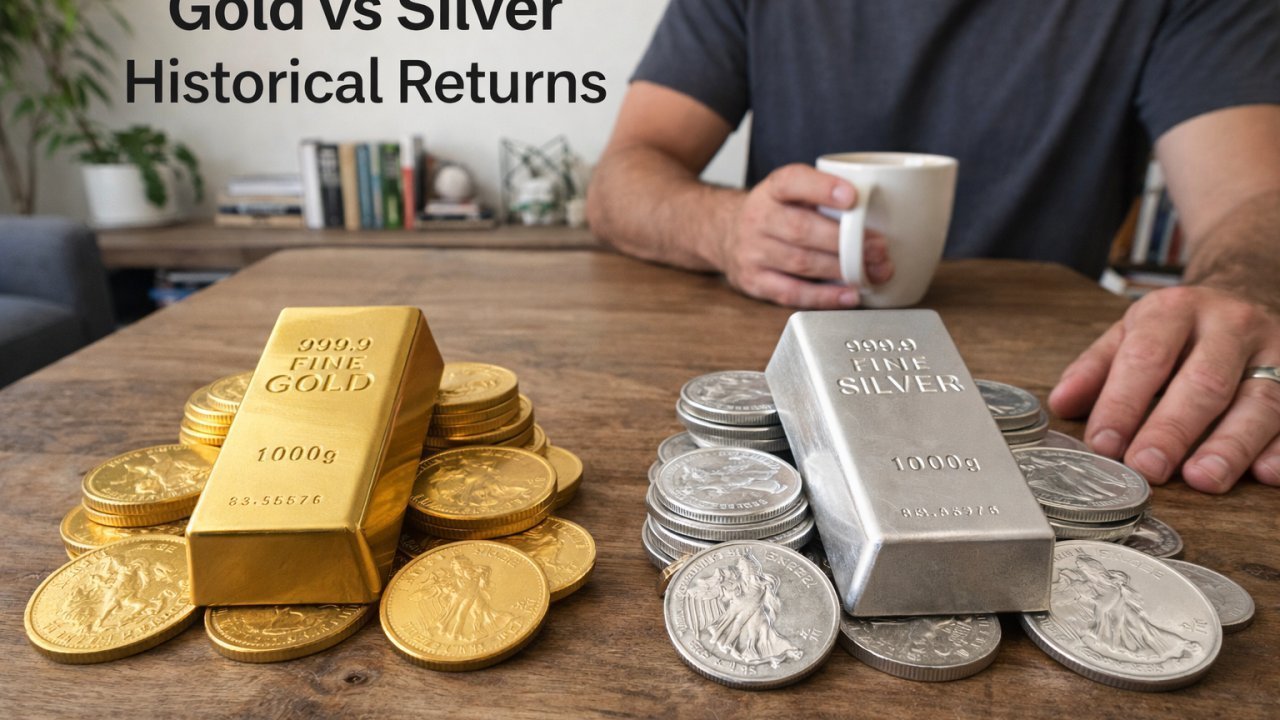
While gold has long held its revered status as the ultimate safe-haven and traditional investment across Gorakhpur and India, savvy investors are increasingly turning their gaze towards silver. Often dubbed 'poor man's gold,' silver is currently shining brighter as an alternative asset, offering a unique blend of industrial demand and investment appeal. Its more accessible price point compared to gold makes it an attractive entry point for those looking to diversify their portfolio, especially amidst fluctuating economic sentiments.
In Gorakhpur, the demand for silver isn't just driven by its affordability for ornaments during festivals and weddings; it's also gaining traction as a tangible asset for wealth preservation. Global industrial demand, particularly from solar panels, electronics, and electric vehicles, significantly influences its international price, which in turn reflects in local Gorakhpur markets. With inflation concerns persisting and global economic uncertainties, silver's role as a hedge is becoming more pronounced. Local traders report a steady interest, noting that even small investments in silver coins or bars are seen as a prudent move by many households.
Considering silver now offers a compelling opportunity for Gorakhpur investors. Its higher volatility compared to gold also means it has the potential for greater percentage gains during bull runs. While tracking international commodity markets is crucial, understanding local supply-demand dynamics during peak seasons in Gorakhpur can provide an edge. For those seeking to broaden their investment horizons beyond traditional gold, silver presents a dynamic and potentially rewarding alternative.
Key Takeaway: Silver offers Gorakhpur investors an affordable, dual-purpose (industrial & investment) alternative to gold, with significant potential for diversification and inflation hedging amidst current market trends.
Market Update: How Global Shifts are Shaping Gorakhpur's Gold Prices
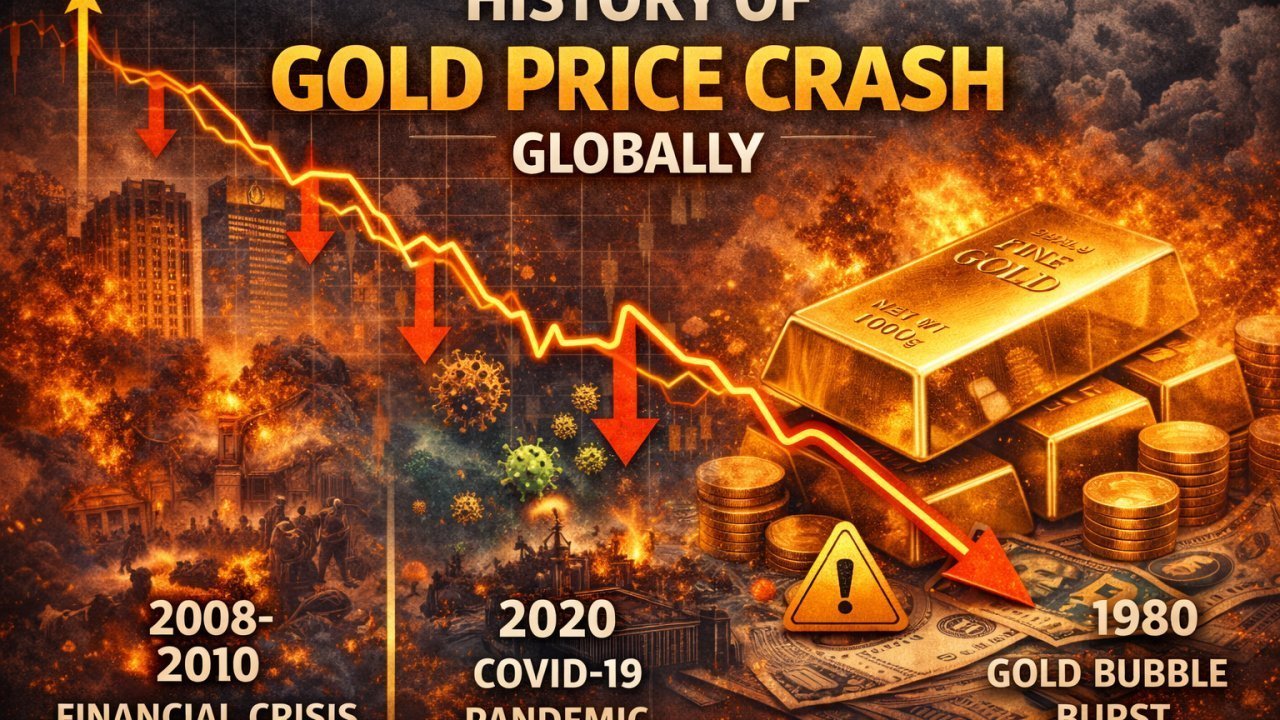
Recent global market fluctuations are sending ripples directly to Gorakhpur's bustling gold bazaars. Internationally, gold prices have seen considerable volatility, primarily driven by shifting expectations around the US Federal Reserve's interest rate policy and ongoing geopolitical tensions. When global uncertainty rises, gold typically shines brighter as a safe-haven asset, pushing up its dollar-denominated value. Conversely, a stronger US dollar or aggressive rate hike signals can dampen this appeal, causing international prices to soften.
For Gorakhpur, this global dance translates through the crucial lens of the Rupee-Dollar exchange rate. Even if international gold prices (XAU/USD) experience a slight dip, a weakening Indian Rupee against the dollar can effectively make imported gold more expensive in local currency terms. This dynamic is critical for local buyers and investors. Furthermore, Gorakhpur's unique market, deeply rooted in agricultural cycles and traditional demand for festivals and weddings, adds another layer of complexity. Strong local demand, often peaking during festive seasons or post-harvest, can provide a significant floor to prices, sometimes even overriding minor global dips.
As we navigate these complex crosscurrents, Gorakhpur's gold market remains a fascinating blend of global economics and local sentiment. Whether you're planning a purchase for a special occasion or considering gold as an investment hedge, understanding these interconnected factors is key. Keep an eye on global economic indicators, the INR's performance, and local demand trends to make informed decisions.
Key Takeaway: Gorakhpur's gold prices are a delicate balance of global safe-haven demand, the Rupee's strength against the dollar, and robust local festive/wedding season purchasing power.
Timing Your Gold Purchase in Gorakhpur’s Bustling Markets
For residents of Gorakhpur, from the historic lanes of Golghar to the bustling jewellery hubs near the Railway Station, timing your purchase is as much about market intelligence as it is about local convenience. While global gold prices fluctuate throughout the day based on international market openings, the local "Gorakhpur rate" often stabilizes by late afternoon. Savvy investors and wedding shoppers generally find that visiting local bullion dealers between 3:00 PM and 5:00 PM is optimal. By this time, the Indian Commodity Exchange (MCX) trends have matured, and local shopkeepers have typically finalized their daily price adjustments, ensuring you are not caught off guard by early-morning volatility.
Furthermore, if you are looking to avoid the intense foot traffic that characterizes the city's festive shopping seasons, mid-week mornings (Tuesday through Thursday) remain the "sweet spot." During these periods, jewellers are often more receptive to negotiating making charges, particularly if you are purchasing 22-karat jewellery for upcoming auspicious occasions like Akshaya Tritiya or Dhanteras. Avoiding the weekend rush in Gorakhpur’s primary markets not only provides a more personalized experience but also allows you the time to inspect hallmark certifications without the pressure of a crowded showroom.
Staying informed is your greatest asset. Before stepping out, always cross-reference the live spot price with our daily updated tracker. By aligning your visit with the afternoon stabilization period and choosing mid-week slots, you position yourself to secure the best possible value for your investment in the heart of Eastern Uttar Pradesh.
Key Takeaway: To secure the best price and service in Gorakhpur, aim for mid-week visits between 3:00 PM and 5:00 PM, when local gold rates have stabilized against MCX trends and showrooms are less congested.
Expert Tip: Verifying Gold Purity in Gorakhpur with BIS Care
As gold remains the preferred store of value for households across Gorakhpur—from the bustling jewelry markets of Golghar to the traditional lanes of Urdu Bazar—ensuring the authenticity of your purchase is paramount. While Hallmarking has become the gold standard for trust, savvy investors should go a step further by verifying the HUID (Hallmark Unique Identification) number directly through the official BIS Care App. This digital verification process is your best defense against counterfeit products, offering instant peace of mind regardless of which local jeweler you choose to patronize.
To verify your jewelry, simply download the BIS Care app from the Google Play Store or Apple App Store. Navigate to the 'Verify HUID' section and enter the six-digit alphanumeric code engraved on your gold item. The app will immediately provide detailed information, including the jeweler’s registration number, the purity of the gold (e.g., 22K916), and the date of hallmarking. If the details on your screen match the physical piece in your hand, you can be confident that your investment meets the stringent quality standards set by the Bureau of Indian Standards.
For residents of Gorakhpur, leveraging this technology is particularly important during peak wedding seasons and festivals like Dhanteras, when the market sees a surge in activity. By taking these few seconds to authenticate your gold, you protect your hard-earned savings and ensure that the heirloom quality of your purchase remains unquestioned for generations to come.
Key Takeaway: Always insist on the HUID code at the point of sale and use the BIS Care App to verify your jewelry instantly; if the code does not return a result in the app, do not finalize your purchase.