Jammu, popularly known as the "City of Temples," holds a deep-rooted cultural and financial connection with gold. For the residents of this historic city, gold is not merely an ornament but a symbol of prosperity, a reliable investment, and a crucial part of every celebration, especially the grand Dogra weddings. Whether you are a first-time buyer or a seasoned investor looking to diversify your portfolio, understanding the nuances of the gold market in Jammu is essential. This comprehensive guide explores everything from price fluctuations and top shopping destinations to taxation and modern investment alternatives like Sovereign Gold Bonds.
1. Why is gold price different in Jammu?
If you have ever compared the gold rates in Jammu with cities like Delhi or Mumbai, you might have noticed a slight variation. This difference is primarily attributed to logistical costs and regional taxes. Since Jammu is located in the northernmost part of the country, the cost of transporting physical gold from major import hubs like Mumbai or Chennai adds to the final price. Local jewellers must account for transit insurance and secure logistics, which are factored into the daily rate.
Furthermore, the Jammu Jewellers Association plays a significant role in determining the local market rate. While they follow the international and national trends, they also consider the local demand-supply balance. State-level levies and the operational costs of running a business in the Jammu region also contribute to the price disparity. Unlike metropolitan cities where high volume might allow for tighter margins, the Jammu market operates on a blend of traditional retail practices and modern financial benchmarks.
2. Which area or shop is famous for low making charges in Jammu?
When it comes to purchasing gold jewelry, the "making charges" can significantly impact your total bill. In Jammu, the traditional heart of gold trading is Jain Bazar. This narrow, bustling lane in the old city is home to some of the oldest and most trusted goldsmiths. Because of the high density of shops and intense competition, customers can often negotiate lower making charges here compared to high-end showrooms.
Another prominent area is Lakhdatta Bazar, where local artisans specialize in traditional Dogra jewelry like the 'Kanthi' and 'Nath.' For those looking for competitive pricing, visiting these traditional markets is highly recommended. While big brand showrooms in areas like Gandhi Nagar or Channi Himmat offer exquisite designs and a premium ambiance, their making charges are usually fixed and higher. However, during festive seasons like Diwali, Akshaya Tritiya, or the wedding season, many of these top-tier showrooms offer discounts ranging from 25% to 100% off on making charges to attract customers.
3. Why do gold prices change daily?
Gold is a global commodity, and its price is influenced by a complex web of international factors. The primary driver is the London Bullion Market Association (LBMA) prices. Additionally, the strength of the Indian Rupee against the US Dollar is a critical factor. Since India imports the vast majority of its gold, a weaker Rupee makes gold more expensive for local buyers in Jammu.
Central bank policies also play a massive role. When the Reserve Bank of India (RBI) or the US Federal Reserve changes interest rates, gold prices react immediately. Generally, when interest rates rise, gold prices may dip as investors move toward interest-bearing assets. Conversely, during times of global geopolitical instability or inflation, gold is viewed as a "safe haven," driving demand and prices upward. In Jammu, these global shifts are monitored daily by local bullion dealers to set the morning and evening rates.
4. Gold rates in Jammu (22 karat): How do prices change?
In Jammu, 22-karat gold is the standard for jewelry making. Unlike 24-karat gold, which is 99.9% pure but too soft for intricate designs, 22-karat gold (91.6% purity) is alloyed with metals like copper or zinc to provide durability. The prices for 22k gold in Jammu fluctuate based on the "purity premium" and local demand cycles.
During the wedding seasons (Savaas) and festivals like Karva Chauth, the demand for 22k gold spikes across the Jammu division. This surge in local demand can sometimes lead to a slight premium over the national average. Additionally, the 22k rate is directly linked to the 24k base price; usually, it is calculated as a percentage of the 24k rate. Investors and buyers in Jammu should track these rates through local news outlets or reputable financial websites before heading to the jeweler.
5. Gold and hallmarking centres in Jammu.
Purity is the biggest concern for any gold buyer. To protect consumers, the Government of India has made BIS Hallmarking mandatory. A hallmark consists of the BIS logo, a purity mark (e.g., 22K916), and a Hallmarking Unique ID (HUID). This six-digit alphanumeric code ensures traceability and guarantees that you are getting exactly what you pay for.
Jammu has several recognized Assaying and Hallmarking Centres (AHCs) certified by the Bureau of Indian Standards. These centers are primarily located in industrial or commercial hubs like Bari Brahmana and parts of the old city. When buying gold in Jammu, always insist on seeing the HUID laser-engraved on the jewelry. This not only ensures the gold's quality but also ensures that you get the best resale value if you choose to sell or exchange the gold in the future.
6. Top Jewellers in Jammu.
Jammu offers a mix of legendary local establishments and prestigious national chains. If you prefer the trust of long-standing local names, Rakesh Jewellers and Silverlines are household names known for their craftsmanship and reliability. Mulkh Raj Ashok Kumar Jewellers is another prominent name that has served generations of Jammu residents.
For those who prefer contemporary designs and corporate transparency, national brands have a strong presence in the city. Tanishq (by Tata), Kalyan Jewellers, and Malabar Gold & Diamonds have large showrooms in the Gandhi Nagar area. These showrooms provide a standardized buying experience, detailed billing, and a wide variety of designs ranging from traditional temple jewelry to modern diamond-studded gold pieces.
7. Supply pressures pushing prices up.
Supply-side constraints often go unnoticed by the average consumer but are a major reason for price hikes in Jammu. India’s high import duty on gold is a primary factor. Any increase in customs duty by the central government immediately reflects in the gold shops of Jammu. Furthermore, because Jammu is a landlocked region with specific security protocols for transporting high-value goods, any disruption in the supply chain—such as highway closures due to weather or administrative restrictions—can temporarily limit the local supply, causing a short-term spike in premiums.
Global mining output also affects supply. If major gold-producing nations face labor strikes or environmental regulations that slow down production, the global supply tightens, pushing the prices up in local markets like Jammu. The city’s reliance on external supply means it is highly sensitive to these macro-economic pressures.
8. How to store gold in Jammu?
Once you have purchased gold, the next challenge is security. Traditionally, families in Jammu stored gold in heavy iron safes at home. However, with rising security concerns, most residents now opt for Bank Lockers. Institutions like Jammu & Kashmir Bank (JK Bank), SBI, and PNB offer locker facilities across their branches in the city. It is advisable to choose a branch close to your residence for easy access.
Another modern way to "store" gold is through Digital Gold. Many platforms allow you to buy gold for as little as Re. 1, and the physical gold is stored in insured, high-security vaults on your behalf. For those holding physical gold at home, it is wise to have a detailed inventory and consider getting the jewelry insured under a "Householder’s Insurance Policy" which covers theft and burglary.
9. Gold vs Real Estate in Jammu.
The debate between investing in gold versus real estate is a common one in Jammu households. Real estate in Jammu, particularly in developing areas like Sidhra, Kot Bhalwal, and Greater Kailash, has shown significant appreciation over the last decade. However, real estate requires a large capital outlay and lacks liquidity. You cannot sell a small portion of a plot to meet an emergency expense.
Gold, on the other hand, offers high liquidity. You can walk into any jeweler in Jammu and liquidate your gold within an hour. It is also an excellent hedge against inflation. While real estate might offer higher long-term returns in a growing city like Jammu, gold provides the safety net and portability that land cannot. Most financial experts in the region suggest a balanced portfolio containing both assets.
10. What is a Sovereign Gold Bond?
For residents of Jammu who are interested in gold purely as an investment rather than for wearing, Sovereign Gold Bonds (SGBs) are an excellent alternative. Issued by the Reserve Bank of India, SGBs are government-backed securities denominated in grams of gold. They eliminate the risks of storage and the cost of making charges.
The biggest advantages of SGBs include a fixed interest rate of 2.5% per annum (paid semi-annually) on the initial investment and a total exemption from Capital Gains Tax if held until maturity (8 years). You can purchase these bonds through banks in Jammu, designated post offices, or online trading platforms. It is perhaps the most secure and tax-efficient way to own gold in India today.
11. Taxation of gold in Jammu.
Understanding the tax implications is crucial for any gold transaction. When you buy gold jewelry in Jammu, you are required to pay a 3% Goods and Services Tax (GST) on the value of the gold plus the making charges. If you sell your gold, the tax treatment depends on how long you held it. If sold within three years, the profit is considered a Short-Term Capital Gain (STCG) and added to your regular income. If sold after three years, it is treated as a Long-Term Capital Gain (LTCG), taxed at 20% with indexation benefits.
It is also important to keep all your purchase invoices safe. Under current income tax laws, there are limits on the amount of gold jewelry an individual can hold without providing proof of income (500g for married women, 250g for unmarried women, and 100g for men). Having proper documentation ensures that your "Stree Dhan" or investment remains legally compliant and hassle-free during audits.
Jammu vs. The Metros: Understanding the Price Differential
Gold rates in Jammu often exhibit a unique trajectory when compared to major bullion hubs like Mumbai or Chennai. While the global spot price serves as the universal foundation, local rates in the "City of Temples" are heavily influenced by the Jammu & Kashmir Sarafa Association. Typically, Jammu mirrors the price movements seen in Delhi due to strong trade links and geographical proximity. However, investors will notice that Jammu often carries a slight premium over port cities. This is primarily attributed to the logistical overheads of transporting physical gold from major import centers to the northern hilly terrain, alongside variations in local administrative levies and octroi.
Seasonal demand in the region also creates a distinct price divergence. During the peak wedding seasons in North India and major local festivals like Navratri, the surge in retail demand within Jammu can cause local premiums to rise independently of the national average. Furthermore, because Jammu acts as a central trading point for the surrounding districts, its inventory levels are highly sensitive to supply chain fluctuations in neighboring Punjab. This makes the Jammu market more reactive to northern regional trends than to the southern markets, where high-volume jewelry manufacturing often keeps the margins tighter.
Key Takeaway: While Jammu generally tracks the Delhi bullion market, local logistical factors and regional festive demand can create a price spread of ₹300 to ₹600 per 10 grams compared to southern metros. Always verify the local Sarafa Association rates before finalizing a high-value purchase.
Expert Tip: Navigating the 'Old-for-New' Gold Exchange in Jammu
In the bustling jewelry hubs of Jammu, from the historic lanes of Lakhdatta Bazaar to the modern showrooms in Gandhi Nagar, the transition from old gold to new ornaments is a deeply rooted tradition, especially during the wedding season. However, local market dynamics are shifting as Jammu’s jewellers strictly align with national HUID (Hallmark Unique Identification) mandates. If you are looking to trade in "Purana Sona" (old gold), be aware that most established jewellers in the city now use digital Karatmeters to verify purity. While hallmarked gold fetches a near-market rate, older, non-hallmarked family heirlooms may face a "melting loss" deduction of 5% to 8% to account for impurities and soldering materials used in vintage craftsmanship.
A specific trend unique to Jammu’s jewelry circuit is the "Loyalty Exchange" policy. Many prominent family-run establishments in Jain Bazaar offer 100% value on the gold weight—effectively waiving melting charges—provided the gold was originally purchased from their own shop and is accompanied by the original invoice. Conversely, "outside gold" (jewelry purchased from other cities or local unorganized smiths) is often subjected to more rigorous testing and lower buy-back valuations. As the city moves toward a more transparent gold economy, consumers are finding that keeping their original receipts is just as valuable as the gold itself when it comes to maximizing exchange margins.
Key Takeaway: To get the highest valuation in Jammu, always exchange gold at the store where it was originally purchased and ensure your new acquisition is HUID-compliant to avoid future purity disputes.
GST on Gold: What Every Buyer in Jammu Needs to Know
As gold prices continue their dynamic movements, a common question for buyers in Jammu revolves around the Goods and Services Tax (GST) and its impact on their purchase. Understanding GST is crucial for making informed decisions and ensuring transparency. Currently, a 3% GST is levied on the total value of gold, whether you're buying bars, coins, or intricate jewellery. This applies uniformly across India, including all purchases made from your trusted jewelers here in Jammu.
Beyond the primary 3% on the gold's value, it's important to remember the GST on 'making charges'. For the craftsmanship that brings your gold to life, a separate 5% GST is applied to these making charges. This means your final bill will reflect both the 3% on the pure gold component and an additional 5% on the labor and design cost. Reputable jewelers across Jammu, from the bustling markets of Raghunath Bazaar to modern showrooms, are mandated to provide a clear, itemized bill reflecting these charges.
When you're comparing prices or finalizing a purchase in Jammu, always ask for a detailed breakdown. A transparent invoice should clearly separate the gold's weight and value, the making charges, and the respective GST components. This not only helps you understand the true cost but also ensures you're buying from a compliant and trustworthy establishment. Being aware of these tax structures empowers you to budget accurately and buy with complete confidence, knowing exactly what you're paying for.
Key Takeaway: Always factor in 3% GST on the gold's value and 5% GST on making charges. Demand a clear, itemized GST bill from your Jammu jeweler for full transparency.
Market Insight: How Jammu’s Gold Rates Stack Up Against the Rest of India
Gold rates in Jammu exhibit a fascinating correlation with the broader North Indian bullion market, particularly tracking closely with the base rates in New Delhi. Because Jammu serves as the primary commercial gateway for the Union Territory, its pricing structure incorporates the logistical costs of transport through the plains of Punjab. While the international spot price acts as the anchor, Jammu often sees a marginal variance of ₹50 to ₹150 per 10 grams compared to cities like Amritsar or Ludhiana. This is primarily driven by localized transportation overheads and the specific operational costs of major jewelers concentrated in historic hubs like Raghunath Bazaar and the upscale showrooms of Gandhi Nagar.
When compared to South Indian metros like Chennai or Kochi, Jammu’s prices tend to be slightly higher. This is largely because southern states benefit from direct proximity to major sea ports and a more decentralized, high-volume distribution network that keeps premiums low. However, Jammu offers a unique advantage during the regional wedding season; while national prices may spike, local competition among Jammu’s traditional "Saraf" associations can occasionally lead to lower making charges compared to the rigid pricing seen in Mumbai or Bengaluru. Furthermore, Jammu’s market often reacts with a slight time-lag to sudden volatility in the Mumbai commodity exchange, sometimes offering a brief window for savvy local buyers to lock in prices before a nationwide hike fully stabilizes.
Key Takeaway: Jammu’s gold prices are heavily influenced by the Delhi-NCR supply chain, but local demand during regional festivities can create unique pricing pockets. Always cross-reference Jammu rates with North Indian hubs to ensure you are buying during a period of relative price stability.
Wedding Season Outlook: Navigating Gold Demand in Jammu
As the wedding season approaches in Jammu, the local bullion market is bracing for a significant surge in consumer activity. With the auspicious dates fast approaching, jewelers across Raghunath Bazaar and Residency Road are reporting a shift in buying patterns. While traditional heavy bridal sets remain a staple of Dogra weddings, there is a marked trend toward lightweight, contemporary gold designs that offer both aesthetic appeal and better liquidity for the modern couple.
Market analysts suggest that global price fluctuations are being closely monitored by local buyers, who are increasingly timing their purchases to coincide with minor price corrections. Despite current volatility, the emotional and cultural significance of gold during the marriage season remains the primary driver of demand in the region. Local experts advise that while market rates are a critical factor, the "making charges" (wastage) vary significantly between workshops, making it essential for shoppers to compare quotes before finalizing their purchases for the upcoming festivities.
Furthermore, the rise of digital gold and sovereign gold bonds is providing Jammu’s investors with alternatives, yet the physical demand for wedding ornaments remains robust. As inventory levels are bolstered to meet the seasonal rush, buyers are encouraged to verify hallmarking (BIS 916) to ensure purity, especially when purchasing heavy-duty pieces intended for long-term family heirlooms.
Key Takeaway: With the wedding season demand expected to tighten supply, consider purchasing your gold early to avoid the peak-season price premium, and always prioritize hallmarked jewelry to ensure both value and authenticity for your investment.
Market Insight: Global Volatility and the Jammu Gold Market
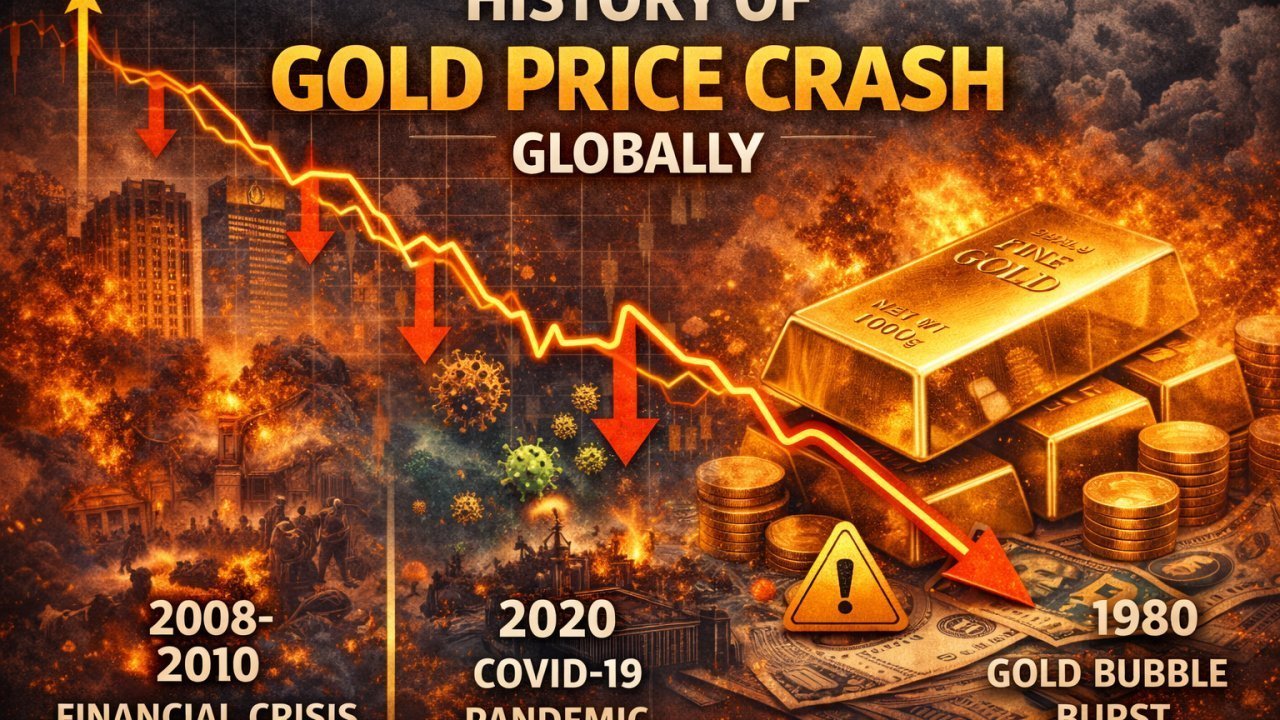
The gold market in Jammu is currently navigating a complex period of adjustment as global economic indicators—ranging from shifting central bank interest rate policies to geopolitical tensions in the Middle East—continue to exert upward pressure on bullion prices. For local investors and families planning for the upcoming wedding season in the Jammu region, these international fluctuations are directly reflected in the daily spot prices seen at local jewelry hubs like Raghunath Bazaar and Residency Road. As the Indian Rupee fluctuates against the US Dollar, the landed cost of imported gold has become increasingly sensitive, leading to the price volatility observed in our local markets over the past fortnight.
While global uncertainty typically drives a "flight to safety" among institutional investors, Jammu’s retail market remains heavily influenced by domestic consumption patterns. Local jewelers are noting that despite record-high price points, demand remains resilient, particularly among those viewing gold as a long-term hedge against inflation. However, the current high-price environment is prompting a shift in buying behavior; many consumers are opting for smaller, high-purity denominations or choosing to exchange old ornaments rather than making fresh, large-scale purchases. Analysts suggest that until global inflationary pressures stabilize, local buyers should remain cautious of daily price swings and monitor international market closures before finalizing significant investments.
Key Takeaway: With global volatility driving prices to historic highs, Jammu residents should prioritize staggered buying—purchasing in smaller quantities over time—rather than attempting to time the market, as local rates remain tightly tethered to the shifting dynamics of the international bullion exchange.
GST on Gold: What Every Buyer in Jammu Needs to Know
For gold buyers in Jammu, navigating the price landscape involves more than just keeping an eye on global market fluctuations; it requires a clear understanding of the Goods and Services Tax (GST) framework. In India, gold purchases are subject to a cumulative 3% GST. This is levied on the total value of the transaction, which encompasses the gold price, the making charges, and any additional hallmarking fees. Whether you are purchasing jewelry from the bustling markets of Raghunath Bazaar or investing in gold coins from a reputable local jeweler, this 3% tax is mandatory and must be reflected clearly on your invoice.
Local jewelers in Jammu often include the making charges—which can vary significantly based on the intricacy of the design—as a separate line item. It is critical for consumers to remember that GST is applied to these making charges as well. When comparing prices across different shops in the city, always ask for the 'all-inclusive' price. A common pitfall for buyers is comparing a quoted price that excludes tax with one that includes it, leading to a distorted perception of value. Furthermore, always ensure that your bill explicitly mentions the GSTIN of the jeweler; this is not just a regulatory requirement but your primary safeguard against substandard purity or hidden costs.
As the festive and wedding seasons approach, the demand for gold in Jammu spikes, often leading to competitive promotional offers. However, savvy investors should look past the marketing noise and verify the final tax-inclusive price per gram. By staying informed about how taxes impact your final payout, you can make smarter financial decisions and ensure that your investment in gold remains both secure and transparent.
Key Takeaway: Always insist on a GST-compliant invoice that itemizes the gold value, making charges, and the 3% tax separately. This ensures price transparency and provides you with the necessary documentation for future resale or insurance purposes.
Expert Tip: Navigating Making Charges at Jammu Jewellers
Beyond the daily gold price, a significant factor determining your final purchase cost at any Jammu jeweller is the 'making charge'. This charge covers the intricate artistry, labor, and design complexity involved in transforming raw gold into stunning ornaments. Whether it's a traditional Dogra jhumka or a contemporary necklace, these charges can vary widely, often ranging from 8% to 25% (or even higher for highly intricate pieces) of the gold's value, making them a crucial point of consideration for buyers in Jammu. Understanding and negotiating them can lead to substantial savings.
Unlike the fixed daily gold rate, making charges are often negotiable, especially at independent or smaller family-run establishments prevalent across areas like Raghunath Bazaar or Gandhi Nagar. Don't hesitate to politely inquire if there's room for adjustment. Savvy buyers often ask for a breakdown – is it a percentage of the gold value, or a fixed rate per gram? This transparency helps you understand the value you're paying for the craftsmanship and allows for a more informed discussion.
To secure the best deal, consider comparing making charges across 2-3 different jewellers before finalizing a purchase. For simpler, machine-made designs, expect lower making charges compared to exquisitely handcrafted pieces. Additionally, if you're a returning customer or making a larger purchase, subtly hint at your loyalty or the volume, as many Jammu jewellers value long-term relationships and may offer a discount. Building a good rapport can often lead to better offers and a more pleasant buying experience.
Key Takeaway: Making charges are a flexible component of your gold purchase; always compare, inquire about negotiation, and consider the craftsmanship level to ensure the best value at Jammu jewellers.
Maximizing Value: The Evolving Gold Recycling Landscape in Jammu
As gold prices continue to fluctuate in the Jammu market, many residents are looking beyond traditional purchasing and exploring the lucrative potential of gold recycling. Whether you are looking to liquidate heirloom jewelry or repurpose old gold assets to capitalize on current market highs, the local refining ecosystem in Jammu has become increasingly sophisticated. Unlike the informal "cash-for-gold" counters of the past, modern, reputable refineries in the city now utilize advanced X-ray fluorescence (XRF) technology to provide precise purity assessments, ensuring sellers receive fair market value based on current international spot prices rather than speculative estimates.
For those navigating the Jammu market, the transition from local pawn shops to professional refining centers is a strategic move. By opting for certified refineries, you bypass the significant "melting loss" and high commission fees often associated with neighborhood jewelers. Before you proceed, it is essential to ensure your gold is weighed on government-approved digital scales and that the refinery provides a transparent breakdown of the gold's purity (karatage) versus its gross weight. With the growing demand for sustainable precious metals, recycling your gold not only serves as a smart financial pivot during peak price cycles but also contributes to a circular economy, reducing the reliance on new mining imports.
Key Takeaway: To secure the best return on your assets in Jammu, bypass traditional trade-in models and opt for professional refineries that utilize transparent XRF testing, ensuring you are paid based on accurate purity assessments rather than outdated valuation methods.
Decoding Making Charges: A Guide to Smarter Gold Buying in Jammu
In the bustling jewellery hubs of Jammu, from the traditional lanes of Old City to the modern showrooms of Gandhi Nagar, the price of gold is rarely just about the spot rate. The "making charge"—or ghadwai—is the hidden variable that dictates your final invoice. Because gold is a soft metal, intricate designs require more labor, leading jewellers to charge a percentage of the gold's value or a flat fee per gram. Understanding this is your first step toward securing a fair deal.
When negotiating in Jammu, remember that making charges are highly flexible and often inflated to leave room for bargaining. Avoid accepting the first quote; instead, research the current market standards for the specific design you are eyeing. If you are purchasing temple jewellery or heavy bridal sets, the intricate workmanship justifies a higher fee, but for plain gold chains or bangles, you should push for a significant reduction. Approach your jeweller with a clear understanding of the gold rate and a polite, firm stance on the labor component. Often, a simple inquiry about "wastage" (which is frequently bundled into making charges) can lead to a more transparent breakdown of costs.
Key Takeaway: Always ask for the making charge to be calculated as a fixed amount per gram rather than a percentage of the total gold price; this prevents you from paying more just because the daily gold rate has spiked. When in Jammu's markets, prioritize transparency—if a jeweller is hesitant to itemize the labour cost on your bill, it is a cue to compare prices elsewhere.
Beyond the Locker: Why Jammu Investors are Shifting to Sovereign Gold Bonds
For generations, families across Jammu—from the bustling markets of Raghunath Bazaar to the residential hubs of Gandhi Nagar—have viewed physical gold as the ultimate store of value. However, as local gold prices remain volatile, a smarter investment trend is gaining momentum: the Sovereign Gold Bond (SGB). Unlike physical jewelry or coins, which come with hidden costs like making charges and the persistent headache of secure storage, SGBs offer a streamlined, digital alternative backed directly by the Government of India.
The primary advantage for Jammu residents lies in the dual benefit of capital appreciation and passive income. While physical gold sits idle in a locker, SGBs earn an additional annual interest of 2.5%, paid semi-annually. Furthermore, by opting for these bonds, investors bypass the purity concerns and "wastage" deductions often encountered when selling physical ornaments at local bullion shops. Because SGBs are held in demat form, they eliminate the risk of theft or loss, providing peace of mind that is increasingly essential in today’s investment climate.
Moreover, the tax efficiency of SGBs is a significant draw for the long-term investor. If held until maturity, the capital gains tax is completely exempt, allowing residents to retain the full value of their investment growth. As the digital economy expands across Jammu and Kashmir, transitioning from physical metal to government-backed bonds is not just a modern convenience—it is a strategic financial upgrade that preserves wealth while actively growing it.
Key Takeaway: Sovereign Gold Bonds offer a superior risk-adjusted return compared to physical gold by providing a 2.5% annual interest payout, zero storage costs, and full tax exemption on maturity, making them an ideal choice for wealth preservation in Jammu.
Silver: The Strategic Alternative for Jammu Investors
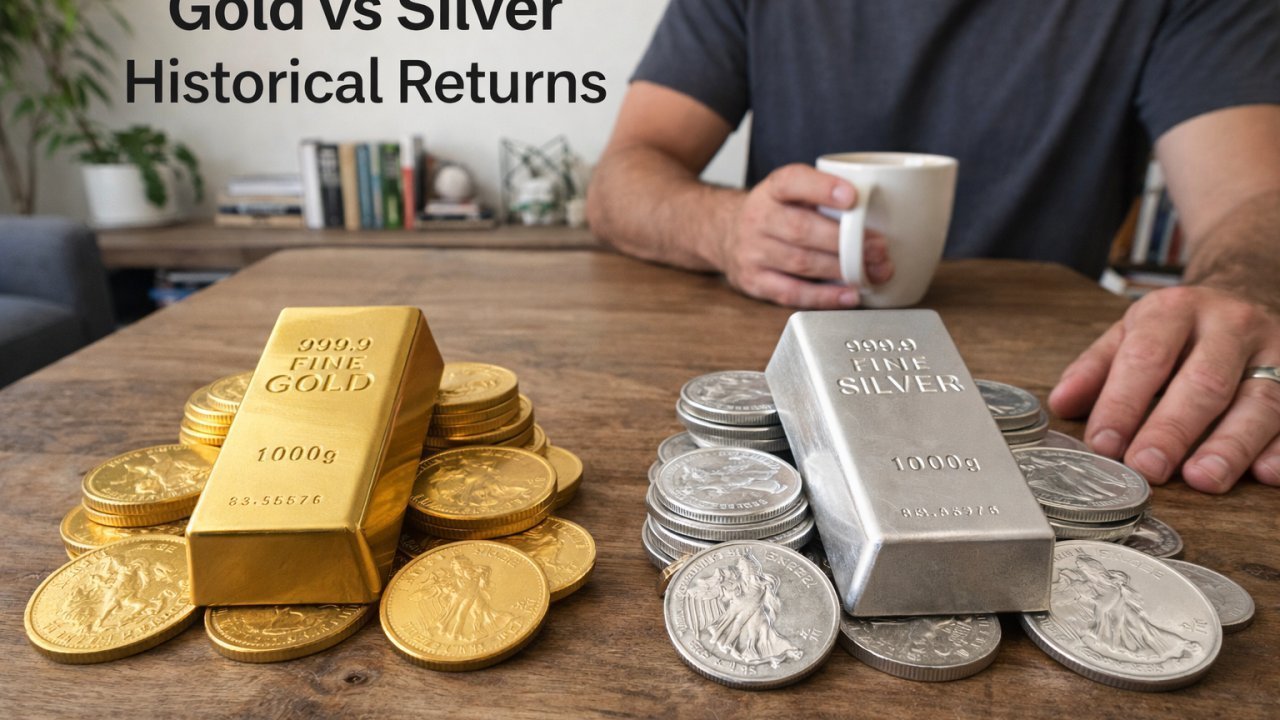
While gold remains the traditional cornerstone of investment portfolios across Jammu, savvy local investors are increasingly turning their attention to silver as a high-growth alternative. As global industrial demand for silver—driven by the green energy transition and electronics manufacturing—continues to climb, silver has begun to shed its reputation as a mere "poor man’s gold," emerging instead as a volatile yet potentially high-reward asset class. For residents of Jammu, where physical demand for precious metals is deeply rooted in cultural tradition, silver offers a lower entry barrier, allowing investors to accumulate wealth in smaller, more liquid denominations.
The current market landscape in Jammu reflects a growing sophistication among local buyers. With the city’s retail landscape evolving, many are diversifying beyond gold jewelry to include silver coins and bars as a hedge against inflationary pressures. Unlike gold, which is primarily held as a store of value, silver’s dual nature as both a monetary metal and an industrial commodity provides a unique price dynamic. Investors monitoring the Jammu bullion markets are noting that during periods of gold price stagnation, silver often exhibits a "catch-up" effect, providing significant upside potential for those who maintain a balanced portfolio.
However, investors should remain mindful of silver's higher price volatility compared to gold. Market experts suggest that for those looking to capitalize on this trend, a systematic investment approach—rather than speculative timing—is the most prudent path forward. By treating silver as a long-term diversification tool, residents can effectively leverage the metal's industrial tailwinds to bolster their financial resilience.
Key Takeaway: Given its lower price point and strong industrial demand, silver serves as an excellent tactical hedge for Jammu investors looking to diversify beyond gold and capitalize on global manufacturing trends.
Market Insight: Navigating Global Volatility in Jammu’s Gold Trade
The gold market in Jammu is currently experiencing a ripple effect from heightened global economic uncertainty, driven largely by fluctuations in U.S. treasury yields and shifting geopolitical tensions. As international spot prices react to these macroeconomic pressures, local bullion traders in Jammu’s bustling markets—such as Raghunath Bazaar and City Chowk—are observing a cautious yet consistent trend in consumer behavior. While global volatility often triggers a spike in hedging activities, the local pricing architecture remains significantly influenced by the prevailing rupee-dollar exchange rate, which dictates the landed cost of imports for regional wholesalers.
For investors and families in the Jammu region, this environment presents a unique dynamic. Unlike speculative markets that react instantly to every headline, the local demand in Jammu is deeply rooted in traditional wedding seasons and seasonal festivities, which often act as a stabilizer against erratic global price swings. However, as global central banks recalibrate their interest rate policies, the cost of physical gold in Jammu is likely to remain sensitive to these broader shifts. Jewelers are advising buyers to monitor the price corrections closely, as even minor global dips are being quickly offset by the local supply-chain logistics and the persistent demand within the Union Territory.
Key Takeaway: While global economic shifts create short-term price volatility, Jammu’s gold market remains heavily influenced by the rupee’s strength and regional festive demand; savvy investors should view sudden price dips as strategic entry points rather than signals of a long-term downturn.
The Rise of Silver: A Strategic Pivot for Jammu Investors
As gold prices in Jammu continue to scale new heights, local retail investors are increasingly turning their attention toward silver as a compelling portfolio diversifier. While gold remains the traditional bedrock of wealth preservation in the region—often tied to the cultural fabric of weddings and festivals across the Jammu and Kashmir valley—silver is gaining traction as a high-growth industrial and investment play. Local bullion traders in areas like Raghunath Bazaar have reported a noticeable uptick in demand for silver bars and coins, driven by a younger, more market-savvy demographic looking to hedge against inflation with lower entry costs.
The volatility in silver prices, while higher than gold, offers a distinct advantage for those looking to capitalize on cyclical market movements. With India’s burgeoning green energy sector and electronics manufacturing driving industrial demand for the white metal, many financial experts in Jammu suggest that silver is currently undervalued relative to its long-term potential. For the Jammu investor, balancing a portfolio with a mix of physical silver can provide the liquidity needed for short-term goals while still participating in the broader precious metals rally. As global supply chain shifts influence domestic prices, maintaining a strategic allocation in silver is no longer just a secondary thought; it is becoming a cornerstone of modern financial planning in the city.
Key Takeaway: While gold offers stability, silver serves as a high-potential growth asset for Jammu investors; consider a balanced approach by allocating 10-15% of your precious metal portfolio to silver to capture both industrial growth and market upside.