Srinagar, the summer capital of Jammu and Kashmir, is a city where tradition and modern commerce intersect beautifully. Known for its breathtaking landscapes and rich cultural heritage, Srinagar also holds a deep-seated affinity for gold. Whether it is for the elaborate Kashmiri weddings, festive celebrations like Eid and Diwali, or as a secure form of investment, gold remains a cornerstone of the local economy. This comprehensive guide provides an in-depth look at everything you need to know about buying, storing, and investing in gold in Srinagar.
1. Why is gold price different in Srinagar?
Many buyers often wonder why the price of gold in Srinagar might vary slightly from cities like Delhi, Mumbai, or Chennai. Several regional factors contribute to this discrepancy. Firstly, transportation and logistics play a major role. Since gold is physically transported into the valley, often under high security, the costs associated with transit and insurance are factored into the final retail price. During winter months, when the Jammu-Srinagar National Highway faces frequent closures, supply chain disruptions can cause a temporary spike in local rates.
Secondly, local taxes and octroi (where applicable) differ from state to state. While GST is uniform across India, local municipal charges and entry levies can influence the "landed cost" of gold in Srinagar. Finally, the local bullion associations, such as the J&K Sarafa Association, set daily rates based on a combination of national trends and local demand-supply dynamics. If there is a sudden surge in demand during the local wedding season (Khandar), the local premiums may rise slightly compared to the national average.
2. Which area or shop is famous for low making charges in Srinagar?
When buying jewelry, the "making charges" can significantly inflate the total bill. In Srinagar, Hari Singh High Street (HSHS) is widely considered the hub for gold jewelry. This bustling market is home to dozens of traditional and modern goldsmiths. Because of the high density of shops, the competition is fierce, which often works in favor of the consumer. Buyers can often negotiate lower making charges here, especially if they are purchasing traditional Kashmiri designs like the 'Dejhoor' or heavy bridal sets.
Another prominent area is Lal Chowk and Residency Road. While these areas house more high-end showrooms with fixed prices, smaller boutiques in the nearby lanes of Zaina Kadal in the Old City (Shah-e-Khaas) are famous for artisanal craftsmanship with relatively lower overhead costs. For those looking for the lowest making charges, it is often recommended to visit independent family-owned jewelers who have been in the business for generations, as they often prioritize long-term customer relationships over high margins.
3. Why do gold prices change daily?
Gold is a global commodity, and its price is influenced by a complex web of international and domestic factors. The primary driver is the London Bullion Market Association (LBMA), which sets the global benchmark. However, for a buyer in Srinagar, the following factors are most relevant:
- Currency Fluctuations: India imports the majority of its gold. If the Indian Rupee (INR) weakens against the US Dollar (USD), the cost of importing gold increases, leading to higher prices in Srinagar.
- Interest Rates: When central banks (like the RBI or the US Federal Reserve) raise interest rates, gold prices often dip as investors move toward interest-bearing assets.
- Geopolitical Stability: Gold is viewed as a "safe haven." During times of global conflict or economic uncertainty, investors flock to gold, driving the price up.
- Import Duties: Changes in the central government's import duty structure immediately impact the daily rates across all Indian cities.
4. Gold rates in Srinagar (22 karat): How do prices change?
In Srinagar, 22 Karat gold is the most popular choice for jewelry. It consists of 91.6% pure gold mixed with other metals like copper or zinc to provide durability. The prices for 22K gold change daily, usually announced around 10:30 AM or 11:00 AM after the market opens. These prices are influenced by the MCX (Multi Commodity Exchange) trends in India.
Prices typically fluctuate based on the volume of trade. In Srinagar, you will notice that the "Buy" price (what you pay the jeweler) and the "Sell" price (what the jeweler pays you if you sell back) have a spread. This spread accounts for the jeweler's margin and the melting loss. To get the best 22K rate, it is advisable to check the rates on multiple local news portals or directly from reputable showrooms before making a purchase. Transparency in pricing has improved significantly in recent years with the digital display of rates in most major showrooms in Lal Chowk.
5. Gold and hallmarking centres in Srinagar.
Hallmarking is the accurate determination and official recording of the proportionate content of precious metal in gold. In Srinagar, the awareness regarding BIS (Bureau of Indian Standards) Hallmarking has grown exponentially. Buying hallmarked gold ensures that you are getting the purity you are paying for (e.g., 916 hallmark for 22K gold).
Srinagar has several BIS-recognized Assaying and Hallmarking Centres, primarily located around the Hari Singh High Street and Batamaloo areas. These centers serve the local jewelers by testing the purity of the ornaments using X-ray Fluorescence (XRF) machines. As a consumer, you should always look for the three specific marks on your jewelry: the BIS logo, the purity/fineness grade, and the HUID (Hallmark Unique Identification) number. The HUID is a six-digit alphanumeric code that allows you to track the piece through the BIS Care App, ensuring absolute authenticity.
6. Top Jewellers in Srinagar.
Srinagar offers a mix of national retail chains and legendary local establishments. Some of the most trusted names include:
- Tanishq (Residency Road): A Tata product, known for its transparent billing, purity guarantees, and modern designs.
- Kalyan Jewellers: A national giant that offers a wide variety of designs and competitive pricing structures.
- Lankar Jewellers: One of the oldest and most prestigious names in Srinagar, famous for traditional Kashmiri craftsmanship and high-quality bridal wear.
- Haji Khan Jewellers: A staple in the local market, known for their reliability and deep roots in the community.
- P.N. Gadgil & Sons: Bringing national standards of purity and design to the valley.
When choosing a jeweler, consider their buy-back policy and the transparency of their weighing process. Most top jewelers in Srinagar now use digital carat meters to verify purity in front of the customer.
7. Supply pressures pushing prices up.
Srinagar faces unique supply-side pressures that can occasionally push gold prices higher than the national average. The geographical isolation of the valley is a significant factor. During periods of heavy snowfall or landslides on the NH44, the arrival of new stock is delayed. This temporary shortage, coupled with steady demand, can lead to local premiums.
Furthermore, the wedding season in Kashmir (typically from May to October) creates a massive surge in demand. During these months, the local "Sarafa" (gold market) operates at peak capacity. When demand outstrips the immediate supply available with local wholesalers, prices tend to firm up. Additionally, changes in national import quotas or a hike in the Agriculture Infrastructure and Development Cess (AIDC) on gold imports directly affect the supply chain reaching Srinagar.
8. How to store gold in Srinagar?
Safety is a primary concern for gold owners. In Srinagar, there are three common ways to store gold:
- Bank Lockers: This is the most secure method. Leading banks like J&K Bank, State Bank of India (SBI), and HDFC offer locker facilities. J&K Bank, with its extensive branch network across Srinagar, is the most popular choice for locals. However, there is usually a waiting list and an annual rental fee.
- Home Safes: Many households prefer keeping gold at home for easy access during weddings. If you choose this, invest in a high-quality, fire-resistant digital safe that is bolted to the floor or wall.
- Gold Insurance: A relatively new concept in the valley, many insurance providers now offer "Jewelry Insurance" as part of home insurance policies. This provides financial protection against theft or loss during transit (such as wearing it to a wedding).
9. Gold vs Real Estate in Srinagar.
In Srinagar, both gold and real estate are traditional favorites for wealth preservation. However, they serve different purposes. Gold is highly liquid; you can walk into any shop in Lal Chowk and convert it to cash within an hour. It is also portable and requires no maintenance. In contrast, Real Estate in Srinagar (especially plots in areas like Humhama, Peerbagh, or Zakura) has shown massive capital appreciation over the decades, but it is illiquid and requires significant legal documentation and maintenance.
While real estate is excellent for long-term wealth creation, gold acts as a hedge against inflation and a crisis commodity. For most Kashmiri families, a balanced portfolio includes both: land for long-term security and gold for liquidity and cultural requirements.
10. What is a Sovereign Gold Bond?
For those in Srinagar looking to invest in gold without the worries of storage or making charges, the Sovereign Gold Bond (SGB) scheme is an excellent alternative. Issued by the Reserve Bank of India (RBI) on behalf of the Government of India, SGBs are "digital gold."
Key benefits include a fixed interest rate (currently 2.5% per annum) paid semi-annually on the initial investment. There are no making charges or GST involved. Most importantly, if held until maturity (8 years), the Capital Gains Tax is waived. Residents of Srinagar can purchase SGBs through their bank's net banking, designated post offices, or stockbrokers. It is the most cost-effective way to benefit from rising gold prices without the risks associated with physical gold.
11. Taxation of gold in Srinagar.
Understanding the tax implications is vital for any gold buyer in Srinagar. There are three main layers of taxation:
- GST (Goods and Services Tax): A flat 3% GST is applicable on the value of the gold and the making charges. This is a mandatory charge for all legal purchases.
- TDS (Tax Deducted at Source): If you purchase gold worth more than ₹2 lakh in cash, a 1% TDS is applicable. This is why most jewelers encourage digital payments or cheques.
- Capital Gains Tax: If you sell your gold after holding it for more than 3 years, you are liable for Long-Term Capital Gains (LTCG) tax at 20% with indexation benefits. If sold within 3 years, the profit is added to your income and taxed according to your applicable income tax slab (Short-Term Capital Gains).
Always ensure you receive a proper tax invoice for your purchase. Not only does this guarantee the purity and HUID details, but it also serves as essential documentation for any future resale or tax audits.
GST on Gold: Navigating the Final Bill in Srinagar’s Jewelry Hubs
When navigating the bustling jewelry markets of Lal Chowk or Hari Singh High Street, understanding the tax component is as vital as tracking the daily bullion rate. In Srinagar, where gold is deeply intertwined with cultural heritage and the "Khandar" (wedding) season, the Goods and Services Tax (GST) adds a uniform 3% to the value of the metal. This tax is calculated on the total price after applying the day’s prevailing rate to the weight of the ornament, ensuring that buyers in the Valley are aligned with national pricing standards.
However, the final invoice involves more than just the raw gold value. A separate 5% GST is applicable to the "making charges"—the cost of the intricate craftsmanship Srinagar’s local artisans are renowned for. Whether you are purchasing traditional 22K *Dejhoors* or contemporary 18K sets, reputable jewelers in the city now provide transparent billing that breaks down the gold price, the labor cost, and the respective GST for each. With the mandatory HUID (Hallmark Unique Identification) now standard across Jammu & Kashmir, a formal tax invoice has become the buyer's primary safeguard for both purity and future resale value.
For those looking to exchange old gold for new jewelry—a common practice during the Kashmiri marriage season—it is important to note that GST is typically not applicable on the value of the old gold being traded in, provided it is an even exchange. However, if you are selling gold for cash to a registered dealer, different tax implications may arise. Always ensure your jeweler provides a digital HUID-linked receipt, as this protects your investment against the volatility of the local market.
Key Takeaway: Always insist on a detailed tax invoice that separates the 3% GST on gold from the 5% GST on making charges to ensure you are paying the fair, regulated price in the Srinagar market.
Srinagar Market Watch: Silver – The Shimmering Alternative to Gold
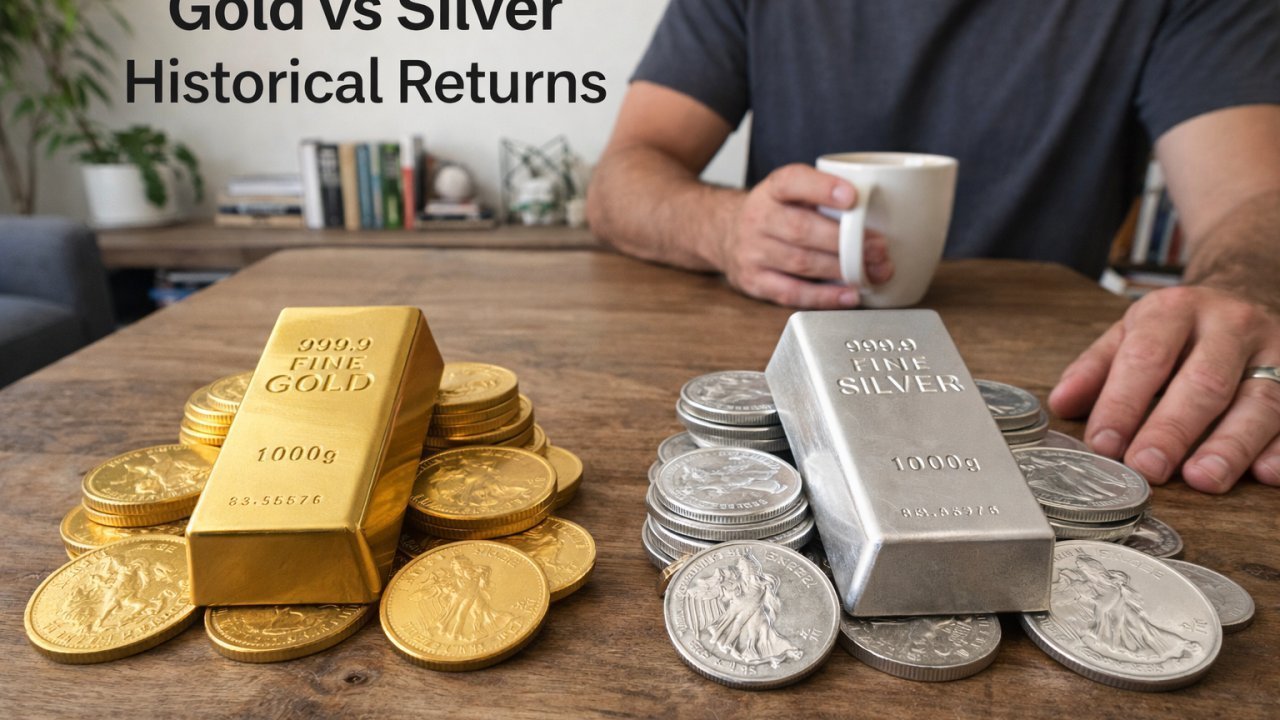
While gold remains the undisputed king of safe-haven investments in Srinagar's traditional portfolio, smart investors are increasingly turning their gaze towards silver. Often dubbed "the poor man's gold," silver offers a compelling blend of investment appeal and industrial utility, making it a dynamic asset to consider for diversification, especially given current economic currents. Its relative affordability compared to gold also makes it an attractive entry point for a broader range of investors looking to expand their precious metal exposure without a hefty upfront commitment.
Globally, silver's price action is significantly influenced by its dual nature. As a precious metal, it acts as a store of value and an inflation hedge, much like gold. However, a substantial portion of its demand stems from industrial applications – think solar panels, electric vehicles, and electronics. This structural demand, amplified by the global push towards green energy and technological advancement, provides a robust long-term tailwind. In Srinagar, while cultural affinity for silver jewellery and traditional gifting remains strong, savvy investors are recognizing its potential for higher growth volatility compared to gold. This dual role means silver can exhibit higher volatility, reacting sharply to both economic shifts and industrial output changes. Careful monitoring of global economic indicators and technological advancements will be key for those considering silver in their Srinagar investment strategy.
Key Takeaway: Silver offers Srinagar investors a more accessible and potentially higher-growth alternative to gold, driven by both safe-haven appeal and robust industrial demand, though with an understanding of its inherent volatility.
Srinagar Gold Market Insights: Trading Your Old Gold for New
For many in Srinagar, gold isn't just an investment; it's a cherished legacy, often passed down through generations. When the time comes to refresh your collection or convert older pieces, understanding the exchange policies at local jewellers becomes crucial. Whether you're upgrading heirloom jewellery or simply cashing in on an older design, the process of trading old gold for new can vary significantly across the vibrant markets of Srinagar, from the bustling shops of Lal Chowk to the more traditional outlets.
Most jewellers in Srinagar typically assess your old gold based on its net weight and purity (karatage) after a thorough evaluation. Be prepared for common deductions, which include 'wastage' (a small percentage for impurities lost during melting) and a re-evaluation of 'making charges' if you're exchanging for a new piece. It’s essential to clarify these deductions upfront, as they directly impact the final value credited towards your new purchase. Some reputable jewellers might offer better exchange rates if the new purchase is also from them, or if your old gold is of a very high purity, reflecting a long-standing relationship with their clientele.
To ensure you get the best deal, it's always wise to compare offers. Don't hesitate to visit a couple of reputable jewellers – perhaps one in the city centre and another from a more traditional area – to get multiple valuations. Always insist on a transparent weighing and purity testing process. Reputable establishments will provide a clear breakdown of their calculations, ensuring you understand exactly how your old gold's value is determined before you finalize your exchange.
Key Takeaway: When exchanging old gold in Srinagar, always compare offers, understand deductions for wastage and making charges, and prioritize transparent purity assessment for the best value.
Navigating Making Charges: A Srinagar Jeweller’s Insider Guide
In the vibrant jewellery markets of Srinagar—from the bustling storefronts of Residency Road to the traditional workshops in downtown areas—the final price tag of your gold ornament is rarely just about the weight of the metal. The "making charge" (or ghadayi) is a variable cost that covers the artistry, labor, and craftsmanship involved in transforming raw gold into intricate Kashmiri designs. Unlike the gold rate, which is standardized, making charges are highly negotiable and can fluctuate significantly depending on the complexity of the piece, such as the delicate filigree work or traditional Jhumkas favored by local artisans.
To secure the best deal, never accept the initial percentage quoted by the jeweller. Start by asking for the making charge as a flat rate per gram rather than a percentage of the total gold value, as this provides a clearer baseline for negotiation. It is also wise to cross-check quotes across a few reputable local jewellers; often, a mention of a competitive offer from a nearby established shop can prompt a more favorable adjustment. Remember that during peak wedding seasons or festivals like Eid and Diwali, margins may tighten, so aim to finalize your purchases during the quieter off-peak months to leverage better bargaining power.
Key Takeaway: Always negotiate making charges as a fixed cost per gram rather than a percentage, and don't hesitate to request a detailed breakdown on your invoice to ensure transparency before committing to the purchase.
Navigating Making Charges: A Srinagar Buyer’s Guide
For gold buyers in Srinagar, the final price tag is rarely just the weight of the metal multiplied by the daily gold rate. The "making charges"—or ghadai—often represent the most negotiable portion of your purchase. In the vibrant jewellery hubs of Residency Road and Hari Singh High Street, these charges are typically calculated as a percentage of the gold's value, ranging anywhere from 6% to 20% depending on the complexity of the design. Traditional Kashmiri jewellery, characterized by intricate kundan work or heavy handcrafted filigree, naturally commands higher labor costs than machine-made chains or simple bangles.
When stepping into a local showroom, avoid settling for the first quote provided by the jeweler. Seasoned buyers in the valley often leverage the competitive landscape by requesting a breakdown of the making charges versus the gold value. If you are purchasing multiple items or a bridal set, do not hesitate to ask for a "bulk discount" on the total labor fee. Furthermore, keep an eye on seasonal demand; during the peak wedding season in Kashmir, labor premiums can inflate. If your purchase is not urgent, aim to visit during the off-season or during regional festivals when jewelers are more inclined to offer competitive rates to maintain steady footfall.
Key Takeaway: Always request a separate line item for 'making charges' on your invoice and negotiate this percentage independently of the gold price; a polite but firm inquiry regarding current labor discounts can often shave a significant amount off your final bill.
Securing Your Assets: Jewellery Insurance in Srinagar
For residents of Srinagar, gold is far more than a financial hedge; it is a cultural cornerstone woven into the fabric of weddings, festivals, and family legacies. Given the region’s unique geographical challenges and the increasing volatility of gold prices, relying solely on home safes or traditional lockers is no longer a comprehensive security strategy. As gold prices fluctuate in the local markets of Lal Chowk and Residency Road, the replacement cost of heirloom jewellery continues to climb, making insurance an essential consideration for the modern Kashmiri household.
While many assume their homeowner’s policy covers their valuables, standard fire and burglary insurance often falls short when it comes to high-value jewellery. In Srinagar, where winter conditions can occasionally disrupt infrastructure and transport, specialized "All-Risk" jewellery insurance provides a vital safety net. These policies typically cover theft, fire, and accidental damage, even if the loss occurs while traveling outside the city. Before signing, ensure your policy includes a "reinstatement value" clause—this is crucial in Srinagar’s market, as it accounts for the current market rate of gold rather than the original purchase price, ensuring you are not left under-insured when it comes time to replace a cherished piece.
Key Takeaway: Don’t rely on general home insurance; opt for a specialized jewellery floater policy that offers "reinstatement value" coverage to protect your gold against both theft and unforeseen regional contingencies, ensuring your family’s legacy remains fully protected regardless of market shifts.
Leveraging Gold Assets: Navigating Gold Loans in Srinagar
For residents of Srinagar, gold is more than just a hedge against inflation; it is a deeply ingrained cultural asset often held in the form of heirloom jewelry. As market fluctuations continue to influence gold prices, many households are increasingly looking toward gold loans as a strategic financial tool. Unlike personal loans that require extensive credit checks, gold loans in Srinagar offer a seamless liquidity solution, allowing residents to unlock the value of their dormant assets to meet urgent needs—be it for seasonal business requirements in the tourism sector, educational expenses, or home renovations.
The local lending landscape in Srinagar has evolved significantly, with both nationalized banks and specialized non-banking financial companies (NBFCs) establishing a strong presence in areas like Lal Chowk and Residency Road. When considering a gold loan, it is essential to look beyond the immediate cash-in-hand. Borrowers should prioritize lenders who offer transparent appraisal processes and flexible repayment structures, such as "bullet repayment" options, which are particularly beneficial for those managing cyclical income. Given the recent volatility in the gold market, lenders are currently offering competitive loan-to-value (LTV) ratios, making this an opportune time to evaluate your existing gold holdings as a source of capital.
Key Takeaway: Before pledging your gold, always compare the effective annual interest rates across at least three local lenders in Srinagar and ensure the facility offers secure, insured storage for your jewelry, as the safety of your assets is just as critical as the liquidity provided.
Market Insight: Srinagar’s Wedding Season and Gold Demand
As the crisp autumn air settles over the Kashmir Valley, Srinagar’s local bullion market is bracing for the traditional surge in gold demand synonymous with the upcoming wedding season. In Kashmir, where gold remains the cornerstone of bridal trousseaus and a primary store of value for families, the local market is currently witnessing a distinct trend. Jewelers across Residency Road and Hari Singh High Street report that while global price volatility remains a concern, local sentiment is shifting toward high-purity, intricate traditional designs that reflect the rich cultural heritage of the valley.
For families planning nuptials, the current market dynamic is complex. With gold prices fluctuating due to international geopolitical tensions and a strengthening dollar, many local buyers are adopting a "staggered purchasing" strategy rather than waiting for a single price dip. This approach is being encouraged by Srinagar’s independent jewelers, who are seeing a preference for lightweight, hallmarked 22-karat gold sets that balance aesthetic grandeur with budget sensibility. Furthermore, there is a marked uptick in interest for bespoke, handcrafted pieces that blend classic Kashmiri motifs with contemporary minimalist styles, as families look to maximize the utility of their investments.
As we approach the peak wedding months, supply chain logistics—often influenced by seasonal weather patterns in the region—are prompting savvy buyers to secure their requirements early. Monitoring the daily spot price in Srinagar is more critical than ever, as local premiums can fluctuate based on regional demand spikes. By staying informed on these localized trends, families can better navigate the market to ensure their gold acquisitions remain both a cherished cultural asset and a sound financial hedge.
Key Takeaway: With the wedding season demand mounting, avoid last-minute purchasing; prioritize hallmarked gold and consider staggered buying to mitigate the impact of daily price volatility in the Srinagar market.
Digital Gold for Srinagar: A Safe Haven or a Digital Mirage?
Srinagar, with its rich cultural heritage, has always held a deep-rooted affinity for physical gold, be it for adornment, investment, or as a traditional hedge against uncertainty. However, the modern era introduces "Digital Gold" – a virtual way to buy and store gold without the hassles of physical possession. For residents of Srinagar, the question arises: is this virtual asset a secure and practical choice, especially when traditional trust lies in tangible assets?
Digital gold offers compelling advantages, particularly relevant in a city like Srinagar. It eliminates concerns about physical storage, theft, or purity, as the gold you purchase digitally is stored in secure vaults by reputable providers. You can buy gold in small denominations, even for as little as ₹1, making it accessible for regular, disciplined investments, much like a digital 'gold SIP'. This convenience, coupled with the ability to buy and sell instantly from your smartphone, offers unparalleled flexibility compared to visiting a physical jeweller, especially during harsh winters or busy periods.
While the concept might seem new, major players like MMTC-PAMP, Augmont, and even Tanishq offer digital gold platforms, ensuring that your investment is backed by 99.9% pure physical gold. It's crucial for Srinagar residents to choose platforms regulated by relevant authorities and with a transparent track record. While not directly regulated by SEBI as a financial instrument, the underlying gold is insured, and the platforms often adhere to strict KYC norms. This blend of traditional asset and modern convenience makes digital gold a potentially secure and smart addition to a Srinagar investor's portfolio, offering peace of mind from storage worries and the flexibility of easy transactions.
Key Takeaway: Digital gold can be a safe and convenient investment for Srinagar residents, provided you choose reputable platforms and understand the underlying security measures, offering a modern alternative to traditional physical gold ownership.
Securing Your Assets: Insurance Options for Gold Jewellery in Srinagar
For residents of Srinagar, gold is more than just a financial hedge; it is a cultural cornerstone, often passed down through generations as heirloom jewellery. However, given the city’s unique geographical challenges—ranging from severe winter conditions to the occasional seismic activity common in the Kashmir Valley—securing these physical assets is becoming increasingly critical. Relying solely on a home locker or a traditional safe may no longer be sufficient to mitigate risks associated with theft or natural calamities.
Most major insurance providers in Srinagar now offer comprehensive "Jewellery Insurance" or "Home Insurance" add-ons that specifically cover gold ornaments. Unlike standard fire insurance, these specialised policies provide "all-risk" coverage, protecting your gold even when you are wearing it outside your home. When opting for a policy, ensure you have a current valuation certificate from a certified local jeweller in areas like Residency Road or Lal Chowk. Because gold prices fluctuate, it is vital to review your insured sum annually to ensure your coverage reflects current market rates, preventing the risk of under-insurance in the event of a claim.
Before finalising a policy, carefully examine the "depreciation" and "territorial limit" clauses. Some policies may only cover jewellery kept within the premises, while more robust plans offer coverage across India. Given the specific climate and logistical landscape of Srinagar, choosing a policy that offers a seamless digital claims process can save you significant time and stress. Always keep digital copies of your purchase invoices and photographs of intricate, handcrafted pieces stored securely in the cloud to expedite the verification process.
Key Takeaway: Don't treat your jewellery as a "set and forget" asset; update your insurance valuation annually to match current market trends and ensure your policy covers theft and damage both inside and outside the home to protect your family’s legacy effectively.
Beyond the Locker: Why SGBs are the Smart Choice for Srinagar Investors
For generations, the residents of Srinagar have viewed gold as a cornerstone of financial security, often favoring physical ornaments and coins sourced from the bustling markets of Residency Road and Hari Singh High Street. While the emotional and cultural value of physical gold remains unmatched, savvy investors in the Kashmir Valley are increasingly pivoting toward Sovereign Gold Bonds (SGBs) for their long-term portfolios. Unlike physical gold, which incurs significant making charges—often ranging from 10% to 20%—and carries the persistent anxiety of secure storage, SGBs are issued by the Reserve Bank of India and exist entirely in a digital format.
The transition to SGBs offers a dual advantage for Srinagar’s gold enthusiasts. First, you earn a fixed interest rate of 2.5% per annum, paid semi-annually, providing a passive income stream that physical gold simply cannot match. Second, the tax implications are highly favorable; if held until maturity, the capital gains are entirely tax-exempt. By choosing SGBs, investors effectively bypass the logistical hurdles of renting bank lockers in the city or worrying about the purity of the metal. In a market where price volatility is common, SGBs offer a sophisticated, government-backed mechanism to participate in gold’s upward trajectory without the overhead costs or security risks associated with physical bullion.
Key Takeaway: Transitioning from physical gold to Sovereign Gold Bonds allows Srinagar residents to eliminate storage risks and making charges while earning an additional 2.5% annual interest, making it a more efficient vehicle for wealth preservation.
Strategic Timing: When to Purchase Gold in Srinagar
For gold buyers in Srinagar, timing a purchase involves more than just monitoring international spot prices; it requires an understanding of the local market dynamics unique to the Kashmir Valley. While global gold prices fluctuate throughout the trading day, local jewelers in hubs like Residency Road and Hari Singh High Street typically adjust their retail rates based on the morning opening of the Multi Commodity Exchange (MCX) in India. Consequently, the mid-afternoon window—specifically between 2:00 PM and 4:00 PM—often proves to be the most advantageous time to finalize a purchase.
By early afternoon, the initial volatility following the market open has usually stabilized, allowing local retailers to set a consistent price for the day. Attempting to buy immediately at shop opening can sometimes lead to uncertainty if the global markets are experiencing a sharp early-morning swing. Furthermore, visiting during these off-peak afternoon hours allows for a more personalized experience with Srinagar’s master artisans. With less foot traffic than during the bustling evening hours, you gain the luxury of time to inspect the hallmark purity and craftsmanship of traditional Kashmiri gold jewelry, such as the intricate Jhumkas or Dejhor, without the pressure of a crowded showroom.
Key Takeaway: To secure the most stable pricing and benefit from undivided attention from local jewelers, plan your gold purchases in Srinagar for the mid-afternoon window, ideally after the MCX market trends have settled for the day.
Ensuring Authenticity: Verifying Gold Purity in Srinagar’s Markets
As the gold market in Srinagar continues to witness steady demand, particularly during the wedding season and festive periods, the importance of purchasing hallmarked jewelry cannot be overstated. With bustling jewelry hubs ranging from Residency Road to the historic markets of downtown, buyers are increasingly turning to technology to safeguard their investments. The Bureau of Indian Standards (BIS) has simplified this process, allowing consumers to verify the quality of their gold instantly through the official BIS Care App.
To verify your jewelry, look for the HUID (Hallmark Unique Identification) number—a six-digit alphanumeric code laser-engraved on the piece. Once you download the BIS Care App, navigate to the 'Verify HUID' feature and enter the code. The app will immediately provide you with critical details, including the jeweler’s registration number, the purity of the gold (e.g., 22K916), and the date of hallmarking. This digital trail ensures that the gold purchased from local Srinagar retailers meets the national standards of purity, providing peace of mind against the risk of adulterated metals.
While physical luster is often used as a traditional gauge of quality, it is no match for digital verification. In an era where trust is the cornerstone of the Srinagar bullion trade, leveraging this tool is a proactive step for every savvy investor. By confirming the hallmark before finalizing your purchase, you ensure that your investment retains its value, whether you are buying gold coins or intricate Kashmiri-style jewelry.
Key Takeaway: Always insist on a six-digit HUID code on your jewelry and verify it using the official BIS Care App to ensure you are paying for the exact purity of gold you receive.