Kalyan, a bustling historical city in the Thane district of Maharashtra, has long been a significant hub for gold trading and jewelry consumption. For residents and investors in this region, understanding the nuances of the gold market is essential for making informed financial decisions. Whether you are purchasing gold for a wedding, an investment, or a festive occasion like Diwali or Akshay Tritiya, this comprehensive guide provides everything you need to know about the gold ecosystem in Kalyan.
1. Why is gold price different in Kalyan?
Many investors often wonder why the gold price in Kalyan might differ slightly from Mumbai, Pune, or other major Indian cities. While the base rate of gold is determined by international markets, several local factors contribute to the final price tag you see at a local showroom. One of the primary reasons is the transportation and logistics cost. Even though Kalyan is close to Mumbai, the movement of physical bullion involves insurance and security costs that can vary by region.
Furthermore, local jeweler associations in Kalyan, such as the Kalyan Saraf Bazaar associations, often set a daily consensus rate based on the closing prices of the previous day and the current trends in the Mumbai market. State-level taxes and local cess also play a role. While GST is uniform across India, historical local taxes and the operational overheads of running a business in Kalyan versus a prime Mumbai locality can lead to a slight variance in the retail price. Finally, the demand-supply gap within the city itself—especially during the local wedding season—can cause minor fluctuations that are specific to the Kalyan market.
2. Which area or shop is famous for low making charges in Kalyan?
When buying gold jewelry, the "making charges" can significantly inflate your total bill. In Kalyan, the Bazarpeth area is renowned for being the traditional heart of the gold trade. This area is home to numerous family-run, legacy goldsmiths who have been in business for generations. Because these shops often own their premises and have lower marketing overheads compared to large national chains, they are frequently able to offer much more competitive making charges.
Specifically, the lanes near Kalyan Station (West) and the Murbad Road stretch house several competitive retailers. For those looking for the lowest making charges, it is often recommended to visit the smaller, reputable boutiques in the old city area. Many of these shops offer "flat making charges" during festive seasons, which can be as low as 8% to 10%, compared to the 15% to 25% charged by premium brands. However, always ensure that the lower cost does not compromise the hallmarking and purity of the metal.
3. Why do gold prices change daily?
Gold is a global commodity, and its price is influenced by a complex web of international and domestic factors. The primary driver is the London Bullion Market Association (LBMA) prices, which set the global benchmark. Since India imports a vast majority of its gold, the USD to INR exchange rate is a critical factor. If the Indian Rupee weakens against the US Dollar, the price of gold in Kalyan will rise, even if global prices remain stagnant.
Other factors include Central Bank reserves; when the Reserve Bank of India (RBI) or other central banks increase their gold holdings, prices tend to go up. Interest rates set by the US Federal Reserve also play a role; typically, when interest rates rise, gold prices fall as investors move toward interest-bearing assets. Lastly, geopolitical stability (or lack thereof) acts as a catalyst. During times of war or economic uncertainty, gold is viewed as a "safe haven," driving up demand and prices in local markets like Kalyan.
4. Gold rates in Kalyan (22 karat): How do prices change?
In Kalyan, 22-karat gold is the most popular choice for jewelry because it offers a balance between purity and durability. 22-karat gold consists of 91.6% pure gold mixed with other metals like copper or zinc to provide strength. The prices for 22k gold change daily based on the "Valuation of Purity". The price of 22k gold is always a percentage of the 24k (99.9% pure) gold price.
Prices change based on the daily "Morning" and "Evening" fixings. In Kalyan, most jewelers update their boards by 11:30 AM following the trends from the Mumbai bullion market. It is also important to note that the retail margin added by local jewelers can vary. During the wedding season in Maharashtra (typically between November and May), the high demand in Kalyan can lead to a slightly higher premium on 22k gold rates compared to the "dull" monsoon months.
5. Gold and hallmarking centres in Kalyan.
Purity is the most crucial aspect of buying gold. In Kalyan, the awareness of BIS (Bureau of Indian Standards) Hallmarking has grown significantly. A hallmark consists of the BIS logo, the purity grade (e.g., 22K916), and a unique HUID (Hallmark Unique Identification) number. This ensures that the consumer is getting exactly what they pay for.
Kalyan has several recognized hallmarking centres where jewelers send their ornaments for testing. These centres use X-ray Fluorescence (XRF) machines to check the gold's purity without damaging the piece. When buying gold in Kalyan, always insist on a laser-etched HUID code. You can verify this code using the "BIS Care" mobile app. Most reputable shops in the Kalyan-Dombivli municipal region now exclusively sell hallmarked jewelry, protecting consumers from the risk of under-caratage that was common in decades past.
6. Top Jewellers in Kalyan.
The jewelry landscape in Kalyan is a mix of heritage brands and modern retail giants. Some of the most trusted names include:
- Waman Hari Pethe Jewellers: A household name in Maharashtra, known for traditional Maharashtrian designs like Thushi and Putli Haar.
- P.N. Gadgil (PNG) Jewellers: Renowned for their purity standards and extensive collection of both contemporary and traditional designs.
- Tanishq: Located in prime areas of Kalyan, Tanishq offers a modern shopping experience with transparent pricing and a focus on diamond-studded gold.
- Kalyan Jewellers: Despite the name being shared with the city, this national chain has a significant presence here, offering a vast array of wedding collections.
- Local Heritage Shops: Shops in the Saraf Bazaar area, such as V.M. Motiram Jewellers, have served local families for over 50 years and are known for personalized service.
7. Supply pressures pushing prices up.
The price of gold in Kalyan is also sensitive to supply chain constraints. India’s import duty structure is a major factor; any increase in customs duty by the Central Government immediately spikes the price of gold in the local market. Furthermore, global mining output has seen a plateau in recent years, meaning new gold is becoming harder and more expensive to extract.
In Kalyan, supply is also affected by the recycling of gold. Many residents exchange old gold for new designs. When the supply of "old gold" coming into the market decreases, jewelers must rely more on fresh bullion, which is subject to international pricing and duties. Additionally, logistical disruptions—such as those seen during the pandemic or due to regional transport strikes—can create temporary local shortages, leading to a "premium" being charged over the standard market rate.
8. How to store gold in Kalyan?
Once you have purchased gold, security becomes the priority. Residents of Kalyan typically use three methods for storage:
- Bank Lockers: Most major banks in Kalyan, such as SBI, HDFC, and ICICI, offer locker facilities. This is the safest method, though it involves an annual rental fee and often requires a fixed deposit.
- Home Safes: Many households invest in high-security, fire-resistant digital safes. While convenient, this carries a higher risk of theft.
- Digital Gold/Gold ETFs: For those who buy gold as an investment rather than for wearing, storing gold digitally eliminates storage costs and security concerns. Companies like MMTC-PAMP offer digital gold that is stored in insured vaults on your behalf.
9. Gold vs Real Estate in Kalyan.
Kalyan is a rapidly developing real estate hub. Choosing between gold and property is a common dilemma for local investors. Gold offers high liquidity; you can walk into any shop in Bazarpeth and convert your gold into cash within an hour. Real estate, while offering high returns in developing areas like Kalyan East or Khadakpada, is an illiquid asset that can take months to sell.
However, real estate provides rental income, which gold does not. Gold, on the other hand, requires a much lower entry barrier. You can start investing in gold with as little as 1 gram, whereas real estate requires lakhs of rupees in down payments. For a balanced portfolio, financial experts in Kalyan generally suggest a 10-15% allocation to gold, with the remainder in diversified assets like real estate or mutual funds.
10. What is a Sovereign Gold Bond?
For the residents of Kalyan who are looking for a smart way to invest in gold without the worries of storage or making charges, Sovereign Gold Bonds (SGBs) are an excellent option. Issued by the Reserve Bank of India on behalf of the Government, these bonds represent grams of gold. You don't get physical gold, but you get the benefit of the gold price appreciation.
The key advantages of SGBs include a fixed annual interest rate (currently 2.5% paid semi-annually) and an exemption from Capital Gains Tax if held until maturity (8 years). You can purchase these through most banks in Kalyan or via your demat account. This is often considered the most efficient way to "own" gold in India today.
11. Taxation of gold in Kalyan.
Understanding the tax implications is vital for any gold buyer in Kalyan. Currently, a 3% GST (Goods and Services Tax) is levied on the value of the gold and the making charges. If you are selling your gold, the tax depends on the holding period. If you sell your gold within three years of purchase, it is considered Short-Term Capital Gains (STCG) and is added to your income, taxed at your applicable slab rate.
If you hold the gold for more than three years, it is classified as Long-Term Capital Gains (LTCG), which is typically taxed at 20% with indexation benefits. It is also important to keep all your invoices (the "pakka" bill) from the jeweler. In Kalyan, many smaller shops might offer a "cash" deal without a bill to save on GST, but this is highly discouraged as it leaves you with no legal recourse regarding purity and makes it difficult to sell the gold through official channels later.
Expert Update: Navigating the Wedding Season Surge in Kalyan’s Gold Market
As the wedding season approaches, Kalyan’s prominent jewelry hubs—particularly the bustling markets near the railway station and Chhatrapati Shivaji Chowk—are witnessing a sophisticated shift in consumer behavior. Local artisans and retailers report that while the demand for 22-karat gold remains the bedrock of the market, there is a surging preference for "Antique Matte" finishes. This trend allows Kalyan’s brides to embrace the grandeur of traditional Maharashtrian heritage pieces, such as the *Thushi* and *Kolhapuri Saaj*, while benefiting from modern lightweight casting techniques that make these intricate designs more comfortable for day-long ceremonies.
Market dynamics in Kalyan are also reflecting a strategic change in how families manage their budgets amidst global price volatility. Instead of traditional bulk buying, many local households are adopting a "price-averaging" strategy, making smaller, frequent purchases in the months leading up to the *Muhurat*. Furthermore, there is a notable rise in the popularity of 18-karat rose gold jewelry accented with diamonds or precious gemstones among younger couples in the city. This shift caters to a desire for versatile pieces that transition seamlessly from the wedding mandap to professional settings, reflecting Kalyan’s evolving status as a cosmopolitan extension of the Mumbai Metropolitan Region.
Key Takeaway: To maximize value during the wedding rush, consider the "staggered buying" approach at Kalyan’s established jewelers to hedge against price spikes, and look for high-volume antique designs that offer a regal look with optimized gold weight.
Why Kalyan’s Smart Investors are Pivoting from Physical Gold to SGBs
While the bustling jewelry showrooms of Bazaar Peth remain a cornerstone of Kalyan's cultural fabric, a distinct shift is occurring among the city's financially savvy residents. As physical gold prices in Kalyan fluctuate due to global cues and local demand, many are realizing that traditional gold ownership comes with "hidden" drains on wealth—specifically making charges, GST, and the rising costs of bank locker rentals in the Kalyan-Dombivli region. Sovereign Gold Bonds (SGBs) are emerging as the preferred alternative, offering a way to capture gold’s price appreciation without the 10-15% immediate value loss typically seen in retail jewelry purchases.
The financial edge of SGBs is particularly compelling for Kalyan’s middle-class households planning for long-term goals like education or marriage. Unlike the physical ornaments stored in local vaults, SGBs pay you to own them, offering a fixed 2.5% annual interest on the initial investment. Furthermore, for those looking to maximize their returns, SGBs offer a massive tax advantage: the capital gains tax is completely waived if held until maturity. In a city where real estate and living costs are rising, the ability to earn interest while benefiting from the appreciation of gold—all while avoiding the security risks of keeping physical bullion at home—makes SGBs a mathematically superior wealth-building tool.
Key Takeaway: By switching to SGBs, Kalyan investors eliminate making charges and storage risks while gaining a unique 2.5% annual yield and tax-free maturity, making it a more efficient hedge than physical gold.
Expert Tip: Maximizing Value Through Kalyan’s Growing Gold Recycling Ecosystem
As gold prices continue to test new resistance levels, a significant shift is occurring within Kalyan’s historic jewelry hubs. From the traditional gold smithies of Bazaar Peth to the high-end showrooms lining Station Road, "urban mining"—the process of recycling and refining old gold—has become a dominant market trend. Local residents are increasingly moving away from holding stagnant assets, choosing instead to capitalize on record-high valuations by refining outdated ornaments into liquid investment-grade bullion or modern, HUID-compliant jewelry. This surge in recycling is not just a consumer trend; it is a vital liquidity bridge that helps local jewelers manage inventory without relying solely on volatile international imports.
For those looking to refine gold in Kalyan, the landscape has become significantly more transparent. Many established refineries and large-scale retailers in the city have now integrated advanced XRF (X-ray fluorescence) technology, replacing traditional touchstone methods with non-destructive, precision testing. This ensures that sellers receive an accurate valuation based on the exact gold content, often down to two decimal places. In the current market, opting for professional refining services rather than a simple 'buy-back' exchange can often yield a better spread, especially if you are converting old 22-karat scrap into 24-karat gold coins for long-term wealth preservation.
Moreover, the local refining sector is benefiting from Kalyan’s proximity to major industrial corridors, allowing for faster turnaround times for hallmarking and assaying. Whether you are a small-scale investor or someone looking to liquidate family heirlooms, the key is to seek out refineries that provide a formal melt-test-report process. This journalistic insight into the Kalyan market suggests that as global supply chains tighten, the value of locally recycled gold will only command a higher premium, making it an opportune time to audit your locker for underperforming assets.
Key Takeaway: To get the best returns in Kalyan, prioritize jewelers using digital XRF purity testing; refining old gold during price peaks can recover nearly 98-99% of the melt value, providing a far more efficient liquidity strategy than traditional gold loans.
Strategic Timing: Optimizing Your Gold Purchase in Kalyan
For residents of Kalyan looking to make a smart investment, timing is as crucial as the purity of the metal itself. While global spot prices fluctuate throughout the trading day, local gold rates in Kalyan are typically updated by the Kalyan Jewellers Association in the morning. Savvy investors often find that the "sweet spot" for purchasing occurs during the mid-afternoon hours, between 2:00 PM and 4:00 PM. During this window, the volatility of the opening bell has usually subsided, and local bullion dealers have a clearer picture of the day’s price trend, allowing for more transparent pricing.
Furthermore, local market dynamics in bustling hubs like the Shivaji Chowk or the busy lanes near Kalyan Railway Station suggest that visiting during off-peak weekday hours—specifically Tuesday through Thursday—can be advantageous. Avoiding the weekend rush not only ensures a more personalized consultation with your trusted jeweler but also grants you the time to compare making charges, which can vary significantly depending on the craftsmanship. By aligning your visit with the stabilization of global market indices and the quietude of mid-week shopping, you position yourself to secure the best value for your capital.
Key Takeaway: To maximize your investment, aim to visit Kalyan’s reputable jewelry showrooms on a weekday afternoon, once the daily market rate has stabilized and the store footfall is at its lowest, allowing for better negotiation on making charges.
Strategic Timing: Optimizing Your Gold Purchase in Kalyan
For residents of Kalyan looking to make a smart investment, timing is as critical as the purity of the metal itself. While gold prices in the local market are primarily driven by global bullion trends and currency fluctuations, the "best" time to visit your preferred jeweler in areas like Shivaji Chowk or Station Road often hinges on market liquidity and price updates. Typically, the most advantageous window to finalize a purchase is during the late afternoon, between 3:00 PM and 5:00 PM. By this time, the Indian bullion markets have fully processed the morning volatility, and local jewelers have stabilized their daily rates based on the established closing trends of the MCX (Multi Commodity Exchange).
Beyond the daily price cycle, local shoppers should be mindful of the "gold rush" hours during festive seasons like Gudi Padwa or Akshaya Tritiya. During these peak periods, the sheer volume of foot traffic in Kalyan’s bustling jewelry hubs can lead to frantic buying environments where premiums and making charges might be less negotiable. To secure the best deal, aim for mid-week visits during non-festive periods. Visiting during the weekday lull allows you to engage more effectively with store managers, ensuring you have the time to compare hallmarking certifications and negotiate making charges without the pressure of a crowded showroom floor.
Key Takeaway: To secure the most stable pricing and personalized service, plan your gold purchase for a weekday afternoon between 3:00 PM and 5:00 PM, allowing the day’s market volatility to settle before committing to your investment.
Protecting Your Assets: Why Gold Insurance is Essential for Kalyan Residents
As gold prices continue to fluctuate in the Kalyan market, many residents view their jewellery not just as an aesthetic choice, but as a crucial financial safety net. However, relying solely on a home locker or a bank vault often leaves your precious assets vulnerable to unforeseen risks, such as theft, burglary, or fire. In a bustling urban hub like Kalyan—where residential density is high and transit through busy areas like the Kalyan Railway Station or the crowded markets near Shivaji Chowk is frequent—the risk of accidental loss or snatching incidents is a reality that gold owners must factor into their investment strategy.
Standard home insurance policies in India often provide limited coverage for jewellery, frequently capping the payout at a fraction of the actual market value. For those holding significant collections of heirloom gold or recent high-value purchases, opting for a dedicated 'Valuables Insurance' or a specific 'Gold Cover' is a prudent financial move. These specialized policies are designed to cover the current market rate of your gold, rather than the purchase price, ensuring that your wealth is protected against inflation. Before opting for a policy, ensure you have a professional valuation certificate from a reputable Kalyan-based jeweller, as this is the primary document insurers require to process claims effectively.
Beyond simple protection, comprehensive insurance provides peace of mind, allowing you to wear your jewellery during festive seasons and social gatherings without the constant anxiety of loss. As you track the daily gold rates in Kalyan, remember that securing your physical assets is just as important as timing your entry into the market.
Key Takeaway: Don't rely on standard home insurance; secure your gold with a dedicated valuables policy that covers current market rates and ensure your jewellery is professionally appraised to simplify the claims process in the event of theft or damage.
Expert Tips: Navigating the Kalyan Gold Market This Festive Season
As the festive fervor grips Kalyan, from the bustling lanes of Shivaji Chowk to the prominent showrooms along the station road, the demand for physical gold is witnessing a sharp uptick. With auspicious days like Dhanteras and Diwali approaching, local jewelers are reporting a surge in footfall. However, buying gold during peak season requires more than just enthusiasm; it requires a strategic approach to ensure value for your investment. Given the current volatility in global bullion prices, savvy buyers in Kalyan are increasingly favoring hallmarked jewelry to ensure purity, as regional sentiment shifts toward gold not just as an adornment, but as a hedge against inflation.
To get the best out of your festive purchase, prioritize transparency in the 'making charges'—a component that varies significantly across different retailers in the Kalyan-Dombivli belt. Don't hesitate to negotiate these charges, especially if you are purchasing heavier pieces or bridal sets. Furthermore, keep a close watch on the daily price fluctuations specific to the Maharashtra market, as local levies can sometimes create a slight premium over national averages. If you are looking to invest for the long term, consider digital gold or sovereign gold bonds, but for those who prefer the traditional tactile experience, ensure your purchase is BIS-hallmarked with the latest HUID (Hallmark Unique Identification) code to guarantee authenticity.
Key Takeaway: Before heading to the jewelry hubs in Kalyan, always verify the daily gold rate and prioritize BIS-hallmarked items with an HUID number to ensure your festive investment is both authentic and retains long-term value.
Beyond Gold: The Emerging Appeal of Silver in Kalyan’s Investment Landscape
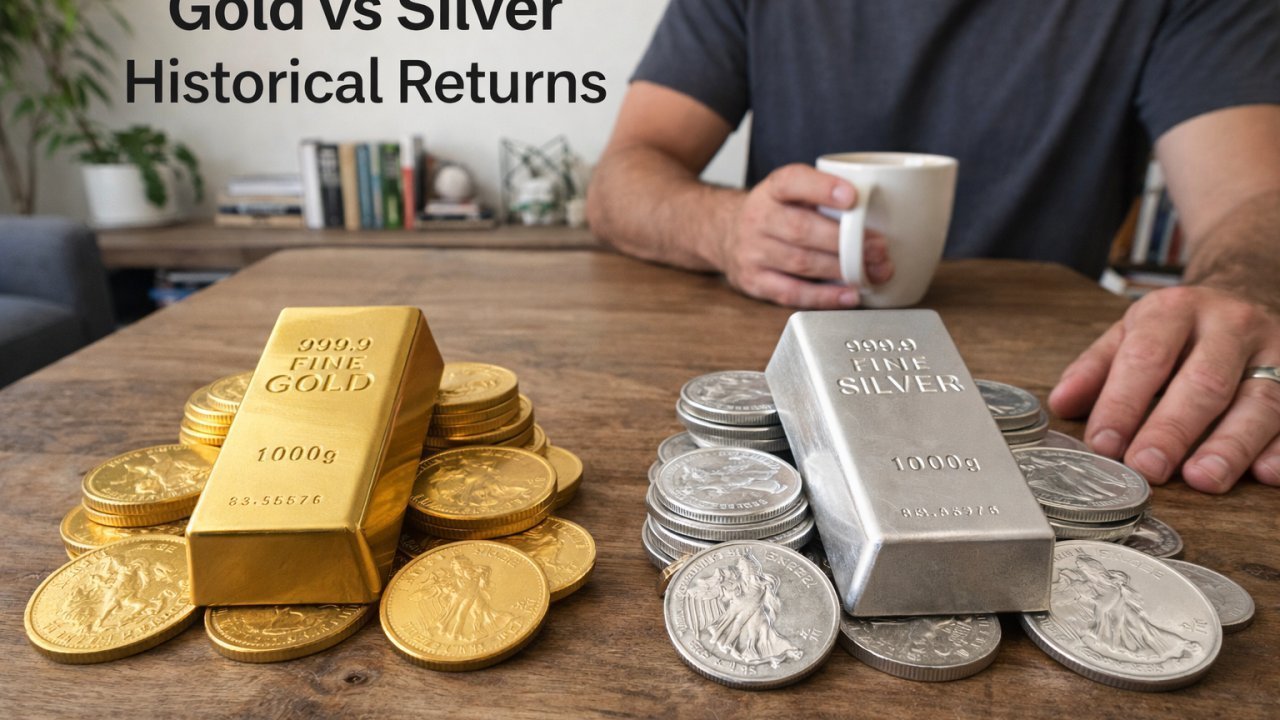
While gold remains the cornerstone of investment portfolios in Kalyan, local market trends indicate a significant shift as savvy investors increasingly turn to silver as a strategic hedge. Known for its dual nature as both a precious metal and a critical industrial commodity, silver is currently witnessing heightened interest across the bustling jewelry hubs of Shivaji Chowk and the surrounding retail corridors. As industrial demand in India grows, silver has begun to demonstrate a unique volatility that, while higher than gold, offers distinct opportunities for those looking to diversify their holdings beyond traditional bullion.
The accessibility of silver makes it an attractive entry point for Kalyan’s younger retail investors. Unlike the steep capital requirements often associated with gold, silver allows for incremental accumulation, whether through physical bars, coins, or increasingly popular digital silver instruments. Local market participants are noting that during periods of gold price consolidation, silver often acts as a tactical alternative, benefiting from macroeconomic shifts that favor industrial metals. For residents of Kalyan balancing long-term wealth preservation with liquidity needs, silver provides a versatile middle ground that complements the stability of gold while adding a layer of growth potential to a balanced portfolio.
Key Takeaway: Silver serves as a high-potential diversification tool for Kalyan investors; consider allocating a portion of your precious metal portfolio to silver to capitalize on its dual industrial and investment demand, especially during periods of market volatility.
Navigating Gold Loan Opportunities in Kalyan: A Strategic Approach
For residents of Kalyan, gold serves as more than just a cultural asset; it is a vital financial instrument. With the city’s rapid urbanization and the growing density of financial institutions around the Kalyan Railway Station and the busy markets of Shivaji Chowk, the gold loan market has become increasingly competitive. Whether you are a small business owner in the textile sector or an individual managing personal liquidity, the proximity of specialized lenders—ranging from traditional banks like SBI and HDFC to dedicated NBFCs such as Muthoot Finance and Manappuram—provides a significant advantage. The key to maximizing this liquidity lies in understanding the current Loan-to-Value (LTV) ratios, which are currently optimized to help you leverage your gold holdings without liquidating your family heirlooms.
However, before committing your gold to a vault, it is essential to look beyond the immediate interest rate. In Kalyan’s dynamic lending landscape, transparency regarding valuation methods is paramount. Many local lenders now offer "doorstep service" across neighborhoods like Khadakpada and Adharwadi, allowing for appraisal in the comfort of your home. We advise residents to conduct a comparative analysis of processing fees and foreclosure charges, as these hidden costs can significantly impact the effective annual percentage rate (APR). Always ensure that the lender provides a secure, insured storage facility for your pledged assets, as the security protocols of your chosen financial partner are just as important as the cash they provide.
Key Takeaway: When opting for a gold loan in Kalyan, prioritize lenders who offer flexible repayment tenures and transparent appraisal processes; always compare the total cost of credit—including processing fees and valuation charges—rather than focusing solely on the advertised interest rate.
Navigating the Festive Gold Rush in Kalyan: A Smart Buyer’s Guide
As the festive season approaches, the bustling jewelry corridors of Kalyan—from the vibrant shops near the Railway Station to the established showrooms along Agra Road—are bracing for a surge in demand. With gold prices remaining sensitive to global economic shifts and local currency fluctuations, residents are advised to look beyond the immediate glitter of showroom displays. While the cultural significance of purchasing gold during auspicious days like Dhanteras remains paramount, savvy investors in Kalyan are increasingly prioritizing the "making charges" (wastage) over the raw gold price, as these fees can fluctuate significantly between local boutiques and larger national retail chains.
To maximize your festive budget, it is essential to verify the hallmark certification on every piece, regardless of the store's reputation. Given the competitive landscape in Kalyan, don’t hesitate to inquire about seasonal discounts on making charges, which many local jewelers offer to move inventory during peak periods. Furthermore, consider tracking the daily spot price fluctuations for a few days before finalizing your purchase; even a marginal dip in the international market can translate into substantial savings when buying heavy bridal sets or investment-grade coins. By balancing tradition with a tactical approach to pricing, you can ensure your festive gold purchase is as sound an investment as it is a celebratory one.
Key Takeaway: Before heading to the jewelry markets in Kalyan, compare the making charges across multiple local retailers and always insist on HUID-hallmarked gold to ensure you are paying for the exact purity of your investment.
Leveraging Gold Assets: Navigating Gold Loan Options in Kalyan
As gold prices continue to fluctuate in the Kalyan market, many residents are increasingly turning to gold loans as a strategic financial tool. Whether you are a small business owner navigating the bustling trade hubs near Kalyan Station or a resident managing personal liquidity, gold loans offer a swift, hassle-free alternative to traditional personal loans. Unlike unsecured credit, these loans are collateralized by your existing jewelry, allowing lenders in the area to provide competitive interest rates and faster processing times, often with minimal documentation requirements.
In Kalyan, the landscape for gold financing is diverse, ranging from established nationalized banks to specialized non-banking financial companies (NBFCs) concentrated along the main thoroughfares like Shivaji Path and Murbad Road. The key to maximizing this option lies in understanding the Loan-to-Value (LTV) ratio. With current market volatility, lenders are adjusting their LTV limits to mitigate risk; therefore, it is prudent to compare offers from at least three different institutions. Before committing, verify the purity assessment process used by the lender, as transparency in the valuation of your gold is paramount to securing the best possible credit limit.
Key Takeaway: When opting for a gold loan in Kalyan, prioritize lenders who offer flexible repayment schedules and transparent valuation methods. Always monitor the current market rate of 22-karat gold to ensure your loan amount accurately reflects the true value of your collateral, and aim to clear interest payments promptly to avoid the compounding burden on your assets.
Navigating the Festive Gold Rush in Kalyan
As the festive season approaches, Kalyan’s bustling jewelry hubs—from the heritage lanes of Shivaji Chowk to the modern showrooms along the Agra Road—are witnessing a surge in footfall. For residents looking to balance tradition with smart investment, timing your purchase is crucial. With global market volatility and local demand spikes, gold prices in Kalyan often mirror the broader Mumbai bullion trends, but local competition among jewelers can lead to varying making charges. Savvy buyers should prioritize comparing the 'making charges' (wastage) across local vendors, as these can significantly impact the final investment value during peak demand periods.
To maximize your returns, focus on hallmarked gold (BIS 916) rather than uncertified ornaments, ensuring your festive purchase holds long-term liquidity. Many Kalyan-based jewelers currently offer seasonal promotional discounts on labor costs, but be wary of "flat-rate" offers that may hide higher base prices. If you are planning significant purchases for weddings or upcoming festivities, consider a staggered buying approach or utilizing gold savings schemes offered by reputable local establishments. This helps in averaging out the cost, shielding you from sudden price surges as the auspicious days draw closer.
Key Takeaway: During Kalyan’s festive rush, prioritize BIS Hallmarked gold and negotiate the 'making charges' specifically, rather than focusing solely on the fluctuating per-gram price, to ensure your festive investment remains financially sound.
Timing Your Gold Purchase: A Strategic Guide for Kalyan Buyers
For residents of Kalyan, navigating the bustling gold markets—from the traditional jewelry hubs near the Kalyan Railway Station to the more modern showrooms along the Agra Road—requires more than just an eye for craftsmanship; it requires tactical timing. While gold prices are globally benchmarked, the local retail price in Kalyan often fluctuates based on the daily "opening" and "closing" rates set by the bullion associations. For the savviest buyers, the golden window usually falls between 12:00 PM and 3:00 PM. During this mid-day period, the local market has fully absorbed the volatility of the morning opening, providing a more stable price point for final negotiations.
Furthermore, local market dynamics in Kalyan often see a slight dip in competitive pricing during the mid-week lull. Avoiding the weekend rush and the festive shopping sprees—when footfall is high and making charges are often non-negotiable—can grant you significantly more leverage. If you are planning a significant investment, aim to visit your trusted jeweler during these quieter weekday afternoons. This allows the store staff to provide undivided attention to your selection process and often opens the door to more flexible discussions regarding labor costs (making charges), which are the most variable component of your total purchase price.
Key Takeaway: To secure the best value in Kalyan, aim to complete your purchase on a weekday afternoon (Tuesday to Thursday, 12 PM – 3 PM) to benefit from price stability and higher negotiating power on making charges.
Kalyan Gold Trends: Navigating the Upcoming Wedding Season
As Kalyan prepares for the vibrant wedding season just around the corner, gold, the eternal symbol of prosperity and tradition, is once again set to take center stage. For centuries, gold has been an indispensable part of Indian weddings, especially in Maharashtra, where families often invest heavily in elaborate bridal sets and gifts. This upcoming period is expected to see a significant uptick in demand, driven by both cultural imperatives and the desire for lasting value amidst fluctuating economic landscapes.
This season, we anticipate a fascinating blend of tradition and modernity in Kalyan's gold market. While classic Maharashtrian designs like the intricate 'Thushi', 'Mohanmal', and 'Kolhapuri Saaj' will remain highly sought after for brides, there's a growing inclination towards versatile, lighter-weight pieces for other wedding attendees and even for pre-wedding ceremonies. Buyers are increasingly discerning, seeking not just aesthetic appeal but also designs that offer flexibility for future wear, reflecting a shift towards practical elegance without compromising on grandeur. We're seeing strong interest in 22K for traditional pieces, alongside 18K options for contemporary, diamond-studded designs.
Gold prices, always a crucial factor, will undoubtedly play a role in purchasing decisions. Our expert analysis suggests that while the underlying demand is robust, consumers in Kalyan are keenly watching market fluctuations. Smart buyers are advised to plan their purchases strategically, perhaps exploring booking options or taking advantage of any pre-festive offers. Consider the long-term value, but also the immediate joy and cultural significance that gold brings to these momentous occasions.
Key Takeaway: Strategic planning and a keen eye on evolving design preferences, blending traditional Maharashtrian artistry with modern versatility, will define gold purchases in Kalyan's upcoming wedding season.