Kolhapur, a city steeped in royal history and Maratha valor, holds a profound relationship with gold. Known as 'Dakshin Kashi', this city in Maharashtra is not only famous for its spicy cuisine and handcrafted footwear but also for its deep-rooted jewelry culture. Whether it is the iconic Kolhapuri Saaj or the heavy gold ornaments worn during the historic Mahalaxmi temple festivals, gold is more than just an investment here; it is a symbol of heritage and social standing. In this comprehensive guide, we explore the intricacies of the gold market in Kolhapur, providing investors and shoppers with the essential knowledge needed to navigate the local bullion landscape.
1. Why is gold price different in Kolhapur?
Many residents and visitors often wonder why the gold rate in Kolhapur differs slightly from cities like Mumbai, Pune, or Delhi. The variation is primarily driven by local factors and logistical costs. Although the base price of gold is determined by international markets and the Indian Bullion and Jewellers Association (IBJA), local adjustments occur due to transportation costs and the security required to move physical gold from major hubs like Mumbai to Kolhapur. Furthermore, the local Jewellers Association of Kolhapur plays a significant role in setting a daily benchmark price that ensures stability across the city's markets. Regional taxes, octroi (historically), and current state-level levies also influence the final retail price. Because Kolhapur is a major trading hub for Southern Maharashtra, the high volume of transactions can sometimes lead to more competitive pricing compared to smaller neighboring towns, yet it may carry a slight premium over Mumbai due to the distance from the primary import ports.
2. Which area or shop is famous for low making charges in Kolhapur?
When it comes to buying gold in Kolhapur, the historic Gujari Market is the undisputed heart of the jewelry trade. Located near the Mahalaxmi Temple, Gujari is a bustling network of lanes where generations of goldsmiths have practiced their craft. This area is famous for offering some of the most competitive making charges in the region. Because Gujari houses many traditional artisans (karigars) who work directly for small shops, the overhead costs are lower than those of high-end corporate showrooms. To find the lowest making charges, shoppers should look for shops that specialize in traditional Kolhapuri Saaj, Mohan Maal, and Bormal. While large branded showrooms often have fixed making charges starting from 8% to 15%, the local shops in Gujari are often open to negotiation, especially during the off-wedding season. However, buyers must ensure that the lower cost does not compromise the hallmarking and purity of the metal.
3. Why do gold prices change daily?
Gold is a global commodity, and its price is influenced by a complex web of international and domestic factors. The daily fluctuations in Kolhapur are a reflection of the following:
- International Market Trends: The London Bullion Market Association (LBMA) and the COMEX set the global tone. If the US Dollar weakens, gold prices usually rise as it becomes cheaper for other currency holders.
- Currency Fluctuations: Since India imports the majority of its gold, the USD to INR exchange rate is critical. If the Rupee depreciates against the Dollar, the cost of importing gold increases, leading to higher prices in Kolhapur.
- Central Bank Reserves: When the Reserve Bank of India (RBI) or other global central banks increase their gold reserves, the demand surge pushes prices upward.
- Geopolitical Stability: Gold is considered a 'safe haven' asset. During times of war, political instability, or global pandemics, investors flock to gold, driving the daily rates higher.
- Interest Rates: Changes in interest rates by the US Federal Reserve impact gold. Higher interest rates make non-yielding assets like gold less attractive, often leading to a price drop.
4. Gold rates in Kolhapur (22 karat): How do prices change?
In Kolhapur, 22 karat (22k) gold is the standard for most traditional jewelry. 22k gold consists of 91.6% pure gold mixed with 8.4% of other metals like copper or zinc to provide durability. The price of 22k gold is always lower than the 24k (pure gold) rate. The price changes daily based on the "purity spread." When the 24k rate is announced, jewelers calculate the 22k rate proportionately. However, consumers should note that the retail price they pay is: (Daily Gold Rate x Weight) + Making Charges + 3% GST. In Kolhapur, prices often see a seasonal spike during the Gudi Padwa, Diwali, and Akshaya Tritiya festivals, as well as the heavy wedding season from November to May. During these times, the high local demand can sometimes cause a slight "local premium" over the standard market rates.
5. Gold and hallmarking centres in Kolhapur.
Purity is the most crucial aspect of buying gold. In Kolhapur, the government has made BIS Hallmarking mandatory for gold jewelry. A hallmark consists of the BIS logo, a purity mark (e.g., 22K916), and a unique HUID (Hallmark Unique Identification) number. Kolhapur is well-equipped with several BIS-recognized Assaying and Hallmarking Centres, primarily concentrated around the Gujari and Shahupuri areas. These centers use X-ray Fluorescence (XRF) machines to verify the gold content without damaging the ornament. Before making a purchase, customers should insist on a magnifying glass to check the HUID laser engraving on the jewelry. This ensures that the gold you buy in Kolhapur is exactly what the jeweler claims it to be, providing better resale value in the future.
6. Top Jewellers in Kolhapur.
Kolhapur is home to both legendary local establishments and renowned national brands. Some of the top places to buy gold include:
- P.N. Gadgil Jewellers: A household name in Maharashtra, known for their trust and wide variety of contemporary and traditional designs.
- Chandukaka Saraf & Sons: Popular for their transparent pricing and extensive collection of bridal jewelry.
- Waman Hari Pethe Jewellers: Famous for their intricate Maharashtrian designs and high-quality craftsmanship.
- Rajaram Jewellers: A local favorite in Kolhapur with a long-standing reputation for purity and personalized service.
- Tanishq: Located in the upscale areas of the city, offering certified diamond-studded gold jewelry and modern retail experiences.
7. Supply pressures pushing prices up.
The supply of gold in Kolhapur is largely dependent on national import policies. India’s gold supply is often constrained by Import Duties imposed by the central government to control the Current Account Deficit (CAD). When the government increases import taxes, the supply of fresh gold into the local Kolhapur market tightens, leading to an immediate price hike. Additionally, logistical disruptions—such as transport strikes or heightened security protocols during election cycles—can temporarily limit the movement of bullion. During the peak wedding season in Western Maharashtra, the demand often outstrips the immediate local supply, allowing jewelers to maintain firm prices with little room for discounts on the metal rate itself.
8. How to store gold in Kolhapur?
Given the high value of gold, security is paramount. Residents of Kolhapur typically use three methods for storage:
- Bank Lockers: Major banks like State Bank of India (SBI), Bank of Baroda, and Bank of India offer locker facilities across their Kolhapur branches. This is the safest method, though it involves an annual rental fee and bank timings constraints.
- Home Safes: Many traditional families prefer heavy-duty fireproof safes installed in their homes. While convenient, this requires robust home security systems.
- Digital Gold: For modern investors, storing gold digitally through apps or UPI platforms is gaining traction. This eliminates physical storage risks entirely, as the gold is kept in insured vaults by the provider.
9. Gold vs Real Estate in Kolhapur.
In a developing city like Kolhapur, investors often debate between gold and real estate. Gold offers high liquidity; you can sell gold in Gujari within minutes during a financial emergency. It is also an excellent hedge against inflation. On the other hand, Real Estate in booming areas like Tarabai Park, Kadamwadi, or the outskirts near the Pune-Bangalore highway offers the potential for massive capital appreciation and rental income. However, real estate requires a much larger ticket size and is a "frozen" asset that takes months to liquidate. For the average Kolhapuri household, a balanced portfolio usually involves holding gold for cultural and emergency purposes while investing in land for long-term wealth creation.
10. What is a Sovereign Gold Bond?
For those in Kolhapur looking at gold purely as an investment rather than for wearing, Sovereign Gold Bonds (SGBs) are an excellent alternative. Issued by the RBI on behalf of the Government of India, these bonds represent grams of gold.
Benefits of SGBs include:
- Interest Income: You earn a fixed interest rate (usually around 2.5% per annum) on the initial investment.
- No Storage Costs: Since it is a digital certificate, there is no risk of theft or need for a bank locker.
- Tax Benefits: If held until maturity (8 years), the capital gains are tax-exempt.
- Purity Guarantee: Since it is backed by the government, there is no worry about the "purity" of the gold.
Residents can apply for SGBs through local banks or post offices in Kolhapur during the issuance windows.
11. Taxation of gold in Kolhapur.
Understanding the tax implications is vital for any gold buyer in Kolhapur. Currently, a 3% Goods and Services Tax (GST) is levied on the purchase of all gold jewelry and coins. If you are selling your old gold, you do not pay GST, but you may be subject to Capital Gains Tax. If you sell the gold within three years of purchase, Short-Term Capital Gains (STCG) tax applies according to your income tax slab. If sold after three years, it is considered Long-Term Capital Gains (LTCG), which is taxed at 20% with indexation benefits. It is always advisable to keep your original purchase invoices from Kolhapur jewelers to prove the holding period and the cost of acquisition for tax purposes.
Conclusion: Buying gold in Kolhapur is a blend of tradition and financial prudence. By understanding the daily price drivers, the importance of hallmarking, and the tax implications, you can make an informed decision that honors both your cultural heritage and your financial future.
Expert Tip: Navigating Old-to-New Gold Exchange in Kolhapur’s Markets
In the bustling jewelry hubs of Kolhapur, from the historic lanes of Gujri Bazaar to the modern showrooms in Rajarampuri, the policy for exchanging old gold is undergoing a significant shift. While the city is world-renowned for its intricate "Kolhapuri Saaj" and "Thushi" necklaces, many residents are now looking to trade in ancestral pieces for contemporary, lightweight designs. Local jewelers typically offer the best exchange rates for gold originally purchased from their own "Pedi" (traditional shop), often providing 100% value on the prevailing gold rate. However, when bringing in gold from other cities or non-hallmarked vintage pieces, Kolhapur’s artisans apply a "melting loss" or "ghat" deduction, which can range from 2% to 5% depending on the purity verified by a Karatmeter.
Recent market trends in Kolhapur show a tightening of documentation standards. With the mandatory BIS hallmarking regulations, local family-run jewelers are increasingly insisting on formal valuation certificates. If you are looking to upgrade, it is worth noting that many prominent Kolhapuri jewelers now offer a "Zero Deduction" exchange policy, but this is frequently contingent on the new purchase being of equal or higher weight. To get the most value, experts recommend visiting the Gujri market during mid-week mornings when the footfall is lower, allowing for a more transparent and detailed ultrasonic cleaning and testing process of your old ornaments before the final valuation is locked in.
Key Takeaway: Always carry your original purchase invoices to Kolhapur’s jewelers to waive administrative fees, and prioritize "In-house Exchange" programs to avoid the 3-5% purity deduction typically applied to gold sourced from outside the district.
Expert Insight: Navigating Global Volatility in the Kolhapur Gold Market
The recent turbulence in global financial markets, driven by shifting US Federal Reserve interest rate projections and heightened geopolitical tensions, has cast a direct shadow on the gold rates within Kolhapur’s historic Gujari market. As international spot prices react to a fluctuating US Dollar, local bullion rates are experiencing a period of rapid adjustment. However, Kolhapur occupies a unique position in Maharashtra’s gold trade; the city’s deep-rooted affinity for 22-karat gold, particularly during the prosperous post-harvest sugarcane season, often provides a localized cushion against global bearish trends that might affect other urban centers more severely.
For buyers in Kolhapur, the current volatility emphasizes the critical importance of monitoring the Rupee’s performance against the Greenback alongside international COMEX trends. While global indices might suggest a downward correction, the local import duty structure and the perennial demand for traditional craftsmanship—most notably the 'Kolhapuri Saaj'—mean that local price drops are often more gradual and less volatile. Expert jewelers in the city note that during periods of global uncertainty, the influx of capital from the surrounding agricultural belt tends to keep the local market buoyant, even when international investors are retreating.
As we move further into the fiscal year, the interplay between global inflation data and local festive demand will be the primary driver for prices. For those looking to purchase for weddings or long-term security, the current fluctuations offer strategic windows. Local experts suggest that any dip below the 30-day moving average, triggered by global cooling, should be viewed as a high-value entry point before the domestic wedding season demand inevitably drives local premiums higher.
Key Takeaway: While global factors dictate the base price, Kolhapur’s local demand—fueled by agricultural prosperity and traditional jewelry culture—often creates a unique price floor. Investors should capitalize on global price corrections before the local festive surge tightens supply.
The Rise of Sustainable Luxury: Gold Recycling Trends in Kolhapur’s Gujari Bazaar
In the heart of Kolhapur’s historic Gujari Bazaar, a significant shift is occurring in how residents manage their precious metal assets. While the city remains world-renowned for its intricate "Kolhapuri Saaj," the recent volatility in global spot prices has spurred a surge in local recycling and refining services. Rather than letting heirloom pieces sit idle, savvy Kolhapurians are increasingly opting to refine old gold to create modern, lightweight jewelry. This local trend is a strategic financial move, allowing consumers to bypass the high premiums and import duties associated with fresh bullion, effectively leveraging their existing holdings to hedge against market inflation.
The transition from traditional "touchstone" testing to state-of-the-art XRF (X-ray fluorescence) technology in Kolhapur’s refining centers has brought a new level of transparency to the local market. Accredited refiners near the Mahalakshmi Temple area now offer precision melting and assaying services that guarantee purity up to 99.9%. This modernization is crucial for the city’s vast network of artisans, as it ensures that the recycled gold used in new creations meets stringent BIS hallmarking standards. For the consumer, this means that "old gold" is no longer just a sentimental keepsake but a highly liquid asset that can be converted or redesigned with minimal value erosion.
Key Takeaway: To maximize your returns in Kolhapur’s secondary market, always insist on digital XRF purity testing and compare the "buy-back" rates across reputable refiners in Gujari to ensure you are not losing value on melting charges.
Securing Your Legacy: Insurance Tips for Gold Jewellery in Kolhapur
For the residents of Kolhapur, gold is far more than a financial asset; it is a cultural cornerstone, deeply embedded in the traditions of festivals like Mahalaxmi Puja and the intricate craftsmanship of local heritage jewellery, such as the iconic Kolhapuri Saaj. However, with the rising volatility in gold prices and the increasing risk of theft or damage during transit to local goldsmiths in areas like Mahadwar Road, relying solely on home lockers is no longer a comprehensive security strategy. Many Kolhapur investors are now shifting toward specialized jewellery insurance plans to protect their physical assets against unforeseen contingencies.
While standard home insurance policies often provide limited coverage for valuables, they frequently fall short when it comes to the specific appraisal value of heirloom pieces. It is essential for Kolhapur residents to seek "agreed value" insurance policies, which ensure that in the event of a claim, you are compensated based on the current market rate rather than a depreciated value. Before signing a policy, ensure your jewellery has been professionally appraised by a certified local valuer, as this documentation is critical for streamlining the claims process. Additionally, verify if your policy covers "all-risk" scenarios, including accidental loss or damage while wearing the jewellery during weddings or community events, which are common occurrences in our vibrant city.
Key Takeaway: Don’t rely on general home insurance; opt for a dedicated jewellery policy that covers "all-risk" scenarios and ensures your gold is valued at current market rates, safeguarding your precious family heritage against both theft and accidental damage.
Maximizing Value: The Rise of Professional Gold Refining in Kolhapur
As gold prices continue to fluctuate in the domestic market, Kolhapur’s savvy investors are increasingly shifting their focus from simple selling to strategic recycling. With the city serving as a major commercial hub for the Southern Maharashtra region, the local gold ecosystem has evolved significantly. Residents are moving away from traditional "melt-and-sell" practices at neighborhood jewelers—which often involve significant weight loss and hidden deductions—in favor of modern refining services that utilize advanced XRF (X-ray Fluorescence) technology for precise purity testing.
For those looking to liquidate old jewelry or scrap gold, the key is transparency. Professional refining centers in areas like Shahupuri and Rajarampuri now offer real-time assaying, allowing customers to witness the testing process firsthand. By opting for professional refining over standard exchange, sellers can often secure a better valuation that aligns more closely with the daily spot price of 24-karat gold. Whether you are clearing out ancestral assets or optimizing your investment portfolio, choosing a facility that provides a detailed breakdown of gold content—minus the impurities—is the most effective way to protect your capital in a volatile market.
Key Takeaway: To get the best return on your old gold in Kolhapur, bypass conventional trade-ins and visit a certified refinery that uses XRF testing to ensure you are paid for the exact purity of your metal, rather than an estimated value based on visual inspection.
Digital Gold: Is it a Secure Avenue for Kolhapur’s Investors?
For generations, the residents of Kolhapur have viewed gold as a cornerstone of financial security, traditionally purchasing physical ornaments from the bustling jewelry hubs of Mahadwar Road and Shivaji Road. However, as the digital revolution transforms India’s financial landscape, many Kolhapur-based investors are now weighing the merits of Digital Gold. Unlike physical jewelry, which carries the burden of making charges, storage risks, and the need for a bank locker, Digital Gold allows you to accumulate wealth in fractions—starting with as little as ₹10—making it an incredibly accessible entry point for students, young professionals, and savvy savers alike.
Safety remains the primary concern for many, especially when moving away from tangible assets. The good news is that reputable Digital Gold platforms in India are backed by physical gold reserves stored in insured, high-security vaults. For Kolhapur residents, the key is to transact only through established platforms or regulated apps that provide clear certification of purity (typically 24K, 99.9%). While it lacks the ceremonial joy of a physical purchase for weddings or festivals, Digital Gold offers unmatched liquidity; you can sell your holdings at current market rates with a single click, providing a modern hedge against inflation without the worry of theft or quality concerns.
Key Takeaway: Digital Gold is a highly secure and cost-effective alternative for wealth creation in Kolhapur, provided you utilize platforms that offer transparent, insured storage and 24K purity certification. It is an ideal tool for systematic investment, though physical gold remains the preferred choice for ceremonial and traditional needs.
Expert Tip: Mastering the Timing of Your Gold Purchase in Kolhapur
For residents of Kolhapur, navigating the bustling jewelry hubs of Mahadwar Road and Shivaji Road requires more than just a keen eye for craftsmanship; it demands a strategic approach to market timing. While gold prices in India are pegged to international spot rates and currency fluctuations, local retail pricing is often finalized during the late morning hours. Industry experts suggest that the "sweet spot" for visiting your trusted jeweler is between 11:30 AM and 1:00 PM. By this time, the morning volatility of the bullion market has usually settled, and local associations have benchmarked the daily rates, ensuring you receive a transparent and accurate quote without the uncertainty of early-morning price adjustments.
Beyond the daily fluctuations, savvy Kolhapuri buyers should pay close attention to the impact of regional demand. During peak wedding seasons or auspicious festivals like Akshaya Tritiya and Diwali, foot traffic in local showrooms spikes significantly. To secure the best service and avoid the rush that often leads to hasty decision-making, mid-week mornings are consistently superior to weekends. Visiting during these quieter windows not only allows you to scrutinize the hallmark stamps and purity certifications more thoroughly but also provides you with the leverage to discuss making charges—the labor cost component—more effectively with your jeweler.
Key Takeaway: To secure the most accurate pricing and personalized service, plan your visit to Kolhapur’s gold markets on a mid-week morning between 11:30 AM and 1:00 PM, after the daily bullion rates have stabilized.
Ensuring Authenticity: Verifying Gold Purity in Kolhapur via the BIS Care App
As gold remains a cornerstone of investment and cultural tradition in Kolhapur—from the bustling jewelry lanes of Mahadwar Road to the refined showrooms across Rajarampuri—ensuring the purity of your purchase is paramount. While the traditional trust between a local jeweler and their patron is invaluable, the Bureau of Indian Standards (BIS) has introduced a digital layer of security that every Kolhapuri buyer should utilize: the BIS Care App. This official tool allows consumers to instantly verify the authenticity of Hallmarked gold jewelry, ensuring that what you buy matches the high standards expected in our historic city.
Using the app is straightforward and provides immediate peace of mind. Every piece of BIS-Hallmarked gold features a unique six-digit alphanumeric HUID (Hallmark Unique ID) code. By opening the BIS Care App and selecting the 'Verify HUID' option, you can enter this code to retrieve comprehensive details about the piece, including the jeweler's registration, the purity level (such as 22K916), and the date of hallmarking. In a market as vibrant and competitive as Kolhapur’s, this digital verification acts as a safeguard against counterfeit products, empowering you to make informed decisions before finalizing your investment.
Key Takeaway: Before completing your purchase at any local jewelry store, always check for the BIS hallmark and use the BIS Care App to verify the HUID; this simple step guarantees that your gold investment is genuine, certified, and holds the exact purity you are paying for.
Decoding Making Charges: A Savvy Buyer’s Guide to Kolhapur’s Jewellery Market
When purchasing gold in Kolhapur, the final price tag is rarely just the weight of the metal multiplied by the daily rate. The "making charge" (or ghadwai) is where the true negotiation happens. Whether you are browsing the bustling showrooms along Mahadwar Road or visiting heritage jewellers near the Mahalaxmi Temple, understanding these charges is essential. Making charges vary significantly based on the design's complexity—handcrafted traditional Kolhapuri Saaj necklaces, for instance, often command higher premiums due to the intricate labor involved compared to machine-cut chains or plain bangles.
To secure the best deal, never accept the initial percentage quoted. Local jewellers often have room to maneuver, especially if you are a repeat customer or buying during the off-season. Start by inquiring about the flat-rate making charge rather than a percentage of the total gold value, as this can sometimes lead to better transparency. Furthermore, always ask if the making charge is inclusive of GST. A common professional tactic in the Kolhapur market is to compare quotes across 2-3 reputed establishments; carrying a rough estimate from one shop can often encourage a competitor to offer a more competitive rate. Remember, while bargaining is a part of the local culture, prioritize quality and hallmark certification (BIS 916) over a marginal reduction in making fees.
Key Takeaway: Always negotiate making charges as a fixed monetary amount rather than a percentage, and prioritize BIS-hallmarked jewellery to ensure you aren't paying premium labor costs for sub-standard purity.
Kolhapur Gold Market: Tapping into Recycling & Refining
Kolhapur, a city renowned for its rich cultural heritage and a deep-rooted affinity for gold, continues to see a dynamic market. Beyond new purchases, an increasingly significant segment is gold recycling and refining. With global gold prices experiencing their usual ebb and flow, many residents are now looking at their existing gold holdings not just as heirlooms, but as a valuable, liquid asset that can be smartly repurposed. This trend is reshaping local market dynamics, offering both individuals and businesses new avenues to manage their precious metal portfolios.
The city's established jewellery ecosystem, from traditional artisans to modern showrooms, is well-positioned to facilitate this. Several prominent jewellers and specialized refiners in areas like Rajarampuri, Mahadwar Road, and Gujari offer comprehensive services, allowing consumers to convert old, unused, or even broken gold into new designs, certified 916 KDM purity gold, or cash. This not only promotes sustainability by reducing the need for freshly mined gold but also empowers consumers to unlock the intrinsic value of their assets without incurring significant making charges on entirely new purchases. Transparent valuation, often based on current market rates and precise purity testing, is a cornerstone of these services in Kolhapur.
This growing emphasis on recycling gold within Kolhapur's market contributes significantly to the local supply chain and economy. It provides an efficient way to reintroduce gold into circulation, potentially easing demand pressures on imports and supporting local craftsmanship. For those considering selling or repurposing their gold, engaging with reputable local establishments ensures a fair deal and peace of mind. It’s a smart financial move that aligns with both personal needs and broader market trends.
Key Takeaway: Kolhapur's gold market is embracing recycling and refining services, offering a smart, sustainable way for residents to unlock value from existing gold, support local businesses, and adapt to market fluctuations.
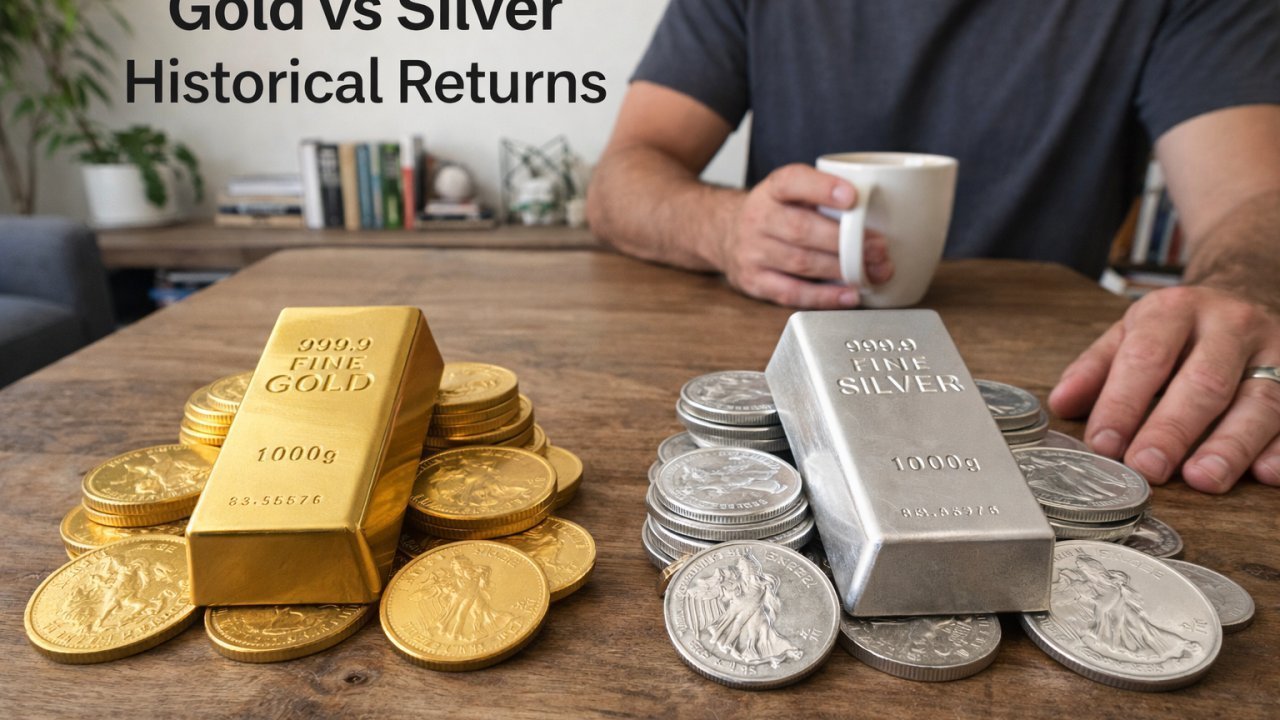
Beyond Gold: The Growing Allure of Silver in Kolhapur
While gold remains the traditional cornerstone of investment portfolios across Kolhapur—deeply rooted in our local culture and festive gifting—a significant shift is emerging in the local bullion market. Savvy investors in the city are increasingly turning to silver as a strategic, high-growth alternative. Unlike gold, which is often viewed as a static wealth preservation tool, silver is witnessing a surge in demand driven by both its affordability for small-ticket retail investors and its critical role in modern industrial applications. From the bustling jewelry lanes of Mahadwar Road to the growing interest in silver bars for long-term portfolio diversification, the white metal is shedding its image as a mere secondary asset.
For Kolhapur’s investors, the current market dynamics present a unique window. Silver prices tend to exhibit higher volatility compared to gold, which, while risky, offers substantial upside potential during economic cycles of recovery. As local demand for silver artifacts and investment-grade coins grows, liquidity in the Kolhapur market has improved significantly, making it easier for residents to enter and exit positions without the heavy premiums often associated with smaller gold denominations. Whether you are looking to hedge against inflation or seeking an entry point into precious metals with a lower capital barrier, silver is proving to be far more than just "the poor man’s gold" in our region.
Key Takeaway: Silver is evolving from a traditional cultural accessory into a robust investment vehicle for Kolhapur residents; consider allocating a portion of your portfolio to silver if you are looking for higher growth potential and greater liquidity than gold currently offers.
Beyond Gold: The Growing Allure of Silver in Kolhapur
While gold remains the traditional cornerstone of investment in Kolhapur’s vibrant jewelry markets, local investors are increasingly diversifying their portfolios with silver. As global industrial demand for silver surges—driven largely by the electronics and green energy sectors—Kolhapur’s savvy investors are viewing the white metal as a high-potential hedge against market volatility. With the city’s historic reliance on agricultural prosperity and the steady growth of its local manufacturing hubs, there is a renewed interest in silver not just as an ornamental asset, but as a strategic financial instrument.
Market observers in the Mahadwar Road and Shahupuri jewelry districts note that silver’s lower entry price point makes it an exceptionally accessible option for younger investors looking to build wealth incrementally. Unlike gold, which is often treated as a long-term "hold-and-forget" asset, silver’s inherent volatility is being leveraged by Kolhapur’s traders to capture short-term gains. Furthermore, as the festive and wedding seasons approach, the demand for silver artifacts and investment bars consistently tightens supply, often leading to localized price premiums that benefit those who entered the market early.
For those looking to balance their portfolios, silver offers a unique dual-utility profile: it acts as both a precious metal store of value and an industrial commodity. As local economic indicators in the Kolhapur region continue to evolve, integrating silver into one's investment strategy provides a tactical layer of protection that gold alone may not offer in a fluctuating economic climate.
Key Takeaway: Silver is gaining traction in Kolhapur as a strategic, low-entry-cost investment that offers a dual advantage of industrial demand-driven growth and portfolio diversification, making it a compelling alternative to gold for modern local investors.
GST on Gold: What Every Buyer in Kolhapur Needs to Know
For gold enthusiasts in Kolhapur, from the bustling lanes of Mahadwar Road to the traditional jewelry hubs near the Mahalaxmi Temple, understanding the tax structure is as vital as checking the daily purity rates. In India, the purchase of gold bullion, coins, and jewelry attracts a Goods and Services Tax (GST) of 3%, which is applied to the final invoice value. Additionally, a 5% GST is levied on the making charges—the labor cost associated with crafting intricate Kolhapuri Saaj or Thushi necklaces. It is essential for buyers to understand that this tax is non-negotiable and mandated by central regulations, ensuring transparency across the organized bullion market.
While the 3% headline rate remains constant, the impact on your wallet can vary depending on the craftsmanship. Because the GST on making charges is separate, opting for highly ornate, hand-carved pieces will naturally result in a slightly higher overall tax burden compared to plain gold bars or coins. We advise all local buyers to ensure their jeweler provides a GST-compliant invoice that clearly itemizes the gold price, the making charges, and the respective tax components. This not only guarantees the authenticity of your purchase but also simplifies the process should you decide to exchange or sell your jewelry at a later date within the formal market.
Key Takeaway: Always verify that your jeweler’s bill clearly separates the 3% GST on gold and the 5% GST on making charges; this transparency is your best protection against overcharging and ensures you are investing in genuine, hallmarked jewelry.
Navigating Gold Price Variations: The Kolhapur Advantage
For investors and jewelry enthusiasts in Kolhapur, keeping a pulse on local gold rates is essential, as prices here often diverge from major metropolitan hubs like Mumbai, Chennai, or Delhi. While gold is a globally traded commodity, the final retail price in Kolhapur is heavily influenced by regional logistics, local demand surges during festive seasons like Gudi Padwa and Diwali, and the specific cost structures maintained by the city’s prominent bullion associations.
Unlike the high-overhead retail environments found in Tier-1 cities, Kolhapur’s gold market often benefits from a localized supply chain. Jewelers in the region frequently source directly from major bullion centers, which can sometimes lead to more competitive making charges compared to the exorbitant premiums often seen in larger metros. However, because Kolhapur acts as a vital trade link for the surrounding districts, local prices are highly reactive to supply bottlenecks. When transport costs fluctuate or regional demand spikes—driven by the city’s thriving agricultural and industrial economy—Kolhapur may occasionally see a slight premium over the national spot rate. Savvy buyers should always compare these local rates against the national average to ensure they are securing the best value for their investment.
Key Takeaway: While Kolhapur’s gold prices generally track the national trend, local supply-demand dynamics and lower overhead costs often make it a favorable market for retail buyers; always verify the daily local rate before finalizing your purchase to leverage regional pricing advantages.