Welcome to your comprehensive guide to understanding gold in Vasai-Virar. As a rapidly developing twin city in the Palghar district, Vasai-Virar holds a significant place in the economic landscape of Maharashtra. Gold, deeply intertwined with Indian culture and investment habits, is a highly sought-after commodity here. Whether you are looking to purchase gold for an auspicious occasion, as a sound investment, or simply to understand its market dynamics, this guide aims to provide valuable insights tailored for residents and investors in the Vasai-Virar region. We will delve into local pricing nuances, top jewellers, storage solutions, and the critical aspects of gold taxation and investment instruments like Sovereign Gold Bonds.
Why is gold price different in Vasai-Virar?
The price of gold in Vasai-Virar, like any other city in India, can vary slightly from the national average or even from nearby metropolitan areas like Mumbai. Several factors contribute to these localized differences. Firstly, transportation costs play a role; bringing gold from major import hubs to Vasai-Virar incurs logistical expenses. Secondly, local demand and supply dynamics can influence prices. During peak wedding seasons or festivals, higher local demand might lead to minor price adjustments. Thirdly, operational overheads of individual jewellers, including rent, staff salaries, and security, can vary, impacting their pricing strategies, especially concerning making charges. Finally, while the base price is largely uniform across the country, minor variations due to local taxes or specific market conditions can exist, though these are usually minimal.
Which area or shop is famous for low making charges in Vasai-Virar?
Finding jewellers with low making charges in Vasai-Virar requires a bit of research and negotiation. While no single "famous" area might exclusively offer the lowest making charges, generally, smaller, independent jewellers or those located in less prime commercial areas might offer more competitive rates compared to large chain stores. Areas like Vasai Gaon, Virar East, and Nalasopara often have a mix of established and smaller jewellers.
- Independent Jewellers: These shops often have lower overheads and might be more willing to negotiate on making charges, especially for plain gold jewellery.
- Reputation and Transparency: Look for jewellers who are transparent about their making charge calculations, which can be a percentage of the gold value or a per-gram rate.
- Negotiation: Do not hesitate to negotiate, particularly for significant purchases. Comparing rates from 2-3 different jewellers is always advisable to secure the best deal.
- Special Offers: During festive seasons, some jewellers might announce special discounts on making charges.
It's crucial to prioritize transparency and hallmarking even when seeking lower making charges to ensure the purity and authenticity of your gold.
Why do gold prices change daily?
Gold prices are highly dynamic and fluctuate daily, sometimes even hourly, due to a complex interplay of global and national factors. At the core, gold is a global commodity, and its price is determined by international markets.
- Global Demand and Supply: Changes in global mining output, central bank purchases or sales, and investment demand (from ETFs, mutual funds, etc.) directly impact prices.
- USD-INR Exchange Rate: In India, gold is imported, and its international price is denominated in US Dollars. A weaker Indian Rupee against the US Dollar makes imported gold more expensive in INR terms, even if the international dollar price remains constant.
- Geopolitical Events: Gold is often considered a "safe haven" asset. Political instability, wars, economic crises, or major global events tend to drive investors towards gold, pushing its prices up.
- Interest Rates and Monetary Policy: Rising interest rates can make other investments (like bonds) more attractive, potentially reducing demand for gold. Conversely, lower interest rates or quantitative easing policies often boost gold's appeal.
- Inflation Expectations: Gold is seen as a hedge against inflation. When inflation is expected to rise, investors often turn to gold, increasing its price.
These factors constantly shift, leading to the daily variations observed in gold rates in Vasai-Virar and across the globe.
Gold rates in Vasai-Virar (22 karat): How do prices change?
When you purchase gold in Vasai-Virar, particularly the popular 22-karat variety (91.6% purity), the final price you pay is a composite of several elements. Understanding these components helps in deciphering the daily rates:
- Base Gold Price: This is the international gold rate converted into Indian Rupees, factoring in the USD-INR exchange rate. This forms the fundamental cost of gold.
- Import Duty: The Indian government levies an import duty on gold to regulate its inflow and protect domestic markets. This duty is added to the base price.
- Goods and Services Tax (GST): A 3% GST is applied to the value of the gold (base price + import duty). Additionally, a 5% GST is applied to the making charges.
- Making Charges: This is the cost of crafting raw gold into jewellery. It can vary significantly based on the complexity of the design, the jeweller's brand, and local market practices. It's usually a percentage of the gold value (e.g., 8-25%) or a flat rate per gram.
- Local Jeweller Margins: Each jeweller adds a small margin to cover their operational costs and profit.
So, the daily gold rate you see advertised is primarily the base gold price plus import duty and GST on gold, to which making charges and their respective GST are added when you buy a finished product.
Gold and hallmarking centres in Vasai-Virar.
Hallmarking is crucial for ensuring the purity and authenticity of gold jewellery. In India, the Bureau of Indian Standards (BIS) is the authority responsible for hallmarking. A BIS hallmark on gold jewellery guarantees that the gold conforms to the declared purity level. When purchasing gold in Vasai-Virar, always insist on BIS-hallmarked jewellery.
A BIS hallmark consists of four components:
- BIS Logo: The triangular mark of the BIS.
- Purity in Carat and Fineness: E.g., 22K916 for 22-karat gold (91.6% purity), 18K750 for 18-karat gold (75% purity).
- Assaying and Hallmarking Centre's Mark/Number: The logo of the centre where the gold was assayed and hallmarked.
- Jeweller's Identification Mark: The logo or mark of the jeweller.
While Vasai-Virar might not have a dedicated BIS hallmarking centre within the twin city limits, jewellers in the region send their gold to accredited assaying and hallmarking centres in nearby Mumbai or Thane for certification. Always purchase from reputable jewellers who exclusively sell BIS-hallmarked gold, thus ensuring peace of mind regarding your investment.
Top Jewellers in Vasai-Virar.
Vasai-Virar is home to a mix of national jewellery chains and trusted local establishments, offering a wide range of designs and services. When choosing a jeweller, consider their reputation, transparency, and the availability of BIS-hallmarked products.
Some of the prominent jewellers you can find or expect to find in Vasai-Virar, or easily accessible from it, include:
- Tanishq: A renowned national brand from the Tata Group, known for its extensive range of designs, ethical sourcing, and transparent pricing.
- Kalyan Jewellers: Another major national player with a vast collection, popular for its traditional and contemporary designs.
- Malabar Gold & Diamonds: Known for its diverse range, international presence, and customer-centric policies.
- PC Jeweller: A prominent name in North India, expanding its footprint, offering various gold and diamond jewellery.
- Local Reputable Jewellers: Beyond the national chains, Vasai-Virar also has several well-established local jewellers who have built trust over years with their community. These often include names like G. R. Thorat Jewellers, Vaman Hari Pethe Jewellers, Waman Hari Pethe Sons (though these might be in nearby major cities, they serve the region) or other regional chains and independent shops with a strong local presence. It is advisable to check local listings and customer reviews for these.
Always verify the jeweller's credibility, check for hallmarking, and compare designs and making charges before making a significant purchase.
Supply pressures pushing prices up.
The global supply of gold is finite, and various factors can exert pressure on this supply, leading to upward price movements.
- Declining Mine Production: Gold mining is a complex and capital-intensive process. Discoveries of new, high-yield gold deposits are becoming rarer, and existing mines face challenges like deeper extraction, rising operational costs, and environmental regulations, leading to a plateau or even decline in global mine output.
- Geopolitical Instability: Regions rich in gold deposits often face political instability or conflicts, which can disrupt mining operations and supply chains. This directly impacts the availability of raw gold in the market.
- Increased Central Bank Demand: Central banks globally often hold gold as part of their foreign exchange reserves. Increased buying by central banks, especially during times of economic uncertainty, can significantly tighten the available supply.
- Investment Demand: When economic forecasts are gloomy or inflation is high, investors flock to gold as a safe haven. This surge in investment demand, coupled with limited new supply, inevitably pushes prices higher.
- Recycling Limitations: While gold recycling contributes to supply, it's not always enough to offset deficits from mine production or meet surging demand.
These supply-side pressures, combined with robust demand, create a strong upward momentum for gold prices in markets like Vasai-Virar.
How to store gold in Vasai-Virar?
Securely storing your gold is paramount, especially considering its value. Residents of Vasai-Virar have several options:
- Bank Lockers: This is one of the most popular and secure methods. Banks in Vasai-Virar offer locker facilities where you can store your physical gold jewellery or bars. While secure, there's an annual fee, and access is limited to banking hours. It's important to note that contents of lockers are generally not insured by the bank.
- Home Safes: For smaller quantities or frequently used jewellery, a well-secured home safe can be an option. However, this carries risks of theft, especially if the safe is not professionally installed or is easily accessible. Ensure your home insurance policy covers gold stored at home.
- Digital Gold: This allows you to buy and sell gold in fractions, stored in insured vaults by providers like MMTC-PAMP or Augmont. You don't hold physical gold, eliminating storage concerns. This is popular for small investments.
- Gold Exchange Traded Funds (ETFs): These are investment funds that hold physical gold. You buy units of the ETF through a demat account, and each unit represents a certain weight of gold. There are no physical storage worries, and they offer liquidity.
- Sovereign Gold Bonds (SGBs): Issued by the Reserve Bank of India on behalf of the government, SGBs are government securities denominated in grams of gold. They are held in demat form, offer an annual interest, and eliminate all storage risks and costs.
The best storage method depends on the quantity of gold, its purpose (investment vs. wear), and your comfort level with digital vs. physical assets.
Gold vs Real Estate in Vasai-Virar.
Both gold and real estate are traditional investment avenues in India, including Vasai-Virar, each with distinct characteristics:
- Liquidity: Gold is highly liquid; it can be quickly converted into cash at market rates. Real estate, conversely, is illiquid; selling property can take months, sometimes even years.
- Capital Appreciation: Both can offer capital appreciation. Real estate in developing areas like Vasai-Virar has historically shown significant appreciation due to urbanization and infrastructure development. Gold's appreciation is driven by global economic factors and safe-haven demand.
- Income Generation: Real estate can generate rental income, providing a steady cash flow. Gold, in its physical form, does not generate income, although SGBs offer interest.
- Maintenance & Costs: Real estate involves significant maintenance costs (property taxes, repairs, society charges). Physical gold has storage costs (bank locker fees) and making charges upon purchase. Digital gold and SGBs have minimal to no storage costs.
- Market Volatility: Gold prices can be volatile daily due to global factors. Real estate market fluctuations tend to be slower but can also be significant.
- Ticket Size: Gold can be bought in small denominations (even grams), making it accessible to all. Real estate requires a much larger initial investment.
For investors in Vasai-Virar, diversifying across both assets often provides a balanced portfolio, leveraging the stability and income potential of real estate with the liquidity and inflation-hedging properties of gold.
What is a Sovereign Gold Bond?
The Sovereign Gold Bond (SGB) scheme, launched by the Government of India in 2015, is an innovative way to invest in gold without holding it physically. These bonds are government securities denominated in grams of gold, issued by the Reserve Bank of India (RBI) on behalf of the Government.
Key features of SGBs:
- No Physical Gold: You do not hold physical gold, eliminating storage costs and risks of theft or purity concerns.
- Annual Interest: Investors receive a fixed interest rate (currently 2.50% per annum) on the initial investment amount, paid semi-annually.
- Market-Linked Returns: The redemption price of the bond is linked to the market price of gold at the time of maturity, allowing investors to benefit from gold price appreciation.
- Government Backing: As government securities, SGBs carry sovereign guarantee, making them extremely safe.
- Tax Benefits: The interest earned on SGBs is taxable, but the capital gains on redemption after 8 years are exempt from tax.
- Demat Form: SGBs are held in dematerialized form, similar to shares, making them easy to trade (after a lock-in period) and manage.
- Tenure: The bonds have a maturity period of 8 years, with an exit option from the 5th year onwards.
SGBs are an excellent option for long-term investors in Vasai-Virar looking for exposure to gold with added benefits of interest income and tax efficiency, without the hassles of physical gold.
Taxation of gold in Vasai-Virar.
Understanding the tax implications of buying, selling, and owning gold in Vasai-Virar is crucial for investors. Gold taxation falls under various categories in India:
- Goods and Services Tax (GST): When you purchase gold jewellery, coins, or bars, a 3% GST is levied on the value of the gold. Additionally, a 5% GST is applied to the making charges of jewellery.
- Capital Gains Tax on Sale of Physical Gold:
- Short-Term Capital Gains (STCG): If physical gold is sold within 3 years of purchase, the profit is added to your total income and taxed as per your applicable income tax slab rates.
- Long-Term Capital Gains (LTCG): If physical gold is sold after 3 years of purchase, the profit is taxed at a rate of 20% with the benefit of indexation.
- Taxation of Sovereign Gold Bonds (SGBs):
- Interest Income: The 2.50% annual interest received on SGBs is taxable as per your income tax slab rates.
- Capital Gains on Redemption: Capital gains arising from the redemption of SGBs at maturity (after 8 years) are exempt from tax. This is a significant advantage over physical gold.
- Capital Gains on Transfer/Sale: If SGBs are sold on the secondary market before maturity, capital gains tax rules (STCG/LTCG) similar to physical gold apply, but LTCG may also qualify for indexation benefits.
- Wealth Tax (Abolished): Wealth tax on gold was abolished in India from April 1, 2015. However, there are limits on how much unaccounted gold an individual can hold without attracting scrutiny during income tax raids.
It is always advisable to consult a financial advisor or tax expert for personalized guidance on gold taxation, especially for large transactions or complex investment scenarios.
This guide aims to equip residents of Vasai-Virar with comprehensive knowledge about gold, from its daily price fluctuations to investment avenues and taxation. Gold remains a timeless asset, and informed decisions can help you leverage its value effectively in the dynamic market of Vasai-Virar.
Smart Investing: Why Vasai-Virar Residents are Shifting from Physical Gold to SGBs
As gold prices continue to fluctuate, savvy investors across the Vasai-Virar region are increasingly looking beyond the traditional jewelry store counter. While the cultural affinity for physical gold remains strong in our bustling suburbs, Sovereign Gold Bonds (SGBs) issued by the Reserve Bank of India are rapidly becoming the preferred vehicle for wealth preservation. Unlike physical jewelry, which often incurs heavy making charges—frequently ranging from 10% to 20% in local shops—SGBs are issued at the prevailing market price with zero fabrication costs, ensuring your entire capital is invested in the metal itself.
For residents balancing the fast-paced lifestyle of the Mumbai Metropolitan Region, SGBs offer a distinct logistical advantage. Beyond the inherent security of avoiding home storage risks, SGBs eliminate the persistent worry of theft or the need for expensive bank lockers. Furthermore, the government provides an additional annual interest payout of 2.5%, a feature that physical gold simply cannot match. This creates a dual-benefit scenario where your investment appreciates alongside global gold prices while providing a steady, secondary income stream—a sophisticated strategy for those looking to hedge against inflation without the overheads of physical maintenance.
Key Takeaway: By opting for SGBs, you bypass the hidden costs of making charges and locker fees, while earning a guaranteed 2.5% annual interest on top of capital appreciation, making it the most cost-effective way to hold gold in your portfolio.
Smart Investing: Why Vasai-Virar Residents are Shifting to Sovereign Gold Bonds
For residents of Vasai-Virar, where the tradition of buying physical gold for weddings and festivals runs deep, the investment landscape is undergoing a significant transformation. While the charm of a gold necklace from a local jeweler remains timeless, savvy investors in our region are increasingly turning to Sovereign Gold Bonds (SGBs) as a superior wealth-building tool. Unlike physical gold, which brings the perennial headache of high making charges—often ranging from 10% to 20%—and the constant anxiety over safe storage, SGBs offer a streamlined, digital alternative.
By opting for SGBs, investors in Vasai and Virar bypass the "making charges" trap entirely. Furthermore, SGBs provide a guaranteed annual interest rate of 2.5%, paid semi-annually, which acts as a passive income stream that physical gold simply cannot offer. Because these bonds are issued by the Reserve Bank of India, there is zero risk of purity dilution or theft, effectively eliminating the need for expensive bank lockers or home security solutions.
From the bustling markets near Virar station to the growing residential hubs in Vasai West, the shift toward SGBs represents a move toward financial sophistication. By holding gold in a dematerialized format, you not only capture the appreciation of global gold prices but also enjoy tax efficiency—if held until maturity, the capital gains are completely tax-exempt for individuals. In an era where security and returns are paramount, SGBs are fast becoming the gold standard for the modern Vasai-Virar investor.
Key Takeaway: Transitioning from physical gold to Sovereign Gold Bonds allows you to eliminate making charges, earn a 2.5% annual interest, and enjoy tax-free capital gains—all while bypassing the costs and risks of physical storage.
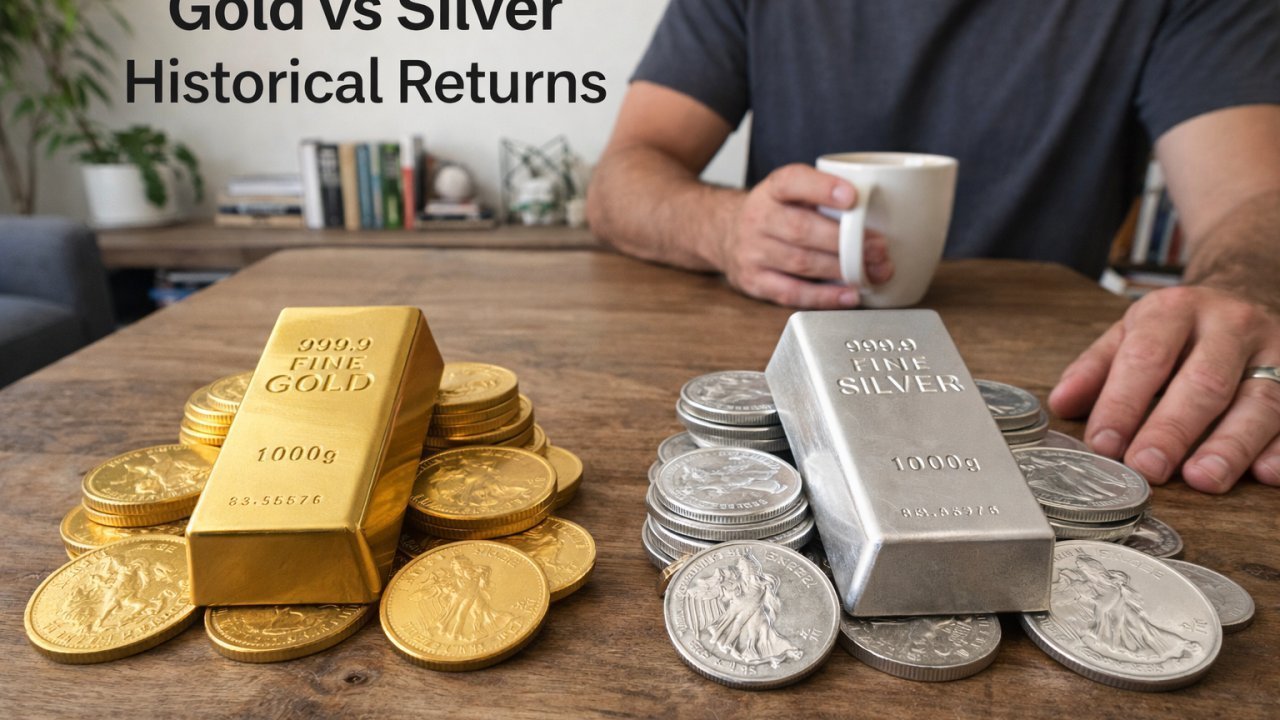
Beyond Gold: The Growing Allure of Silver in Vasai-Virar
While gold remains a cultural cornerstone in Vasai-Virar’s vibrant jewelry markets, a significant shift is underway among local investors. As gold prices reach historic highs, many residents in the region—from the bustling commercial hubs of Virar West to the expanding residential pockets of Vasai East—are increasingly viewing silver as a strategic, high-potential alternative. Unlike gold, which is often purchased for long-term family wealth, silver is gaining traction as an agile investment vehicle, favored for its lower entry barrier and its dual role as both an industrial commodity and a precious metal.
Local market analysts observe that the rising demand for silver in Vasai-Virar is being driven by younger professionals and small-scale investors who appreciate the metal’s higher volatility, which often translates into quicker price appreciation during bullish cycles. Furthermore, the uptick in silver demand is being bolstered by a localized resurgence in artisanal jewelry and high-end silverware, which serves as a hedge against the price fatigue currently surrounding gold. For those looking to diversify their portfolios without committing the heavy capital required for gold bullion, silver offers a tactical balance of affordability and long-term industrial demand.
As the Vasai-Virar region continues to evolve into a key suburban economic center, the accessibility of silver bars and coins from reputable local jewelers has made it easier than ever for residents to enter the precious metals market. While silver prices are subject to greater market swings than gold, their current trajectory suggests a promising opportunity for those looking to build a multi-asset precious metal strategy tailored to the local economic landscape.
Key Takeaway: Silver is emerging as a savvy, budget-friendly alternative to gold in Vasai-Virar; it offers investors a lower entry point and distinct growth potential driven by both industrial demand and local market trends, making it an ideal tool for portfolio diversification.
Smart Investing: Why Vasai-Virar Residents are Shifting from Physical Gold to SGBs
For gold buyers in the bustling corridors of Vasai and Virar, the traditional allure of physical jewelry remains strong, often deeply rooted in cultural sentiment. However, a growing segment of local investors is recalibrating their portfolios toward Sovereign Gold Bonds (SGBs). Unlike the gold bangles or chains purchased from local jewelers in Virar West or Vasai East, SGBs eliminate the two biggest friction points for the average household: the burden of making charges and the persistent anxiety regarding safe storage. With the rising incidents of residential break-ins across expanding urban pockets, holding digital gold provides a level of security that a home locker simply cannot match.
Beyond security, SGBs offer a distinct financial edge that physical gold lacks: an annual interest payout. While physical gold sits idle in a vault, SGBs act as a productive asset, yielding a fixed interest rate—currently 2.5% per annum—credited directly to your bank account. For residents managing the rising cost of living in the Mumbai Metropolitan Region, this dual benefit of capital appreciation linked to market gold prices plus a steady passive income is becoming an increasingly attractive proposition. Furthermore, since SGBs are issued by the Reserve Bank of India, they are backed by the sovereign guarantee, removing the risk of purity concerns often associated with local market fluctuations.
Key Takeaway: By transitioning from physical gold to Sovereign Gold Bonds, Vasai-Virar investors can bypass making charges, eliminate storage risks, and earn an additional 2.5% annual interest, making SGBs a superior wealth-building tool compared to traditional jewelry or bullion.
Digital Gold: Is it a Smart Choice for Vasai-Virar Investors?
As the bustling corridors of Vasai and Virar continue to evolve into a prime residential and commercial hub, local investors are increasingly looking beyond physical jewellery and coins. Digital gold has emerged as a compelling alternative, offering residents the convenience of investing in 24-karat gold through mobile apps and platforms without the immediate concerns of secure storage or the risk of theft. For a busy commuter navigating the local trains or a business owner in the Nalasopara-Virar belt, the ability to accumulate gold in fractions—sometimes for as little as ₹100—provides a flexible way to hedge against inflation.
However, safety remains the top priority for any investor. When choosing a platform, Vasai-Virar residents should ensure the digital gold is backed by physical reserves stored in insured vaults by reputable refineries. It is essential to verify that the platform offers transparency regarding the purity of the gold and provides an easy exit strategy, allowing you to either sell your holdings at live market rates or convert them into physical coins delivered to your doorstep. While digital gold eliminates the "making charges" associated with traditional jewellery, always remain vigilant against unregulated apps; stick to platforms backed by established banks or SEBI-regulated entities to ensure your assets are protected.
Key Takeaway: Digital gold is a secure, highly liquid investment for Vasai-Virar residents if purchased through reputable, regulated platforms that guarantee 1:1 physical backing and transparent storage insurance.
Vasai-Virar Gold Update: Anticipating the Wedding Season Sparkle
As the festive season winds down, all eyes in Vasai-Virar turn towards the eagerly awaited wedding season. For local families, gold remains an indispensable part of matrimonial celebrations, symbolizing prosperity, tradition, and a secure investment for the couple's future. With gold prices exhibiting a degree of stability after recent fluctuations, many prospective buyers are now carefully planning their purchases, seeking both value and exquisite designs for the upcoming auspicious dates.
This year, we anticipate a fascinating blend of trends in Vasai-Virar's gold market. While the timeless allure of 22K traditional bridal sets, including intricate necklaces, bangles, and *mangalsutras*, continues to dominate, there's a growing inclination towards versatile and lighter-weight pieces. Brides and their families are increasingly opting for statement pieces that can be repurposed for other occasions, alongside classic heirloom designs. Local jewellers are observing demand for customizable options and pieces that reflect both regional Maharashtrian aesthetics and contemporary chic, catering to the diverse cultural tapestry of our twin cities.
For those planning wedding gold purchases in Vasai-Virar, it's advisable to stay attuned to daily price movements and consider early bookings or staggered purchases to mitigate potential price shifts. Engaging with trusted local jewellers who understand the specific preferences and cultural nuances of the Vasai-Virar community can provide invaluable guidance, ensuring you find the perfect blend of tradition, trend, and value for your special day.
Key Takeaway: Vasai-Virar's wedding season gold market will see a strong demand for 22K traditional pieces, balanced with a rising interest in versatile, lighter designs; early planning and local expert consultation are key.
Wedding Season Outlook: Navigating Gold Demand in Vasai-Virar
As the wedding season approaches, the bustling jewelry corridors of Vasai and Virar are bracing for a surge in demand. With the auspicious dates fast approaching, local jewelers are reporting a shift in consumer behavior. Unlike previous years, where buyers primarily focused on traditional heavy sets, current trends in the region show a rising preference for lightweight, versatile gold jewelry that blends contemporary aesthetics with traditional craftsmanship. This trend is driven largely by the younger demographic in Vasai-Virar who are looking for pieces that offer both investment value and daily wearability.
Market analysts observe that gold prices in the region remain sensitive to global economic cues, yet the localized demand—spurred by the high volume of weddings in the Palghar district—often creates a unique price floor. For those planning their festive purchases, the current market climate suggests that waiting for the peak wedding rush might lead to higher premiums due to increased labor and making charges. Local experts recommend keeping a close eye on daily price fluctuations and considering staggered purchases rather than waiting for the eleventh hour, as inventory levels for high-demand, intricate designs often tighten as the season reaches its zenith.
Key Takeaway: To maximize value during the upcoming wedding season, prioritize purchasing your gold jewelry early to avoid peak-season making charges, and focus on lightweight, multifunctional designs that are currently trending among Vasai-Virar’s modern bridal shoppers.
Strategic Timing: Optimizing Your Gold Purchase in Vasai-Virar
For residents of Vasai-Virar looking to make a prudent investment in gold, timing is as critical as the purity of the metal itself. While local jewelers in bustling hubs like Vasai West station road and Virar East often adjust their digital price boards in sync with the Multi Commodity Exchange (MCX) of India, the "best" time to walk into a showroom is typically during the mid-afternoon lull, between 2:00 PM and 4:00 PM. During these hours, the initial morning volatility of the bullion market has usually settled, and shop footfall is lower, providing you with the undivided attention of store managers—an essential advantage when negotiating making charges or discussing craftsmanship premiums.
Furthermore, savvy buyers in the region should pay close attention to the mid-week trends. Market analysts observe that retail gold prices in Maharashtra often experience a "correction phase" on Tuesdays and Wednesdays, following the high-energy trading activity typically seen on Mondays. By monitoring the real-time price fluctuations on our platform before heading out, you can avoid the premium surges that often occur during peak festive seasons or late-evening rush hours. Aligning your visit with these quieter, price-stabilized windows not only ensures a more relaxed shopping experience but often leads to more favorable final pricing as jewelers look to maintain steady daily turnover.
Key Takeaway: To secure the best deal in Vasai-Virar, monitor live MCX updates mid-morning and aim to visit your preferred jeweler between 2:00 PM and 4:00 PM on a Tuesday or Wednesday to benefit from market stability and enhanced negotiation leverage.
GST on Gold: What Every Buyer in Vasai-Virar Needs to Know
For gold buyers across the bustling markets of Vasai and Virar, understanding the Goods and Services Tax (GST) structure is essential to ensuring you get the best value for your investment. Currently, gold purchases in India attract a 3% GST on the value of the metal, plus an additional 5% GST on the making charges. As you navigate the popular jewelry hubs from Virar West to Vasai East, it is vital to remember that these taxes are mandatory and must be clearly reflected as a separate line item on your official invoice.
While the tax rate remains uniform across the country, local market dynamics in the Vasai-Virar region often see price fluctuations based on daily international spot rates and currency volatility. When visiting your preferred local jeweler, always verify that the GST is calculated on the final bill amount—including the making charges—rather than just the raw gold price. Being informed about this breakdown not only protects you from potential overcharging but also ensures that your purchase is fully documented, which is crucial for future resale or exchange value.
Key Takeaway: Always insist on a GST-compliant invoice that explicitly separates the 3% tax on the gold value and the 5% tax on making charges; this transparency is your best defense against hidden costs and ensures your investment is legally secure.
Vasai-Virar Gold Update: Unlocking Value Through Recycling & Refining
As gold prices continue their dynamic movements, residents of Vasai-Virar have a unique opportunity to not just track rates but also to leverage their existing gold assets. Beyond purchasing new pieces, a significant and often overlooked avenue for value is the recycling and refining of old, unused, or broken gold jewellery. This trend is gaining considerable traction across our twin cities, transforming how we interact with our precious metal holdings.
Vasai-Virar's vibrant jewellery market is increasingly recognizing the potential in gold recycling. Local jewellers and specialized gold refiners now offer streamlined services, allowing you to convert your dormant gold into instant cash or exchange it for new designs. This isn't just about immediate financial gain; it's also a sustainable practice, reducing the demand for newly mined gold and supporting a circular economy right here in our community. When choosing a service, always look for transparency in valuation and purity assessment, ensuring you receive the best market rate for your 18K, 22K, or 24K gold.
The convenience and reliability of these local services mean that unlocking the value in your old gold has never been easier. Whether it's a single earring, a broken chain, or inherited pieces that no longer suit your style, consider exploring the refining options available in Vasai-Virar. It’s a smart financial move that also contributes to responsible resource management within our bustling local economy.
Key Takeaway: In Vasai-Virar, recycling your old gold is a smart, sustainable way to access immediate cash or upgrade your collection, supporting both your personal finances and the local circular economy.