Nanded, a city steeped in spiritual heritage and historical significance in the Marathwada region of Maharashtra, is not just a destination for pilgrims but also a major hub for the gold trade. As the home to the Takhat Sachkhand Sri Hazur Abchalnagar Sahib, the city experiences a unique blend of cultural tradition and economic activity. For the residents and the thousands of visitors who arrive daily, gold is more than just a metal; it is a symbol of security, a token of devotion, and a primary investment vehicle. This comprehensive guide explores the nuances of the gold market in Nanded, providing essential insights for buyers, investors, and enthusiasts.
1. Why is gold price different in Nanded?
If you have ever compared the gold price in Nanded with prices in Mumbai or Pune, you might have noticed a slight disparity. This difference is not arbitrary but is influenced by several local and logistical factors. Firstly, transportation and logistics play a significant role. Since Nanded is located further inland compared to port cities like Mumbai, the cost of transporting physical gold safely involves insurance and security expenses that are eventually passed on to the consumer.
Secondly, the Nanded Saraf Association plays a pivotal role in determining the daily "opening" rate for the city. While they follow national trends, they adjust the price based on local demand and supply levels. Furthermore, state-level taxes and local municipal levies (though largely streamlined under GST) historically influenced these variations. The volume of trade also matters; larger cities with higher turnover can sometimes offer tighter spreads than regional hubs like Nanded.
2. Which area or shop is famous for low making charges in Nanded?
For those looking to get the best value for their money, the Sarafa Bazaar in Nanded is the undisputed destination. Located in the heart of the old city, particularly around the Itwara area, this market is home to hundreds of traditional and modern jewelry showrooms. The competition in Sarafa Bazaar is intense, which often works to the advantage of the customer through lower making charges.
While large national retail chains have established their presence in Nanded, many local family-owned jewelers in the Sarafa Line are famous for their flexibility. Shops like Sharda Jewellers and other traditional "Pedhis" are known for offering competitive making charges, especially on traditional Maharashtrian designs like the Thushi or Putli Haar. To get the lowest charges, it is often recommended to visit during off-peak seasons or negotiate during bulk purchases for weddings. Many smaller artisans in the Itwara lanes also provide custom-made jewelry at significantly lower labor costs compared to high-end boutiques.
3. Why do gold prices change daily?
The daily fluctuation of gold prices in Nanded is a reflection of a complex global financial ecosystem. The primary driver is the international market rate, often dictated by the London Bullion Market Association (LBMA) and the COMEX in New York. Since India imports the vast majority of its gold, any shift in global prices immediately impacts local rates.
Another critical factor is the USD-INR exchange rate. Gold is traded internationally in US Dollars. If the Indian Rupee weakens against the Dollar, the cost of importing gold increases, leading to higher prices in Nanded even if the global gold price remains stable. Additionally, central bank policies and interest rate decisions by the US Federal Reserve influence investor behavior. When interest rates rise, gold (which yields no interest) typically becomes less attractive, causing prices to dip, and vice versa. Local factors like the onset of the wedding season or festivals like Diwali and Gudi Padwa also create temporary surges in Nanded’s local market prices.
4. Gold rates in Nanded (22 karat): How do prices change?
In Nanded, 22 karat gold is the standard for jewelry. It consists of 91.6% pure gold mixed with 8.4% of other metals like copper or zinc to provide durability. The price of 22k gold is always lower than 24k (99.9% pure) gold. The price change for 22k gold usually follows a "per gram" calculation based on the morning's bullion fix.
Prices in Nanded typically update twice a day—once in the morning and sometimes in the afternoon if there is significant global volatility. During the Kharif harvest season, when farmers in the surrounding Nanded district receive payments for their crops (like cotton and soyabean), there is a localized surge in demand. This "rural demand" can sometimes keep Nanded's 22k gold rates firm even when national demand is tepid. Consumers should monitor the IBJA (Indian Bullion and Jewellers Association) rates as a benchmark before visiting local Nanded showrooms.
5. Gold and hallmarking centres in Nanded.
The Bureau of Indian Standards (BIS) has made hallmarking mandatory for gold jewelry to protect consumers from adulteration. In Nanded, the awareness of hallmarked gold has grown significantly. A hallmark consists of the BIS logo, the purity (e.g., 22K916), and a unique HUID (Hallmark Unique Identification) number.
Nanded has several BIS-recognized Assaying and Hallmarking Centres that serve the local jewelry community. These centers use X-ray Fluorescence (XRF) machines to test the purity of the metal without damaging it. When buying gold in Nanded, always insist on seeing the HUID through a magnifying glass. Most reputable shops in the VIP Road and Sarafa Bazaar areas now exclusively stock hallmarked items. This ensures that when you decide to resell or exchange your gold in the future, you receive the full value based on its declared purity.
6. Top Jewellers in Nanded.
Nanded hosts a mix of legendary local names and modern national brands. Some of the top jewellers that have earned the trust of the local population include:
- Sharda Jewellers: One of the most prominent names in Nanded, known for a vast collection and long-standing reputation.
- P.N. Gadgil (PNG) Sons: A renowned Maharashtra-based brand that brings standardized pricing and contemporary designs to the city.
- Waman Hari Pethe Jewellers: Famous for traditional Maharashtrian jewelry and high-quality craftsmanship.
- Local Sarafa Line Shops: Numerous established family jewellers in the Itwara and Sarafa area who have served generations of Nanded families.
These showrooms offer a wide variety of products, from 24k gold coins for investment to intricate 22k bridal sets. Many of these top jewellers also offer gold saving schemes, allowing residents to pay monthly installments and purchase gold at the end of the term with discounts on making charges.
7. Supply pressures pushing prices up.
The price of gold in Nanded is often at the mercy of supply-side constraints. Since India is a net importer of gold, any change in import duties by the Central Government directly inflates the price. When the government increases customs duty to control the Current Account Deficit (CAD), the "landed cost" of gold rises, making it more expensive for the common man in Nanded.
Furthermore, global supply disruptions—such as mining strikes in South Africa or geopolitical tensions in Eastern Europe—can limit the availability of physical bullion. In Nanded, during peak wedding seasons, if the local supply from wholesalers in Mumbai or Jalgaon is delayed, local premiums can rise. Additionally, the availability of recycled gold (people selling their old gold) also influences the local supply chain. If fewer people are selling their old ornaments, the reliance on fresh, expensive imported gold increases, pushing prices upward.
8. How to store gold in Nanded?
Safety is a primary concern for gold owners. In Nanded, there are three main ways to store gold:
- Bank Lockers: Most major banks like State Bank of India (SBI), Bank of Maharashtra, and HDFC in Nanded offer locker facilities. This is the most secure method, though it involves an annual rental fee and is subject to bank timings.
- Home Safes: Many households use high-quality fireproof safes. However, this carries higher risks of theft and requires adequate home insurance.
- Digital Gold/SGBs: For those who buy gold purely for investment, storing "paper gold" or "digital gold" is the safest option as it eliminates physical storage risks and costs.
For physical jewelry, it is recommended to keep it in suede-lined boxes or zip-lock bags to prevent scratches and oxidation, especially given Nanded's dry and dusty climate during the summer months.
9. Gold vs Real Estate in Nanded.
Nanded’s economy is growing, leading to a classic debate: Gold or Real Estate? Real estate in areas like VIP Road, CIDCO, and Bhagya Nagar has seen appreciation, but it requires a large capital outlay and is highly illiquid. You cannot sell a "single room" of a house in an emergency.
Gold, on the other hand, offers high liquidity. You can walk into any shop in Sarafa Bazaar and convert your gold into cash within an hour. Gold also acts as a better hedge against inflation. While real estate can offer higher long-term returns, gold is the preferred choice for the middle-class population in Nanded due to its "divisibility"—you can buy as little as 1 gram—and its role as a "crisis commodity" that holds value when other markets crash.
10. What is a Sovereign Gold Bond?
For Nanded investors who want to benefit from gold price appreciation without the hassle of physical storage, the Sovereign Gold Bond (SGB) is an excellent alternative. Issued by the Reserve Bank of India (RBI) on behalf of the Government, these bonds are denominated in grams of gold.
The key advantages of SGBs include a fixed interest rate of 2.5% per annum (paid semi-annually) on the initial investment amount and a complete exemption from Capital Gains Tax if held until maturity (8 years). You can purchase SGBs through your bank branch in Nanded, post offices, or online trading accounts. They eliminate the risk of theft and the cost of making charges, making them the most efficient way to "own" gold in the modern era.
11. Taxation of gold in Nanded.
Understanding the tax implications is crucial for any gold buyer in Nanded. Currently, a 3% GST (Goods and Services Tax) is levied on the value of the gold and the making charges. If you exchange old gold for new jewelry, GST is usually applied to the "value addition" or the difference in price, depending on the jeweler's billing practice.
Regarding Capital Gains Tax, if you sell physical gold after holding it for more than three years, it is classified as Long-Term Capital Gain (LTCG) and taxed at 20% with indexation benefits. Selling before three years attracts Short-Term Capital Gain (STCG) tax based on your income tax slab. Additionally, be aware of the 1% TDS (Tax Deducted at Source) on cash purchases of gold exceeding INR 2 lakh. Always ensure you get a proper "GST Invoice" for your purchase in Nanded to ensure legal compliance and to simplify future resale processes.
Expert Tip: Navigating Nanded’s Gold Market with the BIS Care App
As gold prices in Nanded continue to reflect global market volatility, local buyers in hubs like the historic Sarafa Bazaar and the bustling Itwara area are becoming increasingly tech-savvy. While Nanded has a long-standing tradition of trust with generational family-run jewelers, the modern era of gold buying demands digital verification. The Bureau of Indian Standards (BIS) Care App has emerged as an essential tool for Nanded’s residents, allowing them to instantly authenticate the purity of their ornaments before making a significant financial commitment.
The process is straightforward yet powerful. Every hallmarked gold item now carries a unique 6-digit alphanumeric code known as the HUID (Hallmark Unique ID). By entering this code into the 'Verify HUID' feature of the BIS Care App, buyers in Nanded can access the jeweler's registration details, the exact purity of the gold (such as 22K or 18K), and the specific date the item was hallmarked. This transparency is particularly crucial during peak wedding seasons and festivals like Gudi Padwa or Diwali, where the heavy rush at local showrooms can sometimes lead to oversights in manual documentation.
Beyond purity checks, the app also provides a direct platform to lodge grievances if the quality of the gold does not match the promised standards. For Nanded’s savvy investors, leveraging this technology ensures that their hard-earned money is protected against under-karatage. Whether you are purchasing a traditional Maharashtrian Thushi necklace or modern gold bullion, a quick digital scan provides a layer of security that traditional methods simply cannot match in today's market.
Key Takeaway: Before concluding any purchase in Nanded, use the BIS Care App to verify the 6-digit HUID code; it is the only foolproof way to ensure your gold’s purity aligns with the official hallmarking standards.
Expert Tip: Verifying Gold Purity in Nanded’s Bustling Jewelry Hubs
As Nanded evolves into a prominent commercial center for the Marathwada region, the local gold market—centered around the historic Itwara area and the vibrant markets near the Hazur Sahib Gurudwara—has seen a significant influx of retail buyers. With gold prices experiencing frequent volatility, Nanded’s savvy investors are moving beyond traditional trust-based transactions. The Bureau of Indian Standards (BIS) has empowered local consumers with the BIS Care App, a digital tool that brings transparency to every purchase. Whether you are buying a small coin or heavy bridal jewelry, verifying the hallmark is now an essential step in securing your investment against substandard alloys.
To ensure your gold is authentic, simply locate the Hallmarking Unique ID (HUID) etched on the ornament. By entering this six-digit alphanumeric code into the ‘Verify HUID’ feature of the BIS Care App, you can instantly view the jeweler's registration details, the purity of the metal (such as 22K or 18K), and the specific date it was hallmarked. This is particularly crucial during high-traffic periods like the wedding season or Gudi Padwa, when the sheer volume of trade in Nanded’s showrooms can sometimes lead to administrative errors. The app also features a 'Know Your Standards' section, allowing residents to stay informed about the latest hallmarking regulations and file complaints if the purity does not match the jeweler's claims.
Key Takeaway: Before leaving any jewelry showroom in Nanded, use the BIS Care App to verify the HUID code; it is the most reliable way to ensure that your gold’s purity matches its market price.
Expert Tip: Verifying Your Gold Purchase in Nanded via the BIS Care App
As Nanded continues to evolve as a major trading hub in the Marathwada region, the local gold market—centered around the historic and vibrant Sarafa Bazaar—has seen a significant shift toward digital transparency. While long-standing relationships with family jewelers remain the bedrock of local trade, modern buyers are increasingly prioritizing certified quality over traditional word-of-mouth. With gold prices reaching new thresholds, ensuring you receive the exact karatage you pay for is no longer just about trust; it is about utilizing the regulatory tools provided by the Bureau of Indian Standards (BIS).
To safeguard your investment, the BIS Care App has become an essential companion for Nanded’s residents. Every piece of hallmarked jewelry sold today carries a unique six-digit alphanumeric HUID (Hallmark Unique Identification) code laser-etched onto the metal. By entering this code into the 'Verify HUID' section of the app, you can instantly access the jeweler's registration details, the purity of the gold (such as 22K or 18K), and the specific date the item was hallmarked. This process effectively eliminates the ambiguity often associated with uncertified gold, providing a digital certificate of authenticity right on your smartphone before you finalize your transaction.
Key Takeaway: Before finalizing your purchase in Nanded, always locate the HUID mark on the ornament and verify it through the BIS Care App to ensure the purity matches the current market rates you are paying.
Festival Season Strategy: Navigating the Nanded Gold Market
As the festive season approaches, Nanded’s vibrant jewellery markets—from the bustling lanes of Vazirabad to the established showrooms near the Gurudwara—are bracing for a surge in demand. For residents planning to make significant gold purchases during upcoming auspicious occasions like Dussehra and Diwali, timing and quality assurance are paramount. Given the recent volatility in global bullion rates, local buyers should look beyond the per-gram price and prioritize the total cost of ownership, which includes making charges and hallmarking verification.
In Nanded, the trend is shifting toward "smart buying," where savvy investors are increasingly opting for BIS-hallmarked coins and lightweight, fusion-style jewellery that balances traditional aesthetics with modern investment value. Before finalizing a purchase at your favorite local jeweller, it is advisable to check the daily spot price early in the morning, as Nanded retailers typically update their rate cards based on the opening bullion market trends in Mumbai. Engaging with trusted local artisans who offer transparent breakdowns of 22k (916) gold purity can safeguard your investment against hidden costs.
Furthermore, remember that the festive rush often leads to higher footfall in popular shopping hubs. To avoid the peak-hour premium and ensure you have ample time to compare craftsmanship, consider visiting local boutiques during weekday afternoons. By keeping a close watch on the daily price fluctuations and verifying the HUID (Hallmark Unique Identification) number on your pieces, you ensure that your festive acquisition remains a secure hedge against inflation while honoring our city’s rich cultural traditions.
Key Takeaway: Always verify the BIS Hallmark and HUID before purchase, and aim to track Nanded’s daily morning gold rates to time your festive buying for maximum value.
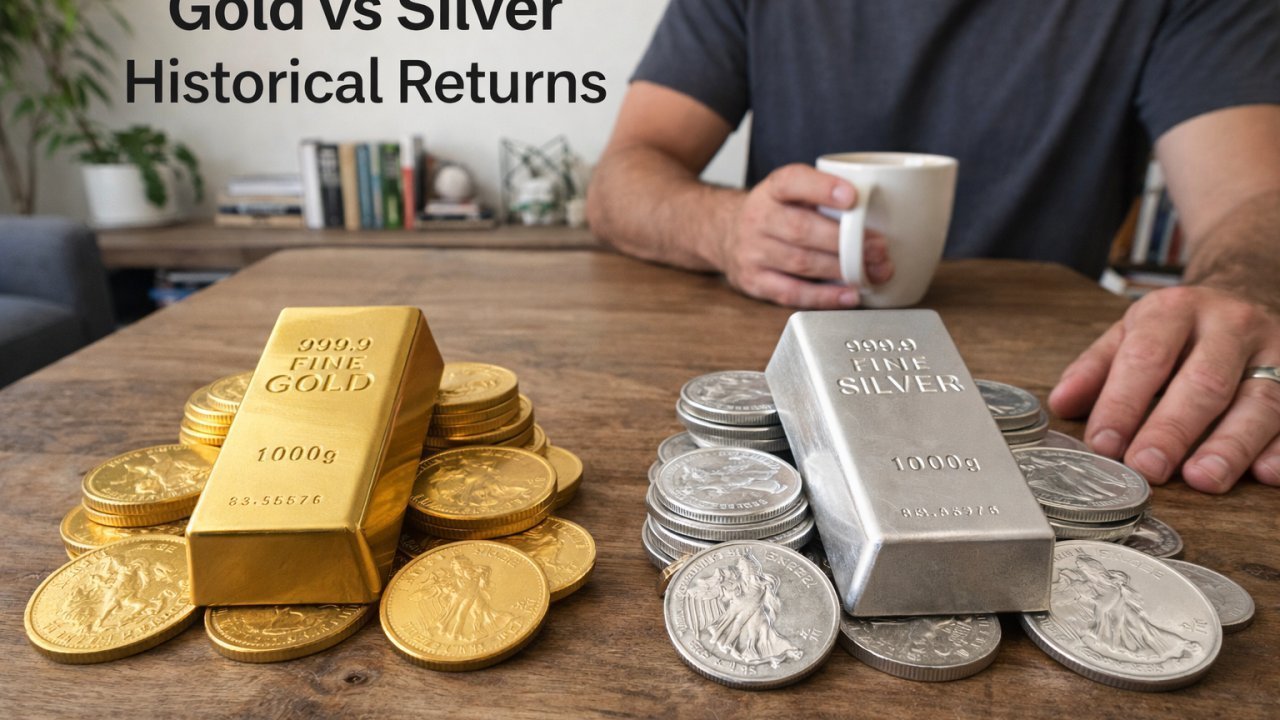
Beyond Gold: The Growing Appeal of Silver in Nanded’s Investment Landscape
While gold has traditionally dominated household portfolios in Nanded, local market trends indicate a significant shift as savvy investors increasingly turn to silver as a strategic hedge. As the demand for industrial-grade silver surges globally, residents in districts like Nanded—known for its strong agricultural and emerging trade sectors—are finding silver to be a more accessible entry point for wealth preservation. Unlike gold, which is often viewed strictly through the lens of cultural ornamentation, silver is being repositioned as a dual-purpose asset, benefiting from both its precious metal status and its critical role in green energy technologies.
Local jewelers near the bustling areas of Vazirabad and Itwara have observed a steady uptick in demand for silver bars and coins, particularly during the festive season and harvest cycles. Investors are finding that silver’s higher volatility, compared to the relative stability of gold, offers unique opportunities for short-to-medium-term gains. For the Nanded investor, the lower price point of silver allows for greater portfolio diversification without the heavy capital commitment required for gold bullion. As inflationary pressures persist, silver is proving to be a resilient component of a balanced investment strategy, bridging the gap between traditional savings and modern commodity trading.
Key Takeaway: Silver is evolving from a secondary precious metal into a primary investment alternative in Nanded; consider incorporating it into your portfolio to capitalize on both its industrial utility and its lower barrier to entry compared to gold.
Nanded Wedding Season: Navigating the Gold Market Surge
As the wedding season approaches in Nanded, the city’s bustling bullion markets—from the traditional lanes near the Hazur Sahib area to the prominent jewelry hubs in the city center—are bracing for a significant uptick in demand. In a region where gold is not merely an ornament but a cornerstone of marital tradition and long-term financial security, the pre-wedding rush often creates a localized supply-demand imbalance. With families finalizing their bridal trousseaus, we are currently observing a trend where buyers are prioritizing 22-karat hallmarked jewelry to balance aesthetic appeal with investment value.
Market analysts suggest that while global macroeconomic factors dictate the base price of gold, the Nanded retail market is particularly sensitive to local seasonal cycles. As wedding dates align with auspicious muhurats, the sudden surge in footfall at local showrooms often leads to tighter margins on making charges. Savvy investors and families planning their purchases are advised to monitor daily price fluctuations closely rather than waiting for the peak of the wedding week, as localized premiums can climb when inventory turnover accelerates rapidly during the busiest months of the festive calendar.
For those planning significant acquisitions, it is prudent to check for the latest BIS Hallmark certifications before finalizing transactions. Given the current volatility, many Nanded jewelers are now offering flexible booking schemes that allow customers to lock in rates, providing a hedge against the price spikes typically seen as the marriage season hits its zenith.
Key Takeaway: To optimize your wedding gold budget in Nanded, consider pre-booking your jewelry at least 3-4 weeks ahead of the primary wedding dates to avoid peak-season making charges and potential inventory shortages.
Navigating Gold Exchange Policies in Nanded: Old vs. New
For residents of Nanded looking to upgrade their jewelry collections, understanding the nuances of exchange policies at local establishments is crucial. As gold prices fluctuate, many shoppers in the city—from the bustling markets of Itwara to the premium showrooms near Vazirabad—are opting to trade in their old ornaments for modern designs. However, the valuation process is not uniform. Most reputable Nanded jewellers now utilize advanced Karatmeters to assess the purity of your old gold instantly. While this technology has brought much-needed transparency to the market, it is vital to remember that the purity assessment often reveals hidden impurities, which can lower the net weight value compared to your initial purchase.
When exchanging gold, Nanded jewellers typically deduct a "melting loss" and a refinement charge, which usually ranges between 3% to 8% depending on the store’s policy and the condition of the jewelry. To maximize your value, avoid exchanging pieces with heavy stone settings; most local retailers will deduct the weight of the stones entirely, meaning you lose the price you originally paid for those embellishments. Savvy investors in the region are increasingly choosing to sell their old gold as scrap to buy 24K gold coins or bars first, then using those as currency for new purchases, as this often allows for better price negotiation on the making charges (wastage) of the new jewelry.
Key Takeaway: To secure the best deal in Nanded, always insist on a Karatmeter purity check for your old gold, prioritize exchanging plain gold over stone-studded items, and negotiate the 'making charges' on your new purchase separately from the exchange value of your old gold.
Sovereign Gold Bonds: A Smarter Shine for Nanded's Investors?
Nanded, like much of India, holds a deep-rooted cultural and financial affinity for gold. For generations, physical gold has been a trusted asset, passed down through families and cherished for its beauty and perceived security. However, in today's evolving investment landscape, the traditional allure of physical gold comes with its own set of challenges – from storage concerns and purity verification to making charges and GST implications. As Nanded continues its journey of development, a modern, secure, and often more profitable alternative is gaining traction: Sovereign Gold Bonds (SGBs).
Issued by the Reserve Bank of India on behalf of the Government of India, SGBs offer Nanded residents a sophisticated way to invest in gold without the hassles of physical possession. Imagine owning gold that pays you interest (currently 2.50% per annum, paid semi-annually) while also mirroring the market price movements of the yellow metal. SGBs eliminate the need for secure lockers, protect against theft – a significant concern for many – and free investors from worries about purity or liquidity. Furthermore, there aren't any making charges or GST to contend with, making your investment purely about the gold's value and the added interest.
For those in Nanded looking for long-term wealth creation, SGBs present a compelling proposition. Beyond the interest income, capital gains on SGBs are exempt from tax if held until maturity (8 years), offering a significant advantage over physical gold, where capital gains are taxable. This makes SGBs not just a safe haven, but a tax-efficient and growth-oriented investment, perfectly aligned with the aspirations of a discerning Nanded investor seeking both tradition and modern financial wisdom.
Key Takeaway: For Nanded residents, Sovereign Gold Bonds offer a secure, interest-bearing, and tax-efficient alternative to physical gold, blending traditional value with modern investment convenience.
Expert Tip: Timing Your Gold Purchase in Nanded
For residents of Nanded, timing a gold purchase involves more than just watching global market fluctuations; it is about understanding the local rhythm of the city’s bullion market. While international spot prices dictate the baseline, local premiums in Nanded’s bustling jewelry hubs—such as those near Vazirabad and the Main Road—often stabilize shortly after the morning opening bell. Visiting your preferred jeweler between 11:30 AM and 1:00 PM is often considered the "sweet spot." By this time, local dealers have adjusted their rates to reflect the morning volatility of the MCX (Multi Commodity Exchange), providing a clearer, more settled price point for your transaction.
Furthermore, avoid the late-evening rush, especially during auspicious days or the wedding season, when jeweler footfall peaks. During these high-traffic windows, the pressure on staff can sometimes lead to rushed negotiations, making it difficult to discuss making charges or purity certifications in detail. If you are planning a significant investment, scheduling your visit during the mid-week, mid-morning lull allows for a more transparent conversation regarding hallmarking and the current making charges. By aligning your visit with the market’s stabilization period rather than the peak retail hours, you ensure a more deliberate and cost-effective acquisition of your gold.
Key Takeaway: To secure the most accurate pricing and personalized service, aim to visit Nanded’s reputable jewelers during the mid-morning window (11:30 AM – 1:00 PM) on a weekday, allowing local rates to stabilize after the initial market opening.
Navigating Gold Exchange Policies in Nanded: Old vs. New
For residents of Nanded looking to upgrade their jewellery collections, understanding the nuances of exchange policies at local establishments is critical to maximizing value. As gold prices fluctuate, many jewellers in the Nanded market—from the established hubs near Vazirabad to the bustling shops in the city center—have refined their buy-back and exchange protocols. When trading in old gold for new, it is essential to distinguish between "value-based" exchanges and "weight-for-weight" policies, as these can significantly impact your final receipt.
Most reputable jewellers in Nanded now utilize high-precision XRF (X-Ray Fluorescence) purity testing machines to assess the gold content of your old ornaments. While some shops may offer a 100% exchange value for gold purchased from their own store, ornaments from other jewellers often attract a deduction of 5% to 10% to account for melting losses and impurities. Furthermore, keep in mind that the making charges (wastage) on your old jewellery are rarely recovered during an exchange. To secure the best deal, compare the prevailing market rate in Nanded against the net weight offered by the jeweller after the purity test, and always ask for a clear breakdown of deductions before finalizing the transaction.
Key Takeaway: To get the best value, always carry your original purchase invoices and prioritize jewellers who offer transparent XRF testing. Avoid trading in jewellery with heavy stone settings, as most Nanded jewellers deduct the weight of stones at the time of exchange, which can lead to a lower payout than expected.
Strategic Timing: When to Visit Nanded’s Gold Markets
For residents of Nanded looking to secure the best value for their gold purchases, timing is just as critical as monitoring global bullion trends. While the Nanded bullion market—centered around the bustling lanes near the Vazirabad and Itwara areas—typically mirrors national price fluctuations, the "golden hour" for buyers is often mid-afternoon. By 2:00 PM to 3:00 PM, the domestic market has fully digested the initial volatility of the morning opening, allowing local jewelers to establish a stable, competitive rate for the rest of the business day.
Visiting during these off-peak hours also offers a distinct logistical advantage. Nanded’s premier jewelry showrooms experience significant foot traffic during early mornings and late evenings, particularly during wedding seasons or auspicious festivals like Akshaya Tritiya and Diwali. By planning your visit for the mid-afternoon lull, you not only avoid the rush but also ensure that your jeweler has the undivided attention required to discuss craftsmanship, hallmark certifications, and transparent making charges.
Furthermore, keep a close eye on the Indian Rupee’s performance against the US Dollar throughout the morning. If the Rupee weakens significantly before noon, local prices in Nanded may see an upward revision by the afternoon. Conversely, if global markets soften during the European trading open, the afternoon window provides the perfect opportunity to capitalize on a price dip before the market closes.
Key Takeaway: To maximize your purchasing power and enjoy a personalized shopping experience, aim to visit Nanded’s gold markets between 2:00 PM and 4:00 PM, after domestic price volatility has settled and before the evening rush begins.
The advantages of SGBs over physical gold are particularly relevant for Nanded residents. Firstly, security is paramount; SGBs eliminate the risks of theft, storage costs, and the hassle of ensuring purity – issues often associated with holding physical gold or jewellery. Every SGB purchase is backed by the government, guaranteeing both the purity and the safety of your investment. Furthermore, SGBs offer a unique dual benefit: you not only gain from potential appreciation in gold prices, but also receive a fixed interest of 2.50% per annum on your initial investment, paid semi-annually. This is a significant advantage that physical gold, sitting idle in a locker, simply cannot match.
Beyond security and interest, SGBs come with attractive tax benefits. The capital gains arising from redemption upon maturity are exempt from tax, providing a substantial edge over physical gold investments. You also save on making charges and GST that are typically levied when purchasing gold jewellery or coins. For Nanded's discerning investors looking for a secure, hassle-free, and financially astute way to invest in gold, SGBs offer a transparent and rewarding option that aligns perfectly with long-term wealth creation goals.
Key Takeaway: For Nanded investors eyeing gold's potential without its traditional drawbacks, Sovereign Gold Bonds offer a secure, interest-bearing, and tax-efficient pathway to wealth creation.
Digital Gold: Is it a Secure Avenue for Nanded Investors?
As Nanded continues to evolve from a traditional trade hub into a more digitally savvy economy, residents are increasingly looking beyond physical bullion at local jewelers in areas like Vazirabad and Itwara. Digital gold has emerged as a compelling alternative, allowing investors to purchase 24-karat gold in fractions—sometimes for as little as ₹100. For the modern Nanded investor, the primary question remains: is it safe? The answer lies in the underlying infrastructure. Reputable digital gold platforms in India are backed by physical gold reserves stored in insured, third-party vaults, providing a transparent digital receipt for every gram purchased.
The safety of digital gold hinges on the credibility of the platform provider. Unlike purchasing physical ornaments, where you must account for making charges and the logistical risks of storage, digital gold eliminates these concerns entirely. For Nanded residents, this offers a dual advantage: liquidity and security. You can sell your holdings instantly from your smartphone without needing to visit a shop, and you avoid the security risks associated with keeping large quantities of physical gold at home. However, it is essential to stick to platforms regulated by reputable bullion refiners or those integrated with established financial exchanges to ensure your investment is backed by actual, audited physical assets.
Key Takeaway: Digital gold is a highly secure, liquid, and cost-effective way to invest in precious metals without the hassle of storage or theft risks. To ensure safety, always verify that your chosen platform provides 100% physical backing for every digital unit purchased and avoid unregulated, high-yield schemes that promise unrealistic returns.
Leveraging Gold Assets: Navigating Gold Loans in Nanded
For residents of Nanded, gold is more than just a cultural staple—it is a strategic financial asset. As market volatility influences gold prices in the Nanded bullion market, many local investors and families are increasingly turning to gold loans as a liquidity tool. Whether you are a farmer preparing for the upcoming sowing season or a small business owner in the bustling markets near the Hazur Sahib area, pledging your gold can provide immediate capital without the need for liquidating your long-term family holdings.
The lending landscape in Nanded has evolved significantly, with both nationalized banks and specialized NBFCs competing for market share. While banks like SBI and Bank of Maharashtra offer competitive interest rates for those with strong credit profiles, local NBFC branches often provide greater flexibility in terms of documentation and rapid processing times—sometimes disbursing funds within an hour. Before committing to a lender, it is crucial to compare the Loan-to-Value (LTV) ratios; currently, RBI guidelines allow for up to 75% of the gold’s appraised value. Always ensure that the jewelry valuation is conducted transparently, ideally in your presence, to avoid discrepancies regarding purity or weight.
Local market sentiment suggests that as gold prices fluctuate, borrowers should opt for bullet repayment schemes if they anticipate short-term cash flow, rather than traditional EMI structures. By keeping a close watch on the daily spot prices in Nanded, you can better time your loan application to maximize your borrowing capacity when prices are high, ensuring you get the most value out of your collateral.
Key Takeaway: Before finalizing a gold loan in Nanded, prioritize lenders who offer transparent appraisal processes and flexible repayment options, and always verify current market rates to ensure your collateral yields the highest possible loan amount.