1. Why is gold price different in Noida?
The price of gold, while largely influenced by global market trends, exhibits slight variations across different cities in India, including Noida. Several factors contribute to these regional differences. Firstly, local demand and supply dynamics play a role; high demand during festive seasons or wedding periods in Noida can sometimes lead to a small premium. Secondly, transportation and logistics costs incurred in bringing gold from major import hubs to Noida can add to the final price. Thirdly, while the Goods and Services Tax (GST) is a uniform 3% across India on the value of gold, and 5% on making charges, other minor local levies or operational costs specific to retailers in Noida might contribute to slight variations. Finally, the business overheads and competitive landscape among jewellers in Noida can also influence their pricing strategies, leading to marginal differences compared to other cities or even different localities within Noida itself. It's crucial for consumers to understand that these differences are typically minor, with the broader international and national factors being the primary drivers of gold prices.
2. Which area or shop is famous for low making charges in Noida?
Finding gold with low making charges is a common goal for buyers in Noida. Making charges, which are the costs associated with designing and crafting the jewellery, can significantly impact the final price. Generally, smaller, independent jewellers or local artisans tend to offer more competitive making charges compared to large, branded chain stores. These smaller shops often have lower overheads and are more flexible in their pricing. Areas like Sector 18 Market and Atta Market are traditional shopping hubs in Noida where you can find a mix of both large brands and independent jewellers. It is advisable to visit multiple shops, compare their making charge rates (which can be a percentage of the gold value or a fixed rate per gram), and even negotiate. While branded stores like Tanishq, Kalyan Jewellers, or Malabar Gold & Diamonds offer assurance of quality and design, their making charges are typically higher. For those prioritizing lower making charges, exploring local jewellers in established markets is often the best strategy, but always ensure the gold is BIS-hallmarked for purity.
3. Why do gold prices change daily?
Gold prices are highly dynamic, changing not just daily but often multiple times within a day. This volatility is a reflection of a complex interplay of global and domestic economic, political, and financial factors. Globally, the primary drivers include the strength of the US Dollar (as gold is priced in USD, a weaker dollar makes gold cheaper for international buyers, increasing demand), crude oil prices, geopolitical tensions (gold is considered a safe-haven asset during uncertainty), central bank policies (interest rate changes, quantitative easing), and inflationary expectations (gold acts as a hedge against inflation). When interest rates rise, the opportunity cost of holding non-yielding gold increases, potentially driving prices down. Domestically, the Indian Rupee's exchange rate against the US Dollar is a crucial factor, as India imports a significant portion of its gold. A weaker rupee makes imported gold more expensive in INR terms. Additionally, import duties imposed by the Indian government and local supply-demand dynamics also contribute to daily price fluctuations. These factors are constantly evolving, leading to the continuous adjustment of gold prices.
4. Gold rates in Noida (22 karat): How do prices change?
In Noida, as in much of India, 22 karat gold is the most popular choice for jewellery due to its durability and traditional appeal. The daily 22 karat gold rate is derived from international market prices, adjusted for domestic factors. The process typically involves:
- International Price Conversion: The global gold price (quoted in USD per troy ounce) is converted to Indian Rupees per gram.
- Import Duties: The Indian government levies import duties on gold, which are added to the cost.
- GST: A 3% Goods and Services Tax is applied to the final value of gold.
- Local Premiums/Discounts: Depending on local demand and supply, jewellers might add a small premium or offer a discount.
- Making Charges: These are added on top of the gold value when buying jewellery and are subject to 5% GST.
The Indian Bullion and Jewellers Association (IBJA) plays a pivotal role by providing benchmark rates daily, which jewellers across Noida and India generally follow. These rates are updated based on live market conditions, ensuring that consumers have access to a standardized price, subject to local variations for making charges and store-specific policies. It's always wise to check the prevailing rates from reliable sources before making a purchase.
5. Gold and hallmarking centres in Noida.
Hallmarking is crucial for ensuring the purity of gold jewellery and building consumer trust. In India, the Bureau of Indian Standards (BIS) is the authority responsible for hallmarking gold. A BIS hallmark on gold jewellery guarantees its purity as per the stated caratage. For consumers in Noida, understanding hallmarking is vital to avoid being misled. A BIS hallmark typically consists of:
- BIS Logo: A triangular mark.
- Purity Grade: For example, '916' for 22 karat gold (meaning 91.6% pure gold), '750' for 18 karat, etc.
- Assaying and Hallmarking Centre's Mark: A unique logo of the centre where the gold was assayed.
- Jeweller's Identification Mark: The logo or mark of the jeweller who manufactured the item.
Noida has several BIS-recognized assaying and hallmarking centres. While specific names might change, the important aspect is to always insist on BIS-hallmarked jewellery from your jeweller. This ensures that you are paying for the exact purity of gold you intend to buy, providing peace of mind and protecting your investment.
6. Top Jewellers in Noida.
Noida boasts a vibrant jewellery market with a mix of national chains and reputable local stores, catering to diverse tastes and budgets. When looking for gold in Noida, you can consider these prominent jewellers known for their quality, designs, and service:
- Tanishq: A flagship brand of the Tata Group, Tanishq is renowned for its exquisite designs, transparent pricing, and extensive range of BIS-hallmarked jewellery. They have multiple outlets across Noida, including in Sector 18 and DLF Mall of India.
- Kalyan Jewellers: One of India's largest jewellery chains, Kalyan Jewellers offers a wide variety of traditional and contemporary designs, often with attractive schemes and exchange policies. They have a strong presence in Noida.
- Malabar Gold & Diamonds: Known for its international presence and ethical practices, Malabar offers certified diamonds and a diverse collection of gold jewellery, often running seasonal offers.
- Joyalukkas: Another leading global jewellery retailer, Joyalukkas is popular for its vast collections, competitive pricing, and commitment to quality.
- PC Jeweller: A well-established name in the Indian jewellery market, PC Jeweller offers a good range of gold and diamond jewellery with a focus on trust and customer service.
Beyond these national brands, many local and independent jewellers in areas like Sector 18 and Atta Market also offer excellent craftsmanship and competitive pricing, making it worthwhile to explore various options.
7. Supply pressures pushing prices up.
Global supply pressures play a significant role in dictating gold prices, often pushing them upwards. Gold is a finite resource, and its extraction is a complex and costly process. Here are some key supply-side factors:
- Limited Mine Production: Gold mining output is not consistently increasing. Discovering new, economically viable gold deposits is becoming rarer, and existing mines face challenges like deeper digging, higher operational costs, and environmental regulations.
- Central Bank Purchases: Many central banks around the world view gold as a strategic reserve asset. Increased buying by central banks to diversify their reserves or hedge against currency fluctuations removes significant quantities of gold from the open market, reducing available supply.
- Recycling Limitations: While recycled gold contributes to supply, it is often insufficient to meet burgeoning demand, especially during periods of economic uncertainty or high inflation when investment demand surges.
- Investment Demand: The rise of gold ETFs, digital gold, and sovereign gold bonds has made it easier for investors to buy gold, leading to increased institutional and retail investment demand that can outstrip physical supply.
- Geopolitical Factors: Instability, wars, and trade disputes can disrupt supply chains, particularly for raw materials or refinery operations, further tightening the market.
When these supply pressures coincide with strong demand, the natural outcome is an upward trajectory in gold prices.
8. How to store gold in Noida?
Storing gold securely is a major concern for investors and individuals in Noida. While owning physical gold offers tangible security, it also comes with storage risks. Here are the most common and recommended methods for storing gold:
- Bank Lockers: This is generally considered the safest option for physical gold. Most nationalized and private banks in Noida offer safe deposit locker facilities. While secure, locker availability can be limited, and there are annual rental charges. It's important to remember that the bank is responsible for the locker's security, not its contents, so insurance is still recommended.
- Home Safes: For smaller quantities of gold, a high-quality, fire-resistant safe installed at home can be an option. However, this carries a higher risk of theft compared to bank lockers and should ideally be complemented with robust home security systems and insurance.
- Digital Gold: This allows you to buy gold in fractional units, stored in secured vaults by regulated entities (like MMTC-PAMP or Augmont). You can buy and sell digitally, and even convert it to physical gold. This eliminates physical storage concerns entirely.
- Gold Exchange Traded Funds (ETFs) and Sovereign Gold Bonds (SGBs): These are paper forms of gold investment. They do not involve physical gold storage, as your investment is linked to gold prices or backed by the government. This is a highly secure and convenient way to invest in gold without the worry of theft or storage costs.
Regardless of the method, it's always advisable to insure your physical gold against theft or damage.
9. Gold vs Real Estate in Noida.
Both gold and real estate are popular investment avenues in Noida, each with distinct characteristics. Understanding their differences is crucial for making informed investment decisions:
- Liquidity: Gold is highly liquid. You can sell physical gold or digital gold relatively quickly and easily in Noida. Real estate, on the other hand, is illiquid; selling a property can take months, sometimes even years, depending on market conditions.
- Returns & Volatility: Both offer potential for capital appreciation. Gold acts as a hedge against inflation and currency devaluation, and its prices can be volatile in the short term but tend to appreciate over the long term. Real estate in Noida, particularly in developing sectors, has shown significant appreciation potential, but returns are subject to local market cycles and economic growth.
- Income Generation: Real estate can generate rental income, providing a steady cash flow. Gold, being a non-yielding asset, does not generate income (except for SGBs which offer interest).
- Maintenance & Costs: Real estate involves significant maintenance costs (property taxes, repairs, society charges, brokerage fees). Gold has minimal storage costs (if any, for digital/paper gold) and no maintenance. Transaction costs for real estate (stamp duty, registration) are also much higher than for gold.
- Tangibility & Emotional Value: Both are tangible assets, but real estate often carries greater emotional and social value, especially in India.
Many financial advisors recommend a diversified portfolio, including both gold and real estate, to balance risk and capture different market opportunities.
10. What is a Sovereign Gold Bond?
The Sovereign Gold Bond (SGB) scheme is an innovative and secure way to invest in gold, introduced by the Government of India in 2015. These bonds are government securities denominated in grams of gold, offering an alternative to holding physical gold. Key features include:
- Issued by RBI: SGBs are issued by the Reserve Bank of India on behalf of the Government of India, making them highly secure.
- Denomination: They are denominated in multiples of gram(s) of gold, with a minimum investment of 1 gram.
- Interest Income: Investors receive a fixed interest rate of 2.50% per annum on their initial investment, paid semi-annually. This is a significant advantage over physical gold, which generates no income.
- Capital Appreciation: The value of the bond is linked to the market price of gold. Upon maturity (8 years), investors receive the redemption price based on the prevailing market price of gold.
- No Storage Issues: Since SGBs are held in dematerialized form, there are no concerns about storage costs, purity, or theft associated with physical gold.
- Tax Benefits: Capital gains arising from the redemption of SGBs by an individual are exempt from tax. The interest earned, however, is taxable as per the investor's income tax slab.
- Liquidity: While the tenor is 8 years, premature withdrawal is permitted after the 5th year, and bonds are tradable on stock exchanges.
SGBs are an excellent option for long-term gold investors in Noida looking for safety, income, and capital appreciation without the hassles of physical gold.
11. Taxation of gold in Noida.
Understanding the taxation of gold is essential for buyers and sellers in Noida to ensure compliance. Gold investments in India are subject to various taxes:
- Goods and Services Tax (GST):
- A 3% GST is levied on the value of gold (the purchase price).
- A separate 5% GST is applicable on the making charges of gold jewellery.
- Capital Gains Tax: This applies when you sell gold for a profit.
- Short-Term Capital Gains (STCG): If physical gold or gold ETFs are sold within 3 years of purchase, the profit is added to your total income and taxed according to your applicable income tax slab rate.
- Long-Term Capital Gains (LTCG): If physical gold or gold ETFs are sold after 3 years of purchase, the profit is taxed at 20% with indexation benefit. Indexation adjusts the purchase price for inflation, reducing the taxable gain.
- Sovereign Gold Bonds (SGBs) Taxation:
- Interest Income: The 2.5% annual interest received on SGBs is taxable as per your income tax slab.
- Capital Gains on Maturity: For individual investors, capital gains arising from the redemption of SGBs upon maturity (after 8 years) are exempt from tax. This is a significant tax advantage.
- Capital Gains on Transfer/Early Exit: If SGBs are sold on the exchange before maturity (after 5 years but before 8 years), capital gains are taxed similar to physical gold – STCG if sold before 3 years from acquisition, and LTCG (20% with indexation) if sold after 3 years.
- Gift Tax: If you receive gold as a gift from non-relatives, and its value exceeds Rs. 50,000 in a financial year, the entire value is taxable in the hands of the recipient. Gifts from specified relatives are exempt.
There is no Wealth Tax on gold in India, as it was abolished in 2015. Proper documentation of gold purchases and sales is crucial for tax purposes.
Expert Tip: Ensuring Authenticity in Noida’s Gold Market
As gold prices in Noida continue to fluctuate, investors and jewelry enthusiasts often face the challenge of verifying the quality of their purchases. Whether you are shopping at a high-end boutique in DLF Mall of India or browsing the traditional jewelry lanes of Atta Market, the most reliable way to guarantee the purity of your gold is by checking the Hallmark Unique Identification (HUID) number. To simplify this process, the Bureau of Indian Standards (BIS) has introduced the BIS Care App, a digital tool that acts as a vital safeguard for consumers against sub-standard or counterfeit jewelry.
Using the app is straightforward and highly recommended for every buyer in Noida. Once you have purchased BIS-hallmarked gold, locate the six-digit alphanumeric HUID code engraved on the piece. Open the BIS Care App, select the 'Verify HUID' option, and input the code. The app will instantly display the jeweler’s registration details, the purity of the gold (e.g., 22K916), and the hallmarking center’s information. This transparency not only ensures that you are receiving the exact quality you are paying for but also protects your long-term investment value, as hallmarked gold fetches a better price during future resale or exchange in the NCR region.
Key Takeaway: Before finalizing your gold purchase in Noida, always insist on a BIS-hallmarked item and use the 'Verify HUID' feature on the BIS Care App to confirm its authenticity in real-time, ensuring your hard-earned money is invested in genuine, high-quality bullion.
Market Insight: How Global Trends Are Reshaping Noida’s Gold Market
The gold market in Noida is currently navigating a complex period of volatility, driven primarily by shifting geopolitical tensions and fluctuating interest rate expectations from the U.S. Federal Reserve. As global investors flock to gold as a traditional safe-haven asset, the ripple effect is being felt directly in the bustling jewelry hubs of Sector 18 and the high-end retail corridors of Greater Noida. When the dollar weakens or international inflation spikes, the landed cost of gold imports into India rises, leading to an almost immediate adjustment in the daily spot rates displayed by local bullion dealers.
For Noida’s discerning investors and festive shoppers, this global uncertainty underscores the importance of monitoring the INR-USD exchange rate. Because gold is priced globally in dollars, a depreciating rupee often compounds the price hike for local buyers, even if international gold prices remain relatively stable. We are observing that many savvy investors in the NCR region are adopting a ‘buy on dips’ strategy, waiting for minor global corrections to accumulate physical gold, rather than waiting for long-term price stabilization, which remains elusive in the current economic climate.
Furthermore, as Noida continues to emerge as a commercial powerhouse, local demand remains resilient despite these price swings. Whether you are looking at gold for long-term wealth preservation or seasonal gifting, the current market environment suggests that staying informed about global macroeconomic indicators is just as important as checking the daily rate at your local jeweler. By understanding the link between global central bank policies and local market sentiment, you can better time your purchases to mitigate the impact of short-term volatility.
Key Takeaway: Local gold prices in Noida are currently highly sensitive to currency fluctuations and global interest rate trends; investors should prioritize staggered buying during market dips rather than attempting to time the market peak.
Maximizing Value: The Rise of Gold Refining in Noida
As gold prices continue to fluctuate in the Indian market, many residents across Noida—from the bustling commercial hubs of Sector 18 to the growing residential sectors along the Noida-Greater Noida Expressway—are reconsidering their dormant assets. Rather than letting old jewelry or coins gather dust, an increasing number of investors are turning to professional gold recycling and refining services. This shift is driven by a growing awareness that selling "scraps" to neighborhood jewelers often results in heavy deductions for impurities and melting losses. Instead, utilizing modern refining facilities allows individuals to leverage transparent, spot-price assessments based on precise purity testing.
For those looking to liquidate gold in Noida, the key is to prioritize centers that utilize XRF (X-ray Fluorescence) technology. Unlike traditional acid testing, which can be destructive and subjective, XRF provides an instant, non-invasive reading of the gold's exact karat value. By opting for certified refiners rather than traditional pawn shops, residents can secure a significantly higher percentage of the day's market value. With the rising trend of "cash-for-gold" services in corporate hubs like Sector 62, it is essential to ensure that the service provider offers real-time price tracking and transparent documentation to protect your financial interests.
Key Takeaway: When recycling gold in Noida, always demand an XRF purity test and compare the final offer against the live market rate for 24K gold; avoiding traditional "melting" deductions can increase your payout by as much as 5% to 8%.
Expert Tip: Timing Your Gold Purchase in Noida
For investors and jewelry enthusiasts in Noida, the question is often not just what to buy, but when to step into the local market. While global gold prices fluctuate based on international spot rates, the local retail price in Noida is influenced by daily currency adjustments and local demand. To secure the best deal, savvy buyers often track the morning fixing of gold rates, which are typically updated by the India Bullion and Jewellers Association (IBJA) by 11:00 AM. Visiting reputable showrooms in sectors like 18 or the busy markets of Atta Market shortly after these rates are published can provide a clearer picture of the day's pricing floor.
Beyond the daily rate, timing your visit during off-peak hours—ideally weekday afternoons—can offer a significant advantage. Noida’s major jewelry hubs experience heavy footfall during weekends and festive evenings, which can limit the amount of time sales staff can dedicate to explaining hallmarking, purity certification, and making charges. By visiting during quieter mid-week windows, you not only avoid the rush but are better positioned to negotiate making charges (wastage fees), which can vary significantly between retailers. Remember, while the gold price remains static across most major retailers in the city, the hidden savings lie in the transparency of the making charges and the specific buy-back policies offered by local jewelers.
Key Takeaway: Aim to visit your preferred Noida jeweler on a weekday afternoon, shortly after the 11:00 AM IBJA rate update, to benefit from both a stable daily price and the opportunity to negotiate making charges without the distraction of weekend crowds.
Unlocking Value: The Rise of Gold Recycling in Noida
As gold prices in Noida continue to hover near record highs, many residents are looking beyond traditional purchasing and exploring the lucrative potential of gold recycling. Whether you are clearing out heirloom jewelry gathering dust in a locker or looking to liquidate assets to capitalize on current market peaks, the ecosystem for professional gold refining in Noida has seen a significant evolution. Areas like Atta Market and the bustling commercial hubs of Sector 18 have become focal points for transparent, technology-driven gold valuation services that offer a stark improvement over the unorganized, opaque methods of the past.
The modern refinery process in Noida is increasingly defined by precision. Reputable buyers now utilize advanced X-ray Fluorescence (XRF) technology, which allows for non-destructive, instantaneous purity testing. This shift away from traditional acid-based testing ensures that your gold is appraised with scientific accuracy, preventing the loss of weight and value often associated with older inspection techniques. When choosing a service provider in the city, prioritize establishments that provide real-time price tracking and transparent deduction policies, ensuring you receive the true market value of your precious metal based on the day’s spot rate.
Beyond the financial gains, recycling gold is an environmentally responsible choice. By reintroducing existing gold into the supply chain, you are actively reducing the need for destructive mining practices. As Noida’s urban economy matures, the transition toward a circular gold market is not just a smart fiscal move for the individual—it is a sustainable step for the city’s growing investment community. Always ensure that the facility you choose is KYC-compliant and provides a digital invoice to maintain a clean financial trail for your assets.
Key Takeaway: Before selling your gold in Noida, demand an XRF-based purity test to ensure accurate valuation and cross-reference the offer against the day’s live market rate to maximize your returns.
Beyond Gold: The Growing Appeal of Silver in Noida’s Investment Landscape
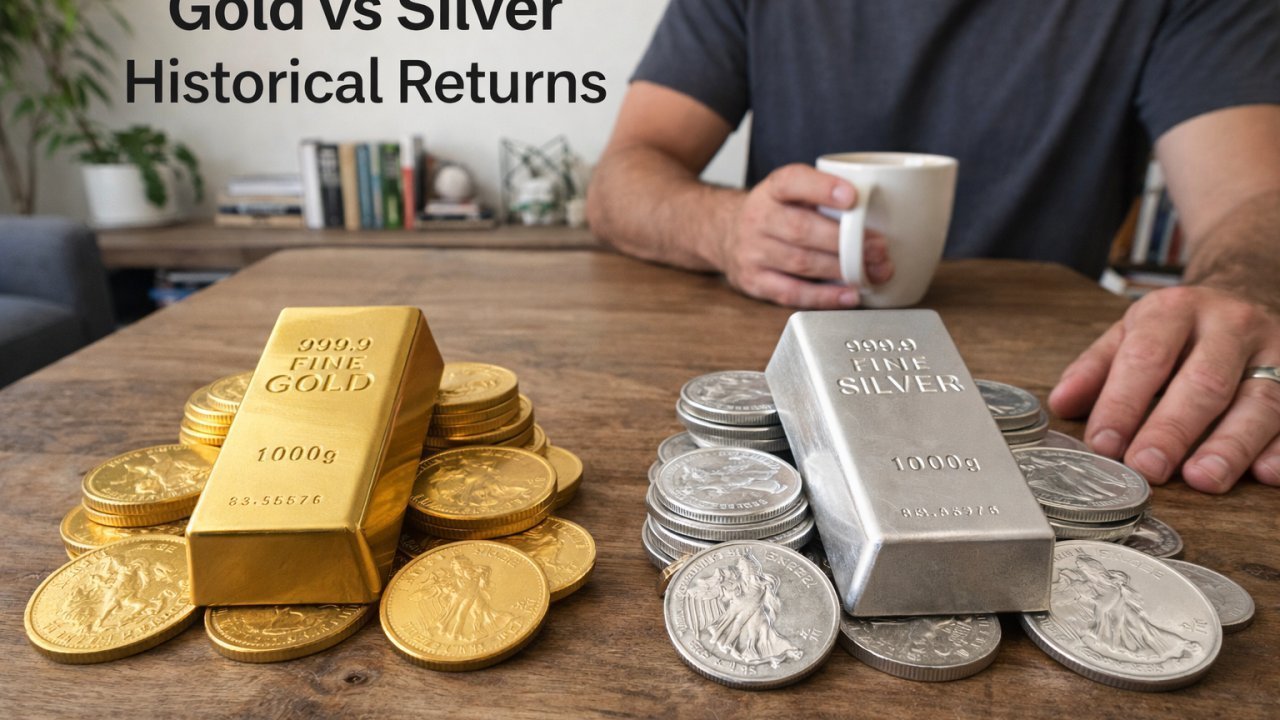
While gold remains a cultural cornerstone for households across Noida, from the bustling markets of Atta to the affluent residential sectors, silver is rapidly emerging as a preferred alternative for savvy investors. As gold prices hover near historic highs, the lower entry barrier for silver—often referred to as "poor man’s gold"—is attracting a new wave of retail buyers in the NCR region. This shift is particularly evident among younger professionals in Noida’s IT hubs, who are increasingly diversifying their portfolios with silver bars and coins to hedge against market volatility.
The industrial demand for silver, combined with its dual role as a precious metal and a critical component in the green energy sector, provides a unique growth trajectory that gold sometimes lacks. For Noida residents, the ease of liquidating silver at local bullion dealers in markets like Sector 18 or Noida Extension makes it a highly practical asset. Furthermore, as the festive and wedding seasons approach, the demand for silver artifacts and investment-grade bullion is seeing a noticeable uptick, signaling a strategic move by local investors to balance their precious metal holdings without overextending their capital.
Market analysts suggest that while gold offers stability, silver provides a higher beta, meaning it often experiences sharper price movements that can yield significant gains during economic upswings. For those looking to build a resilient investment portfolio in Noida, balancing gold’s long-term safety with silver’s growth potential could be the smartest financial play in the current macroeconomic climate.
Key Takeaway: As gold prices remain elevated, Noida investors are increasingly turning to silver for its dual-benefit profile—offering both affordable entry points and significant potential for industrial-driven appreciation, making it a vital component for a diversified portfolio.
Market Insight: Global Volatility and Its Ripple Effect on Noida’s Gold Rates
The gold market in Noida is currently navigating a complex landscape shaped by shifting global macroeconomic indicators. As international bullion prices react to fluctuating U.S. Federal Reserve interest rate expectations and geopolitical tensions, the impact is being felt directly by investors and retail buyers across the National Capital Region. When global gold prices surge due to safe-haven buying, the domestic market in Noida experiences an immediate upward adjustment, further compounded by the strength—or weakness—of the Indian Rupee against the U.S. Dollar.
For local buyers in hubs like Sector 18 and Atta Market, these global fluctuations often dictate the timing of high-value purchases, such as jewelry for the upcoming wedding season or long-term bullion investments. While global spot prices provide the baseline, local premiums in Noida are also influenced by seasonal demand and import duty adjustments. Investors are advised to look beyond daily price tickers and monitor how these global trends filter through to local retail margins, as regional supply-side factors can occasionally decouple Noida’s local rates from the broader international trend.
Staying informed is critical in this volatile environment. Whether you are a seasoned investor or a retail consumer looking to secure gold for personal use, understanding that Noida's local price is a convergence of global hedging strategies and localized demand helps in making more strategic buying decisions.
Key Takeaway: While global market sentiment sets the primary trend for gold prices in Noida, local retail demand and currency fluctuations act as secondary multipliers; monitor both international gold spot prices and the USD-INR exchange rate to identify the optimal window for your next purchase.
GST on Gold: What Every Buyer in Noida Needs to Know
For residents of Noida navigating the bustling jewelry hubs of Sector 18 or the sprawling gold markets in Atta Market, understanding the tax component of a purchase is just as critical as tracking the daily spot price. In India, gold is subject to a 3% Goods and Services Tax (GST). It is vital to remember that this 3% levy is applied not only to the gold price but also to the making charges—the labor cost added by the jeweler to craft your ornaments. If you are purchasing a gold coin or a designer necklace in Noida, that 3% is non-negotiable and must be clearly reflected on your invoice.
A common pitfall for many first-time buyers in the region is overlooking the impact of GST on the final "out-the-door" price. While the daily market rate fluctuates based on international trends and currency strength, the GST remains a fixed regulatory cost. When comparing quotes from different jewelers across Noida—from high-end showrooms to local artisanal shops—ensure you are comparing the final price inclusive of GST and making charges. Always insist on a tax-compliant bill that breaks down the gold purity, the weight, the making charges, and the GST separately. This documentation is essential not only for your records but also for future resale or exchange value, as reputable jewelers in the National Capital Region will require valid proof of purchase to offer the best buy-back rates.
Key Takeaway: Always clarify whether the quoted price includes the 3% GST and the making charges before finalizing your purchase. A transparent invoice is your best protection against hidden costs and ensures you are paying the correct market value for your investment.
Global Volatility and its Ripple Effect on Noida’s Gold Market
The gold market in Noida is currently navigating a complex landscape shaped by shifting global economic indicators. Recent fluctuations in international bullion prices, driven largely by central bank policy shifts and geopolitical tensions, have triggered immediate price adjustments across the National Capital Region. As institutional investors globally pivot toward safe-haven assets, the resulting volatility is being directly reflected in the daily retail rates displayed by jewellers in major commercial hubs like Sector 18 and the bustling markets of Atta Market.
For residents and investors in Noida, these global trends mean that domestic prices are no longer just a function of local demand, but are highly sensitive to currency fluctuations—specifically the strength of the Rupee against the Dollar. When global gold prices climb due to macroeconomic uncertainty, the import cost rises, placing upward pressure on the price per gram for local buyers. Conversely, any cooling in international markets provides a brief window of price correction. Local market experts suggest that Noida’s gold buyers are becoming increasingly sophisticated, often timing their purchases to coincide with these global price dips rather than waiting for traditional festive seasons.
Key Takeaway: Because local gold prices in Noida are inextricably linked to global market volatility and currency exchange rates, it is prudent for buyers to track international spot prices alongside local trends to identify optimal entry points for investment, rather than relying solely on seasonal buying patterns.
Decoding Making Charges: A Smart Shopper’s Guide to Noida Jewellers
In the bustling gold markets of Noida—from the established showrooms in Sector 18 to the traditional hubs in Atta Market—the price of gold is only half the story. The "making charge" (or *ghadai*), which covers the craftsmanship involved in turning raw bullion into intricate jewellery, is where savvy shoppers can significantly influence their final bill. Unlike the fluctuating global gold rate, making charges are highly subjective, often ranging from 3% to 25% depending on the design complexity and the jeweller's brand positioning.
To negotiate effectively in Noida, avoid walking in during peak festive seasons like Dhanteras or Akshaya Tritiya, when demand is high and margins are rigid. Instead, visit during mid-week afternoons when sales staff are more inclined to close a deal. Start by asking for the "wastage" or "melting loss" percentage separately from the labour charge. If you are eyeing machine-made jewellery, which requires less manual effort, push for a reduction in the making charge. Reputable jewellers in Noida often have a "best price" tier for loyal customers or those purchasing heavy sets; don't be afraid to ask for a flat discount on the total making charge rather than the per-gram rate.
Remember that transparency is your best tool. Always compare the total cost of the piece against the current market rate in Noida, and never finalize a purchase without a clear breakdown of the gold purity, the weight of any embedded stones, and the applied making charge on your invoice.
Key Takeaway: Treat the making charge as a negotiable service fee rather than a fixed cost; always request a breakdown of wastage and labour, and leverage the competitive nature of Noida’s diverse jewellery market to secure a better deal.