Rajahmundry, officially known as Rajamahendravaram, is not only the cultural capital of Andhra Pradesh but also a significant hub for gold trading in the coastal Andhra region. Nestled on the banks of the Godavari River, this city has a deep-rooted historical affinity for precious metals. For the residents of Rajahmundry, gold is more than just an investment; it is a symbol of prosperity, a mandatory element of cultural ceremonies, and a reliable financial cushion. Whether you are a first-time buyer looking for a wedding set or a seasoned investor tracking market fluctuations, understanding the local gold landscape is crucial. This guide provides a detailed analysis of the gold market in Rajahmundry, helping you make informed decisions in one of the most vibrant bullion markets in the state.
1. Why is gold price different in Rajahmundry?
If you compare the gold rates in Rajahmundry with cities like Mumbai, Delhi, or even nearby Hyderabad, you will often notice a slight variation. Several factors contribute to this price disparity. Firstly, the transportation and logistics costs play a role. Gold is primarily imported into major ports and then transported to inland cities. The security and insurance costs associated with moving physical gold to Rajahmundry are factored into the local price.
Secondly, the Local Bullion Associations have a significant influence. The Rajahmundry Bullion and Jewellery Merchants Association often determines the daily opening rate based on the international market prices adjusted for the local demand-supply balance. Furthermore, while GST is uniform across India, local municipal taxes or entry levies (where applicable) and the operational overheads of showrooms in different geographical locations can cause the final retail price to vary slightly from other urban centers.
2. Which area or shop is famous for low making charges in Rajahmundry?
For savvy shoppers in Rajahmundry, the Main Road area is the ultimate destination. This bustling stretch is home to hundreds of jewellery shops, ranging from heritage local brands to massive national retail chains. Because of the high concentration of competitors, many shops offer competitive making charges to attract customers. Specifically, the area near the Gokavaram Bus Stand and the inner lanes of the old city are known for traditional goldsmiths who offer customized designs at much lower making charges than corporate showrooms.
Among the large-scale retailers, Lalitha Jewellery is widely famous in Rajahmundry for its "low wastage" and "low making charges" marketing approach. They often provide transparent breakups of the gold price, wastage (VA), and making charges, which appeals to budget-conscious buyers. However, it is always recommended to compare the "final price per gram" (inclusive of all charges) across multiple stores in the Main Road area before finalizing a purchase.
3. Why do gold prices change daily?
The daily fluctuation of gold prices in Rajahmundry is a reflection of a complex global financial ecosystem. The primary driver is the International Market (COMEX) prices. Since India imports a vast majority of its gold, any change in the global spot price immediately reflects in the domestic market. Another critical factor is the USD to INR exchange rate. Gold is traded internationally in US Dollars; if the Rupee weakens against the Dollar, gold becomes more expensive in Rajahmundry, even if the international price remains stable.
Additionally, Central Bank policies and interest rates set by the US Federal Reserve impact prices. When interest rates rise, investors often move away from gold (which yields no interest) to dollar-backed assets, causing gold prices to dip. Locally, the onset of the wedding season and festivals like Sankranti, Akshaya Tritiya, and Dhanteras creates a surge in demand, which can lead to a premium on the local daily rate.
4. Gold rates in Rajahmundry (22 karat): How do prices change?
In Rajahmundry, 22 karat gold—also known as '916 Purity'—is the standard for most jewellery. Unlike 24 karat gold, which is 99.9% pure but too soft for intricate designs, 22 karat gold contains 91.6% gold mixed with other metals like copper or zinc to provide durability. The prices for 22k gold change daily, usually announced around 10:30 AM by the local merchants' association.
The price change is calculated based on the purity percentage. If 24k gold is priced at a certain level, the 22k price is roughly 91.6% of that value, plus a small premium for the alloy and local market adjustments. Investors should track the "per gram" rate and be aware that when you sell 22k gold back to a jeweler, they will often deduct a small percentage for melting and impurities, even if the gold was originally bought from them. Keeping a close eye on the daily news and using digital gold tracking apps can help Rajahmundry residents time their purchases during market dips.
5. Gold and hallmarking centres in Rajahmundry.
To protect consumers from fraud and ensure purity, the Government of India has made BIS Hallmarking mandatory. In Rajahmundry, several BIS-recognized hallmarking centres operate to certify the gold sold by local jewellers. When buying gold, look for the three essential marks: the BIS Logo, the Purity/Fineness (e.g., 22K916), and the HUID (Hallmark Unique Identification) number.
The HUID is a six-digit alphanumeric code that allows consumers to trace the piece of jewellery back to the hallmarking centre through the BIS Care App. Rajahmundry has seen a significant increase in the number of certified centres to keep up with the high volume of trade on Main Road. Buying hallmarked gold ensures that you get the exact purity you are paying for, which is vital for the resale value of the metal in the future.
6. Top Jewellers in Rajahmundry.
Rajahmundry boasts a mix of legendary local establishments and prominent national brands. Some of the top jewellers include:
- Vaibhav Jewellers: Highly popular in the Andhra region, known for their vast collection and regional designs.
- Joyalukkas and Jos Alukkas: These Kerala-based giants have a significant presence in Rajahmundry, offering contemporary designs and high-end showroom experiences.
- Lalitha Jewellery: As mentioned, they are the go-to for those looking for competitive pricing and transparent schemes.
- Kirtilals: Famous for their diamond-studded gold jewellery and premium craftsmanship.
- Local Heritage Shops: Stores like Sree Rama Jewellery and other century-old establishments on Main Road continue to enjoy the trust of families across generations for their personalized service and traditional "Godavari" designs.
7. Supply pressures pushing prices up.
The supply of gold in Rajahmundry is influenced by national import policies. India’s Import Duty on gold is a major factor; any hike in customs duty by the central government immediately pushes prices up in the local market. Furthermore, global supply chain disruptions—such as geopolitical tensions in mining regions or trade sanctions—can limit the availability of fresh bullion.
Another local supply pressure is the recycling of gold. In Rajahmundry, a significant portion of the "new" gold in the market actually comes from people selling or exchanging their old ornaments. During periods of high prices, the supply of "old gold" increases as people book profits. Conversely, during the harvest season in the surrounding East and West Godavari districts, the influx of cash into the rural economy leads to a massive spike in demand, often outstripping the immediate local supply and driving premiums higher.
8. How to store gold in Rajahmundry?
Safety is a primary concern for gold owners. In Rajahmundry, the most common storage method is Bank Lockers. Major banks like State Bank of India (SBI), Union Bank of India (formerly Andhra Bank), and HDFC offer locker facilities. However, there is often a waiting list for these lockers in central branches. It is advisable to choose a branch with high security and easy accessibility.
For those who prefer keeping gold at home, investing in a high-quality fireproof safe is essential. Additionally, many residents are now opting for Jewellery Insurance. Some insurance providers offer "all-risk" covers that protect your gold against theft, burglary, and even accidental loss during transit (like weddings). Always maintain a digital record of your purchase invoices and photographs of the jewellery to facilitate insurance claims or for police verification in case of theft.
9. Gold vs Real Estate in Rajahmundry.
Rajahmundry’s real estate market has seen rapid growth, especially in areas like Diwancheruvu and along the Kovvur bridge road. When comparing gold to real estate, liquidity is the biggest advantage of gold. You can sell gold in Rajahmundry within an hour if you need emergency cash, whereas real estate can take months to liquidate.
However, Real Estate often provides higher long-term capital appreciation and the potential for rental income. Gold, on the other hand, acts as a hedge against inflation. For a balanced portfolio, financial experts in the city suggest a mix: use real estate for long-term wealth building and maintain 10-15% of your portfolio in gold to ensure liquidity and safety during economic downturns.
10. What is a Sovereign Gold Bond?
For investors in Rajahmundry who are not interested in wearing the gold but want it for investment, Sovereign Gold Bonds (SGBs) are an excellent alternative. Issued by the Reserve Bank of India (RBI), these are government securities denominated in grams of gold. They offer two major benefits: a fixed interest rate (currently around 2.5% per annum on the initial investment) and tax exemptions on capital gains if held until maturity (8 years).
SGBs eliminate the risks of storage, making charges, and purity concerns. You can apply for SGBs through local banks in Rajahmundry or via your demat account. Since there is no physical handling involved, you receive the market value of gold at the time of redemption, making it one of the smartest ways to "own" gold in the modern era.
11. Taxation of gold in Rajahmundry.
Understanding the tax implications is vital for any gold buyer. When you purchase gold jewellery in Rajahmundry, you must pay a 3% Goods and Services Tax (GST) on the total value (Gold value + Making charges). If you are selling your old gold, the tax rules depend on the holding period.
If you sell gold within three years of purchase, it is considered a Short-Term Capital Gain (STCG) and is added to your income, taxed at your applicable slab rate. If sold after three years, it is treated as a Long-Term Capital Gain (LTCG), taxed at 20% with indexation benefits. It is important to keep all your purchase receipts from Rajahmundry jewellers to calculate the exact tax liability and to prove the source of the asset to tax authorities if required.
Protecting Your Heritage: The Rise of Jewellery Insurance in Rajahmundry
As gold prices continue to hover near historic highs, families across Rajahmundry—from the bustling commercial stretches of Mahatma Gandhi Road to the quiet residential enclaves of Danavaipeta—are rethinking how they safeguard their precious investments. While the traditional "bank locker" remains a cultural staple in East Godavari, a growing number of residents are now opting for specialized jewellery insurance. Unlike standard bank lockers, which offer limited liability for the contents inside, modern "All-Risk" insurance policies provide comprehensive coverage against theft, burglary, fire, and even accidental loss during transit to grand wedding celebrations or local festivals like Sankranti.
Local market experts suggest that when purchasing high-value ornaments from established Rajahmundry showrooms, buyers should inquire about point-of-sale insurance tie-ups. Many national insurers now offer standalone policies specifically for the Andhra market, where heavy gold sets are frequently worn at public events. It is crucial for owners to maintain an updated digital repository of BIS Hallmark certificates and original tax invoices. For those holding ancestral "Vaddanams" or temple jewellery passed down through generations without original bills, getting a professional valuation from a certified appraiser in the city is the essential first step to securing a policy that reflects the true current market replacement value.
Key Takeaway: Beyond physical security, a comprehensive jewellery insurance policy provides a financial safety net during transit and public events; ensure you have current valuation certificates and Hallmark documentation to streamline potential claims.
Expert Tip: Silver Emerging as a Strategic Alternative in Rajahmundry’s Bullion Market
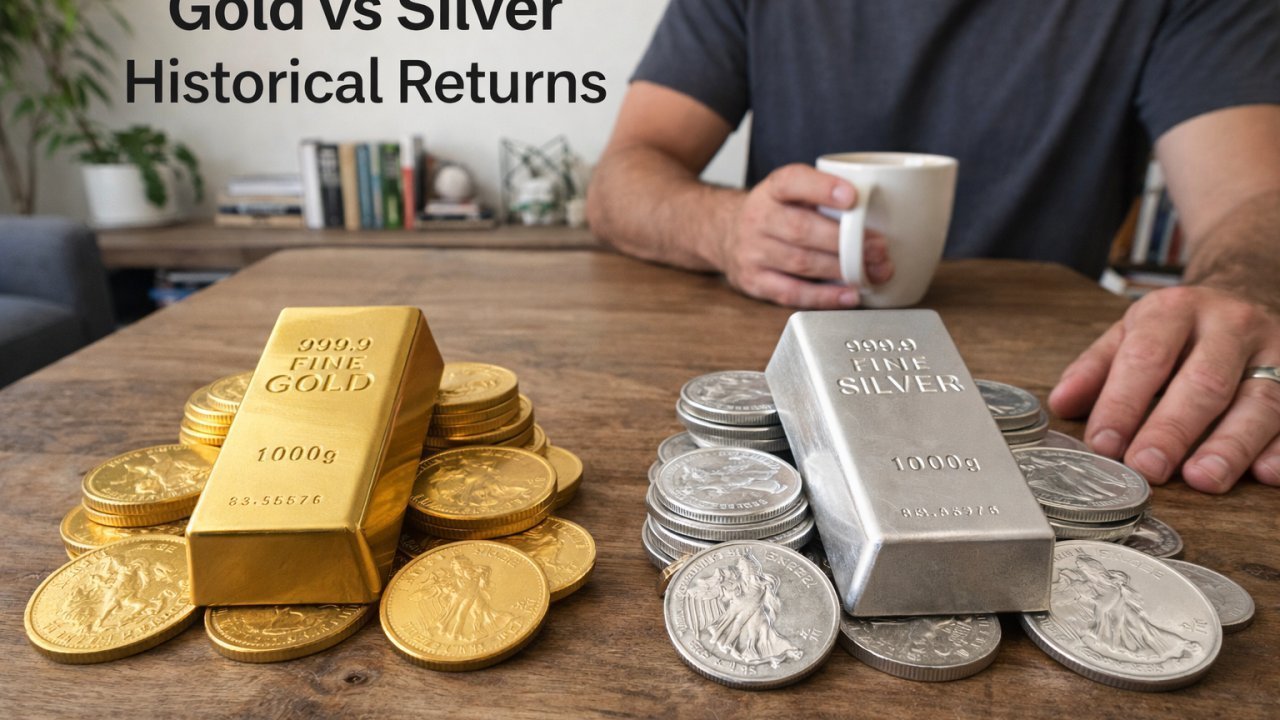
While gold remains the traditional cornerstone of wealth in Rajahmundry, a notable shift is occurring among the city’s seasoned investors. As gold prices reach historic resistance levels, silver is increasingly being viewed not just as a secondary metal, but as a high-growth tactical asset. In the bustling trade corridors near the Godavari banks, bullion dealers are reporting a surge in demand for silver bars and 999-purity coins. This trend is driven by silver’s lower entry barrier, allowing local households to accumulate tangible wealth without the heavy capital outlay required for gold.
The unique appeal for Rajahmundry’s investors lies in silver’s dual identity. Beyond its role in religious ceremonies and traditional silverware, silver is a critical industrial component for the burgeoning green energy and electronics sectors across Andhra Pradesh. This industrial demand creates a price floor that is independent of jewelry trends. Local market analysts suggest that silver’s higher volatility compared to gold offers a "high-beta" opportunity; when the bullion market moves upward, silver often outpaces gold in percentage gains, making it an attractive play for those looking to maximize short-to-medium-term returns.
For those diversifying their portfolios in the Cultural Capital of Andhra Pradesh, the current market climate favors a "silver-stacking" strategy. By allocating a portion of one's investment to silver during gold price peaks, investors can maintain a balanced precious metals portfolio that captures both industrial growth and inflationary protection. As Rajahmundry continues to modernize its investment habits, silver is proving to be the smart alternative for the modern, budget-conscious investor.
Key Takeaway: For investors in Rajahmundry, silver currently offers a more accessible entry point and higher potential for percentage-based growth compared to gold, making it an essential addition to a diversified local portfolio.
Market Update: The Rising Allure of Silver in the Godavari Bullion Market
While Rajahmundry has historically been a gold-centric market, a significant shift is occurring within the jewelry hubs of the Main Road and Big Bazaar areas. Local investors are increasingly viewing silver not just as a metal for traditional puja articles and silverware, but as a high-growth alternative to gold. As gold prices reach record highs, silver offers a more accessible entry point for retail investors in the East Godavari region, particularly those looking to hedge against inflation without the heavy capital requirement of the yellow metal.
The price of silver in Rajahmundry is currently influenced by a unique blend of global industrial demand and local seasonal spikes. Unlike gold, silver’s performance is tied closely to the electronics and renewable energy sectors, making it a "dual-purpose" asset. Expert traders in the city suggest that the current gold-silver ratio is at a level that historically favors silver accumulation. For residents looking to diversify their portfolios, silver bars and coins are becoming preferred choices over traditional ornaments due to lower making charges and higher liquidity during market fluctuations.
For those looking to enter the market, it is crucial to monitor the daily Rajahmundry bullion rates, which can vary slightly from national averages due to local logistics and regional demand. Whether you are buying for a wedding near the Pushkar Ghat or as a long-term investment, opting for 999 fineness in bullion is recommended over 925 sterling silver to ensure the best resale value in the local market. As the "Cultural Capital" embraces modern financial trends, silver is proving to be the dark horse of local investments.
Key Takeaway: Silver is evolving from a traditional gift into a strategic asset in Rajahmundry; investors should consider allocating 10-15% of their bullion portfolio to silver to capitalize on its potential for higher percentage gains compared to gold.
Navigating Gold Loan Opportunities in Rajahmundry
For residents of Rajahmundry, gold is more than just a store of value; it is a critical financial asset that can be leveraged during liquidity needs. As the city’s economy thrives on the back of its bustling trade, agriculture, and educational sectors, gold loans have become a preferred alternative to high-interest personal loans. Whether you are visiting the prominent branches near the Main Road or exploring options in the busy markets surrounding the Godavari bridge, the local market is currently flooded with competitive offers from both nationalized banks and specialized non-banking financial companies (NBFCs).
The current landscape in Rajahmundry allows borrowers to benefit from high loan-to-value (LTV) ratios, provided by lenders who recognize the cultural significance and high quality of traditional jewelry held by local families. However, before pledging your assets at a local branch, it is vital to look beyond just the interest rates. Discerning borrowers should compare processing fees, valuation transparency, and the flexibility of repayment schedules. Given the city's strong banking infrastructure, many lenders now offer door-step services, allowing residents to secure funds without navigating the heavy traffic often found near the Innespeta or Devi Chowk areas.
Key Takeaway: When opting for a gold loan in Rajahmundry, prioritize lenders who offer transparent valuation processes and flexible, bullet-repayment options. Always verify the current market rate per gram before your appraisal to ensure your loan amount is maximized against your gold's true current market value.
Expert Tip: Navigating Gold Exchange Policies in Rajahmundry
For residents of Rajahmundry looking to upgrade their jewellery collections, understanding the nuances of old-to-new gold exchange is essential. As the Godavari region’s primary trade hub, local jewellers have standardized certain practices, yet policies regarding valuation can vary significantly between traditional family-run boutiques in the Main Bazaar and larger branded retail chains. When trading in your old gold, most reputable jewellers will now use an XRF (X-ray fluorescence) purity testing machine. This technology provides a precise, non-destructive assessment of your gold's karat value, moving away from the subjective "acid test" methods of the past.
However, the real difference in your exchange value often lies in the "deduction" policies. While many jewellers offer a 0% deduction scheme for gold purchased from their own store, exchanging gold from a different retailer usually incurs a melting loss deduction—typically ranging from 3% to 8% depending on the impurities detected. Before finalizing your transaction, it is advisable to check the daily gold rate specifically for "exchange gold," as some stores may offer a slightly lower buy-back rate compared to the fresh selling price. To maximize your value, always carry your original purchase invoices; having proof of the initial purity can often help you negotiate better terms and avoid unnecessary wastage deductions.
Key Takeaway: Always prioritize jewellers that use transparent XRF testing and provide a clear breakdown of melting loss deductions before finalizing your exchange to ensure you receive the best value for your old gold.
Ensuring Authenticity: Verifying Gold Purity in Rajahmundry
For the residents of Rajahmundry, where gold is not just a form of investment but a cherished cultural staple for weddings and festivals, ensuring the authenticity of every purchase is paramount. With the bustling jewellery markets along the Main Road and surrounding areas, customers are increasingly turning to digital tools to verify the hallmark quality of their ornaments. The Bureau of Indian Standards (BIS) has made this process seamless through the official BIS Care App, a vital resource for any prudent buyer in the Godavari region.
To verify your gold, look for the unique HUID (Hallmark Unique Identification) number laser-inscribed on your jewellery. By downloading the BIS Care App from the Google Play Store or Apple App Store, you can select the ‘Verify HUID’ option and input the six-digit alphanumeric code. Within seconds, the app provides detailed information regarding the jeweller’s registration, the purity of the gold—whether it is 22K, 18K, or 14K—and the date of hallmarking. This digital footprint acts as a reliable safeguard, ensuring that your gold investment holds the value you paid for, regardless of which local showroom you patronize.
Beyond simple verification, the app also allows users to file complaints directly if a piece of jewellery fails the purity test, providing an extra layer of consumer protection in the local market. As gold prices continue to fluctuate in the Rajahmundry bullion market, taking these few extra minutes to authenticate your purchase is the smartest way to secure your financial future and protect your family's legacy.
Key Takeaway: Always insist on a hallmark-certified ornament and use the BIS Care App to verify the unique HUID number before finalizing your purchase to ensure you are receiving the exact purity you are paying for.
Expert Insight: Navigating Gold Exchange Policies in Rajahmundry
For residents of Rajahmundry looking to upgrade their jewelry collection, understanding the nuances of exchange policies is essential to maximizing value. As the gold market along the Godavari remains highly active, local jewelers have standardized their exchange protocols to ensure transparency. When trading in old gold—whether it is ancestral heirloom jewelry or pieces purchased years ago—most reputable showrooms in the city now employ advanced Karatmeter technology. This non-destructive testing method provides an accurate assessment of purity, moving away from subjective estimations and ensuring you receive a fair valuation based on the prevailing market rate for the day.
However, the "net weight" calculation remains a critical factor that often confuses buyers. When exchanging old gold for new ornaments, jewelers typically deduct the weight of embedded stones, wax, or lac, which can significantly alter the final credit amount. Furthermore, while many Rajahmundry retailers offer 100% exchange value on their own brand’s gold, they may apply a "melting loss" deduction (typically ranging from 2% to 5%) for gold sourced from other jewelers or outside the city. To secure the best deal, we recommend visiting multiple established showrooms in the Main Road or Tilak Road areas to compare their specific "buy-back" offers against the current market spot price. Always ask for a detailed breakdown of the wastage (making charges) on the new piece, as a high exchange value can sometimes be offset by inflated making charges on the new purchase.
Key Takeaway: Before heading to the jeweler, use a Karatmeter-equipped store to verify the purity of your old gold and always insist on a clear, itemized receipt that separates the exchange credit from the making charges of your new purchase.
Expert Tip: Mastering 'Making Charges' at Rajahmundry Jewellers
In the bustling gold markets of Rajahmundry, from the busy lanes near the Godavari Bund to the established showrooms of Innespeta, the final price of your gold jewellery is rarely just the spot rate. It is heavily influenced by "making charges"—the labor fee for crafting your ornament. Unlike the gold price, which is standardized, making charges are highly subjective and negotiable. These charges typically range from 6% to 20% of the gold's value, depending on the intricacy of the design; machine-made pieces usually carry lower fees, while traditional handcrafted temple jewellery, a specialty of the region, commands a premium.
To secure the best deal in Rajahmundry, avoid walking into a shop without first knowing the day's 22-carat gold rate. When inquiring about a piece, ask the jeweller to quote the making charge as a flat percentage or a fixed amount per gram rather than a lump sum for the entire item. Experienced local buyers often leverage the competitive nature of the city's jewellery corridor by visiting multiple stores; if you have a specific design in mind, obtain quotes from at least two reputable outlets. Remember, festive seasons like Akshaya Tritiya or Dussehra often bring "flat-rate" promotions, but always verify if the discount is truly on the making charge or merely a markup adjustment.
Key Takeaway: Never accept the first quoted making charge. Always ask for a detailed invoice that separates the gold value from the making charges and GST, and don't hesitate to negotiate the labor percentage, especially if you are purchasing heavy-weight items or multiple pieces.
Expert Tip: Timing Your Gold Purchase in Rajahmundry
For residents of Rajahmundry looking to invest in precious metals, timing is as crucial as the purity of the gold itself. While global spot prices set the baseline, local market dynamics in hubs like Main Road and Tilak Road often dictate the final retail premium. Industry experts suggest that the optimal time to visit your local jeweler is during the mid-afternoon hours, specifically between 2:00 PM and 4:00 PM. During this window, the initial morning rush of customers has subsided, and local bullion dealers have typically finalized their daily price adjustments based on the midday commodity market trends.
Visiting during these quieter hours allows for a more personalized consultation with your jeweler. In a bustling city like Rajahmundry, where gold is deeply woven into the cultural fabric—especially during wedding seasons and festivals like Sankranti—the afternoon lull provides the perfect opportunity to negotiate making charges. Jewellers are often more amenable to discussing discounts on craftsmanship fees when they are not managing a crowded showroom. Furthermore, by waiting until the afternoon, you ensure that you are buying against the most current price updates, shielding yourself from the volatility that often characterizes the market opening.
Key Takeaway: To secure the best deal in Rajahmundry, avoid the morning rush and visit your preferred jeweler in the mid-afternoon; this timing ensures you benefit from updated daily rates while gaining the leverage needed to negotiate lower making charges in a less crowded, more attentive environment.
Digital Gold: A Modern Alternative for Rajahmundry Investors
For generations, the residents of Rajahmundry have held a deep-rooted affinity for physical gold, often flocking to the bustling jewelry hubs of Main Road during Akshaya Tritiya or for wedding season preparations. However, as digital literacy grows across the Godavari region, a shift is occurring. Digital gold has emerged as a compelling alternative for those who wish to bypass the security concerns and high making charges associated with physical ornaments. By purchasing gold digitally, investors can acquire 24-karat gold in fractions as small as one rupee, offering a liquid and transparent way to hedge against inflation without needing a bank locker.
Is it safe? For Rajahmundry residents, the primary risk remains platform legitimacy. While digital gold is backed by physical reserves held in insured vaults by reputable refineries, it is essential to transact only through SEBI-regulated platforms or established banking apps. Unlike physical coins purchased from local vendors, digital gold does not carry the risk of purity disputes or theft. However, investors should be mindful that digital gold is not currently regulated by SEBI in the same way as Gold ETFs or Sovereign Gold Bonds (SGBs). For those looking to build a long-term portfolio, treating digital gold as a convenient "savings bucket" rather than a replacement for hallmarked physical jewelry is the most prudent approach.
Key Takeaway: Digital gold offers unmatched convenience for small, frequent investments, but always prioritize platforms backed by reputable bullion refineries and ensure you have a clear plan for redeeming or selling your holdings to maintain portfolio liquidity.
Maximizing Value: The Evolving Landscape of Gold Recycling in Rajahmundry
As gold prices fluctuate in the domestic market, many residents across East Godavari are re-evaluating the potential of their idle jewelry. In Rajahmundry, the transition from traditional pawn-broking to professional gold refining services is gaining significant momentum. Unlike conventional methods that often lead to substantial deductions for impurities or "melting losses," modern refining centers now utilize advanced X-ray fluorescence (XRF) technology. This precision allows residents to obtain an accurate assessment of their gold’s purity in real-time, ensuring transparency that was previously difficult to find in local unorganized markets.
For those looking to liquidate or exchange old ornaments, the local market around the bustling areas of Main Road and T. Nagar has become increasingly competitive. However, experts advise that sellers exercise caution. Before committing to a sale, it is vital to check the current spot price of 24-karat gold and ensure the refinery provides a transparent breakdown of the gold content versus alloy weight. By opting for certified recycling centers that adhere to BIS-standard assaying protocols, Rajahmundry residents can secure a significantly higher return on investment compared to traditional exchange schemes offered by retail jewelers, which often carry high processing fees.
Key Takeaway: To get the best value for your old gold in Rajahmundry, bypass traditional exchange schemes in favor of professional, XRF-equipped refining centers. Always verify the current market rate and insist on an independent purity test to ensure you are paid for the actual gold content rather than estimated weight.
Maximizing Value: The Gold Recycling Landscape in Rajahmundry
As gold prices fluctuate in the domestic markets of Andhra Pradesh, many residents in Rajahmundry are looking beyond traditional selling methods to unlock liquidity. The city’s vibrant gold trade, centered around bustling hubs like Main Road and Tilak Road, has seen a surge in interest regarding professional recycling and refining services. Unlike standard pawn shops, modern refining facilities utilize X-ray fluorescence (XRF) technology to provide a precise, non-destructive analysis of your gold’s purity, ensuring you receive a valuation based on current market rates rather than estimates.
For those considering recycling heirloom jewelry or damaged gold ornaments, timing is everything. It is essential to distinguish between selling to a local jeweler, who may deduct substantial "melting charges," and utilizing a specialized gold refinery. Refineries often offer higher transparency by calculating the value based on the exact weight of the gold content after accounting for impurities or alloys. Before you head to a buyer, ensure you have your original purchase invoices handy; this documentation not only proves ownership but can also help in securing a better price by verifying the hallmark and purity standards of your items.
In Rajahmundry’s competitive market, being an informed seller is your greatest asset. By keeping a close eye on the daily 22k and 24k gold rates and opting for services that offer transparent, machine-based purity testing, you can ensure that you are not leaving money on the table. Whether you are looking to reinvest in new designs or simply liquidate assets, prioritizing professional appraisal over informal trade-ins is the smartest way to navigate today’s market.
Key Takeaway: When recycling gold in Rajahmundry, prioritize centers that offer XRF-based purity testing to ensure you are paid for the actual gold content rather than generic weight estimates, and always compare the net payout after accounting for refining fees.
Expert Tips: Navigating the Festival Gold Rush in Rajahmundry
As the festive calendar approaches, the bustling jewelry corridors of Rajahmundry—from the vibrant shops near Innespeta to the trusted showrooms along the main arterial roads—are bracing for a surge in demand. For residents planning to acquire gold during this period, the key is to look beyond the glittering window displays. With market volatility often peaking during festival weeks, savvy buyers should track the daily spot price fluctuations specific to the East Godavari region rather than relying on national averages, which may not account for local labor and making charges.
When purchasing jewelry, prioritize transparency in billing. In Rajahmundry’s competitive market, reputable jewelers are increasingly offering bifurcated invoices that clearly separate the gold value, making charges, and GST. Before finalizing your purchase, verify the BIS hallmark—look for the HUID (Hallmark Unique Identification) code, which acts as a digital passport for your gold, ensuring purity. If you are buying for long-term investment rather than ornamentation, consider gold coins or bars over intricate jewelry to avoid losing value on high making charges, which can range anywhere from 8% to 20% depending on the design complexity.
Finally, consider the timing of your visit. Mid-week mornings are often the quietest times to visit local showrooms, allowing you to negotiate making charges with more leverage and ensuring you receive undivided attention from the staff. By staying informed on the daily price trends and focusing on the purity certification, you can turn your festive gold purchase into a sound financial asset for your family.
Key Takeaway: Always demand a detailed invoice that separates the gold price from the making charges and verify the HUID hallmark on every piece to ensure you are paying for actual purity, not just craftsmanship.
Maximizing Value: The Evolving Gold Recycling Landscape in Rajahmundry
As gold prices continue to fluctuate in the local Rajahmundry markets, many residents are looking beyond traditional pawnbroking to unlock the liquidity tied up in old or unused ornaments. The city’s gold recycling sector has undergone a significant transformation, moving away from informal, opaque transactions toward professional, technology-driven refining services. Whether you are clearing out ancestral jewelry or upgrading your collection, understanding the refining process is crucial to ensuring you receive the true market value of your assets.
Modern refineries operating in and around the Godavari region now utilize advanced X-ray fluorescence (XRF) spectrometry, which allows for non-destructive, precise purity testing in minutes. Unlike traditional "acid testing," which can damage the aesthetic integrity of intricate designs, these digital methods provide an accurate assessment of gold content, including the presence of trace alloys. Before visiting a buyer near the Main Road or Tilak Road hubs, it is advisable to check the daily spot price of 24k gold and ensure your service provider calculates their payout based on current international benchmarks rather than arbitrary local estimates.
Furthermore, transparency in weight verification is non-negotiable. Always insist on seeing your gold weighed on a calibrated, government-stamped electronic scale in your presence. By choosing reputable recyclers who offer transparent "melt and assay" services, you ensure that you aren't just selling a piece of jewelry, but securing the highest possible return on your investment based on real-time market data.
Key Takeaway: Before selling your gold in Rajahmundry, prioritize centers that utilize XRF technology for testing and provide clear, transparent weight verification; this ensures you receive the maximum current market value for your purity grade, regardless of the item's age or design.