Solapur, often referred to as the "Manchester of the East" due to its thriving textile industry, holds a significant place in Maharashtra's economic and cultural landscape. Beyond its famous Chaddars and handlooms, Solapur is a massive hub for gold trading. For the residents of this historic city, gold is not merely an ornament; it is a symbol of prosperity, a hedge against inflation, and a vital part of every milestone, from births to weddings. This comprehensive guide explores everything you need to know about the gold market in Solapur, providing you with the insights needed to make informed investment and purchase decisions.
1. Why is gold price different in Solapur?
Many buyers are often surprised to find that the gold rate in Solapur differs slightly from major metros like Mumbai, Chennai, or Delhi. Several local factors contribute to this price variance. Firstly, transportation and logistics play a role. Since gold is primarily imported into India through major ports, the cost of securely transporting the metal to inland cities like Solapur adds a small premium to the base price.
Secondly, the Solapur Saraf Association plays a crucial role in determining the local daily rates. While they follow international and national trends, they also consider local demand-supply dynamics. If there is a sudden surge in demand during the local festival of Gadda Yatra or the wedding season, local premiums might rise. Furthermore, state-level taxes and local levies, which historically included Octroi or LBT (now subsumed under GST but still affecting historical price structures), influence the final price offered to the consumer.
2. Which area or shop is famous for low making charges in Solapur?
If you are looking for the best value for your money, the Sarafa Bazar in the heart of the city is the ultimate destination. Specifically, the area around West Mangalwar Peth is renowned for its dense concentration of traditional goldsmiths and modern showrooms. This high level of competition is beneficial for customers as it keeps making charges competitive.
Local family-owned shops in the "Saraf Katta" area are often cited by locals for offering lower making charges compared to large national retail chains. These traditional jewelers often employ local artisans, reducing the overhead costs associated with branded marketing. However, many shoppers also find that during festive seasons like Diwali or Akshaya Tritiya, larger showrooms offer promotional discounts on making charges, sometimes even offering 0% making charges on specific gold coin purchases. To get the best deal, it is always recommended to compare the "per gram" making charge across at least three different shops in the Sarafa Bazar area.
3. Why do gold prices change daily?
The daily fluctuation of gold prices in Solapur is a reflection of a complex global and national financial ecosystem. The primary driver is the International Market. Gold is traded globally in US Dollars, and prices are heavily influenced by the London Bullion Market Association (LBMA). If global demand rises or if there is geopolitical instability (such as conflicts or trade wars), investors flock to gold as a "safe haven," driving prices up in Solapur.
Another critical factor is the USD-INR Exchange Rate. Since India imports the vast majority of its gold, a weakening Indian Rupee against the US Dollar makes gold more expensive to import, leading to a rise in local prices. Additionally, policies set by the Reserve Bank of India (RBI) and changes in import duties by the Central Government directly impact the daily opening rates. Finally, domestic inflation rates also play a part; when the purchasing power of the currency drops, gold prices typically trend upwards as investors seek to preserve their wealth.
4. Gold rates in Solapur (22 karat): How do prices change?
In Solapur, 22 Karat gold, also known as '916 Purity Gold', is the standard for jewelry making. Unlike 24 Karat gold, which is 99.9% pure but too soft for intricate designs, 22 Karat gold contains 91.6% gold mixed with alloys like copper or zinc to provide durability. The price of 22 Karat gold in Solapur typically moves in tandem with 24 Karat prices but at a lower price point proportional to its purity.
Prices change based on seasonal demand. Solapur sees a massive spike in 22K gold purchases during the wedding seasons (Muhurats) and local festivals. During these periods, the "spread" or the margin charged by retailers might widen. Conversely, during the monsoon season (Shravan), when agricultural activity is at its peak and wedding dates are fewer, demand may soften, leading to more stable or slightly discounted pricing. It is important for buyers to track the "916" rate specifically, as this is the rate that will apply to almost all wearable jewelry items.
5. Gold and hallmarking centres in Solapur.
To protect consumers from fraud and ensure the purity of the metal, the Bureau of Indian Standards (BIS) has made hallmarking mandatory. Solapur has several BIS-recognized Hallmarking Centres where jewelers send their items for testing and laser engraving. When buying gold in Solapur, always look for the three essential marks: the BIS Logo, the Purity Grade (e.g., 22K916), and the HUID (Hallmark Unique Identification) number.
The introduction of the HUID, a six-digit alphanumeric code, has revolutionized gold buying in Solapur. It allows the consumer to trace the piece of jewelry back to the hallmarking centre and verify its authenticity via the BIS Care App. Most reputable jewelers in the city, especially those in the Sarafa Bazar and Jule Solapur areas, exclusively sell HUID-compliant jewelry. Buying from a hallmarked centre ensures that when you decide to sell or exchange your gold in the future, you receive the full value based on the verified purity.
6. Top Jewellers in Solapur.
Solapur is home to a mix of legendary local establishments and prestigious national brands. Some of the top names include:
- P.N. Gadgil Jewellers (PNG): A household name across Maharashtra, known for their trust and wide variety of traditional Maharashtrian designs like Thushi and Putli Haar.
- Chandukaka Saraf & Sons: Renowned for their transparency in pricing and extensive collection of both contemporary and antique jewelry.
- Waman Hari Pethe Jewellers: A preferred choice for those looking for exquisite craftsmanship and high-quality diamonds set in gold.
- Damodardas Lalchand Jewellers: A local giant with a deep-rooted history in Solapur, often favored for wedding shopping and personalized service.
- Tanishq: Located in prominent areas, they offer a premium retail experience with a focus on modern designs and stringent purity checks.
These jewelers are known for their reliability, but it is always wise to check the daily rate displayed on their boards, as it can vary slightly between shops.
7. Supply pressures pushing prices up.
Gold prices in Solapur are often pushed higher by supply-side constraints. Since India has negligible domestic gold mining, we are almost entirely dependent on imports. Any disruption in the global supply chain, such as mining strikes in South Africa or logistical delays in major refining hubs like Switzerland, can lead to a shortage of physical gold in the local Solapur market.
Furthermore, the import quota system and changes in the Basic Customs Duty (BCD) can create supply pressures. If the government restricts imports to control the Current Account Deficit, the "premium" on physical gold in local markets rises. In Solapur, during peak seasons, if the local distributors cannot secure enough bullion to meet the demand of the city's many jewelers, the scarcity results in higher prices for the end consumer. This is why many seasoned investors in Solapur try to buy their gold during "off-peak" months when supply is plentiful.
8. How to store gold in Solapur?
Once you have purchased your gold, securing it is a primary concern. In Solapur, there are three main ways to store gold safely:
- Bank Lockers: Most residents prefer traditional bank lockers provided by institutions like State Bank of India (SBI), Bank of Baroda, or local cooperative banks like Solapur Janata Sahakari Bank. While there is an annual fee, it offers the highest level of security against theft.
- Home Safes: Many households use heavy-duty fireproof safes. However, with the rising value of gold, home storage is increasingly seen as risky unless accompanied by robust home security systems and insurance.
- Digital Gold and Demat: For those who view gold purely as an investment, storing it in digital form via apps or as Gold ETFs in a Demat account eliminates storage costs and security risks entirely. The gold is held in secure, insured vaults by the provider on your behalf.
9. Gold vs Real Estate in Solapur.
In a developing city like Solapur, investors often debate between buying gold or investing in real estate, particularly in expanding areas like Jule Solapur or near the Hotgi Road. Both have their merits. Gold offers high liquidity; you can walk into any shop in Sarafa Bazar and convert gold to cash within an hour. It also requires a much smaller ticket size, allowing for systematic investment through monthly gold schemes.
Real Estate, on the other hand, can offer higher long-term capital appreciation and potential rental income. However, it is illiquid, involves complex paperwork, and requires a large initial capital. In Solapur's context, gold is often the preferred choice for short-to-medium-term security, while real estate is viewed as a generational wealth-building tool. Many smart investors in the city maintain a balanced portfolio containing both assets.
10. What is a Sovereign Gold Bond?
For the modern investor in Solapur, Sovereign Gold Bonds (SGBs) are an excellent alternative to physical gold. Issued by the RBI on behalf of the Government of India, SGBs are certificates representing a specific weight of gold. They offer two major advantages: first, you earn a fixed annual interest (usually around 2.5% paid semi-annually) on your initial investment. Second, there are no making charges or storage hassles.
SGBs have a tenor of 8 years, with exit options after the 5th year. One of the biggest draws for Solapur residents is the tax benefit—if held until maturity, the Capital Gains Tax is waived. You can subscribe to these bonds through local banks, post offices, or online banking platforms. It is the most cost-effective way to "own" gold without the risks associated with physical metal.
11. Taxation of gold in Solapur.
Understanding the tax implications is vital for any gold buyer in Solapur. When you buy physical gold, you must pay a 3% Goods and Services Tax (GST) on the value of the gold plus the making charges. There is also a 5% GST specifically on the making charges (labor) if billed separately. Always insist on a formal GST invoice to ensure the legality of your purchase and to facilitate easy resale.
Regarding Capital Gains Tax, if you sell your gold within three years of purchase, it is considered a Short-Term Capital Gain (STCG), and the profit is added to your income and taxed according to your applicable slab. If you sell after three years, it is a Long-Term Capital Gain (LTCG), taxed at 20% with indexation benefits. It is important to keep all your purchase receipts safely to calculate these taxes accurately and avoid any future legal complications with the IT department.
Conclusion: Buying gold in Solapur is a blend of tradition and financial prudence. By staying updated on daily rates, insisting on hallmarked jewelry, and exploring modern investment avenues like SGBs, you can ensure that your "yellow metal" remains a source of both joy and financial security for years to come.
Expert Tip: Navigating Gold Exchange Policies in Solapur’s Markets
When trading in old ornaments for new designs in Solapur’s bustling Sarafa Bazaar or Navi Peth, understanding the local "buyback vs. exchange" nuance is essential for maximizing value. Most prominent jewellers in Solapur offer a 100% valuation on the gold weight if the original purchase invoice from their own establishment is provided. However, if you are bringing in "outside gold"—jewelry purchased from different cities or older family heirlooms—local vendors typically apply a melting loss deduction ranging from 2% to 5%. With the recent mandatory implementation of HUID (Hallmark Unique Identification), Solapur’s leading showrooms have transitioned to XRF (X-ray fluorescence) testing, ensuring that consumers receive a transparent purity report before the transaction is finalized.
Current market trends in the district show a significant shift toward "Value-Added Exchanges." During peak wedding seasons and festivals like Gudi Padwa, many Solapur-based jewellers roll out promotional schemes where they waive the standard melting charges on old gold, provided the customer upgrades to high-purity 22K or 24K hallmarked jewelry. It is also worth noting that while the gold value is exchangeable, the making charges and GST paid on the original old jewelry are non-refundable. To get the best deal, residents are advised to visit the larger retail hubs near the Solapur Municipal Corporation area, where competition often drives more favorable exchange rates compared to smaller rural counters.
Key Takeaway: Always carry your original purchase invoices to Solapur jewellers to claim a 100% gold value; for non-hallmarked heirloom pieces, insist on a digital purity test (XRF) to ensure you aren't overcharged for "wastage" or impurities.
Solapur Gold Market: Timing Your Purchase
For gold enthusiasts and investors in Solapur, the age-old question of "when to buy" often extends beyond just the day to the specific time. While global factors like international COMEX prices, USD/INR exchange rates, and central bank policies dictate the broader trend, intraday fluctuations can offer subtle advantages. Typically, Indian gold prices, including those seen across Solapur's bustling markets in Raviwar Peth or Sakhar Peth, react significantly to overnight global market movements. This often means early morning quotes reflect the previous day's international closing and any significant Asian market openings.
Many experienced Solapur buyers observe that prices tend to stabilize or show their initial clear direction by late morning, usually between 10:30 AM and 12:30 PM. This period allows local jewelers to fully assess the opening of European markets and any fresh cues from the Multi Commodity Exchange (MCX) in India. While afternoon trading might see further adjustments, particularly after London market opens, major price shifts often consolidate by midday. Later in the day, as local demand picks up towards evening, some jewelers might hold prices steady or make minor adjustments based on their stock and perceived local buying sentiment.
However, it's crucial to remember that perfect timing is elusive. For smaller purchases, these intraday swings might be negligible. For significant investments, monitoring prices across a couple of days during the late morning window can provide a better sense of the local market's pulse. Always compare quotes from reputable dealers in Solapur and consider the overall trend rather than chasing fleeting dips. During peak festive seasons like Akshaya Tritiya or Diwali, local demand in Solapur can also influence intraday pricing dynamics, sometimes overriding global cues for short periods.
Key Takeaway: For Solapur gold buyers, the late morning (10:30 AM - 12:30 PM) often offers a more stable and reflective price point, allowing for better assessment of global and local market dynamics.
Festival Gold Buying Guide: Navigating Solapur’s Markets
As the festive season approaches, Solapur’s bustling jewelry hubs—from the heritage lanes near Siddheshwar Temple to the contemporary showrooms along Balives—are witnessing a surge in footfall. For residents looking to invest in gold during this auspicious window, timing and quality verification are paramount. While the emotional pull of traditional designs remains strong, savvy shoppers are increasingly prioritizing hallmarked jewelry to ensure long-term value. With gold prices fluctuating in response to global economic shifts, it is essential to monitor local market premiums, which can vary significantly across the city’s reputable gold merchants.
When shopping in Solapur, don’t be swayed solely by the daily spot price; factor in the making charges, which are often negotiable, especially for bulk purchases or traditional Maharashtrian designs like the *Thushi* or *Mohan Mala*. Before finalizing your transaction, always insist on a transparent breakdown of the purity (22K vs. 24K) and the current Bureau of Indian Standards (BIS) hallmark certification. Furthermore, consider the benefits of digital gold or gold ETFs if your primary goal is investment diversification rather than physical adornment, as these options eliminate the burden of making charges and storage security concerns.
For those planning to visit the local jewelers, weekday mornings are often the best time to secure personalized attention and potentially better rates. By staying informed on current market trends and comparing quotes across established local retailers, you can ensure that your festival gold purchase is not only a cultural celebration but a sound financial decision.
Key Takeaway: Prioritize BIS-hallmarked jewelry and negotiate making charges during your festive shopping in Solapur to maximize the value of your investment while preserving the traditional craftsmanship inherent to the region.
Beyond Gold: The Growing Appeal of Silver in Solapur’s Investment Landscape
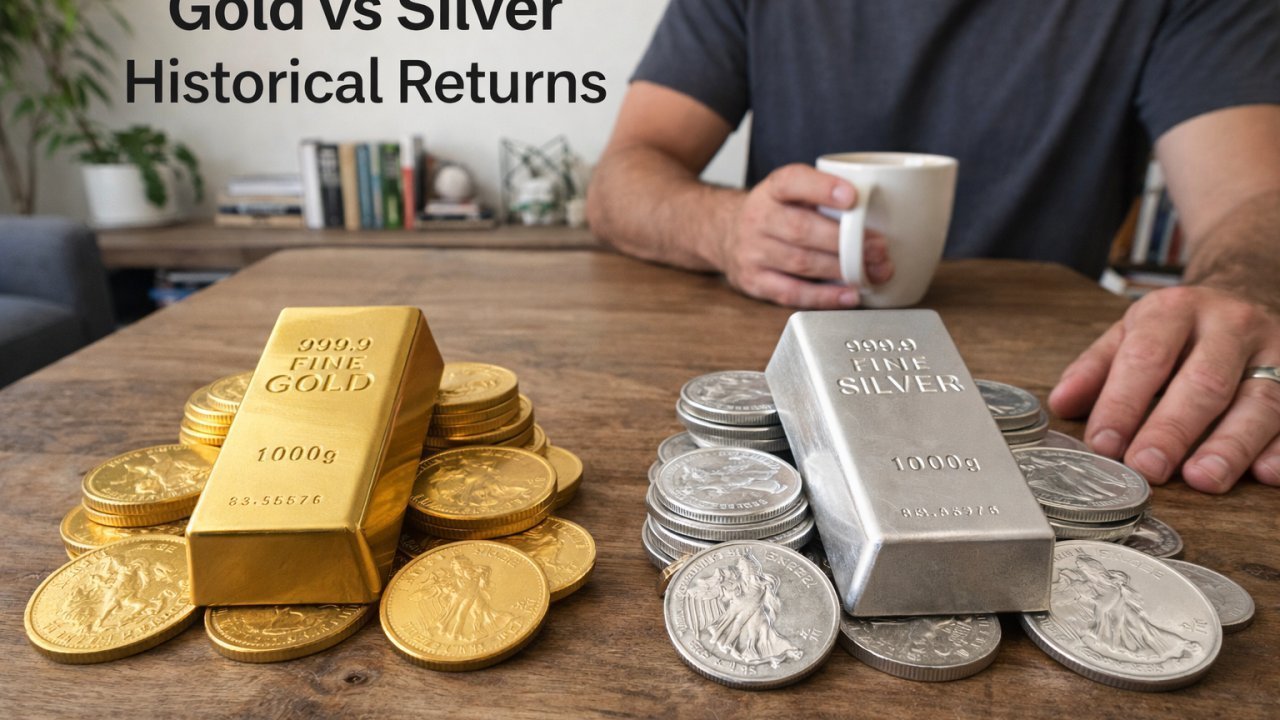
While gold remains the traditional cornerstone of investment in Solapur, local market dynamics are shifting as savvy investors increasingly turn their gaze toward silver. Driven by its dual nature as both a precious metal and a critical industrial commodity, silver is carving out a niche for itself among Solapur’s retail investors. As industrial activity in the region evolves, the demand for silver—not just for jewelry and festive gifting, but as a strategic portfolio diversifier—has seen a noticeable uptick in local bullion circles.
The appeal of silver in Solapur lies in its accessibility and volatility, which, while higher than gold, offers a distinct entry point for those looking to hedge against inflation with a smaller capital outlay. Unlike gold, which is often held for generational wealth, silver is increasingly viewed here as a tactical asset. Local jewelers and bullion traders report that younger investors in the city are particularly drawn to silver bars and coins as a liquid alternative, often balancing their portfolios to mitigate the risks associated with the high price points of yellow metal.
Market observers suggest that as Solapur continues to integrate more deeply with broader domestic trade networks, the correlation between industrial demand and local silver pricing will become even more pronounced. For the cautious investor, silver provides a bridge between traditional sentiment and modern financial hedging. As the market matures, those who monitor the industrial-to-investment demand ratio will find that silver offers a unique tactical advantage that complements, rather than replaces, the city’s deep-rooted love for gold.
Key Takeaway: Silver is gaining traction in Solapur as a strategic, low-entry-cost asset that offers a compelling hedge against inflation, serving as an ideal complement to traditional gold holdings for the modern, diversified investor.
Ensuring Authenticity: How to Verify Gold Purity in Solapur
For gold buyers in Solapur—from the bustling jewelry corridors near Tilak Chowk to the traditional markets of Mangalwar Peth—ensuring the authenticity of your purchase is as critical as monitoring the daily market rate. While the reputation of your local jeweler remains a cornerstone of trust, the Bureau of Indian Standards (BIS) has provided a digital safeguard that every investor should utilize: the BIS Care App. As gold prices fluctuate, protecting your investment against sub-standard purity is essential for long-term value retention.
Verifying your jewelry is a straightforward process that takes only a few seconds. Once you have purchased BIS Hallmarked gold, look for the unique six-digit alphanumeric HUID (Hallmark Unique Identification) code stamped on the piece. Open the BIS Care App on your smartphone, select the 'Verify HUID' feature, and enter the code. The app will instantly display critical details, including the jeweler’s registration number, the purity of the gold (such as 22K916), and the date of hallmarking. This transparency not only eliminates ambiguity regarding the metal's quality but also empowers Solapur residents to make informed financial decisions with absolute confidence.
Key Takeaway: Never finalize a high-value purchase without checking the HUID on the BIS Care App; if the code is missing or the app fails to authenticate the hallmark, treat it as a significant red flag and reconsider the transaction to safeguard your hard-earned savings.
Expert Tip: Timing Your Gold Purchase in the Solapur Market
For gold buyers in Solapur, timing is as critical as monitoring the global spot price. While international market fluctuations dictate the baseline rates, local price discovery in the Solapur bullion market—centered around the bustling jewelry hubs near Gold Bazaar and Navi Peth—often settles in the late afternoon. Jewelers typically adjust their final daily rates between 3:00 PM and 4:00 PM, once the domestic futures markets and the Mumbai bullion benchmark trends have fully matured. For retail buyers, this window offers the most accurate reflection of the day’s valuation, preventing the risk of buying based on outdated morning projections.
Furthermore, local demand patterns in Solapur significantly influence the "making charges" and premium flexibility. If you are planning a significant purchase, such as for a wedding or an investment portfolio, visiting your trusted jeweler during the mid-week lull—specifically Tuesday or Wednesday—often provides a more relaxed environment for negotiation. Unlike the high-traffic weekends or auspicious days like Akshaya Tritiya, mid-week mornings allow for personalized consultations with your jeweler, where you can better discuss purity certifications, hallmarking, and potential discounts on making charges. By aligning your visit with the afternoon price settlement and avoiding peak weekend crowds, you maximize both your capital efficiency and the quality of service you receive.
Key Takeaway: To secure the most accurate price and better negotiation terms, aim to visit Solapur’s primary gold markets on a weekday between 3:00 PM and 5:00 PM, after the day's benchmark rates have stabilized.
Smart Investing: Why Solapur Investors are Pivoting to Sovereign Gold Bonds
For generations, families across Solapur—from the bustling jewelry hubs of Sarafa Bazaar to the textile-driven households—have viewed physical gold as the ultimate store of value. However, as gold prices fluctuate in the current global economic climate, an increasing number of prudent investors in the city are shifting their focus toward Sovereign Gold Bonds (SGBs). Unlike physical jewelry or bars, which carry the dual burden of making charges and security concerns, SGBs offer a sophisticated, digital alternative backed by the Government of India.
The primary advantage for Solapur residents lies in the dual benefit of capital appreciation and regular income. While physical gold remains stagnant in your locker, SGBs earn an annual interest rate of 2.5%, credited directly to your bank account. Furthermore, by opting for bonds, you bypass the "hidden costs" of physical gold, such as the 3% GST and the significant loss in value due to making charges during resale. For those planning for long-term goals like children’s education or retirement, the tax efficiency of SGBs—where capital gains are fully exempt if held until maturity—provides a distinct fiscal edge over traditional physical holdings.
In a city where gold is deeply woven into the cultural fabric, SGBs provide a way to maintain exposure to the yellow metal without the logistical headaches of storage or insurance. Whether you are a small investor or a long-term wealth builder, diversifying your portfolio with SGBs allows you to capture the upside of gold prices while enjoying the peace of mind that comes with a sovereign guarantee.
Key Takeaway: Sovereign Gold Bonds are a superior alternative to physical gold for Solapur investors, offering a 2.5% annual interest yield, zero storage costs, and complete tax exemption on capital gains at maturity, all while eliminating the making charges associated with jewelry.
Navigating Gold Exchange Policies in Solapur: Expert Tips for Investors
As the gold market in Solapur remains highly active, particularly among households looking to upgrade their collections, understanding the nuances of exchange policies is critical. Local jewellers across major hubs like Sarafa Bazaar and Murarji Peth have streamlined their buy-back and exchange processes, but the valuation gap between "old" and "new" gold remains a point of confusion for many. When you trade in your legacy ornaments, jewellers typically subject the items to X-ray fluorescence (XRF) testing to determine the exact purity. It is important to remember that while the current market price for 24K gold is the benchmark, the exchange value of your old jewellery will be calculated based on its specific karatage, often after a standard deduction for impurities and melting loss.
For those looking to exchange old gold for new, contemporary designs, the policy on "making charges" is where savvy investors find the most value. Many established Solapur jewellers offer loyalty incentives or reduced making charges when you reinvest the value of your old gold into new purchases. Before finalizing your transaction, ensure you are aware of whether the shop follows a "net weight" or "gross weight" policy for the exchange. Gross weight calculations often include the weight of stones and beads, which are frequently deducted from the final valuation. Always ask for a transparent breakdown of the deduction percentages—locally referred to as 'ghat'—to ensure you aren't losing significant value during the transition.
Key Takeaway: To maximize your returns when exchanging gold in Solapur, prioritize jewellers who offer transparent XRF purity testing and inquire about "exchange bonus" schemes that can significantly offset the making charges on your new jewellery purchase.
Securing Your Solapur Gold: Beyond the Home Locker
As gold prices continue to fluctuate, residents of Solapur—a city with a deep-rooted cultural affinity for gold—are increasingly looking beyond traditional home safes to protect their assets. While many families in areas like Murarji Peth or Hotgi Road rely on home lockers, rising concerns over residential theft have made specialized insurance a critical consideration for the modern investor. Standard home insurance policies often provide only limited coverage for jewellery, frequently failing to account for the current market valuation of high-purity gold.
For Solapur’s gold enthusiasts, opting for a dedicated "Jewellery Insurance" policy is a prudent financial move. Unlike general contents insurance, these specialized covers protect your ornaments against theft, burglary, and even accidental damage, whether the items are kept at home or being worn during local festivities and weddings. Furthermore, many insurers now offer "agreed value" policies, which ensure that you are compensated based on the current market rate in Solapur rather than the historical purchase price. Given the city's vibrant gold market, it is highly recommended that you keep updated appraisals from your local jeweller to ensure your sum insured remains aligned with today’s volatile price trends.
Before finalizing a policy, consult with reputable insurance agents in Solapur to understand the specific "loss of use" clauses and whether your policy covers transit. Protecting your investment is just as vital as the initial purchase; ensuring your gold is adequately insured transforms your jewellery from a mere aesthetic asset into a truly secure financial hedge.
Key Takeaway: Don't rely solely on basic home insurance for your gold; opt for a dedicated jewellery policy that reflects current market valuations in Solapur and includes coverage for both transit and accidental damage.
Expert Tips: Navigating Solapur’s Festive Gold Market
As the festive season approaches, Solapur’s bustling jewelry hubs—from the traditional lanes near Gold Market to the contemporary showrooms along Hotgi Road—are seeing a surge in footfall. With auspicious dates like Dussehra and Dhanteras fast approaching, gold remains the preferred investment for Solapur families. However, current market volatility suggests that buyers should move beyond impulse purchases. Before finalizing your investment, it is essential to check the daily 22-karat and 24-karat gold rates specific to the Solapur region, as local premiums can fluctuate based on supply chain logistics and demand spikes in the textile city.
For those planning significant purchases, the "buy-back" policy is your most critical safeguard. When visiting local jewelers, prioritize pieces with the BIS Hallmark and ensure your invoice explicitly mentions the purity level and the current making charges. Given that Solapur’s market is highly competitive, don't hesitate to compare the wastage (taka) percentages across different reputable outlets. Savvy investors are increasingly opting for gold coins or bars for pure investment purposes to avoid the higher making charges associated with intricate, heavy bridal jewelry, thereby maximizing the weight of the yellow metal acquired for every rupee spent.
Key Takeaway: To secure the best value this season, prioritize BIS-hallmarked jewelry and always negotiate the making charges, which can vary significantly between local boutique jewelers and larger retail chains in Solapur.
Beyond Gold: The Growing Allure of Silver in Solapur’s Investment Landscape
While gold remains the traditional cornerstone of investment for families in Solapur, particularly during the wedding season and auspicious festivals like Gudi Padwa, a subtle shift is underway. Savvy investors in the region are increasingly diversifying their portfolios by turning toward silver as a high-potential alternative. As industrial demand for silver surges—driven by the manufacturing hubs and textile sectors surrounding the Solapur district—local bullion traders have noted a marked uptick in interest for silver bars and coins as a hedge against inflation.
Unlike gold, which often commands a premium that keeps it strictly as a long-term store of value, silver offers a lower entry barrier, making it an attractive proposition for retail investors looking to accumulate wealth incrementally. In Solapur’s bustling jewelry markets, from the gold-heavy lanes of Mangalwar Peth to the growing retail outlets in the city center, the liquidity of silver is becoming a key talking point. Investors are realizing that the metal’s dual nature—serving both as a precious asset and a vital industrial commodity—provides a unique volatility profile that can effectively balance a gold-dominated portfolio.
For those looking to capitalize on this trend, the strategy is simple: view silver not as a replacement for gold, but as a tactical addition. By allocating a portion of one’s monthly savings into silver, Solapur residents are gaining exposure to industrial growth while maintaining the security of a tangible, precious metal asset. As the market continues to evolve, keeping a close watch on the gold-to-silver ratio remains the smartest way to time your entry into the local market.
Key Takeaway: Investors in Solapur should consider diversifying their precious metal holdings by adding silver; its lower price point and rising industrial demand make it an excellent, accessible hedge to complement traditional gold investments.
Ensuring Authenticity: Verifying Gold Purity in Solapur
As gold remains a cornerstone of investment and tradition in Solapur—from the bustling markets of Sarafa Bazaar to the jewelry showrooms lining the city’s major thoroughfares—ensuring the purity of your purchase is more critical than ever. While hallmarking is the gold standard for quality, consumers often find themselves questioning the authenticity of their investments. Fortunately, the Bureau of Indian Standards (BIS) has empowered local buyers with the BIS Care App, a digital tool that puts transparency directly into your hands.
To verify your jewelry, simply look for the HUID (Hallmark Unique Identification) number laser-engraved on your gold item. By opening the BIS Care App and selecting the ‘Verify HUID’ feature, you can input this six-digit alphanumeric code to instantly retrieve the jeweler’s details, the date of hallmarking, and the exact purity of the metal. For Solapur residents, this serves as a vital safeguard against unscrupulous practices, ensuring that the 22-karat gold you paid for is precisely what you are taking home to your locker.
Whether you are purchasing bridal sets for the upcoming wedding season or adding to your long-term savings, relying on the BIS Care App is a modern necessity. It transforms the buyer from a passive participant into an informed investor, allowing you to navigate the Solapur gold market with complete confidence and peace of mind.
Key Takeaway: Always insist on a valid HUID-stamped invoice and use the BIS Care App to verify your gold’s purity before leaving the store, ensuring your investment is backed by official government certification.
Navigating Gold Exchange Policies in Solapur: What You Need to Know
As gold prices continue to fluctuate, many residents in Solapur are looking to upgrade their jewelry collections by exchanging old ornaments for new designs. However, navigating the exchange policies of local jewellers requires a keen eye. Most reputable establishments across the city, particularly those operating in the bustling markets of Sarafa Bazaar, now mandate rigorous purity testing using X-ray fluorescence (XRF) machines. While this technology ensures transparency, it is vital to understand that the "buy-back" value of your old gold is calculated based on the current 24-karat market rate, minus specific deductions for impurities and melting losses.
A critical point of friction for many customers is the distinction between internal exchange policies and external resale. If you are exchanging old gold at the same jeweller where it was originally purchased, many Solapur-based outlets offer a "zero-deduction" policy on the making charges, provided you have the original invoice. Conversely, bringing gold from a different store often incurs a higher wastage deduction—typically ranging from 10% to 15%. Before finalizing any transaction, always compare the net weight after melting and ensure that the jeweller clearly explains how they account for the "stone weight" if your jewelry is studded with precious gems, as these are often excluded from the gold valuation.
Key Takeaway: To maximize your value when exchanging gold in Solapur, always carry your original purchase receipts and prioritize trading your old jewelry back to the original retailer to bypass heavy wastage deductions and secure the best possible exchange rate.