Bharuch, one of the oldest cities in India with a rich merchant history, has always maintained a deep-rooted connection with gold. Situated on the banks of the Narmada River, this industrial and historical hub in Gujarat views gold not just as an ornament but as a vital financial instrument. Whether it is for the grand Gujarati weddings or as a hedge against inflation, the demand for gold in Bharuch remains consistently high. This guide provides a comprehensive overview of everything you need to know about purchasing, storing, and investing in gold in Bharuch.
1. Why is gold price different in Bharuch?
If you compare the gold rates in Bharuch with cities like Mumbai, Delhi, or even nearby Vadodara, you might notice slight variations. Several factors contribute to these price discrepancies. Firstly, transportation costs and logistics play a role. Gold is primarily imported into major ports, and the cost of moving physical gold to inland cities like Bharuch adds a small premium to the base price.
Secondly, the Local Jewellers Association in Bharuch determines the daily opening rate based on the prevailing national rates but adjusts it according to local demand and supply. Furthermore, state-level taxes and historical octroi charges (now integrated into GST but still impacting local margins) can cause the final retail price to vary. Local competition also dictates prices; in a city with a high density of jewelers, shops might offer slightly lower rates to attract customers, whereas isolated showrooms might charge a premium for convenience.
2. Which area or shop is famous for low making charges in Bharuch?
Making charges can significantly inflate the final bill of your gold jewelry, often ranging from 8% to 25% of the gold value. In Bharuch, the Katopore Bazar area is renowned for its traditional goldsmiths and competitive pricing. This old-market district houses many family-run businesses that have operated for generations. Because they often own their premises and have lower overhead costs compared to high-end malls, they are frequently able to offer lower making charges.
Another area to explore is the Station Road, which hosts a mix of national brands and reputable local showrooms. While national brands have fixed making charges, local stalwarts in this area often provide "per gram" making charge schemes during festive seasons like Dhanteras or Diwali. If you are looking for the lowest labor costs, opting for plain gold ornaments (Vedhani or simple chains) from the smaller boutiques in the Panchbatti area is often the most cost-effective strategy.
3. Why do gold prices change daily?
Gold is a global commodity, and its price is influenced by a complex web of international and domestic factors. The primary driver is the international market (COMEX), where gold is traded in US Dollars. Therefore, any fluctuation in the value of the Indian Rupee (INR) against the US Dollar (USD) immediately impacts the gold rate in Bharuch. If the Rupee weakens, gold becomes more expensive to import, leading to a rise in local prices.
Other factors include:
- Central Bank Reserves: When the Reserve Bank of India (RBI) or other global central banks increase their gold reserves, prices tend to rise.
- Interest Rates: There is an inverse relationship between interest rates and gold. When the US Federal Reserve raises rates, gold prices often dip as investors move toward interest-bearing assets.
- Geopolitical Stability: During times of war or global economic uncertainty, gold is viewed as a "safe haven," driving demand and prices upward.
- Import Duties: Since India imports the majority of its gold, changes in the Union Budget regarding import duties directly affect the daily rate.
4. Gold rates in Bharuch (22 karat): How do prices change?
In Bharuch, 22 karat gold is the most popular choice for jewelry. It consists of 91.6% pure gold mixed with other metals like copper or zinc to provide durability. The price of 22k gold is always lower than 24k (99.9% pure) gold. Prices for 22k gold in Bharuch change based on the daily bullion bulletin issued by the local association.
Seasonal demand is a major factor in price volatility within the city. During the wedding season (Lagnasara) and festivals like Karwa Chauth or Akshaya Tritiya, the local demand spikes. This surge can sometimes lead to a local premium where the Bharuch rate might slightly exceed the national average. Conversely, during the "Shravan" month or "Adhik Maas," when auspicious purchases are fewer, you might find more stable or slightly discounted rates as jewelers try to stimulate sales.
5. Gold and hallmarking centres in Bharuch.
With the government making BIS Hallmarking mandatory, purity concerns have largely been addressed. Hallmarking ensures that the consumer gets the purity they pay for. A hallmark consists of the BIS logo, the purity grade (e.g., 22K916), and a unique HUID (Hallmark Unique Identification) number.
Bharuch has several recognized hallmarking centres approved by the Bureau of Indian Standards. Most reputable jewelers in the city send their ornaments to these third-party labs for testing. When buying gold in Bharuch, always insist on seeing the HUID through a magnifying glass. You can also verify the authenticity of the hallmark using the BIS Care App. This transparency has boosted consumer confidence in the Bharuch gold market, ensuring that even small-scale local artisans adhere to national quality standards.
6. Top Jewellers in Bharuch.
Bharuch offers a blend of traditional craftsmanship and modern retail experiences. Some of the top names include:
- Tanishq (Titan Company): Located near Station Road, it is a favorite for those seeking contemporary designs and guaranteed purity.
- Reliance Jewels: Known for their extensive collections and transparent pricing models.
- Local Heritage Jewellers: Names like Choksi Vallabhram Tulshiram and other established families in Katopore Bazar have served local residents for decades, specializing in traditional Gujarati designs like Kundan and Jadau.
- Kalyan Jewellers: A popular choice for South Indian designs and heavy bridal sets.
Choosing between a national brand and a local jeweler often comes down to a trade-off between design variety and personalized service. Local jewelers in Bharuch are often more flexible with buy-back policies for their own jewelry.
7. Supply pressures pushing prices up.
The supply of gold in Bharuch is almost entirely dependent on external sources. India produces a negligible amount of gold domestically, meaning cities like Bharuch rely on imports. Supply pressures often arise from logistical disruptions. For instance, during periods of high volatility, bullion dealers may hold back stock in anticipation of higher prices, creating a temporary local shortage.
Furthermore, the "Recycled Gold" market in Bharuch is significant. Many residents exchange old gold for new designs. When the supply of old gold coming back into the market drops (usually when prices are expected to rise further), the pressure on "fresh" gold increases, which can keep local premiums high. Global mining output and mining strikes in countries like South Africa also eventually trickle down to affect the supply chain in Bharuch.
8. How to store gold in Bharuch?
Security is a primary concern for gold owners. In Bharuch, there are three main ways to store gold:
- Bank Lockers: Leading banks like State Bank of India (SBI), Bank of Baroda, and HDFC Bank in Bharuch offer locker facilities. This is the safest method, although it involves an annual rental fee and often requires a fixed deposit.
- Home Safes: Many households use heavy-duty Godrej-style safes. While convenient, this carries a higher risk of theft. It is recommended to have comprehensive home insurance if you store significant amounts of gold at home.
- Digital Gold: For investors, storing gold digitally through platforms like MMTC-PAMP or through apps is becoming popular in Bharuch. This eliminates the need for physical storage and insurance costs.
9. Gold vs Real Estate in Bharuch.
Bharuch is witnessing a real estate boom due to the expansion of the GIDC (Gujarat Industrial Development Corporation) estates in Dahej and Ankleshwar. This often leads to a debate: Gold or Real Estate?
Gold offers high liquidity; you can sell gold in Bharuch within minutes at any jewelry shop if you need urgent cash. It requires no maintenance and can be purchased in very small quantities. Real Estate, on the other hand, requires a large capital outlay and is illiquid. However, real estate in developing areas of Bharuch (like the GNFC township area or Zadeshwar) can offer higher long-term capital appreciation and rental income. For most residents, a balanced portfolio including both—gold for security and real estate for growth—is the preferred strategy.
10. What is a Sovereign Gold Bond?
For those in Bharuch who look at gold purely as an investment rather than for wearing, Sovereign Gold Bonds (SGBs) are an excellent alternative. Issued by the RBI on behalf of the Government of India, SGBs are denominated in grams of gold.
The benefits of SGBs for Bharuch investors include:
- Interest Income: You earn a fixed interest (usually 2.5% per annum) on the initial investment.
- No Storage Costs: Since it is a digital/paper certificate, there is no risk of theft or need for a bank locker.
- Tax Benefits: If held until maturity (8 years), the capital gains are tax-free.
- Purity Guaranteed: There is no risk of impurity as the bond is backed by the government.
11. Taxation of gold in Bharuch.
Understanding the tax implications is crucial for any gold buyer in Bharuch. Currently, a 3% GST is levied on the value of the gold and the making charges. If you sell your gold, the tax implications depend on the holding period:
- Short-Term Capital Gains (STCG): If sold within 3 years of purchase, the profit is added to your income and taxed according to your income tax slab.
- Long-Term Capital Gains (LTCG): If sold after 3 years, the profit is taxed at 20% with indexation benefits.
Additionally, if you purchase gold worth more than ₹2 lakh in cash, you must provide your PAN card details, and the jeweler may collect 1% TDS (Tax Deducted at Source). Always ensure you get a proper GST invoice for your purchases to maintain a legal record and simplify future sales or exchanges.
Bharuch Gold Exchange: Navigating Old vs. New Gold Policies
For many residents of Bharuch, exchanging old gold for new is a common practice, driven by tradition, changing styles, or simply an upgrade. However, the policies surrounding this exchange can vary significantly between jewellers, making it crucial for consumers to understand the nuances beyond just the daily gold rate. While the current market price dictates the value of new gold, the assessment of your old jewellery often involves a different set of considerations, directly impacting the final value you receive.
When you present old gold for exchange in Bharuch, jewellers typically assess its purity and weight. Expect deductions for impurities, lac, or stones, and a "melting loss" or "wastage" percentage. This deduction can range, and it's essential to clarify this upfront. Some established jewellers in Bharuch use advanced Karatmeters for precise purity assessment, while others might rely on traditional methods. Always inquire about the method of assessment and the exact percentage of deduction applied to your old gold's weight before proceeding.
The value derived from your old gold is then set against the price of the new jewellery, which includes the current gold rate, making charges, and GST. Savvy gold buyers in Bharuch should not hesitate to compare exchange policies across different stores. Look for transparency in billing, ensuring the credit for your old gold and the cost breakdown of the new purchase (gold weight, making charges, GST) are clearly itemized. Sometimes, jewellers offer special promotions on making charges for exchanges, which can further enhance your value.
Key Takeaway: When exchanging gold in Bharuch, always compare policies, understand the purity assessment and deduction rates for your old gold, and ensure transparent billing to maximize your value.
Expert Tip: Why Bharuch Investors are Pivoting Toward Silver
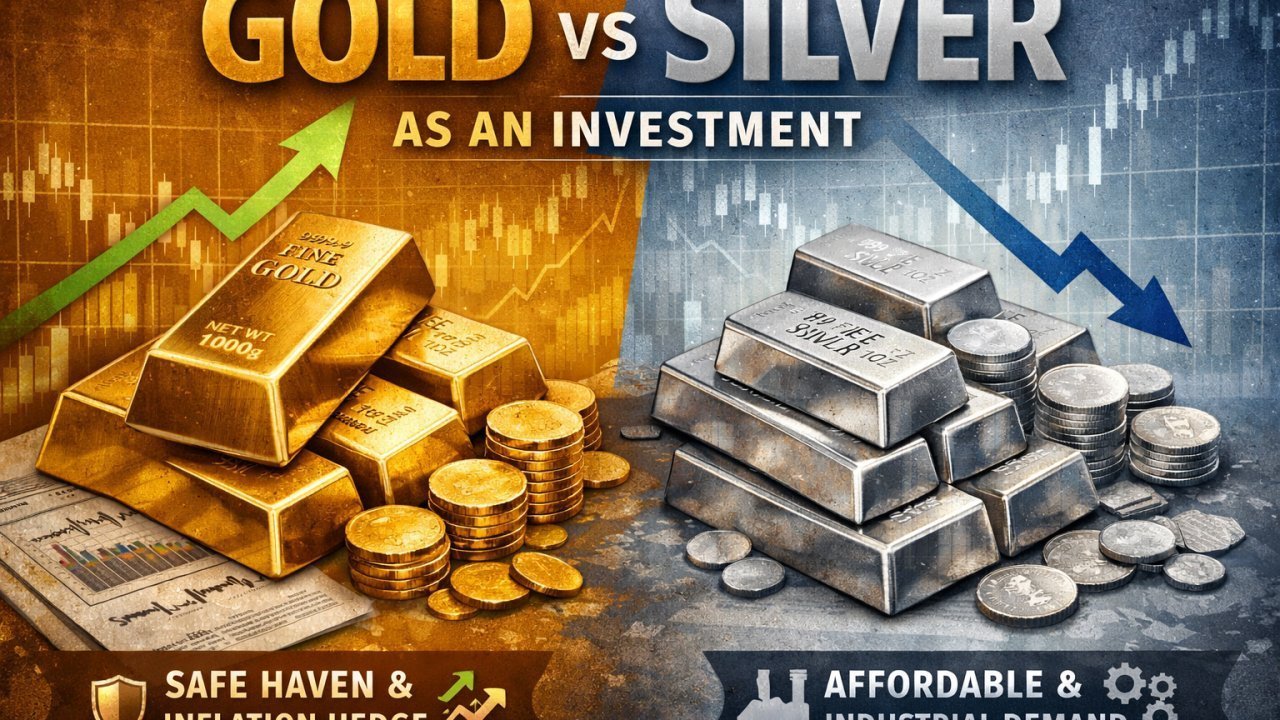
While gold remains the traditional cornerstone of wealth in Bharuch’s bustling markets, a sophisticated shift is occurring among local investors. With gold prices hovering near historic peaks, many residents—from the GNFC townships to the industrial corridors of Dahej—are increasingly eyeing silver as a high-growth alternative. Unlike gold, silver’s performance in Bharuch is uniquely tied to its dual identity as both a precious metal and a critical industrial commodity. Given Bharuch’s proximity to massive chemical and manufacturing hubs, local savvy traders recognize that global industrial demand, particularly in solar energy and electronics, often acts as a powerful catalyst for silver’s price appreciation, sometimes outperforming gold in percentage terms during market rallies.
For those visiting local jewelers near the Narmada Bridge or in the heart of the old city, silver offers a significantly lower entry barrier, allowing for consistent "SIP-style" physical accumulation. Current market data suggests that while gold provides a safety net, silver offers the volatility necessary for superior short-to-medium term gains. We are seeing a growing trend where Bharuch households are diversifying their portfolios by allocating 10-15% of their bullion budget specifically to .999 fineness silver bars. This strategy not only hedges against rupee fluctuations but also capitalizes on the metal's current supply-side constraints, making it an attractive "white metal" play for the modern investor.
Key Takeaway: For Bharuch investors, silver serves as a versatile high-yield alternative to gold, leveraging its dual role as a store of value and a vital industrial asset in India’s expanding green economy.
Market Update: Is Silver the New Gold for Bharuch’s Savvy Investors?
While gold remains the undisputed king of family lockers across Bharuch, a significant shift is occurring as local investors increasingly eye silver as a strategic hedge. In the bustling markets near Station Road and the Shravan Shrut area, silver is shedding its reputation as merely "poor man’s gold" and emerging as a high-growth asset class. With gold prices frequently testing new resistance levels, Bharuch’s middle-class households and industrial professionals from the nearby GIDC zones are diversifying into silver to capitalize on its dual role as both a precious metal and a critical industrial commodity.
The local demand in Bharuch is uniquely positioned; it is influenced not just by traditional bridal requirements, but by the metal's massive role in the global shift toward green energy and electronics. As solar panel manufacturing and EV production ramp up globally, silver's industrial demand is projected to stay robust. For a Bharuch resident, this means that silver often provides a more dynamic price movement compared to gold. Local bullion dealers are reporting a surge in the purchase of 999-purity silver bars and coins, which offer better liquidity and lower making charges than intricate silverware or jewelry.
Expert sentiment suggests that for those looking to enter the bullion market without the heavy capital required for gold, silver presents an attractive entry point. However, timing is key. Bharuch’s retail silver rates are closely tied to the wholesale fluctuations in the Surat and Vadodara markets. Monitoring these regional hubs can provide a tactical advantage, allowing local buyers to accumulate silver during short-term price corrections. As we move into the next fiscal quarter, silver is increasingly viewed not just as a secondary option, but as a primary driver for portfolio growth in the Narmada belt.
Key Takeaway: For Bharuch investors, silver offers a lower entry barrier and higher volatility-driven profit potential, making it an essential companion to gold for a balanced and resilient investment portfolio.
Ensuring Authenticity: Verifying Your Gold Purchase in Bharuch
As gold remains a cornerstone of investment and cultural tradition in Bharuch—from the bustling jewelry corridors near the Station Road to the established showrooms across the city—ensuring the purity of your purchase is more critical than ever. While local trust is invaluable, modern technology offers an objective layer of security. The Bureau of Indian Standards (BIS) has streamlined consumer protection through the BIS Care App, a tool that every gold buyer in Gujarat should utilize before finalizing a transaction.
To verify your ornaments, simply look for the HUID (Hallmark Unique Identification) number laser-inscribed on your piece. By opening the BIS Care App and selecting the "Verify HUID" feature, you can instantly input this alphanumeric code. The app provides comprehensive details, including the jeweler’s registration number, the purity of the gold (such as 22K916), and the specific date of hallmarking. If you are shopping in Bharuch’s busy markets, this digital verification takes mere seconds and serves as a vital safeguard against substandard quality, ensuring that the gold you purchase aligns with the prevailing market prices you see on our page.
Key Takeaway: Never finalize a high-value purchase without cross-referencing the HUID on your jewelry with the BIS Care App; if the details do not match or the app flags an error, request clarification from your jeweler immediately to ensure your investment is genuine.
Maximizing Value: The Evolving Landscape of Gold Refining in Bharuch
As gold prices continue to fluctuate in the Indian market, residents of Bharuch are increasingly looking toward professional refining services to unlock the liquidity trapped in old or inherited jewelry. While the city has long been a hub for traditional trade, the local gold ecosystem is shifting toward modern, transparent refining processes. Rather than settling for the traditional "melt-and-assay" methods offered by neighborhood jewelers, savvy investors are now seeking out specialized centers that utilize X-ray Fluorescence (XRF) technology to determine the exact purity of their assets without the need for destructive testing.
For those looking to recycle gold in the Bharuch district, the key to securing the best market rate lies in understanding the difference between a simple buy-back and professional refining. Many local outlets are now bridging this gap, providing real-time price tracking linked directly to the Mumbai bullion market. By opting for certified refining services, sellers can ensure that they are compensated for the full weight of their gold minus only the industry-standard refining loss, effectively bypassing the significant markdowns often associated with retail pawn shops or unverified exchange services.
Before visiting a refinery, it is advisable to check the current market spot price and ensure your gold is free of heavy stone settings, which can often lead to inaccurate weight estimations. Engaging with established, transparent players in the Bharuch market not only protects your investment but also ensures you are capitalizing on the current high-price environment with maximum efficiency.
Key Takeaway: To get the best value for your gold in Bharuch, prioritize centers that use XRF technology for non-destructive testing and provide valuation based on current live market spot rates, ensuring you avoid unnecessary deductions from retail intermediaries.
Market Insight: Preparing for the Bharuch Wedding Rush
As Bharuch gears up for the upcoming wedding season, local jewelers across the city—from the bustling markets near the Station Road area to the specialized boutiques in Shakti Nagar—are bracing for a significant surge in demand. With the auspicious wedding dates fast approaching, we are observing a distinct shift in consumer behavior. Unlike the investment-heavy buying seen during Diwali, current demand in Bharuch is heavily concentrated on bridal sets and traditional 22-karat gold ornaments, reflecting the deep-rooted cultural importance of gold in local nuptial ceremonies.
Market analysts suggest that the rising global gold prices have not dampened the spirit of Bharuch’s shoppers; rather, it has shifted their strategy. We are seeing a marked increase in "pre-booking" and advance orders, a trend driven by families looking to hedge against potential price volatility as the peak season nears. Furthermore, local artisans report a rise in requests for lightweight, contemporary designs that balance traditional aesthetics with daily wearability, allowing families to manage their wedding budgets more effectively without compromising on the quality of the yellow metal.
For those planning to purchase gold for upcoming weddings in Bharuch, the current market climate suggests that waiting for a last-minute dip may be a risky endeavor. Given the localized supply constraints and the cyclical nature of demand in our region, securing your requirements early is often a wiser financial decision than attempting to time the market in the heat of the wedding rush.
Key Takeaway: With wedding season demand intensifying in Bharuch, local jewelers recommend advance booking to lock in prices and ensure availability, as supply chain pressures often lead to higher premiums on finished bridal jewelry during peak calendar months.
Market Insight: Navigating Global Volatility in Bharuch’s Gold Market
The gold market in Bharuch is currently navigating a period of heightened sensitivity as global geopolitical tensions and shifting central bank policies exert pressure on international bullion prices. For local jewelers and retail investors in the Golden City, the ripple effects are immediate. When global markets react to fluctuations in the U.S. Dollar or interest rate adjustments by the Federal Reserve, the impact is mirrored in the domestic market, often compounded by local currency depreciation. In Bharuch, where gold remains a cornerstone of both cultural tradition and personal wealth, these international shifts serve as a constant reminder of how interconnected the local bazaar has become with the global economy.
For residents looking to add to their collections or secure assets, the current climate demands a strategic approach. While the temptation to wait for a significant dip is high, the reality of Bharuch’s supply chain—heavily influenced by import duties and the landed cost of gold in India—means that local prices often remain resilient even when global spot prices face temporary corrections. Investors are advised to look beyond daily volatility and focus on long-term accumulation strategies, especially as seasonal demand in Gujarat often provides a floor for price support, insulating the local market from the most extreme global swings.
Key Takeaway: While global market fluctuations create short-term price instability, Bharuch’s retail gold prices are heavily buffered by currency dynamics and local demand cycles; focus on steady, incremental accumulation rather than attempting to time the volatile peaks and valleys of the international market.
Navigating Making Charges: A Smart Buyer’s Guide for Bharuch Jewellers
In Bharuch’s bustling jewellery hubs—from the heritage lanes near the Narmada river to the contemporary showrooms along the Station Road—the gold price you see on the ticker is only half the story. The "Making Charge" (or ghadai) is where the final cost of your jewellery often fluctuates significantly. Unlike the transparent bullion rate, making charges are subjective, calculated based on the intricacy of the design, the wastage percentage (tunch), and the brand's positioning. For intricate traditional Gujarati designs like Kundan or heavy bridal sets, jewellers often quote a flat percentage, but this is rarely set in stone.
To negotiate effectively in the Bharuch market, timing and research are your best allies. Before stepping into a showroom, compare the per-gram making charges across multiple local jewellers to establish a baseline. If you are a long-term customer, leverage your relationship; local Bharuch jewellers highly value customer loyalty and are often willing to shave 10–20% off the quoted making charges if you demonstrate intent to purchase. Furthermore, always ask for a detailed invoice that separates the gold value from the making charges, and be wary of "fixed price" labels on machine-made items, as these often carry the highest margins. By approaching the counter with a clear understanding of the gold weight versus the labor cost, you can ensure your investment remains profitable.
Key Takeaway: Never accept the first quoted making charge; treat it as an opening bid. Always ask for the "net making cost" per gram rather than a vague percentage, and compare this figure across at least three reputable local jewellers to secure the best deal.
Bharuch Gold Update: Maximising Your Old Gold's Exchange Value
In the vibrant gold market of Bharuch, exchanging old jewellery for new is a common practice, especially with the festive season approaching or when upgrading designs. However, understanding the nuances of these exchange policies is crucial to ensure you get the best value for your existing gold. While the daily gold price sets a benchmark, the final exchange value often depends on several factors specific to individual jewellers in areas like Zaveri Bazaar or near Swaminarayan Mandir.
When you bring in old gold, Bharuch jewellers typically assess its purity, which may involve melting a small sample. Expect a deduction for impurities or solder, which is standard industry practice. More importantly, be aware of how making charges are handled. While some jewellers might offer attractive 'zero making charge' schemes on new purchases, this often applies to the new item and doesn't necessarily mean your old gold will be valued higher. Your old gold's value is usually calculated based on the day's prevailing gold rate for 22K or 24K, minus any purity deductions and a small processing fee.
To navigate this effectively, it's advisable to compare exchange offers from a couple of trusted jewellers in Bharuch. Inquire specifically about their purity assessment methods, any deductions for wastage, and how making charges on the new jewellery will impact your overall cost. Some jewellers might offer a slightly better exchange rate if you're purchasing a significant amount of new gold from them, so don't hesitate to negotiate or clarify all terms upfront. Transparency is key to a satisfactory exchange.
Key Takeaway: When exchanging old gold in Bharuch, always clarify the purity assessment, wastage deductions, and the specific making charge policy on your new purchase with multiple trusted jewellers to ensure you get optimal value.
Smart Investing: Why Bharuch Residents Are Shifting from Physical Gold to SGBs
For the residents of Bharuch, where gold has traditionally been the cornerstone of family wealth—often purchased from the bustling jewelry markets near the Station Road or the heritage lanes of the old city—a strategic shift is underway. While the emotional appeal of physical jewelry remains strong, savvy investors in the region are increasingly turning to Sovereign Gold Bonds (SGBs) as a superior alternative for long-term wealth preservation. Unlike physical gold, which brings the perennial concerns of safety, storage costs, and the "making charges" that erode your initial investment, SGBs offer a clean, digital pathway to gold ownership.
The primary advantage for Bharuch’s growing investor base is the dual benefit of capital appreciation and a guaranteed annual interest rate of 2.5%. When you buy gold coins or ornaments, you pay a premium for craftsmanship and purity testing; with SGBs, you are buying the raw metal at the prevailing market rate without any additional levies. Furthermore, SGBs eliminate the risk of theft or the need for expensive bank lockers, allowing your investment to grow securely within your demat account. By opting for SGBs, investors in Bharuch are not just tracking the gold price; they are actively earning passive income on an asset class that is traditionally non-yielding.
Key Takeaway: By choosing Sovereign Gold Bonds over physical jewelry, you avoid making charges and storage risks while earning a 2.5% annual interest, making SGBs a more tax-efficient and profitable way to hold gold for the long term.
Beyond Gold: The Growing Appeal of Silver in Bharuch’s Investment Landscape
While gold remains the cornerstone of investment portfolios across Gujarat, local investors in Bharuch are increasingly pivoting toward silver as a high-potential alternative. As the industrial footprint of the Bharuch district expands—driven by the thriving chemical and textile hubs near Dahej and Ankleshwar—the demand for physical silver is no longer confined to traditional jewelry and festive gifting. Savvy investors are now viewing silver as a strategic hedge, noting that its dual identity as both a precious metal and a critical industrial commodity offers a distinct growth trajectory compared to the more defensive nature of gold.
The current market sentiment in Bharuch reflects a shift in retail behavior. With gold prices reaching premium levels, younger investors are finding silver more accessible for systematic accumulation. Local market analysts observe that silver’s volatility, while often higher than gold, provides lucrative entry points for those looking to capitalize on price corrections. Furthermore, the rising integration of silver in green energy technologies and electronics is bolstering long-term demand, making it an attractive asset for those looking to diversify their holdings beyond the conventional yellow metal. For the Bharuch investor, silver is transitioning from a cultural staple to a sophisticated wealth-building tool.
Key Takeaway: As industrial demand intersects with retail investment interest, silver is emerging as a dynamic, lower-entry-cost alternative to gold, offering Bharuch investors a strategic way to balance portfolio risk and capitalize on global commodity trends.
Beyond Gold: The Growing Appeal of Silver in Bharuch’s Investment Landscape
While gold remains the bedrock of traditional savings in Bharuch, local investors are increasingly diversifying their portfolios with silver. As the industrial footprint of the Bharuch-Dahej region continues to expand, the dual nature of silver—as both a precious metal and an essential industrial commodity—has caught the attention of local traders and retail investors alike. Unlike gold, which is primarily driven by sentimental value and hedge-seeking behavior, silver prices are showing heightened sensitivity to global manufacturing cycles, offering a dynamic alternative for those looking to hedge against inflation.
Market sentiment across Bharuch’s bustling local bullion markets suggests a shift in buying patterns. Younger investors are increasingly opting for silver bars and coins over traditional jewelry, viewing them as high-liquidity assets that offer a lower entry barrier compared to the steep premiums of gold. Given the volatility in global precious metal markets, silver’s current price trajectory offers a compelling risk-reward ratio. For Bharuch residents, integrating silver into a broader portfolio is no longer just a luxury; it is becoming a strategic move to balance the high-capital requirements of gold with the growth potential of an industrial-grade metal.
Key Takeaway: As Bharuch’s economy evolves, silver is emerging as a strategic, high-growth investment alternative to gold, offering investors a hedge that benefits from both its status as a precious metal and its critical role in modern industrial supply chains.
Market Update: Global Volatility and Its Impact on Bharuch’s Gold Market
The gold market in Bharuch is currently navigating a period of heightened sensitivity as global economic indicators—specifically fluctuating U.S. treasury yields and shifting geopolitical tensions—ripple through local bullion trade. For investors in Bharuch, the recent uptick in global market volatility acts as a double-edged sword. While international spot prices have seen sharp corrections due to a stronger dollar, the local price in Bharuch remains supported by consistent festive and wedding-season demand from the surrounding industrial and agricultural belts of the Narmada district.
Local jewelers in Bharuch are observing a cautious sentiment among buyers. As global uncertainty drives gold’s appeal as a "safe haven" asset, retail consumers are closely monitoring price dips to time their purchases. The interplay between the strengthening Indian Rupee and global gold price adjustments is creating a unique pricing window. For those looking to invest, the current market climate suggests that local premiums remain stable, but the cost of imported gold—a major factor for Bharuch’s prominent retail outlets—is highly susceptible to these daily international price swings. Staying informed on these trends is essential for anyone looking to optimize their portfolio or plan significant purchases in the local market.
Key Takeaway: While global market turbulence is causing price swings, strong local demand in Bharuch is preventing drastic drops; investors should prioritize staggered buying strategies to mitigate the impact of daily volatility.
Navigating Gold Price Variations: The Bharuch Perspective
For investors and jewelry enthusiasts in Bharuch, understanding why local gold rates occasionally diverge from major metropolitan hubs like Mumbai or Ahmedabad is essential. While the base price of 24-karat gold is largely dictated by international market trends and currency fluctuations, the retail price at your local jeweler in Bharuch often accounts for regional logistics and localized demand. Unlike the high-volume turnover seen in India’s tier-1 cities, Bharuch’s market is characterized by a more stable, community-driven demand, which can sometimes result in slightly different premium structures on gold coins and bars.
Furthermore, local taxation nuances and the specific transportation costs associated with moving bullion from major refineries to the Narmada district can subtly influence the final price tag. While the difference is often marginal, it is worth noting that Bharuch’s proximity to major industrial corridors in Gujarat keeps its supply chain relatively efficient compared to more remote districts. Savvy buyers should always cross-reference live rates with local shop premiums, as the lower overhead costs of independent retailers in Bharuch can occasionally offer a more competitive net price than the heavy-markup showrooms found in larger, high-rent metropolitan centers.
Key Takeaway: While Bharuch gold prices track closely with national benchmarks, always factor in local making charges and regional transport premiums; comparing the 'all-in' price rather than just the base rate is the smartest way to secure the best value for your investment.