Why is gold price different in Rajkot?
The price of gold in Rajkot, much like in other cities across India, exhibits daily variations due to a combination of global and local factors. While the international gold price serves as a baseline, several elements contribute to its unique pricing structure within Rajkot. Key among these are local demand and supply dynamics, specific state taxes (including GST), transportation costs involved in bringing gold to the region, and the 'making charges' applied by local jewellers. Furthermore, the influence of local jeweller associations can also play a role in standardizing or influencing daily rates. This intricate interplay ensures that while the global market provides a foundation, the Rajkot gold price is ultimately tailored by its regional economic environment and consumer preferences.
Which area or shop is famous for low making charges in Rajkot?
Finding jewellery with low making charges in Rajkot requires a bit of research and comparison, as these charges can significantly impact the final price of your gold. Generally, independent or smaller jewellers, particularly those located in traditional market areas, might offer more competitive making charges compared to large chain showrooms. While specific areas aren't always 'famous' for universally low charges, exploring established jewellery hubs like parts of Soni Bazaar or other older commercial districts in Rajkot can be a good starting point. It's highly recommended to visit multiple shops, compare their per-gram making charges, and negotiate where possible. Always inquire about the making charge percentage or fixed rate per gram before finalizing your purchase to ensure you get the best value for your gold in Rajkot.
Why do gold prices change daily?
Gold prices are notoriously dynamic, changing daily, sometimes even hourly, due to a complex web of global and domestic influences. On the international front, the price of gold is heavily impacted by the strength of the US dollar, crude oil prices, global economic stability, and geopolitical events. Gold often acts as a safe-haven asset during times of uncertainty, causing its price to surge. Changes in interest rates by major central banks, particularly the US Federal Reserve, also play a crucial role. Domestically, factors such as import duties imposed by the Indian government, the rupee-dollar exchange rate, and seasonal demand (especially during festivals like Diwali or wedding seasons) contribute to the daily fluctuations in the Rajkot gold rate. These factors collectively create a volatile market, making daily price changes a norm.
Gold rates in Rajkot (22 karat): How do prices change?
The 22 karat gold rate in Rajkot is the most commonly tracked price, as this purity is preferred for jewellery due to its durability and lustrous appeal. The daily price is derived from a multi-layered calculation. It begins with the international spot gold price, which is then converted into Indian rupees using the prevailing USD-INR exchange rate. To this, the Indian government's import duty on gold is added, followed by the Goods and Services Tax (GST) at 3% on the total value. While making charges are applied separately by jewellers, the base price calculation itself reflects these core components. Local jewellers' associations in Rajkot typically consolidate these factors and release updated gold rates daily, ensuring transparency for consumers. These rates fluctuate based on the global market and local economic conditions, directly influencing the cost of buying 22K gold in Rajkot.
Gold and hallmarking centres in Rajkot.
For consumers in Rajkot, ensuring the purity of gold is paramount, and this is where Bureau of Indian Standards (BIS) hallmarking plays a vital role. Hallmarking guarantees the authenticity and purity of gold jewellery, protecting buyers from fraudulent practices. All reputable jewellers in Rajkot are mandated to sell only hallmarked gold jewellery. The BIS stamp on gold items indicates the purity (e.g., 916 for 22K gold), the jeweller's identification mark, and the hallmarking centre's mark. Rajkot and its surrounding region are served by BIS-recognized Assaying and Hallmarking Centres, which are equipped to test and certify the purity of gold. When purchasing gold in Rajkot, always insist on BIS-hallmarked jewellery to ensure you receive the promised quality and value for your investment.
Top Jewellers in Rajkot.
Rajkot boasts a vibrant gold market, home to both established national jewellery chains and respected local jewellers who have built their legacy over generations. For those seeking a wide range of designs, brand assurance, and competitive pricing, national brands like Tanishq, Malabar Gold & Diamonds, and Joyalukkas have a strong presence in Rajkot. These showrooms offer extensive collections and often run various schemes. Alongside these, several local jewellers have garnered immense trust and loyalty from the Rajkot community. Names like H. J. Doshi Jewellers, J. P. Gold & Diamonds, and Soni Brothers are often recommended for their craftsmanship, personalized service, and transparent dealings. When choosing a jeweller in Rajkot, consider their reputation, range of designs, making charges, and commitment to selling BIS-hallmarked gold.
Supply pressures pushing prices up.
Global supply pressures significantly influence gold prices, and these impacts are felt directly in markets like Rajkot. The primary sources of gold are mining operations, and any disruptions in these activities, such as labor strikes, environmental regulations, or depletion of reserves, can restrict supply and push prices higher. Furthermore, central banks globally are significant buyers of gold, often increasing their reserves, which reduces the gold available in the open market. Geopolitical instability and economic uncertainties also drive investment demand for gold as a safe haven, further tightening supply relative to demand. Inflationary environments encourage investors to flock to gold as a hedge, amplifying demand. These collective global supply-side dynamics, coupled with robust investment and consumer demand, create upward pressure on gold prices, affecting the daily gold rate in Rajkot.
How to store gold in Rajkot?
Safely storing your gold in Rajkot is crucial to protect your valuable assets. There are several secure options available, each with its own advantages. The most common and recommended method is utilizing bank lockers or safe deposit boxes offered by various public and private banks across Rajkot. These lockers provide a high level of security against theft and damage. Alternatively, for smaller quantities or immediate access, a high-quality home safe with advanced security features can be considered, though it comes with inherent risks. For those looking for modern, non-physical storage, investing in digital gold or Sovereign Gold Bonds (SGBs) eliminates the need for physical storage altogether, offering convenience and security without the worry of theft or loss. Always ensure your chosen storage method aligns with your comfort level and the value of your gold.
Gold vs Real Estate in Rajkot.
When considering investment options in Rajkot, both gold and real estate present compelling, yet distinct, propositions. Gold offers high liquidity, acts as a traditional hedge against inflation, and is easily transferable with no maintenance costs. It's a tangible asset that can be bought and sold quickly, making it attractive for short-term and long-term security. Real estate in Rajkot, on the other hand, often promises potentially higher returns through rental income and capital appreciation over the long term. However, it is an illiquid asset with significant transaction costs (stamp duty, registration), ongoing maintenance expenses, and can be subject to local market fluctuations. While real estate provides tangible utility and emotional value, gold offers portability and a universally recognized store of value. The choice between gold and real estate in Rajkot ultimately depends on an investor's risk appetite, investment horizon, and financial goals.
What is a Sovereign Gold Bond?
The Sovereign Gold Bond (SGB) scheme, introduced by the Government of India, offers an excellent alternative to physical gold investment. SGBs are government securities denominated in grams of gold, providing investors with a safe and efficient way to invest in gold without the hassles of physical storage. Key benefits include an annual interest payment (currently 2.50% per annum on the initial investment value), capital appreciation linked to the market price of gold, and a significant tax advantage: capital gains arising on redemption to an individual are exempted from tax. SGBs are issued in tranches by the Reserve Bank of India and can be purchased through scheduled commercial banks, designated post offices, and stock exchanges. They are a smart choice for long-term gold investment in Rajkot, offering both returns and security.
Taxation of gold in Rajkot.
Understanding the taxation of gold in Rajkot is crucial for both buyers and sellers. When purchasing gold jewellery, a 3% Goods and Services Tax (GST) is levied on the value of the gold, in addition to a 5% GST on the making charges. For investors, the tax implications primarily revolve around capital gains. If gold is sold within 36 months of purchase, the gains are considered Short-Term Capital Gains (STCG) and are added to your total income, taxed as per your applicable income tax slab. If gold is held for more than 36 months, the gains are treated as Long-Term Capital Gains (LTCG), taxed at a flat rate of 20% after applying indexation benefits, which adjust for inflation. Notably, capital gains on Sovereign Gold Bonds (SGBs) are exempt from tax if held until maturity. It's advisable to consult a tax professional for specific guidance on gold taxation in Rajkot.
Rajkot Gold Watch: Wedding Season Trends on the Horizon
As the vibrant wedding season approaches Rajkot, the local gold market is gearing up for its annual surge in demand. Gold, an indispensable part of Gujarati weddings, holds immense cultural and financial significance for families here. While global economic factors continue to influence prices, the domestic sentiment in Rajkot remains robust, driven primarily by this upcoming matrimonial rush.
Expect to see a strong preference for traditional 22-karat gold jewellery, particularly intricate designs that reflect Rajkot's rich artisanal heritage. While classic bridal sets featuring heavy necklaces, bangles, and earrings will undoubtedly dominate, there's also a noticeable trend towards versatile, lighter pieces that can be worn beyond the wedding day. Families are increasingly looking for a blend of traditional grandeur and modern wearability, often opting for pieces with delicate filigree work or a touch of antique finish that resonates with the local aesthetic.
Market experts anticipate a steady uptick in demand as wedding dates draw closer, which could exert upward pressure on prices. For those planning significant gold purchases, monitoring price movements closely and considering staggered buying might be a prudent strategy. Local jewellers are also preparing with diverse collections to cater to varied tastes and budgets, from heirloom-quality pieces to contemporary designs perfect for the modern Rajkot bride.
Key Takeaway: Rajkot's wedding season will fuel strong demand for both traditional and versatile 22K gold jewellery; early planning for purchases is advisable amidst potential price shifts.
Expert Tip: Mastering Gold Making Charges in Rajkot
When you step into a jewellery store in Rajkot, the final price of that dazzling gold piece isn't solely dictated by the day's gold rate. A crucial, often negotiable, component is the 'making charge'. These charges cover the labour, craftsmanship, and design intricacy involved in transforming raw gold into wearable art. In a city like Rajkot, renowned for its exquisite traditional designs and skilled artisans, these charges can vary significantly based on the complexity of the piece – from simple chains to elaborate bridal sets. Understanding this component is your first step towards becoming a savvy gold buyer.
To ensure you're getting the best value, proactive negotiation is key. Rajkot jewellers typically calculate making charges either as a percentage of the gold's value (ranging from 8% to 25% or more for highly intricate designs) or on a per-gram basis (often ₹200-₹500+ per gram). Before making a purchase, always ask for a clear, itemized breakdown of the gold weight, daily gold rate, making charges, and any applicable taxes. Don't hesitate to compare charges across a few reputable shops, perhaps even in areas known for competitive pricing like Soni Bazaar or Dharmendra Road. For heavier items or multiple purchases, you often have more leverage to negotiate a favourable rate.
Remember, negotiation is an accepted part of the buying process in Rajkot's vibrant jewellery market. Inquire about any ongoing discounts or schemes, and clarify if the quoted making charge is fixed or flexible. Being an informed customer who asks the right questions can lead to substantial savings, ensuring your investment in Rajkot gold is both beautiful and financially sound.
Key Takeaway: Always inquire, compare, and negotiate making charges with Rajkot jewellers to secure the best value for your gold jewellery, especially for intricate designs or larger purchases.
Expert Tip: Finding the ‘Golden Hour’ for Your Purchase in Rajkot
In the bustling lanes of Rajkot’s Soni Bazaar, timing your purchase isn't just about the clock; it’s about the synchronization of international benchmarks and local spot rates. For savvy investors and wedding shoppers in the "Golden City," the most strategic window to lock in a price is typically between 2:00 PM and 3:30 PM. This timeframe is crucial because the India Bullion and Jewellers Association (IBJA) usually releases its definitive afternoon benchmark rates by then. By this time, the initial volatility of the morning’s MCX (Multi Commodity Exchange) opening has usually settled, providing a more transparent and stable price point before the European markets fully influence the evening session.
While Rajkot is globally renowned as a hub for intricate jewelry manufacturing and vertical casting, local retail prices remain sensitive to the USD-INR exchange rate fluctuations that often occur mid-morning. Visiting your jeweler during the early afternoon allows you to avoid the "opening bell" premium and gives you a tactical advantage. In Rajkot’s competitive landscape, this period is also ideal for negotiating making charges—a significant factor in the final cost—as showrooms are generally less crowded than during the frantic evening rush. If the international market shows a downward trend during the London session (starting around 1:30 PM IST), you may catch a price dip that hasn't yet been factored into the next day's opening rate.
Key Takeaway: Aim for a mid-afternoon visit between 2:00 PM and 3:30 PM to benefit from stabilized IBJA benchmark rates and to secure better leverage for negotiating making charges before the evening peak.
GST on Gold: What Every Buyer in Rajkot Needs to Know
As one of India’s most prominent hubs for gold jewelry manufacturing, Rajkot’s Soni Bazar and Palace Road markets offer some of the most intricate designs in the country. However, for a savvy buyer in the "Chhoti Kashi" of Gujarat, understanding the tax structure is as crucial as checking the daily rate. When you purchase gold in Rajkot, a flat 3% GST is levied on the total value of the metal. Crucially, if you are opting for the city’s famous handmade filigree or specialized casting work, remember that a separate 5% GST applies specifically to the making charges. This distinction is vital for local buyers to ensure they are being billed correctly for both the raw material and the artisan's labor.
In the bustling lanes of Rajkot’s traditional jewelry quarters, the temptation to bypass official documentation for a lower price can be high. However, local industry experts emphasize that a GST-compliant invoice is your only legal safeguard for purity and future liquidity. With the mandatory HUID (Hallmark Unique Identification) now firmly integrated into the trade, the tax invoice acts as a formal record that links your purchase to a verified purity standard. In a city where jewelry is often viewed as a generational investment, skipping the official bill to save on GST can significantly complicate your ability to trade-in or sell your gold at the prevailing market-linked prices later on.
Furthermore, if you are exchanging old gold for new jewelry in Rajkot, be aware of the "tax on value addition." While you don't pay GST on the value of the gold you provide (provided it is a fair exchange), the 3% GST will apply to any additional gold weight purchased, and the 5% GST will apply to the making charges of the new piece. Staying informed about these nuances ensures that your investment in Rajkot’s legendary craftsmanship remains transparent and secure.
Key Takeaway: Always demand a detailed GST invoice that bifurcates the 3% tax on gold and the 5% tax on making charges; this document is essential for HUID verification and ensures the highest possible resale value in the Rajkot market.
Beyond Gold: The Growing Strategic Appeal of Silver in Rajkot
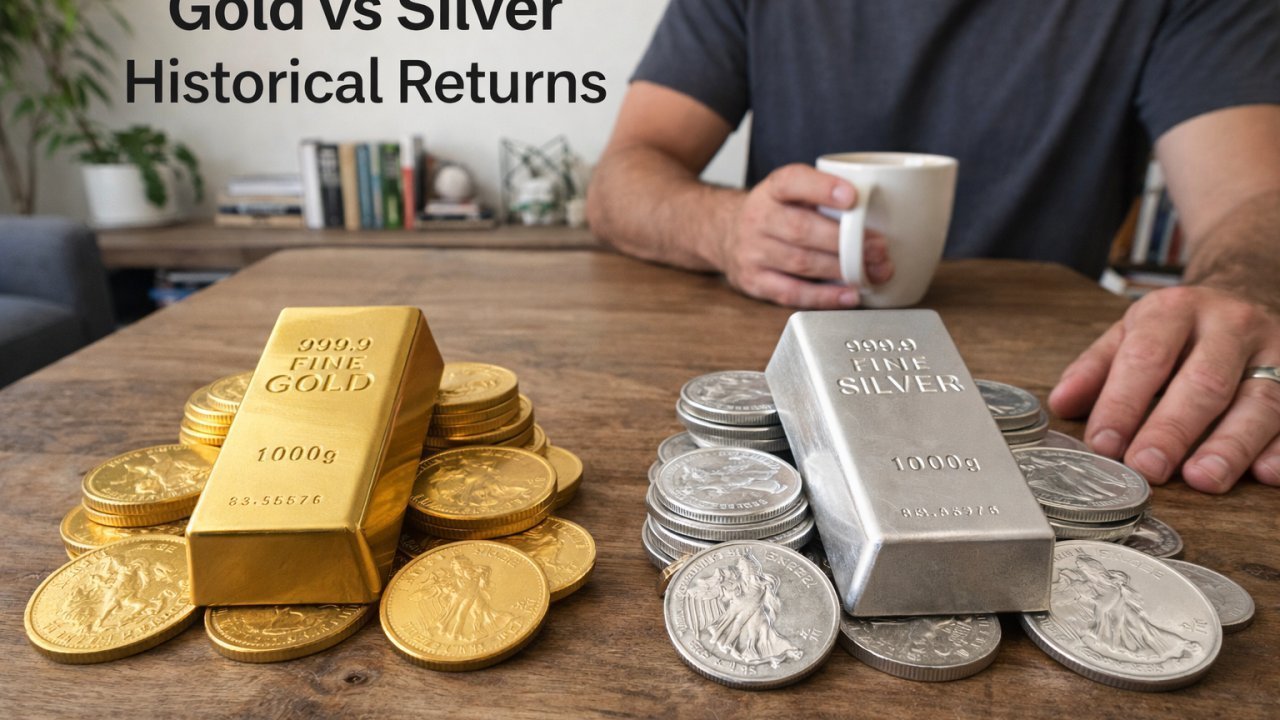
While gold remains the bedrock of traditional investment in Rajkot, local market dynamics are shifting as savvy investors increasingly turn to silver as a high-potential alternative. Often referred to as "poor man’s gold," silver has shed its secondary status in the bullion markets of Soni Bazar. Driven by a surge in industrial demand—particularly from the burgeoning electronics and renewable energy sectors—silver is currently offering a unique volatility profile that many Rajkot-based traders find attractive for short-to-medium-term portfolio diversification.
The local appetite for silver in Rajkot is not merely limited to festive jewelry and silverware. We are observing a marked increase in the uptake of silver bars and coins as a hedge against inflation. Because silver carries a lower price point per gram compared to gold, it provides a lower barrier to entry for younger investors looking to build wealth incrementally. As global supply constraints continue to tighten and silver’s role in green technology expands, the metal is being re-evaluated not just as a commodity, but as a robust industrial asset that complements the stable, long-term nature of gold holdings.
Key Takeaway: Investors in Rajkot should consider allocating a portion of their precious metals portfolio to silver, leveraging its dual role as both a store of value and an essential industrial component to capitalize on emerging market trends.
GST on Gold: What Every Buyer in Rajkot Needs to Know
For the vibrant jewelry markets of Rajkot—a city renowned as a premier hub for gold craftsmanship and intricate jewelry design—understanding the nuances of GST is essential for every buyer. Since the implementation of the Goods and Services Tax (GST), gold transactions in India attract a 3% levy on the value of the metal. However, it is vital for Rajkot consumers to distinguish between the tax applied to the raw bullion and the additional costs associated with making charges. While the 3% GST is mandatory on the gold itself, the labor or "making charges" incurred for crafting specific designs also attract a distinct 5% GST rate. This dual-layer taxation structure is a critical factor that often shifts the final price tag beyond the base market rate displayed on ticker boards.
Whether you are purchasing traditional bridal sets from the bustling showrooms of Soni Bazaar or investing in lightweight daily-wear pieces, transparency is your best defense. Reputable jewelers in Rajkot are mandated by law to provide a detailed, itemized invoice that clearly separates the gold price, the making charges, and the respective GST components. We advise buyers to always request a GST-compliant bill, as it serves as your primary proof of authenticity and purity. By staying informed about these tax implications, you ensure that your investment remains sound and that you are paying a fair price for the world-class artistry that defines Rajkot’s gold industry.
Key Takeaway: Always verify your invoice to ensure the 3% GST on gold and the 5% GST on making charges are calculated separately; a transparent, itemized bill is the hallmark of a trusted jeweler and your best protection against overpayment.
Digital Gold: Is it a Secure Choice for Rajkot’s Traditional Investors?
For generations, the gold markets of Soni Bazar have defined the financial pulse of Rajkot. While physical jewelry and bars remain deeply ingrained in our cultural heritage, a growing number of investors in the city are now pivoting toward digital gold. But for a community that values the tangible weight of yellow metal, is digital gold a safe alternative? The answer lies in the underlying infrastructure: reputable digital gold platforms in India are backed by physical gold stored in secure, insured vaults, often managed by independent trustees. This means your digital holdings are legally pegged to actual 24-karat bullion, offering a transparent, high-security alternative to keeping large quantities of physical assets at home.
The primary advantage for Rajkot residents—especially those looking to invest smaller amounts regularly—is the elimination of making charges, wastage costs, and the risks associated with physical storage. Unlike purchasing physical coins where the spread between buy and sell prices can be significant, digital gold allows you to buy in fractions as small as one rupee. Whether you are navigating the volatile market trends or looking to diversify your portfolio, digital gold offers unparalleled liquidity. As long as you utilize SEBI-regulated platforms or those affiliated with established bullion houses, the risk is minimal, making it an increasingly sophisticated tool for the modern Rajkot investor.
Key Takeaway: Digital gold is a highly secure, cost-effective way to accumulate 24K bullion without storage risks, provided you transact through reputable platforms that offer clear proof of physical backing and insurance.
Navigating Gold Exchange Policies in Rajkot: What You Need to Know
For residents of Rajkot, a city renowned for its deep-rooted gold craftsmanship and bustling bullion markets, exchanging old gold for new jewelry is a common practice, particularly during festive seasons and weddings. However, navigating the exchange policies at local jewellers requires a keen eye. Most reputable establishments in areas like Soni Bazaar now utilize advanced Karatmeters to assess the purity of your old ornaments. While this technology ensures transparency, it is vital to understand that the "purity check" often reveals hidden impurities from solder or alloying, which can lead to a slight reduction in the valuation compared to the spot price of 24k gold.
A critical aspect of the current market trend in Rajkot is the "deduction policy." Many jewellers offer a 0% making charge on new purchases when you exchange old gold, but they may apply a melting loss deduction (typically ranging from 3% to 7%) and a refining charge. To get the best value, savvy consumers are increasingly comparing the "net weight" after melting against the current market rate. Before finalizing a deal, always ask your jeweller for a clear breakdown of the purity assessment and the specific deductions being applied, rather than focusing solely on the final exchange price offered.
Key Takeaway: To maximize your value in Rajkot’s gold market, always insist on a transparent Karatmeter test and compare the net weight of your gold after deductions—not just the final offer—across at least two trusted jewellers before committing to an exchange.
Market Insight: Global Volatility and the Rajkot Gold Trade
The gold market in Rajkot, a pivotal hub for bullion trading and jewelry manufacturing in Gujarat, is currently navigating the ripples of heightened global economic uncertainty. Recent fluctuations in international bullion prices, driven primarily by shifting interest rate expectations in the United States and geopolitical tensions in the Middle East, have created a complex environment for local jewelers and retail investors alike. As the dollar index fluctuates, global gold prices have faced sharp volatility, which translates directly into the daily rate cards seen across the bustling shops of Soni Bazar.
For Rajkot’s gold traders, these global headwinds have led to a cautious sentiment. While the weakening of the Indian Rupee against the dollar often cushions the impact of falling global prices, the current scenario has triggered a wait-and-see approach among traditional buyers. Furthermore, the localized demand in Rajkot—often influenced by seasonal agricultural cycles and upcoming wedding festivities—is now being weighed against these macro-economic pressures. Local bullion dealers are closely monitoring central bank reserve policies, as any significant shift in global gold appetite inevitably dictates the inventory procurement costs for Rajkot’s renowned craftsmanship sector.
Key Takeaway: While global market volatility is currently driving short-term price swings in Rajkot, investors should prioritize long-term value over daily fluctuations. Given the sensitivity of local rates to international currency movements, it is advisable to track the USD-INR exchange rate alongside global spot gold trends before finalizing significant purchases or liquidations.
Expert Tip: Maximizing Value When Exchanging Gold in Rajkot
In Rajkot, like much of India, exchanging old gold jewellery for new pieces is a deeply ingrained tradition, often coinciding with festive seasons, weddings, or investment adjustments. While convenient, navigating the exchange policies of different jewellers can significantly impact the final value you receive. It's not merely about the daily gold rate; understanding the nuances of how your old gold is assessed versus the cost of your new purchase is crucial for a smart transaction.
When you present your old gold, jewellers typically deduct a percentage for 'wastage' or 'melting charges,' and an additional amount for impurities, especially if the gold is not BIS-hallmarked. This deduction can range from 5% to 15% or even more, depending on the item's condition and the jeweller's specific policy. Furthermore, the new jewellery you select will come with its own 'making charges' and potentially a premium for intricate designs. Savvy consumers in Rajkot often find that comparing the net exchange value – the actual credit received for old gold after all deductions, against the total cost of the new item – across 2-3 reputable jewellers can yield better results than simply focusing on the per-gram gold rate.
Always ask for a transparent breakdown of all deductions and charges. Enquire about the exact purity (karatage) your old gold is being assessed at and confirm the weight. Many established, family-run jewellers in Rajkot, known for their long-standing trust, may offer more favourable exchange rates or lower deductions for regular customers. Don't hesitate to clarify the final bill, ensuring you understand the value of your old gold and the complete cost of your new acquisition, including GST.
Key Takeaway: When exchanging gold in Rajkot, look beyond the headline gold rate; meticulously compare net exchange values, understand all deductions, and choose jewellers known for transparency and fair dealings to ensure you get the best value for your precious metal.
Digital Gold: A Secure Investment for Rajkot's Modern Investor?
Rajkot, a city with a deep-rooted affinity for gold, has traditionally seen its residents invest in physical ornaments and bars, valuing both its cultural significance and investment potential. However, with the advent of technology, 'Digital Gold' has emerged as a compelling alternative, promising convenience and purity without the hassles of physical possession. But for the discerning investor in Rajkot, who values both tradition and smart financial choices, the crucial question remains: is it truly safe?
Digital Gold allows you to buy and sell 24K pure gold online, typically stored in insured vaults by professional custodians. Major platforms often partner with trusted refiners like MMTC-PAMP or Augmont, assuring 99.9% purity. For Rajkot residents, this means avoiding making charges, storage worries, and concerns about authenticity that sometimes come with physical purchases. While gold ETFs and mutual funds are regulated by SEBI, direct digital gold platforms operate under a different framework, often relying on consumer trust and transparent backing of physical gold. It's vital to choose platforms backed by reputable entities and to thoroughly understand their terms of service, including buyback policies, associated charges, and the mechanism ensuring your investment is genuinely backed by physical gold and accessible when needed.
Given Rajkot's dynamic business environment and the rising digital literacy, digital gold offers a practical solution for fractional investments or for those looking to diversify their portfolio without the logistics of traditional gold. It appeals to the younger generation and busy professionals who seek ease and efficiency. While the convenience is undeniable, the safety hinges on choosing credible providers and understanding the regulatory nuances. Always verify the platform's credentials, customer reviews, and their physical gold backing mechanism before committing your investment, ensuring your digital gold is as solid as its physical counterpart.
Key Takeaway: Digital Gold can be a safe and convenient investment for Rajkot residents, provided you choose reputable platforms with transparent policies and understand its distinct regulatory landscape compared to physical gold or gold ETFs.
GST on Gold: What Every Buyer in Rajkot Needs to Know
Since its implementation, the Goods and Services Tax (GST) has significantly reshaped the landscape of India's gold market, and Rajkot's discerning buyers are no exception. Understanding the components of GST on gold is crucial for making informed purchasing decisions, whether you're buying for investment, a special occasion, or a traditional gift. Currently, a 3% GST is levied on the value of gold itself, applicable to bullion, coins, and jewellery alike. Additionally, a separate 5% GST is applied specifically to the 'making charges' or 'wastage' when purchasing gold jewellery.
For consumers in Rajkot, a city renowned for its rich jewellery tradition and trusted jewelers in areas like Soni Bazaar and Kalawad Road, transparency is key. When you visit your preferred jeweler, always ensure your bill clearly itemizes the gold value, the making charges, and the respective GST amounts applied to each. This detailed breakdown allows you to compare prices effectively across different establishments and ensures you're paying the correct, legally mandated amount. It’s particularly important for those buying gold as an investment, as lower making charges (and thus lower 5% GST) can impact overall returns.
While the 3% GST on the gold's value is a fixed component, the 5% on making charges can vary significantly based on the design's complexity and the jeweler's craftsmanship. Keep in mind that the GST paid on gold, unlike some other commodities, cannot typically be reclaimed upon resale. Therefore, it represents an upfront cost that should be factored into your total budget and investment strategy. Being aware of these details empowers you to negotiate better and ensures a fair transaction in Rajkot's vibrant gold market.
Key Takeaway: Always demand a detailed, itemized bill from your Rajkot jeweler, clearly showing the 3% GST on gold value and 5% GST on making charges, to ensure transparency and an informed purchase.
Digital Gold: Is it a Secure Avenue for Rajkot Investors?
For generations, the gold markets of Soni Bazar have been the heartbeat of Rajkot’s investment culture. However, as the digital transformation sweeps through Gujarat, many savvy investors are shifting their focus from physical bullion to digital gold. The question remains: is this modern alternative safe for Rajkot residents? Unlike traditional physical gold, which necessitates concerns regarding secure storage, insurance, and the purity of 22k or 24k bars, digital gold is backed by actual physical reserves held in insured vaults by reputable providers. For the urban Rajkot investor, this eliminates the "locker anxiety" and the recurring costs associated with physical security.
The safety of digital gold hinges on the platform’s transparency and its partnership with established refineries and trustees. Investors in Rajkot should prioritize platforms that provide instant liquidity and allow for seamless conversion into physical coins or bars if desired. While the convenience of buying gold in denominations as small as one rupee is unmatched, it is essential to treat digital gold as a financial instrument rather than a decorative asset. By ensuring that your chosen platform is regulated and maintains a clear audit trail of your holdings, you can enjoy the benefits of market-linked price updates without the logistical burdens of traditional physical hoarding.
Key Takeaway: Digital gold is a highly secure, liquid, and convenient alternative for Rajkot residents, provided you choose platforms backed by insured vaults and audited physical reserves. It is an ideal tool for systematic investment, offering the flexibility to accumulate wealth without the storage risks associated with physical gold.
Expert Tip: When's the Best Time of Day to Buy Gold in Rajkot?
While the daily gold price in Rajkot is primarily dictated by global market trends and the INR-USD exchange rate, astute buyers often wonder if there's an optimal time within the day to make their purchase. Unlike a stock market that trades continuously, physical gold prices at your local jeweller in Para Bazaar or Soni Bazaar are updated periodically. Understanding this rhythm can give you a slight edge, helping you navigate the market beyond just the headline daily rate.
Typically, Rajkot's jewellers update their rates based on the Multi Commodity Exchange (MCX) opening and real-time international spot gold prices. This often means the first price of the day is set around 9:00 AM - 10:00 AM, coinciding with shop openings. This initial quote reflects overnight global movements and the opening strength of the Rupee. Prices can then fluctuate, sometimes subtly, sometimes more significantly, throughout the day, influenced by real-time international market shifts, fresh economic data, and currency performance. A mid-day check, perhaps around 1:00 PM - 2:00 PM, after European markets have opened, can sometimes reveal a new trend or a minor correction.
For significant purchases in Rajkot, rather than pinpointing a specific hour, it’s more beneficial to observe the daily trend. Many seasoned buyers find value in comparing the morning price with an afternoon update, especially if there are major economic news releases or currency fluctuations. While there's no magic hour, a slight dip might be more noticeable during quieter international trading periods, which could sometimes translate to afternoon corrections locally. However, for most buyers, focusing on the broader daily trend and purchasing when you feel the price is fair, rather than chasing fleeting intraday shifts, remains the most practical approach, especially given the consistent demand in Rajkot during auspicious occasions.
Key Takeaway: For Rajkot gold buyers, observe morning prices (9-10 AM) and consider a mid-day check (1-2 PM) for potential minor corrections, but prioritize the overall daily trend over pinpointing a specific hour.