Bhilwara, famously known as the "Textile City" of India, is not just a hub for fabrics but also a significant center for gold trading in the Mewar region of Rajasthan. In Bhilwara, gold is deeply woven into the cultural and economic fabric of society. Whether it is for the lavish Rajputana weddings, religious festivals like Deepawali and Akshaya Tritiya, or as a reliable hedge against inflation, the residents of Bhilwara have a profound affinity for this yellow metal. This comprehensive guide provides an in-depth look at the gold market in Bhilwara, offering essential insights for investors and jewelry enthusiasts alike.
1. Why is gold price different in Bhilwara?
You may often notice that the gold rate in Bhilwara differs slightly from the prices in Mumbai, Delhi, or even nearby Jaipur. This variation is primarily due to local logistics and administrative costs. Since Bhilwara is not a primary port of entry for gold, the metal must be transported from major bullion hubs. The cost of secure transportation, insurance during transit, and the margins set by the local Bhilwara Sarafa Association contribute to the final price tag.
Furthermore, state-level taxes and local octroi (though largely replaced by GST, minor local levies can still influence the chain) play a role. The volume of trade in the city also dictates the price; during high-demand seasons in the textile belt, local bullion dealers might adjust premiums based on the immediate availability of physical gold in the city's vaults.
2. Which area or shop is famous for low making charges in Bhilwara?
In Bhilwara, the heart of the gold trade lies in the Sarafa Bazaar. This traditional market is home to dozens of generational jewellers who operate on thinner margins compared to high-end luxury showrooms. For those looking for the lowest making charges, the smaller, family-run shops in Bada Bazaar and Sarafa Bazaar are the go-to destinations. These artisans often charge a flat rate per gram or a lower percentage (starting from 8% to 12%) compared to national brands that may charge upwards of 20%.
Local residents often recommend negotiating at shops near the Gulmandi area. It is a common practice in Bhilwara to bargain on making charges, especially if you are purchasing heavy bridal sets or traditional Rajasthani 'Aad' jewelry. However, always ensure that the low making charges do not come at the cost of the gold's purity.
3. Why do gold prices change daily?
Gold is a global commodity, and its price in Bhilwara is a reflection of international market dynamics. The primary driver is the London Over-the-Counter (OTC) market and the COMEX futures. Several factors trigger daily fluctuations:
- Currency Fluctuations: Since India imports the majority of its gold in US Dollars, the strength or weakness of the Indian Rupee (INR) against the USD directly impacts the daily rate.
- Global Geopolitics: Any instability in the Middle East or Eastern Europe often sends investors scurrying toward gold as a "safe haven," driving prices up in Bhilwara.
- Central Bank Reserves: When the Reserve Bank of India (RBI) or other global central banks increase their gold reserves, prices tend to rise.
- Interest Rates: Decisions made by the US Federal Reserve regarding interest rates influence gold prices globally. When interest rates rise, gold prices often face downward pressure.
4. Gold rates in Bhilwara (22 karat): How do prices change?
In Bhilwara, 22 Karat (22K) gold is the most sought-after purity for jewelry making because 24K gold is too soft to hold complex designs. The price of 22K gold is typically calculated as 91.6% of the 24K gold price, plus a small premium for the alloying metals like copper or zinc that add durability.
The rates for 22K gold change daily at around 10:30 AM following the opening of the bullion markets. In Bhilwara, these rates are also influenced by local demand cycles. For instance, during the Meena Samaj or Jat community wedding seasons—which are prominent in the Bhilwara district—the sudden surge in demand for heavy gold ornaments can lead to a slight local premium over the standard national rates.
5. Gold and hallmarking centres in Bhilwara.
Purity is the most critical factor when buying gold. The Bureau of Indian Standards (BIS) has made hallmarking mandatory. Bhilwara has several BIS-recognized Assaying and Hallmarking Centres (AHC) that serve the local jewelry industry. When buying gold in the city, look for the BSI Logo and the HUID (Hallmark Unique Identification) number laser-etched on the piece.
The presence of these centres in Bhilwara ensures that consumers are not cheated with lower-karat gold sold as 22K. Most reputable jewellers in the Shastri Nagar and Azad Nagar areas provide hallmarked jewelry as a standard practice. If you wish to test your old gold, you can visit these local hallmarking centres for a nominal fee to get a purity certificate.
6. Top Jewellers in Bhilwara.
Bhilwara boasts a mix of prestigious national chains and legendary local brands. Some of the most trusted names include:
- Ranka Jewellers: Known for their traditional Rajasthani designs and long-standing reputation in the city.
- PC Jeweller: A national brand located in Bhilwara offering a wide range of contemporary and diamond-studded gold jewelry.
- Tanishq (Titan): Located in prominent commercial zones, offering guaranteed purity and modern retail experiences.
- Soni Jewellers: A household name in the Sarafa Bazaar area, famous for custom-made bridal wear.
- Kalyan Jewellers: Providing a vast collection of temple jewelry and antique gold designs.
7. Supply pressures pushing prices up.
The supply of gold in Bhilwara is subject to national import policies. India imports approximately 800-900 tonnes of gold annually. When the Union Government increases Import Duties to manage the Current Account Deficit (CAD), the cost of gold in Bhilwara rises instantly. Furthermore, disruptions in the global supply chain, such as mining strikes in South Africa or logistical hurdles in major refining hubs like Switzerland, can create a shortage of physical bullion in the local market, leading to "premiums" where gold is sold above the official bank rate.
8. How to store gold in Bhilwara?
Safety is a paramount concern for gold owners. In Bhilwara, residents typically use three methods for storage:
- Bank Lockers: Leading banks like State Bank of India (SBI), ICICI Bank, and HDFC Bank in areas like Nagori Garden offer secure locker facilities. This is the safest option, though it involves an annual rental fee.
- Home Safes: Many traditional households use heavy iron "Tijoris" or modern digital safes. While convenient, this poses a higher security risk.
- Gold Insurance: A growing trend in Bhilwara is opting for jewelry insurance, which covers theft and loss during transit (such as wearing it to a wedding), providing peace of mind to the owner.
9. Gold vs Real Estate in Bhilwara.
Both gold and real estate are popular investment avenues in Bhilwara, but they serve different purposes. Real Estate in Bhilwara, particularly near the industrial areas of Hamirgarh Road or residential zones like Pansal Road, offers high long-term appreciation but requires massive capital and lacks liquidity.
Gold, on the other hand, offers high liquidity. You can walk into any pawn shop or bank in Bhilwara and get a "Gold Loan" or cash within an hour. Gold is also an excellent hedge against the local inflation that often accompanies the city's industrial growth. For a balanced portfolio, financial experts in the city suggest a mix of 10-15% in gold and the remainder in property or equities.
10. What is a Sovereign Gold Bond (SGB)?
For the modern investor in Bhilwara who does not want the hassle of physical storage or making charges, Sovereign Gold Bonds (SGBs) are an excellent alternative. Issued by the RBI on behalf of the Government of India, these bonds are denominated in grams of gold.
The benefits of SGBs for Bhilwara residents include an annual interest of 2.5% (paid semi-annually) and a complete exemption from Capital Gains Tax if held until maturity (8 years). You can purchase these through local banks or post offices in Bhilwara. It is the safest way to "own" gold without the risk of theft.
11. Taxation of gold in Bhilwara.
Understanding the tax implications is vital for any buyer in Bhilwara. There are three main tax components:
- GST (Goods and Services Tax): A flat 3% GST is applicable on the value of gold and making charges.
- TDS: A 1% TDS is applicable on cash purchases of gold jewelry exceeding ₹2 lakh.
- Capital Gains Tax: If you sell your gold after three years, you are liable for Long-Term Capital Gains (LTCG) tax at 20% with indexation benefits. If sold before three years, the profit is added to your income and taxed according to your slab (Short-Term Capital Gains).
Always insist on a proper tax invoice from your jeweller in Bhilwara. This not only ensures the legality of your purchase but is also mandatory if you ever decide to sell the gold or use it as collateral for a loan in the future.
GST Nuances: Navigating the Final Bill in Bhilwara’s Gold Market
For gold buyers in the "Textile City" of Bhilwara, understanding the tax structure is as vital as tracking the daily bullion rates. While the base price of gold fluctuates according to global trends, the final invoice at local showrooms—whether near Sanganeri Gate or in the bustling markets of Azad Mohalla—is subject to a standardized GST of 3% on the value of the metal. However, a common oversight among local investors is the separate 5% GST applied specifically to making charges. In a city where intricate Rajasthani craftsmanship is highly prized, these making charges can be significant, making it essential to calculate the tax impact on both the gold content and the labor separately.
Recent shifts in the regulatory landscape also emphasize the importance of the HUID (Hallmark Unique ID) alongside your GST invoice. For Bhilwara’s business community, which often views gold as a hedge against market volatility, a valid GST bill is the only legal proof of purchase that ensures the tax paid translates into a documented asset. When negotiating with local jewelers, always insist on a transparent breakup. This transparency ensures that you aren't overpaying under the guise of "all-inclusive" pricing, which can sometimes mask higher premiums during the peak wedding seasons typical of the Mewar region.
Key Takeaway: To maximize your investment value, always request a detailed invoice that splits the 3% GST on gold and the 5% GST on making charges, ensuring the HUID code is clearly mentioned for long-term resale security in Bhilwara.
Bhilwara Market Update: Silver Shines as an Alternative Investment
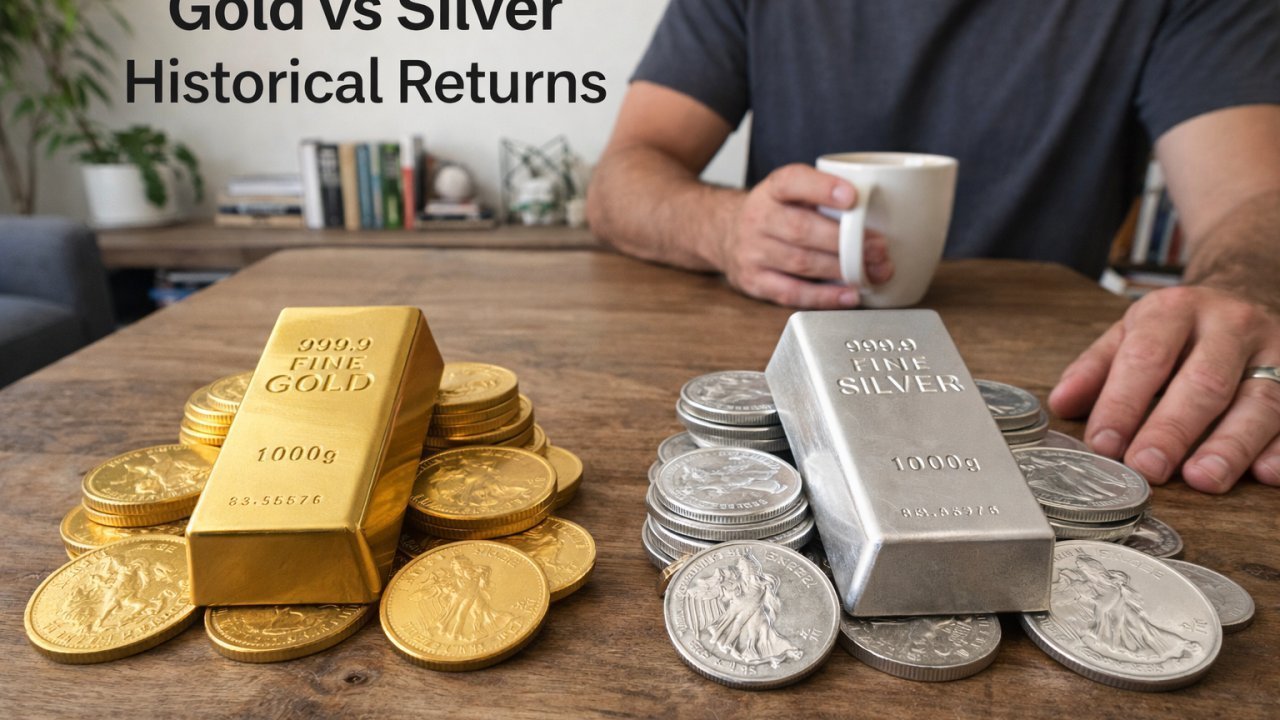
While gold remains the undisputed king in Bhilwara's investment landscape, consistently sought after for its cultural significance and safe-haven appeal, a growing number of astute investors are casting a keen eye on silver. Often overshadowed by its shinier counterpart, silver has quietly been carving out its own niche, especially amidst global economic uncertainties and fluctuating commodity markets, presenting a compelling alternative for portfolio diversification.
For Bhilwara residents, silver offers a more accessible entry point for those looking to diversify their precious metal holdings without the significant capital outlay required for gold. Its dual utility – as both an essential industrial metal crucial for electronics, solar panels, and medical applications, and a traditional monetary asset – provides a unique demand dynamic. Locally, jewellers and bullion dealers report a steady uptick in demand for silver coins, bars, and even traditional jewellery, reflecting a growing awareness of its potential for capital appreciation and its enduring role in gifting and cultural events, albeit at a different price point than gold.
Looking ahead, analysts suggest that silver's trajectory could be significantly influenced by both industrial recovery and its traditional role as a hedge against inflation. As global economies rebound and green energy initiatives gain momentum, industrial demand for silver is poised to strengthen. For Bhilwara investors seeking to broaden their portfolio beyond conventional avenues, monitoring silver trends offers a strategic opportunity to capitalize on a metal with significant upside potential, particularly as a complementary asset to existing gold investments.
Key Takeaway: Silver offers Bhilwara investors an accessible, diversified precious metal alternative with strong industrial demand and potential for appreciation, effectively complementing traditional gold holdings.
Market Update: The Growth of Organized Gold Recycling in Bhilwara
As gold prices continue to exhibit volatility on the global stage, Bhilwara’s local market is witnessing a significant shift toward organized gold recycling and refining. Known primarily as India’s "Textile City," Bhilwara’s affluent merchant community is increasingly viewing old gold not just as a family heirloom, but as a liquid asset to be optimized. In the bustling lanes of Saraf Bazar, there is a notable transition from traditional "touchstone" purity testing to advanced XRF (X-ray fluorescence) technology, allowing residents to realize the true value of their holdings with surgical precision.
This surge in recycling is largely driven by the rising demand for HUID-compliant (Hallmark Unique Identification) jewelry. Many households in Bhilwara are now choosing to melt down older, non-hallmarked ornaments to reinvest in modern, certified pieces. Local refineries and authorized collection centers have reported a steady uptick in "urban mining" activities, where the focus has shifted from buying new bullion to refining scrap gold. This trend is particularly beneficial for the local economy, as it stabilizes supply during periods of high import duties and ensures that capital remains fluid within the city’s trade ecosystem.
Expert jewelers in the region suggest that for those looking to liquidate or exchange, timing is critical. With Bhilwara's gold rates closely mirroring the international spot prices adjusted for local taxes, the current high-price environment offers a lucrative window for refining old gold. By opting for transparent refining processes over traditional exchange methods, sellers can often avoid the 5-10% "wastage" deductions that were once common in the unorganized sector.
Key Takeaway: To maximize your returns in Bhilwara, always seek out refiners or jewelers who utilize digital Karatmeters and provide a transparent melt-test report, ensuring you receive the full market value for your gold’s actual purity.
Expert Tip: Mastering the Clock for Gold Purchases in Bhilwara
Navigating the gold market in the "Textile City" of Bhilwara requires more than just checking the daily rate; it requires strategic timing. For residents shopping near Azad Chowk or the bustling Sanganeri Gate, the most favorable window to lock in a price is typically between 12:30 PM and 2:30 PM on weekdays. By this time, the initial volatility of the MCX (Multi Commodity Exchange) has usually settled, and local jewelers have updated their display boards to reflect the day’s stable trading range. Buying early in the morning can be risky, as rates may still be adjusting to overnight international trends from the London or New York markets.
Furthermore, Bhilwara’s unique economic rhythm—driven largely by its massive textile industry—means that showrooms see a significant surge in footfall during late evenings and weekends. To ensure you receive the undivided attention of seasoned local artisans and to facilitate a thorough inspection of the BIS Hallmark, avoid the post-6:00 PM rush. A mid-afternoon visit not only offers a quieter environment for price negotiation but also allows you to compare the "making charges" across different showrooms without the pressure of a crowded floor. During peak wedding seasons, this timing is even more critical to avoid the premium surcharges often applied during high-demand evening hours.
Key Takeaway: Aim to finalize your gold purchase on a Tuesday or Wednesday between 1:00 PM and 2:00 PM to benefit from stabilized market rates and superior service from Bhilwara’s premier jewelers.
GST on Gold: What Every Buyer in Bhilwara Needs to Know
For gold buyers in Bhilwara, understanding the tax structure is just as vital as tracking the daily spot price at the local sarafa bazaar. Since the implementation of the Goods and Services Tax (GST), all gold purchases in India attract a 3% levy. While this is a nationwide standard, local buyers often overlook the fact that this tax is calculated on the final invoice value—which includes not just the gold price, but also the making charges. As Bhilwara’s jewelry market remains a hub for intricate traditional designs, these labor-intensive making charges can subtly inflate your total tax outgo.
Transparency is your best defense against overpayment. When visiting jewelers near the City Centre or the bustling markets of Station Road, always ensure that your bill clearly segregates the gold price, the making charges, and the 3% GST. Furthermore, note that the GST is also applicable on the exchange of old gold. If you are trading in your heirloom jewelry to upgrade to a new design, the tax is levied on the total value of the new purchase, regardless of the value of the old gold surrendered. Keeping a meticulous record of these invoices is essential, especially for those treating gold as a long-term investment hedge.
Key Takeaway: Always remember that the 3% GST is applied to the combined total of the gold price and making charges; insist on a detailed GST-compliant invoice to ensure you are paying exactly what is mandated by law, protecting your investment from unnecessary hidden costs.
Beyond Gold: The Growing Allure of Silver in Bhilwara’s Investment Landscape
While gold remains a cornerstone of traditional wealth preservation in Bhilwara, a shifting demographic of local investors is increasingly turning their attention toward silver. As the "Textile City" continues to see rapid industrial expansion and rising disposable incomes, silver has transitioned from being primarily a metal for ceremonial jewelry and festive gifting to a strategic portfolio diversifier. Investors in Bhilwara are finding that silver’s high industrial demand, particularly in the electronics and solar sectors, provides a unique hedge against the volatility often seen in gold prices.
Local market trends suggest that retail interest in silver bars and coins has surged, especially during the wedding season and auspicious festivals like Dhanteras. Unlike gold, which requires a significant capital outlay, silver offers an accessible entry point for younger investors looking to build a precious metal portfolio on a budget. Furthermore, silver often exhibits higher price beta during economic upswings, making it an attractive option for those willing to embrace moderate volatility for the potential of outsized gains compared to the more stable, defensive nature of gold.
For the Bhilwara investor, the key lies in balancing the two. While gold acts as the bedrock of long-term security, allocating a portion of one’s portfolio to silver allows for greater liquidity and participation in industrial growth cycles. As market access improves through organized local bullion dealers and digital silver platforms, the metal is shedding its reputation as a "poor man’s gold" and emerging as a sophisticated asset class in its own right.
Key Takeaway: Silver is evolving into a high-utility asset for Bhilwara investors; consider balancing your portfolio by treating silver as a growth-oriented complement to the defensive stability of gold.
Smart Investing: Why Bhilwara’s Gold Enthusiasts are Turning to SGBs
For the residents of Bhilwara, the "Textile City," gold has long been a traditional cornerstone of household wealth and cultural heritage. However, as local investors become increasingly financially savvy, a shift is occurring. While the appeal of physical jewelry remains strong for weddings and festivals, many Bhilwara families are now diversifying their portfolios by opting for Sovereign Gold Bonds (SGBs) as a strategic alternative to physical bullion.
The primary advantage of SGBs over physical gold lies in the elimination of storage risks and making charges. In Bhilwara’s bustling markets, buying physical gold often incurs a 5% to 15% premium in the form of making charges, which is effectively lost capital. Conversely, SGBs are issued by the Reserve Bank of India, meaning there are no purity concerns or locker fees to worry about. Furthermore, SGBs offer an additional layer of financial benefit: a fixed 2.5% annual interest paid semi-annually. This unique feature allows your gold investment to generate passive income—something a gold biscuit or necklace sitting in a bank locker simply cannot do.
For the long-term investor, SGBs also provide significant tax advantages. If held until maturity, the capital gains tax is completely exempted, making it a highly efficient vehicle for wealth preservation. By choosing SGBs, Bhilwara investors can capture the appreciation of global gold prices while enjoying the security of a government-backed asset that pays you to hold it.
Key Takeaway: While physical gold remains culturally significant for Bhilwara’s celebrations, SGBs offer a superior financial proposition by eliminating making charges, providing a 2.5% annual interest yield, and offering complete tax efficiency upon maturity.
Ensuring Authenticity: Verifying Gold Purity in Bhilwara via the BIS Care App
As the textile hub of Rajasthan continues to see a surge in gold demand—driven by both festive fervor and long-term investment strategies—the importance of consumer vigilance has never been higher. While Bhilwara’s traditional jewelers remain a cornerstone of the local economy, the modern buyer must navigate the market with digital precision. The most reliable tool at your disposal is the official BIS Care App, a government-backed solution designed to eliminate the risks of purchasing substandard or "impure" gold.
To ensure your investment is genuine, look for the unique six-digit alphanumeric HUID (Hallmark Unique Identification) code laser-inscribed on your jewelry. Once you have the code, simply open the BIS Care App, select the "Verify HUID" feature, and input the number. Within seconds, the app will provide you with the jeweler’s registration details, the purity grade (such as 22K916), and the hallmarking center’s information. This transparency is vital for Bhilwara residents, as it provides an instant digital footprint of your purchase, ensuring you are receiving exactly what you paid for.
Whether you are shopping in the bustling markets near the City Kotwali or visiting established showrooms along the main commercial arteries of Bhilwara, never hesitate to ask for the HUID before finalizing your transaction. By leveraging this technology, you are not just securing your financial assets; you are actively participating in a more transparent and standardized gold trade within the region.
Key Takeaway: Never rely on verbal assurances alone; always cross-verify the HUID on your gold jewelry using the BIS Care App to confirm its authenticity and purity before leaving the store.
Smart Investing: Why Bhilwara’s Gold Enthusiasts are Turning to SGBs
For the residents of Bhilwara, the "Textile City" of India, gold has traditionally been synonymous with physical jewelry—a symbol of prosperity passed down through generations. However, as local investors navigate the complexities of modern wealth management, a shift is occurring. While physical gold remains a cultural staple, the Sovereign Gold Bond (SGB) scheme, issued by the Reserve Bank of India, is increasingly being recognized as a superior vehicle for long-term capital appreciation. Unlike physical gold, which incurs making charges, potential wastage during remaking, and significant safety risks, SGBs offer a clean, digital alternative that eliminates storage concerns while providing the same hedge against inflation.
Beyond the lack of security risks, the financial advantages for a Bhilwara investor are compelling. SGBs provide a fixed interest rate of 2.5% per annum, payable semi-annually, which is an additional income stream that physical gold simply cannot offer. Furthermore, the capital gains tax exemption if held until maturity provides a significant fiscal edge for those planning their retirement or children's education. In a city where traditional gold buying is often subject to fluctuating regional premiums and purity concerns, SGBs offer the transparency of government-backed purity and pricing, ensuring your investment is pegged directly to the 999-fineness market rate without the "hidden costs" of physical acquisition.
Key Takeaway: By transitioning a portion of your gold portfolio from physical assets to Sovereign Gold Bonds, you not only eliminate storage and making charges but also secure a guaranteed 2.5% annual return, making SGBs a more tax-efficient and profitable choice for the modern Bhilwara investor.
Market Insight: Global Volatility and the Bhilwara Gold Outlook
The gold market in Bhilwara is currently experiencing a ripple effect from heightened global economic uncertainty. As international investors seek safe-haven assets amidst fluctuating geopolitical tensions and shifting central bank interest rate policies, spot gold prices have seen significant volatility. For local jewelers and bullion traders in the textile hub of Bhilwara, this global instability translates into rapid intraday price adjustments, often making it challenging for retail buyers to time their purchases perfectly.
While the global price dictates the baseline, local demand in Bhilwara remains uniquely resilient. As the city prepares for upcoming wedding seasons and regional festivals, the local consumption pattern often acts as a buffer against downward global trends. When international prices dip, we frequently observe a sharp spike in footfall at prominent local markets like Pur Road and the main city bazaars, as savvy investors capitalize on these global corrections. Conversely, when global prices surge, local demand tends to consolidate, with buyers shifting focus toward smaller denominations or waiting for price stabilization.
For those tracking gold prices in Bhilwara, it is essential to look beyond the daily headline numbers. The strength of the Indian Rupee against the US Dollar remains a critical, often overlooked factor that influences the landed cost of gold imports before they reach the local market. By monitoring both the XAU/USD performance and the USD/INR exchange rate, residents can gain a clearer understanding of why local prices may occasionally diverge from global spot trends.
Key Takeaway: Global economic instability is driving the current price volatility in Bhilwara; however, local demand remains a strong anchor. Investors are advised to monitor the USD/INR exchange rate alongside international bullion trends to identify the most opportune windows for buying gold in the local market.
Navigating Gold Exchanges: Best Practices for Bhilwara Jewellers
For residents of Bhilwara, the local gold market is deeply rooted in tradition, yet exchange policies have evolved significantly. When visiting prominent jewellers across areas like Bhopal Ganj or the bustling markets near the railway station, you will encounter distinct valuation methods for old gold. Most reputable establishments now utilize advanced XRF (X-ray Fluorescence) purity testing machines. This technology has largely replaced the traditional "acid test," ensuring that customers receive a transparent and accurate assessment of their old ornaments without the need for destructive testing.
When trading in old gold for new designs, it is vital to understand the "making charges" dynamic. While many Bhilwara jewellers offer zero-deduction schemes on gold exchanged at their own stores, bringing in gold purchased from a different vendor often incurs a purity adjustment fee and a melting loss deduction of approximately 2% to 5%. To maximize your value, always carry your original purchase invoices. Many local jewellers provide preferential exchange rates for their own loyal customers, making it financially savvy to stick to a trusted family jeweller rather than shopping the old gold around to multiple storefronts.
Furthermore, keep a close eye on the daily market rate. In Bhilwara’s competitive landscape, some jewellers may offer "exchange bonuses" during festive seasons like Diwali or Akshaya Tritiya, which can effectively offset the standard melting loss. Always verify if the current 3% GST on new gold purchases is applicable to the net value after the exchange, as clarity here prevents unpleasant surprises at the billing counter.
Key Takeaway: To secure the best deal when exchanging gold in Bhilwara, prioritize returning to your original seller with your purchase invoice to avoid heavy melting deductions, and always insist on a digital XRF purity test to ensure you are credited for the exact gold content of your old ornaments.
Timing Your Gold Purchase: Expert Insights for Bhilwara Buyers
For residents of Bhilwara, the "Textile City" of Rajasthan, timing a gold purchase involves more than just watching the global spot price. While international market volatility dictates the base rate, local pricing in our city’s prominent jewelry hubs—such as those near the bustling Sarafa Bazaar—often fluctuates based on domestic demand patterns and the afternoon fixing of rates. Seasoned local investors suggest that the best window for physical gold acquisition is typically during the late morning hours, shortly after the market opens and the daily rate is officially published by local bullion associations.
Attempting to buy during peak evening hours, when footfall in the market is at its highest, can occasionally lead to rushed transactions and less room for negotiation on making charges. By visiting established jewelers in the mid-morning, buyers often benefit from a calmer environment, allowing for a more thorough inspection of hallmarked jewelry and a better opportunity to discuss transparent pricing. Furthermore, keeping an eye on the Indian Rupee’s performance against the Dollar throughout the early morning hours can provide a tactical advantage, as local Bhilwara retailers often adjust their premiums once the currency markets stabilize after the 10:00 AM opening.
Key Takeaway: To secure the best value and personalized service, aim to visit Bhilwara’s reputable jewelers between 11:00 AM and 1:00 PM; this mid-morning window balances the day’s price discovery with a quieter shopping environment, giving you the leverage needed to negotiate better making charges.
Smart Investing: Why Bhilwara Investors are Shifting from Physical Gold to SGBs
As the "Textile City" continues to thrive, Bhilwara’s savvy investors are increasingly looking beyond traditional jewelry lockers. While the emotional and cultural appeal of physical gold remains deeply rooted in local traditions, the Sovereign Gold Bond (SGB) scheme is rapidly emerging as the superior choice for wealth preservation. Unlike physical gold, which incurs making charges (often ranging from 3% to 15%) and poses significant storage risks, SGBs offer a seamless, paperless investment experience backed directly by the Reserve Bank of India.
For the residents of Bhilwara, the financial advantages are twofold. First, SGBs provide a guaranteed annual interest rate of 2.5%, paid semi-annually, turning a passive asset into a regular income stream—something a gold necklace or coin simply cannot do. Second, the tax efficiency is unmatched; capital gains tax is entirely exempt if held until maturity, a stark contrast to the GST and potential loss in purity value encountered when selling physical ornaments at local bullion shops. By opting for SGBs, you are not just hedging against inflation; you are optimizing your portfolio for long-term growth without the burden of insurance costs or security concerns.
Key Takeaway: Transitioning to Sovereign Gold Bonds allows Bhilwara investors to earn a 2.5% annual interest on their holdings while completely eliminating the costs associated with storage, making charges, and purity premiums, all while enjoying full tax exemption on capital gains at maturity.
Ensuring Authenticity: Verifying Gold Purity in Bhilwara via the BIS Care App
As the textile city of Bhilwara continues to see a steady demand for gold, particularly during the wedding season and auspicious festivals like Diwali and Akshaya Tritiya, ensuring the authenticity of your purchase has never been more critical. While local jewelers in areas like Pur Road and Azad Chowk maintain long-standing reputations, the modern buyer must leverage technology to confirm the quality of their investment. The Bureau of Indian Standards (BIS) has made this process seamless through the official BIS Care App, a must-have tool for any gold enthusiast in Rajasthan.
To verify your gold jewelry, simply locate the Hallmark Unique Identification (HUID) number—a six-character alphanumeric code—engraved on your piece. Open the BIS Care App, select the 'Verify HUID' feature, and enter the code. Within seconds, the app will display comprehensive details, including the jeweler's registration number, the purity of the gold (e.g., 22K916), and the date of hallmarking. If the details do not match or the HUID is unrecognized, it serves as an immediate red flag, allowing you to address the concern with your jeweler before finalizing the transaction.
Adopting this digital verification practice not only protects your hard-earned money but also ensures that the gold you buy today retains its value for future generations. Whether you are a first-time buyer or a seasoned investor in Bhilwara’s bullion market, the BIS Care App provides the transparency needed to navigate the complexities of gold pricing and purity with absolute confidence.
Key Takeaway: Never finalize a gold purchase without checking the HUID code on the BIS Care App; if your jewelry lacks a BIS hallmark or the HUID verification fails, reconsider the purchase to ensure you are receiving the exact purity you are paying for.
Festival Gold Buying Guide: Navigating the Bhilwara Market
As Bhilwara gears up for the festive season, the local gold market is witnessing a flurry of activity. Whether you are planning purchases for Dhanteras or upcoming wedding season festivities, experts suggest that tracking the local 22-karat and 24-karat price fluctuations is only half the battle. With the "Textile City" witnessing a rise in consumer confidence, local jewelers are reporting an influx of demand for lightweight, contemporary designs alongside traditional Rajasthani *aad* necklaces and *bajuband* patterns.
When purchasing in Bhilwara, the most crucial step is to look beyond the spot price. Always insist on a hallmark certification from the Bureau of Indian Standards (BIS) to ensure the purity of your gold. Given the competitive nature of the market near the City Kotwali and surrounding areas, it is wise to compare the 'making charges'—or *ghadayi*—across multiple reputed showrooms. Many local jewelers offer festive discounts on these charges, which can significantly lower your total cost compared to buying at the raw metal price alone.
Furthermore, stay mindful of market volatility. If you are planning a significant investment, consider a staggered buying approach rather than waiting for a single dip in prices. By keeping a close eye on daily updates and understanding the weightage of hallmarking fees versus metal costs, you can secure your assets while honoring the cultural significance of the season.
Key Takeaway: Prioritize BIS hallmark-certified jewelry and negotiate the making charges, as these fees vary significantly across Bhilwara’s local showrooms and often hold the key to a smarter festive purchase.