Jodhpur, the legendary "Sun City" and the cultural heart of Rajasthan, has always shared an inseparable bond with gold. For the people of Jodhpur, gold is not merely a precious metal; it is a symbol of heritage, a secure investment for the future, and an essential part of every celebration, from the grand Marwari weddings to the auspicious festivals of Diwali and Akshaya Tritiya. Whether you are a local resident looking to diversify your portfolio or a visitor captivated by the intricate "Kundan" and "Meenakari" work of Rajasthani artisans, understanding the nuances of the gold market in Jodhpur is essential. This comprehensive guide explores everything from daily price fluctuations to the best places for low making charges, ensuring you make an informed decision.
1. Why is gold price different in Jodhpur?
If you have ever compared gold prices between Jodhpur and cities like Mumbai or Chennai, you might have noticed a slight variation. This difference is not arbitrary but is influenced by several local and logistical factors. Firstly, transportation and logistics play a role. Gold is primarily imported into major ports, and the cost of transporting it securely to the desert regions of Rajasthan adds a small premium to the base price.
Secondly, the Jodhpur Sarafa Association plays a critical role in determining the local daily rate. While they follow international and national trends, they also account for local demand-supply dynamics. During the peak Rajput and Marwari wedding seasons, the surge in local demand can lead to a slight uptick in premiums compared to other states. Additionally, state-level taxes and local levies, though largely subsumed under GST, can still influence the final landed cost for retailers in the city.
2. Which area or shop is famous for low making charges in Jodhpur?
Finding the right balance between exquisite craftsmanship and affordable making charges is the goal of every gold buyer. In Jodhpur, the epicenter of gold trading is the historic Sarafa Bazaar. Located near the iconic Clock Tower (Ghanta Ghar), this bustling market is home to generations of goldsmiths who specialize in traditional Rajasthani designs. Because of the high concentration of shops, the competition is fierce, which often works in favor of the consumer, leading to more competitive making charges.
- Sarafa Bazaar: Ideal for traditional jewelry and loose gold coins. Many smaller, family-run shops here offer lower overhead costs compared to luxury showrooms, passing the savings to you in the form of reduced making charges.
- Sardarpura: This is the modern shopping hub of Jodhpur. While you will find high-end branded showrooms here, many local boutiques offer seasonal discounts on making charges, especially during the festive months of October to January.
- Tripolia Bazaar: Another traditional market where you can negotiate making charges, particularly if you are buying in bulk for a wedding.
To get the best deal, it is always recommended to ask for the "net gold price" and the "making charge" separately. In Jodhpur, making charges can range from 8% to 25% depending on the complexity of the design.
3. Why do gold prices change daily?
Gold is a global commodity, and its price in Jodhpur is a reflection of a complex web of international and national factors. The most significant driver is the International Market Trend. Since India imports a vast majority of its gold, the prices set in the London Bullion Market and the COMEX in New York directly impact the rates in Rajasthan.
Other factors include:
- Currency Fluctuations: Gold is traded internationally in US Dollars. If the Indian Rupee weakens against the Dollar, the cost of importing gold rises, making it more expensive in Jodhpur.
- Central Bank Reserves: When the Reserve Bank of India (RBI) or other global central banks increase their gold reserves, prices tend to rise due to increased demand.
- Interest Rates: Global interest rate hikes, particularly by the US Federal Reserve, often lead to a dip in gold prices as investors move toward interest-bearing assets.
- Geopolitical Stability: In times of war or global economic uncertainty, gold is viewed as a "safe haven," driving prices up.
4. Gold rates in Jodhpur (22 karat): How do prices change?
In Jodhpur, 22-karat gold is the preferred choice for jewelry because 24-karat gold is too soft to hold intricate designs. The 22-karat rate is typically about 91.6% of the 24-karat price, plus a small margin for the alloys used to harden the metal. Prices for 22k gold fluctuate daily, usually announced by the local bullion association at around 11:00 AM every morning.
The price changes are often seasonal. For instance, during the "Kharidari" period before Diwali, you might see a steady climb in prices. Conversely, during "Adhik Maas" or other periods considered inauspicious for buying gold according to the Hindu calendar, the market might see a slight cooling off. Investors in Jodhpur should monitor the 22k rates closely, as this is the standard for most "Thewa" and "Kundan" jewelry unique to the region.
5. Gold and hallmarking centres in Jodhpur.
Purity is the most crucial aspect of buying gold. The Government of India has made BIS Hallmarking mandatory to protect consumers. A hallmark consists of the BIS logo, a purity mark (e.g., 22K916), and a Hallmark Unique Identification (HUID) number. This HUID is a six-digit alphanumeric code that allows you to trace the piece of jewelry back to the hallmarking center.
Jodhpur has several BIS-recognized hallmarking centers that serve the local jewelry industry. When buying gold in Jodhpur, always insist on a laser-etched HUID. Most reputable showrooms in Sardarpura and Station Road provide hallmarked jewelry as a standard practice. If you have old gold that is not hallmarked, you can take it to a local testing center in Sarafa Bazaar to verify its purity using XRF (X-Ray Fluorescence) machines for a nominal fee.
6. Top Jewellers in Jodhpur.
Jodhpur offers a mix of legendary local heritage brands and modern national retail chains. Some of the most trusted names include:
- DP Jewellers: Known for their transparency and vast collection of contemporary and traditional designs.
- Tanishq (Titan Company): A national favorite located in Sardarpura, offering high trust and standardized pricing.
- PC Jeweller: Popular for wedding collections and diamond-studded gold jewelry.
- Ratanlal C. Bafna Jewellers: A name synonymous with purity and traditional Rajasthani craftsmanship.
- Local Heritage Artisans: Numerous family-run establishments in the old city that have served the Jodhpur royalty and local families for centuries, specializing in authentic "Jadau" work.
7. Supply pressures pushing prices up.
Supply constraints often act as a silent driver of gold prices in Jodhpur. Since India has minimal domestic gold production, any disruption in the global supply chain—such as mining strikes in South Africa or export restrictions from major refiners—can tighten the local market. Furthermore, the Indian government occasionally adjusts Import Duties to manage the Current Account Deficit (CAD). An increase in import duty immediately reflects as a price hike in the Jodhpur markets. During peak wedding seasons, if the local stock in Sarafa Bazaar runs low, retailers may charge a small "premium" over the standard rate to secure immediate delivery for customers.
8. How to store gold in Jodhpur?
Security is a major concern for gold owners in Jodhpur. While traditional households often used concealed floor safes, modern residents have better options:
- Bank Lockers: Major banks like SBI, ICICI, and HDFC in areas like Shastri Nagar and Sardarpura offer locker facilities. However, demand is high, and there is often a waiting list.
- Private Vaults: Some private security firms offer high-security vaults with 24/7 surveillance and insurance coverage.
- Home Safes: If storing at home, invest in a fire-resistant, digital heavy-duty safe that is bolted to the floor.
- Digital Alternatives: To avoid physical storage risks, many Jodhpur investors are shifting toward Digital Gold or Gold ETFs, which offer the benefit of gold ownership without the headache of physical security.
9. Gold vs Real Estate in Jodhpur.
In Jodhpur, the debate between investing in gold versus real estate is a common one. Real estate in Jodhpur, particularly in developing areas like New Pali Road and Luni, has seen significant appreciation. However, real estate requires a large capital outlay and is highly illiquid. You cannot sell a "single room" of a house if you need urgent cash.
Gold, on the other hand, offers high liquidity. You can walk into any shop in Sarafa Bazaar and convert your gold into cash within an hour. Gold is also an excellent hedge against inflation. While real estate might offer higher returns over 20 years, gold provides the "emergency fund" security that every Rajasthani family values. Most financial experts in the city recommend a balanced portfolio: 10-15% in gold and the rest in property or equities.
10. What is a Sovereign Gold Bond?
For those who want to invest in gold without the worries of theft or making charges, Sovereign Gold Bonds (SGBs) are an excellent option. Issued by the RBI on behalf of the Government of India, SGBs are denominated in grams of gold.
The benefits of SGBs for Jodhpur investors include:
- Interest Income: You earn a fixed interest rate (usually around 2.5% per annum) on the initial investment amount.
- Tax Benefits: There is no Capital Gains Tax if the bond is held until maturity (8 years).
- Purity Guarantee: Since it is digital/paper-based, there is no risk of impurity.
- No Storage Cost: You don't need a bank locker.
You can apply for SGBs through your local bank branch or post office in Jodhpur during the subscription windows announced by the RBI.
11. Taxation of gold in Jodhpur.
Understanding the tax implications is vital for any gold buyer in Jodhpur. There are three main tax components:
- GST: A standard 3% Goods and Services Tax is applicable on the total value of the gold and making charges.
- Capital Gains Tax (Physical Gold): If you sell your gold within three years, the profit is considered Short-Term Capital Gain (STCG) and added to your income tax slab. If sold after three years, it is treated as Long-Term Capital Gain (LTCG), taxed at 20% with indexation benefits.
- TDS: When selling gold worth more than a certain threshold, some jewellers may be required to deduct TDS.
Always ensure you receive a proper tax invoice for your purchase. Not only does this ensure the legality of your investment, but it is also mandatory if you ever wish to sell or exchange the gold in the future at the prevailing market rate.
Unlocking Value: Navigating Jodhpur’s Evolving Gold Loan Landscape
In the "Sun City," gold is more than just an investment; it is a cultural cornerstone, often held in the form of heritage Rajputana jewelry and heavy bridal sets. As gold prices in Jodhpur remain sensitive to global cues and local demand, a growing number of residents in commercial hubs like Sardarpura and Sojati Gate are shifting from traditional selling to sophisticated gold loan products. The local market is currently witnessing a transition where borrowers are moving away from unorganized moneylenders toward institutional NBFCs and nationalized banks, which now offer competitive interest rates often starting as low as 8.75% to 9.5% per annum.
The competitive landscape in Jodhpur has recently been bolstered by the introduction of 'doorstep gold loans,' particularly serving the city’s expanding suburban pockets and the bustling handicraft business community. These services allow for real-time valuation and instant fund disbursement without the need to visit a branch, a major advantage for local entrepreneurs looking for quick working capital. Furthermore, with the Reserve Bank of India’s Loan-to-Value (LTV) ratio capped at 75%, Jodhpur’s borrowers are finding that their high-purity ornaments can command significant liquidity, making it a more viable short-term financing tool than high-interest personal loans.
When exploring options, it is vital to look beyond just the interest rate. Many local cooperative societies and branches near Chopasni Housing Board offer flexible repayment schemes, such as "bullet repayments" where you pay the principal and interest only at the end of the tenure. However, savvy investors should prioritize lenders that offer transparent appraisal processes and zero hidden processing fees, ensuring that the sentimental and financial value of their gold remains protected.
Key Takeaway: To maximize your liquidity, compare the "per gram" lending rates between nationalized banks and specialized NBFCs in Jodhpur, and always insist on a lender that provides complimentary insurance for your pledged ornaments.
Expert Insight: Navigating Gold Exchange Trends in Jodhpur’s Markets
In the historic lanes of Jodhpur’s Sarafa Bazaar and the modern showrooms along M.G. Road, the dynamics of exchanging "Old Gold" for "New Gold" have evolved significantly. Jodhpur has long been a hub for heavy, handcrafted bridal jewelry and intricate Kundan-Meena work, much of which was crafted before modern hallmarking standards. Today, local jewelers are increasingly moving away from the traditional "Kasauti" (touchstone) method in favor of digital Karatmeter testing. This shift ensures a more precise purity reading for the consumer, but it also means that the hidden impurities often found in vintage Rajasthani jewelry are more readily identified, which can impact the final valuation of ancestral pieces.
Current market trends in the Blue City indicate that most reputable jewelers offer a "100% Value Exchange" on the gold weight, but this is usually contingent on the gold being originally purchased from their own establishment and accompanied by a valid tax invoice. For gold purchased from different cities or older family jewelers, Jodhpur vendors typically apply a 2% to 5% deduction as a "melting and refining charge." Furthermore, with the mandatory HUID (Hallmark Unique Identification) regulations now in full swing, exchanging non-hallmarked old gold often involves a more rigorous documentation process to ensure the recycled metal enters the new supply chain legally and transparently.
Key Takeaway: To secure the best exchange rate in Jodhpur, always prioritize trading your gold at the original jeweler of purchase with the invoice in hand. If you are upgrading to modern HUID-compliant designs, insist on a digital purity report via a Karatmeter to ensure you receive the full market value of your old gold’s actual weight.
Expert Tip: Timing Your Gold Purchase in Jodhpur
When it comes to buying gold in the bustling markets of Jodhpur, the "best" time isn't always about a fixed hour, but rather understanding the rhythm of both global and local trading. Gold prices are primarily influenced by international spot markets, particularly the movements in London and New York. This means that when Jodhpur's local markets, like those in the Tripolia Bazaar or Sarafa Bazaar, open their shutters around 10:00 - 10:30 AM IST, their initial pricing often reflects overnight trends from these global hubs. If international prices saw a dip in the preceding hours, catching the market early in Jodhpur might present an opportunity to benefit from those lower global rates before local demand and sentiment fully kick in.
As the day progresses, particularly from late morning into the afternoon (around 12:00 PM - 3:00 PM IST), Jodhpur's gold prices tend to become more reactive to live international market movements as European markets are active and US markets prepare to open. This period can offer a more stable assessment as initial market volatility subsides and traders have a clearer picture. While evening hours often see a surge in local demand from buyers looking to make purchases after work, this increased footfall, while not always driving global prices up, can sometimes lead to less competitive rates from local jewellers due to sheer volume and immediate availability premiums. Therefore, being vigilant and checking live rates throughout the day, especially during the morning to early afternoon window, can be a strategic move for the discerning buyer in Jodhpur.
Key Takeaway: For potentially advantageous rates in Jodhpur, consider making your gold purchase between 10:30 AM and 3:00 PM IST, when local markets react to overnight global trends and before peak evening demand. Always cross-reference with real-time online prices.
Jodhpur Gold Prices: A Comparative Look at the Blue City's Market
When tracking gold prices in Jodhpur, one often wonders how they stack up against other major Indian cities. While the global spot price of gold forms the bedrock for all Indian markets, local factors, logistics, and demand dynamics can introduce subtle variations. Generally, Jodhpur's gold prices remain highly competitive, closely mirroring trends seen in larger hubs like Jaipur, Mumbai, and Delhi, albeit with minor, explainable differentials.
Compared to financial powerhouses like Mumbai or high-volume markets like Delhi, Jodhpur might occasionally see a marginal premium or discount. This isn't unusual and can be attributed to several factors: freight and insurance costs for transporting physical gold, varying local demand (especially during festive seasons or the bustling wedding circuit unique to Rajasthan), and the operational overheads of local bullion dealers. Jodhpur's vibrant tourism sector and its rich tradition of intricate jewelry also contribute to specific local demand patterns, influencing the market subtly. For 24K gold, these differences are typically minimal, often just a few rupees per gram, but for 22K jewelry, the final price can vary more due to design complexity and making charges.
Ultimately, while it's interesting to compare, buyers in Jodhpur should rest assured that they are accessing prices largely in line with national trends. The key is to focus on the purity of the gold and the reputation of the seller. Staying informed about daily price fluctuations and understanding the local market nuances will empower you to make well-timed purchasing decisions right here in the Sun City.
Key Takeaway: Jodhpur's gold prices are competitive and closely track national trends, with minor variations primarily due to local demand, logistics, and dealer operational costs compared to larger metro markets.
Securing Your Legacy: Navigating Gold Insurance in the Blue City
As the price of gold continues to fluctuate in the Jodhpur bullion market, residents are increasingly looking beyond traditional bank lockers to protect their family heirlooms and investment jewellery. Whether you are safeguarding heavy bridal sets from the bustling markets of Sarafa Bazaar or protecting ancestral gold passed down through generations in the historic walled city, standard home insurance often falls short. Because gold is highly susceptible to theft and burglary, it is vital to understand that general household policies typically provide limited coverage for high-value jewellery unless specifically endorsed.
In Jodhpur, where gold is not just an asset but a cultural cornerstone, opting for a dedicated 'Jewellery Insurance' policy is a prudent financial move. Unlike basic covers, these specialized policies are designed to account for the volatile market rates and the intricate craftsmanship costs often associated with Rajasthani gold ornaments. When seeking a policy, ensure your insurer provides "agreed value" coverage, which guarantees a payout based on the current market value rather than a depreciated cost. Furthermore, verify that the policy covers your jewellery while in transit—a critical feature for those attending weddings or social gatherings across the city, where the risk of loss is statistically higher.
Before finalizing a policy, always maintain an updated digital inventory, including high-resolution photographs and original purchase invoices from your local Jodhpur jeweller. This documentation is essential for a seamless claims process, ensuring that your financial security remains as steadfast as the gold itself.
Key Takeaway: Don't rely on generic home insurance; opt for a specialized jewellery floater policy that accounts for current market fluctuations and provides coverage during transit, ensuring your Jodhpur-based assets are protected against both theft and accidental loss.
Sovereign Gold Bonds vs. Physical Gold: A Smarter Choice for Jodhpur Investors
For generations, the residents of Jodhpur have cherished gold as a cornerstone of financial security, often favoring the tactile beauty of jewelry purchased from the bustling markets of Sarafa Bazaar. However, as the digital transformation of India’s economy accelerates, a growing number of savvy investors in the Blue City are shifting their focus toward Sovereign Gold Bonds (SGBs). Unlike physical gold, which incurs significant making charges—often ranging from 10% to 20%—and poses persistent storage and security risks, SGBs offer a streamlined, cost-effective alternative backed directly by the Reserve Bank of India.
Beyond the elimination of locker fees and insurance premiums, SGBs provide a unique dual-benefit structure that physical assets simply cannot match. Investors receive an annual interest rate of 2.5% on their initial investment, paid semi-annually, while also benefiting from any capital appreciation in the price of gold upon maturity. Furthermore, for Jodhpur residents looking to optimize their tax liability, SGBs offer a distinct advantage: if held until the eight-year maturity period, the capital gains are entirely tax-exempt. This makes the instrument an exceptionally efficient vehicle for long-term wealth preservation, allowing you to participate in the gold market without the burden of physical maintenance or the hidden costs of craftsmanship.
Key Takeaway: By choosing Sovereign Gold Bonds over physical jewelry, Jodhpur investors can bypass making charges and storage risks while earning a guaranteed 2.5% annual interest, effectively turning their gold holdings into a tax-efficient, income-generating asset.
Decoding Making Charges: A Jodhpur Buyer’s Guide to Negotiation
In the vibrant jewellery markets of Jodhpur—from the bustling lanes of Sarafa Bazaar to the refined showrooms of Nai Sarak—the final price of gold is rarely just the market rate. The "making charge" (or ghadwai) is the variable cost that often catches buyers off guard. Unlike the standard gold price, which fluctuates globally, making charges are subjective, calculated as a percentage of the gold weight or a flat fee per gram based on the intricacy of the design. For traditional Rajasthani kundan or heavy jadau pieces, these charges can range from 8% to upwards of 25%, depending on the artistry involved.
To secure the best deal in the Blue City, negotiation is an essential skill. Start by inquiring about the 'wastage' or 'melting loss' percentage, which many local jewellers bundle into the making charge. Avoid negotiating the gold rate itself, as that is fixed; instead, focus your bargaining efforts entirely on the making charge. If you are purchasing multiple items or a heavy bridal set, don't hesitate to ask for a percentage-based discount on the total making fee. Jewellers in Jodhpur value long-term relationships; referencing a family legacy or expressing genuine interest in the craftsmanship often encourages a more transparent and flexible pricing conversation.
Key Takeaway: Always ask for a detailed invoice that separates the gold price from the making charges. Never settle for the first quote—aim to negotiate the making charge down by 15-20% on higher-end pieces, especially if you are a repeat customer at a local Jodhpur establishment.
Jodhpur Wedding Season: Strategic Gold Buying Trends
As the desert heat wanes and the auspicious wedding season approaches in Jodhpur, the local bullion market is seeing a distinct shift in consumer behavior. In the Blue City, where gold is not merely an investment but a cultural cornerstone of matrimonial traditions, families are closely monitoring global price volatility. Unlike metropolitan trends that lean heavily toward lightweight, contemporary jewelry, the Jodhpur market remains deeply rooted in the demand for traditional 22-karat gold sets, particularly the intricate 'Thappa' and 'Polki' designs that define Marwari wedding aesthetics.
Local jewelers in areas like Sarafa Bazaar are reporting a surge in advance bookings, a tactical move by many families aiming to hedge against anticipated price hikes as the wedding demand peaks. While global economic factors—such as central bank policies and currency fluctuations—continue to dictate the base price, the local premium is being influenced by a tightening supply of high-purity gold. Industry experts suggest that the current price fluctuations provide a strategic window for those looking to complete their bridal trousseaus; waiting until the height of the season often leads to higher making charges due to the labor-intensive nature of traditional Rajasthani craftsmanship.
For those planning weddings in the upcoming months, the consensus is to avoid "panic buying" at the last minute. Instead, savvy buyers are opting for systematic accumulation, purchasing smaller denominations or coins when price dips occur to mitigate the risk of a sudden market spike. As Jodhpur prepares for the upcoming festivities, keeping a close eye on daily domestic rates will be the difference between a cost-effective investment and an inflated expenditure.
Key Takeaway: With seasonal demand tightening supply in Jodhpur, consider securing your wedding gold early or through staggered purchases to bypass the peak-season premium and rising labor costs associated with intricate local designs.
Beyond Gold: The Rising Appeal of Silver in Jodhpur’s Investment Landscape
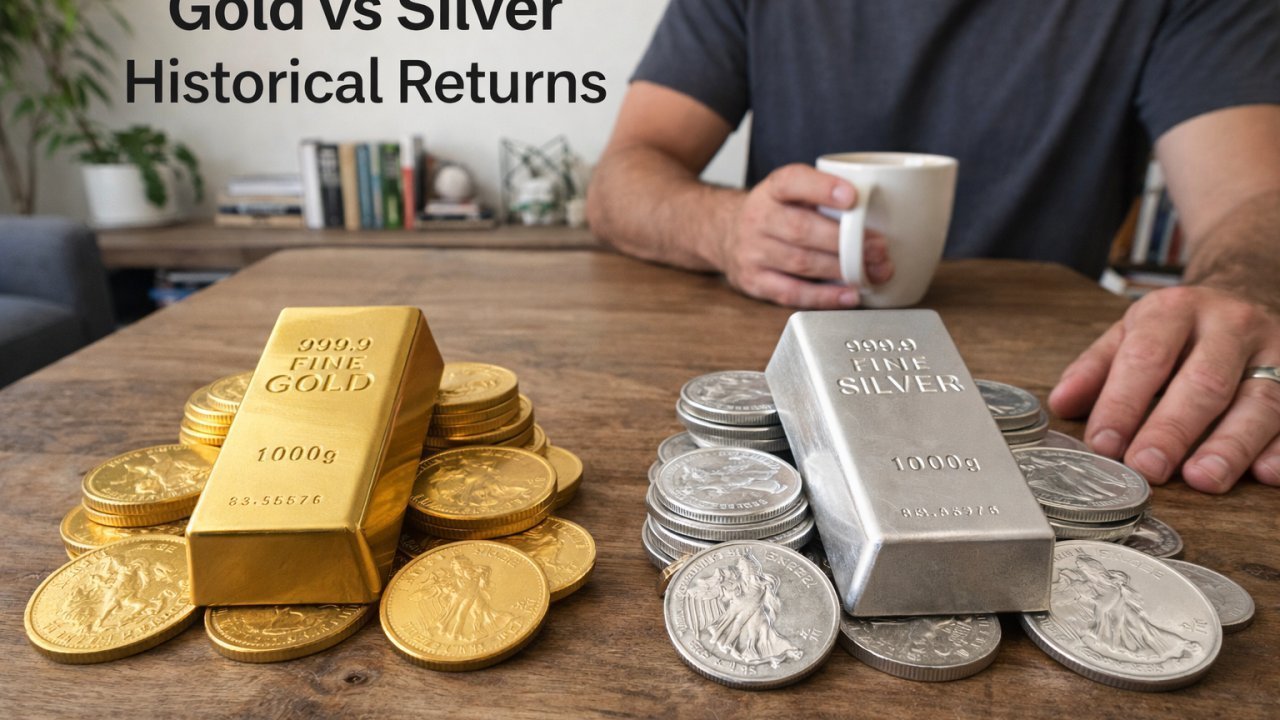
While gold remains the traditional cornerstone of wealth preservation in Jodhpur, local investors are increasingly diversifying their portfolios with silver. As the "Blue City" continues to see a surge in artisanal demand and industrial growth, silver has transitioned from being purely decorative to a strategic asset class. Market observers in Jodhpur’s bustling Sarafa Bazaar have noted a distinct uptick in retail interest, driven by silver’s lower entry price compared to gold and its dual-role as both a precious metal and a critical industrial commodity in the renewable energy and electronics sectors.
The current volatility in global markets has prompted many Jodhpur-based households to view silver as a tactical hedge. Unlike gold, which is often held for long-term cultural preservation, silver is gaining traction among the city’s younger, tech-savvy investors who appreciate its higher beta—meaning it often mirrors gold’s upward trends but with greater potential for rapid percentage gains during economic recoveries. Local jewelers are reporting a rise in demand for silver bars and coins as liquid, affordable alternatives for those looking to balance their portfolios without the high capital commitment required for gold bullion.
Key Takeaway: For Jodhpur investors, silver offers a compelling "value-growth" hybrid; while it lacks the extreme stability of gold, its industrial utility and lower price point make it an essential tool for those looking to hedge against inflation while maintaining high portfolio liquidity.
Digital Gold: Is it a Secure Investment for Jodhpur Residents?
As the vibrant markets of Sardar Market and Nai Sarak continue to see steady footfall for traditional jewellery, a quiet shift is occurring across Jodhpur. For the modern investor in the Blue City, digital gold has emerged as a compelling alternative to the physical locker-bound bullion. By allowing users to purchase gold in increments as small as ₹100, digital gold platforms have effectively democratized wealth management, removing the need for hefty upfront capital or the persistent anxiety regarding the physical security of assets at home.
For Jodhpur residents, the safety of digital gold lies in its transparency and backing. When you purchase through reputable platforms, the gold is typically stored in insured, vaulted facilities overseen by independent trustees. Unlike physical coins or bars, which carry risks of theft or purity concerns, digital gold is 24K pure and can be converted into physical delivery or sold back to the provider instantly with a single tap. However, investors should ensure they are using platforms regulated by SEBI or partnered with established bullion houses to mitigate counterparty risks. In an era where convenience is paramount, digital gold offers a seamless way to participate in the yellow metal’s appreciation without the logistical burden of storage.
Key Takeaway: Digital gold is a highly secure and flexible option for Jodhpur investors, provided you stick to reputable platforms that offer 24K purity certification and transparent, insured vaulting services.
Beyond the Vault: Why Jodhpur Investors are Pivoting to SGBs
For generations, the residents of Jodhpur have viewed gold as more than just an asset—it is a cultural legacy, often purchased in the bustling lanes of Sarafa Bazaar. However, as the digital transformation of India’s investment landscape accelerates, savvy investors in the Blue City are increasingly favoring Sovereign Gold Bonds (SGBs) over traditional physical bullion. While physical gold remains an emotional staple for weddings and festivals, SGBs offer a sophisticated financial edge that physical jewelry simply cannot match.
The primary advantage for Jodhpur’s investors lies in the elimination of two major hurdles: storage security and purity concerns. Storing large quantities of physical gold at home carries inherent risks, and bank locker fees can quietly erode long-term gains. In contrast, SGBs are held in demat form, completely removing the cost of insurance and safety. Furthermore, SGBs provide a guaranteed 2.5% annual interest payout, effectively turning a traditionally dormant asset into a source of passive income. When you factor in the capital gains tax exemption if held until maturity, the fiscal benefits become clear for those looking to build generational wealth without the "making charges" or GST premiums associated with physical ornaments.
As gold prices continue to fluctuate in response to global economic shifts, shifting a portion of your portfolio to SGBs allows you to participate in price appreciation without the logistical burden. Whether you are planning for a future milestone or balancing your investment portfolio, the SGB route offers a modern, tax-efficient, and secure alternative for the discerning Jodhpur investor.
Key Takeaway: Sovereign Gold Bonds offer Jodhpur investors a triple-benefit: complete security from theft, an additional 2.5% annual interest income, and tax-free capital gains upon maturity—advantages that physical gold simply cannot provide.
Silver: The Strategic Alternative for Jodhpur Investors
While gold remains the traditional cornerstone of investment in the Blue City, local market trends in Jodhpur are increasingly highlighting silver as a compelling secondary asset. As industrial demand for the white metal surges across India—fueled by the booming electronics and renewable energy sectors—Jodhpur’s savvy investors are beginning to view silver not merely as an ornamental choice, but as a high-growth hedge against inflation. For those looking to diversify their portfolios beyond the heavy capital requirement of gold, silver provides a more accessible entry point with higher historical volatility, often yielding significant gains during bullish commodity cycles.
In Jodhpur’s vibrant bazaars, from the bustling lanes of Sarafa Bazaar to the specialized jewelry hubs, we are seeing a shift in purchasing patterns. Investors are increasingly favoring 999-purity silver bars and coins over traditional silverware, prioritizing liquidity and ease of resale. As global supply chain constraints persist, the industrial value of silver continues to provide a "floor" for its price, making it an attractive proposition for those who want to balance the stability of gold with the speculative upside of an industrial metal.
For the Jodhpur investor, the key is timing and storage. Unlike gold, silver is bulky and prone to oxidation, making professional vaulting or certified, sealed bullion essential for maintaining long-term value. By keeping a pulse on the gold-to-silver ratio, local traders are finding that shifting portions of their metal holdings into silver during gold’s peak cycles can maximize total portfolio returns over the long term.
Key Takeaway: Diversify your precious metal holdings by treating silver as a strategic industrial asset; prioritize high-purity bullion over decorative items to ensure maximum liquidity and better returns when navigating Jodhpur’s evolving market landscape.
Digital Gold: A Safe Bet for Jodhpur?
As the digital wave sweeps across India, Jodhpur, a city steeped in tradition and a deep reverence for gold, is also seeing a shift in investment patterns. Digital gold, allowing you to buy, sell, and store gold virtually without the hassle of physical safekeeping, has emerged as a popular alternative. But for residents of the Sun City, accustomed to the tangible security of physical gold from trusted local jewellers, the question looms: Is digital gold truly safe?
The safety of digital gold largely depends on the platform you choose. Reputable platforms, often backed by regulated entities like SEBI-registered stockbrokers or NBFCs, ensure your gold is stored in insured vaults with transparent pricing and purity (typically 99.9% pure). For Jodhpuris, this offers significant advantages: freedom from storage concerns that come with physical gold, the ability to invest in small denominations (as low as ₹100), and the convenience of 24/7 transactions from anywhere – be it your home in Shastri Nagar or a cafe near Ghanta Ghar. This bypasses traditional challenges like making charges and purity verification often associated with buying physical gold in local markets.
While the convenience and verifiable purity are attractive, it's crucial to understand that not all digital gold providers fall under the same regulatory umbrella. While some are robustly regulated, others might not be directly overseen by a dedicated body like SEBI for their digital gold offerings. Therefore, Jodhpur residents considering this option should meticulously research platform credibility, read terms and conditions, and verify the physical gold backing and storage arrangements. Digital gold can be an excellent, liquid addition to an investment portfolio, offering a modern way to participate in gold's enduring value without the traditional logistics.
Key Takeaway: Digital gold offers a secure, convenient, and verifiable way for Jodhpur residents to invest in gold, provided they choose reputable platforms with transparent backing and storage.