1. Why is gold price different in Shimoga?
If you have ever compared the gold rates in Shimoga (officially known as Shivamogga) with cities like Bangalore, Mumbai, or Chennai, you might have noticed a slight variation. This difference is not arbitrary but is influenced by several local and logistical factors. While the base price of gold is determined by international markets and the Indian Bullion and Jewellers Association (IBJA), several components add up to create the final "Shimoga rate."
Transportation and Logistics: Shimoga is located in the heart of the Malnad region. While it is well-connected, the cost of transporting physical gold from major hubs or refineries involves insurance and security costs. These logistical expenses are often factored into the local selling price.
Local Jeweller Associations: The Shimoga Jewellers Association plays a crucial role in stabilizing the market. They often meet to decide the daily rate based on the previous day's closing, current market trends, and state-level taxes. This ensures that there is uniformity across the city, but it might differ slightly from other districts in Karnataka.
Octroi and Local Levies: Although GST has streamlined much of the taxation process across India, minor local handling charges or historical state-specific levies can influence the final quote provided by a retailer. Furthermore, the volume of trade in Shimoga, while significant, is lower than in a Tier-1 city, meaning jewelers may keep a slightly different margin to cover their overheads.
2. Which area or shop is famous for low making charges in Shimoga?
Finding the best deal on gold jewelry in Shimoga often comes down to the "making charges," which can range from 3% to 25% depending on the intricacy of the design. For those looking for the most competitive rates, the traditional market hubs are the best place to start.
Gandhi Bazaar and Nehru Road: These are the historical commercial arteries of Shimoga. Here, you will find a mix of century-old family-run jewelry stores and modern showrooms. The smaller, traditional shops in Gandhi Bazaar are often more flexible with making charges. Because they have lower overhead costs compared to massive air-conditioned showrooms, they are frequently willing to negotiate, especially on plain gold ornaments like chains and bangles.
Local vs. Branded Showrooms: While big national brands like Malabar Gold or Bhima offer transparency and fixed making charges (often during festive "no making charge" offers), the local legends of Shimoga provide a personal touch. Shops near the Gopi Circle area are known for their competitive pricing. If you are purchasing "Vedhani" (plain gold coins) or simple 22k gold jewelry, these local artisans often provide the lowest per-gram making cost in the city.
To get the best price, it is highly recommended to visit at least three shops in the Gandhi Bazaar area. Always ask for the "breakup" of the price—the gold rate, the making charge, and the GST—to ensure you are getting a fair deal.
3. Why do gold prices change daily?
The daily fluctuation of gold prices in Shimoga is a reflection of a complex global and domestic financial ecosystem. Gold is not just a metal; it is a global currency, and its value reacts to worldwide events.
- International Market Trends: Gold is traded globally in US Dollars. If the US Federal Reserve changes interest rates, or if there is geopolitical instability in the Middle East or Europe, investors rush to gold as a "safe haven," driving the price up.
- Currency Fluctuations: Since India imports the vast majority of its gold, the USD to INR exchange rate is vital. If the Rupee weakens against the Dollar, gold becomes more expensive to import, leading to a rise in Shimoga’s local gold rates.
- Import Duty: The Central Government periodically adjusts the import duty on gold to manage the Current Account Deficit (CAD). Any hike in duty is immediately reflected in the daily price list released by jewelers.
- Central Bank Reserves: When the Reserve Bank of India (RBI) or other central banks increase their gold reserves, the demand spikes, causing a ripple effect that reaches the retail counters in Shimoga.
4. Gold rates in Shimoga (22 karat): How do prices change?
In Shimoga, 22-karat gold—often referred to as "916 Purity"—is the standard for jewelry. Understanding how these prices change is essential for any savvy investor or bride-to-be. The 22k gold rate is essentially 91.6% of the 24k (pure gold) rate, plus a small margin for the alloy metals (like copper or zinc) used to make the jewelry durable.
Seasonal Demand: Shimoga is an agrarian-heavy economy. Prices and demand often see a sharp uptick during the harvest seasons and the wedding season (Muhurtham dates). During festivals like Akshaya Tritiya, Deepavali, and Ugadi, the local demand in Shimoga can cause a temporary premium on the prevailing gold rate due to the sheer volume of buyers.
Market Sentiment: If the stock market (Sensex/Nifty) is underperforming, residents of Shimoga often shift their capital into gold, which is viewed as a more stable asset. This local shift in "investment appetite" can keep prices firm even when global markets are stagnant.
5. Gold and hallmarking centres in Shimoga.
Hallmarking is the only guarantee of purity for gold buyers in Shimoga. The Bureau of Indian Standards (BIS) has made hallmarking mandatory, and buyers should always look for the BIS Logo and the HUID (Hallmark Unique Identification) number laser-etched on the jewelry.
Shimoga has seen a rise in authorized hallmarking and assaying centers to cater to the hundreds of jewelers in the district. These centers use X-ray Fluorescence (XRF) machines to test the purity of the gold without damaging the ornament. When you buy gold in Shimoga, ensure the bill mentions the HUID. If you have old gold and wish to check its purity, you can visit a BIS-recognized center in the city (typically located near the main jewelry clusters in the city center) for a nominal fee. This transparency has significantly reduced the risk of fraud that was prevalent in previous decades.
6. Top Jewellers in Shimoga.
Shimoga boasts a vibrant jewelry market that blends traditional craftsmanship with modern retail experiences. Here are some of the top names that have earned the trust of the locals over generations:
- Gajanana Jewellery: One of the most iconic names in Shimoga, known for its traditional Malnad-style designs and long-standing reputation for purity.
- Bhima Jewellers: A household name across South India, their Shimoga showroom is popular for its vast collection and transparent billing processes.
- Malabar Gold & Diamonds: Located on the main roads, they offer a modern shopping experience with a focus on certified diamonds and hallmarked gold.
- Joyalukkas: Known for their international designs and frequent promotional schemes that help buyers save on making charges.
- S.V.P. Jewellers: A local favorite that has built a loyal customer base through personalized service and unique handcrafted pieces.
Whether you are looking for a heavy "Lakshmi Hara" or a contemporary light-weight ring, these showrooms offer a wide variety of choices to suit every budget.
7. Supply pressures pushing prices up.
Why does it feel like gold prices only go up in the long run? In Shimoga, supply pressures play a massive role. Since India does not have significant gold mines (the Hutti mines in Karnataka produce very little compared to national demand), we are at the mercy of international supply chains.
Mining Costs: As gold becomes harder to extract from the earth, the cost of mining increases globally. These costs are passed down to the consumer. Additionally, any strikes in major mining countries like South Africa or disruptions in refining hubs can lead to a shortage of physical gold in the Indian market, pushing local prices in Shimoga higher.
Recycled Gold: A significant portion of the supply in Shimoga comes from "recycled gold"—people selling their old jewelry. However, during periods of high inflation, people tend to hold onto their gold, leading to a "supply squeeze" in the local market, which further bolsters the price.
8. How to store gold in Shimoga?
Once you have purchased your gold, keeping it safe is the next priority. Residents of Shimoga generally use three methods:
- Bank Lockers: Most nationalized and private banks in Shimoga (like SBI, Canara Bank, and Karnataka Bank) offer locker facilities. This is the safest method, though it involves an annual rental fee and sometimes requires a fixed deposit.
- Home Safes: Many households use heavy-duty Godrej-style safes. While convenient, this poses a security risk. It is recommended to have high-quality home security systems or CCTV if you store significant quantities at home.
- Gold Insurance: A growing trend in Shimoga is insuring jewelry. Many general insurance providers now offer "Jewelry Insurance" which protects against theft, burglary, and even accidental loss during transit (like weddings).
9. Gold vs Real Estate in Shimoga.
In a developing city like Shimoga, the debate between investing in gold versus real estate is common. Both have their merits.
Liquidity: Gold is the clear winner here. You can walk into any jeweler in Gandhi Bazaar and convert gold to cash in minutes. Real estate in areas like Savalanga Road or Sagar Road might take months to sell.
Entry Barrier: You can buy gold for as little as Rs. 1,000 (via digital gold or small coins). Real estate requires a massive capital outlay, often involving home loans and high interest rates.
Appreciation: Real estate in Shimoga has seen massive growth due to infrastructure projects like the new airport. However, gold has historically acted as a hedge against inflation. A balanced portfolio for a Shimoga resident usually involves 10-15% in gold and the rest in land or other assets.
10. What is a Sovereign Gold Bond?
For those in Shimoga who want to invest in gold without the worries of storage or theft, the Sovereign Gold Bond (SGB) is an excellent alternative. Issued by the RBI, these are government securities denominated in grams of gold.
Benefits of SGB:
- Interest: You earn a fixed interest rate (usually 2.5% per annum) on your initial investment, paid semi-annually.
- Tax Savings: If held until maturity (8 years), the capital gains are tax-free.
- No Making Charges: You pay only for the pure gold price, with no added costs for craftsmanship or GST.
You can apply for SGBs through your local bank branch in Shimoga or via your demat account. It is the most cost-effective way to "own" gold in India today.
11. Taxation of gold in Shimoga.
Understanding the tax implications is vital to avoid legal hurdles. When you buy gold in Shimoga, you pay a 3% GST on the value of the gold and the making charges. If you are selling old gold to buy new jewelry, GST is usually not applied to the value of the old gold, but check with your jeweler for their specific policy.
Capital Gains Tax: If you sell gold for a profit, you are liable to pay tax. If you sell within three years, it is considered Short-Term Capital Gains (STCG) and added to your income tax slab. If sold after three years, it is Long-Term Capital Gains (LTCG), taxed at 20% with indexation benefits. Keeping your original purchase invoices from your Shimoga jeweler is essential for calculating these taxes accurately and proving the source of your assets to the Income Tax department.
Market Update: Navigating Global Volatility in Shimoga’s Gold Sector
Recent shifts in the international financial landscape, particularly the recalibration of US Federal Reserve interest rate expectations and ongoing geopolitical tensions, have sent ripples directly into Shimoga’s local bullion market. As global spot prices react to fluctuating US Treasury yields, the cost of 22K and 24K gold in the "Gateway of Malnad" has experienced heightened intraday volatility. For local investors and families planning for the upcoming festive season, these global cues are now just as influential as the traditional demand cycles typically observed around the jewelry hubs of Gandhi Bazar and Nehru Road.
What distinguishes Shimoga’s market is the unique interplay between these global macro-trends and the regional agricultural economy. Historically, the city sees a significant surge in gold investments following a successful areca nut harvest. However, with the Indian Rupee facing pressure against a strengthening Dollar, the landed cost of gold remains elevated even when international spot prices show signs of cooling. Expert jewelers in the district note that while global "safe-haven" demand is currently propping up prices, local sentiment remains resilient, with a growing preference for 24K bars as a hedge against currency depreciation.
For those looking to purchase physical gold, the current environment necessitates a strategic approach. Monitoring the MCX (Multi Commodity Exchange) trends during the late evening hours—when US markets open—can offer Shimoga buyers a predictive glimpse into the next morning's local opening rates. In a market where global news can shift prices by several hundred rupees in a single session, timing your purchase during minor international corrections is becoming a vital skill for the savvy local shopper.
Key Takeaway: While global geopolitical factors are currently driving the base price, Shimoga’s local market remains anchored by agricultural liquidity; buyers should consider a "buy-on-dips" strategy to mitigate the impact of international price spikes.
Expert Tip: Ensuring Gold Purity in Shimoga with the BIS Care App
For residents of Shimoga, gold isn't just an investment; it's deeply woven into cultural traditions and significant life events. Whether you're buying for a wedding, a festival, or as a secure asset, ensuring the purity of your gold is paramount. In a market as vibrant as Shimoga's, navigating authenticity can sometimes be a concern. Thankfully, the Bureau of Indian Standards (BIS) has empowered consumers with a simple yet powerful tool: the BIS Care App.
This indispensable app allows you to instantly verify the genuineness of hallmarked gold jewellery right from your smartphone. When purchasing gold from any reputable jeweler in Shimoga, look for the HUID (Hallmark Unique Identification) number stamped on the item. Simply open the BIS Care App, navigate to the 'Verify HUID' section, and input this unique six-digit alphanumeric code. The app will then display comprehensive details about the jewellery, including its purity (e.g., 22K or 916), the name of the hallmarking centre, and the manufacturer's details. This transparency ensures you're getting exactly what you pay for.
Embracing this digital verification method provides an unparalleled layer of trust and consumer protection for gold buyers across Shimoga. It's a quick, free, and reliable way to safeguard your precious investments, giving you complete peace of mind with every purchase.
Key Takeaway: Always use the BIS Care App to verify the HUID number on your hallmarked gold purchases in Shimoga for assured purity and authenticity.
Navigating GST: A Strategic Guide for Shimoga’s Gold Buyers
For residents of Shimoga, from the bustling commercial hubs of Nehru Road to the long-standing jewelry houses near Durgigudi, understanding the Goods and Services Tax (GST) structure is essential for making a smart investment. Currently, a flat 3% GST is levied on the value of the gold itself, while a 5% GST applies specifically to the making charges. In a city where gold is often purchased as a financial hedge against agricultural market fluctuations—particularly by the thriving areca nut and paddy farming communities—these small percentages can significantly influence the final "on-the-road" price of a heavy necklace or a traditional kasu male.
Market experts in the Malnad region observe that local buyers are sometimes tempted by "all-inclusive" verbal quotes that may lack transparency. However, with the mandatory implementation of the Hallmarking Unique ID (HUID), a formal GST invoice has become more than just a tax document; it is your primary proof of purity and legal ownership. When shopping at Shimoga’s reputable showrooms, ensure that the making charges—which can vary from 8% to 22% depending on the intricacy of the craftsmanship—are listed separately from the gold value before the tax is applied. This ensures you aren't inadvertently overpaying on the tax component of the labor costs.
Key Takeaway: Always insist on a detailed tax invoice that breaks down the 3% GST on the gold and 5% on making charges separately; this not only validates the HUID authenticity of your purchase but also ensures maximum resale and exchange value across Karnataka.
Beyond Gold: Why Shimoga Investors are Turning to Silver
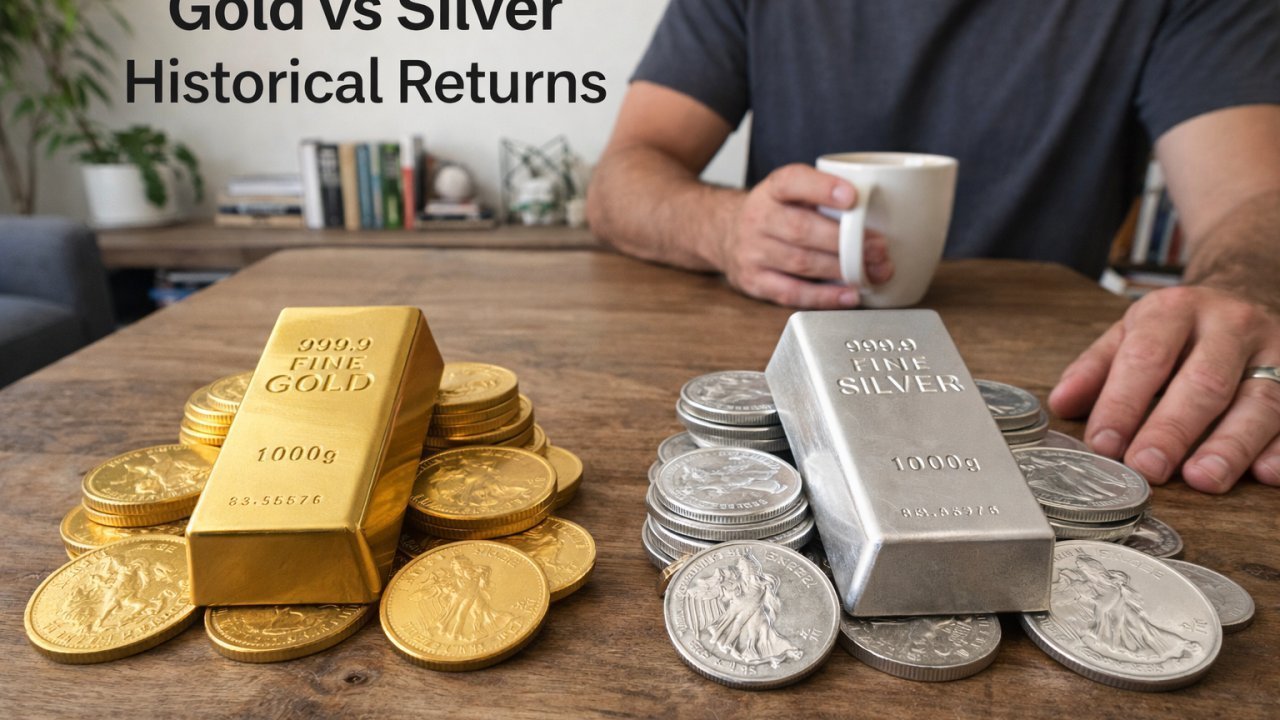
While gold remains the traditional cornerstone of investment portfolios in Shimoga, a notable shift is occurring among the city’s savvy investors. As gold prices hover near record highs, many residents in the Malnad region are increasingly viewing silver as a strategic, high-potential alternative. Unlike gold, which is primarily held as a store of value, silver is gaining traction due to its dual nature as both a precious metal and a vital industrial commodity, particularly in the growing green energy and electronics sectors.
For investors frequenting the jewelry hubs near Gandhi Bazaar and Nehru Road, the lower entry price point of silver makes it an attractive vehicle for systematic accumulation. Market analysts observe that local demand for silver bars and coins has surged as a hedge against volatility, offering a more accessible way to diversify holdings without the heavy capital commitment required for gold. Furthermore, silver’s historical tendency to exhibit higher beta—meaning it often rallies more aggressively than gold during bull markets—has caught the attention of younger investors in Shimoga looking to capitalize on shorter-term price cycles.
However, investors should remain mindful of silver’s characteristic price swings, which can be more pronounced than those of its yellow counterpart. While the industrial demand provides a strong long-term floor for prices, the market remains susceptible to global supply chain fluctuations. For those building a balanced portfolio, silver serves as a dynamic "satellite" investment that complements the stability of gold, allowing Shimoga residents to capture growth potential while maintaining a foundation of traditional security.
Key Takeaway: Silver offers a high-growth, lower-cost entry point for Shimoga investors; consider allocating a portion of your precious metal portfolio to silver to balance the stability of gold with the upside potential of an industrial commodity.
Navigating Gold Price Variations: Why Shimoga Differs from Metros
For investors and jewelry buyers in Shimoga, understanding why local gold rates occasionally diverge from major hubs like Bengaluru or Mumbai is essential. While the international spot price of gold remains the global benchmark, the final retail price you pay at a local jeweler in Shimoga is influenced by regional logistics, local demand dynamics, and the specific overheads of the Malnad region’s retail network. Unlike Tier-1 cities, where large-scale bullion trade often keeps margins razor-thin due to high-volume turnover, Shimoga’s market is characterized by a steady, consistent demand from both urban residents and the thriving agricultural communities of the surrounding districts.
Furthermore, gold pricing in Shimoga is often insulated from the extreme intraday volatility seen in national financial centers. Local jewelers typically adjust their rates based on the morning opening prices of larger bullion associations, ensuring that buyers in the city receive a fair rate that reflects regional market stability. Transportation costs and the specific import levies handled by regional distributors also play a minor role in the final price point. When comparing rates, it is always wise for residents to account for the quality of craftsmanship and the hallmark certification, which remain the true indicators of value beyond the daily price fluctuation.
Key Takeaway: While Shimoga’s gold prices may show slight variations compared to major metros due to logistics and regional demand, the local market offers a stable pricing environment that prioritizes long-term value and certified purity for the prudent investor.
Shimoga Gold Update: Wedding Season Trends on the Horizon
As the auspicious wedding season in Shimoga draws near, the buzz around gold, a timeless symbol of prosperity and tradition, is palpably growing. For families across the 'Land of Arecanut,' gold isn't just an ornament; it's an integral part of wedding rituals, a cherished heirloom, and a prudent investment. This year, we anticipate a dynamic interplay of tradition and evolving preferences shaping gold purchases.
Market observers in Shimoga note a continued strong demand for classic bridal sets, including intricate 'Kasina Sara' necklaces and 'Vanki' armlets, which hold significant cultural value. However, there's also an emerging trend towards lighter, more versatile gold jewelry that can be worn beyond the wedding day. Younger couples and families are increasingly exploring contemporary designs alongside traditional temple jewelry, striking a balance between heritage and modern aesthetics. This shift suggests a conscious effort to maximize the utility and wearability of wedding gold, without compromising on its inherent value.
With the global gold market showing a mix of stability and occasional volatility, local buyers in Shimoga are advised to plan their purchases strategically. Experts suggest focusing on certified purity and reputable jewelers, especially for significant wedding acquisitions. The upcoming season is likely to see a steady flow of demand, potentially influencing local pricing. Keeping an eye on daily price movements and leveraging pre-booking options could prove beneficial for those looking to secure their dream wedding gold.
Key Takeaway: Shimoga's wedding season gold market will blend traditional heavy sets with versatile, modern designs; strategic purchasing based on purity and market trends is key.
Strategic Timing: When to Visit Shimoga’s Jewellers
For residents of Shimoga, navigating the local bullion market requires more than just tracking global trends; it demands an understanding of the city’s unique retail rhythm. While global gold prices fluctuate throughout the day based on international trading sessions, retail pricing in Shimoga’s prominent jewellery hubs—such as those clustered around Durgigudi and Nehru Road—is typically finalized during the morning hours. Local jewellers generally set their daily rates shortly after the market opens, reflecting the previous night’s closing price on the MCX (Multi Commodity Exchange).
If you are planning a purchase, the "sweet spot" for visiting a showroom is often between 11:00 AM and 1:00 PM. By this time, the day’s rate has stabilized, and the store staff has processed the morning’s market data. Visiting during these mid-day hours allows you to secure your gold before the volatility of late-afternoon international market shifts can impact the next day's pricing or cause mid-day revisions. Furthermore, avoiding the evening rush—when foot traffic from surrounding areas like Vinobha Nagar increases—ensures you get personalized attention from the store’s gold appraisers, allowing for a more thorough inspection of craftsmanship and hallmarking certificates.
Consistency is your greatest advantage. By aligning your visit with the stabilization of local morning rates, you minimize the risk of paying a premium for intraday price spikes. Always remember to check the live 22k and 24k rates online before heading out, as this empowers you to negotiate effectively and ensures transparency in your transaction.
Key Takeaway: To secure the most stable pricing and personalized service, plan your gold purchases in Shimoga between 11:00 AM and 1:00 PM, after the daily market rate has been set but before the evening retail rush begins.
Securing Your Assets: Navigating Gold Insurance in Shimoga
For residents of Shimoga, gold is more than just a financial hedge; it is a cultural cornerstone, deeply embedded in local traditions and family legacies. Whether you are safeguarding heirloom jewellery kept in a home locker in Vinoba Nagara or protecting high-value investments stored in a bank vault, the rising price of bullion makes insurance a critical, yet often overlooked, necessity. While traditional home insurance policies often provide a basic "contents" cover, they frequently fall short of the actual market value of gold, which fluctuates significantly based on daily bullion rates in Karnataka.
In Shimoga, where gold is often worn during festive seasons and weddings, the risk of theft or accidental loss during transit is a reality that standard security measures cannot fully mitigate. Experts recommend opting for a "standalone jewellery insurance" policy or a specific "valuable items" add-on. These policies offer broader protection, covering not just burglary, but also accidental damage and "all-risk" scenarios while the jewellery is being worn outside the home. Before purchasing, ensure you have an updated valuation certificate from a reputable local jeweller in Shimoga, as insurance claims are strictly settled based on current market appraisals rather than the original purchase price.
As the gold market remains volatile, regular portfolio reviews—coupled with adequate insurance—ensure that your physical assets remain a source of security rather than a liability. By proactively securing your collection, you protect your family’s financial future against the unexpected.
Key Takeaway: Don't rely solely on basic home insurance; opt for a specialized jewellery cover that accounts for current market valuations in Shimoga to ensure your gold assets are fully protected against theft, loss, and accidental damage.
Shimoga Gold Market Update: Festival Season Buying Tips
As the vibrant festival season approaches, gold buying in Shimoga, much like the rest of India, enters a period of heightened activity and cultural significance. From Diwali to upcoming wedding seasons, gold holds immense traditional and investment value for families across the Malnad region. While global economic factors continue to shape the broader market, local demand during these auspicious times often creates its own unique dynamics. Historically, a surge in buying sentiment can lead to prices firming, making strategic planning crucial for those looking to add to their gold holdings.
For Shimoga residents planning their festive purchases, a proactive and informed approach is key. Instead of waiting until the last minute, consider exploring gold savings schemes or advance booking options offered by reputable local jewelers. These plans often allow for staggered payments at an averaged rate or provide special benefits, potentially cushioning against sudden price spikes closer to the festival dates. Always prioritize 22K (916 hallmark) gold for jewelry purchases, ensuring both purity and optimal resale value – a vital aspect given gold's role as a cherished family asset and a hedge against inflation.
Remember that gold in Shimoga isn't merely an investment; it's a profound symbol of prosperity, tradition, and an integral part of every celebration. Whether you're buying for a wedding trousseau, a gift for Akshaya Tritiya, or simply as a smart investment, understanding market trends and leveraging available schemes can help you make a more informed and value-driven purchase. Keep an eye on daily price movements and consult with trusted local jewelers to align your buying strategy with your specific needs and budget.
Key Takeaway: Plan your festive gold purchases in Shimoga proactively, leverage jeweler schemes, and always insist on hallmarked 22K gold for both cultural value and investment security.
Festival Season Gold Buying: Smart Tips for Shimoga
As the festive season approaches, Shimoga, like much of India, gears up for its traditional gold purchases. With Dasara, Diwali, and the wedding season just around the corner, demand for the yellow metal is set to surge across the Malnad region. While gold has always been a cherished asset and a symbol of prosperity in our community, understanding current market dynamics is crucial for making informed decisions. Global economic shifts and central bank policies continue to influence international gold prices, which in turn reflect in local rates. For buyers in Shimoga, this means staying attuned to daily fluctuations, as even small movements can impact your budget during peak buying periods.
To navigate this bustling market, consider a few strategic tips. Firstly, always prioritize purity; ensure your gold is BIS-hallmarked, a non-negotiable standard for authenticity and trust. Many reputable jewellers in Shimoga offer transparent pricing, so comparing making charges and wastage across different stores can yield significant savings. If you're planning a substantial purchase, consider staggering your buying over a few days if prices show volatility, rather than buying everything at once. This 'averaging' strategy can help mitigate the risk of buying at a temporary peak. Also, explore lighter, contemporary designs alongside traditional heavy pieces to maximize your budget without compromising on the festive spirit.
Remember, gold is not just an adornment but also a long-term investment. While short-term price movements can be concerning, its historical track record as a hedge against inflation and economic uncertainty remains strong. For the people of Shimoga, who hold deep cultural ties to gold, this festive season offers an opportunity to continue a cherished tradition. By combining cultural significance with smart, informed buying practices, you can ensure your gold purchases bring both joy and lasting value.
Key Takeaway: For festival season gold buying in Shimoga, prioritize BIS-hallmarked purity, compare making charges, and consider staggered purchases to make the most of your investment.
Navigating Gold Price Variations: Why Shimoga Differs from Metros
For gold buyers in Shimoga, it is common to notice a slight disparity between local market rates and those quoted in major metropolitan hubs like Bangalore or Mumbai. While the international spot price of gold remains the global benchmark, the final retail price in Shimoga is influenced by regional logistical costs, local demand-supply dynamics, and the specific pricing strategies of the city's prominent jewelry houses. Because Shimoga serves as a vital commercial center for the Malnad region, gold bullion must often be transported from major distribution centers, leading to minor premiums that reflect transportation and security overheads.
Furthermore, local competition among Shimoga’s well-established jewelers plays a significant role in price stability. Unlike the highly volatile, high-frequency trading environments of larger cities, the Shimoga market tends to prioritize long-term consumer trust and loyalty programs. Buyers should be aware that while the base metal rate might fluctuate marginally compared to the national average, the "making charges" or wastage fees are often where local shops offer competitive advantages. By comparing the total cost of ownership—including purity certifications and craftsmanship fees—rather than focusing solely on the daily gold rate, residents can often secure better value locally than they would by traveling to Bangalore for a purchase.
Key Takeaway: While Shimoga’s gold rates may reflect a slight regional premium due to logistics, savvy buyers can offset this by negotiating making charges and leveraging the personalized service of local jewelers, often resulting in a lower final cost than that of big-city retail chains.
Beyond Gold: The Growing Allure of Silver in Shimoga
While gold remains the traditional cornerstone of investment portfolios across Shimoga’s bustling markets—from the jewelry hubs near Gandhi Bazaar to the growing suburban demand—local investors are increasingly pivoting toward silver as a high-potential alternative. As global industrial demand for silver surges, particularly in the renewable energy and electronics sectors, savvy investors in the Malnad region are recognizing that silver offers a unique dual-purpose profile: it functions as both a precious metal hedge and a high-growth industrial commodity.
For the residents of Shimoga, the current market climate presents a compelling case for diversification. Silver’s lower entry price point compared to gold allows middle-class families and young professionals to accumulate wealth more consistently, bypassing the high capital barriers associated with gold bars or heavy jewelry. Moreover, local bullion dealers have noted a marked increase in inquiries regarding silver coins and bars as a hedge against inflationary pressures. Unlike gold, which is primarily held for its store-of-value properties, silver’s high volatility often provides opportunistic entry points for those looking to capitalize on cyclical price swings.
However, investors should remain mindful of the liquidity differences. While gold is universally accepted for instant monetization at any local jeweler, silver requires a more strategic approach to storage and resale. As Shimoga continues to urbanize, the integration of digital silver platforms is also making it easier for residents to trade without the physical overhead. Balancing a portfolio with a tactical allocation of silver can provide the agility needed to navigate the evolving precious metals landscape in Karnataka.
Key Takeaway: Silver is evolving from a cultural staple into a strategic asset for Shimoga investors; its dual utility as a hedge and an industrial metal makes it an excellent tool for diversifying portfolios against gold’s relative stability.
GST on Gold: What Every Buyer in Shimoga Needs to Know
For residents of Shimoga, from the bustling lanes of Nehru Road to the traditional jewelry hubs across the city, understanding the tax structure is as vital as checking the daily gold rate. Since the implementation of the Goods and Services Tax (GST), gold transactions in India have become more transparent, yet they often leave buyers confused at the checkout counter. Currently, a 3% GST is levied on the purchase of gold jewelry. However, it is crucial to remember that this tax is calculated not just on the raw gold price, but on the final invoice value, which includes the making charges (wastage) as well.
As you plan your next purchase for weddings or auspicious occasions like Akshaya Tritiya, ensure your jeweler provides a detailed GST-compliant invoice. In Shimoga’s competitive retail market, some shops may offer discounts or promotional labor-charge waivers to attract customers. While these deals can reduce your overall out-of-pocket expense, the 3% tax remains mandatory and non-negotiable. Furthermore, if you are exchanging old gold for new, the GST is applied to the net value of the new purchase after the value of your old gold has been deducted, effectively helping you manage your tax liability.
Key Takeaway: Always insist on a GST-compliant bill that clearly itemizes the gold price, making charges, and the 3% tax. By factoring this tax into your budget beforehand, you avoid unpleasant surprises and ensure your investment remains transparent and secure.