Gandhidham, the economic powerhouse of the Kutch district in Gujarat, stands as a symbol of rapid industrial growth and commercial prosperity. As a city built around the bustling Kandla Port, its residents have a keen eye for investment, and gold remains the most preferred asset class. Whether it is for traditional weddings, religious festivals like Dhanteras, or as a hedge against inflation, gold holds a special place in the hearts and portfolios of the people in Gandhidham. This comprehensive guide explores the nuances of the gold market in this vibrant city, helping you make informed decisions about your next precious metal purchase.
1. Why is gold price different in Gandhidham?
If you compare the gold rates in Gandhidham with cities like Mumbai or Delhi, you will often notice a slight variation. Several factors contribute to this price disparity. Firstly, transportation and logistics play a role. While Gandhidham is close to a major port, the bullion usually reaches the city through designated channels from larger distribution hubs, incurring transit and insurance costs.
Secondly, local bullion associations in Gandhidham and the wider Gujarat region set daily rates based on a combination of international prices and local demand-supply dynamics. Local taxes, including the specific state-level levies and octroi adjustments that might have historical roots, also influence the final retail price. Lastly, the volume of trade in the city affects the margins that local wholesalers are willing to accept, leading to a unique price point for the city.
2. Which area or shop is famous for low making charges in Gandhidham?
Finding the right balance between purity and price is essential for any jewelry buyer. In Gandhidham, the Main Market area and Tagore Road are the primary hubs for gold shopping. These areas house a mix of legacy family-owned showrooms and modern retail chains.
For those looking for low making charges, the traditional family jewellers located in the older sections of the Main Market are often the best bet. Unlike large national brands that have high overhead costs and fixed making charges (often starting from 12% to 18%), these local artisans and boutique shops are often more flexible. During the wedding season or festive periods, many shops in the Sector 9 and Sector 12 areas offer promotional discounts where making charges are significantly reduced or even waived on certain gold coins and plain jewelry items. It is always recommended to bargain and compare the "per gram" making charge across at least three different stores before finalizing a purchase.
3. Why do gold prices change daily?
Gold is a global commodity, and its price is never static. The daily fluctuations in Gandhidham are a reflection of several international and national variables:
- International Market Trends: The spot price of gold in the international market (usually quoted in USD per ounce) is the primary driver. If the US Dollar strengthens, gold prices often dip, and vice versa.
- Central Bank Reserves: When the Reserve Bank of India (RBI) or other global central banks increase their gold reserves, the demand spikes, pushing prices higher.
- Import Duties: Since India imports a vast majority of its gold, any change in the import duty structure by the Central Government immediately reflects in the daily rates in Gandhidham.
- Inflation: Gold is considered a safe haven. When inflation rises, the purchasing power of currency drops, leading investors to flock to gold, which drives the price up.
4. Gold rates in Gandhidham (22 karat): How do prices change?
In Gandhidham, 22-karat gold, also known as '916 Purity' gold, is the standard for jewelry. The price for 22k gold is lower than 24k (pure gold) because it contains 91.6% gold mixed with alloys like copper or zinc to provide durability. The rates for 22k gold change daily, usually announced around 10:30 AM every morning by the local jewellers' association.
Prices fluctuate based on the seasonal demand in Gujarat. For instance, during the 'Shravan' month or the wedding season (Vivad Muhurat), the demand for 22k jewelry skyrockets in Gandhidham, which can lead to a slight premium in local retail prices. Conversely, during periods considered inauspicious for buying gold (like Shradh), you might find more stable or slightly corrected prices. Monitoring the daily "Gold Rate Today Gandhidham" online can help buyers time their purchases during market dips.
5. Gold and hallmarking centres in Gandhidham.
Purity is the most critical factor when buying gold. The Bureau of Indian Standards (BIS) has made hallmarking mandatory for gold jewelry. A hallmark ensures that the consumer is getting the purity they are paying for. In Gandhidham, reputable jewellers only sell BIS-hallmarked gold.
When purchasing, look for the three specific marks: the BIS logo, the purity grade (e.g., 22K916), and the HUID (Hallmark Unique Identification) number. Gandhidham has access to recognized Assaying and Hallmarking Centres (AHCs) that serve the Kutch district. These centres use X-ray Fluorescence (XRF) machines to verify the gold content without damaging the ornament. Buyers can also use the 'BIS Care' app to verify the HUID code printed on their jewelry, ensuring total transparency.
6. Top Jewellers in Gandhidham.
The jewelry market in Gandhidham is a blend of tradition and modernity. Some of the most trusted names include:
- Tanishq: Located on Tagore Road, it is a favorite for those seeking contemporary designs and the trust of the Tata brand.
- Kalyan Jewellers: Known for their massive collections and transparent pricing policies.
- Local Heritage Brands: Shops like Abhishek Jewellers and V.P. Jewellers (among others in the Main Market) have served generations of Gandhidham residents, offering personalized service and customized Kutchi designs.
- Reliance Jewels: A popular choice for those looking for a mix of traditional and light-weight modern jewelry.
These showrooms offer various gold schemes where customers can deposit monthly installments to purchase gold at the end of the term, often with a discount on the final installment or making charges.
7. Supply pressures pushing prices up.
The supply of gold in Gandhidham is often influenced by broader geopolitical issues. Since India is not a major producer of gold, we rely on imports from countries like Switzerland, the UAE, and South Africa. Geopolitical tensions in the Middle East or Eastern Europe can disrupt supply chains, leading to a scarcity of physical gold and a subsequent spike in prices.
Furthermore, the logistical flow through the Mundra and Kandla ports indirectly affects local availability. If there are strikes, changes in customs regulations at the port, or disruptions in the transport network connecting Kutch to the rest of India, local wholesalers may hike premiums due to temporary supply shortages. Investors should keep an eye on global mining outputs and trade policies to anticipate these supply-side pressures.
8. How to store gold in Gandhidham?
Once you have purchased gold, security becomes the primary concern. In Gandhidham, residents typically use three methods for storage:
- Bank Lockers: Major banks like State Bank of India (SBI), ICICI Bank, and HDFC Bank in Gandhidham offer locker facilities. This is the safest method, though it involves an annual rental fee and limited access hours.
- Home Safes: Many residents invest in high-quality, fire-resistant electronic safes. While convenient, this requires robust home security systems and insurance coverage.
- Digital Gold: For those who buy gold as an investment rather than for wearing, digital gold offered by various platforms allows you to own gold without the hassle of physical storage. You can convert this to physical gold whenever needed.
9. Gold vs Real Estate in Gandhidham.
Gandhidham and its twin township Adipur have seen a massive boom in real estate prices over the last decade. When comparing gold to real estate as an investment:
Gold offers high liquidity. You can walk into any shop in Gandhidham and sell gold for cash within an hour. It is also an excellent hedge against currency devaluation. On the other hand, Real Estate in Gandhidham (especially commercial plots near the port or residential areas in DC-5) offers the potential for high rental income and massive capital appreciation, but it requires a much larger initial investment and is not easily liquidated.
A balanced portfolio for a resident of Gandhidham usually includes both—real estate for long-term wealth creation and gold for emergency liquidity and cultural requirements.
10. What is a Sovereign Gold Bond?
For investors in Gandhidham who want to benefit from gold price appreciation without the risks of physical storage, Sovereign Gold Bonds (SGBs) are an excellent option. Issued by the Reserve Bank of India on behalf of the Government, these bonds are denominated in grams of gold.
The benefits of SGBs include a fixed interest rate of 2.5% per annum (paid semi-annually) on the initial investment amount. There are no making charges or GST involved, and the capital gains are tax-exempt if held until maturity (8 years). You can purchase these through your local bank branch in Gandhidham or via a demat account.
11. Taxation of gold in Gandhidham.
Understanding the tax implications is vital for every gold buyer in Gujarat. Currently, a GST of 3% is levied on the value of the gold and the making charges. If you are selling your old gold jewelry, you do not have to pay GST, but if you trade it for new jewelry, the GST applies to the value of the new piece.
Regarding Capital Gains Tax, if you sell your gold after holding it for more than three years, it is considered a Long-Term Capital Gain (LTCG) and is taxed at 20% with indexation benefits. If sold before three years, the profit is added to your annual income and taxed according to your applicable income tax slab. Always ensure you collect a proper tax invoice from your jeweller in Gandhidham to maintain a legal record of your investment.
Gandhidham Gold Market Insight: The Smart Choice of Recycling Your Gold
With gold prices continuing their upward trajectory in Gandhidham, many residents are looking at their existing gold assets with renewed interest. Beyond just selling, the local market presents a significant opportunity in gold recycling and refining. This isn't just about offloading old jewellery; it's about intelligently converting dormant assets into liquid capital, often at highly favourable rates given the current market conditions.
Gandhidham, as a thriving economic hub, is home to a growing number of reputable gold refiners and recycling services. These establishments offer transparent processes, from precise purity testing to fair market valuation, ensuring you receive the true worth of your gold. Opting for local refining not only provides immediate financial benefit but also contributes to a more sustainable gold economy, reducing the environmental impact associated with new gold mining and supporting local businesses.
Whether you have broken jewellery, outdated ornaments, or even industrial gold scrap, exploring the recycling options in Gandhidham can yield surprising returns. It's crucial to choose a service known for its integrity and advanced refining capabilities to guarantee the best possible price and a hassle-free experience. This strategic approach allows you to capitalise on high prices while making an environmentally conscious decision.
Key Takeaway: With gold prices strong, responsibly recycling your old gold in Gandhidham through trusted local refiners offers excellent financial returns and supports a sustainable gold economy.
Expert Insight: The Surge in Gold Recycling Within Gandhidham’s Trading Hubs
As gold prices hover near historic highs, a significant shift is occurring in Gandhidham’s local bullion market. Traditionally a city focused on new purchases during festive seasons, the Kutch region is now seeing a massive influx of "old gold" as residents look to capitalize on record-breaking valuations. Local refineries and jewelry houses along Tagore Road and the Main Market have reported a 25% uptick in recycling services, where legacy ornaments are being exchanged for cash or liquidated into 24-karat investment bars. This trend is driven by a sophisticated local demographic that views gold not just as an heirloom, but as a high-yield liquid asset.
For those looking to refine or recycle gold in Gandhidham, the landscape has become increasingly professionalized. Gone are the days of manual fire assays; modern facilities in the city now utilize advanced XRF (X-ray fluorescence) technology to provide non-destructive, instant purity reports. Industry experts suggest that with the recent implementation of stricter hallmarking regulations in Gujarat, the "scrap value" of gold is now more transparent than ever. When visiting local refiners, ensure they provide a digital purity certificate, as even a 1% discrepancy in purity can result in a loss of thousands of rupees given today’s premium prices.
Key Takeaway: To maximize your returns in Gandhidham’s current market, prioritize refineries that offer XRF-certified purity testing and transparent melting losses, allowing you to leverage high spot prices with absolute precision.
Navigating the Festive Gold Rush in Gandhidham: Expert Buying Strategies
As the festive fervor of Dhanteras and Diwali approaches, Gandhidham’s bullion market—centered around the vibrant commercial hubs of Tagore Road—is witnessing a significant surge in consumer interest. In a port-driven economy like ours, where global trade influences local sentiment, gold remains the ultimate symbol of prosperity and financial security. However, with international prices experiencing heightened volatility due to currency fluctuations, Gandhidham buyers must look beyond the sticker price. Expert traders suggest that the most savvy local investors are now shifting toward 'price-lock' schemes offered by reputable jewelers in the Kutch region, allowing them to hedge against sudden price spikes during the peak wedding and festival season.
When navigating the local markets, transparency should be your primary filter. While Gandhidham hosts several long-standing family jewelers known for their intricate Kutchi craftsmanship, always ensure that every piece is BIS-hallmarked. With the recent implementation of the HUID (Hallmark Unique Identification) system, buyers should verify the six-digit alphanumeric code via the BIS Care app before finalizing a purchase. Furthermore, since making charges in Gujarat can vary significantly between traditional hand-crafted ornaments and machine-cut designs, don't hesitate to negotiate these costs, especially during high-volume festive sales where competitive labor rates can save you a substantial margin on heavy bridal sets.
Key Takeaway: To maximize value during the Gandhidham festive season, monitor the 22K and 24K rates for three consecutive days before buying, prioritize HUID-compliant jewelry, and consider early morning visits to showrooms to secure better personalized attention and negotiation leverage on making charges.
Expert Tip: Timing Your Gold Purchase in Gandhidham
Ever wondered if there's a 'perfect' moment to buy gold in Gandhidham? While global market trends set the broad strokes for gold prices, the exact rates you see at your local jeweller can experience subtle, yet significant, intra-day fluctuations. These aren't just random movements; they're often influenced by a mix of international commodity exchange activity, the Indian Rupee's performance against the USD, and even local demand patterns unique to our vibrant port city.
For many savvy buyers in Gandhidham, the mid-afternoon window, typically between 2 PM and 4 PM, often presents a more stable pricing environment. The initial morning volatility, driven by overnight global cues and the opening of India's Multi Commodity Exchange (MCX), usually settles by this time. Dealers, particularly those in the bustling commercial areas like Sector 1, have had a chance to adjust their prices, and the market tends to be less reactive to immediate news. As the buzz of the morning trade subsides, you might find slightly more competitive rates as jewellers aim to maintain steady sales throughout the day, before the potential evening rush.
However, it's crucial to remember that 'best time' is relative. For significant purchases, real-time price tracking is invaluable. Keep an eye on live gold rates and the INR-USD exchange rate, as a strengthening Rupee can sometimes make gold marginally cheaper. Also, don't hesitate to check prices with a couple of reputable jewellers within Gandhidham's various markets. While prices are largely uniform, minor differences can sometimes be found, especially for larger transactions. Ultimately, patience and informed observation are your best allies.
Key Takeaway: For potentially more stable and competitive rates, consider buying gold in Gandhidham during the mid-afternoon (2 PM - 4 PM), while always keeping an eye on live market updates.
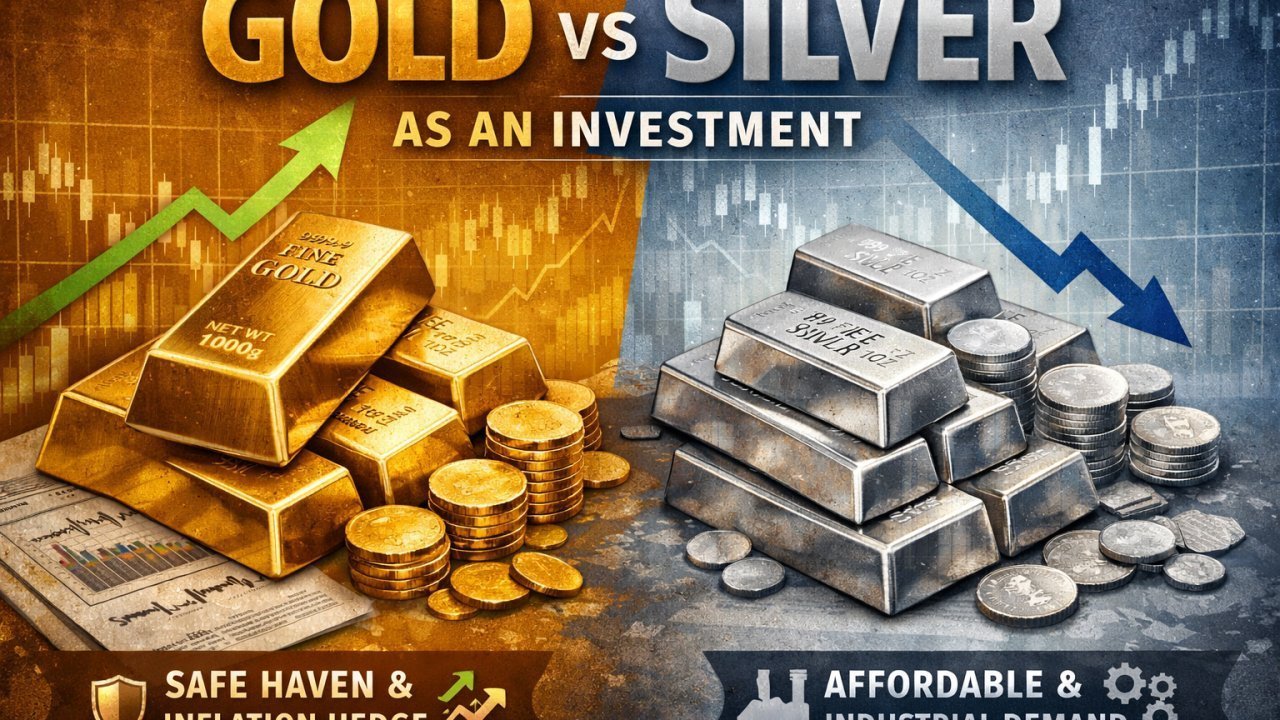
Beyond Gold: The Emerging Appeal of Silver in Gandhidham’s Investment Landscape
While gold has traditionally reigned supreme in the portfolios of Gandhidham’s households, local investors are increasingly looking toward silver as a high-potential alternative. Given Gandhidham’s strategic position as a logistical and industrial hub near the Kandla and Mundra ports, the local market is uniquely sensitive to both domestic jewelry demand and the broader industrial requirements of the Kutch region. As global supply chains tighten, silver is being viewed not just as a precious metal, but as a critical industrial commodity, creating a dual-demand structure that differentiates it from the purely hedge-based utility of gold.
For investors in Gandhidham, the primary allure of silver lies in its higher volatility compared to gold, which, while riskier, offers significant growth opportunities during bullish market cycles. Local jewelers and bullion traders are reporting a surge in demand for silver bars and coins, particularly among younger retail investors who find the lower entry price point more accessible for systematic accumulation. Whether you are looking to hedge against inflation or capitalize on the metal’s growing role in green energy technologies, silver provides a tactical layer of diversification that complements a traditional gold-heavy portfolio.
Key Takeaway: Investors in Gandhidham should consider allocating a portion of their precious metal holdings to silver to capitalize on its dual status as both a safe-haven asset and an essential industrial commodity, offering a more dynamic growth trajectory than gold alone.
Navigating Gold Exchange Policies in Gandhidham: What You Need to Know
For residents of Gandhidham looking to upgrade their jewelry collections, understanding the nuances of exchanging old gold for new is essential. As the city’s gold market continues to evolve, local jewelers have moved toward more standardized, transparent practices. When you walk into a showroom in the bustling markets of Gandhidham, the primary factor determining your exchange value is the purity of your gold, typically assessed via advanced Karatmeter technology. Unlike the traditional "eyeball" estimation method, these digital machines provide an instant, accurate reading of your gold’s purity, ensuring you receive a fair market price based on current 22K or 24K rates.
However, be mindful of the "wastage" or "making charges" gap. While many reputable jewelers in Gandhidham offer attractive exchange schemes, they often deduct a percentage for melting loss and refining—typically ranging between 2% to 5% depending on the condition of the ornaments. To maximize your value, it is advisable to visit multiple established retailers in the city and compare their "buy-back" policies before finalizing a trade. Furthermore, always carry your original purchase invoices; having proof of the initial purity can often help you negotiate lower processing fees, as it reduces the jeweler’s burden of assaying the metal from scratch.
Key Takeaway: To get the best deal when exchanging your gold in Gandhidham, prioritize jewelers who use transparent Karatmeter testing and always compare the net valuation offered after melting deductions rather than just the base gold price.
Navigating Gold Loans in Gandhidham: A Strategic Financial Move
For residents of Gandhidham, gold is far more than a cultural asset; it serves as a vital pillar of financial liquidity. As the city continues to thrive as a hub for trade and logistics, the demand for gold loans has surged, offering a swift alternative to traditional bank credit. Unlike personal loans that involve rigorous background checks, gold loans in Gandhidham provide immediate access to capital, leveraging the intrinsic value of your ornaments. Whether you are a small business owner navigating seasonal cash flow gaps or an individual managing personal expenses, the high liquidity of gold makes it a preferred collateral choice in the Kutch district.
The local landscape is currently defined by a blend of national NBFCs and specialized local lenders, each offering competitive Loan-to-Value (LTV) ratios. However, before pledging your assets, it is essential to compare the effective interest rates and processing timelines. Given the volatility in global gold prices, many lenders in Gandhidham now offer flexible repayment structures—such as bullet payments or interest-only EMIs—which can be particularly advantageous for those expecting a lump sum return from trade operations. Always ensure that your gold is appraised in your presence and that the lender provides a secure, insured storage facility for your items.
Key Takeaway: Before finalizing a gold loan in Gandhidham, prioritize lenders who offer transparent appraisal processes and flexible repayment options; always check the current market rate per gram to ensure your loan amount is optimized against your asset's true valuation.
Digital Gold: Is it a Secure Avenue for Gandhidham Investors?
As Gandhidham continues to evolve as a pivotal trade and logistics hub in Kutch, the investment habits of its residents are shifting alongside the city’s rapid development. While traditional physical gold remains deeply embedded in the local culture—often purchased at bustling jewelry markets near the main city area—a growing number of tech-savvy investors are turning to digital gold. For residents balancing the demands of a busy professional life in a bustling industrial port city, digital gold offers a seamless alternative: the ability to buy, store, and sell 24K gold in fractional amounts starting from as little as one rupee, all from the convenience of a smartphone.
Safety is the primary concern for any investor, and digital gold platforms operating in India are typically backed by physical gold reserves stored in secure, insured vaults. However, for those in Gandhidham, the key is to prioritize reputable platforms that offer transparency regarding their vaulting partners and the ability to convert digital holdings into physical coins or bars. Unlike physical jewelry, digital gold eliminates the risks of theft and the need for expensive bank lockers, making it an increasingly attractive option for those looking to hedge against inflation without the immediate burden of physical storage.
Key Takeaway: Digital gold is a secure and highly liquid investment tool for Gandhidham residents, provided you transact through RBI-regulated platforms or reputable financial apps. It serves as an excellent entry point for long-term wealth accumulation, offering the flexibility to accumulate gold systematically without the safety risks associated with storing physical assets at home.
Digital Gold: Is it a Secure Avenue for Gandhidham Investors?
For the residents of Gandhidham, where a strong cultural affinity for physical gold remains deeply rooted in the local economy, the shift toward digital gold is gaining significant momentum. Whether you are a business owner in the Kandla Special Economic Zone or a retail investor in the heart of the city, digital gold offers a compelling alternative to the traditional hassles of locker rentals and insurance premiums. By purchasing gold in digital form, you are essentially investing in 24-karat bullion stored in insured, government-regulated vaults, allowing you to bypass the security concerns associated with keeping physical assets at home.
The primary advantage for Gandhidham’s tech-savvy demographic is liquidity and precision. Unlike physical jewelry, which often carries high making charges and purity concerns, digital gold allows you to invest amounts as small as ₹100. This flexibility is particularly beneficial for those looking to build wealth systematically amidst market volatility. However, security remains paramount. Before choosing a platform, ensure it is backed by reputable refineries and offers transparent, real-time tracking of your holdings. While the physical touch of gold is irreplaceable for festive occasions, digital gold serves as a strategic, low-friction tool for modern portfolio diversification in a growing industrial hub like ours.
Key Takeaway: Digital gold provides a secure, low-entry-barrier method to accumulate 24K gold without the burden of physical storage; however, always verify that your chosen platform provides verifiable backing by regulated vaults to ensure your investment is as safe as it is convenient.
Navigating Making Charges: A Smart Shopper’s Guide to Gandhidham Jewellers
In the bustling jewellery hubs of Gandhidham, from the vibrant storefronts near the main market to the established showrooms along the highway, the gold price you see on the screen is rarely the final price you pay at the counter. The "making charge" (or *ghadai*)—the cost of craftsmanship—is where the real negotiation happens. Unlike the daily gold rate, which is standardized, making charges are highly subjective and vary significantly based on the intricacy of the design, the store's overheads, and your relationship with the local merchant.
When browsing for gold in Gandhidham, avoid the mistake of accepting the first percentage offered. Jewellers in this region often build in a "negotiation buffer," especially for heavy bridal sets or antique-finish pieces. To secure the best deal, start by asking for the making charge as a flat rupee amount per gram rather than a percentage of the total value. If you are a repeat customer at a specific local shop, leverage that loyalty; many Gandhidham jewellers prioritize long-term relationships over one-time margins. Always compare the total out-the-door price across two or three reputable local shops before committing, and don’t hesitate to ask for a discount if you are purchasing multiple items or paying via a method that saves the jeweller processing fees.
Key Takeaway: Never accept the initial making charge percentage as final; treat it as a starting point for negotiation. By focusing on the absolute rupee cost per gram and leveraging your local loyalty, you can significantly reduce your total investment on gold jewellery in Gandhidham.
Beyond Gold: The Emerging Role of Silver in Gandhidham’s Investment Landscape
While gold remains the traditional cornerstone of investment portfolios in Kutch, savvy investors in Gandhidham are increasingly turning their attention to silver as a strategic diversification tool. As a major industrial and logistics hub, Gandhidham’s local market often mirrors broader macroeconomic shifts; in recent months, we have observed a notable uptick in demand for silver bars and coins. This surge is driven not just by festive sentiment, but by the metal's unique dual role as both a precious store of value and a critical industrial commodity.
The current market environment presents a compelling case for silver. Given its lower price point compared to gold, silver offers a more accessible entry for retail investors looking to hedge against inflation without a significant capital outlay. Local jewelers and bullion dealers in the Gandhidham area report that, unlike gold—which is often held for long-term cultural preservation—silver is increasingly being viewed as a tactical asset. With industrial demand rising in sectors like electronics and green energy, silver often exhibits higher volatility, which, for the active investor, translates into significant short-term profit potential during market rallies.
However, investors should remain mindful of the liquidity differences between the two metals. While gold is universally liquid, silver requires a more discerning eye regarding purity and certification, especially when dealing with physical inventory. As you monitor the daily fluctuations on our gold price page, consider allocating a portion of your portfolio to silver to balance stability with growth potential.
Key Takeaway: Silver serves as a high-growth, accessible alternative to gold; in the Gandhidham market, it is best utilized as a tactical hedge that leverages both its industrial utility and its lower barrier to entry for retail investors.
Understanding Gold Price Dynamics in Gandhidham
For investors and jewelry buyers in Gandhidham, navigating the gold market requires understanding how our local pricing compares to major metropolitan hubs like Ahmedabad, Mumbai, or Delhi. While the base rate of 24-karat gold is dictated by international bullion markets and currency fluctuations, the final retail price you see at your local jeweler in Gandhidham often reflects nuanced regional factors. Unlike larger urban centers, Gandhidham’s market is heavily influenced by logistics, regional transportation costs, and the specific demand-supply dynamics of the Kutch district.
Because Gandhidham serves as a vital industrial and logistics gateway, local bullion traders often manage inventory differently than those in major Tier-1 cities. You might notice slight variations in the "making charges" or local premiums compared to broader state averages. While major cities benefit from high-volume wholesale access, Gandhidham’s strength lies in its specialized retail market, which caters to a diverse demographic ranging from industrial professionals to rural agricultural communities. When comparing prices, always ensure you are looking at the purity-adjusted rate and factoring in local tax implications, as these often account for the variance you observe on your dashboard versus national headlines.
Key Takeaway: Gold prices in Gandhidham are rarely identical to national benchmarks due to regional logistics and local demand patterns; always prioritize the purity of the gold and the transparency of making charges over minor fluctuations in the base rate when making a purchase.
Maximizing Value: The Evolving Gold Recycling Landscape in Gandhidham
As gold prices continue to fluctuate in the global markets, residents of Gandhidham are increasingly looking toward professional recycling and refining services to unlock the hidden liquidity in their unused jewelry. Unlike traditional pawn shops, the modern refining sector in the Kutch region has seen a shift toward transparency. With the rise of high-precision XRF (X-ray Fluorescence) testing technology, local jewelers and specialized refiners in Gandhidham can now provide instantaneous, non-destructive purity analysis, ensuring that sellers receive a valuation based on the exact karatage of their gold rather than speculative estimates.
For those looking to liquidate, timing is everything. Because Gandhidham serves as a vital commercial hub for the surrounding industrial belts, the competition among certified gold buyers has intensified, often leading to better buy-back margins for consumers. However, the expert advice remains consistent: before visiting a refiner, ensure your items are clean and that you have valid documentation, such as original invoices, to verify ownership. By choosing a reputable buyer that offers real-time spot price tracking, you can bypass the "melting loss" deductions that often plague informal transactions, ensuring you capture the true market value of your assets.
Key Takeaway: To get the best price for your gold in Gandhidham, always demand an XRF purity test before finalizing a sale and compare the offer against the day’s live spot rate to ensure you aren't sacrificing value to excessive middleman commissions.
Market Insight: Global Volatility and the Gandhidham Gold Landscape
The gold market in Gandhidham is currently navigating a complex intersection of international geopolitical tensions and domestic demand patterns. As global investors flock to gold as a primary "safe-haven" asset in response to fluctuating currency values and central bank policy shifts, the ripple effects are being felt directly in the bustling bullion markets of Kutch. For local jewelers and retail investors in Gandhidham, these global price surges are not just abstract numbers on a screen; they represent a significant recalibration of purchasing power and inventory valuation.
While the global spot price dictates the baseline, the local market in Gandhidham remains uniquely influenced by regional demand cycles, particularly as we approach seasonal wedding festivities and auspicious buying periods. The volatility in the rupee-dollar exchange rate, exacerbated by global market instability, has added a layer of complexity for local importers. Traders in the region are observing that while higher prices have momentarily dampened retail footfall, the underlying sentiment remains bullish, as investors view gold as an essential hedge against broader economic uncertainty.
Key Takeaway: With global markets remaining unpredictable, Gandhidham investors should prioritize staggered purchasing strategies rather than timing the peak, allowing them to better navigate the premium volatility caused by currency fluctuations and local supply chain costs.
Ensuring Authenticity: Verifying Gold Purity in Gandhidham
As gold prices fluctuate in the bustling markets of Gandhidham, from the busy jewellery hubs near the railway station to the established showrooms across the city, the importance of verification has never been higher. While traditional testing methods have their place, the most reliable way to guarantee the quality of your investment today is through the Bureau of Indian Standards (BIS) Care App. By cross-referencing the HUID (Hallmark Unique Identification) number—a six-digit alphanumeric code laser-inscribed on your jewellery—you can instantly confirm the purity, the jeweller’s registration details, and the assaying center that certified the piece.
For residents of Gandhidham, this digital tool acts as a critical safeguard against counterfeit products. Simply download the BIS Care App from the Google Play Store or Apple App Store, select the 'Verify HUID' option, and input the code found on your ornament. The application provides an immediate, transparent report, ensuring that the gold you purchase at today's market rate aligns with the standards you are paying for. Embracing this technology not only protects your financial assets but also fosters a more transparent and trustworthy gold trade within our local Kutch district economy.
Key Takeaway: Before finalizing your purchase in Gandhidham, always insist on a hallmarked item and use the BIS Care App to verify the HUID code; it is the most effective way to ensure you are receiving genuine 22K or 24K gold as promised by your jeweller.