Navsari, a historic city in Gujarat known for its rich cultural heritage and as the birthplace of Jamsetji Tata, has a long-standing relationship with gold. For the residents of Navsari, gold is not just a metal; it is a symbol of prosperity, a vital part of wedding traditions, and a reliable safety net for financial security. Whether you are a first-time buyer or a seasoned investor, navigating the gold market in this twin city of Surat requires a deep understanding of local dynamics, global influences, and regulatory standards. This comprehensive guide provides everything you need to know about buying, storing, and investing in gold in Navsari.
1. Why is gold price different in Navsari?
Many investors notice that the gold price in Navsari often fluctuates slightly compared to major metros like Mumbai or even neighboring Surat. Several factors contribute to this local price variation:
- Transportation and Logistics: Gold is primarily imported into India through major hubs. The cost of transporting physical gold from Mumbai or Ahmedabad to Navsari involves insurance and logistics fees, which are often baked into the local retail price.
- Local Jeweller Associations: The Navsari Jewellers Association often sets a daily "opening rate" based on the Indian Bullion and Jewellers Association (IBJA) guidelines, but adds a small premium to cover local overheads.
- State Taxes and Octroi: While GST is uniform across India, certain local cess or entry taxes (though largely replaced by GST) historically influenced the base price. Today, the variation is mostly due to the "premium" charged by local wholesalers.
- Demand-Supply Gap: During peak wedding seasons in South Gujarat or festivals like Diwali and Dhanteras, the local demand in Navsari can spike, leading to a slight increase in the local premium compared to cities where supply is more abundant.
2. Which area or shop is famous for low making charges in Navsari?
Making charges can significantly impact the final price of gold jewelry, often ranging from 8% to 25% depending on the intricacy of the design. In Navsari, buyers looking for competitive making charges usually head to the traditional market hubs.
Mota Bazaar is the heart of Navsari’s gold trade. This area is home to several legacy goldsmiths and family-run stores that offer lower making charges compared to high-end branded showrooms. Because many of these shops have their own in-house karigars (artisans), they can bypass middleman costs and pass those savings to the customers.
Additionally, the shops near Dudhia Talav and Sayaji Road are known for a mix of traditional and contemporary designs. For those looking for the lowest possible making charges, it is often recommended to look for "plain gold" ornaments rather than stone-studded jewelry, as the labor cost for plain 22-karat bangles or chains is significantly lower. Savvy shoppers in Navsari often negotiate making charges during the off-season (monsoons) when footfall is lower.
3. Why do gold prices change daily?
Gold is a global commodity, and its price in Navsari is a reflection of international market movements. The daily price change is driven by a complex interplay of the following factors:
- International Market Rates: The London Bullion Market Association (LBMA) sets the global benchmark. Any geopolitical tension in the Middle East or changes in the US Federal Reserve's interest rates immediately impacts gold prices globally, which trickles down to Navsari.
- Currency Fluctuations: Since India imports the bulk of its gold, the USD to INR exchange rate is crucial. If the Rupee weakens against the Dollar, gold becomes more expensive to import, causing prices in Navsari to rise even if the global price remains stable.
- Import Duties: The Indian government frequently adjusts the import duty on gold to manage the Current Account Deficit (CAD). Any hike or reduction in these duties by the Central Government is reflected in the daily price updates at local jewelry stores.
- Central Bank Reserves: When the Reserve Bank of India (RBI) or other central banks increase their gold reserves, it signals strength in the metal, often pushing prices upward.
4. Gold rates in Navsari (22 karat): How do prices change?
In Navsari, 22-karat gold, also known as '916 Purity' gold, is the standard for jewelry. Unlike 24-karat gold, which is 99.9% pure and too soft for intricate jewelry, 22-karat gold contains 91.6% gold mixed with alloys like copper or zinc for durability.
The rates for 22-karat gold change daily, usually announced around 11:00 AM after the bullion markets open. In Navsari, the price change follows a "tiered" structure:
- The Base Rate: This is the price per gram of 22k gold based on the day's market value.
- The Making Charge: Added on top of the base rate per gram.
- GST: A flat 3% GST is applied to the sum of the gold value and making charges.
Historically, gold rates in Navsari see a steady climb during the "Shravan" month leading up to the wedding season. Investors should track the "spread" between 22k and 24k prices to ensure they are getting a fair deal based on the current purity standards.
5. Gold and hallmarking centres in Navsari.
To protect consumers from fraud and ensure purity, the Bureau of Indian Standards (BIS) has made hallmarking mandatory. When buying gold in Navsari, always look for the BIS Hallmark, which now includes the HUID (Hallmark Unique Identification) number.
Navsari has several BIS-recognized hallmarking and assaying centres. These centres serve as third-party auditors for local jewellers. Before a piece of jewelry reaches the showroom in Mota Bazaar, it is sent to these centres where it is tested for purity using X-ray Fluorescence (XRF) machines. As a buyer, you can verify the HUID code on the 'BIS Care' mobile app to see the jeweler's details, the date of hallmarking, and the purity of the metal. Never purchase gold in Navsari without a clear HUID mark, as it ensures the resale value remains high.
6. Top Jewellers in Navsari.
Navsari boasts a mix of historic family jewellers and modern retail chains. Some of the most trusted names include:
- Arvindkumar Bechardas Jewellers: One of the oldest and most respected names in the city, known for traditional Gujarati designs and transparency in pricing.
- Choksi Arvindkumar & Sons: A staple for families looking for bridal wear and heavy gold sets, located in the prominent market areas.
- Zaveri & Co: While they have a broader presence in Gujarat, their Navsari outlets are popular for contemporary designs and certified diamonds.
- Local Goldsmiths in Mota Bazaar: For customized, handcrafted pieces, many Navsari residents prefer smaller, ancestral shops that have served their families for generations.
When visiting these jewellers, it is standard practice in Navsari to ask for a detailed breakup of the bill, including the weight of the gold, the making charges, and the GST components.
7. Supply pressures pushing prices up.
The price of gold in Navsari isn't just about demand; it’s also about supply constraints. Currently, several factors are putting pressure on the supply chain:
Mining Output: Global gold mining production has plateaued in recent years. As it becomes harder and more expensive to extract gold from deeper mines, the cost of production rises, setting a higher "floor" for prices. Geopolitical Instability: Conflicts in major trade routes can delay the shipment of physical bullion, creating temporary shortages in local markets like Navsari. Furthermore, during times of global uncertainty, investors move away from stocks and into gold, creating a massive demand surge that the current supply often struggles to meet, leading to rapid price appreciation.
8. How to store gold in Navsari?
Once you have purchased gold, securing it is the next priority. Residents of Navsari typically use three methods:
- Bank Lockers: Major banks like State Bank of India (SBI), Bank of Baroda, and HDFC in Navsari offer locker facilities. This is the safest option, though it comes with an annual rental fee and requires you to have a savings account with the bank.
- Home Safes: Many traditional households use heavy-duty iron safes. However, with rising gold prices, this is becoming less popular due to security risks. If storing at home, it is advisable to have comprehensive home insurance that covers jewelry.
- Digital Gold: For those who don't want the hassle of physical storage, many Navsari investors are turning to digital gold platforms. This allows you to buy gold for as little as Rs. 100, which is then stored in insured vaults by the provider.
9. Gold vs Real Estate in Navsari.
In a developing city like Navsari, investors often debate between buying gold or investing in land/property. Here is a quick comparison:
- Liquidity: Gold is highly liquid. You can sell gold in Mota Bazaar and get cash within an hour. Real estate in Navsari can take months or even years to liquidate.
- Entry Barrier: You can buy gold in small quantities (1 gram or less). Real estate requires a significant upfront capital investment, usually in lakhs or crores.
- Maintenance: Gold requires no maintenance other than secure storage. Real estate involves property taxes, maintenance costs, and the risk of encroachment.
- Returns: While real estate in growing areas like near the NH-48 or the upcoming high-speed rail corridor may offer higher long-term capital gains, gold provides a better hedge against inflation and economic downturns.
10. What is a Sovereign Gold Bond?
For residents of Navsari who want to invest in gold without the risks of physical storage or making charges, Sovereign Gold Bonds (SGBs) are an excellent alternative. Issued by the Reserve Bank of India on behalf of the Government of India, SGBs are certificates representing a specific weight of gold.
Benefits of SGBs:
- Interest Income: Unlike physical gold, SGBs pay a fixed interest rate (usually around 2.5% per annum) on the initial investment.
- Tax Benefits: If held until maturity (8 years), the capital gains are completely tax-free.
- No Making Charges: You pay only for the pure gold value, saving 10-15% compared to jewelry.
- Safety: Since it is held in digital/paper form in your Demat account, there is no risk of theft or impurity.
11. Taxation of gold in Navsari.
Understanding the tax implications is vital for any gold buyer in Navsari. The Indian tax laws apply as follows:
- GST: A 3% Goods and Services Tax is levied on the purchase of all gold jewelry and coins.
- TDS: A 1% TDS (Tax Deducted at Source) is applicable if you purchase gold in cash exceeding Rs. 2 lakh. This is to discourage unaccounted transactions.
- Capital Gains Tax: If you sell your gold after holding it for more than 36 months, it is considered Long-Term Capital Gains (LTCG) and taxed at 20% with indexation benefits. If sold before 36 months, the profit is added to your income and taxed according to your slab (Short-Term Capital Gains).
- Wealth Tax: Currently, there is no wealth tax in India, making it easier to hold large quantities of gold.
Always ensure you receive a proper "GST Invoice" from your jeweller in Navsari. This invoice is your only legal proof of ownership and is essential for future resale or for claiming insurance in case of theft.
Market Update: Navsari’s Silver Shift—A Strategic Alternative to Gold
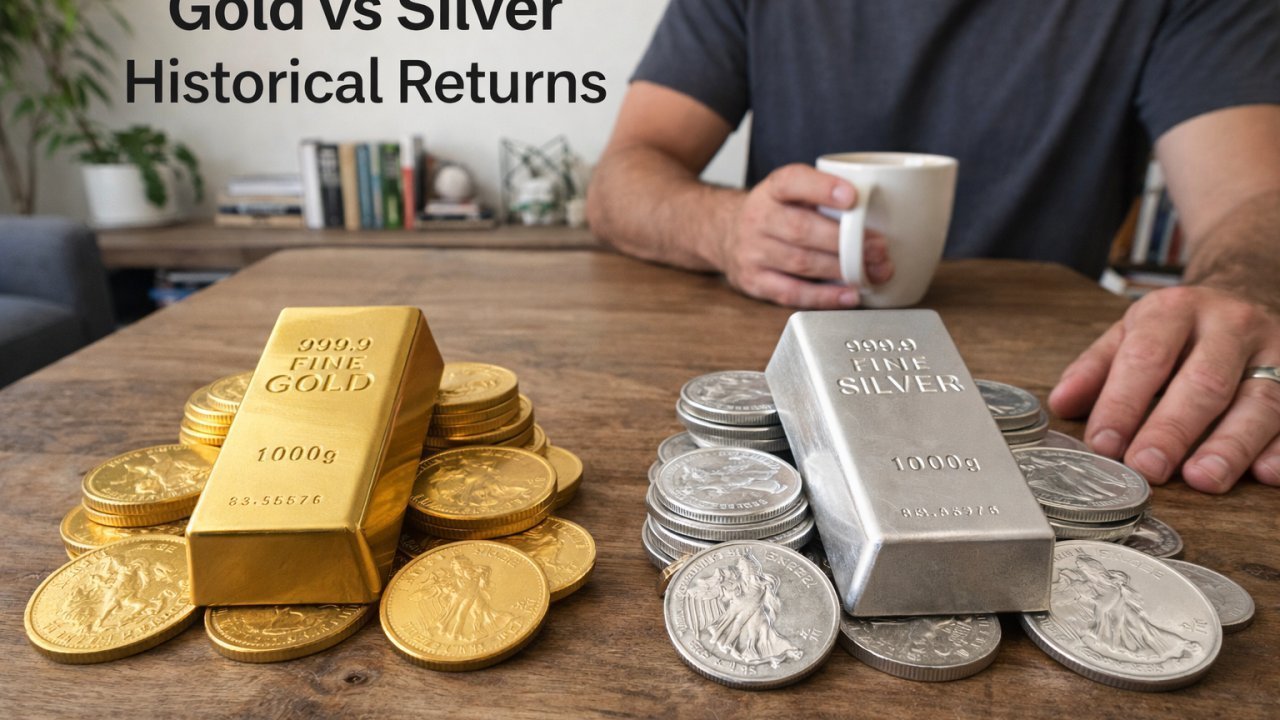
While gold has long held the throne in Navsari’s jewelry hubs like Mota Bazaar and Lunsikui, a distinct shift is occurring among local savvy investors. Silver is no longer viewed merely as a secondary metal for traditional anklets or puja articles; it is rapidly emerging as a high-growth asset class. As gold prices reach historic highs, Navsari’s trading community is increasingly leveraging the 'Gold-Silver Ratio.' Historically, when this ratio widens, silver is considered undervalued, offering a more accessible entry point for younger investors and those looking to diversify their portfolios without the heavy capital requirement of bullion gold.
The demand in Navsari is uniquely influenced by South Gujarat’s industrial belt. Unlike gold, which is primarily a store of value, silver’s dual nature as both a precious and industrial metal means its price is buoyed by global surges in green energy and electronics manufacturing. Local bullion dealers are reporting a rise in the purchase of 999 fineness silver bars and coins, as residents move away from labor-intensive jewelry toward investment-grade silver. This trend is particularly visible during the wedding seasons and festivals like Dhanteras, where silver is being chosen for its superior liquidity and potential for higher percentage gains during bullish market cycles.
For residents tracking the daily rates, it is essential to note that Navsari’s silver prices often mirror the volatility of the international COMEX market, filtered through the lens of the Indian Rupee’s strength. While gold offers stability, silver provides the 'beta'—the potential for sharper upward movements. For those in Navsari looking to hedge against inflation while maintaining a diverse metallic portfolio, allocating a portion of wealth to silver is currently proving to be a sophisticated tactical move.
Key Takeaway: With a lower barrier to entry and rising industrial utility, silver is acting as a high-performance alternative to gold in Navsari, offering local investors a strategic way to capture market growth during periods of high gold valuation.
Market Update: Is Digital Gold a Secure Investment for Navsari?
Navsari's affinity for gold, be it for weddings, festivals, or as a timeless investment, is deeply rooted in our culture. Traditionally, this meant visiting local jewellers or safeguarding physical ornaments. However, a new player has emerged: Digital Gold. This innovative option allows residents to buy, sell, and accumulate gold online without the hassle of physical possession. But with this convenience comes a crucial question for Navsari's astute investors: Is Digital Gold truly safe and reliable?
The good news is, for the most part, yes. Digital Gold platforms in India are typically backed by physical gold of 24K 99.9% purity, stored in insured vaults by regulated entities like MMTC-PAMP or Augmont. This means your digital purchase corresponds to real, physical gold. Unlike storing jewellery at home in Navsari, which carries security risks, or even bank lockers with their own limitations, Digital Gold eliminates storage worries entirely. Furthermore, the ability to buy gold in tiny fractions, starting from as little as ₹1, makes it an accessible savings tool for everyone, from students to small business owners in areas like Ganesh Falia or Vijalpore.
However, prudence remains key. Always choose platforms regulated by SEBI or those partnered with well-established gold refiners and vault providers. Check for transparent pricing, clear redemption processes (should you wish to convert to physical gold later), and any associated storage or transaction fees. For Navsari residents embracing digital convenience, Digital Gold offers a secure, transparent, and highly liquid way to participate in the gold market, aligning modern financial practices with our enduring love for the yellow metal.
Key Takeaway: Digital Gold is a safe and accessible investment for Navsari residents, provided you choose reputable platforms backed by regulated entities and understand the terms.
Securing Your Assets: Why Gold Insurance is Essential for Navsari Residents
As gold continues to be the bedrock of household wealth in Navsari, from the bustling markets near the Tower Road to the residential pockets of Vijalpore, the importance of safeguarding these assets has never been higher. While traditional home security measures like high-quality safes and vigilant monitoring are effective against petty theft, they do not account for unforeseen disasters or sophisticated burglary attempts. Securing specialized insurance for your jewellery is no longer a luxury; it is a vital financial strategy to protect your family’s heirloom value against the rising volatility of market prices.
Many residents in Navsari mistakenly assume that standard home insurance policies provide comprehensive coverage for gold jewellery. However, most basic policies come with sub-limits or exclusions that fail to cover the true market value of high-karat ornaments. When seeking insurance, it is critical to opt for a "floater" policy or a specific jewellery endorsement that covers your pieces not just inside your residence, but also while you are in transit for weddings or festive occasions. Given Navsari’s proximity to major trade hubs, ensuring your policy covers "all-risk" scenarios—including accidental loss or damage—provides a level of peace of mind that a bank locker alone cannot offer.
Before finalizing a policy, ensure you have an updated valuation certificate from a certified local jeweller. Having a detailed inventory, complete with high-resolution photographs and recent hallmarking receipts, will significantly streamline the claims process should the need arise. Protecting your gold today ensures that its legacy remains untarnished, regardless of external circumstances.
Key Takeaway: Don't rely on basic home insurance; opt for a specialized jewellery floater policy that offers "all-risk" coverage and ensure your collection is professionally appraised to reflect current Navsari market valuations.
Navsari Wedding Season: Navigating the Gold Market Surge
As Navsari gears up for the vibrant upcoming wedding season, local jewelers in areas like Mota Bazaar and Dudhiya Talao are reporting a distinct shift in buying patterns. With the auspicious wedding dates approaching, demand for 22-karat gold jewelry is intensifying. Unlike the off-season, where investment coins often dominate, the current market is witnessing a surge in demand for traditional bridal sets and intricate antique-finish gold ornaments, which remain a staple of the local culture.
Market analysts observe that gold prices in Navsari are currently influenced by both global bullion trends and a localized spike in physical demand. While international volatility remains a factor, the regional appetite for gold during the wedding cycle often provides a price floor. Savvy buyers are increasingly opting for "pre-booking" schemes offered by established local showrooms to hedge against potential price hikes as the peak of the season nears. Experts suggest that if you are planning to purchase for upcoming nuptials, monitoring the daily spot price in Navsari is crucial, as even minor intra-day fluctuations can impact the total cost of heavy bridal sets.
Furthermore, there is a growing trend among Navsari families to incorporate lightweight, contemporary gold designs alongside traditional heavy jewelry. This shift is not merely aesthetic but strategic, allowing families to manage their budgets effectively amidst fluctuating market conditions. By keeping a close eye on local retail premiums and avoiding impulse buys during the height of the festival rush, shoppers can secure better value for their investments.
Key Takeaway: With wedding demand set to peak, consider locking in prices through pre-booking schemes or staggered purchases to mitigate the impact of seasonal price volatility on your jewelry budget.
Navsari Wedding Season: Navigating the Gold Market Surge
As the wedding season approaches in Navsari, local jewelers across the city’s bustling markets—from the traditional lanes of Mota Bazaar to the modern showrooms of Lunsikui—are witnessing a palpable shift in buying patterns. With cultural festivities and a high density of auspicious dates on the horizon, demand for 22-karat gold is climbing steadily. Families are increasingly prioritizing high-purity gold for bridal sets, balancing the aesthetic appeal of intricate craftsmanship with the pragmatic need for long-term investment value.
Market analysts observe that Navsari’s gold consumption is heavily influenced by regional preferences for heavy, traditional designs, often leading to a spike in premiums for handmade jewelry during peak months. While global geopolitical factors continue to influence spot prices, local demand remains a dominant force. For those planning purchases, the current market climate suggests that waiting for sudden price corrections may be risky, as the seasonal wedding rush typically keeps local demand—and subsequently, prices—firmly elevated.
Industry experts suggest that savvy buyers in Navsari should focus on tracking the purity and hallmark certifications rather than solely chasing daily price fluctuations. Whether you are looking for investment-grade coins or elaborate bridal ornaments, engaging with reputable local retailers who provide transparent pricing on making charges is essential. As the wedding season gains momentum, staying informed about the daily gold rate in Navsari is your best tool for making a well-timed acquisition.
Key Takeaway: With wedding demand intensifying in Navsari, prioritize buying early to avoid seasonal price premiums and ensure your purchases are BIS-hallmarked to guarantee long-term value.
Navigating Making Charges: A Smart Shopper’s Guide to Navsari Jewellers
In the vibrant gold markets of Navsari—from the bustling lanes near the Station Road to the established showrooms along Lunsikui—the "making charge" (or ghadai) is often the most misunderstood component of your final bill. Unlike the base gold price, which is pegged to international market rates, making charges are subjective and reflect the intricate labor, design complexity, and brand overhead of the piece. As a savvy buyer, understanding that these charges are not fixed in stone is your greatest advantage when negotiating for 22k gold jewellery.
Before you commit to a purchase, research the current market trends in Gujarat and ask for a detailed price breakdown. Jewellers in Navsari often offer lower making charges on plain gold chains or traditional bangles compared to elaborate, machine-cut bridal sets or temple jewellery. If you are a regular customer or planning a significant wedding purchase, don't hesitate to ask for a loyalty discount on these labor costs. Many local artisans and retailers are willing to trim these margins to secure a long-term relationship, especially if you compare the final "per gram" cost across a few reputable local establishments.
Key Takeaway: Treat making charges as a negotiable service fee rather than a fixed tax; always ask for a "final price" quote that includes the wastage (tunch) and labor fees combined to ensure you aren't overpaying on the craftsmanship premium.
Digital Gold: Is it a Secure Investment for Navsari Residents?
As Navsari continues to evolve from its traditional reliance on physical jewelry toward a more tech-savvy investment landscape, many local investors are questioning the security of digital gold. Unlike the tangible assets traditionally kept in home lockers across neighborhoods like Lunsikui or Dasturwadi, digital gold offers a modern alternative that eliminates the risks of theft and the logistical burden of secure storage. By purchasing gold through reputable platforms, Navsari residents can acquire 24-karat gold in fractions as small as one rupee, providing a liquid and transparent way to hedge against inflation.
However, security remains the primary concern for the cautious Navsari investor. It is essential to understand that digital gold is backed by physical reserves held in insured vaults by the service providers. To ensure your investment is safe, always verify that the platform is partnered with regulated entities like MMTC-PAMP or SafeGold, which provide independently audited bullion storage. While digital gold lacks the immediate gratification of physical ornaments, it offers unparalleled convenience for those looking to build wealth systematically without the worry of making charges or safety concerns associated with physical possession.
Key Takeaway: Digital gold is a highly secure and cost-effective option for Navsari investors, provided you stick to established, regulated platforms that offer 100% physical backing and transparent insurance coverage for your holdings.
Securing Your Assets: Why Gold Insurance is Essential for Navsari Residents
As gold continues to be the bedrock of household wealth in Navsari, from the bustling markets near the Station Road to the residential pockets of Vijalpore, the importance of safeguarding these physical assets has never been more critical. While traditional bank lockers remain a popular choice for storing heirloom jewellery, they are not always accessible during emergencies, and they do not cover the full replacement value of your gold in the event of theft or burglary. With Navsari’s urban landscape evolving, many residents are now turning to specialized jewellery insurance policies that provide comprehensive coverage against fire, theft, and even accidental damage, whether the items are kept at home or worn during travel.
Unlike standard home insurance, which often imposes strict sub-limits on precious metals, dedicated gold insurance offers "all-risk" protection. For families in Navsari who frequently participate in regional festivities and weddings, this coverage acts as a vital safety net. Before opting for a policy, it is advisable to get your jewellery professionally appraised by a certified local jeweller to ensure your sum insured matches current market rates. Additionally, ensure your documentation—including original purchase invoices and recent photographs of the ornaments—is stored digitally. By formalizing your protection, you ensure that your gold remains a source of financial security rather than a cause for anxiety.
Key Takeaway: Don’t rely solely on bank lockers or home security; consider a dedicated jewellery insurance policy that covers your gold at its current market valuation, providing peace of mind whether your valuables are in a safe or being worn for a special occasion.
Navsari Wedding Season: Navigating the Gold Market Surge
As the wedding season approaches in South Gujarat, the gold markets across Navsari are witnessing a distinct shift in consumer behavior. With the auspicious dates for weddings rapidly filling the calendar, local jewelers from the bustling lanes of Mota Bazaar to the modern showrooms near Lunsikui are reporting a significant uptick in demand. In Navsari, where gold is not merely an ornament but a cornerstone of cultural tradition and long-term financial security, families are closely monitoring price volatility as they finalize their bridal trousseaus and investment purchases.
Market experts observe that this year, buyers are adopting a more strategic approach. Rather than waiting for the eleventh hour, many Navsari residents are leveraging price dips to secure high-purity 22-karat gold for intricate bridal sets. The local preference remains steadfastly inclined toward traditional designs, yet there is a growing trend of mixing modern, lightweight pieces for pre-wedding functions. Because Navsari’s gold pricing is heavily influenced by international trends and currency fluctuations, local traders advise that buyers should keep a close watch on the daily spot prices rather than attempting to time the market perfectly over long periods.
Given the current global economic climate, the premium for workmanship—or 'ghadai' charges—is expected to remain firm as demand peaks. For those planning significant purchases, it is advisable to confirm the hallmark certification, ensuring the investment meets BIS standards. By staying informed about the daily price movements in the local Navsari market, families can better navigate the upcoming festive rush and ensure their precious metal acquisitions align with both their aesthetic desires and their financial goals.
Key Takeaway: With wedding demand set to tighten supply, consider purchasing your gold early in the season to avoid peak-demand premiums and ensure better availability of your preferred jewelry designs.
Beyond Gold: The Rising Appeal of Silver in Navsari’s Investment Landscape
While gold remains the cornerstone of wealth preservation in Navsari—deeply rooted in our local traditions and festive shopping patterns—a growing segment of savvy investors is increasingly turning their attention toward silver. As the price of gold hits historic highs, the lower entry barrier for silver makes it an attractive alternative, particularly for those looking to diversify their portfolios without committing to the heavy capital required for gold bullion or high-karat jewelry.
In Navsari’s bustling markets, from the traditional jewelers near the railway station to the emerging retail hubs, we are observing a notable shift in demand. Beyond its role in ornamental use and religious rituals, silver is gaining traction as a strategic industrial metal. Its dual nature—serving as both a store of value and a critical component in the green energy and electronics sectors—offers a unique growth narrative. For Navsari residents who balance traditional savings with modern market trends, silver provides a more volatile, yet potentially higher-alpha, opportunity compared to the steady, defensive nature of gold.
Investors should note that while silver often tracks gold’s broader trajectory, it tends to exhibit higher sensitivity to global manufacturing cycles. When evaluating your next purchase, consider the liquidity of silver coins and bars available locally, as they often offer lower premiums over spot prices compared to intricate silver ornaments. By balancing your portfolio with both assets, you can hedge against the specific market cycles that impact these two distinct precious metals.
Key Takeaway: Silver offers Navsari investors a high-growth, lower-entry alternative to gold, serving as both a traditional store of value and a tactical play on global industrial demand—making it an essential consideration for a well-rounded investment strategy.
Market Insight: Navigating Global Volatility in Navsari’s Gold Market
The gold market in Navsari is currently experiencing a ripple effect from heightened global economic uncertainty. As international investors seek refuge in precious metals amid fluctuating currency valuations and geopolitical tensions, the resulting surge in global spot prices is being felt directly by local jewelers and retail buyers across the city. Whether you are browsing the bustling showrooms near the Tower area or evaluating investment-grade bars in the city’s established financial hubs, the recent price volatility reflects a broader shift in how global macroeconomic trends translate into local retail costs.
For Navsari’s gold enthusiasts, the current landscape requires a more strategic approach to purchasing. While the price per gram is heavily influenced by international trends, local demand—often driven by seasonal wedding preparations and cultural festivals—adds a unique layer of complexity to the pricing seen in our local shops. When global markets show rapid upward momentum, local premiums can sometimes tighten, making it essential for buyers to monitor daily price movements closely before finalizing significant acquisitions. Rather than reacting to short-term spikes, savvy investors in Navsari are increasingly looking at long-term price consolidation periods as more opportune moments to strengthen their portfolios.
Key Takeaway: While global market turbulence is currently driving gold prices upward, Navsari buyers should prioritize tracking local market premiums and daily domestic fluctuations rather than solely relying on international spot rates to time their purchases effectively.
Understanding Gold Price Dynamics in Navsari vs. Major Metros
Investors in Navsari often notice a subtle but distinct difference between local gold rates and those displayed in major metropolitan hubs like Mumbai or Ahmedabad. While the global spot price of gold remains the primary benchmark for all Indian markets, the retail price in Navsari is influenced by regional factors, including local logistics, demand-supply equilibrium, and the specific cost structures of the city’s well-established jewelry associations. Because Navsari serves as a crucial commercial node in South Gujarat, the local bullion market is highly responsive to the regional appetite for physical gold, which can sometimes lead to minor premiums or discounts compared to the national average.
Unlike the high-volume, high-overhead environments of cities like Mumbai, Navsari’s gold market operates on a more localized supply chain. Jewelers in the region often source their bullion through regional distributors in Surat, which helps mitigate some of the interstate transportation costs. However, since Navsari is a smaller market, it may occasionally lag behind or react with slight latency to extreme intraday volatility seen in larger cities. Smart investors in the region should look at the "all-in" cost—which includes local making charges and regional taxes—rather than focusing solely on the pure bullion rate, as the competitive landscape among Navsari’s traditional family-run jewelers often provides better value on craftsmanship than the standardized chains found in larger metros.
Key Takeaway: While Navsari’s gold prices generally mirror national trends, local market dynamics and lower overhead costs often make it a more cost-effective destination for physical gold purchases compared to the premium-heavy retail environments of major tier-one cities.
Expert Tip: Is Digital Gold the Right Choice for Navsari Investors?
As Navsari continues to evolve into a bustling hub of commerce, the traditional preference for physical gold—often stored in family vaults or local bank lockers—is being challenged by the convenience of digital gold. For residents navigating the city’s vibrant trade environment, digital gold offers a seamless way to accumulate wealth without the immediate logistical risks of physical storage, insurance premiums, or the fear of theft. By purchasing gold digitally, investors can bypass the "making charges" associated with jewelry, allowing them to invest their capital purely into the metal itself, often in denominations as small as one rupee.
However, safety remains the primary concern for many. While platforms are regulated and gold is typically backed by physical reserves held in secure vaults, it is essential for Navsari investors to perform due diligence. Ensure that your chosen platform provides transparency regarding the underlying physical bullion and offers an easy redemption process, whether for physical delivery to your doorstep in Navsari or a quick sell-back option. Given the city’s deep-rooted cultural affinity for gold, digital assets serve as an excellent supplementary tool for disciplined, systematic investment rather than a total replacement for the tangible assets you might already hold.
Key Takeaway: Digital gold is a highly secure and cost-effective alternative for Navsari investors looking to build wealth systematically, provided they use reputable platforms that guarantee physical backing and offer transparent, real-time pricing.