Udaipur, the "City of Lakes," is not just famous for its majestic palaces and serene waters but also for its deep-rooted cultural affinity for gold. In Rajasthan, gold is more than an investment; it is a symbol of heritage, a staple of bridal trousseaus, and a reliable hedge against economic volatility. Whether you are a local resident or a visitor looking to buy a souvenir of Rajasthani craftsmanship, understanding the nuances of the local gold market is essential. This guide provides a comprehensive overview of the gold landscape in Udaipur, covering everything from price determinants to the best places for purchase and investment strategies.
1. Why is gold price different in Udaipur?
If you compare the gold rates in Udaipur with cities like Mumbai, Delhi, or even nearby Ahmedabad, you will often notice a slight variation. This discrepancy is primarily due to logistical costs and local taxes. Since gold is primarily imported through major international hubs, the cost of transporting the metal to the interior regions of Rajasthan adds to the final price. Furthermore, the Udaipur Jewellers Association plays a significant role in determining the daily "local rate" based on the prevailing bullion market prices and state-level levies.
Another factor is the local demand-supply gap. During the peak Rajasthani wedding season or local festivals like Gangaur and Teej, the demand in Udaipur surges, often leading to a small premium in the local retail price compared to national averages. Additionally, the presence of various state-specific administrative charges and octroi (where applicable historically) continues to influence the price structure in the city.
2. Which area or shop is famous for low making charges in Udaipur?
For those looking to maximize the value of their investment, minimizing "making charges" is crucial. In Udaipur, the Bada Bazaar and Clock Tower (Ghanta Ghar) area is the traditional heart of the gold trade. These narrow lanes are home to generational goldsmiths and family-run shops that often offer much lower making charges compared to high-end showrooms in the newer parts of the city like Durga Nursery Road or Shakti Nagar.
- Bada Bazaar: Known for traditional Thewa and Meenakari work, the competition here keeps making charges competitive, often ranging from 8% to 12% for standard designs.
- Maldas Street: While famous for textiles, the surrounding areas host several small-scale jewellers who cater to rural populations, offering some of the lowest labor costs in the city.
- Local Artisans: Dealing directly with independent "Karigars" (artisans) in the old city can significantly reduce costs, though this requires a high level of trust and knowledge of gold purity.
3. Why do gold prices change daily?
Gold is a global commodity, and its price in Udaipur is a reflection of international market dynamics. The primary reason for daily fluctuations is the London Bullion Market Association (LBMA) rates, which set the global benchmark. However, several other factors contribute to the daily price change:
- Currency Fluctuations: Since India imports the majority of its gold, the value of the Indian Rupee (INR) against the US Dollar (USD) is vital. If the Rupee weakens, gold becomes more expensive in Udaipur.
- Interest Rates: Decisions by the US Federal Reserve regarding interest rates often have an inverse relationship with gold. Higher rates usually lead to lower gold prices.
- Import Duties: Any change in the central government’s fiscal policy or import duty structure immediately reflects in the daily price boards across Udaipur shops.
- Global Geopolitics: Gold is viewed as a "safe haven." Political instability or conflicts anywhere in the world drive investors toward gold, pushing prices up locally.
4. Gold rates in Udaipur (22 karat): How do prices change?
In Udaipur, 22-karat gold (91.6% purity) is the standard for jewelry. The prices for 22k gold change based on the purity premium and market liquidity. Unlike 24k gold, which is used for investment bars and coins, 22k gold prices are influenced more heavily by retail trends. In Udaipur, you will notice that the price of 22k gold is roughly 92% of the 24k gold price, plus a small margin for the alloyed metals.
Prices also fluctuate based on the "scrap gold" market. When local residents sell back their old jewelry to Udaipur pawnbrokers or jewellers, it increases the local supply of recycled gold, which can occasionally stabilize prices during high-demand periods. The Udaipur market is particularly sensitive to the agricultural harvest cycles in the surrounding Mewar region; a good harvest often leads to increased rural buying, causing a temporary spike in 22k gold rates.
5. Gold and hallmarking centres in Udaipur.
To protect consumers, the Government of India has made BIS Hallmarking mandatory. In Udaipur, the awareness of hallmarked gold has grown significantly. A hallmark consists of the BIS logo, a purity mark (e.g., 22K916), and a 6-digit alphanumeric HUID (Hallmark Unique Identification) number. This ensures that the gold you buy in Udaipur is exactly the purity claimed by the seller.
Udaipur houses several BIS-recognized Assaying and Hallmarking Centres where jewellers send their ornaments for testing. When purchasing, always ask the jeweller for a magnifying glass to inspect the HUID code. Buying non-hallmarked gold in Udaipur is highly discouraged, as it offers no guarantee of purity and will fetch a lower value if you decide to sell or exchange it in the future.
6. Top Jewellers in Udaipur.
Udaipur offers a mix of national retail chains and legendary local brands. Here are some of the most trusted names in the city:
- P.C. Paithankar Jewellers: A respected local name known for traditional Rajasthani designs and transparency.
- Tanishq (Titan Company): Located on Durga Nursery Road, it is the go-to for those who prioritize corporate trust and contemporary designs with standardized pricing.
- Kalyan Jewellers: A major national player offering a wide variety of designs and robust loyalty programs.
- Reliance Jewels: Known for competitive pricing and a modern shopping experience.
- Local Heritage Shops: Shops in the Sarafa Bazaar area that have been in business for over 100 years, often specializing in authentic "Kundan" and "Jadau" jewelry unique to the Mewar region.
7. Supply pressures pushing prices up.
Udaipur’s gold market is often subject to supply-side constraints. Since Rajasthan does not have significant gold mines, the city relies entirely on external supply. When the Reserve Bank of India (RBI) tightens gold import norms to manage the Current Account Deficit, the supply to regional hubs like Udaipur diminishes. This scarcity often leads to a "premium" being charged over the standard market rate.
Additionally, during the wedding months (Sahawa), the sheer volume of orders can overwhelm local artisans. This creates a bottleneck in the supply of finished jewelry, leading to higher making charges and a slight inflation in the retail price of 22k gold ornaments. Global supply chain disruptions, such as those seen during international logistical crises, also impact the availability of gold bullion in the Udaipur market.
8. How to store gold in Udaipur?
Security is a primary concern for gold owners in Udaipur. While many traditional families prefer keeping gold in home safes, the rising value of the metal makes Bank Lockers the most recommended option. Major banks like SBI, ICICI, and HDFC in areas like Madhuban and Panchwati offer locker facilities, though there is often a waiting list.
For those storing gold at home, it is advisable to invest in high-grade fireproof safes and consider Jewelry Insurance. Several general insurance companies in Udaipur now offer "All-Risk" covers for gold, protecting against theft, burglary, and even accidental loss during transit (such as wearing it to a wedding). Another modern storage solution is "Digital Gold," where the provider stores the physical gold in secure vaults on your behalf, eliminating your personal storage risk.
9. Gold vs Real Estate in Udaipur.
In Udaipur, gold and real estate are the two most popular investment vehicles. However, they serve different purposes:
Liquidity: Gold is highly liquid. You can sell gold at any small or large jeweller in Udaipur and get cash or a bank transfer almost instantly. Real estate, especially in areas like Hiran Magri or near the lakes, can take months to liquidate.
Entry Barrier: You can buy gold for as little as one gram, whereas real estate in Udaipur requires a significant capital outlay. With the city's tourism boom, land prices have skyrocketed, making gold a more accessible "fractional" investment for the middle class.
Maintenance: Gold has zero maintenance costs, whereas real estate involves property taxes, maintenance, and the risk of encroachment. However, real estate can provide rental income, which gold cannot.
10. What is a Sovereign Gold Bond?
For residents of Udaipur who want to invest in gold without the worries of storage or theft, Sovereign Gold Bonds (SGBs) are an excellent alternative. Issued by the RBI on behalf of the Government of India, these are "paper gold" investments. They track the price of 24k gold and offer an additional annual interest (usually around 2.5%) paid semi-annually.
SGBs have a tenure of 8 years, with exit options after the 5th year. The biggest advantage for Udaipur investors is that there are no making charges, no storage issues, and the capital gains are tax-exempt if held until maturity. You can apply for SGBs through your local bank branch in Udaipur or via online demat accounts.
11. Taxation of gold in Udaipur.
Understanding the tax implications is vital for any gold buyer in Udaipur. Currently, a GST of 3% is levied on the value of the gold and the making charges. If you are selling old gold, no GST is applicable, but if you exchange old gold for new jewelry, the GST is charged on the value of the new piece.
Regarding Capital Gains Tax, if you sell physical gold within three years of purchase, it is considered a Short-Term Capital Gain (STCG) and added to your income tax slab. If sold after three years, it is a Long-Term Capital Gain (LTCG), taxed at 20% with indexation benefits. It is always recommended to keep your purchase invoices (Bils) from Udaipur jewellers safely to prove your holding period and purchase price during tax filings.
Udaipur’s Silver Shift: Why Investors are Looking Beyond Gold
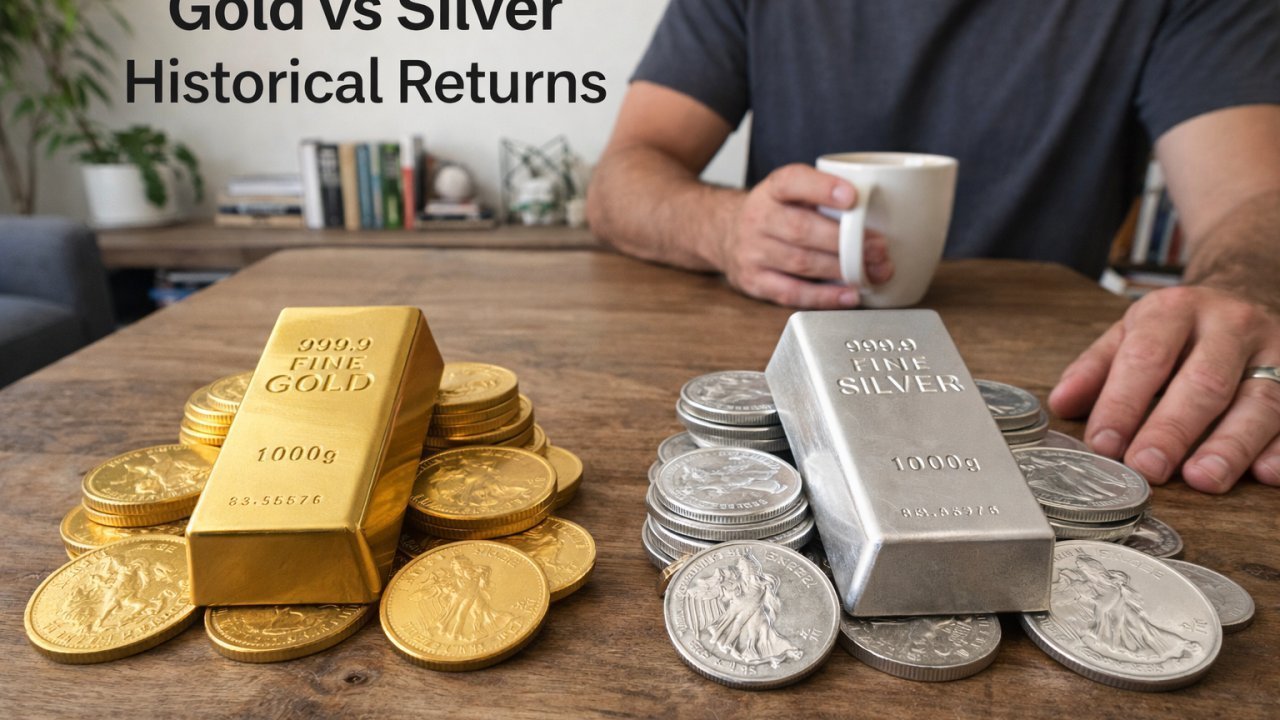
While gold has long been the undisputed king of the Mewar region’s investment landscape, a significant shift is occurring in the bustling markets of Udaipur. In areas like Bada Bazaar and near the Clock Tower, local traders are reporting a surge in demand for silver as a strategic alternative. Unlike gold, which is often held for long-term security, silver is increasingly viewed by Udaipur’s savvy investors as a high-growth asset. This trend is driven by silver’s dual identity: a precious metal for traditional jewelry and an essential industrial component for the global green energy transition, particularly in solar technology.
The local silver price in Udaipur often reflects international spot rates, yet it carries a unique local premium during the wedding and festival seasons. Udaipur’s world-renowned silver handicraft industry—famous for its intricate carvings and 'Meenakari' work—adds a layer of liquidity to the metal that other assets lack. For those who find the high entry price of gold prohibitive, silver offers a more accessible entry point into the bullion market. Expert jewelers in the City of Lakes suggest that the current volatility in gold is prompting a 'diversification play,' where residents are allocating a larger percentage of their portfolios to 999-purity silver bars and coins to capitalize on industrial demand cycles.
Furthermore, the price of silver in Rajasthan is seeing more frequent movement compared to the relatively stable gold prices, providing tactical opportunities for short-to-medium-term gains. As Udaipur continues to grow as a hub for both tourism and local craftsmanship, the demand for physical silver remains robust. Investors are advised to monitor the "gold-silver ratio"—a key metric that currently suggests silver is undervalued relative to gold, making it an opportune time for those in the Mewar belt to increase their holdings before the next industrial upswing.
Key Takeaway: Silver offers a lower entry cost and potentially higher percentage returns than gold, making it a powerful tactical diversifier for Udaipur-based investors looking to benefit from both industrial growth and traditional wealth preservation.
Understanding Udaipur’s Gold Price Dynamics vs. National Metros
While gold is a global commodity, its retail price in Udaipur reflects a unique intersection of national benchmarks and regional logistics. Compared to primary trading hubs like Mumbai or Ahmedabad—which benefit from direct proximity to refineries and major import ports—Udaipur typically sees a marginal premium of ₹300 to ₹600 per 10 grams. This variance is largely attributed to the "landlocked" nature of the city, where transportation costs and the local bullion association’s daily fixing account for the specific supply-demand ratio within the Mewar region.
What truly sets Udaipur apart from other major Indian cities is its status as a premier destination wedding hub. During the peak wedding seasons, the city witnesses a surge in physical gold demand that often outpaces the supply found in neighboring districts. While prices in Delhi or Chennai might fluctuate based on global stock market sentiment, Udaipur’s rates are heavily influenced by the local jewelry trade's appetite for 22K gold used in traditional Kundan and Polki work. Consequently, investors often notice that Udaipur’s prices track more closely with Jaipur than with South Indian metros, where high-volume, low-margin trading is more common.
Key Takeaway: Udaipur’s gold prices are influenced by its logistical distance from major ports and its seasonal demand as a wedding capital; savvy buyers should monitor the Jaipur market as a leading indicator for local price shifts in Rajasthan.
Expert Tip: Digital Verification for Udaipur’s Gold Buyers
In the vibrant markets of Udaipur, from the historic lanes of Bada Bazaar to the upscale showrooms near Sukhadia Circle, gold remains the cornerstone of Mewari heritage and investment. However, as global market volatility impacts local rates, ensuring you receive the exact purity you pay for has never been more critical. While Udaipur’s long-standing family jewelers are built on trust, the Bureau of Indian Standards (BIS) has introduced a digital-first approach to provide an extra layer of security for the modern consumer. The BIS Care App is now the gold standard for verifying authenticity in real-time.
The most powerful feature for any buyer is the 'Verify HUID' tool. Every piece of hallmarked jewelry sold today carries a unique 6-digit alphanumeric HUID (Hallmark Unique ID) laser-etched alongside the BIS logo. By entering this code into the app, Udaipurites can instantly see the jeweler's registration details, the purity of the metal (e.g., 22K or 18K), and the specific Assaying and Hallmarking Centre where the item was tested. This transparency effectively eliminates the risks of under-karatage and ensures that your investment—whether for a destination wedding or a long-term asset—is fully protected.
As the City of Lakes continues to see a rise in gold demand during the festive and wedding seasons, staying tech-savvy is your best defense. Before finalizing your transaction at any local outlet, take thirty seconds to run the HUID through the app. If the digital records do not match the physical product, the app allows you to lodge an immediate complaint. In today’s market, a smart buyer is a secure buyer.
Key Takeaway: Never rely on verbal assurances alone; use the BIS Care App to verify the 6-digit HUID code on your jewelry to ensure its purity and authenticity match the official national records.
Expert Tip: Ensuring Authenticity in Udaipur’s Gold Market
As Udaipur’s gold market thrives—driven by the city's rich cultural affinity for jewelry and festive demand—ensuring the authenticity of your purchase is more critical than ever. While local jewelers in areas like Bapu Bazaar and Hathi Pol maintain long-standing reputations, the modern investor should leverage digital tools to verify quality independently. The Bureau of Indian Standards (BIS) has made this seamless through the official BIS Care App, a vital resource for any gold buyer in the City of Lakes.
To verify the purity of your gold, look for the unique six-digit alphanumeric HUID (Hallmark Unique Identification) code laser-engraved on your ornament. By opening the BIS Care App, selecting the 'Verify HUID' feature, and entering this code, you receive an instant digital report detailing the jeweler’s name, the purity of the gold (e.g., 22K916), and the hallmark center’s information. This transparency eliminates the guesswork, ensuring that the investment you make today retains its value for generations to come. Whether you are purchasing for a wedding season or as a long-term asset, adopting this digital verification step is the gold standard for consumer protection in Rajasthan.
Key Takeaway: Never finalize a purchase without checking the HUID on the BIS Care App; it is your best defense against impurity and ensures your investment is officially hallmarked and globally recognized.
Protecting Your Heritage: Insurance Strategies for Udaipur’s Gold Enthusiasts
In a city like Udaipur, where gold is not merely an investment but a cornerstone of cultural heritage and bridal tradition, the emotional and financial value of your jewellery often far exceeds its market weight. As the city sees an uptick in high-value jewellery purchases during the festive and wedding seasons, many residents are moving beyond traditional bank lockers. While lockers are secure, they don't cover the risk of burglary or theft during transit—a pertinent concern for those transporting heirloom sets for weddings at heritage venues or during the bustling processions of the Mewar festival.
Standard home insurance policies in India often provide only limited coverage for jewellery, frequently capping payouts at a fraction of the total value. For Udaipurites holding significant family collections, it is essential to opt for a "Valued Policy" or a specific "Jewellery Floater" add-on. These options provide "all-risk" coverage, protecting your assets against theft, accidental loss, and even fire damage. Before securing a policy, ensure you have an updated valuation certificate from a reputable local jeweller, as the fluctuating price of 24k gold in the Rajasthan market can quickly render old appraisals obsolete.
Modern insurers now offer policies that cover your jewellery even when you are travelling outside of Udaipur. By documenting your collection with high-resolution photographs and maintaining digital records of purchase receipts, you create a seamless claims process should the unexpected occur. Prioritizing comprehensive coverage ensures that your family’s legacy remains a source of pride rather than a source of anxiety.
Key Takeaway: Don't rely solely on bank lockers; secure your jewellery with a dedicated "all-risk" insurance floater that covers transit and theft, and ensure your valuation certificates are refreshed annually to reflect current market rates.
Safeguarding Your Legacy: Gold Insurance in the City of Lakes
For residents of Udaipur, gold is far more than a financial hedge—it is a cultural cornerstone, deeply woven into the heritage of the Mewar region. Whether it is heirloom jewellery passed down through generations or new acquisitions from the bustling markets of Bapu Bazaar and Hathipole, the emotional and monetary value of these assets is immense. However, as gold prices fluctuate, the risk associated with storing significant amounts of jewellery at home increases. While traditional bank lockers remain a popular choice, many Udaipurites are now turning to specialized jewellery insurance policies to provide comprehensive coverage against theft, burglary, and even accidental damage during travel.
Unlike standard home insurance, which often provides only limited coverage for valuables, dedicated gold insurance offers "all-risk" protection that covers your assets both inside and outside your residence. In a city that frequently hosts high-profile weddings and festive processions, having a policy that covers your ornaments while you are in transit or at a venue is a prudent modern necessity. Before selecting a plan, ensure you have a certified valuation report from a trusted local jeweller, as this is critical for claim processing. As gold continues to serve as a cornerstone of long-term wealth in Rajasthan, treating your collection with the same security protocols as your other financial investments is a mark of a savvy investor.
Key Takeaway: Don't rely solely on home security; opt for a dedicated jewellery insurance policy that provides comprehensive 'all-risk' coverage, ensuring your heirlooms are protected whether they are stored in your home or worn during Udaipur’s vibrant festive celebrations.
Udaipur Gold Market Update: Festival Season Buying Tips
As the 'City of Lakes' prepares for its vibrant festival season, from the auspicious Dhanteras and grandeur of Diwali to the myriad wedding celebrations, gold buying in Udaipur is more than just a transaction – it's a deeply cherished tradition. With global economic currents and the Indian Rupee's performance influencing prices, understanding the local market nuances is key for our discerning buyers and families looking to make their festive purchases.
For those planning their seasonal gold acquisitions, monitoring daily price fluctuations, like those presented on this page, is crucial. Consider a staggered approach: instead of a single large purchase, buying smaller quantities leading up to major festivals could help average out your cost. When visiting your trusted jewellers in iconic Udaipur areas like Bapu Bazaar or Hathi Pol, always inquire about BIS hallmarking for purity and compare making charges across reputable stores. Remember, 22K is standard for intricate jewellery designs, while 24K offers pure investment value, making the choice dependent on your purpose.
While the allure of physical gold remains strong, especially for gifts and heirlooms, it's also wise to explore options like digital gold if you wish to lock in prices without immediate physical delivery, offering flexibility. Ultimately, gold continues to be a symbol of prosperity and a vital asset for Udaipur's families. Making informed choices ensures your festive gold acquisition is both joyful and financially sound.
Key Takeaway: For Udaipur's festival season, plan your gold purchases strategically, prioritize BIS hallmarking, compare making charges locally, and consider staggered buying to optimize your investment.
Expert Insight: Navigating Gold Exchange Policies in Udaipur’s Jewellery Markets
For residents of Udaipur, gold is more than an investment; it is a cultural cornerstone, often passed down through generations. When visiting local jewellers in areas like Bapu Bazaar or Hathi Pol to exchange old gold for new designs, understanding the valuation process is essential to ensure you receive fair market value. Unlike standard cash transactions, the exchange of "old" gold for "new" is governed by specific industry practices that have become increasingly transparent due to mandatory BIS hallmarking regulations.
When you trade in ancestral jewellery, jewellers typically deduct a "melting loss" (wastage) and test the purity using advanced XRF (X-ray fluorescence) machines. While older, non-hallmarked gold may be subject to a purity haircut, most reputable Udaipur jewellers now offer competitive exchange rates if you are purchasing new ornaments of higher or equal value. It is vital to note that while the gold content is valued at the current day's market rate, the making charges (labour costs) of the original piece are almost never recovered. To get the best deal, always compare the "net weight" calculation across multiple trusted local showrooms rather than focusing solely on the spot price of gold.
Furthermore, with the government’s push for transparency, ensure your jeweller provides an itemized invoice that clearly separates the gold value from the making charges and GST on the new piece. Avoid the temptation of "no-making-charge" exchange offers, as these often hide lower-quality gold valuations or inflated stone weights. By approaching the counter with a clear understanding of your gold's current purity and weight, you can leverage your old assets effectively to upgrade your collection.
Key Takeaway: Always prioritize hallmarked gold when exchanging; verify your old gold’s purity via XRF testing, and focus on the net weight and transparent billing to ensure you aren't losing value in the transition from heirloom to new jewellery.
Udaipur’s Gold Market: A Regional Perspective
For investors and jewelry enthusiasts in the 'City of Lakes,' understanding how local gold prices align with national benchmarks is essential. While gold is a globally traded commodity, the retail price in Udaipur often reflects a unique interplay of local supply chains, logistical costs, and regional demand patterns. Unlike metropolitan hubs like Mumbai or Ahmedabad, which serve as primary bullion entry points, Udaipur’s market is heavily influenced by the seasonal requirements of Rajasthan’s vibrant wedding industry and the specific inventory costs incurred by local jewelers transporting stock from major distribution centers.
When comparing Udaipur to larger Tier-1 cities, you may notice a marginal variance in the final price per gram. This is typically attributed to local transportation premiums and the overheads associated with smaller, boutique retail structures that define the Udaipur market. However, because Udaipur serves as a critical trade node for the Mewar region, competition among local goldsmiths remains fierce, often keeping premiums in check compared to more remote districts. Savvy buyers in Udaipur often find that by monitoring the spread between the India Bullion and Jewellers Association (IBJA) rates and local store quotes, they can time their purchases to coincide with market dips, effectively mitigating the regional price gap.
Key Takeaway: While Udaipur’s gold prices may occasionally hover slightly above major port cities due to logistics, the city's robust local competition and strong cultural demand ensure that buyers remain well-protected against significant price gouging, provided they track national spot trends before heading to the showroom.
Udaipur’s Gold Market: A Regional Perspective
When analyzing gold prices in Udaipur, it is essential to understand the city's unique position within India’s bullion landscape. Unlike metropolitan hubs such as Mumbai or Chennai, which serve as primary import gateways and financial centers, Udaipur’s pricing structure is heavily influenced by regional demand cycles and the logistical costs associated with inland distribution. While Udaipur often tracks closely with national benchmarks, local jewelry associations and bullion traders in the City of Lakes frequently adjust premiums to reflect the specific inventory costs incurred from sourcing gold from major refining centers.
Investors in Udaipur often notice a marginal variance compared to top-tier cities, typically ranging between ₹50 to ₹200 per 10 grams. This price gap is rarely a reflection of market volatility alone; rather, it is dictated by local market dynamics, including the high demand for ornate, heavy-weight jewelry synonymous with Rajasthan’s cultural heritage. Because Udaipur serves as a crucial commercial node for the southern Mewar region, the retail gold price here often remains more stable during periods of minor national fluctuations, providing a buffer that benefits local gold buyers who prefer consistent pricing over the rapid, high-frequency shifts seen in larger stock-market-linked urban centers.
Key Takeaway: While Udaipur’s gold prices generally align with national trends, always account for local making charges and regional demand premiums, which can cause slight variations compared to Mumbai or Delhi; checking local jeweler rates before a purchase remains the best way to secure the most competitive deal.
Beyond Gold: The Growing Allure of Silver in Udaipur’s Investment Landscape
While gold remains the bedrock of traditional investment in Udaipur, local market sentiment is shifting as savvy investors increasingly turn to silver as a strategic portfolio diversifier. Known for its dual identity as both a precious metal and an essential industrial commodity, silver is currently witnessing a surge in interest across the city’s prominent jewelry hubs, from the bustling lanes of Bapu Bazaar to the high-end showrooms in Hiran Magri. This trend is largely driven by silver’s lower entry barrier compared to gold, allowing Udaipur’s retail investors to accumulate physical assets more frequently, particularly during the wedding season and auspicious festivals like Dhanteras.
The current market environment suggests that silver’s volatility is being re-evaluated not as a risk, but as an opportunity for higher potential returns. Industrial demand—specifically from the burgeoning green energy and electronics sectors—is acting as a structural floor for silver prices. For the Udaipur investor, this means that silver is no longer viewed merely as an affordable alternative for silverware or gifting; it is increasingly treated as a tactical hedge. As global supply chain dynamics evolve, local bullion dealers report a noticeable uptick in inquiries for silver bars and coins as a means to balance the high-value concentration of gold portfolios.
Key Takeaway: As Udaipur’s investment landscape matures, silver is emerging as a high-potential asset that offers both industrial growth exposure and an affordable entry point for retail investors looking to diversify beyond traditional gold holdings.
Securing Your Legacy: Insurance Strategies for Udaipur’s Gold Enthusiasts
In a city like Udaipur, where gold jewellery is not merely an accessory but a vital cultural heirloom passed through generations, the sentimental and financial value of your collection is immense. As gold prices fluctuate in the local markets near Bapu Bazaar and Hathipol, many residents overlook the critical need for specialized insurance. Standard home insurance policies often provide only limited coverage for high-value jewellery, leaving precious family heirlooms vulnerable to theft, fire, or accidental damage.
For Udaipur’s gold owners, the smartest approach is to opt for a "Jewellery Floater" or a standalone "Valuables Insurance" policy. Unlike generic coverage, these specialized plans are designed to protect items at their current market value, which is essential given the recent upward trajectory of gold rates. When securing your assets, ensure you have a professional valuation certificate from a reputable local jeweller, updated every two to three years. This documentation is paramount for claim settlements and ensures that in the unfortunate event of a loss, the payout reflects the actual appreciation of your gold, rather than its historical purchase price.
Navigating the insurance landscape in Rajasthan requires a proactive mindset. Before finalizing a policy, verify that your coverage is "all-risk," providing protection both within your home and while you are travelling—an important detail for those who frequently attend weddings or religious processions across the Mewar region. By shifting from passive storage to active asset protection, you ensure that your gold remains a source of prosperity rather than a source of anxiety.
Key Takeaway: Don't rely on basic home insurance for your gold; opt for a specialized jewellery floater policy that adjusts for current market appreciation and provides comprehensive coverage for both home storage and transit.
Maximizing Value: The Evolving Landscape of Gold Recycling in Udaipur
As gold prices continue to fluctuate in the local Udaipur markets—from the bustling corridors of Bapu Bazaar to the high-end jewelry hubs near Chetak Circle—many residents are finding that their dormant gold assets represent a significant liquidity opportunity. Rather than letting heirlooms gather dust, a growing number of Udaipurites are turning to professional gold recycling and refining services to unlock the current market value of their unwanted or broken jewelry.
However, the process requires more than just visiting a local pawnbroker. The modern gold recycling ecosystem in Udaipur has shifted toward transparency and precision. Today’s reputable refiners utilize advanced X-ray fluorescence (XRF) technology, which allows for non-destructive testing to determine the exact purity of gold items down to the milligram. This technological leap has largely replaced the traditional, often imprecise, acid-testing methods, ensuring that sellers receive a fair valuation based on the real-time spot price of 24-karat gold, adjusted for current market purity standards.
When opting to recycle your gold, prioritize establishments that provide a transparent "melt-and-assay" process. In a city as rich in heritage and jewelry craftsmanship as Udaipur, it is essential to ensure that your precious metals are being handled by certified refineries that adhere to ethical sourcing and accurate weight protocols. By choosing a service that offers live price tracking and transparent deduction policies, you can transform stagnant assets into liquid capital, effectively capitalizing on the current market peaks that define the City of Lakes' vibrant bullion trade.
Key Takeaway: Before selling, always obtain a live XRF purity report from a certified refiner to ensure you are being paid for the exact gold content, rather than relying on estimates, to maximize your returns in today’s volatile market.
Expert Tips: Navigating Udaipur’s Gold Market This Festive Season
As the festive fervor grips the City of Lakes, gold demand in Udaipur is witnessing a seasonal surge. Whether you are shopping for Dhanteras or planning wedding trousseaus for the upcoming auspicious dates, the local market dynamics require a strategic approach. Jewelers in areas like Bapu Bazaar and Chetak Circle often see increased footfall, which can lead to premiums on making charges. To secure the best value, savvy buyers are increasingly opting for hallmarked jewelry, ensuring that the 22-karat or 24-karat purity aligns with the prevailing market rates in Rajasthan.
Beyond the aesthetic appeal of traditional Rajasthani designs—often characterized by intricate thewa or kundan work—it is vital to factor in the volatility of global spot prices. Given Udaipur’s role as a prominent hub for cultural festivities, local bullion dealers often adjust their rates based on regional demand-supply gaps. Experts recommend monitoring the daily price trends early in the morning before visiting showrooms. Additionally, always request a transparent breakdown of the total cost, specifically separating the gold price per gram from the making charges, which can often be negotiated during the peak festive rush.
Key Takeaway: To maximize your investment, prioritize Bureau of Indian Standards (BIS) hallmarked gold and negotiate making charges upfront; buying during off-peak morning hours in Udaipur’s local markets can often lead to more favorable pricing compared to the late-evening festive crowds.